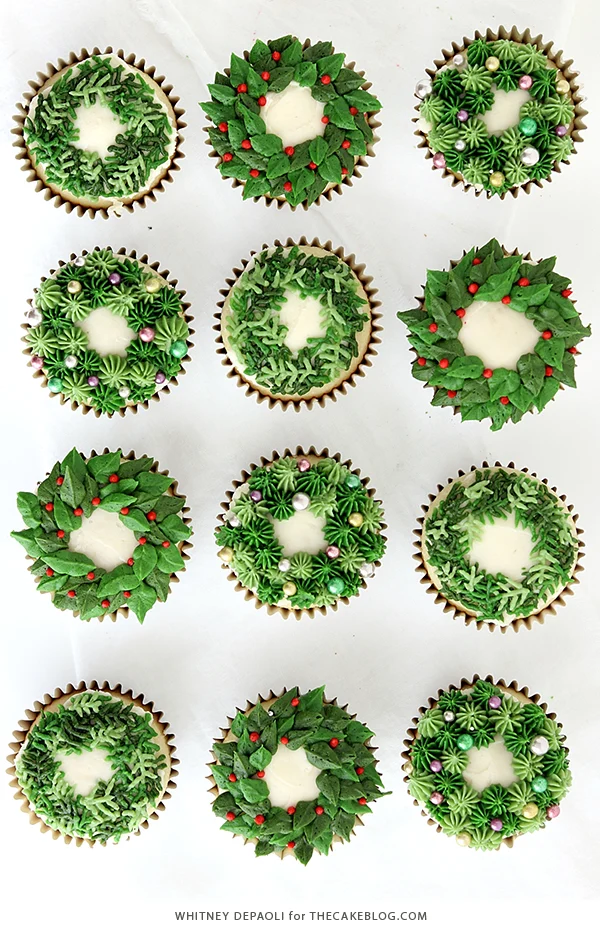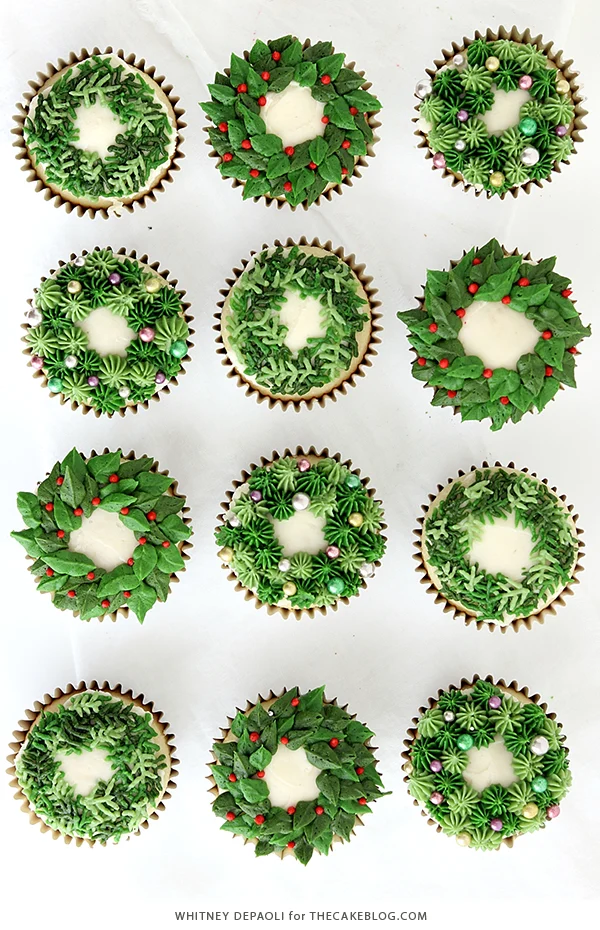
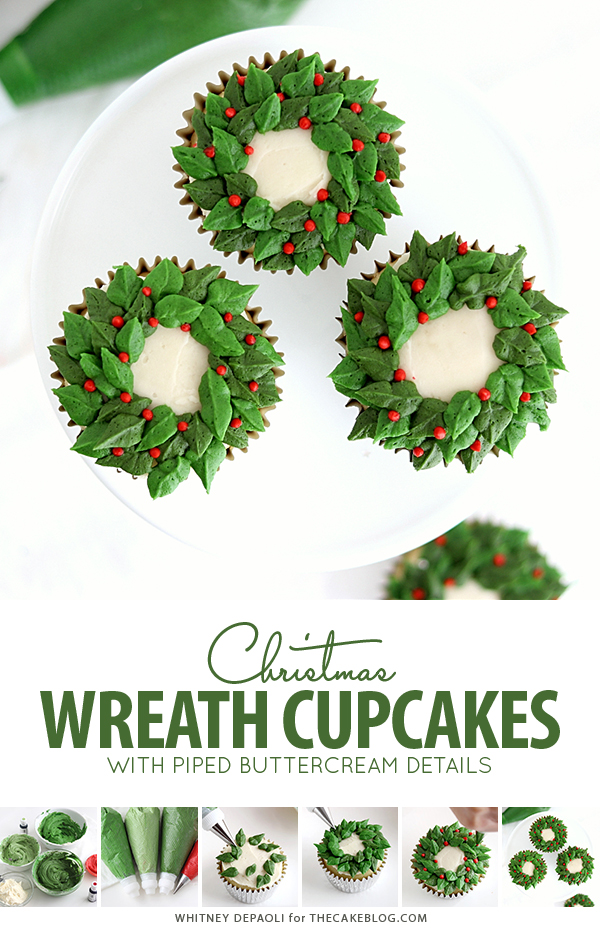
The landscape of seasonal confectionery has been further defined by the release of a specialized tutorial focusing on the creation of Christmas Wreath Cupcakes, a project led by culinary contributor Whitney DePaoli for the digital publication The Cake Blog. This instructional guide outlines the technical requirements and artistic methodology for producing festive cupcakes adorned with three distinct buttercream wreath designs, reflecting a broader trend in the culinary arts toward accessible, high-aesthetic home baking. As the holiday season historically drives a surge in consumer interest regarding DIY dessert decoration, this tutorial provides a structured framework for both novice and intermediate bakers to achieve professional-grade results through specific piping techniques and color theory.
The Evolution of Holiday Dessert Trends
The development of the Christmas Wreath Cupcake tutorial follows a long-standing tradition of holiday-themed baking that has evolved from rustic, family-style desserts to highly stylized, social-media-ready confections. In recent years, the shift toward "miniature aesthetics" has seen cupcakes replace traditional large-scale cakes at many holiday gatherings. This transition is attributed to several factors, including portion control, ease of distribution, and the opportunity for individual customization. DePaoli, who has previously contributed designs ranging from towering Christmas tree cakes to intricate gingerbread house motifs, identified the holiday wreath as a quintessential symbol of the season that translates effectively to a smaller canvas.
Market research within the baking industry suggests that seasonal tutorials are a primary driver of consumer behavior during the fourth quarter. According to data from the Specialty Food Association, sales of home-baking supplies—including high-quality piping tips, food coloring gels, and professional-grade buttercreams—experience a significant uptick between November and December. The Christmas Wreath Cupcake tutorial aligns with these market shifts by emphasizing the use of specialized equipment to achieve artisanal textures.
Technical Requirements and the Utility of Piping Couplers
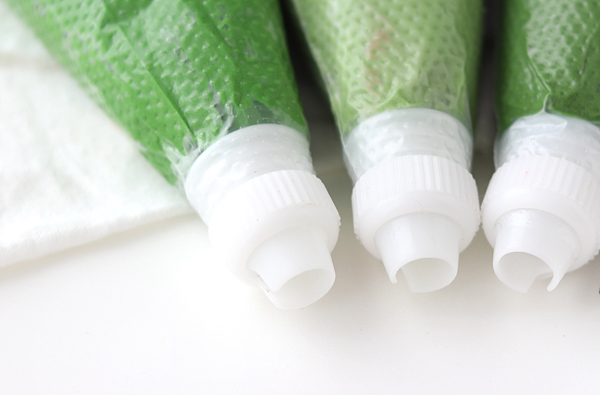
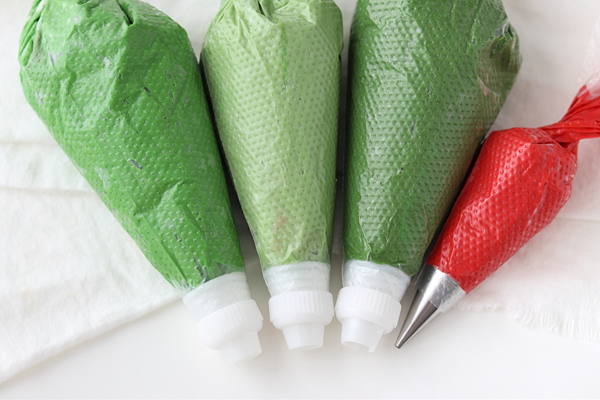
A central component of the tutorial’s methodology is the strategic use of buttercream piping couplers. In professional pastry environments, efficiency and sanitation are paramount. The tutorial highlights the utility of couplers, which are two-piece plastic sets that allow a baker to change piping tips on a single bag of frosting without needing to empty the contents or prepare a new bag. This technical detail is particularly relevant for the Christmas Wreath Cupcakes, which require alternating between various shades of green and different tip shapes to create depth and texture.
The tutorial specifies that American Buttercream is the preferred medium due to its stability and ease of coloring, though it notes that any pipeable frosting—such as Swiss Meringue or Italian Meringue buttercream—is applicable. The reliance on "leaf tips" (specifically #352), "round tips" (#3), and "star tips" (#199) demonstrates the variety of botanical textures that can be simulated through mechanical pressure and movement.
Chronology of the Decorating Process
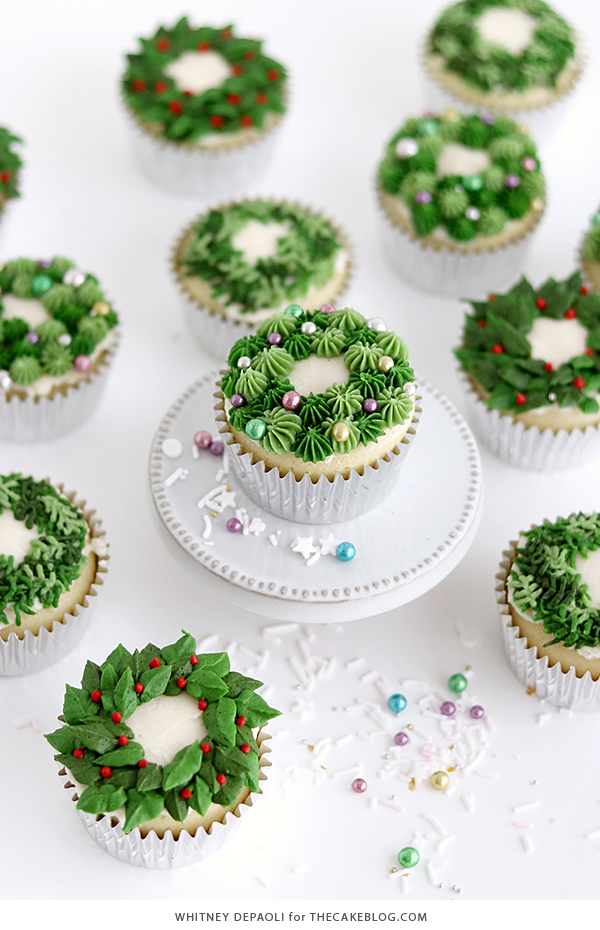
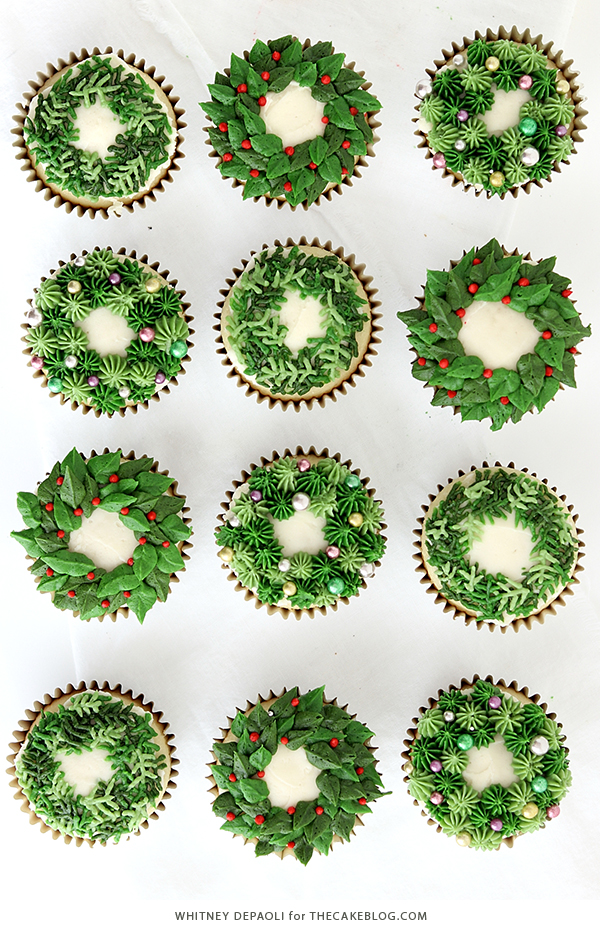
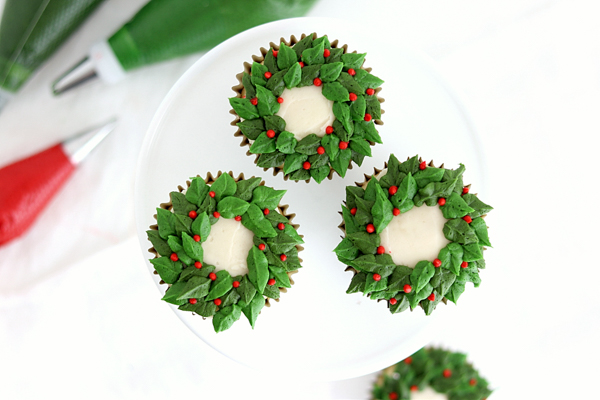
The production of these festive cupcakes follows a rigorous chronological sequence designed to ensure consistency across the three designs: the Berry Wreath, the Pine Sprig Wreath, and the Sprinkled Wreath.
Phase I: Preparation and Color Calibration
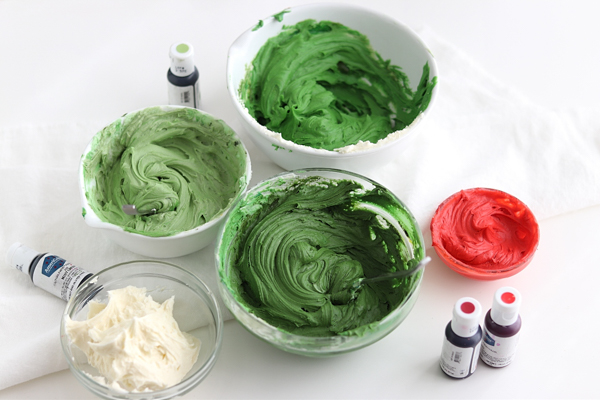
The process begins with the preparation of the color palette. Bakers are instructed to reserve a portion of uncolored buttercream to serve as a base layer for the cupcakes. The remaining frosting is divided and dyed using food color gels. DePaoli utilizes a spectrum of greens—ranging from "Avocado" to "Forest Green"—to mimic the natural variations found in evergreen foliage. A small portion of red buttercream is also prepared for the "berry" accents. This phase is critical, as the graduation of color intensity directly affects the realism of the final product.
Phase II: The Base Foundation
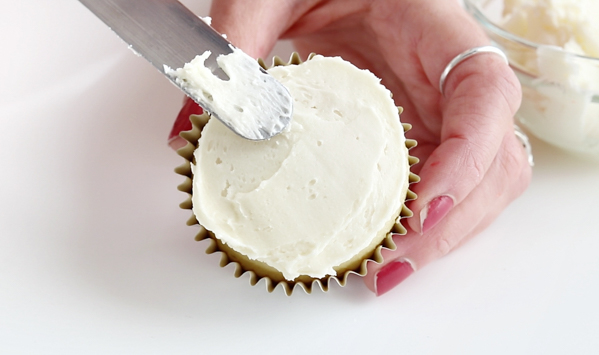
Each cupcake receives a thin, even layer of uncolored buttercream. This "crumb coat" or base layer serves two purposes: it provides a smooth surface for the piped designs to adhere to and ensures that no part of the cake is exposed, maintaining moisture and a clean visual background for the greenery.
Phase III: Executing the Three Wreath Designs
The tutorial breaks down the piping into three distinct technical approaches:
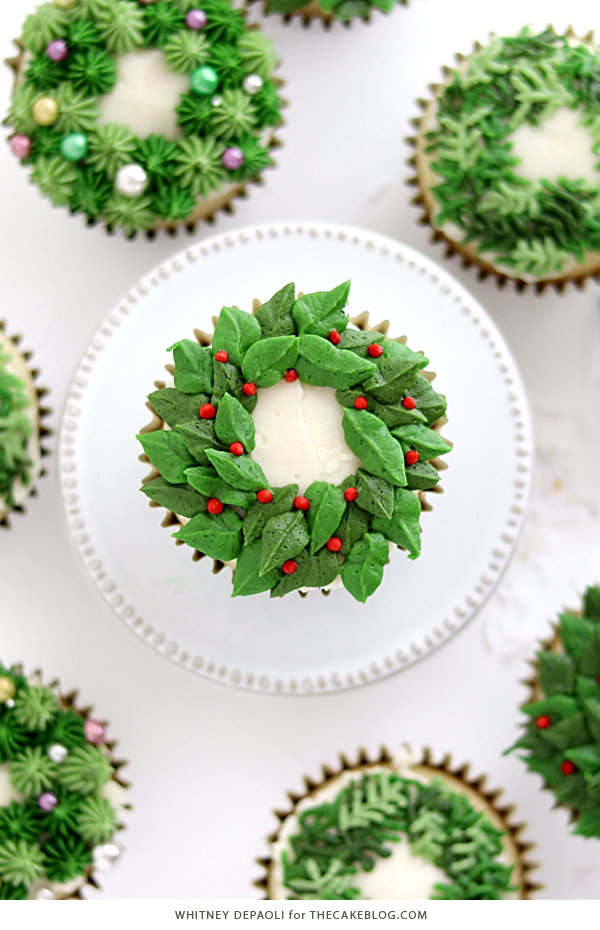
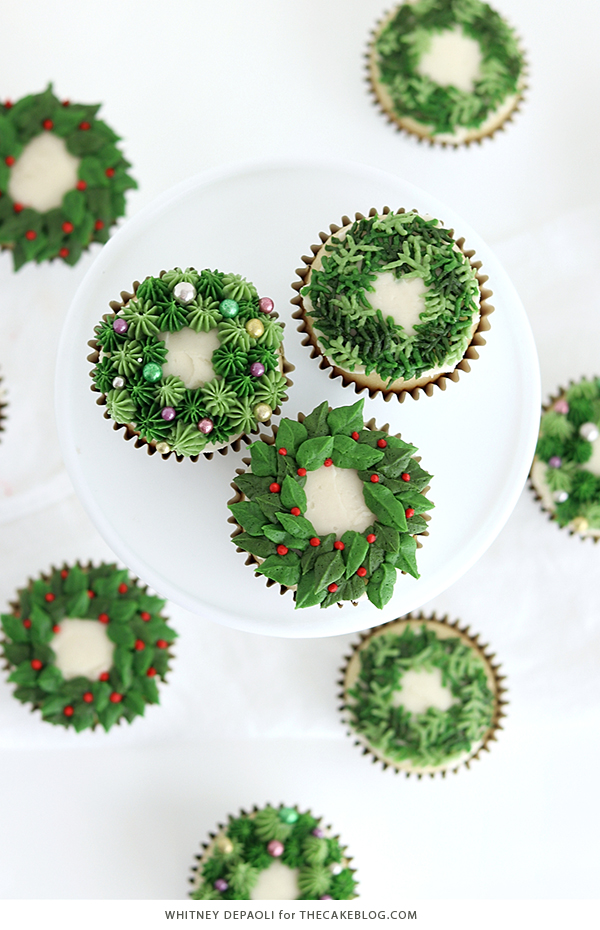
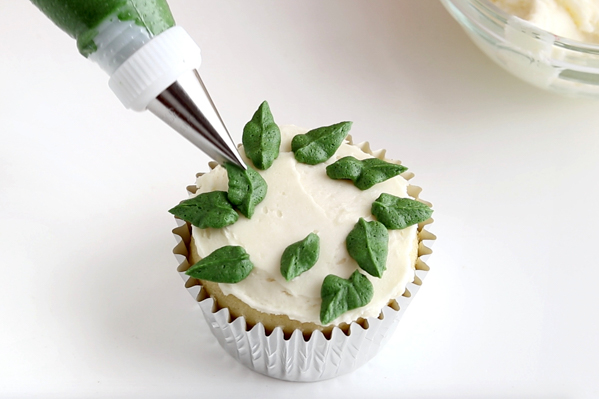
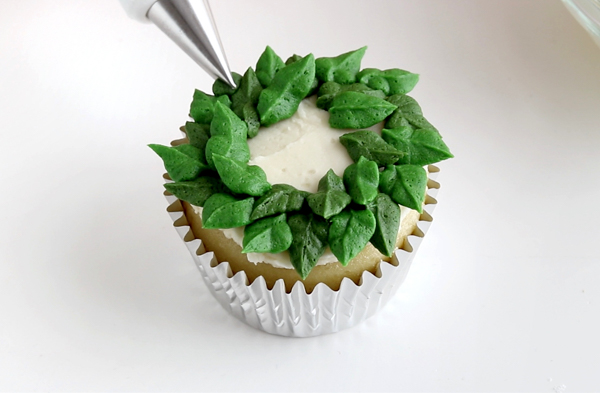
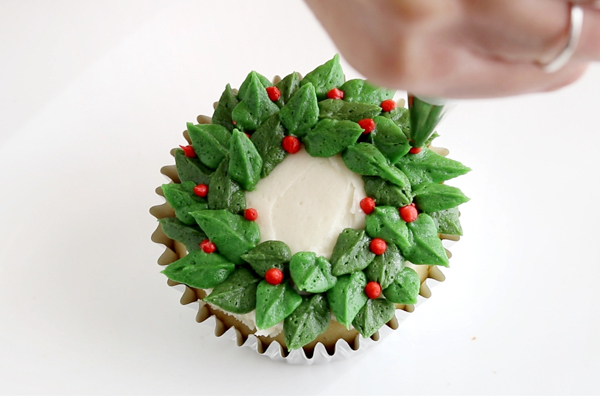
- The Berry Wreath: Utilizing the #352 leaf tip, the baker creates a series of overlapping leaves around the perimeter. The technique involves holding the tip parallel to the surface and applying steady pressure while pulling away. By alternating between medium and dark green shades, the design achieves a two-toned, organic appearance. Red buttercream "berries" are then added using a #3 round tip to provide a focal point of color contrast.
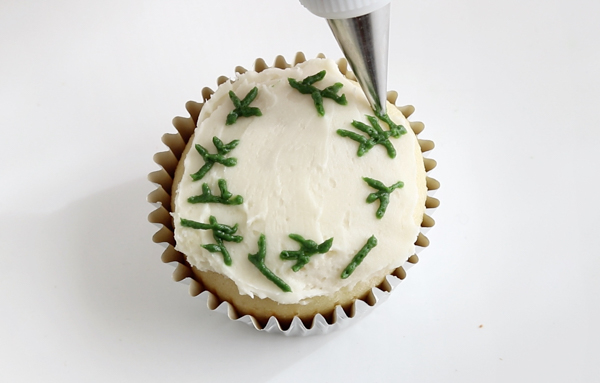
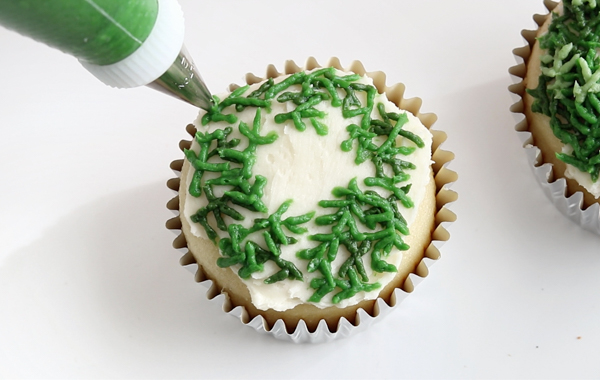
- The Pine Sprig Wreath: This design is identified as the most time-intensive. It requires a #3 round tip to pipe "v-shaped" lines that mimic the structure of pine needles. The layering of three different green shades creates a dense, textured look that simulates the complexity of a natural conifer wreath.
- The Sprinkled Wreath: This design employs the #199 star tip to create "drop stars." The baker applies vertical pressure to form small, ridged mounds of frosting. The wreath is then finished with spherical sprinkles, which serve as a metaphor for Christmas ornaments. This design is noted for its modern, playful aesthetic compared to the more botanical "Berry" and "Pine" versions.
Supporting Data and Economic Impact of DIY Baking
The rise of digital tutorials like DePaoli’s has a measurable impact on the global baking and decoration market, which was valued at approximately $12 billion in 2022 and is projected to grow at a CAGR of 5.6% through 2030. Industry analysts point to the "Pinterest effect"—where consumers seek to replicate high-end professional designs at home—as a major catalyst for the sale of specialized tools.
Furthermore, the holiday season accounts for nearly 35% of annual revenue for many specialty ingredient retailers. Tutorials that specify exact brands or tools (such as Americolor gel or Fancy Sprinkles) function as powerful marketing vehicles, bridging the gap between instructional content and consumer commerce. The accessibility of these designs encourages a higher volume of home production, which in turn fuels the demand for high-performance ingredients.
Official Responses and Culinary Analysis
While there has been no official statement from the American Culinary Federation regarding this specific tutorial, culinary educators often praise such guides for their role in democratizing professional techniques. "The use of couplers and specific tip numbers in a home-baking context represents an elevation of the craft," says one industry observer. "It moves the hobbyist away from generic ‘swirl’ frosting toward intentional, botanical art."
From a technical standpoint, the Christmas Wreath Cupcakes are a study in "negative space" and "layering." By leaving the center of the cupcake relatively clear or base-frosted, the wreath design emphasizes the circular form associated with holiday hospitality. The implication for the home baker is that precision in piping is more important than the volume of frosting used, a departure from the "over-frosted" trends of the early 2010s.
Broader Implications for Holiday Celebrations
The publication of this tutorial reflects a broader societal shift toward personalized, handcrafted holiday experiences. In an era dominated by mass-produced goods, the act of piping individual wreaths onto cupcakes is viewed as a return to artisanal values. These confections are designed not only for consumption but as centerpieces for holiday tables, contributing to the visual storytelling of the season.
The tutorial also addresses the psychological aspect of holiday preparation. DePaoli describes the "delight" of seeing an idea come to life, a sentiment echoed by many in the "slow food" and DIY movements. As consumers increasingly prioritize experiences and skills over material acquisitions, the ability to master a new culinary technique becomes a form of cultural capital.
Conclusion
The Christmas Wreath Cupcake tutorial by Whitney DePaoli serves as more than just a recipe; it is a technical manual for a specific form of edible art. By providing clear instructions on color theory, tool utility, and piping mechanics, the guide empowers the public to participate in a high-level culinary tradition. As the holiday season progresses, such tutorials will likely continue to influence the aesthetic standards of domestic celebrations, ensuring that the intersection of art and baking remains a focal point of the festive experience. Through the combination of three distinct designs—the Berry, Pine Sprig, and Sprinkled wreaths—this project offers a comprehensive look at the versatility of buttercream as a medium for seasonal expression.