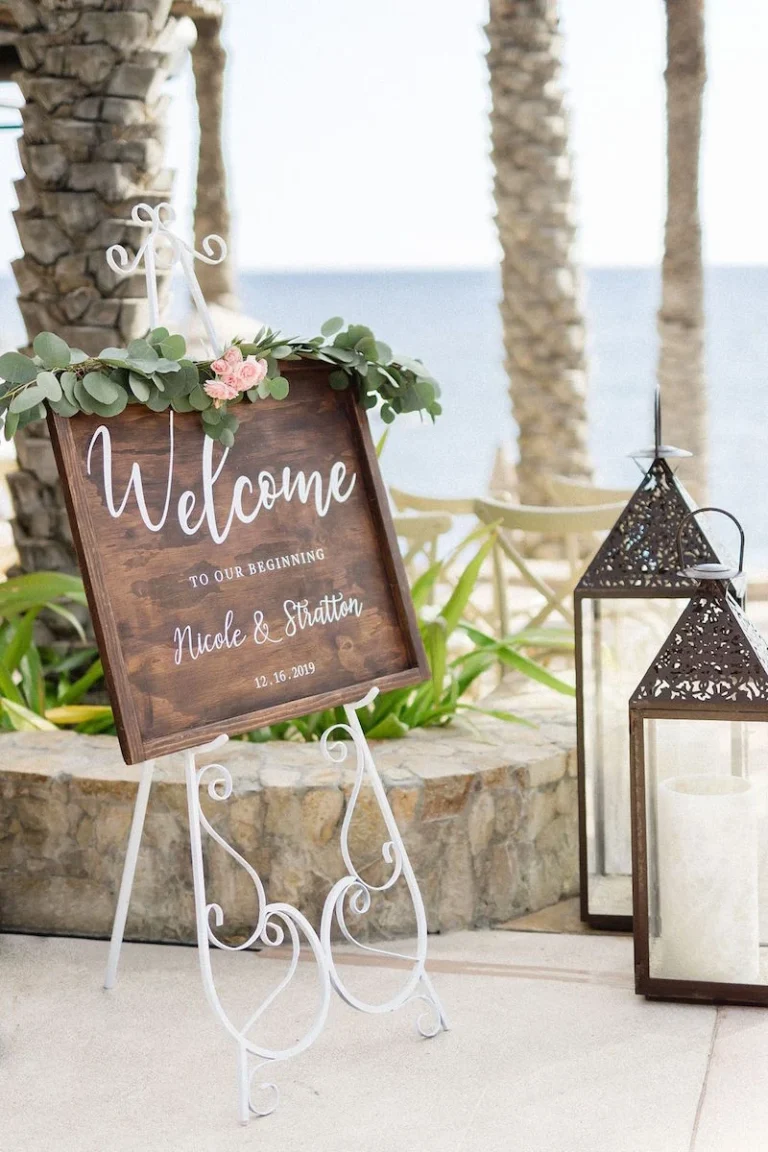



The allure of a destination wedding, set against the backdrop of exotic locales and luxurious resorts, has captivated countless couples. While the romantic vision is undeniable, the practicalities of orchestrating such an event extend far beyond selecting a picturesque setting. A successful destination wedding hinges on meticulous planning and thorough inquiry, particularly when it comes to the chosen venue. Before committing to a resort, prospective brides and grooms must arm themselves with a comprehensive list of questions to ensure their dream day aligns with their budget, expectations, and logistical realities. This in-depth guide explores ten critical areas of inquiry that will empower couples to navigate the complexities of booking a destination wedding resort, transforming a potentially overwhelming process into a streamlined and informed decision-making journey.
The initial decision to host a wedding away from home marks the beginning of an intricate planning phase. Researching potential locations and resorts is paramount, as each venue will offer a unique set of services, amenities, and pricing structures. Understanding these nuances is the key to securing a wedding that is both memorable and manageable. The following ten essential questions serve as a roadmap for couples embarking on this exciting, yet demanding, planning adventure, ensuring no detail is overlooked and every potential pitfall is addressed proactively.
Unveiling Honeymoon Packages: Extending the Celebration
A significant aspect of destination weddings is the desire to seamlessly transition from the nuptial festivities to a romantic honeymoon. Many resorts recognize this and offer integrated honeymoon packages, often at a discounted rate. Couples should inquire about these offerings to determine if they can extend their stay at the same venue, potentially saving on travel costs and the hassle of relocating.
"Couples are investing a substantial amount in a destination wedding," states [Fictional Industry Expert Name, e.g., Sarah Chen, a wedding planner specializing in destination events]. "Offering bundled honeymoon packages is a strategic move for resorts to enhance guest experience and encourage longer stays, thereby increasing revenue." These packages can encompass romantic dinners, spa treatments, and exclusive excursions, allowing the newlyweds to fully immerse themselves in the destination without the added stress of separate bookings. Understanding the inclusions and pricing of these packages early in the planning process can significantly impact the overall budget and the post-wedding relaxation period.
Room Block Negotiations: Ensuring Guest Comfort and Affordability
For any wedding, accommodating guests is a primary concern. In the context of a destination wedding, this becomes even more critical, as guests are incurring travel and accommodation expenses. Negotiating a room block discount with the resort is an essential step. Couples should ascertain whether the resort offers preferential rates for a designated number of rooms booked by their wedding party.
"The average nightly rate in popular tourist destinations can fluctuate dramatically," notes [Fictional Market Analyst Name, e.g., David Lee, a hospitality market analyst]. "By securing a room block, couples can potentially lock in rates that are more favorable than individual bookings, making the trip more accessible for their guests." It is advisable for couples to research the prevailing local hotel rates beforehand to approach negotiations with a clear understanding of market value. This due diligence empowers them to advocate for the best possible pricing, ensuring that a significant portion of their guest list can comfortably attend without financial strain. The ability to secure a discount for a specific number of room bookings can be a deciding factor for many guests.
On-Site Planner Services: Leveraging Venue Expertise
The logistical complexities of a destination wedding are often amplified by distance and unfamiliarity with the local landscape. Resorts that frequently host weddings often provide an on-site wedding planner as part of their event packages. This invaluable resource possesses intimate knowledge of the venue’s capabilities, layout, and preferred vendors, offering a distinct advantage.
"An on-site planner isn’t just a convenience; they are a crucial asset," explains [Fictional Resort Manager Name, e.g., Maria Rodriguez, Director of Events at a well-known resort]. "They understand the nuances of our property, from the best spots for sunset photos to the optimal flow for a reception. This expertise translates into a smoother, more efficient planning process for the couple and a flawless execution on the wedding day." Having a planner who is intimately familiar with the resort’s facilities and operational procedures can streamline communication, troubleshoot potential issues proactively, and ensure that the couple’s vision is brought to life with precision and ease.
Rental of Supplies: Addressing Logistical Gaps
Destination weddings often necessitate creative solutions for essential wedding supplies. Items such as decorative chargers, elegant linens, or specialized lighting may be difficult or impossible to transport internationally or even domestically via air travel. Couples must inquire whether the resort offers rentals for these items or has established relationships with local rental companies.
"The cost and effort of shipping bulky or delicate wedding décor to a destination can be prohibitive," highlights [Fictional Event Designer Name, e.g., James Carter, a freelance event stylist]. "Partnering with a resort that either provides these rentals directly or can recommend reliable local vendors significantly reduces the logistical burden and potential for damage." The ability to rent items like specialty chairs, tableware, or even sound equipment on-site simplifies packing, minimizes shipping costs, and ensures that the couple has access to the desired aesthetic elements without the stress of transcontinental transport.
In-House Catering and Bar Services: Culinary Delights and Budget Considerations
The culinary experience is a cornerstone of any memorable wedding. Resorts with on-site restaurants or dedicated catering departments can offer a comprehensive range of services, from plated dinners for the reception to intimate breakfasts for guests staying at the resort. It is crucial for couples to clarify whether these catering services are included in the initial venue fees or are considered an additional expense.
"Our catering team works closely with couples to create bespoke menus that reflect their tastes and the destination’s culinary heritage," says [Fictional Chef Name, e.g., Chef Antoine Dubois, Executive Chef at a luxury resort]. "Understanding whether catering is bundled or à la carte helps couples accurately forecast their budget and explore options like tasting menus or themed buffets." Beyond food, the availability of a dedicated bar service, including licensed bartenders and a selection of beverages, is another key aspect to investigate, ensuring seamless hospitality for all attendees.
Scheduling of Other Events: Ensuring Privacy and Ambiance
When booking a resort for a wedding, it is prudent to inquire about any other significant events scheduled to occur concurrently or in close proximity to the wedding date. This proactive inquiry helps manage expectations regarding the resort’s overall busyness and potential impact on the wedding experience.
"We aim to provide an exclusive experience for each wedding," states [Fictional Hotel Manager Name, e.g., Emily Davis, General Manager of a beachfront resort]. "Knowing if other large groups, conferences, or weddings are scheduled allows us to better manage resources, ensure adequate staffing, and minimize any potential disruptions to the wedding party’s privacy and ambiance." A resort hosting multiple large events simultaneously might experience higher traffic, potentially impacting the availability of certain amenities or creating a less intimate atmosphere. Understanding this helps couples assess whether the resort’s capacity aligns with their desired wedding experience.
Weather Considerations: Adapting to the Climate
The climate of the chosen destination plays a pivotal role in wedding planning, influencing everything from attire and décor to the choice of ceremony and reception venues. Couples should seek detailed information about the typical weather patterns throughout the year, paying particular attention to the season in which they intend to marry.
"Understanding the prevailing weather is fundamental to designing a successful event," advises [Fictional Meteorologist Name, e.g., Dr. Anya Sharma, a climatologist specializing in tourism destinations]. "For instance, a destination known for its consistent sunshine might lend itself to picturesque outdoor ceremonies, while a region prone to monsoons would necessitate robust indoor contingency plans." This knowledge empowers couples to make informed decisions about indoor versus outdoor settings, select appropriate attire for the bridal party and guests, and plan for any potential weather-related activities, ensuring comfort and enjoyment regardless of atmospheric conditions.
Availability of On-Site Photographers: Capturing Precious Moments
Many popular wedding resorts offer the convenience of an in-house photographer, who is often familiar with the best scenic spots and lighting conditions on the property. This can be a significant advantage, particularly for couples who may not have pre-selected a photographer. However, smaller or less frequently booked venues might not have this service readily available.
"Our resident photographers understand the unique beauty of our grounds and have captured countless love stories here," explains [Fictional Photography Coordinator Name, e.g., Ben Carter, Wedding Photography Coordinator at a resort]. "They are adept at capturing the essence of a destination wedding, from candid moments to formal portraits, often with a style that complements the resort’s aesthetic." Couples should inquire about the photographer’s portfolio, pricing, and the number of hours of coverage included in any package to ensure it aligns with their photographic vision.
DJ Services and Entertainment: Setting the Right Tone
While some couples might envision a DIY playlist for their wedding music, the role of a professional DJ extends far beyond simply playing songs. A skilled DJ manages the flow of the reception, cues music for key moments like the processional and recessional, introduces the wedding party, and facilitates toasts and announcements. Resorts may or may not offer DJ services as part of their wedding packages.
"A good DJ is the conductor of the wedding reception," states [Fictional DJ Name, e.g., DJ Marcus Bell, a wedding DJ with extensive experience]. "They ensure the energy is right, transitions are seamless, and guests are engaged. Relying solely on a pre-made playlist can lead to awkward silences or missed cues." Couples should ascertain whether the resort provides DJ services or if they will need to source an external vendor, factoring in the associated costs and logistical arrangements.
Payment Plans and Financial Management: Budgeting for the Dream
The financial commitment of a destination wedding can be substantial, often running into tens of thousands of dollars. To alleviate the upfront burden, many resorts are amenable to offering payment plans. This allows couples to spread the cost over a period leading up to the wedding, making the investment more manageable.
"We understand that planning a destination wedding involves significant financial planning," acknowledges [Fictional Finance Manager Name, e.g., Ms. Eleanor Vance, Director of Sales at a resort group]. "We work with couples to establish flexible payment schedules that align with their financial timelines, ensuring they can secure their dream venue without undue financial pressure in the immediate pre-wedding period." Inquiring about available payment options, deposit requirements, and final payment due dates is a critical step in budgeting and securing the booking with confidence.
Strategic Comparison and Informed Decision-Making
The process of selecting a destination wedding resort is an iterative one, requiring careful consideration and comparison of various offerings. By arming themselves with answers to these ten essential questions, couples are better equipped to evaluate potential venues. It is highly recommended to contact multiple resorts in the desired location, gather detailed proposals, and compare packages holistically. This comparative analysis ensures that the chosen resort not only meets the aesthetic and experiential desires of the couple but also aligns with their financial capabilities and logistical considerations, paving the way for a truly unforgettable wedding day. The diligence invested in this crucial stage of planning will undoubtedly contribute to the seamless execution and lasting memories of their destination wedding.