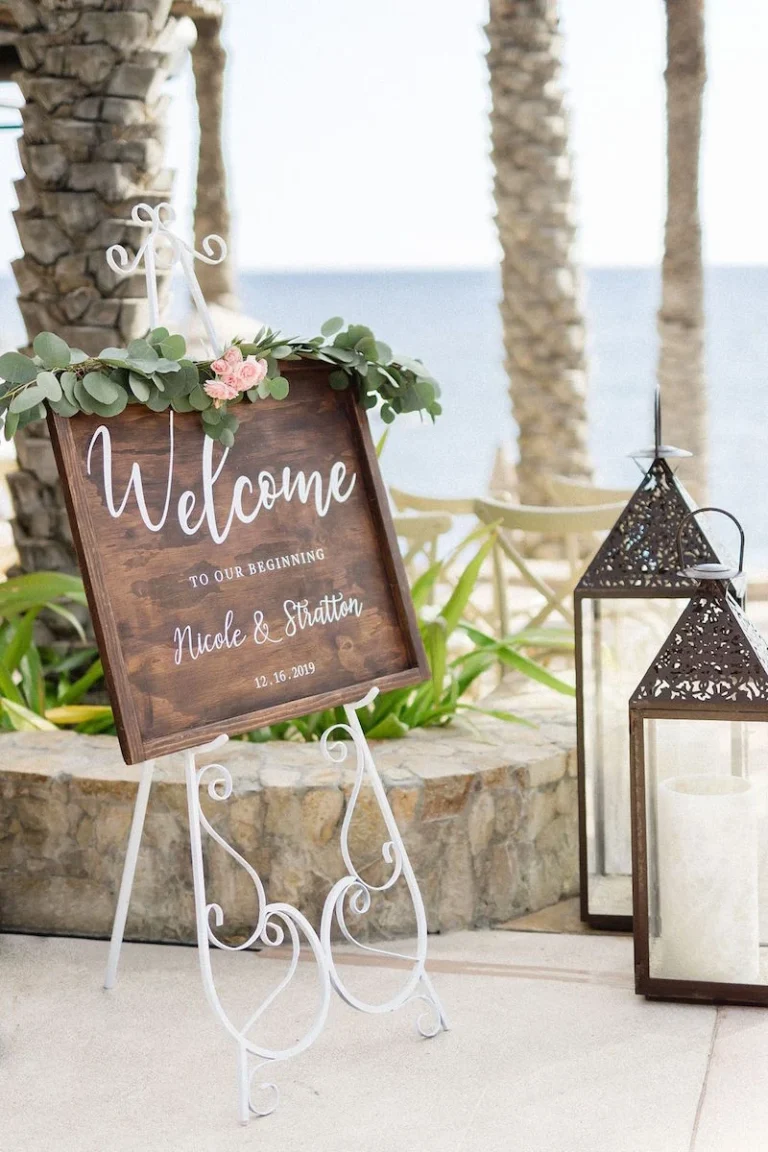




The allure of exchanging vows against a backdrop of breathtaking scenery, from sun-drenched beaches to majestic mountain vistas, has propelled destination weddings into a significant segment of the global wedding industry. While the romantic ideal of a destination wedding at a resort captivates many couples, the practicalities of planning such an event extend far beyond selecting a picturesque location. A thorough understanding of what a resort offers, and critically, what it doesn’t, is paramount to ensuring a seamless and memorable celebration. Before couples commit to a date and venue, a detailed inquiry process is essential. Industry experts emphasize that proactive questioning can prevent costly oversights and emotional distress, ultimately paving the way for a stress-free journey to the altar. This comprehensive guide outlines ten crucial questions every couple should pose to a destination wedding resort before signing any contracts, ensuring their dream day aligns with their budget, expectations, and logistical realities.
The global destination wedding market has seen consistent growth, with projections indicating continued expansion. According to a 2023 report by Grand View Research, the global wedding tourism market size was valued at USD 132.7 billion in 2022 and is expected to grow at a compound annual growth rate (CAGR) of 6.2% from 2023 to 2030. This growth is fueled by couples seeking unique, personalized experiences and the increasing accessibility of travel. Resorts catering to this market often develop specialized packages, but the specifics can vary dramatically. Understanding these nuances is key to navigating the planning process effectively.
Beyond the "I Do": Unpacking Resort Packages and Discounts
1. Do You Offer Honeymoon Packages?
A significant financial outlay is inherent in planning a destination wedding. Savvy resort management recognizes this and often incentivizes couples to extend their stay by offering discounted honeymoon packages. These packages can represent substantial savings compared to arranging a separate honeymoon at a different location. Couples should inquire about the specifics of these offers, including duration, inclusions, and any blackout dates, to assess how they align with their post-wedding plans and overall budget. For instance, a resort might bundle romantic dinners, spa treatments, or excursion discounts for couples who book their wedding and honeymoon simultaneously. This integrated approach simplifies logistics and often provides a more cohesive experience.
2. Is There a Room Block Discount Available for Guests?
For weddings with an expected attendance of 20 to 30 guests, or even more, securing adequate accommodation is a critical logistical and financial consideration for attendees. A standard practice for accommodating wedding parties and their guests involves negotiating a "room block," where a predetermined number of rooms are reserved at a special rate. Couples should proactively inquire about the availability of such discounts. Furthermore, before engaging in negotiations, it is advisable to research the average nightly rates for comparable accommodations in the local area. This due diligence empowers couples to negotiate more effectively, potentially securing lower rates that make the journey more affordable for their guests, thereby increasing attendance and overall satisfaction. A well-negotiated room block can significantly reduce the financial burden on guests, a factor that can influence their decision to attend.
Orchestrating the Event: Services and Logistics
3. Is an On-Site Wedding Planner Provided?
Many resorts that specialize in hosting weddings include the services of an on-site wedding planner as part of their event fees. This is a considerable advantage, especially for couples planning from afar. An experienced on-site planner possesses intimate knowledge of the resort’s venues, operational procedures, and local vendor networks. They can expertly leverage the available spaces to bring the couple’s vision to life, avoiding the learning curve that an external planner might encounter. This insider knowledge can translate into more efficient use of resources, seamless execution, and a more authentic representation of the resort’s capabilities. For example, an on-site planner would know the best locations for sunset photos or the most suitable spaces for different reception activities based on historical event success.
4. Do You Rent Wedding Supplies?
The logistical challenge of transporting numerous small but essential wedding items, such as chargers, decorative elements, or specialized serving ware, can be daunting for destination weddings. Couples must ascertain whether the resort offers rental services for these items. If not, they will need to identify and coordinate with local event rental companies. The feasibility of shipping items internationally or domestically also needs to be considered. Renting directly from the resort or a local vendor can mitigate the risk of items being lost or damaged in transit, streamline packing, and often prove more cost-effective than paying for excessive luggage or specialized shipping. This question directly addresses the practicalities of setting up the wedding environment.
5. Do You Provide In-House Catering Services?
Resorts with established culinary operations, including on-site restaurants, frequently extend their catering expertise to wedding events. This can encompass a range of services, from formal reception dinners to more intimate in-suite breakfasts for guests or dedicated bar services. It is crucial for couples to clarify whether these catering services are included in the initial package fees or are considered an additional expense. Understanding the scope of the catering offerings, including menu customization options, tasting opportunities, and any dietary accommodation policies, is vital for planning a culinary experience that delights guests and aligns with the couple’s preferences and budget. The quality and variety of in-house catering can significantly impact the guest experience.
Setting the Scene: Atmosphere and Guest Experience
6. Are There Other Significant Events Scheduled During Our Desired Dates?
To ensure an exclusive and unhurried experience, couples should inquire about any other large-scale events or conventions scheduled at the resort during their wedding dates. The presence of multiple simultaneous events can lead to increased foot traffic, potentially crowded common areas, and a feeling of being rushed to vacate event spaces. Understanding the resort’s occupancy and activity levels during their chosen time frame will allow couples to gauge the potential impact on their wedding’s ambiance and their guests’ overall experience. This proactive inquiry helps manage expectations regarding privacy and access to resort amenities.
7. What Are the Typical Weather Patterns for This Time of Year?
The prevailing weather conditions in a destination are a fundamental factor in wedding planning, influencing everything from venue selection to attire and activities. Couples should solicit detailed information about the typical weather for their chosen season. For example, an area known for consistent sunshine and high temperatures will necessitate different considerations than a region prone to frequent rain or cooler climates. This knowledge directly impacts decisions regarding indoor versus outdoor ceremony and reception spaces, the feasibility of outdoor games or activities, and the types of attire suitable for the wedding party and guests. Understanding the climate allows for informed choices that maximize comfort and enjoyment.
8. Do You Have an In-House Photographer Available?
Some popular wedding resorts offer the convenience of an in-house photographer who is familiar with the property and adept at capturing bridal portraits and key moments of the wedding day. For smaller hotels or those that host fewer weddings annually, this service might not be available due to budget constraints or a different business model. Couples should inquire about this service and, if available, request to see a portfolio of the photographer’s work. Having a photographer who knows the resort’s best angles and lighting conditions can be a significant asset, simplifying the vendor selection process and potentially ensuring high-quality photographic documentation of the event.
9. Should We Hire a Professional DJ, or Do You Provide Music Services?
While some resorts might offer basic audio equipment, such as speakers, that can be used with a personal playlist, the absence of professional DJ services can be a notable limitation. A professional DJ not only provides music but also manages key aspects of the reception, including cueing music for the ceremony processional, directing toasts, introducing the wedding party, and engaging guests. Couples should ascertain the extent of music services provided by the resort. If the resort’s offerings are minimal, hiring an external DJ becomes a crucial consideration to ensure a well-paced and entertaining reception. The role of a DJ extends beyond music selection to event flow and guest engagement.
10. Are Payment Plans Available for Resort Bookings?
The financial commitment for a destination wedding resort can be substantial, often running into tens of thousands of dollars. Understanding the payment structure and exploring the possibility of payment plans is essential for financial management. Couples should inquire if the resort offers flexible payment options that allow them to spread the costs over time, rather than requiring a large upfront payment close to the ceremony date. Negotiating a payment schedule can alleviate financial pressure and make the booking process more manageable, allowing couples to focus on other aspects of their wedding planning without undue financial stress.
Strategic Decision-Making: The Power of Comparison
The process of selecting a destination wedding resort is akin to a strategic business negotiation. By arming themselves with answers to these ten critical questions, couples can approach potential venues with clarity and confidence. It is imperative to compare offers from multiple resorts within the desired location. Each resort may present a unique package, and understanding the nuances of inclusions, exclusions, and pricing structures will empower couples to identify the venue that best aligns with their vision, budget, and logistical requirements. This thorough due diligence is not merely about securing a venue; it is about laying the foundation for a truly unforgettable wedding celebration, free from unforeseen complications and financial surprises. The investment in this detailed research phase pays dividends in peace of mind and the successful execution of a dream wedding.