

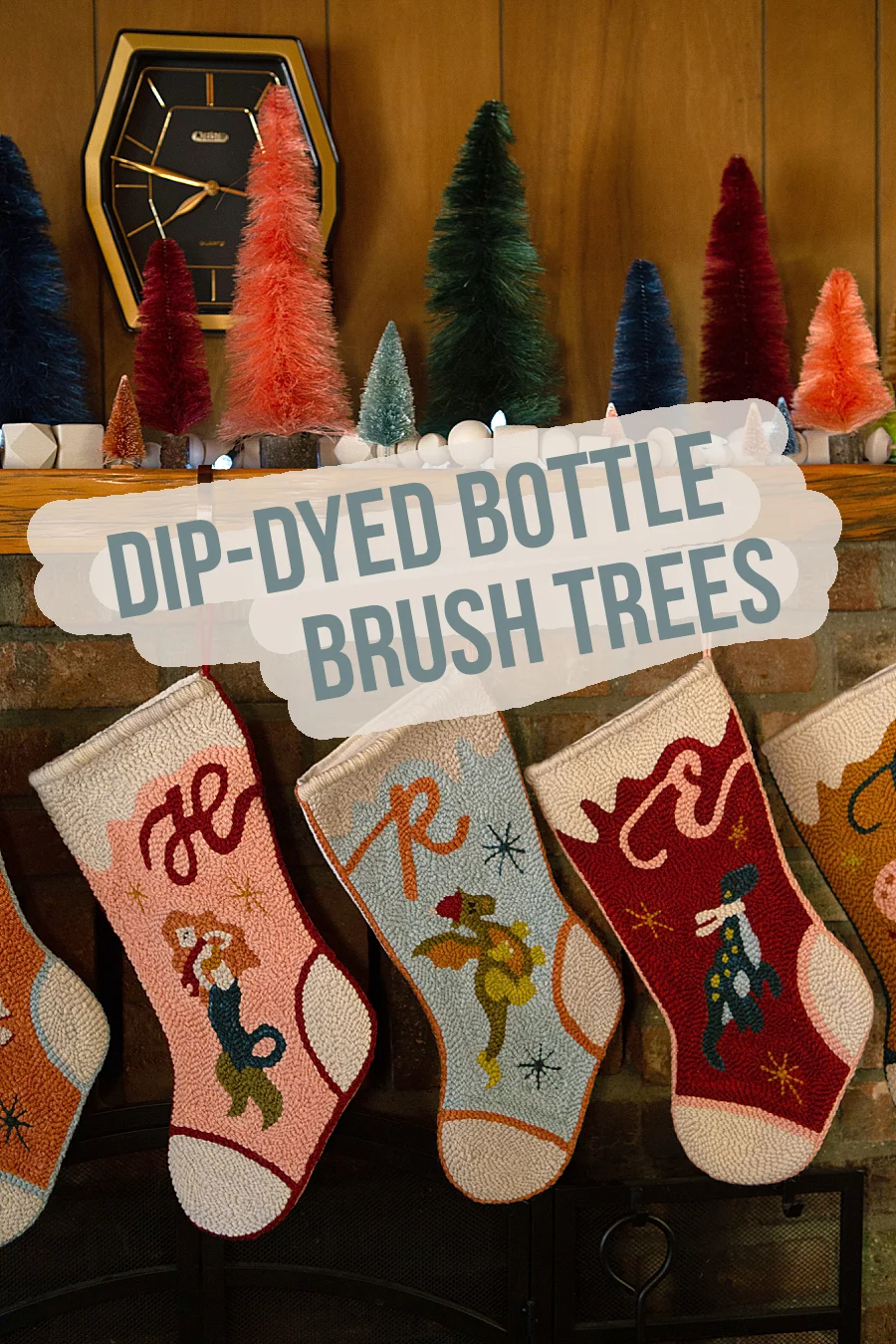
The intersection of high-quality domestic craftsmanship and personalized home aesthetics has reached a new milestone this holiday season as DIY enthusiasts and interior designers increasingly turn toward artisanal sourcing and custom color-matching techniques. A recent project led by Jen Causey-Kidder of Something Turquoise has highlighted a growing consumer trend: the rejection of mass-produced, imported seasonal goods in favor of American-made, handmade components that can be tailored to specific design palettes. By utilizing natural sisal trees from a domestic Etsy creator and precision color formulas from established dye manufacturers, this movement emphasizes the shift toward "slow decor"—a practice that prioritizes quality, sustainability, and personal expression over the convenience of big-box retail.
The Shift Toward Domestic Sourcing and Artisanal Quality
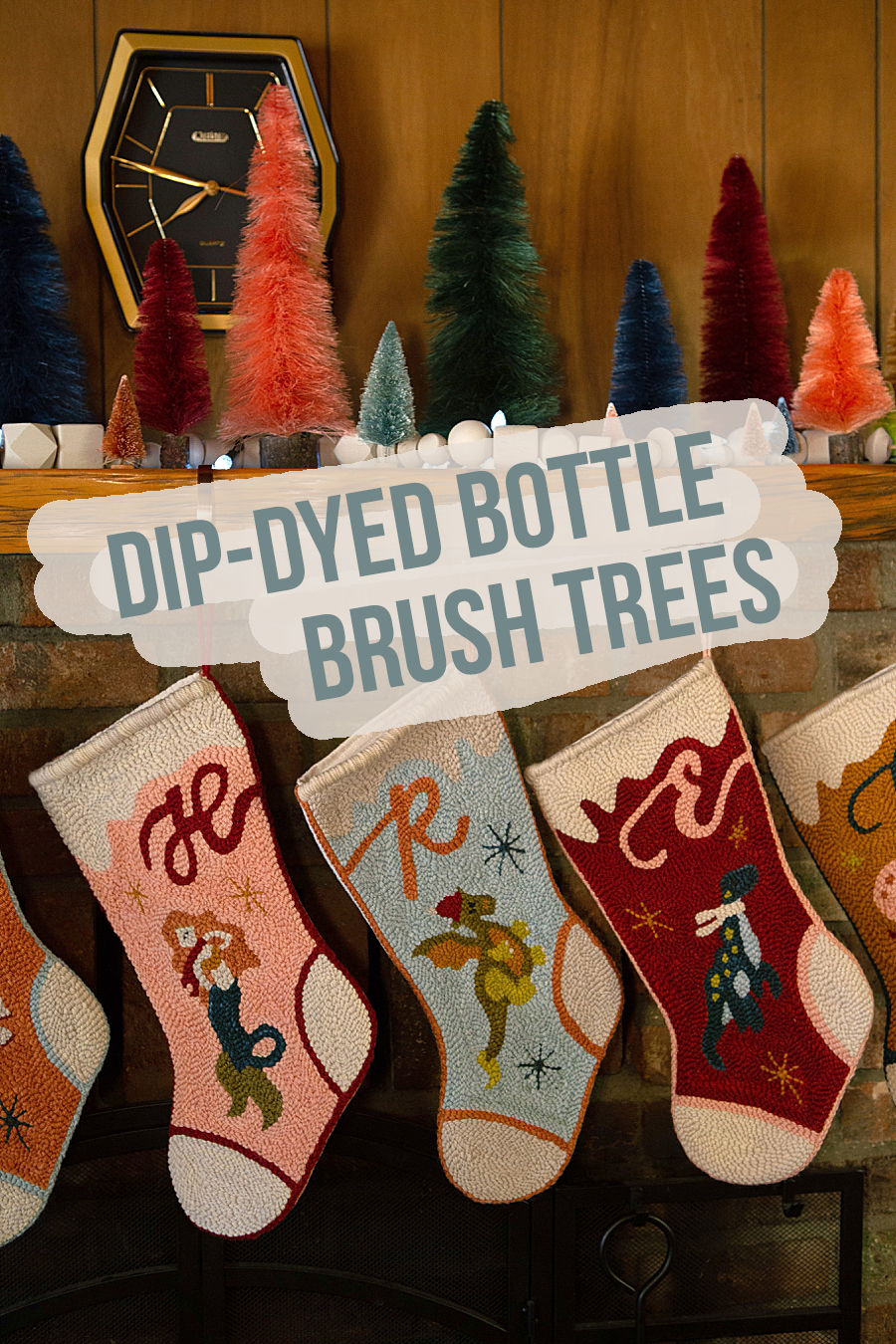
The project originated from a specific logistical challenge: the inability to find high-quality, American-made holiday decor that matched a specific color palette used in "heirloom" punch needle stockings. This frustration reflects a broader sentiment in the domestic market. According to recent consumer behavior studies, a significant percentage of North American shoppers have expressed a desire for "Made in USA" products, citing concerns over durability, ethical labor practices, and the environmental impact of long-distance shipping.
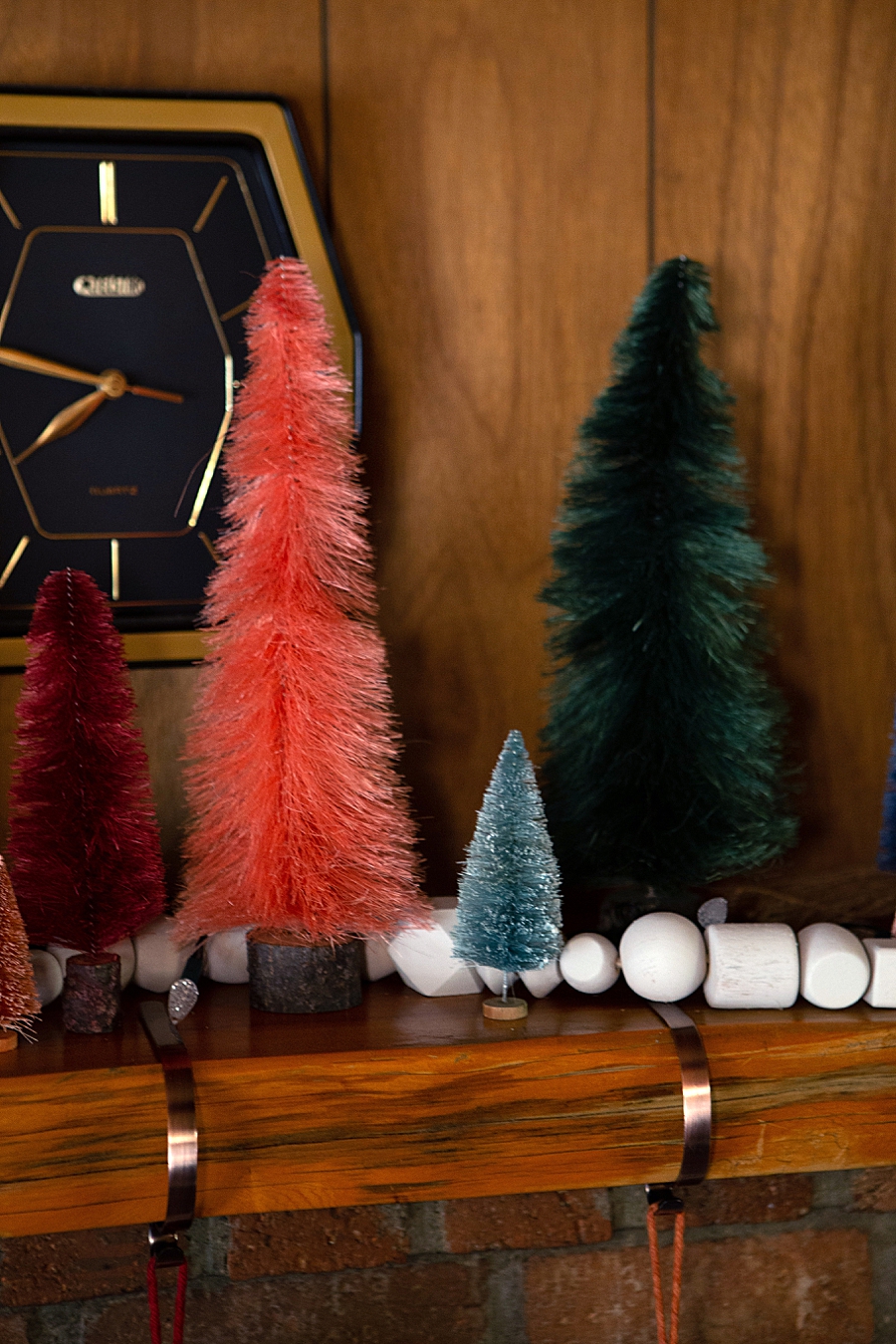
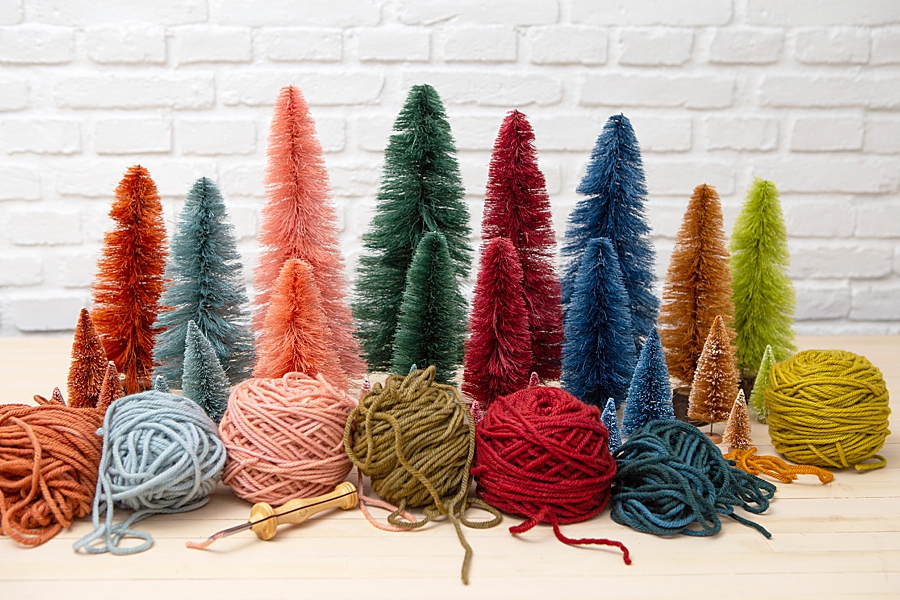
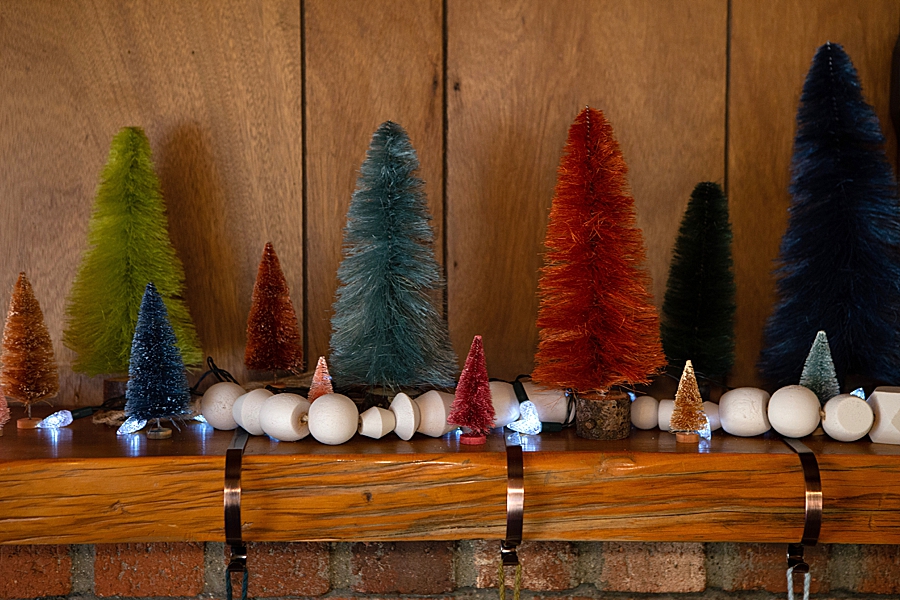
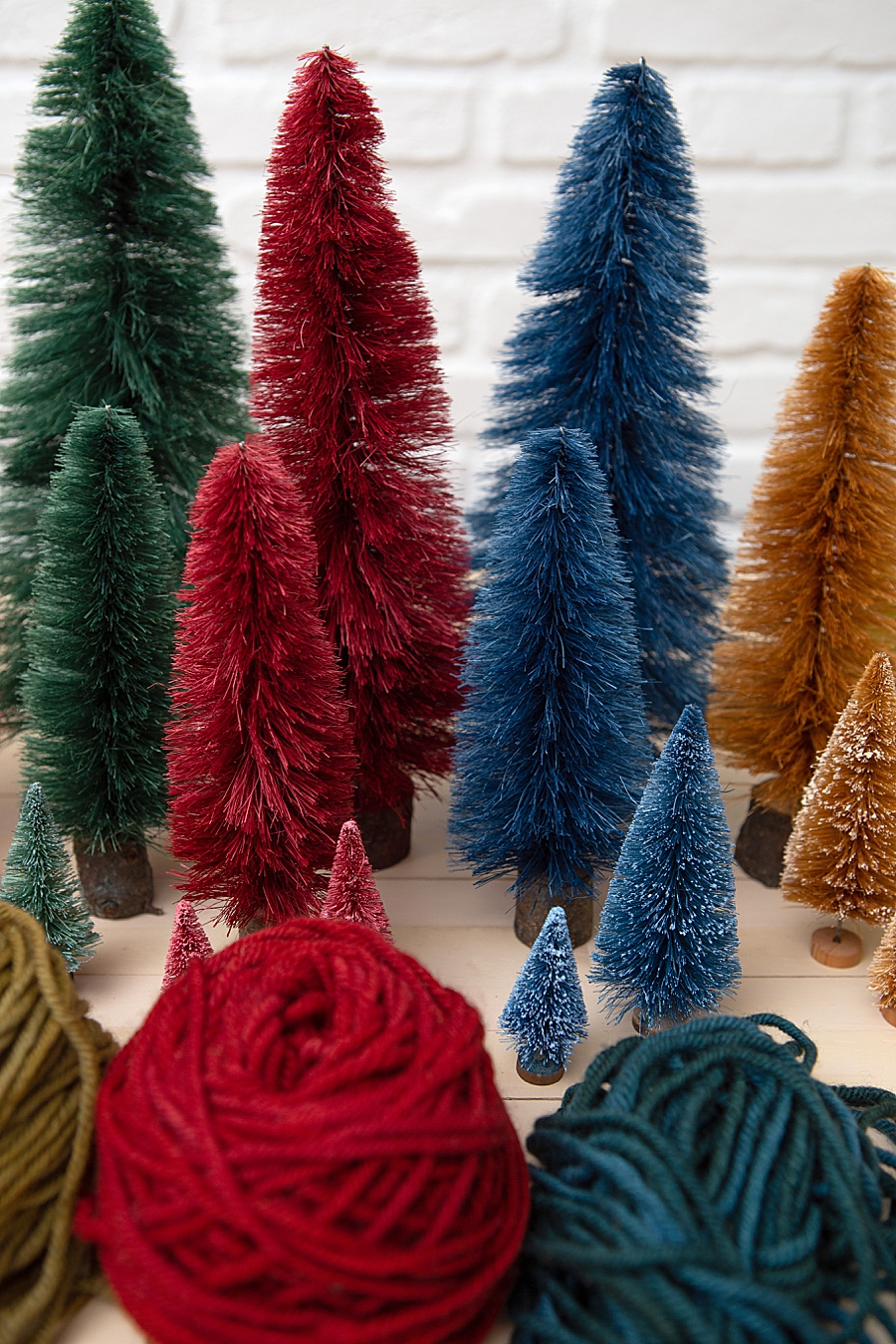
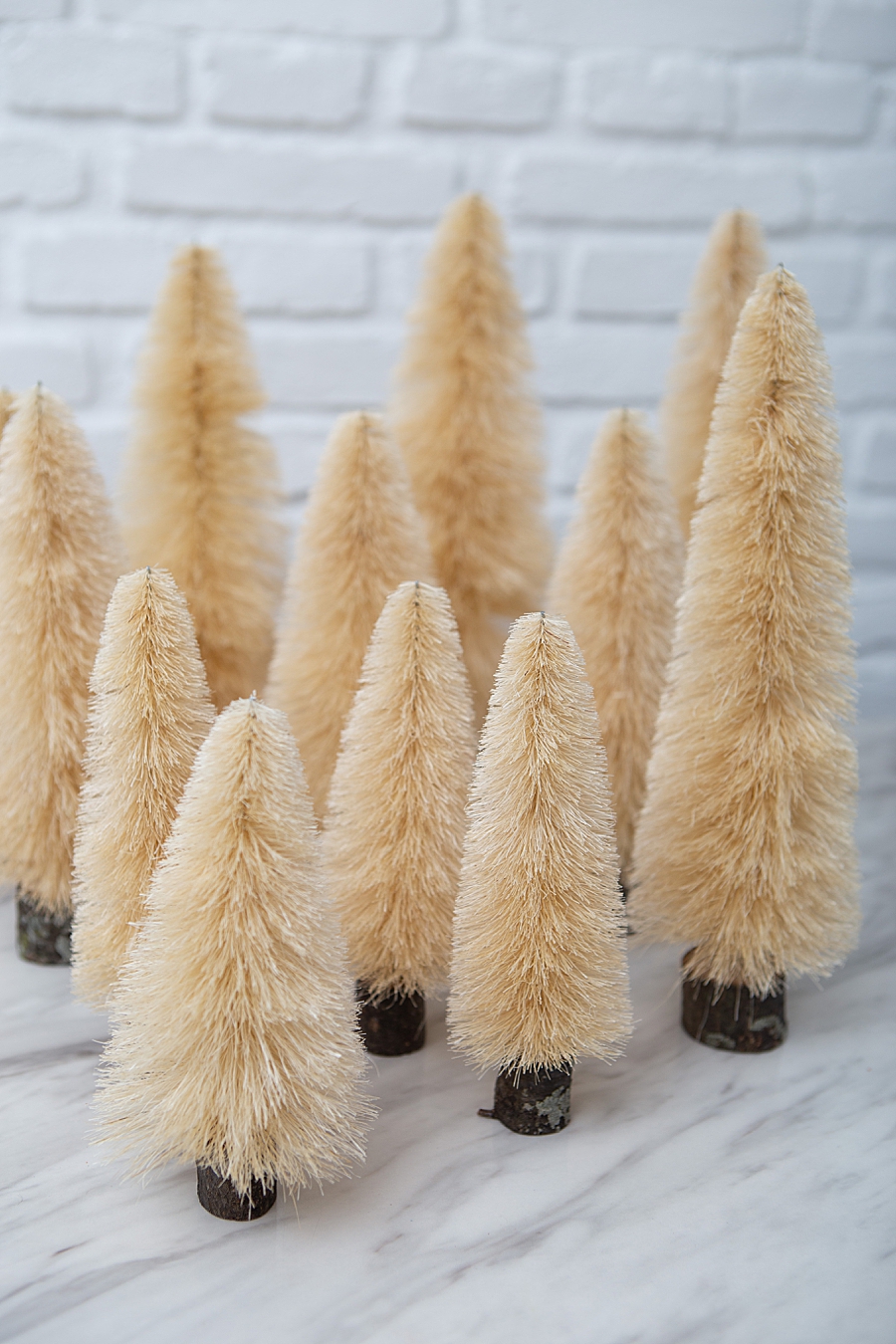
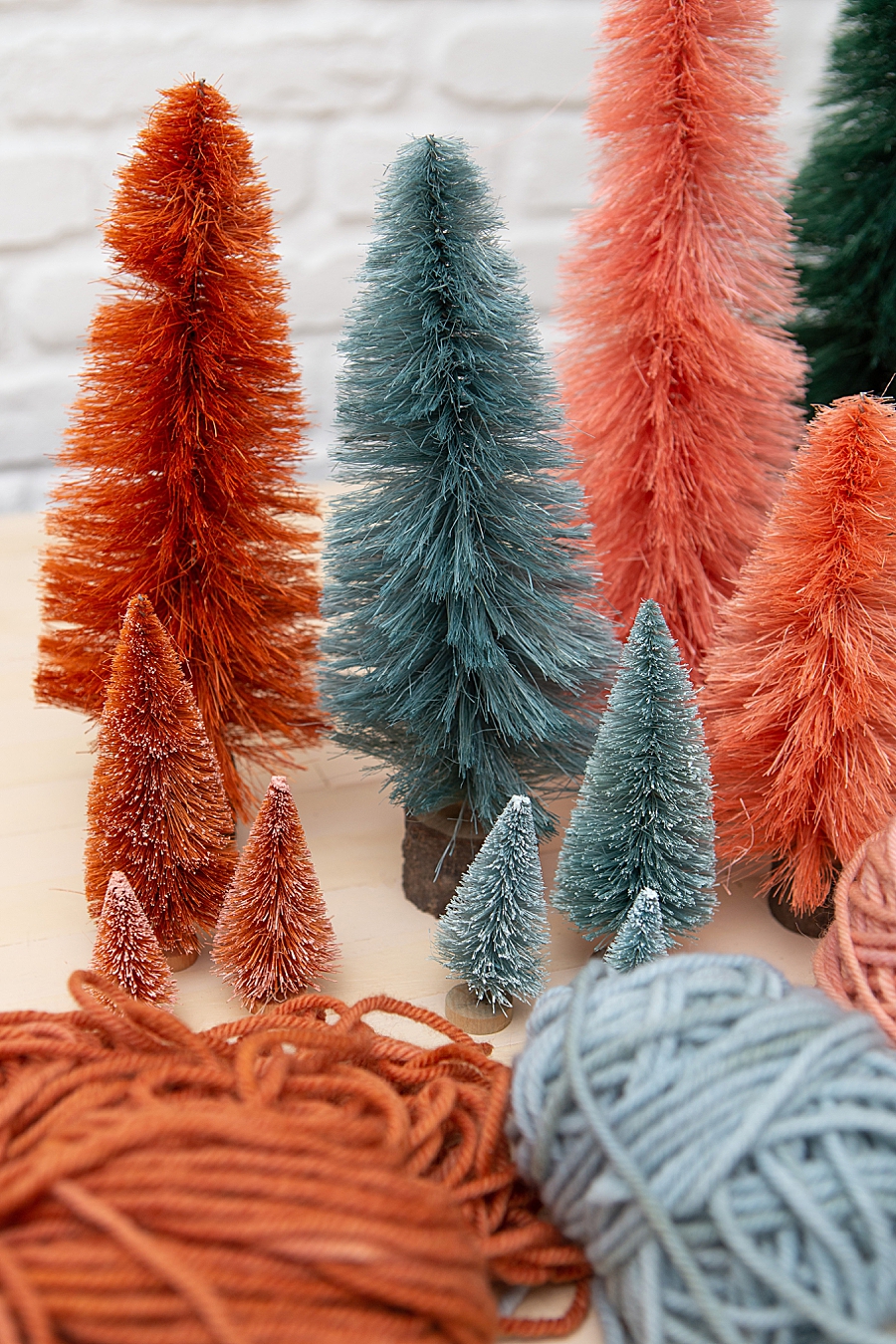
In this instance, the search for quality led to Studio59 Handmade, an Etsy-based studio managed by an artisan named Rachel. Unlike the uniform, often plastic-heavy versions found in major retail chains, these trees are constructed from natural materials and offered in various configurations, including classic, thin, and wide widths, ranging from 4 to 12 inches in height. The availability of "natural" or undyed trees provides a blank canvas for creators, allowing for a level of customization that is impossible with pre-colored, mass-produced inventory.
Technical Methodology: The Chronology of the Dip-Dye Process
The transformation of natural sisal trees into color-coordinated decor follows a precise technical workflow. This process relies on the chemistry of household dyes and the physical properties of natural fibers to achieve professional-grade results.
Phase 1: Color Formulation and Preparation
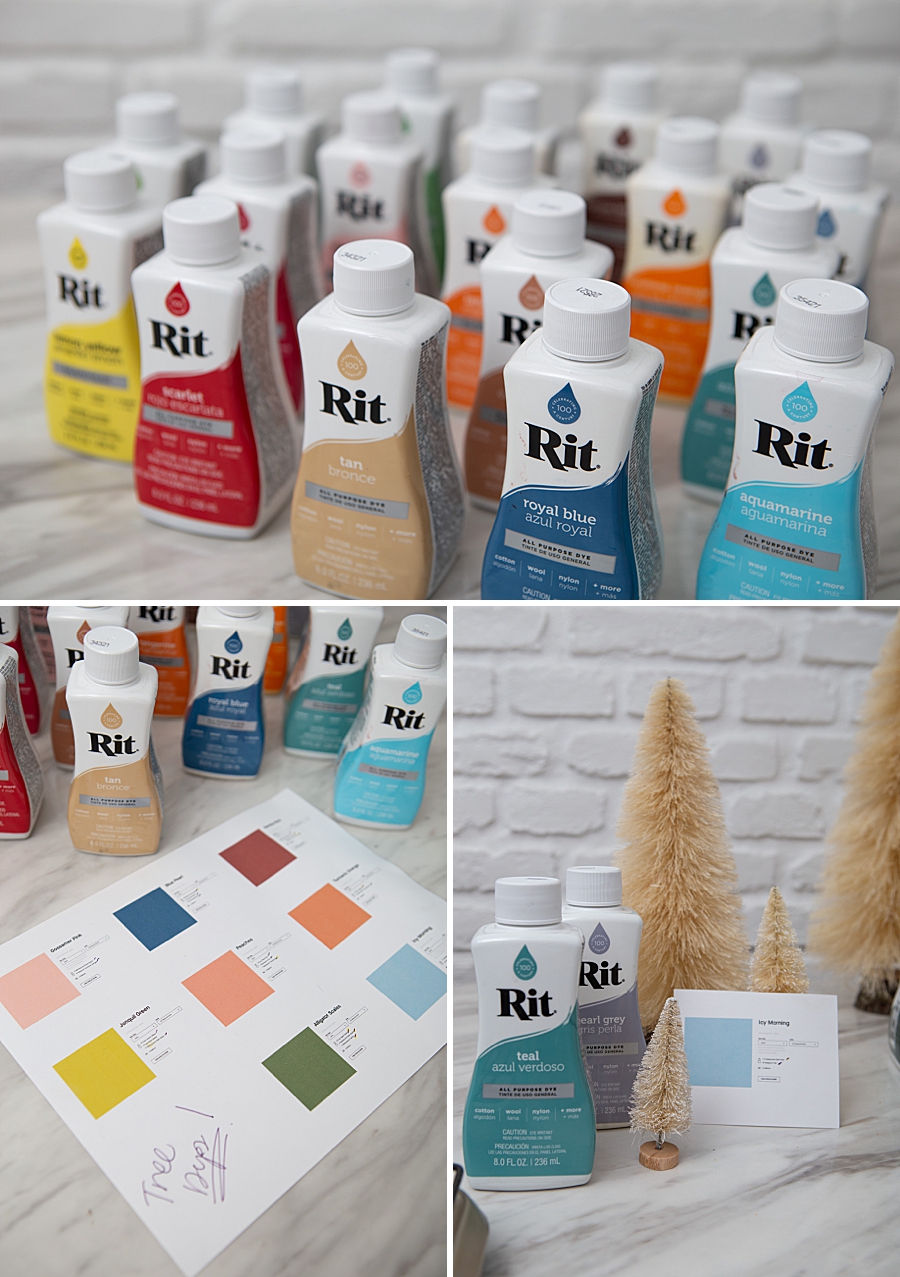
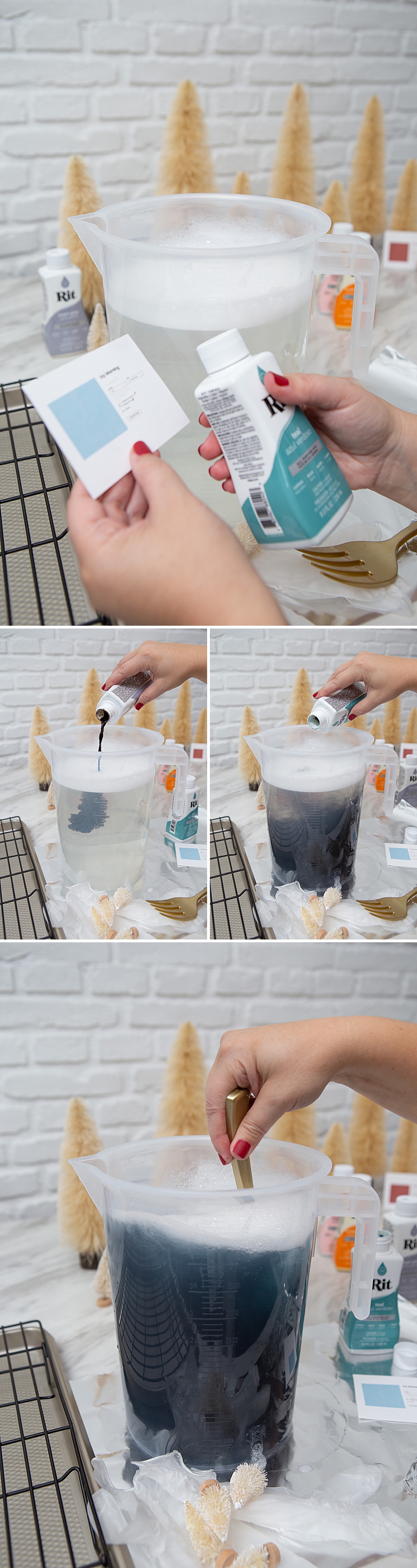
The process begins with the identification of specific color targets. In the documented project, these targets were derived from "Cardo" yarn by Manos del Uruguay, used in the creation of punch needle stockings. To ensure an exact match, the project utilized the Rit Dye Color Formulas database. This digital tool allows users to recreate thousands of specific hues by mixing standard liquid dyes in precise ratios.
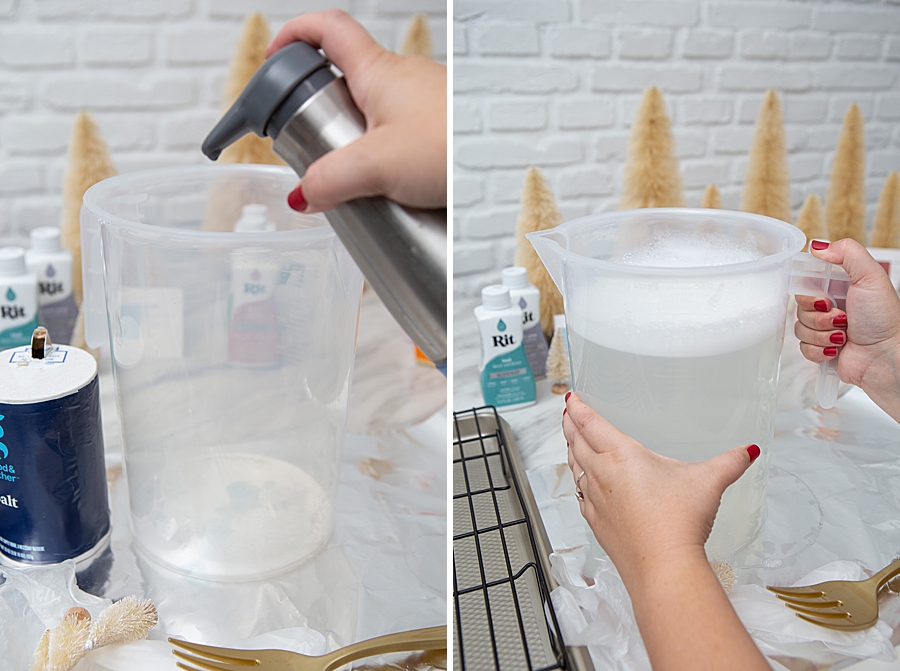
Preparation involves a "master mix" solution. To facilitate the absorption of pigment into the sisal fibers, a gallon of water is heated to its maximum temperature. To this, one tablespoon of liquid dish soap is added to break the surface tension of the water, along with a teaspoon of salt, which acts as a mordant to help the dye fix to the fibers.
Phase 2: Testing and Calibration
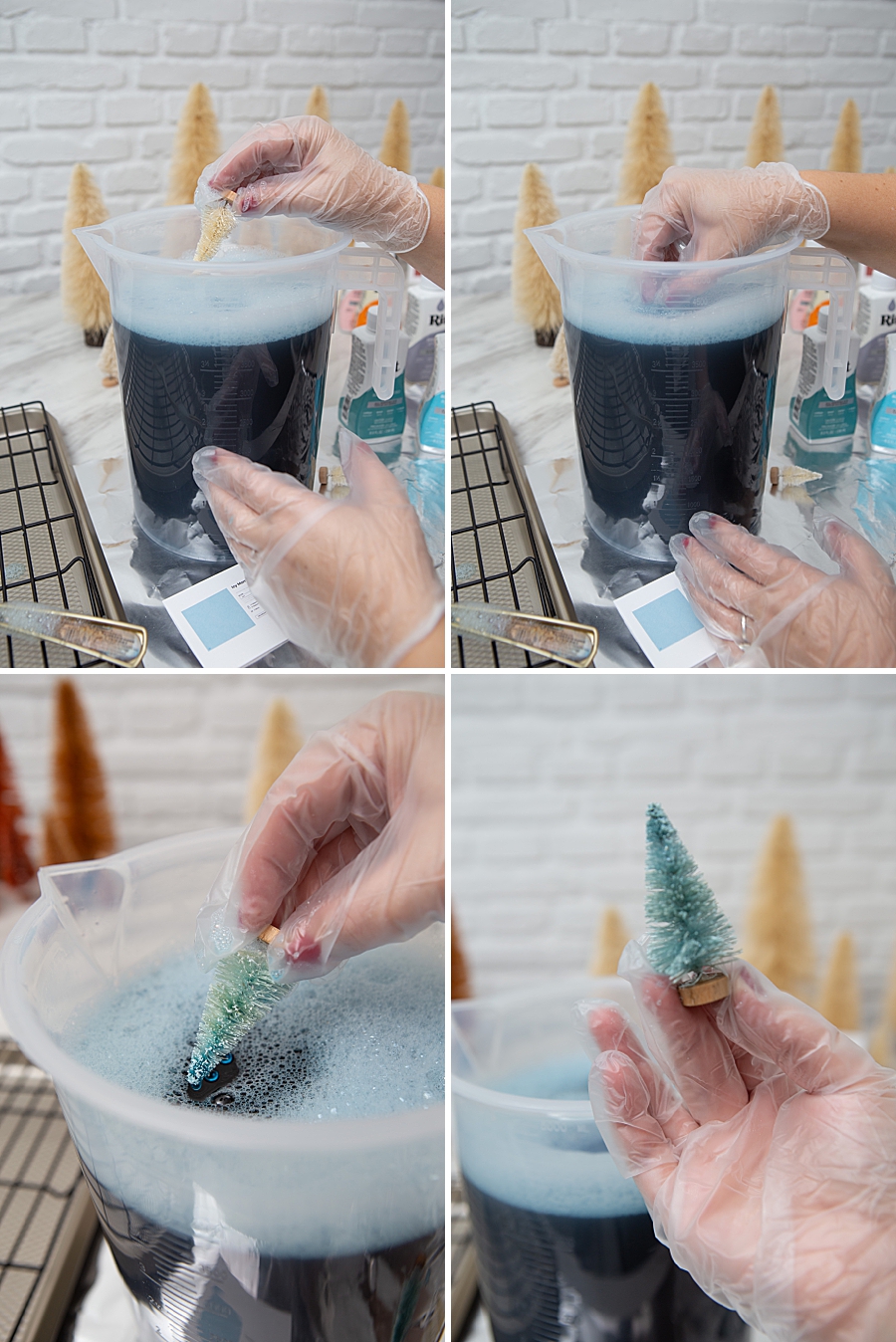
Before committing the high-value handmade trees to the dye bath, a testing phase is implemented. Using smaller, "expendable" bottle brush trees allows the creator to verify the color saturation and hue. This step is critical because the density of the sisal and the duration of the immersion can significantly alter the final appearance once the item is dry.
Phase 3: The Immersion Cycle
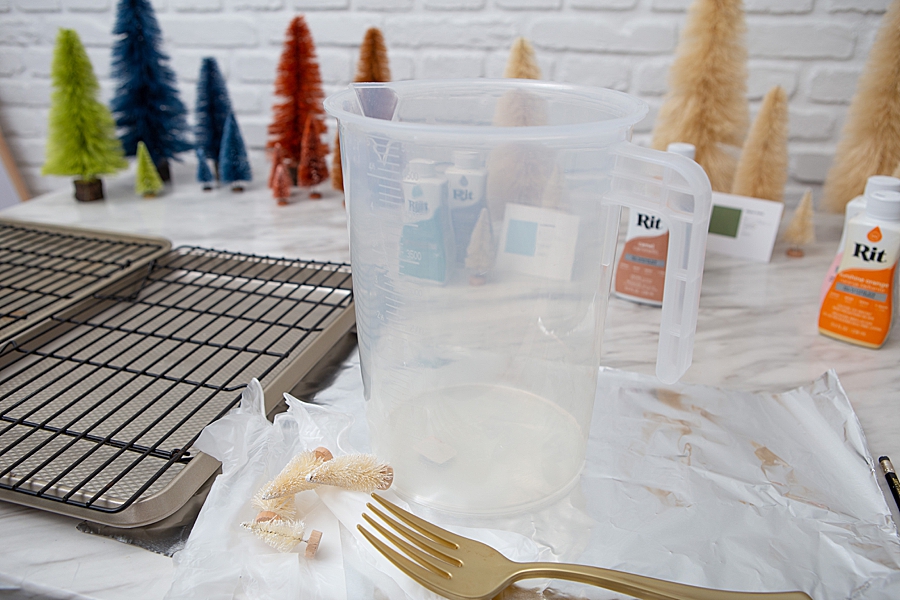
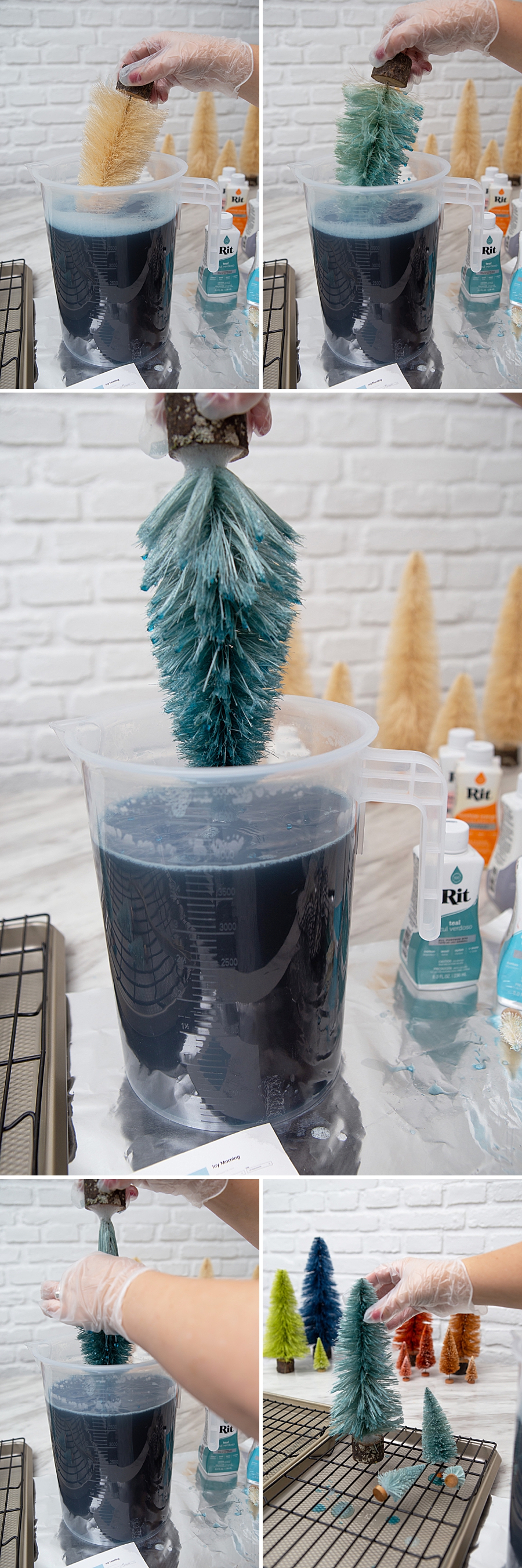
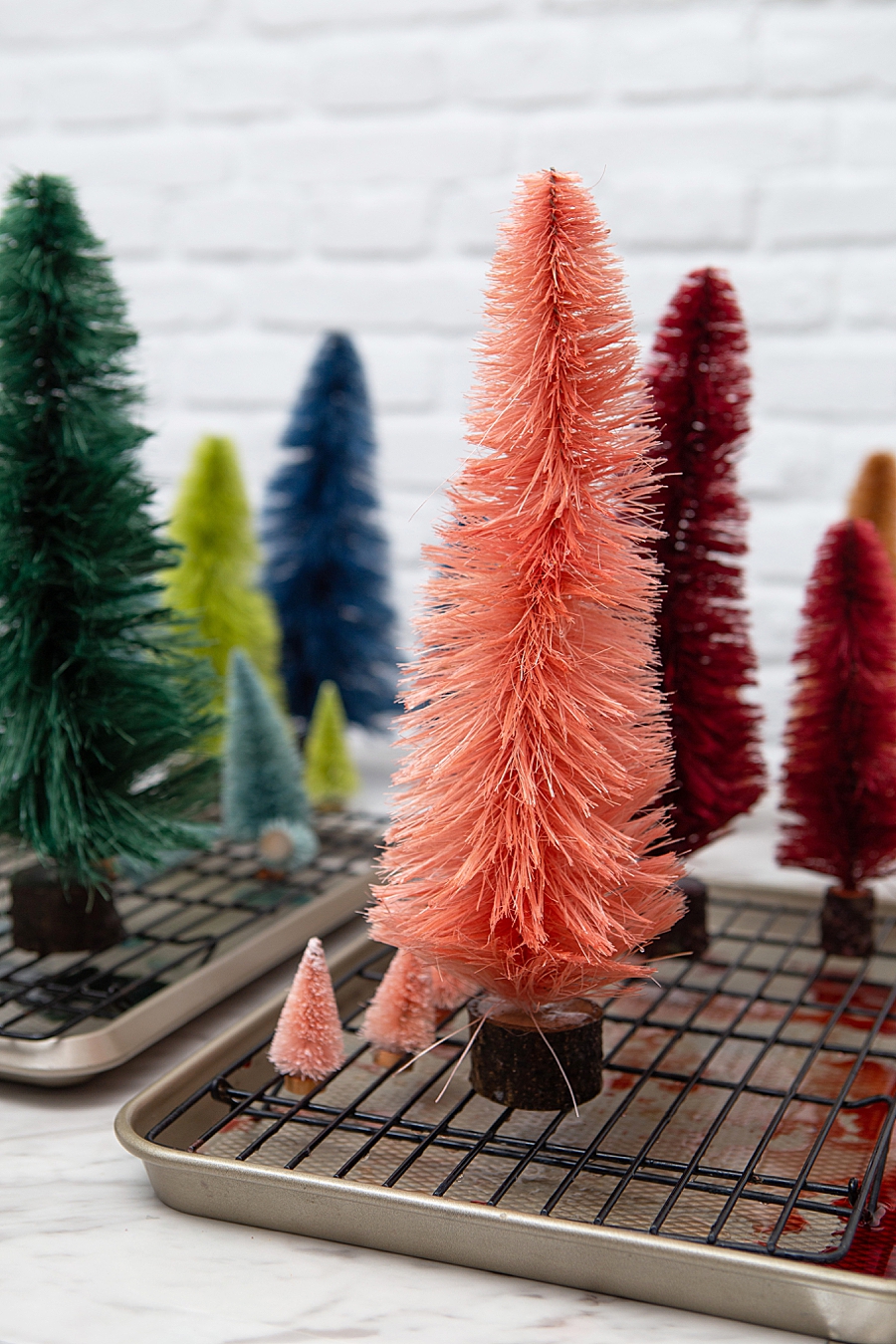
The trees are submerged in the dye bath for approximately 45 seconds. Journalistic observation of the process notes that manual agitation and "stripping" of excess water by hand are necessary to ensure even distribution and to prevent the pigment from pooling at the base of the bristles.
Phase 4: Curing and Drying
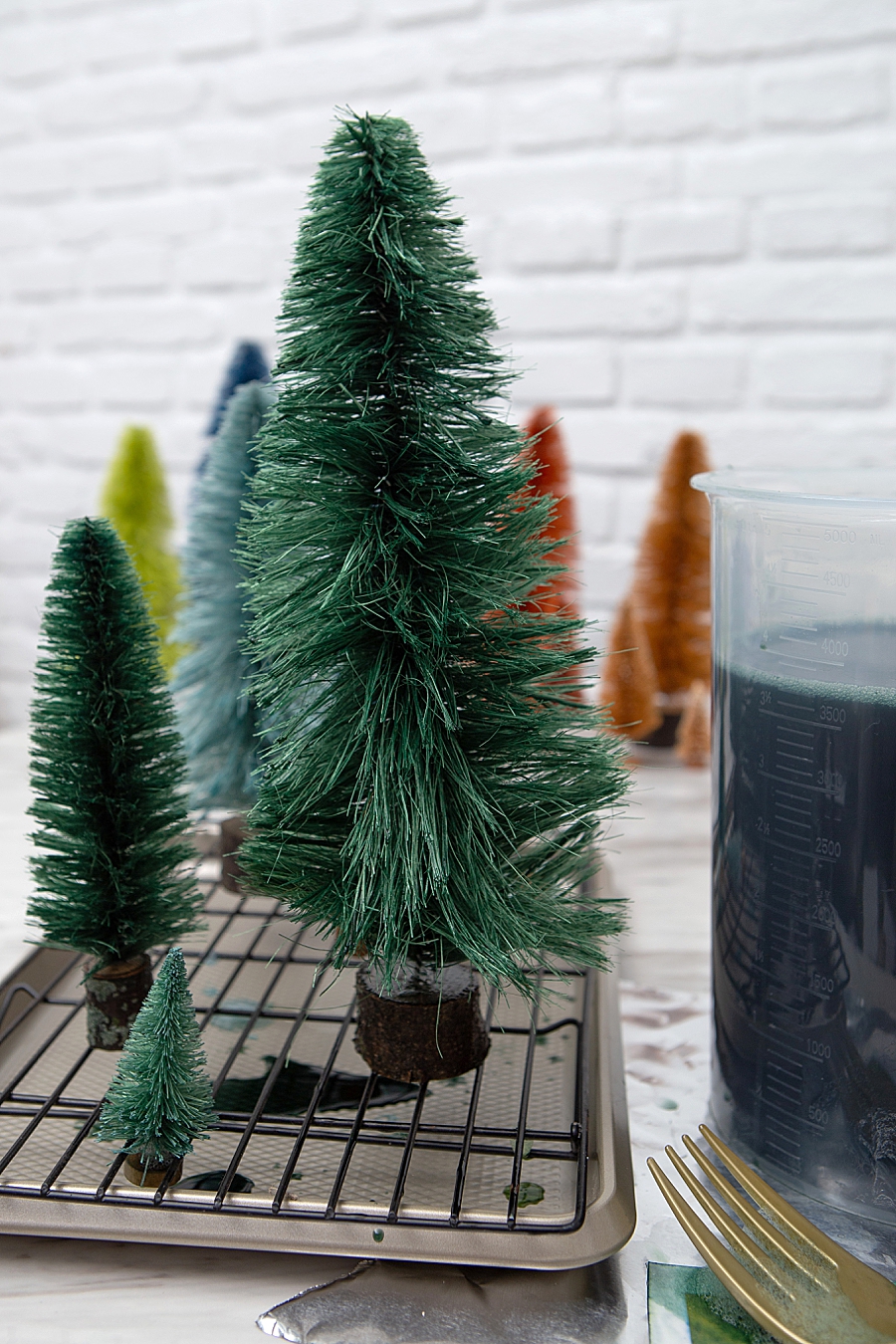
The final stage requires a drying period of at least 24 hours. The trees are placed on cookie cooling racks over trays to allow for 360-degree airflow. This prevents the "flat spots" or matting that can occur if the wet sisal is left to dry on a solid surface.
Supporting Data: The Growth of the DIY and Handmade Sector
The success of such projects is backed by significant economic data within the craft and hobby industry. The Creative Industries Association (AFCI) has previously reported that the total size of the U.S. creative products industry exceeds $36 billion. Within this sector, the "seasonal crafts" category sees the highest engagement during the fourth quarter of the fiscal year.
Furthermore, Etsy’s 2022 and 2023 trend reports indicated a 400% increase in searches for "personalized holiday decor" and a substantial rise in "DIY kits" or raw materials for home projects. This data suggests that consumers are no longer satisfied with "off-the-shelf" holiday identities and are willing to invest more time and capital into creating a unique domestic environment.
Historical Context: The Evolution of the Bottle Brush Tree
To understand the significance of this DIY movement, one must look at the history of the bottle brush tree. Originally popularized in the 1930s, these iconic decorations were literally made by the Addis Brush Company, using the same machinery that produced toilet brushes. The bristles were made of dyed animal hair or sisal (a fiber from the Agave sisalana plant), twisted into a central wire frame and trimmed into a conical shape.
While they became a staple of "Mid-Century Modern" Christmas displays and "Putz" villages, the late 20th century saw a decline in quality as production moved toward cheaper synthetic plastics and mass-manufacturing hubs overseas. The current resurgence of interest in handmade, natural-fiber trees represents a "full circle" return to the aesthetic and material standards of the early 20th century, albeit with modern color palettes like "Something Turquoise" or muted earth tones.
Official Responses and Market Implications
While formal statements from the involved brands were not issued as a traditional press release, the collaboration between independent artisans (Studio59 Handmade) and established utility brands (Rit Dye) illustrates a symbiotic relationship in the modern economy.
Independent sellers on platforms like Etsy provide the "specialized hardware" (the natural trees), while legacy companies provide the "software" (the dye and formulas). This allows the end-consumer to act as the "manufacturer," effectively bypassing traditional retail supply chains that often fail to provide niche or high-end customization.
Industry analysts suggest that this "prosumer" model—where the consumer takes an active role in the production of their goods—has significant implications for the future of retail. It reduces waste by ensuring that items are made to the exact specifications of the user, thereby increasing the likelihood that the items will be kept as "heirlooms" rather than discarded after a single season.
Broader Impact: Sustainability and the "Heirloom" Mindset
The environmental impact of this approach is a key factor in its growing popularity. Mass-produced holiday decorations are frequently criticized for their reliance on non-recyclable plastics and their contribution to "fast fashion" cycles of home decor. By sourcing trees made of natural sisal and wood bases, and by using punch needle techniques with high-quality wool yarn, creators are producing items with a longer lifecycle.
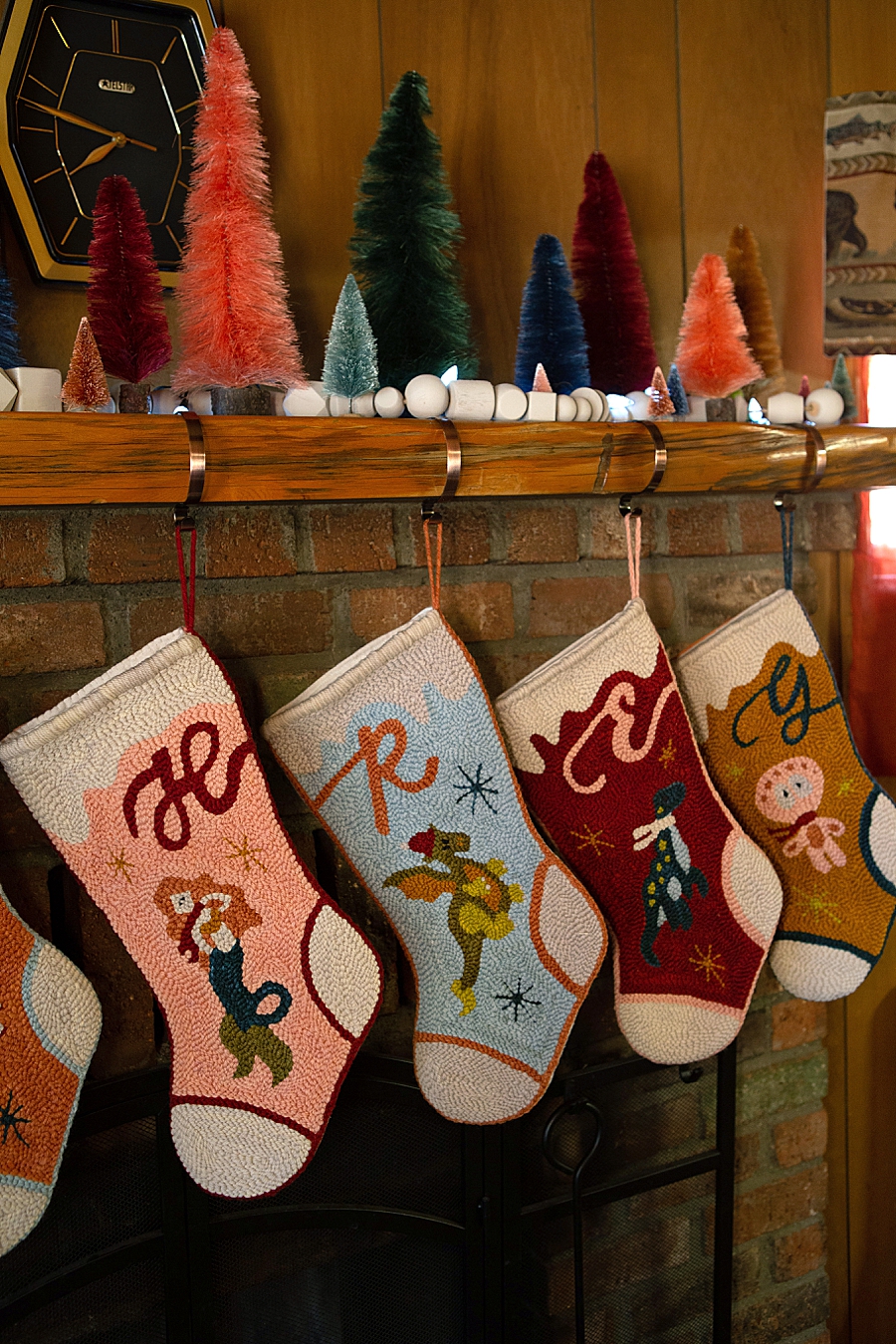
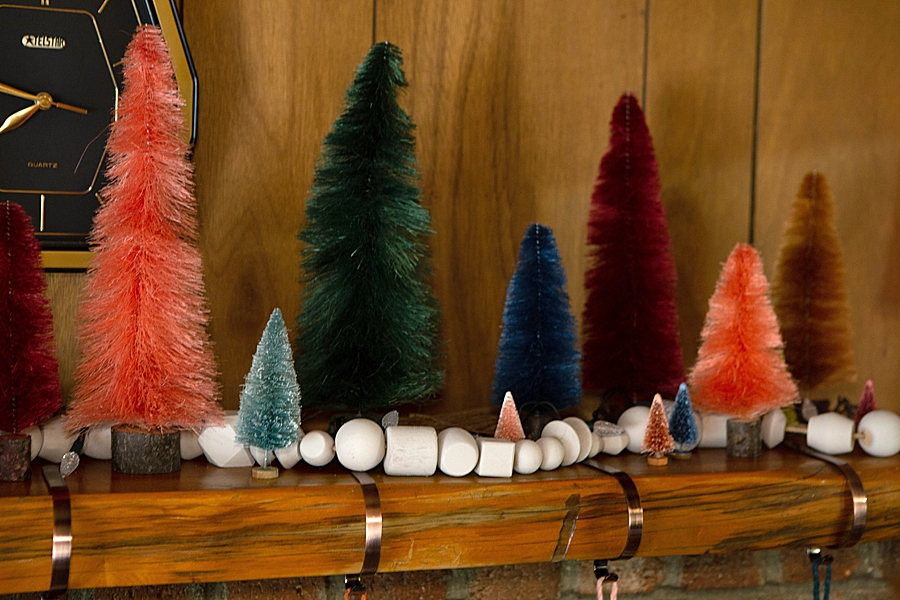
The term "heirloom" is frequently used in the context of these projects. This signifies a shift in value perception; the worth of the object is derived not from its price tag, but from the labor, the domestic origin of the materials, and the specific memories associated with its creation. As the "Something Turquoise" project demonstrates, the ability to match a holiday display to a family’s specific aesthetic creates a cohesive narrative for the home that mass-market products cannot replicate.
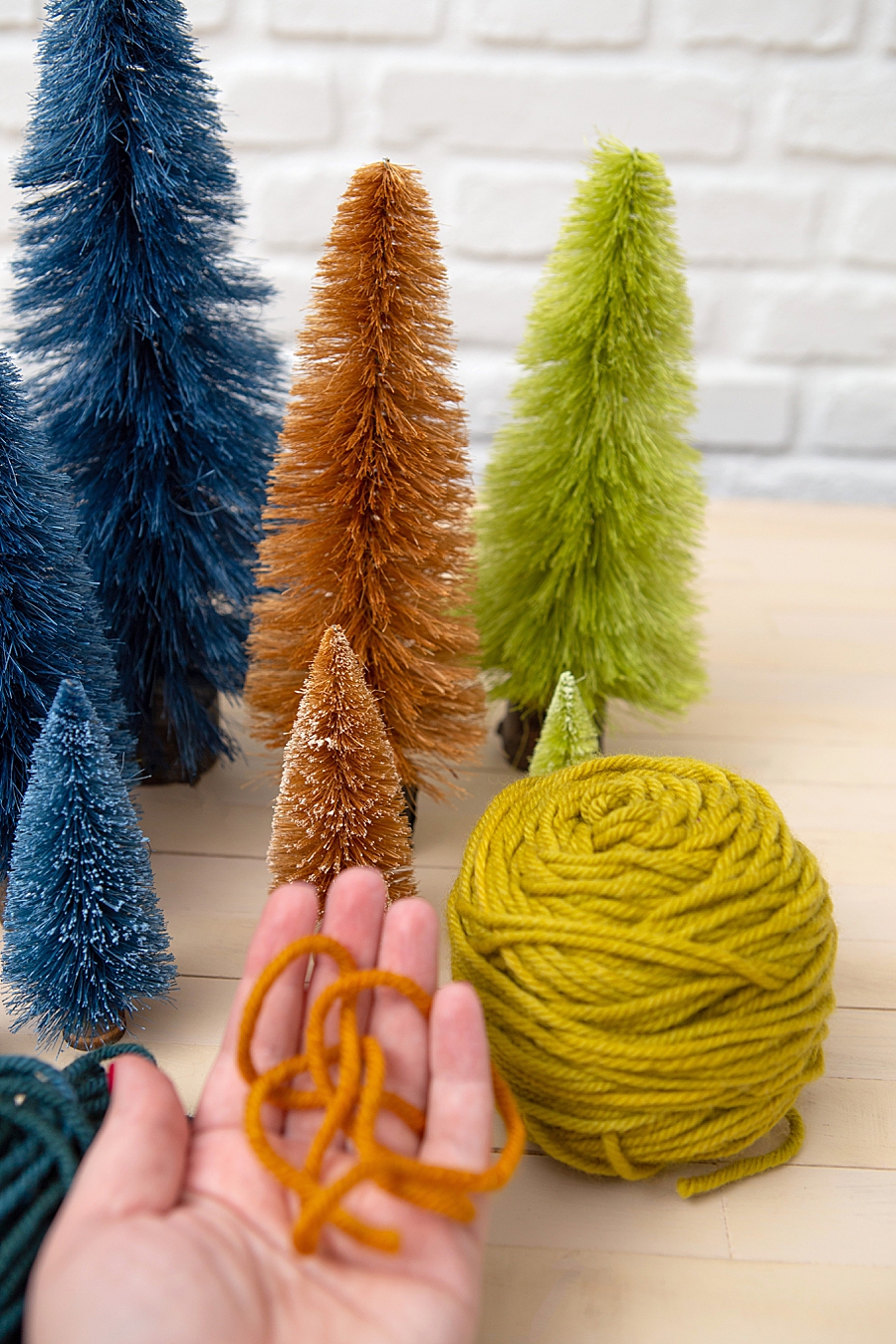
In conclusion, the trend of dip-dying handmade bottle brush trees is more than a simple craft project. It is a microcosm of a larger economic and cultural shift toward domestic sourcing, artisanal support, and the professionalization of the home DIY movement. As consumers continue to seek out quality over quantity, the demand for natural materials and the tools to customize them is expected to remain a dominant force in the seasonal decor market.