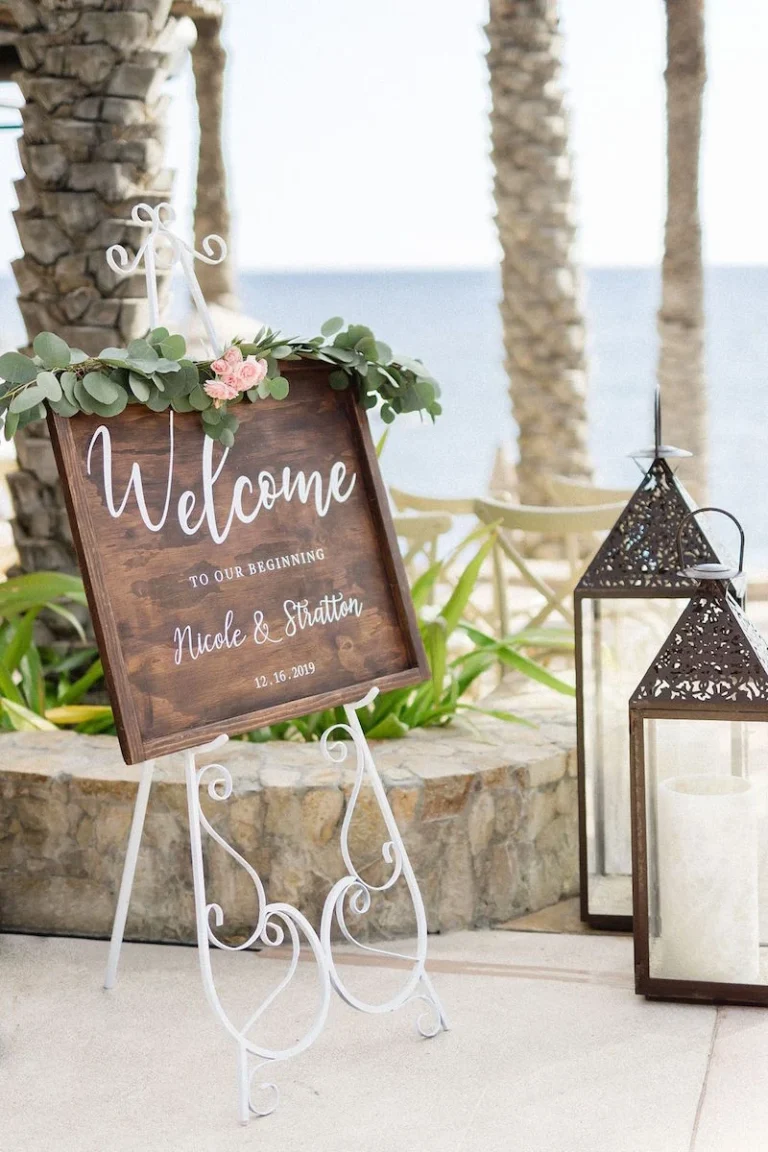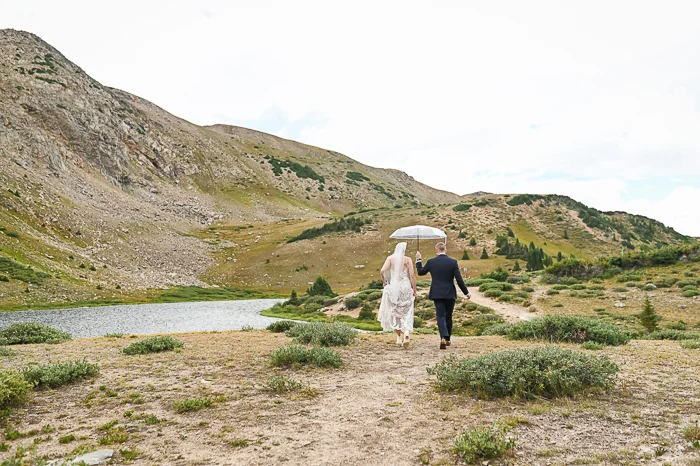




Many couples envision their wedding day set against an exotic backdrop, a destination wedding at a resort offering a unique and memorable experience. However, the allure of a faraway ceremony comes with a complex planning process that extends far beyond selecting a picturesque location. Once a locale is chosen, thorough research into the area and its available resorts is paramount before committing to a booking. To streamline this often daunting research phase, understanding the key questions to pose to a destination wedding resort is essential. These inquiries will empower couples to make informed decisions and ultimately select the perfect venue for their unforgettable celebration.
The Rise of Destination Weddings: A Growing Trend
Destination weddings have seen a significant surge in popularity over the past decade. According to a 2023 survey by The Knot, approximately 19% of all weddings in the United States are destination weddings, with couples increasingly seeking unique experiences and intimate gatherings away from their hometowns. This trend is driven by a desire for a more personalized and integrated wedding experience, often combining the ceremony, reception, and honeymoon into a single, extended celebration. The economic impact of this trend is substantial, with destination weddings often involving higher per-guest spending and contributing significantly to the tourism economies of chosen locales. Resorts worldwide have responded to this demand by developing specialized wedding packages and amenities designed to cater to the unique needs of destination wedding couples and their guests.
Understanding Resort Offerings: Key Inquiries for a Seamless Experience
When embarking on the journey of planning a destination wedding, prospective couples should approach resort representatives with a series of targeted questions to ensure all logistical and experiential needs are met. These questions not only clarify available services but also help in budgeting and managing expectations for what is often a significant financial and emotional investment.
-
Inquire About Integrated Honeymoon Packages
A significant benefit of hosting a destination wedding at a resort is the potential for seamless transition into a honeymoon. Many resort owners and management teams recognize the substantial investment couples make in destination weddings and often offer discounted honeymoon packages. These packages allow newlyweds to extend their stay at the same venue after guests have departed, providing a convenient and cost-effective alternative to arranging separate travel for a honeymoon. Couples should inquire about the specifics of these packages, including any included amenities, duration, and pricing, to determine how they align with their budget and desired post-wedding experience. For instance, a package might include a complimentary spa treatment, a romantic dinner for two, or a room upgrade, adding significant value to the overall wedding celebration. -
Negotiate Room Block Discounts for Guests
When planning a wedding with even a modest number of guests, securing adequate accommodation is a critical logistical consideration. For destination weddings, this is amplified as guests are traveling from afar. It is advisable for couples to inquire about the possibility of a room block discount. Many resorts are willing to negotiate preferential rates when a significant number of rooms are reserved for wedding guests. To approach this negotiation effectively, couples should conduct thorough research on the average nightly rates in the local area to understand prevailing market prices. This will provide leverage during discussions and ensure that guests can secure accommodations at a reasonable cost, making the trip more accessible for everyone. A successful negotiation can lead to substantial savings for guests, fostering a more inclusive and enjoyable experience for all attendees. -
Ascertain the Availability of an On-Site Wedding Planner
Resorts that specialize in hosting weddings often include the services of an on-site wedding planner as part of their event fees. This is a significant advantage for couples, particularly those planning from a distance. An on-site planner possesses intimate knowledge of the resort’s venues, facilities, and vendor network. They are adept at maximizing the use of the available spaces to create the couple’s desired wedding vision. This insider expertise can be invaluable, offering a streamlined planning process and ensuring that the wedding flows smoothly, avoiding potential pitfalls that an external planner unfamiliar with the venue might encounter. The expertise of an on-site planner can translate into a more cohesive and aesthetically pleasing wedding execution. -
Determine Rental Availability for Event Supplies
A myriad of small but essential supplies are required for any wedding, from chargers and decorative candles to linens and signage. For destination weddings, the logistical challenge of transporting these items is considerable. Couples should inquire whether the resort offers rentals for such supplies. If the resort does not provide these items, couples will need to identify and coordinate with external event rental companies. This often involves navigating shipping logistics or finding local vendors, which can add complexity and expense to the planning process. Prioritizing resorts that can supply a comprehensive range of event essentials can significantly simplify logistics and reduce the burden on the couple. -
Clarify In-House Catering Services and Options
Many resorts boast in-house restaurants and culinary teams, which can be a significant asset for destination wedding catering. These teams are typically equipped to provide a range of services, from multi-course wedding dinners and intimate in-suite breakfasts for guests to professional bartending services for the reception. It is crucial for couples to ascertain whether these catering services are included in the initial event package or if they constitute an additional cost. Understanding the scope of the resort’s culinary offerings and associated fees is vital for accurate budgeting and menu planning. Exploring the resort’s catering options can also reveal opportunities for unique culinary experiences that reflect the local culture. -
Investigate the Scheduling of Other Events
To ensure a private and unhurried celebration, couples should inquire about the resort’s event schedule during their intended wedding dates. Knowing if other large-scale events are planned concurrently can help couples gauge the potential for crowds and assess the overall busyness of the property. This information can influence decisions regarding venue accessibility, guest comfort, and the availability of resort staff. A resort hosting multiple large events simultaneously might experience higher demand for services and potentially less personalized attention. Understanding the resort’s capacity and potential for congestion allows couples to manage expectations and make informed choices about their wedding timeline and venue selection. -
Assess Local Weather Patterns and Their Implications
Understanding the typical weather conditions of a destination is fundamental to planning a successful wedding. Inquiring about the climate will provide crucial insights into the feasibility of indoor versus outdoor ceremonies and receptions. For example, a destination known for consistent sunshine and high temperatures will necessitate different planning considerations than one prone to frequent rain or cooler, more unpredictable weather. This knowledge directly impacts decisions regarding venue choice, attire, and the scheduling of outdoor activities like lawn games or cocktail hours. Couples can then proactively plan for contingencies, such as securing adequate shade or arranging for elegant indoor alternatives, ensuring guest comfort regardless of the elements. -
Inquire About On-Site Photographer Services
While many couples opt to bring their own photographers, some popular wedding resorts offer the convenience of an in-house photographer. These professionals are often familiar with the resort’s best photo locations and can adeptly capture bridal portraits and key moments of the wedding day. For smaller hotels or those hosting fewer weddings annually, this service may not be available due to budget constraints or operational limitations. Couples should inquire about the availability and cost of on-site photography services, as well as review the photographer’s portfolio, to determine if it aligns with their vision and budget. The convenience of having a photographer readily available can be a significant advantage. -
Evaluate the Need for a Professional DJ
When it comes to wedding entertainment, music plays a pivotal role in setting the atmosphere and ensuring guest engagement. Some resorts may only provide basic sound systems, leaving couples to manage music playback themselves. While connecting a personal playlist is an option, the value of a professional DJ extends far beyond simply playing music. A skilled DJ can expertly manage aisle music, facilitate toasts, introduce wedding party members, and keep the reception flowing seamlessly. Couples should inquire whether the resort offers DJ services or has a curated list of recommended vendors. Investing in a professional DJ can significantly enhance the guest experience and contribute to a more dynamic and memorable reception. -
Explore the Availability of Payment Plans
The financial outlay for a destination wedding resort can be substantial, often reaching tens of thousands of dollars. To alleviate the burden of a large upfront payment, couples should inquire about the possibility of payment plans. Many resorts are amenable to working with couples to establish structured payment schedules, allowing them to spread the costs over time. This can significantly ease financial pressure in the months leading up to the ceremony, making the dream of a destination wedding more attainable for a wider range of couples. Understanding the resort’s financial policies and payment options is crucial for effective budget management.
Comparative Analysis and Strategic Decision-Making
Armed with answers to these ten critical questions, couples are well-equipped to conduct a comparative analysis of different resort options. It is highly recommended to contact several resorts in the desired location to obtain detailed wedding packages and pricing. This proactive approach allows for a comprehensive understanding of what each venue offers, enabling couples to identify the package that best aligns with their vision, guest count, and budget. By meticulously comparing the various proposals, couples can make a strategic decision that ensures their destination wedding is not only beautiful and memorable but also logistically sound and financially manageable. The investment in thorough research at this stage is paramount to a stress-free and joyous wedding day, far from home.