
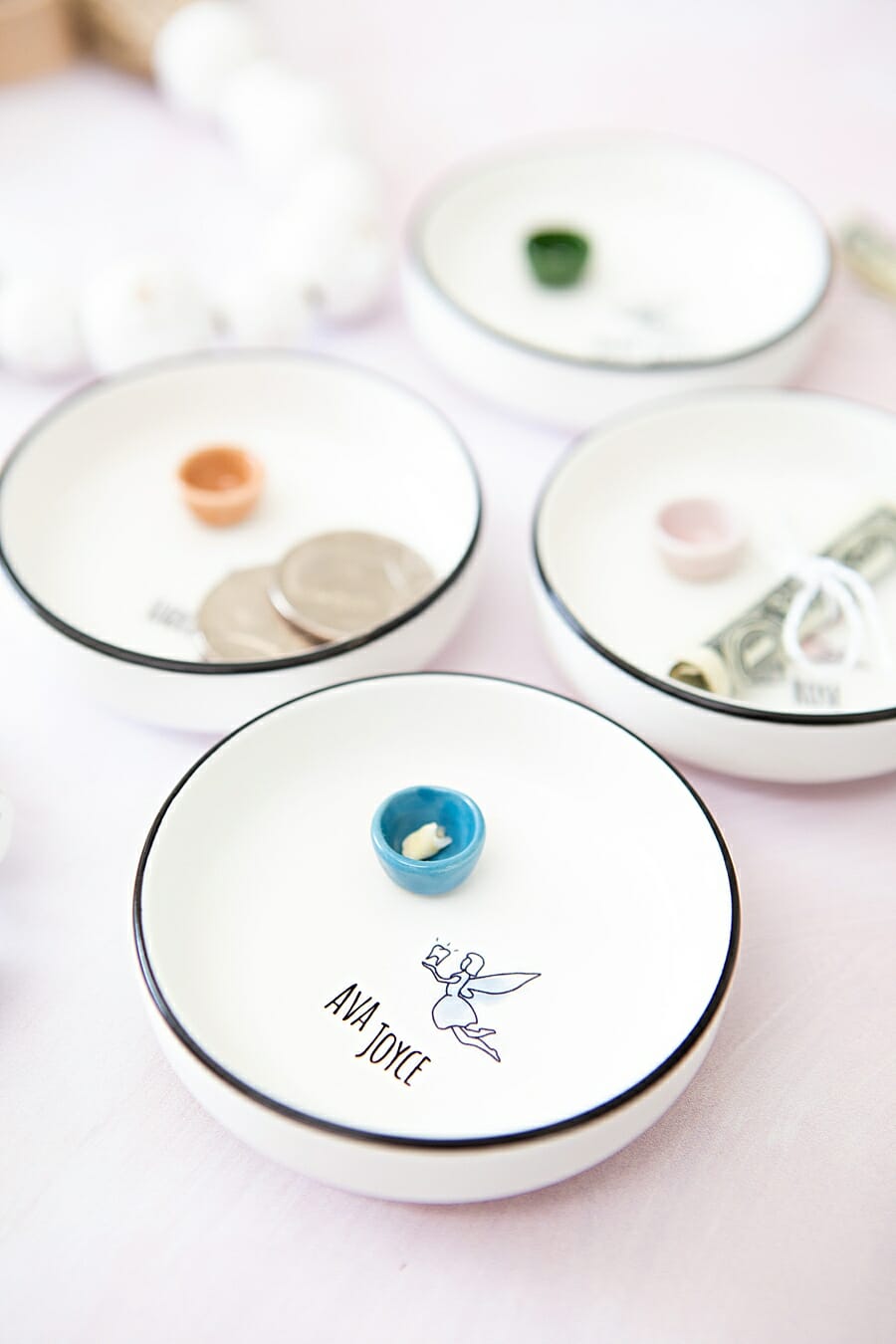
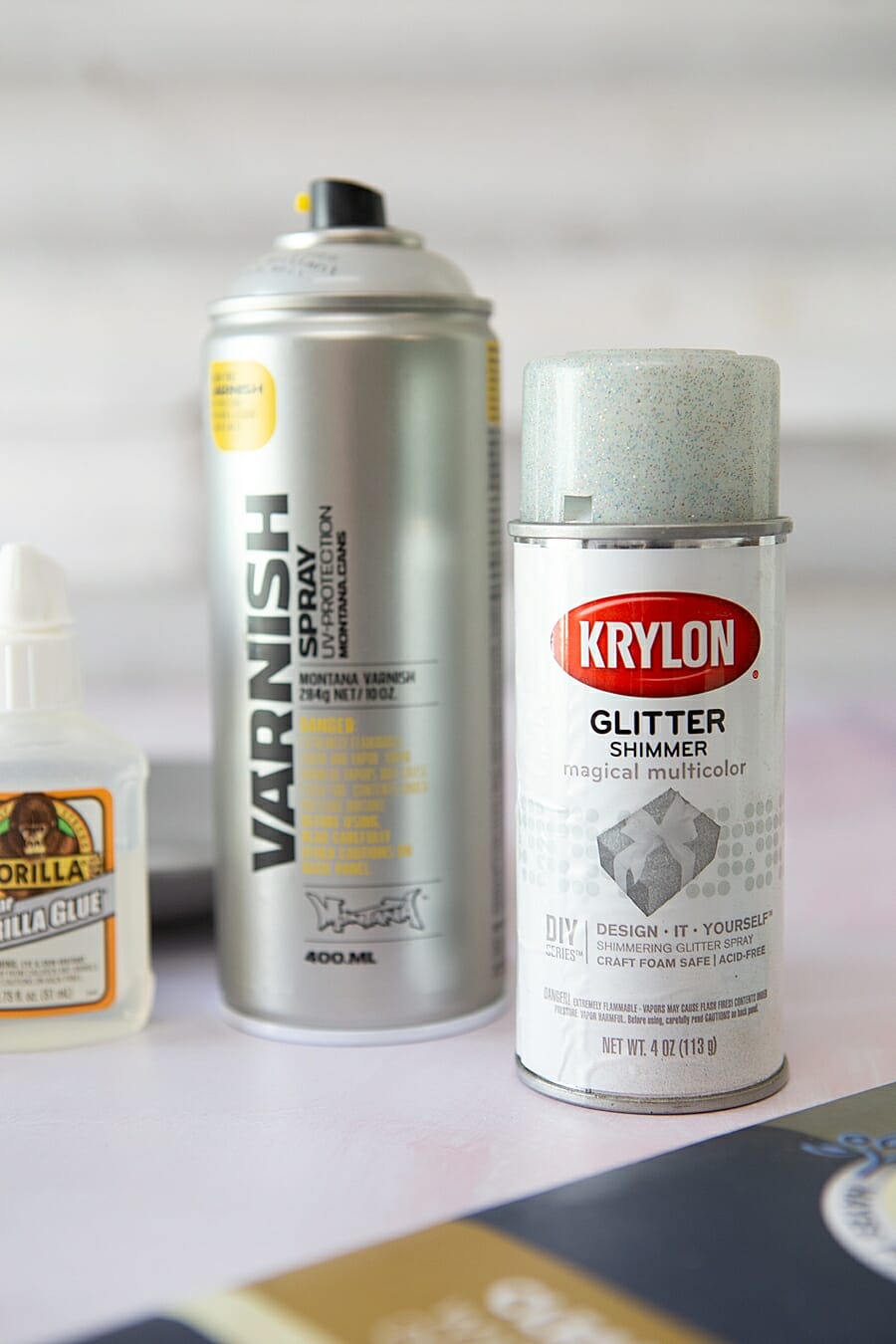
The evolution of childhood traditions has increasingly moved toward personalization, as evidenced by the emergence of bespoke ceramic vessels designed to replace the traditional tooth fairy pillow. In a recent development within the artisanal crafting community, Jen Causey-Kidder of Something Turquoise has introduced a methodology for creating customized tooth fairy dishes using inkjet waterslide paper and miniature ceramic components. This shift represents a broader trend in the "maker economy," where digital design tools and home-printing technologies are utilized to transform mass-produced items into unique domestic artifacts. By combining standard household peripherals with specialized materials such as Montana varnish and Gorilla Glue, crafters are now able to produce professional-grade commemorative items that facilitate the long-standing ritual of the "tooth exchange."
Historical Context and the Evolution of the Tooth Fairy Ritual
The tradition of the tooth fairy, while ubiquitous in modern Western culture, is a relatively recent folklore development. Historically, rituals surrounding the loss of deciduous teeth varied globally, ranging from burying the tooth to prevent it from falling into the hands of witches to "feeding" the tooth to animals in hopes that the permanent tooth would inherit the animal’s strength. The contemporary iteration of the tooth fairy began to take shape in the early 20th century, with the first printed reference appearing in a 1927 playlet for children.
Traditionally, the "vessel" for this exchange has been a small pillow or a pocketed fabric square placed beneath a child’s sleeping head. However, ergonomic and practical concerns—specifically the difficulty for parents to retrieve a tiny tooth from under a sleeping child without waking them—have led to the rise of stationary bedside containers. The transition to ceramic dishes reflects a preference for durability and aesthetic integration within the modern nursery or bedroom.
Technical Specifications: The Role of Waterslide Decal Technology
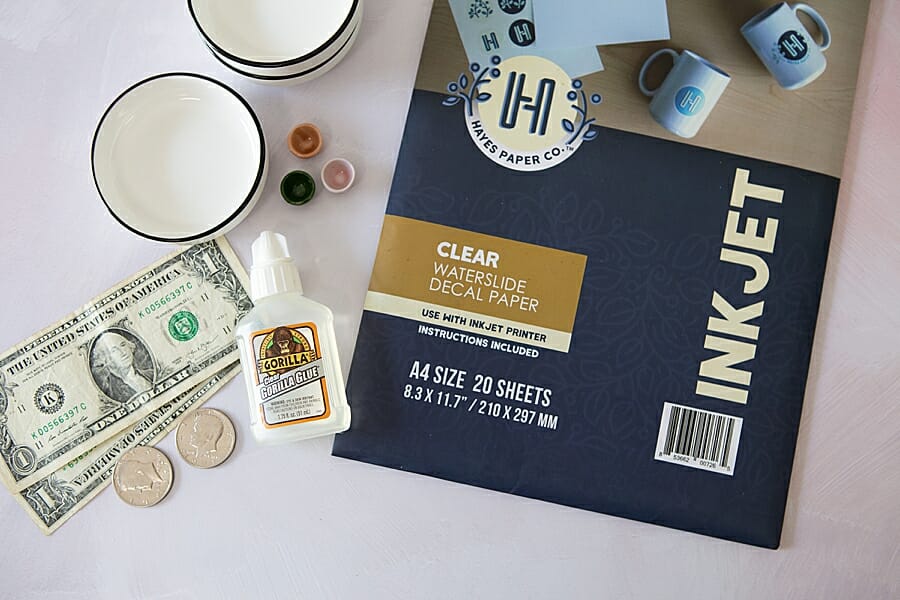
The primary innovation in this specific DIY project is the application of waterslide decal paper, a medium traditionally used in model building and industrial prototyping. Waterslide paper consists of a paper or cardstock backing coated with a layer of water-soluble adhesive (dextrose) and a thin film of lacquer or plastic.
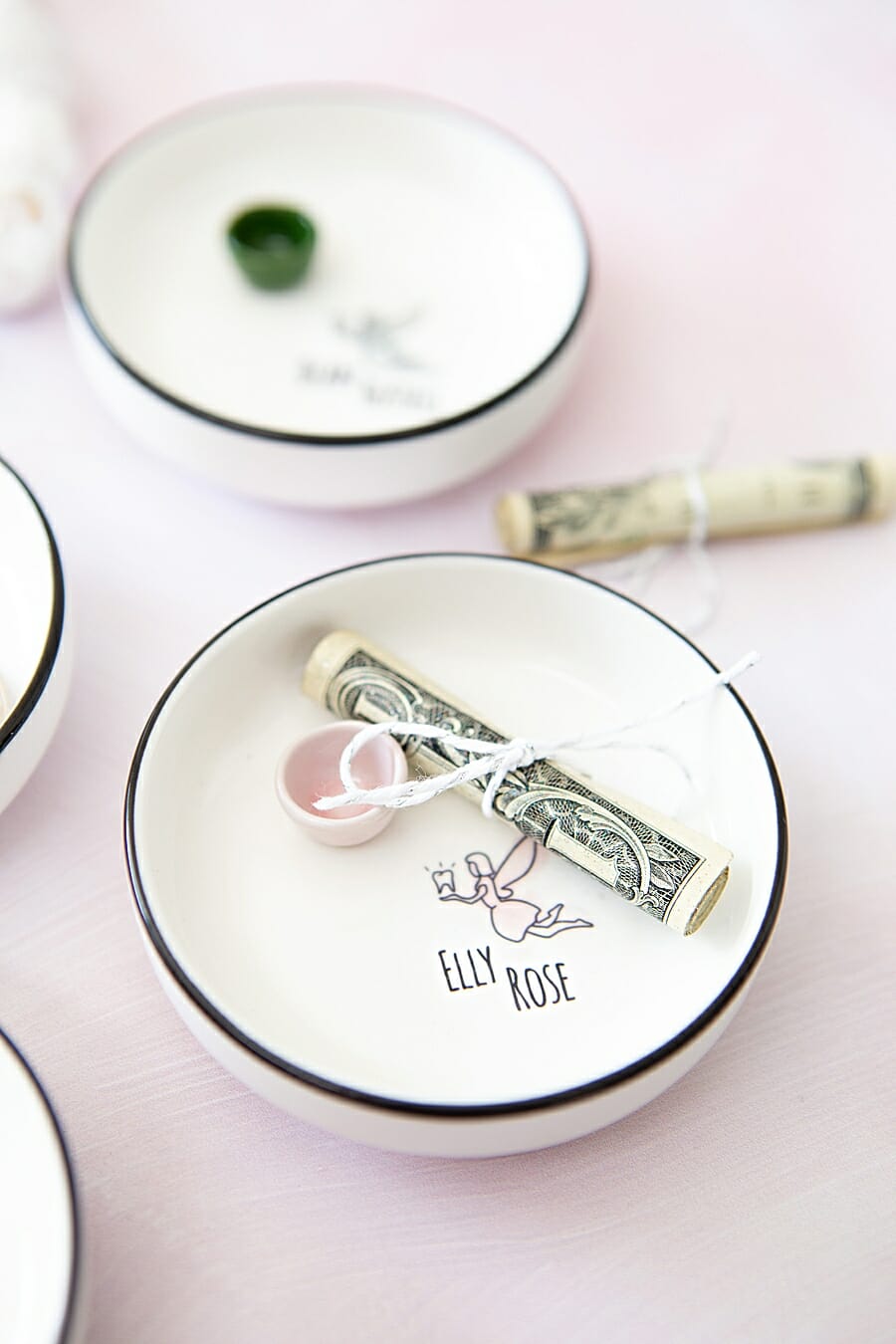
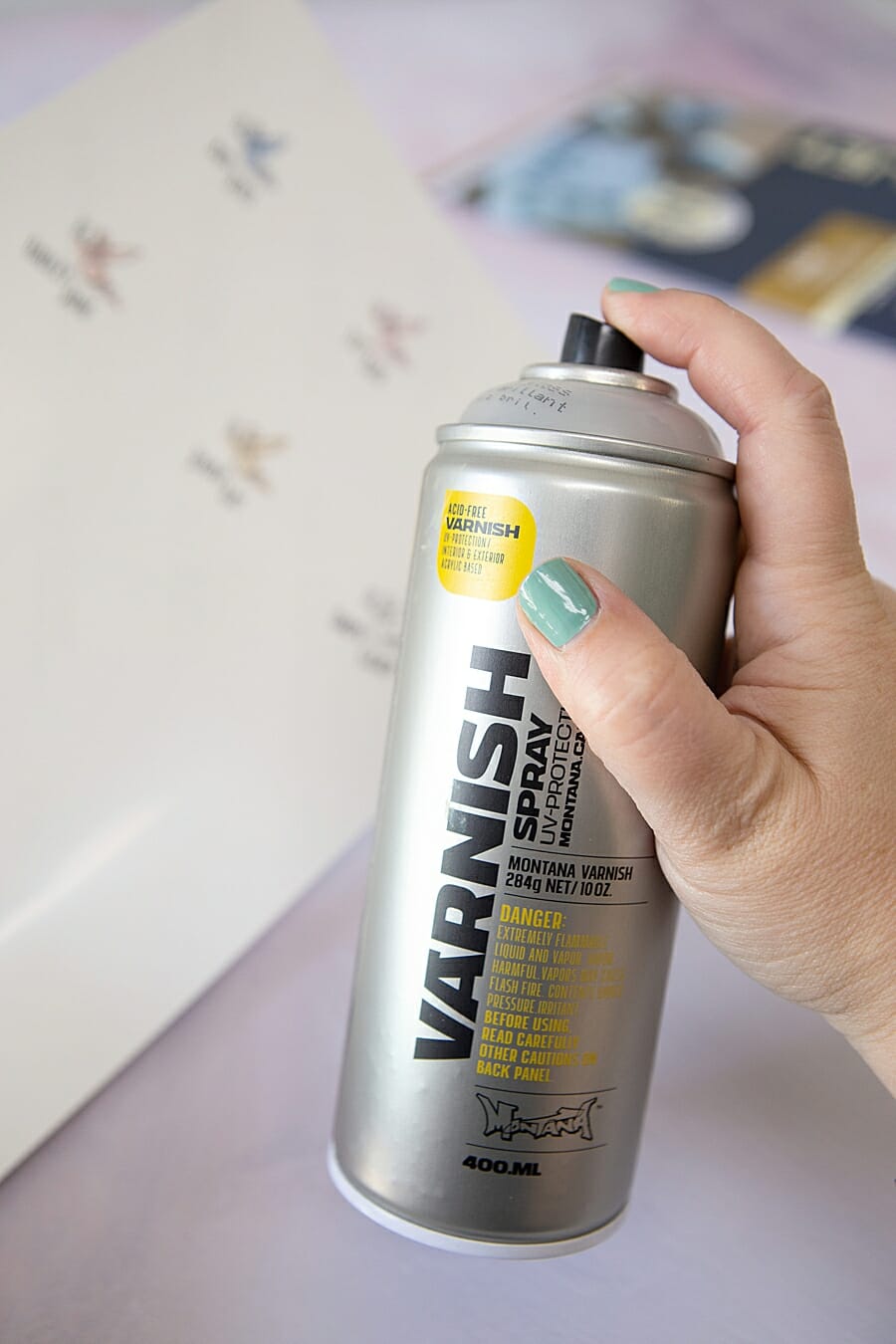
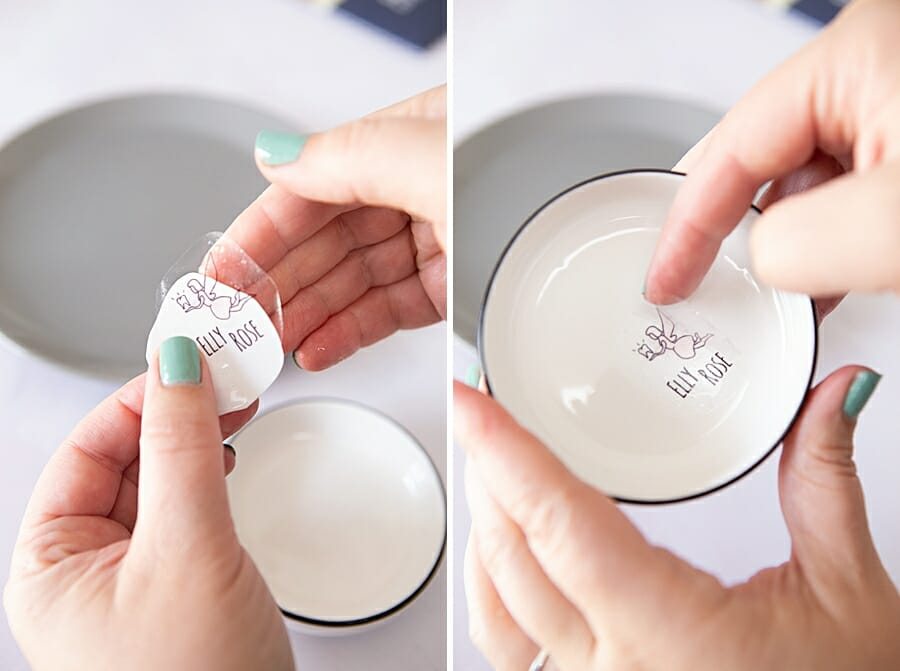
When printed via a standard inkjet printer, the ink sits atop this film. Because inkjet ink is water-soluble, the application of a clear sealant, such as Montana varnish, is a critical technical requirement. This sealant creates a waterproof barrier over the ink. Once the decal is submerged in water, the dextrose layer dissolves, allowing the thin film containing the printed image to slide off the backing and onto the target surface—in this case, a ceramic sauce dish.
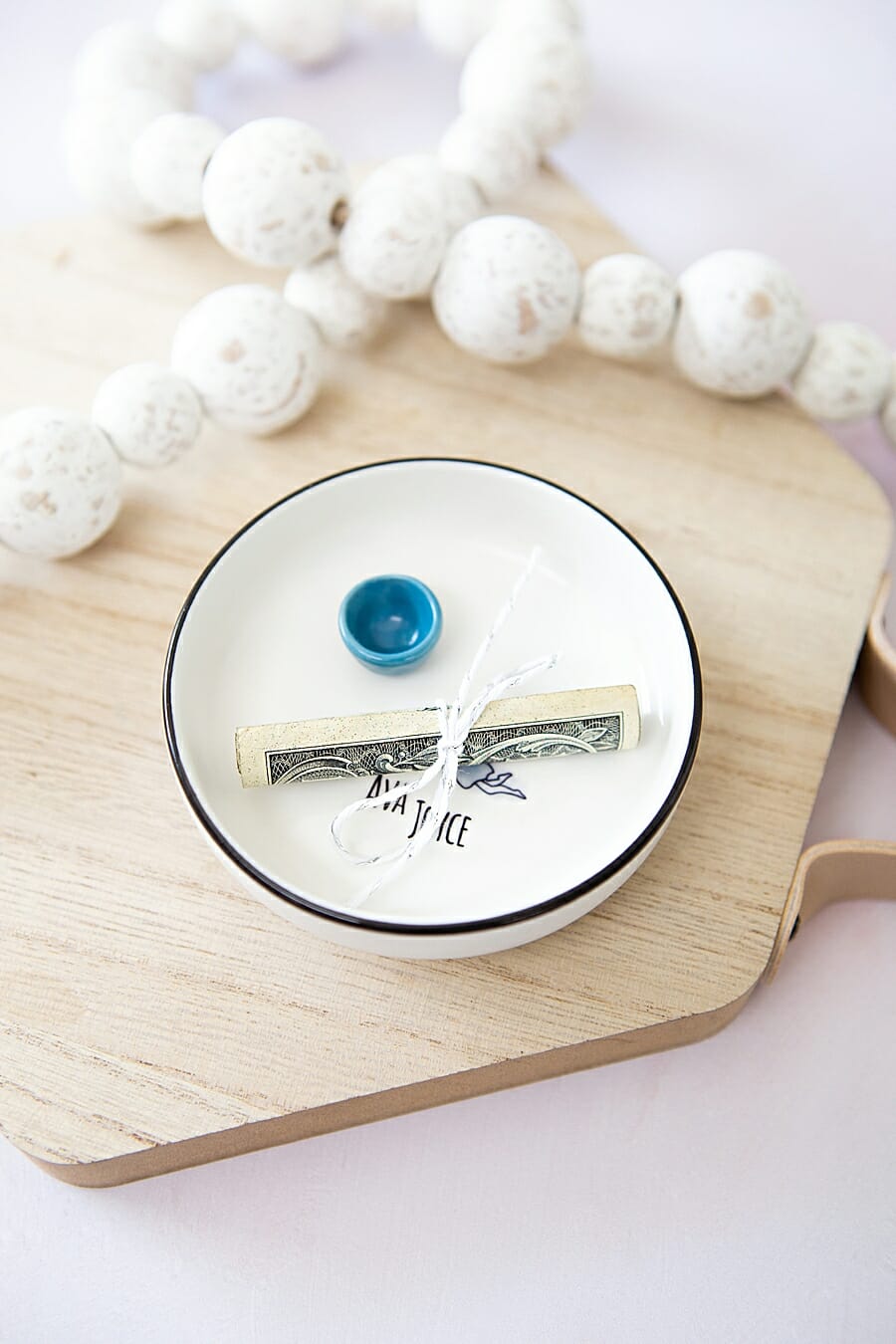
From a safety and maintenance perspective, these decals are classified as decorative rather than functional. They are not food-safe, as the chemical composition of the inks and varnishes can leach into consumables. Furthermore, they are not dishwasher-safe; the high heat and pressurized water of a mechanical dishwasher would likely compromise the adhesive bond and the integrity of the film.
Chronology of the Construction Process
The production of a personalized tooth fairy dish follows a precise multi-stage timeline, requiring approximately three to four days for total curing and assembly.
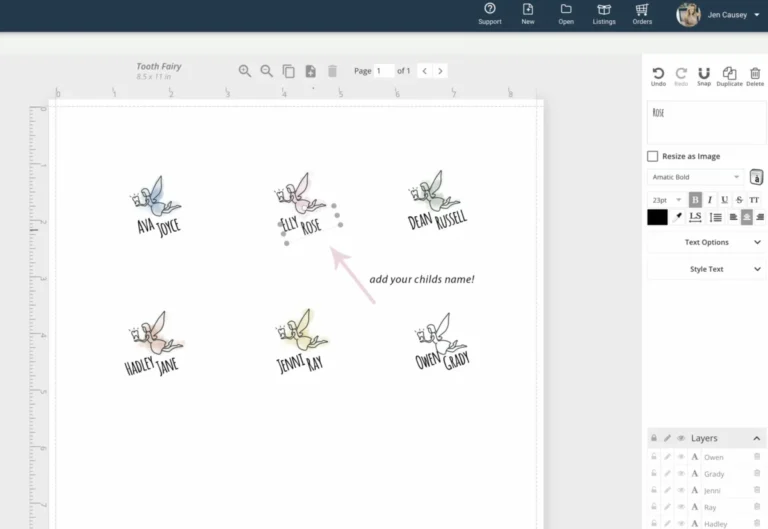
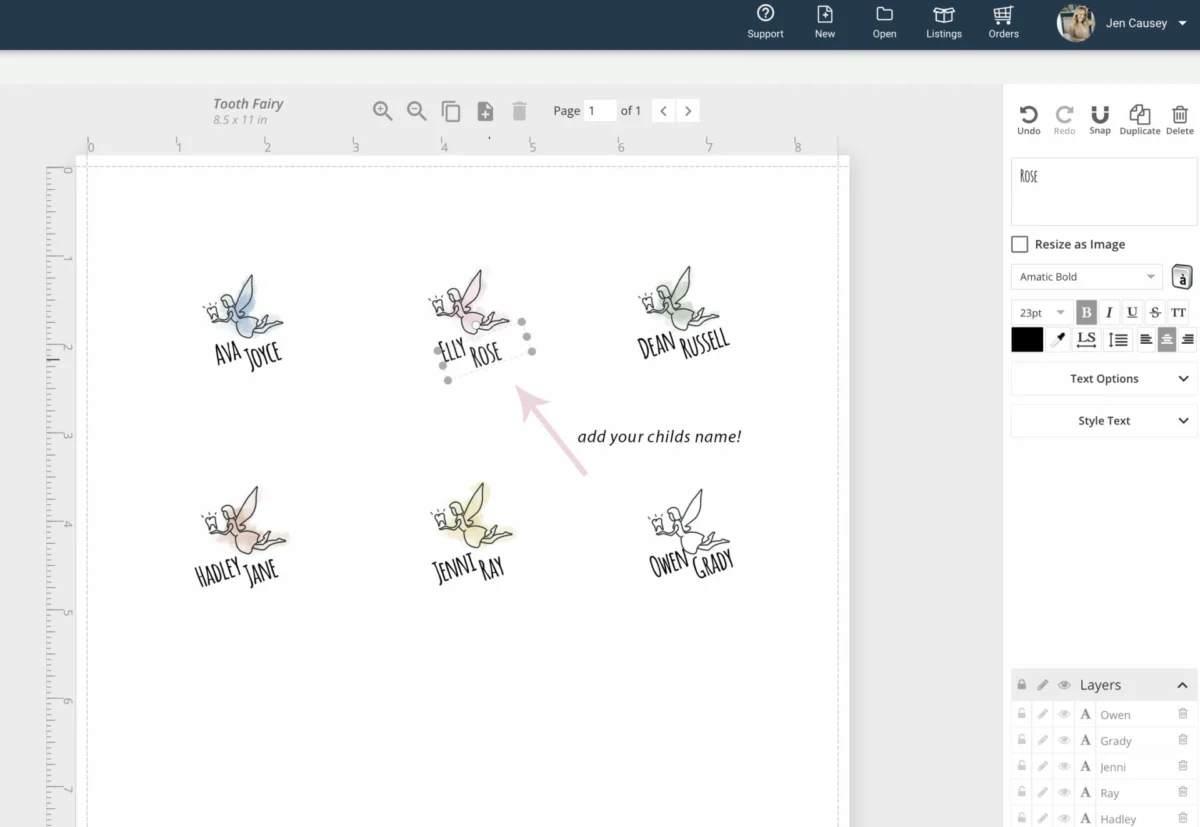
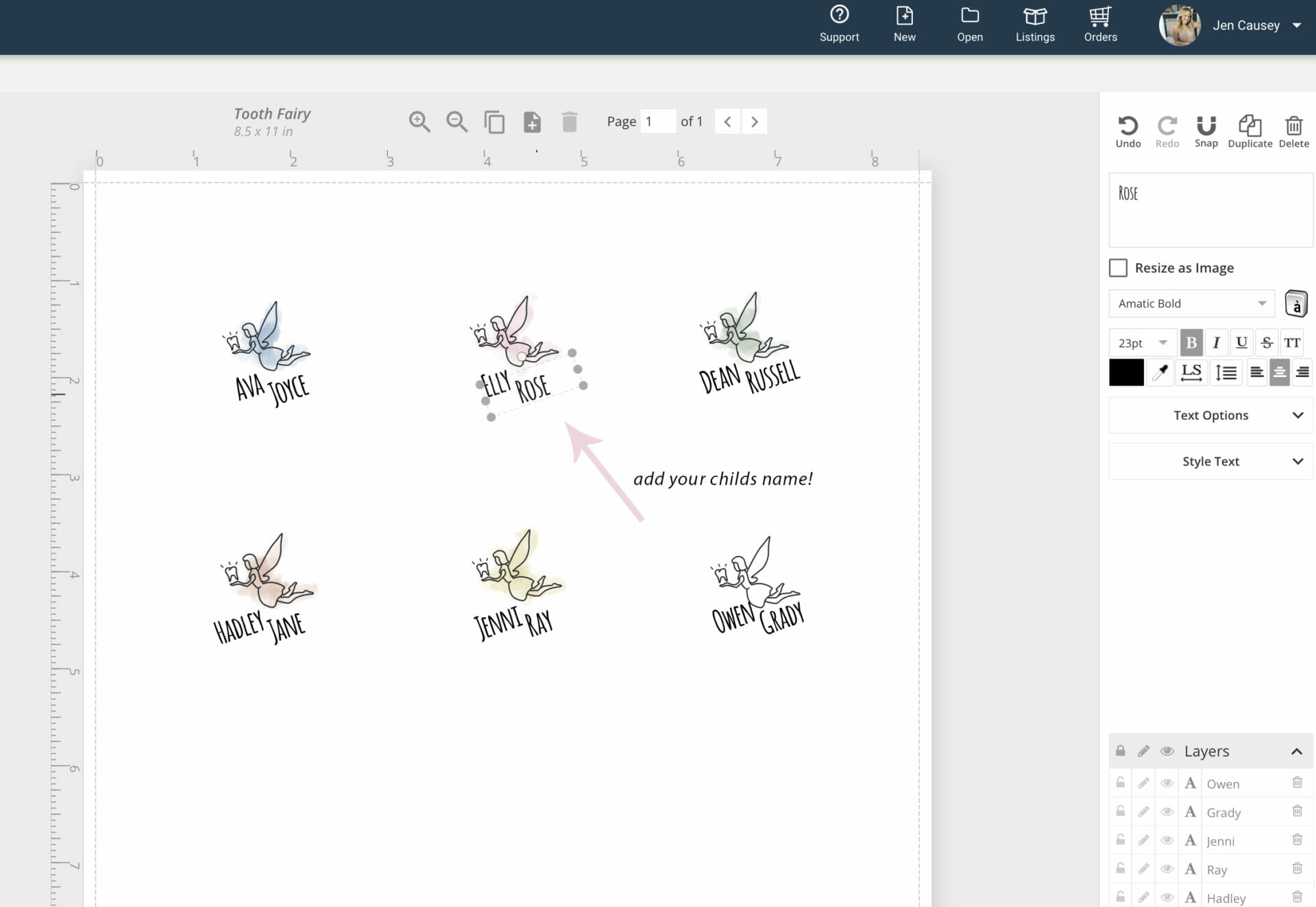
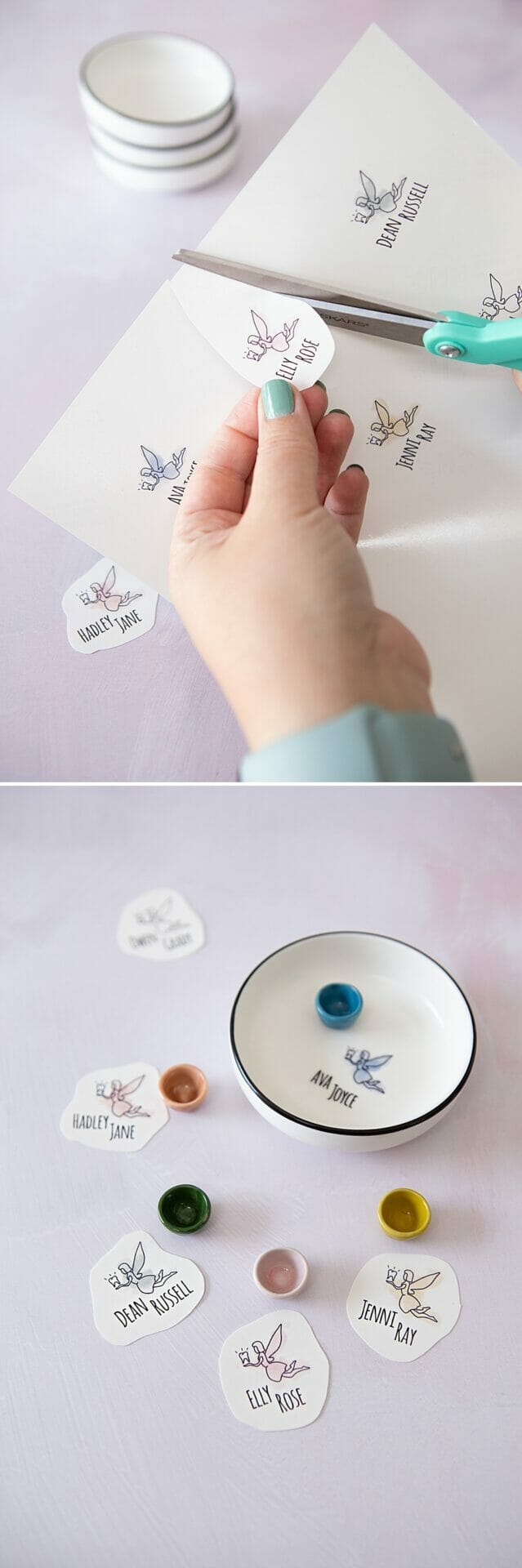
- Design and Customization Phase: Utilizing digital platforms such as Corjl, users select a template—often featuring a "fairy" motif and the child’s name. The Amatic Bold font is frequently cited as the standard for this aesthetic. The design is scaled to fit the dimensions of the miniature dollhouse bowls and sauce dishes.
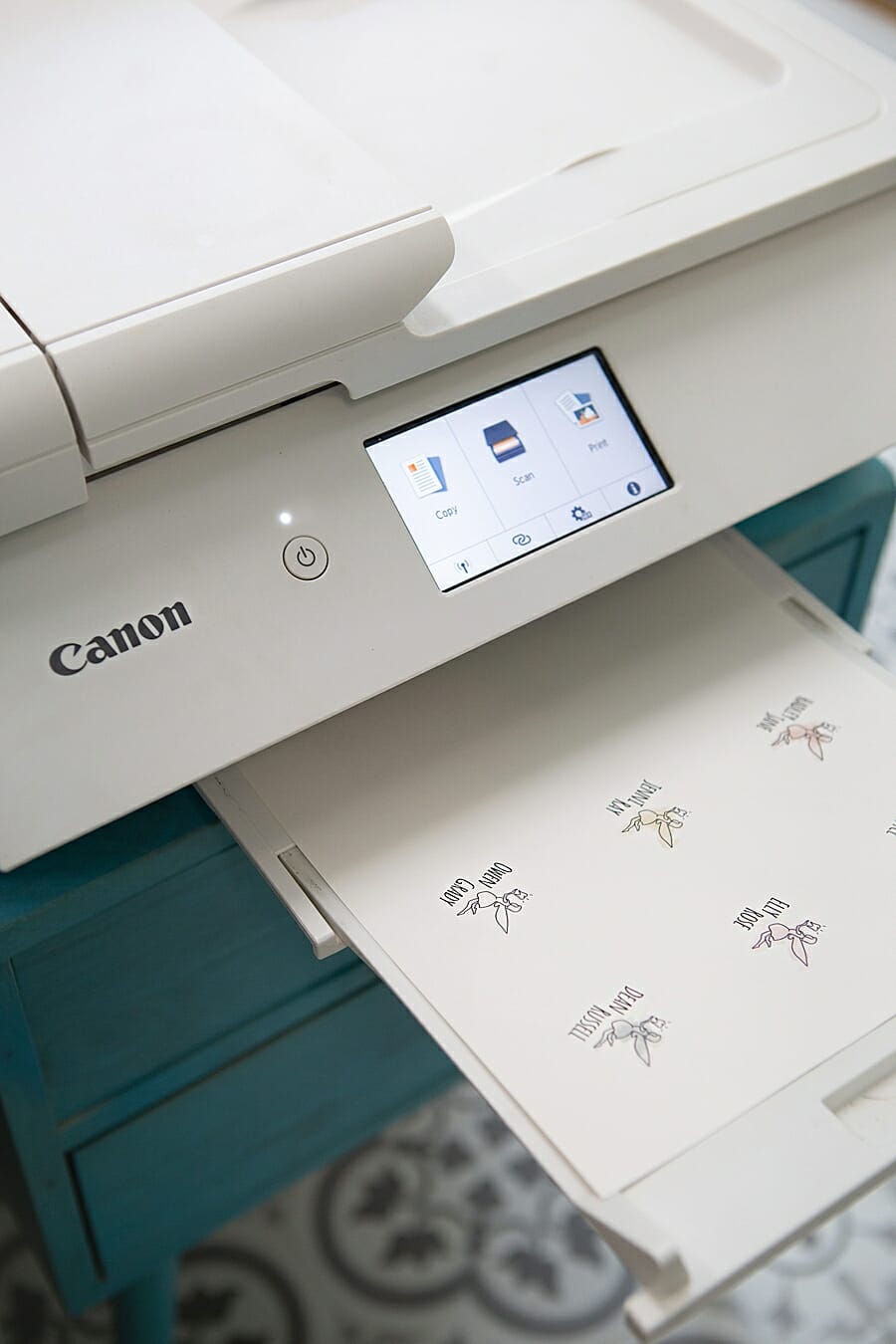
- Printing and Initial Sealing: The design is printed onto inkjet waterslide paper using high-quality photo settings. A mandatory drying period of five minutes is required before the application of the sealant. The sealant (clear varnish) is applied in three distinct coats, with one-minute intervals between sprays to prevent running or bubbling.
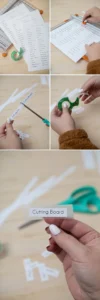
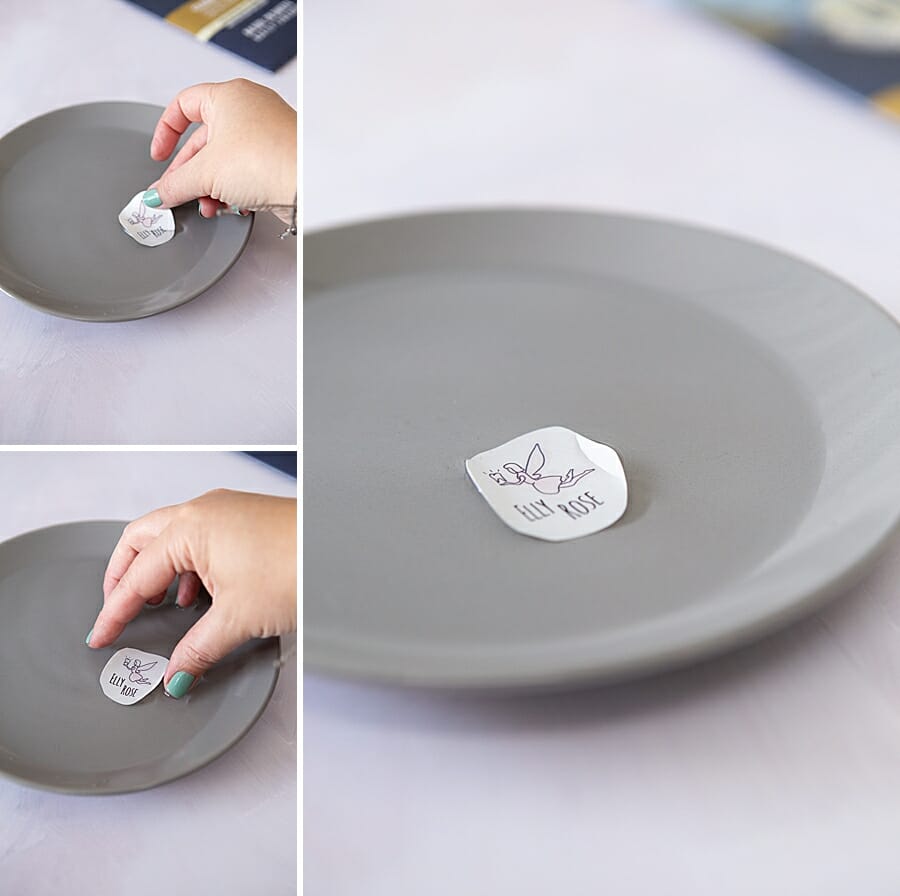
- The Saturation and Application Phase: Once the varnish is fully dry (approximately 10 minutes in direct sunlight), the decal is trimmed to within 1/8 of an inch of the design. It is then submerged in room-temperature water for 30 seconds. Upon saturation, the decal is applied to the ceramic surface, where it remains malleable for several minutes, allowing for the removal of air bubbles and precise positioning.
- The Curing Period: Although ceramic items can sometimes be oven-cured to increase durability, the current methodology suggests a 72-hour air-drying period to ensure the decal has fully bonded with the ceramic substrate.
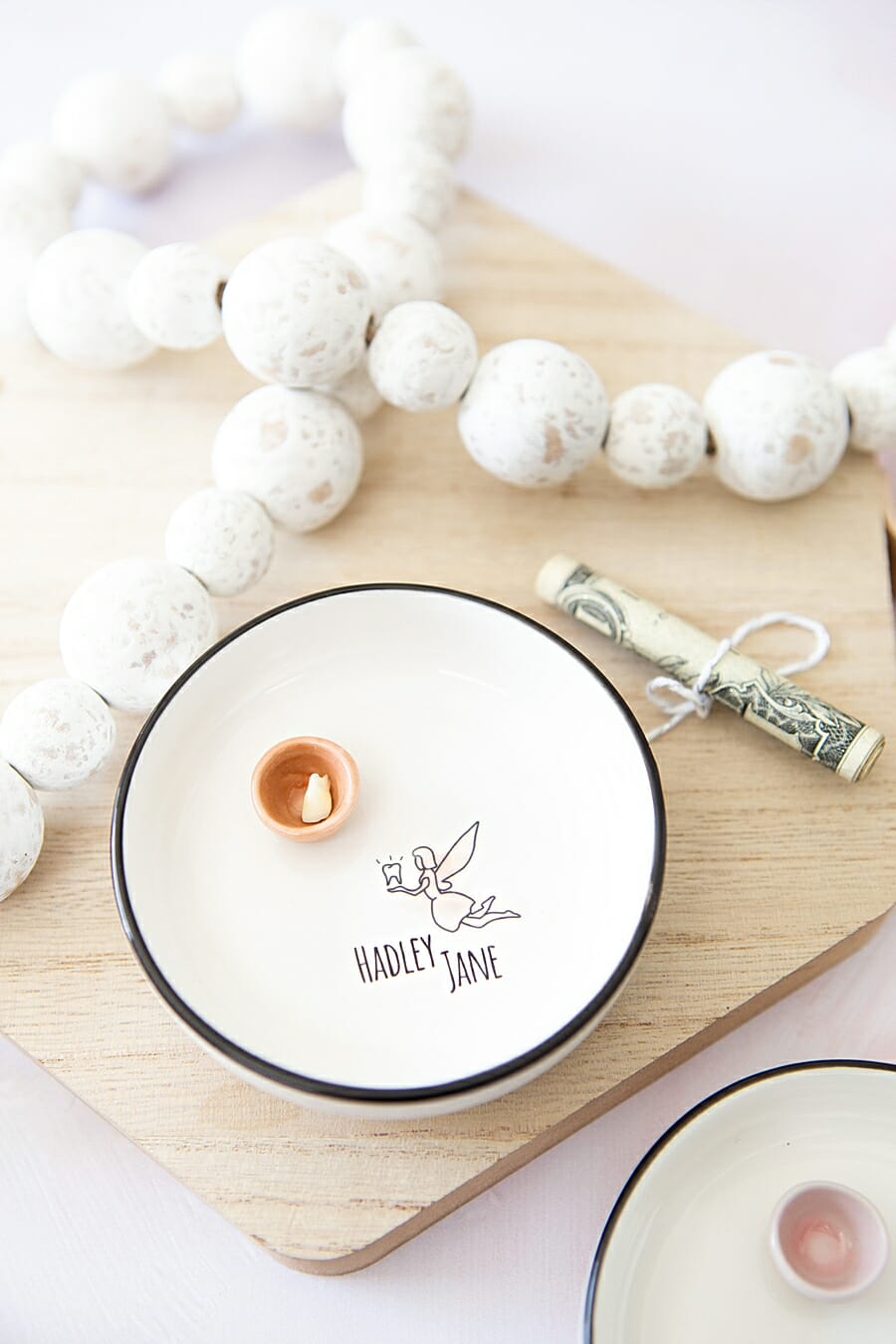
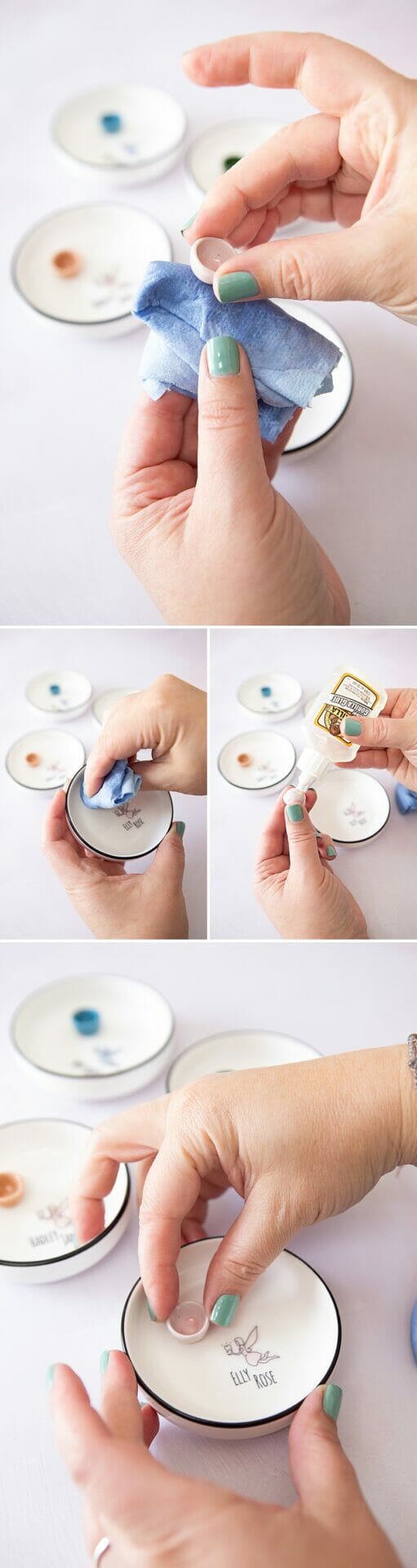
- Structural Assembly: The final step involves the integration of the "dollhouse bowl" (the tooth receptacle) with the "sauce dish" (the base). Using a high-strength cyanoacrylate or polyurethane adhesive, such as Gorilla Glue, the two components are bonded. This step is typically performed concurrently with the decal drying process to ensure structural stability.
Supporting Data: The Economics of the Tooth Fairy
The rise in specialized DIY containers for the tooth fairy coincides with a steady increase in the "market value" of lost teeth. According to the Delta Dental Tooth Fairy Poll, which has tracked the average payout per tooth since 1998, the value of a single tooth has seen significant fluctuations based on the broader economic climate.
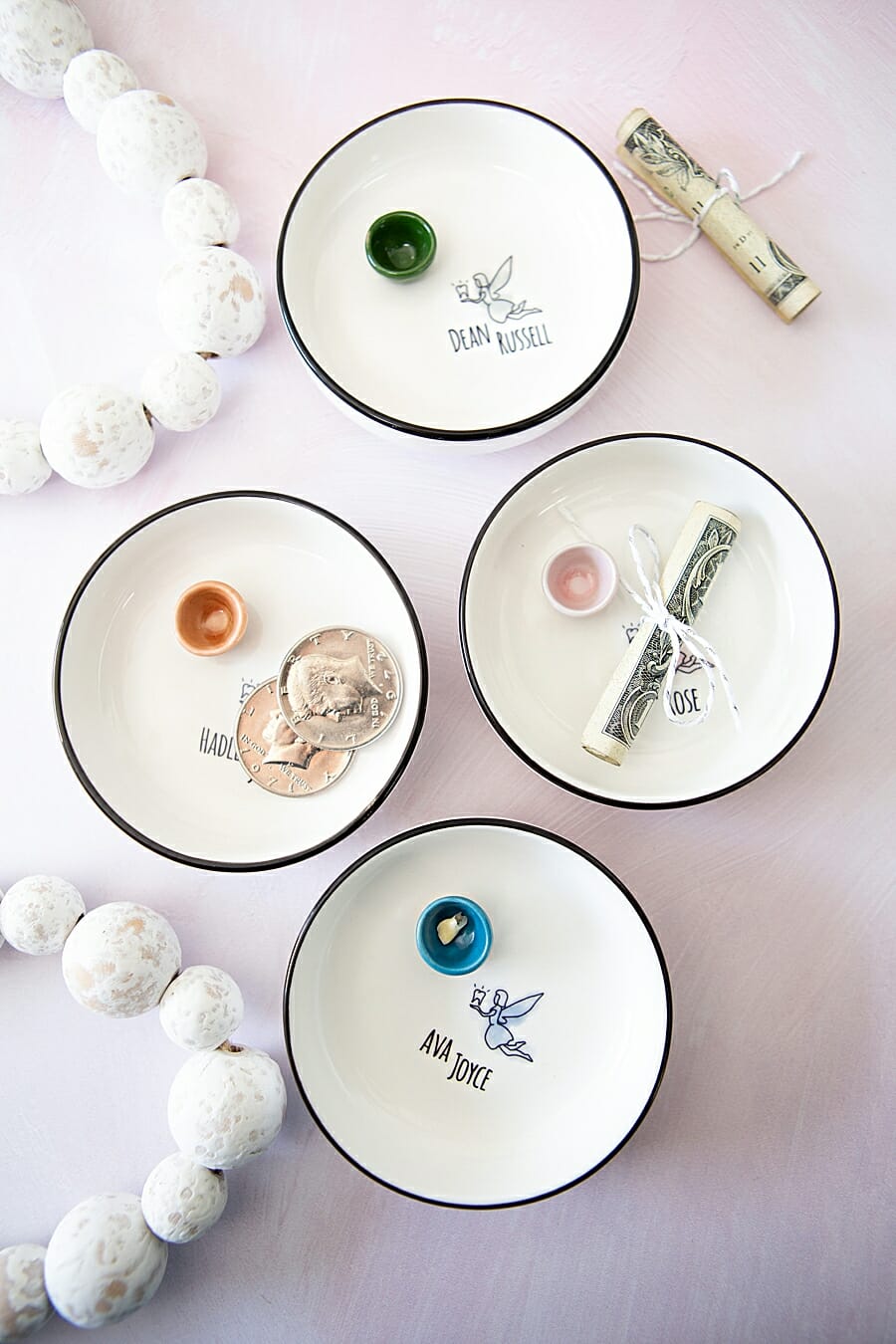
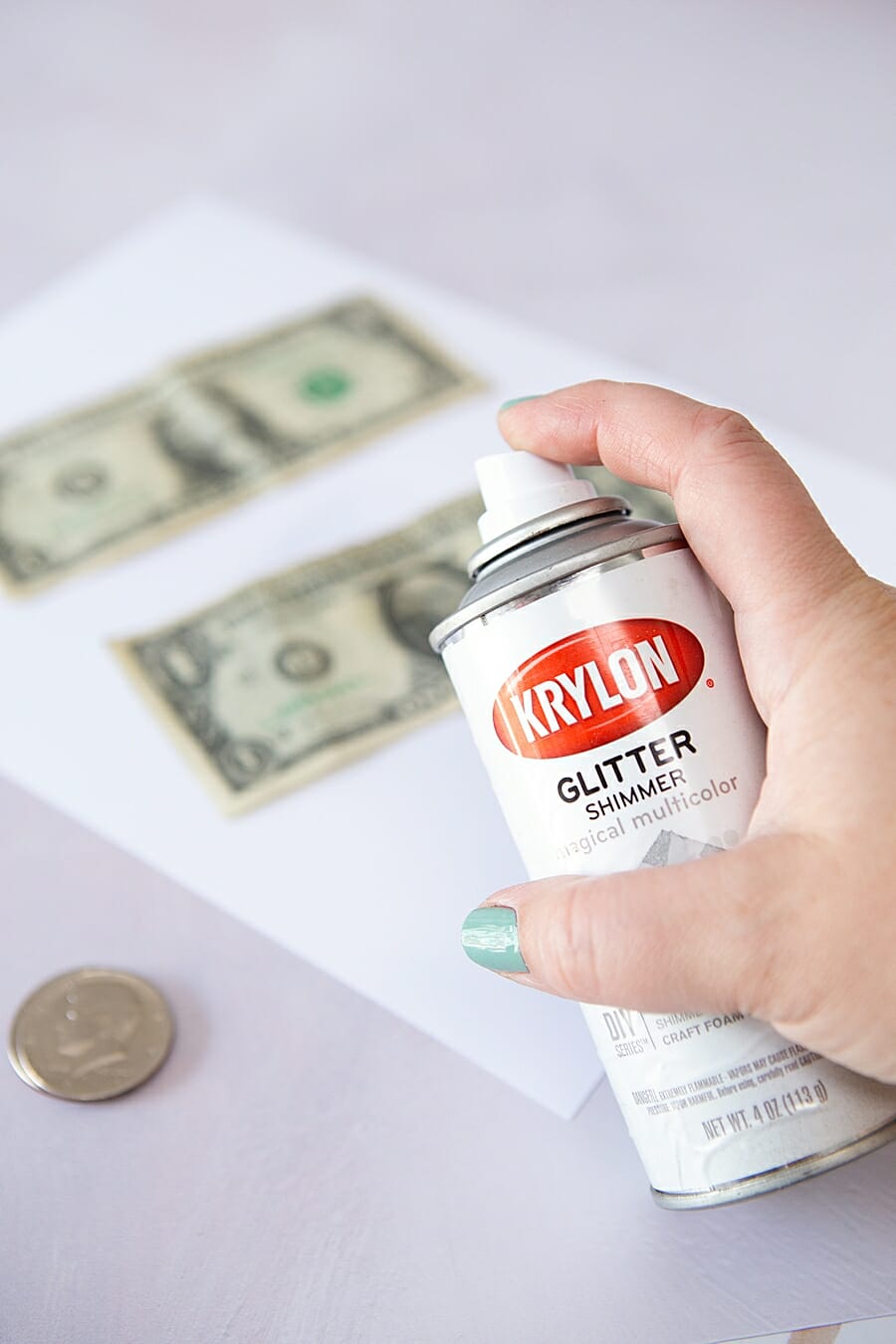
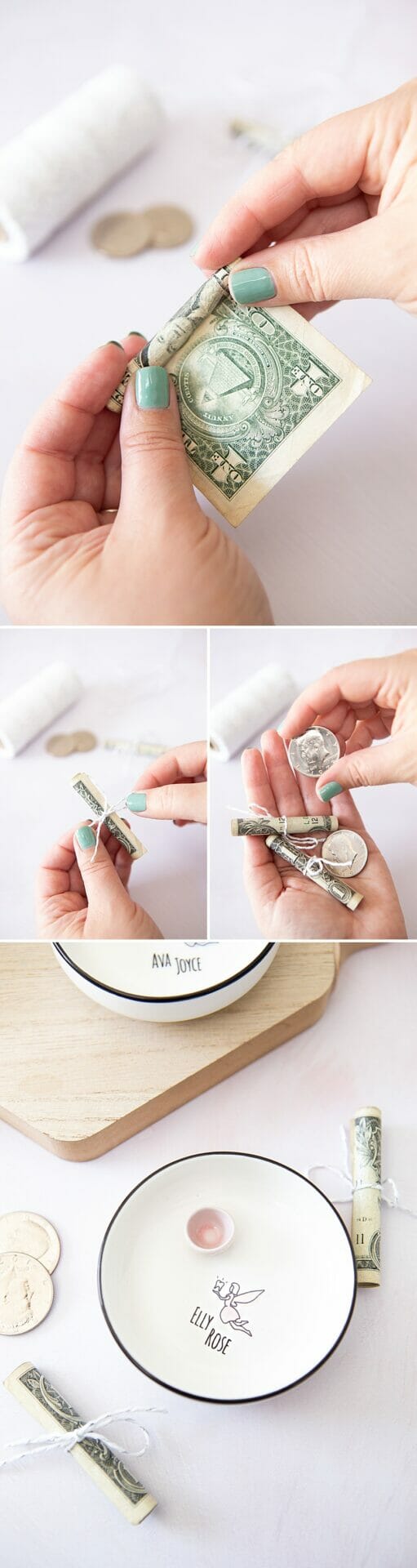
In 2023, the national average for a lost tooth reached a record high of $6.23, a 16% increase from the previous year’s average of $5.36. This "inflation" of the tooth fairy ritual has transformed it from a minor childhood event into a significant financial milestone. Consequently, the vessels used to hold this "currency"—whether they be glitter-sprayed dollar bills or polished half-dollar coins—have become more elaborate. The demand for personalized dishes is a direct reflection of parents seeking to memorialize these high-value childhood transitions.
Market Analysis and Digital Influence
The success of these DIY projects is heavily tied to the "instructional economy" found on social media platforms. The Something Turquoise project, for instance, was amplified through Instagram Reels, a format that allows for rapid consumption of complex technical steps.
Industry analysts suggest that the "print-at-home" model, facilitated by software like Corjl, has disrupted the traditional personalized gift market. Rather than purchasing a finished product from a retailer, consumers are increasingly purchasing the rights to a digital design, which they then manufacture themselves. This shift reduces shipping costs and environmental impact while providing the consumer with a sense of "crafting agency."
Statements from the crafting community indicate that the appeal of the ceramic dish over the pillow lies in its "heirloom potential." While fabric pillows can fray or become soiled over time, a sealed ceramic dish, if handled correctly, can serve as a permanent keepsake of a child’s early development.
Safety and Regulatory Implications
While the project is intended for home use, there are regulatory considerations regarding the materials used. The use of clear varnishes and high-strength glues requires adequate ventilation during the application phase. Manufacturers of waterslide paper emphasize that while the paper itself is non-toxic, the addition of third-party inks and sealants means the final product should be kept out of reach of very young children who might attempt to ingest the decal film.
Furthermore, the "non-food safe" designation is a critical legal distinction. Artisans selling similar items on platforms like Etsy are required to provide clear labeling to prevent consumers from using the dishes for condiments or small snacks, which could lead to chemical ingestion.
Broader Impact on Childhood Development
Psychologists often note that rituals like the tooth fairy play a vital role in childhood development. They provide a sense of wonder and help children navigate the potentially frightening experience of losing a body part (a tooth). By involving children in the creation of the dish—or by presenting them with a personalized vessel—parents reinforce the "magical" nature of the transition.
The transition from the "pillow" to the "dish" also represents a shift in parental roles. The "ninja-like" maneuver of swapping a tooth for money under a pillow is replaced by a more stable, bedside ritual. This reduces parental anxiety regarding the "success" of the exchange and allows for a more controlled, aesthetic presentation of the "tooth fairy money."
Conclusion
The personalized ceramic tooth fairy dish is more than a simple craft project; it is an intersection of modern technology, economic trends, and evolving cultural rituals. By leveraging waterslide decal technology and digital design platforms, parents are redefining how childhood milestones are celebrated. As the "maker" movement continues to grow, it is likely that more traditional childhood artifacts will be reimagined through the lens of personalization and home-based manufacturing. The durability of ceramic, combined with the precision of digital printing, ensures that these tiny vessels will remain a staple of the modern nursery for years to come.