


The traditional holiday countdown is undergoing a significant transformation as modern households seek to move beyond mass-produced retail offerings in favor of personalized, cost-effective, and sustainable alternatives. Jen Causey-Kidder, a prominent figure in the DIY and lifestyle space through her platform Something Turquoise, has recently detailed a comprehensive shift in her family’s approach to the Advent season. By transitioning from high-cost, pre-packaged toy calendars to a custom-engineered "shoe organizer" system, Causey-Kidder has highlighted a growing trend among large families who find commercial options repetitive, expensive, and often lacking in long-term value. This shift reflects a broader consumer movement toward intentional gifting and the "experience economy," where the process of discovery is prioritized over the accumulation of plastic trinkets.
The Economic and Creative Motivation for Customization
For several years, the Causey-Kidder household followed the standard retail model for Advent, purchasing individual themed calendars for each child. These products, typically branded by major franchises such as Lego, Star Wars, or Disney, carry an average retail price of $40 per unit. For a family with four children, the initial investment reaches approximately $160 before tax. Despite the high price point, Causey-Kidder noted a recurring pattern of "Advent fatigue," where children became disinterested by the third week of December due to the repetitive nature of the items included in mass-market kits.
By reallocating the $160 budget toward a singular, large-scale DIY project, Causey-Kidder was able to curate 24 days of unique, high-quality gifts for her four children, ranging in age from 14 months to seven years. The total expenditure for the gifts and candies was approximately $150, staying within the traditional budget while significantly increasing the variety and utility of the items provided. This approach addresses a common critique of the $2 billion global advent calendar market: the discrepancy between the "unboxing" excitement and the actual play-value of the miniature components found inside.
Structural Engineering and Design of the Shoe Rack Advent System
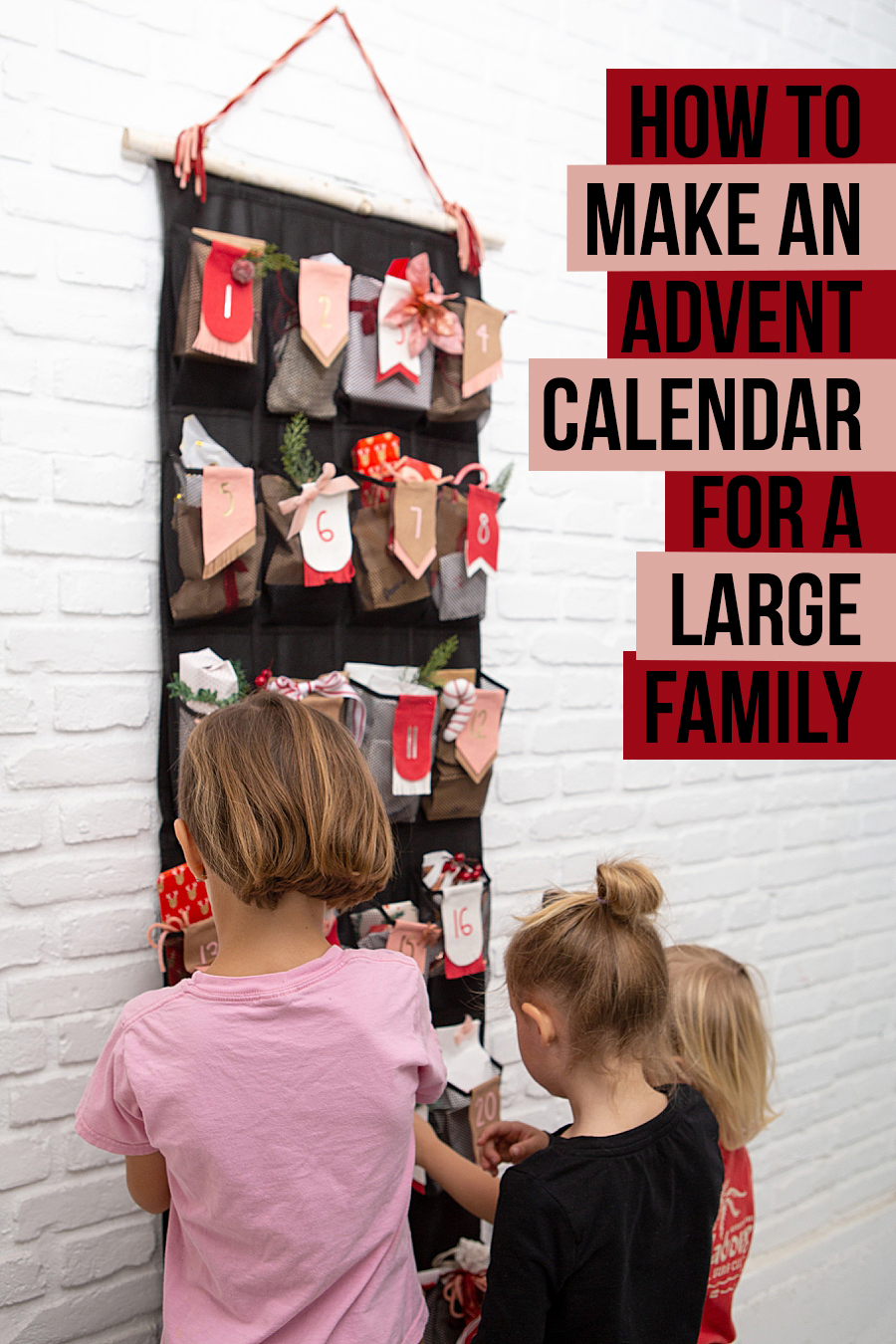
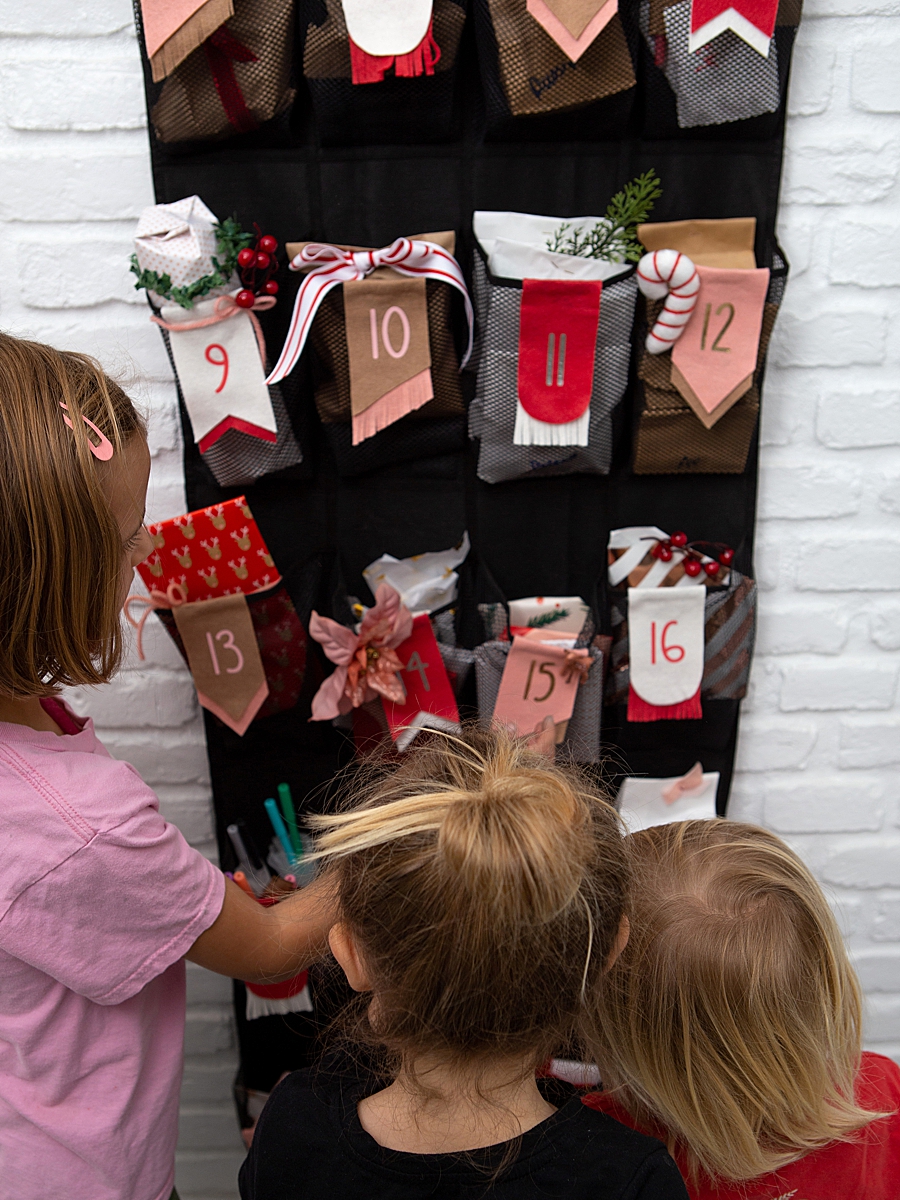
The centerpiece of this DIY initiative is the repurposing of a standard over-the-door shoe organizer, a solution designed to accommodate the spatial and logistical needs of a large family. Unlike traditional cardboard calendars, which are fragile and non-reusable, the shoe rack provides 24 durable pockets that can hold items of varying sizes and weights.
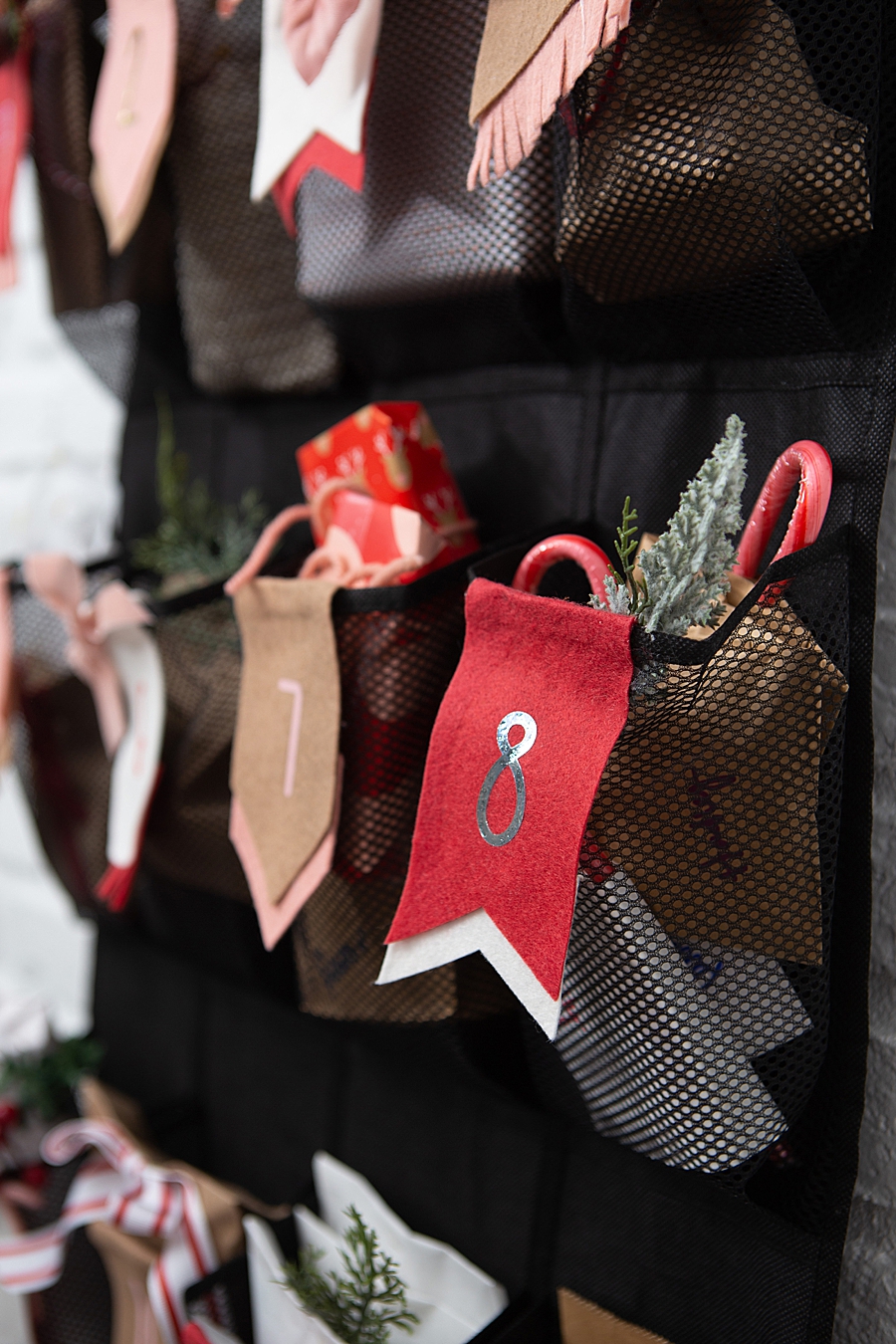
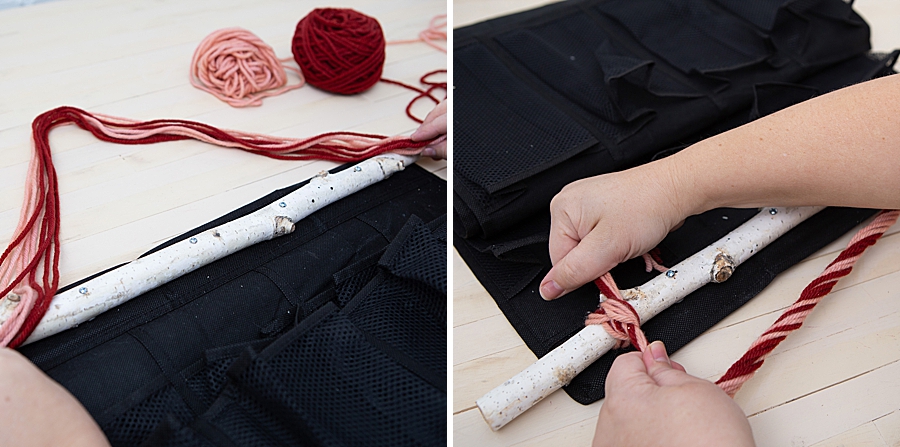
To elevate the aesthetic and structural integrity of the display, Causey-Kidder integrated a heavy-duty hanging system. The construction process involved the following technical steps:
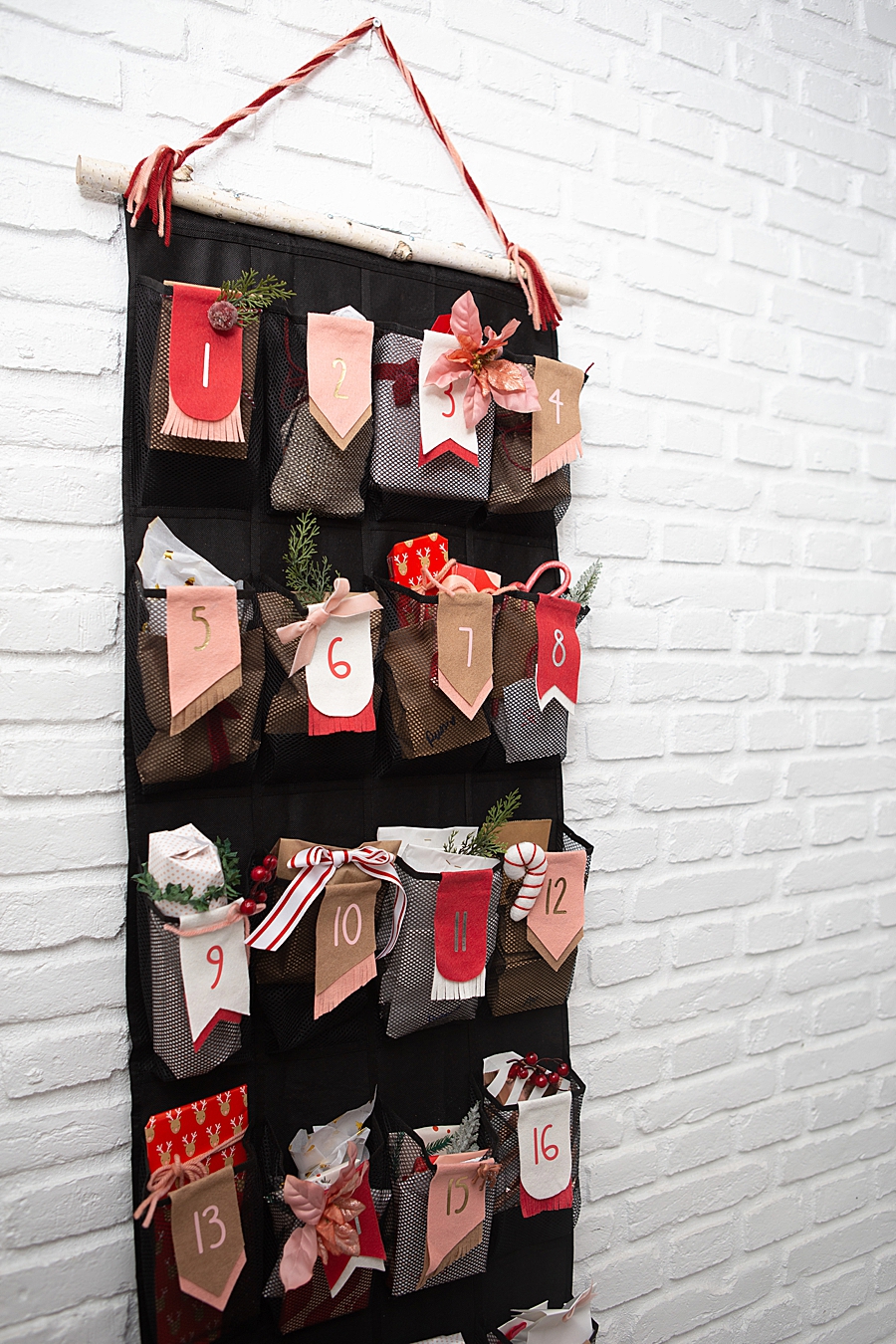
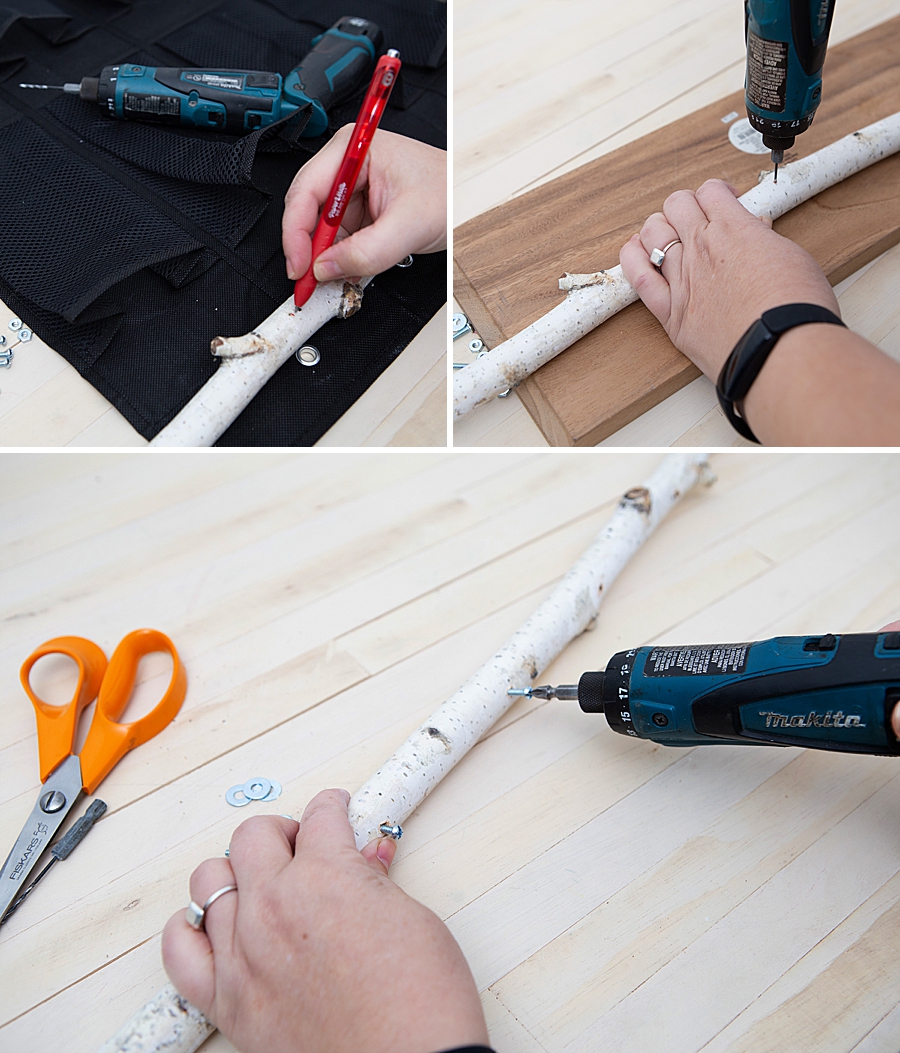
- Support Integration: A decorative white branch was selected to serve as the primary horizontal support.
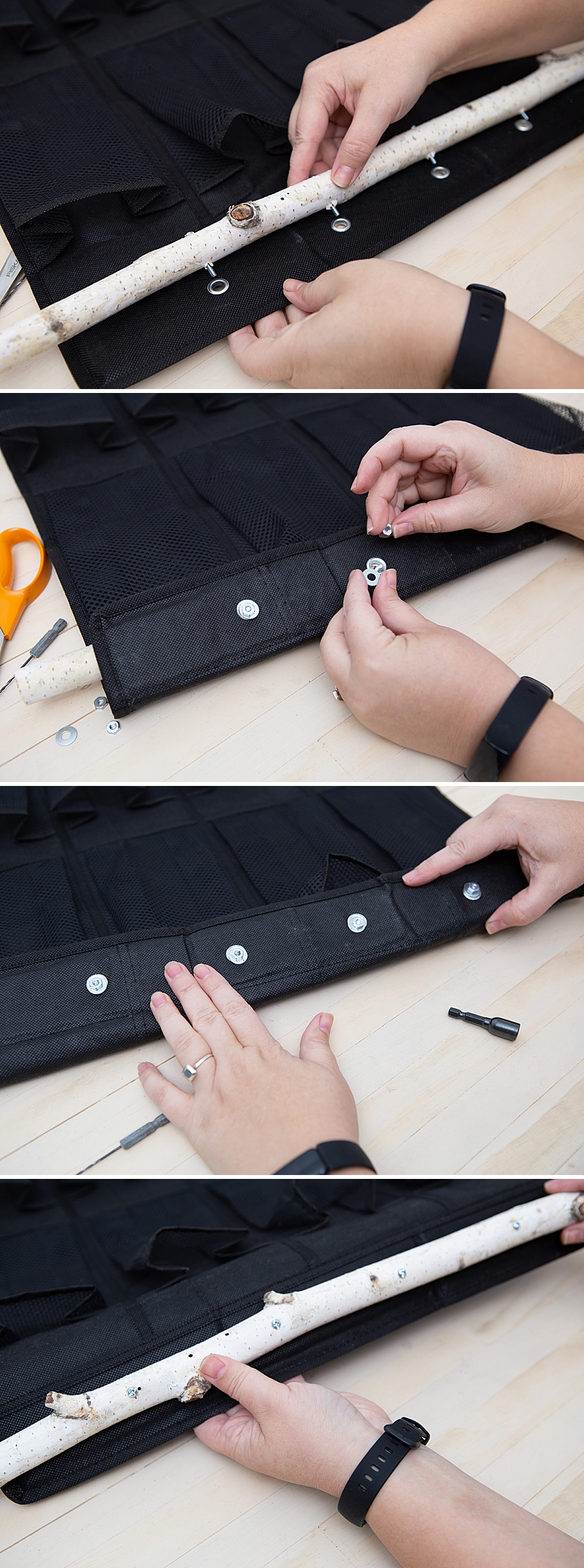
- Hardware Installation: To account for the weight of 96 individual gifts (four per pocket), the branch was drilled and secured to the shoe holder using 1.25-inch bolts, washers, and nuts. This mechanical fastening ensures the display remains stable throughout the month.
- Suspension: The entire unit was hung using 12 strands of reinforced yarn, distributing the load across the branch to prevent sagging or failure.
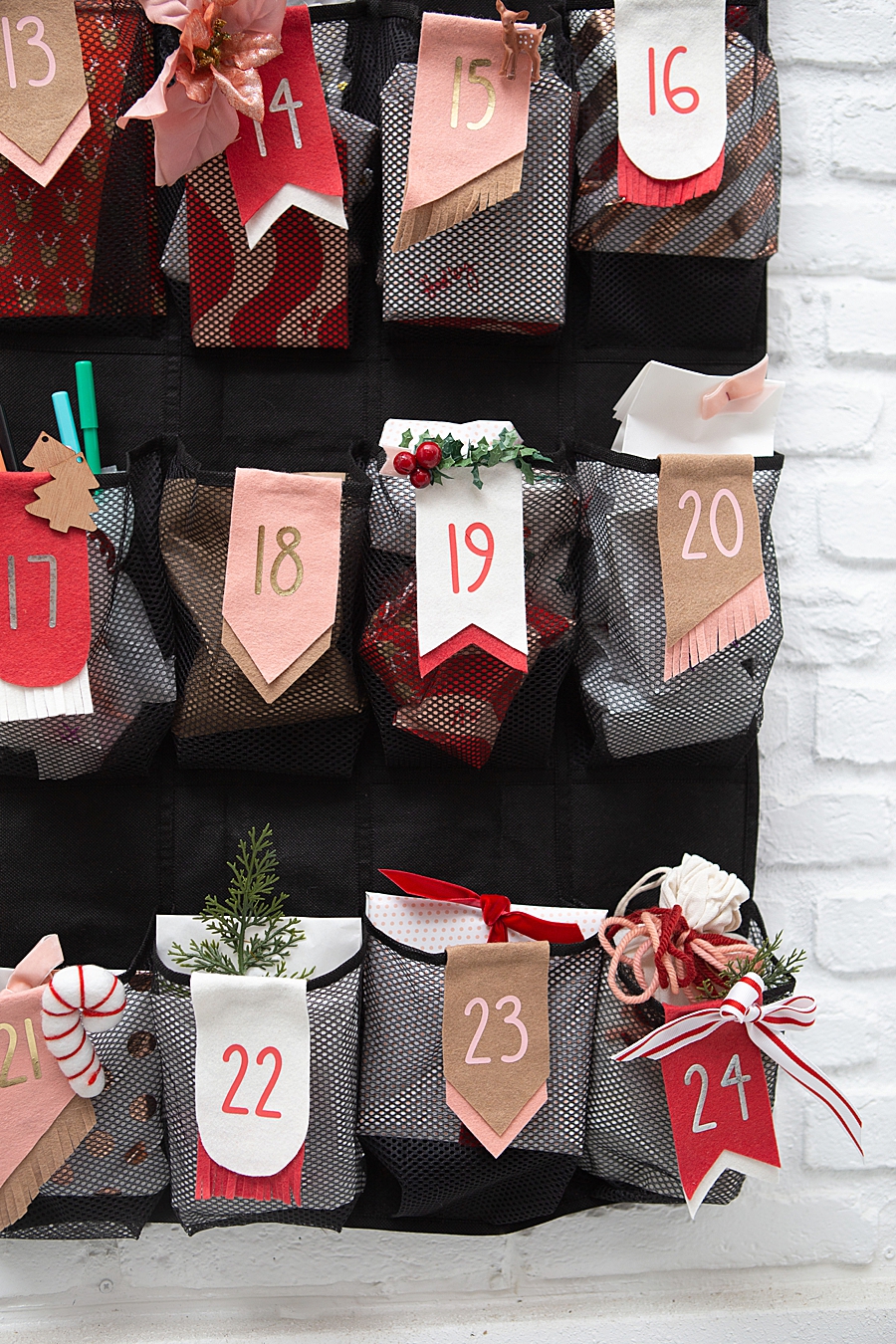
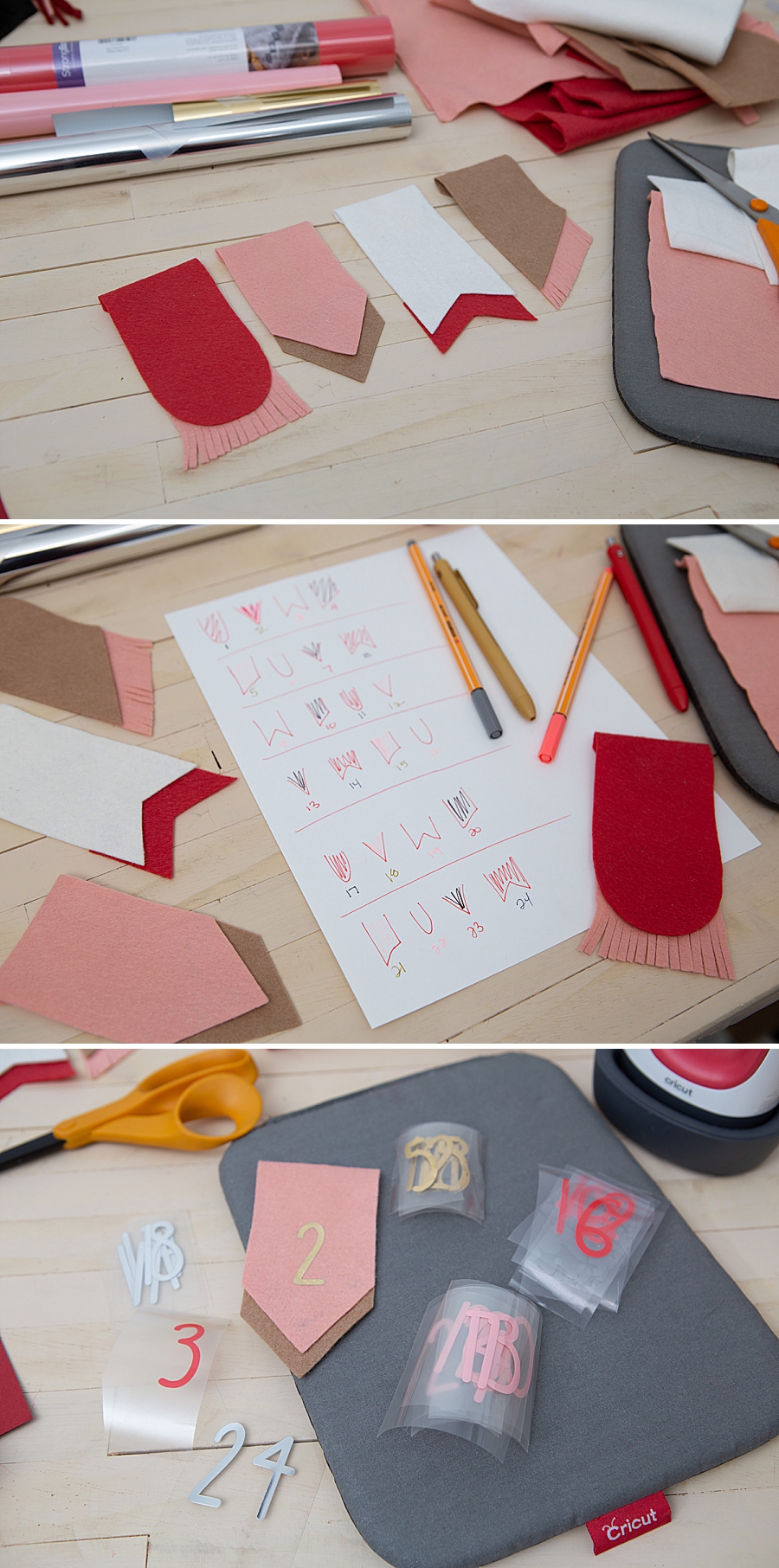
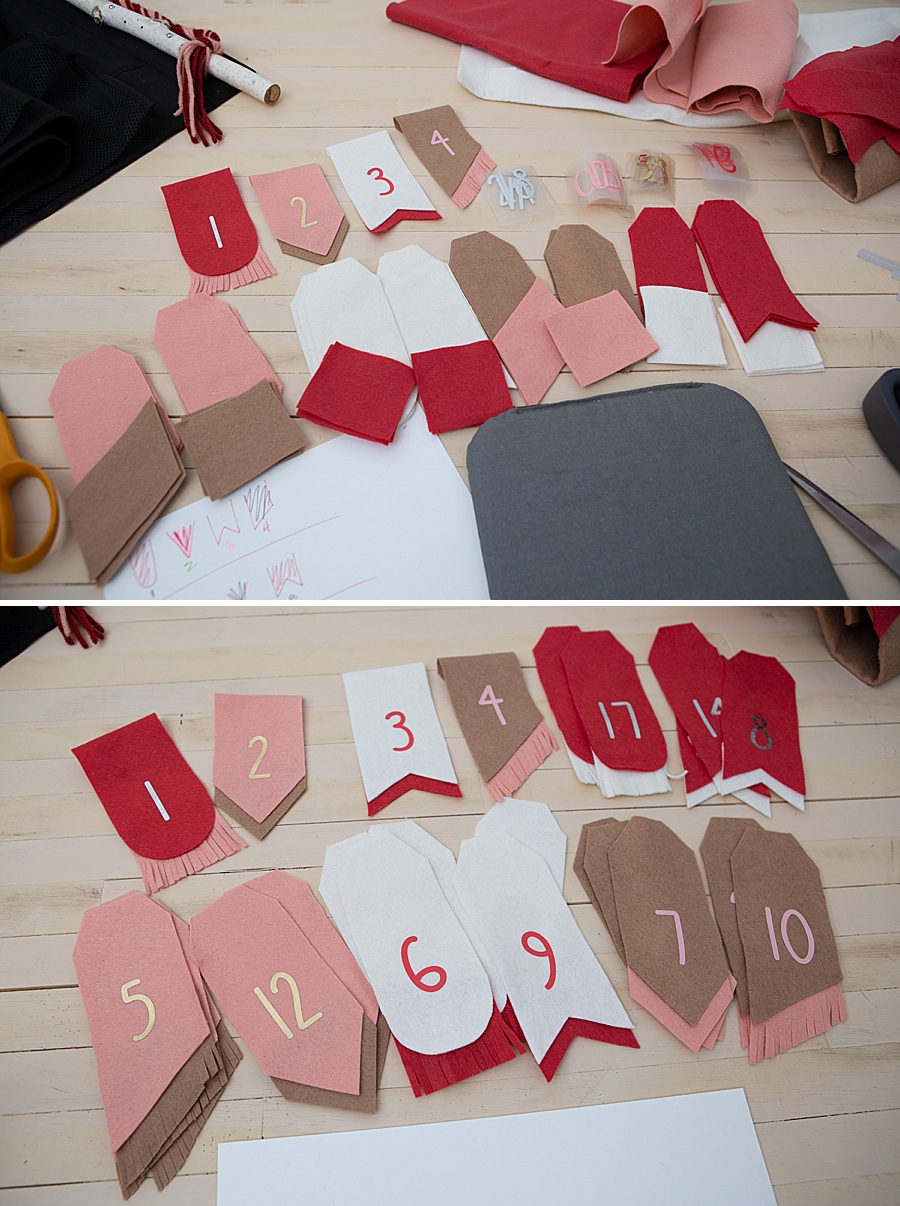
The design was further personalized using high-quality materials, including Benzie Felt in a palette of Red, Blush, White, and Castle. Using a Cricut cutting machine and iron-on vinyl in various metallic and matte finishes, Causey-Kidder created custom number tags (1 through 24). This level of craftsmanship ensures that the base of the calendar can be stored and reused in subsequent years, effectively reducing the family’s future holiday spending and environmental footprint.
Curated Gifting and the "Mom Trick" Strategy
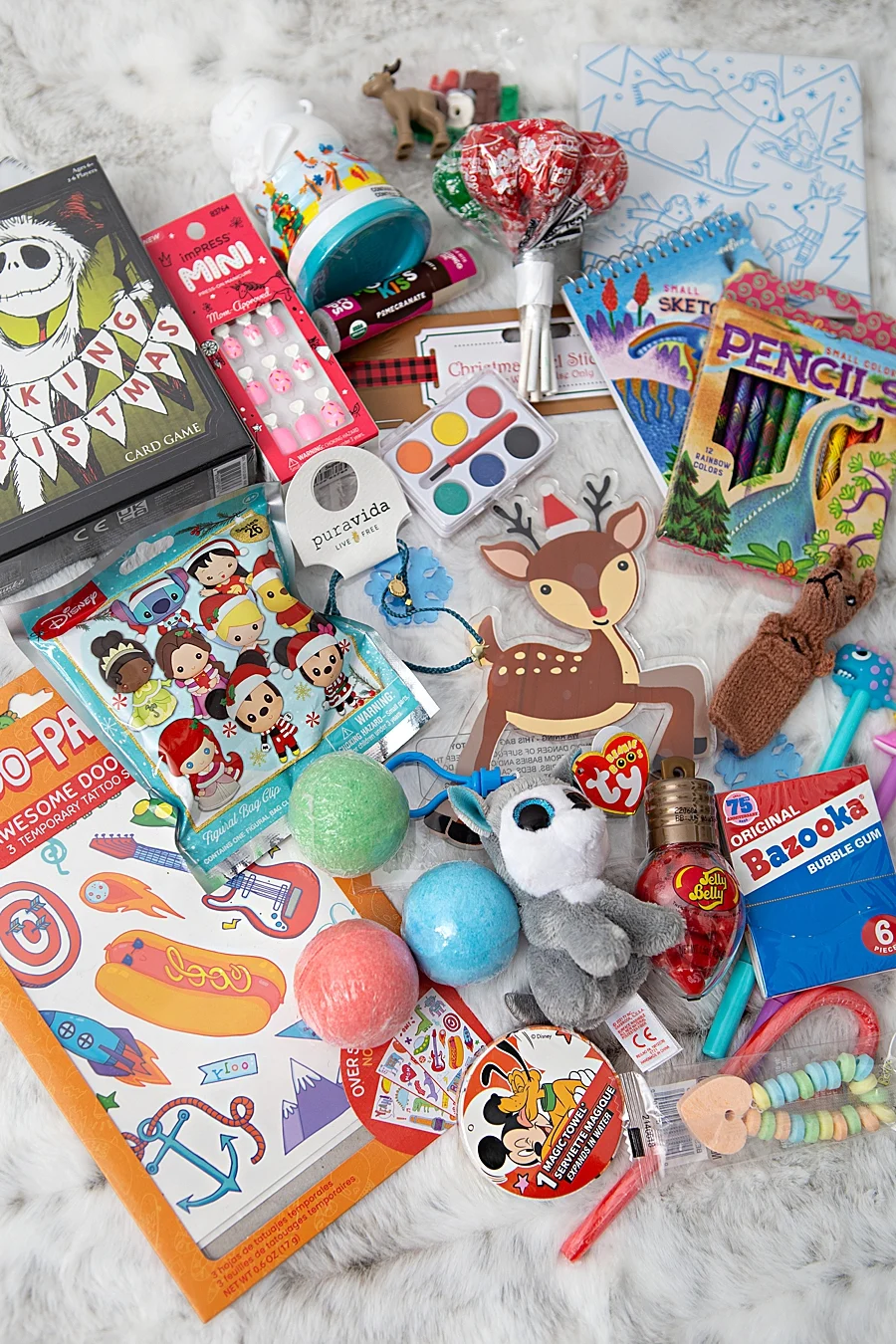
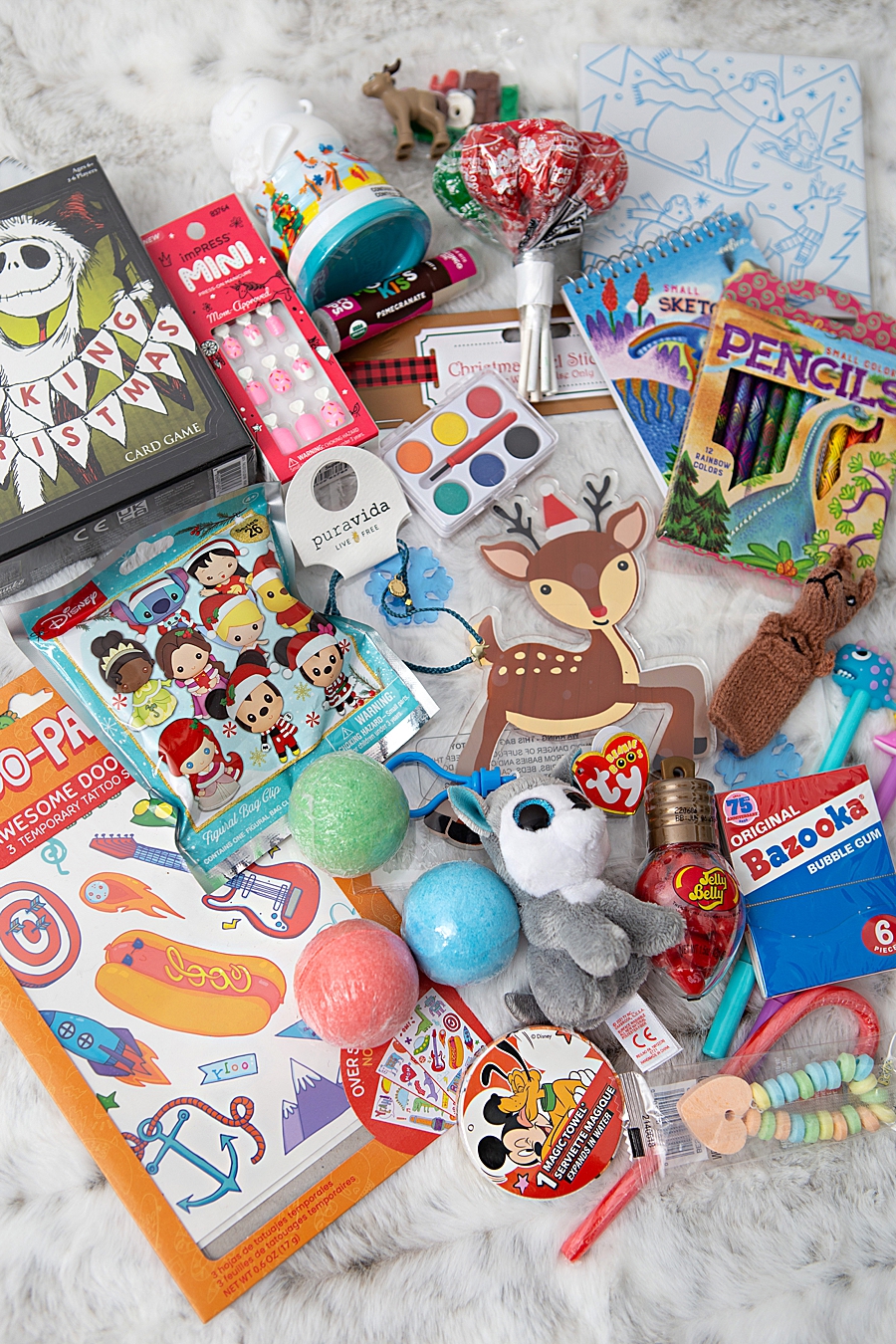
One of the primary advantages of the DIY model is the ability to tailor gifts to the developmental stages of each child. The items collected over a two-month period included Pura Vida bracelets, bath bombs, mini-watercolor sets, finger puppets, and family games. This diversity stands in stark contrast to commercial calendars, which are usually limited to a single product category.

Managing a large family with varying ages (7, 4, 3, and 1) requires strategic planning to prevent chaos and ensure fairness. Causey-Kidder implemented what she terms a "Mom Trick" to maintain order:
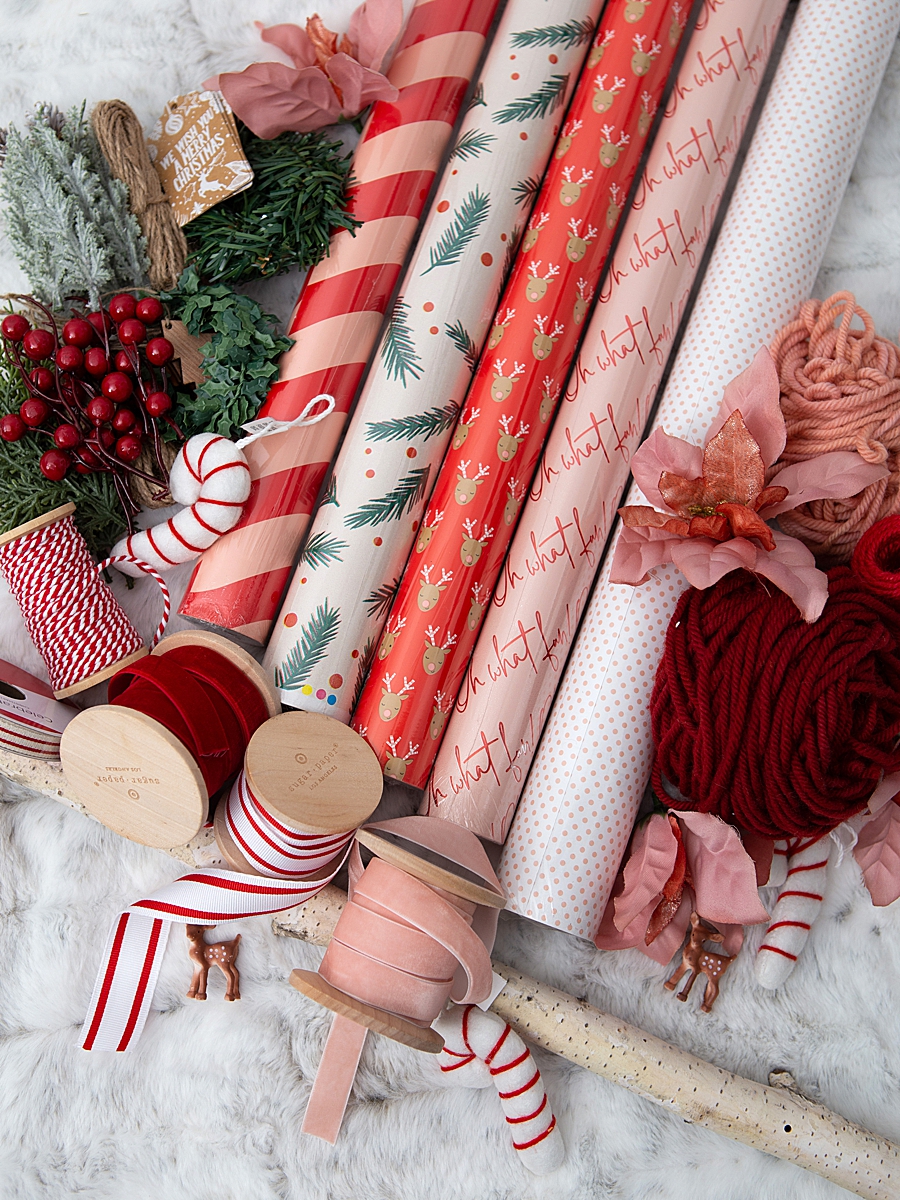
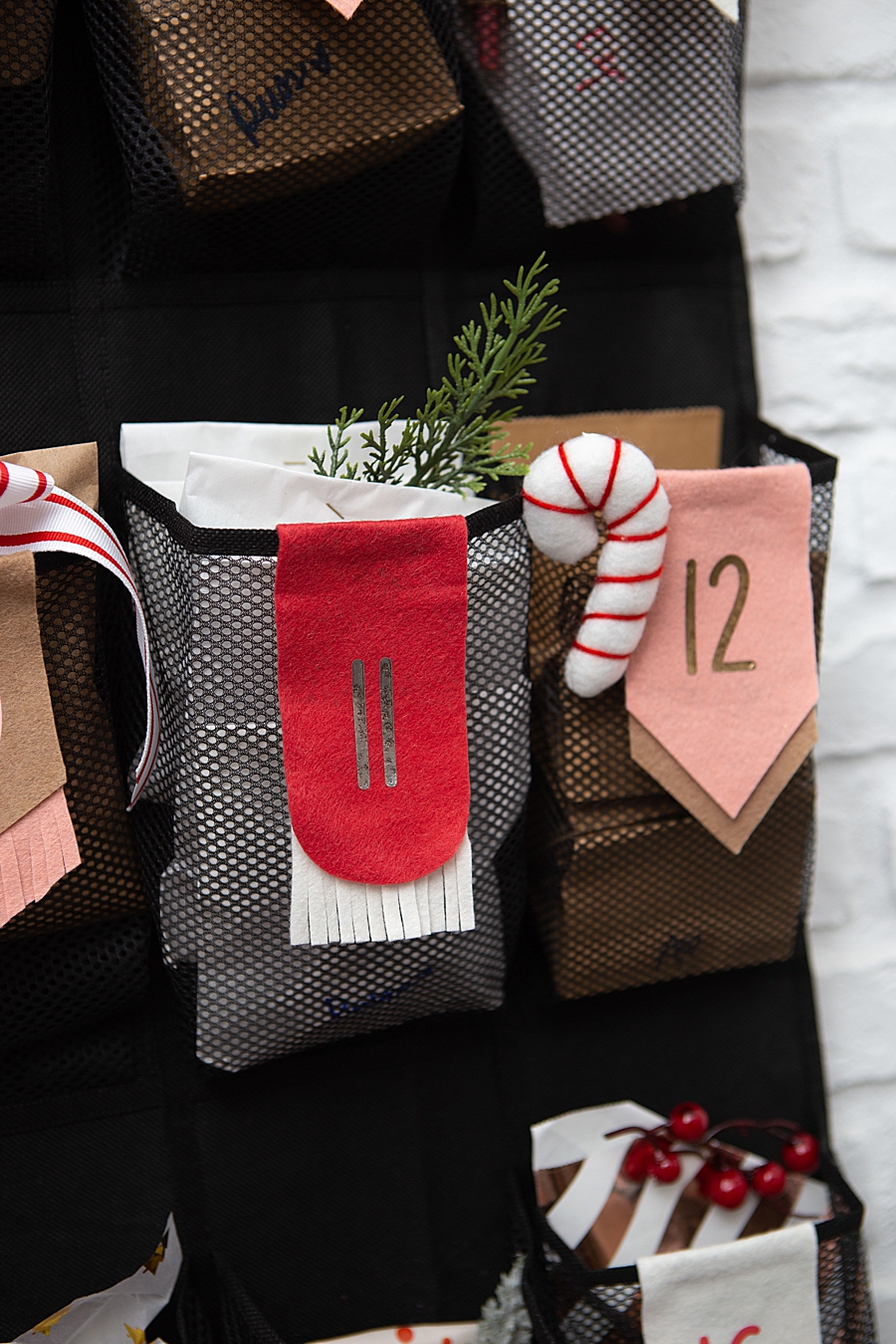
- Dating the Gifts: Each individual gift within a pocket was labeled with the specific date it was to be opened.
- Security Measures: Because the lower pockets are accessible to the youngest child (a 14-month-old), the labeling serves as a safeguard. If items are removed prematurely, they can be easily returned to their designated slot.
- Inclusive Gifting: To foster a sense of family unity, some days included small tokens for the parents, transforming the Advent countdown into a shared household experience rather than a child-centric activity.
Broader Market Context: The Growth of the DIY Holiday Sector
The move toward DIY Advent calendars is part of a larger surge in the "Handmade Holiday" sector. According to market research, the DIY craft industry has seen a steady annual growth rate of approximately 4.5% as consumers seek more meaningful connections to their purchases. Platforms like Etsy and Pinterest have democratized access to professional-grade design templates, such as the Cricut Design Space used in this project, allowing parents to achieve boutique-level results at home.
Furthermore, the "shoe organizer" method addresses the logistical challenges faced by the 12.5% of U.S. households that have three or more children. Standard retail displays are rarely designed for multi-child interaction, often leading to sibling rivalry or the need for multiple, space-consuming units. By centralizing the tradition into one vertical, wall-mounted display, families can reclaim living space while maintaining the daily ritual.
Sustainability and Environmental Implications
The environmental impact of the holiday season is an increasing concern for modern consumers. Traditional advent calendars often utilize non-recyclable plastic trays and single-use cardboard packaging. By investing in a reusable felt and fabric system, families can significantly reduce their contribution to seasonal waste.
The items selected for the DIY calendar also tend to have a longer lifecycle. Miniature "blind bag" toys from retail calendars are frequently discarded shortly after Christmas, whereas the items curated by Causey-Kidder—such as stationery, art supplies, and quality accessories—provide ongoing utility well into the new year. This shift aligns with the "Zero Waste" movement, which encourages the use of durable goods over disposables.
Expert Analysis of the Psychological Impact on Families
Child development experts suggest that the "slow-burn" nature of a personalized Advent calendar can help teach children patience and delayed gratification. In an era of instant digital satisfaction, the physical act of waiting for a specific day to open a curated gift provides a tangible lesson in time management and anticipation.
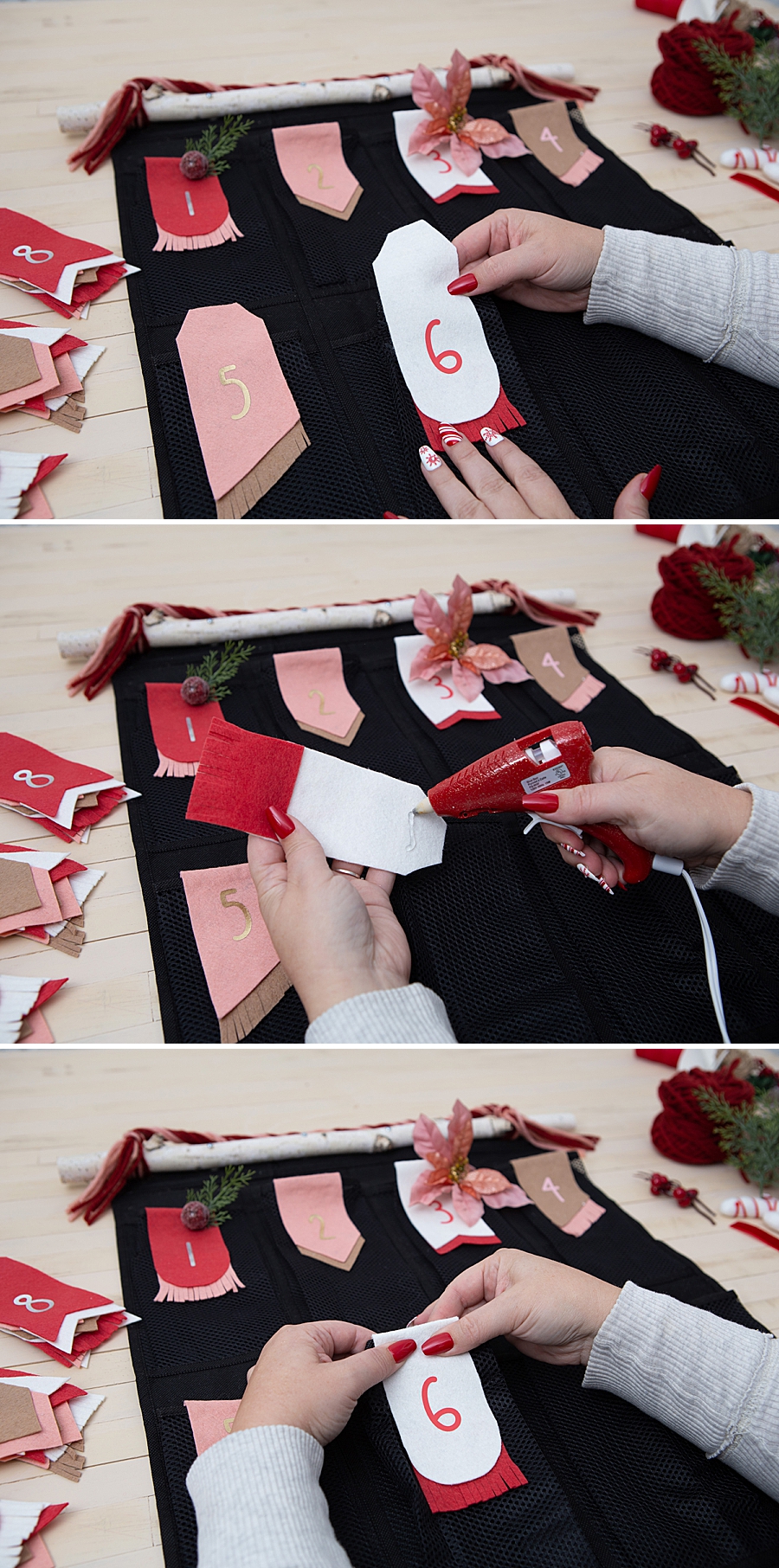
"The labor of love involved in these projects is not lost on the children," Causey-Kidder noted during her documentation of the project. While the assembly process is time-intensive—involving planning charts, hot-gluing decorations, and meticulous wrapping—the resulting "core memory" for the family is often cited as the primary motivator. The transition from being a passive consumer of holiday goods to an active creator of holiday experiences represents a fundamental shift in contemporary parenting values.
Conclusion and Future Outlook
As the 2024 holiday season approaches, the DIY shoe organizer Advent calendar stands as a viable model for families looking to balance budget, creativity, and tradition. By utilizing common household items and specialized crafting tools, parents can bypass the limitations of the retail market. The success of Jen Causey-Kidder’s project suggests that the future of holiday traditions may lie not in the aisles of big-box retailers, but in the intentional, hand-crafted efforts of families at home.
The project serves as a blueprint for scalability, showing that with a bit of hardware and a two-month lead time on gift collection, the "chaos" of a large-family Christmas can be transformed into a structured, aesthetically pleasing, and deeply personal celebration. As more families adopt these methods, the demand for customizable holiday components—such as felt kits, iron-on templates, and reusable storage solutions—is expected to continue its upward trajectory in the global marketplace.