


The intersection of high-fidelity printing hardware and user-accessible design software has fundamentally altered the landscape of the multi-billion-dollar greeting card industry, as evidenced by the recent collaboration between Canon U.S.A., Inc. and the digital crafting platform Something Turquoise. This partnership highlights a growing consumer shift toward high-end, home-based production of seasonal stationery, moving away from traditional mass-market retail options in favor of bespoke, professional-grade DIY solutions. Central to this movement is the deployment of specialized hardware, such as the Canon PIXMA TS9521C Crafting Printer, which serves as a bridge between industrial print quality and domestic convenience. By leveraging advanced inkjet technology alongside curated digital templates, consumers are now able to circumvent traditional commercial printing lead times and minimum order requirements, signaling a new era of "prosumer" creative output.
Technological Advancements in Domestic Crafting Hardware
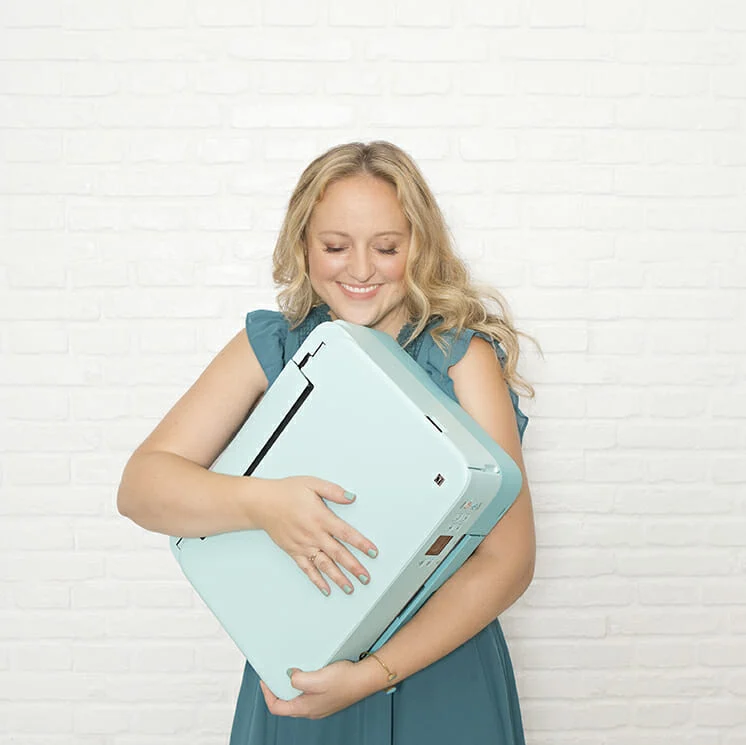
The transition from standard office printing to specialized "crafting" output is driven by specific hardware specifications that cater to heavy-weight media and color precision. The PIXMA TS9521C, frequently cited as a flagship model for the creative demographic, distinguishes itself through its ability to handle diverse paper stocks that standard document printers often reject. In the context of holiday card production, the ability to process 7×10-inch double-sided matte photo paper is a critical differentiator. This specific media, often provided in pre-scored packs, allows for a 5×7-inch folded card format—the industry standard for high-end seasonal greetings.
Technical analysis of modern crafting printers reveals a focus on pigment-based and dye-based ink hybrid systems. This allows for the crisp text required for interior messaging while maintaining the vibrant color saturation necessary for family photography. For the 2022-2023 holiday season, the integration of "borderless printing" on non-standard sizes has become a primary demand for consumers. This feature eliminates the need for manual trimming, a historical barrier to entry for home-based stationery production. When paired with specialized media, such as double-sided matte photo paper, the result is a tactile quality that rivals professional print houses.

The Democratization of Design via Corjl and Digital Assets
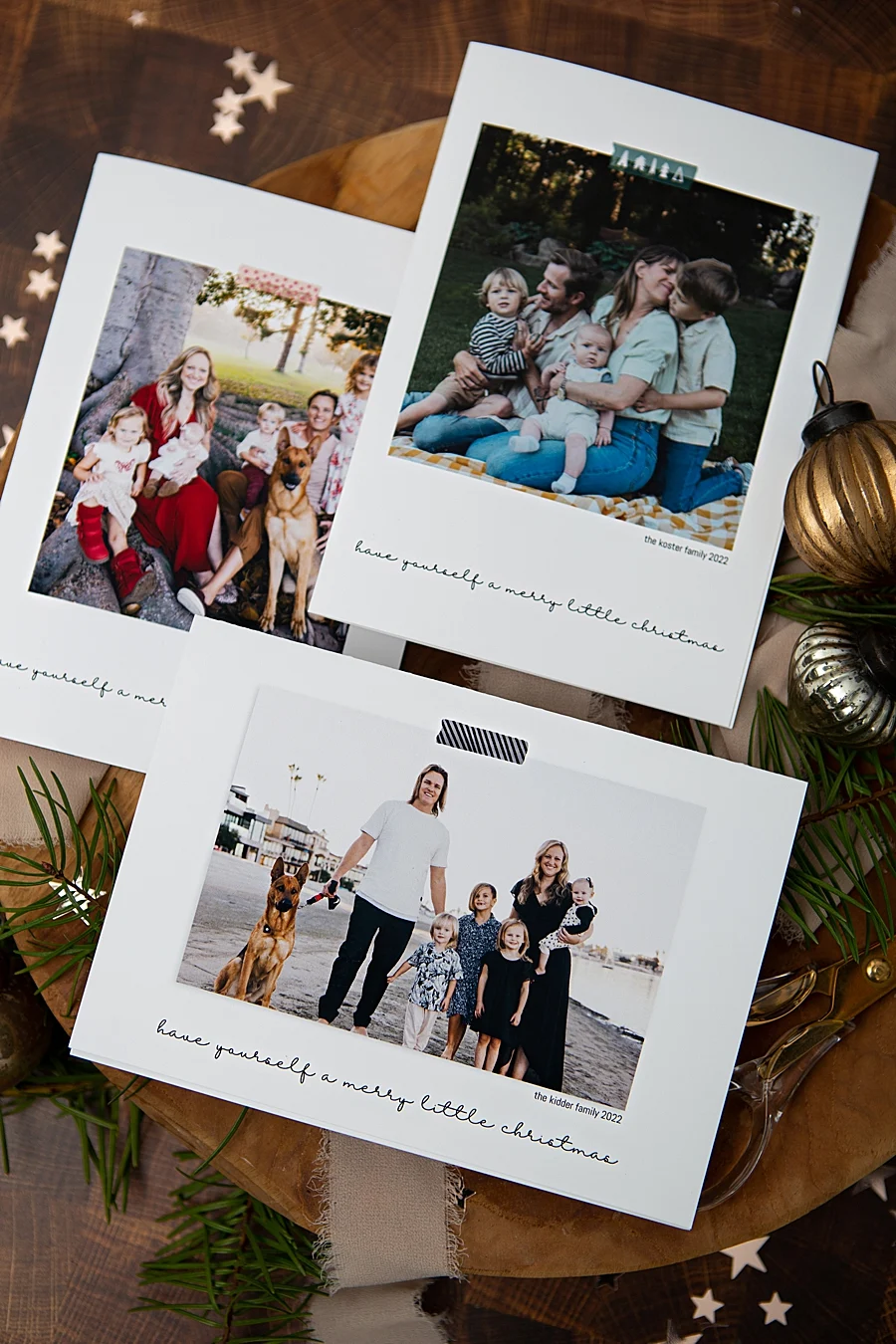
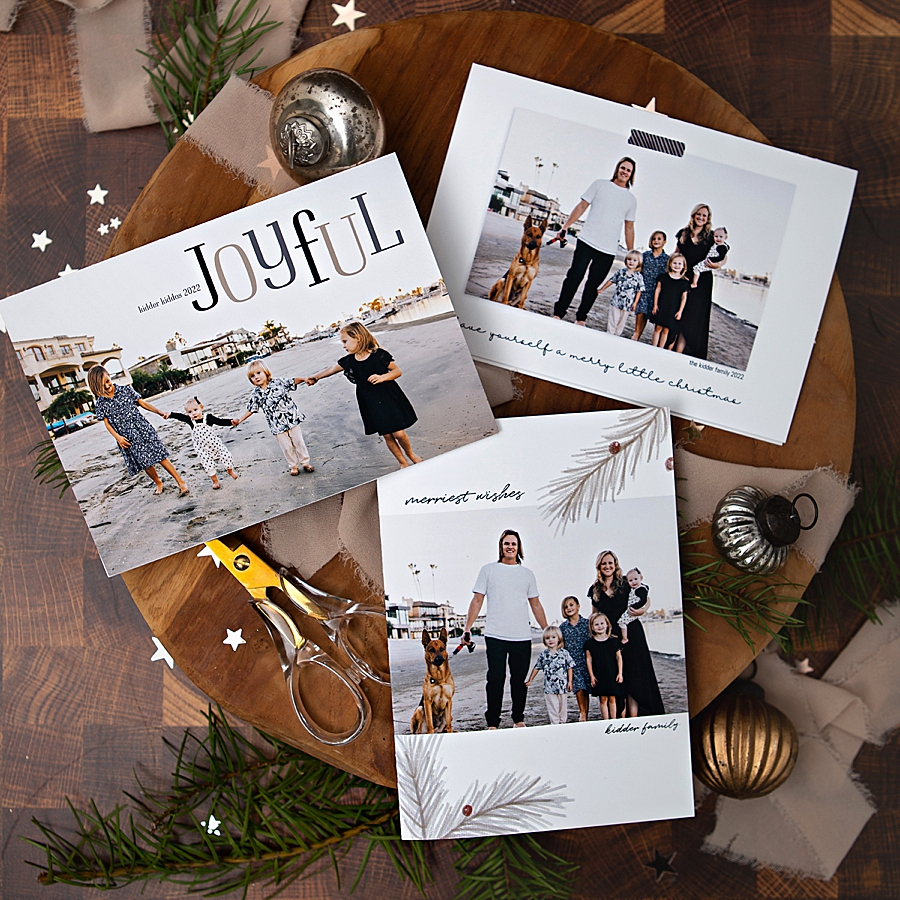
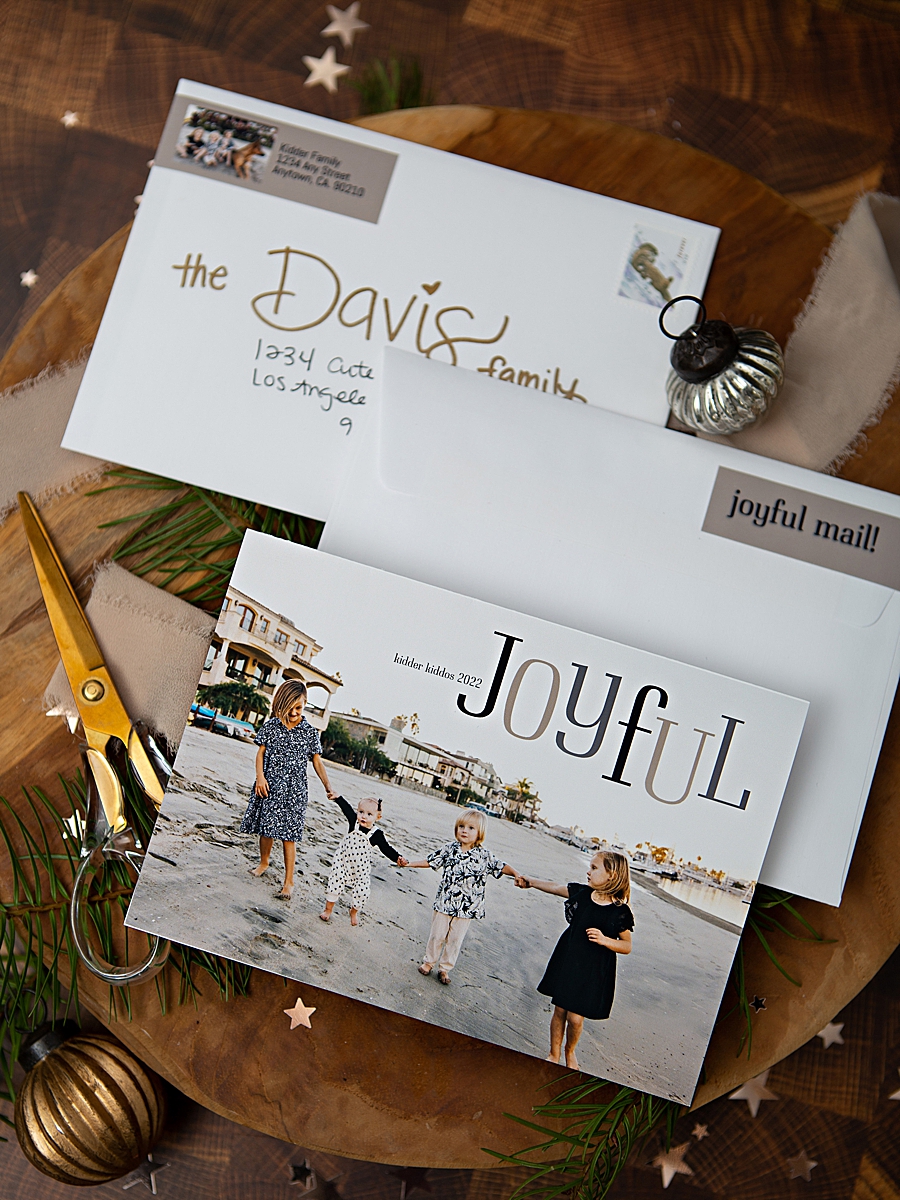
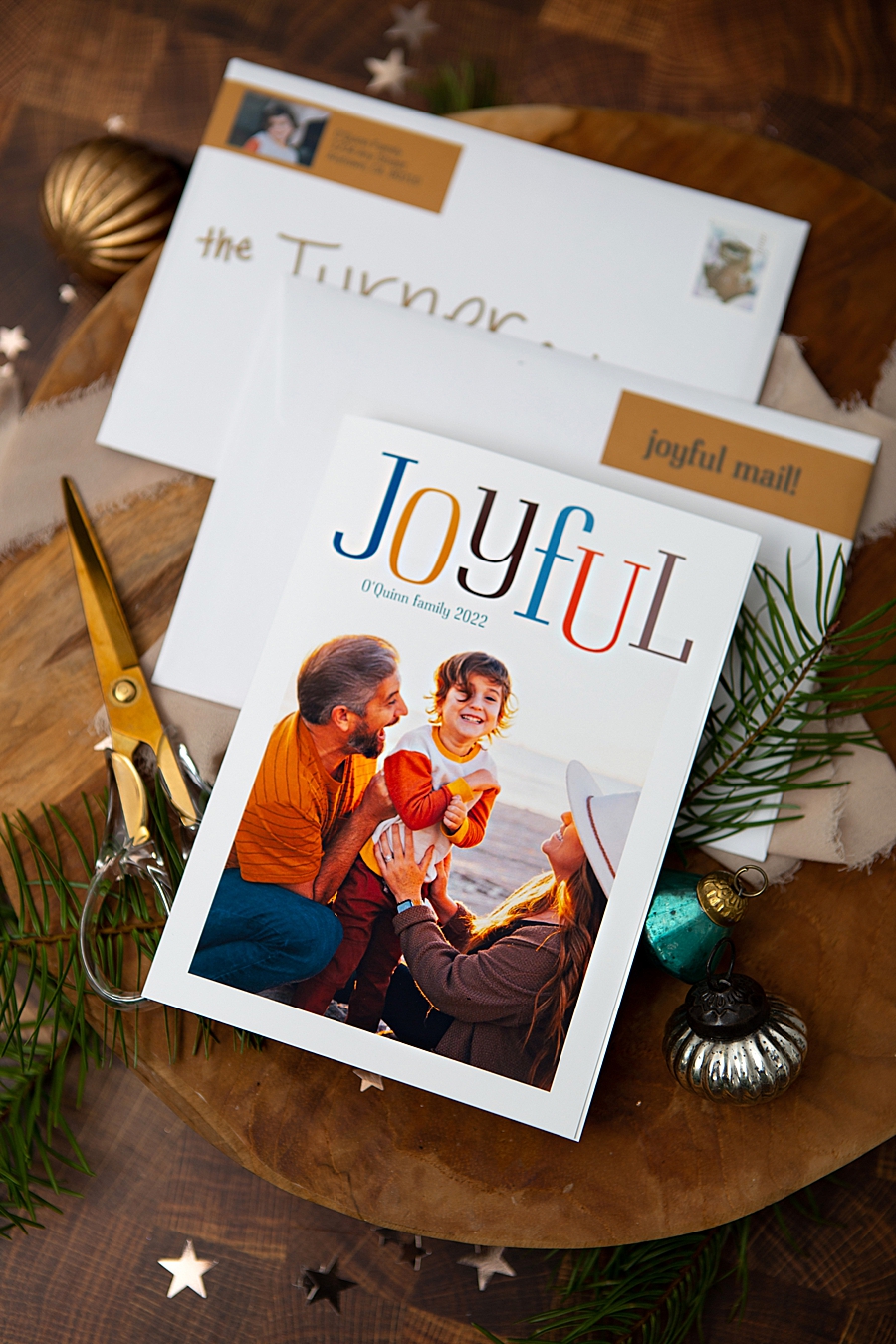
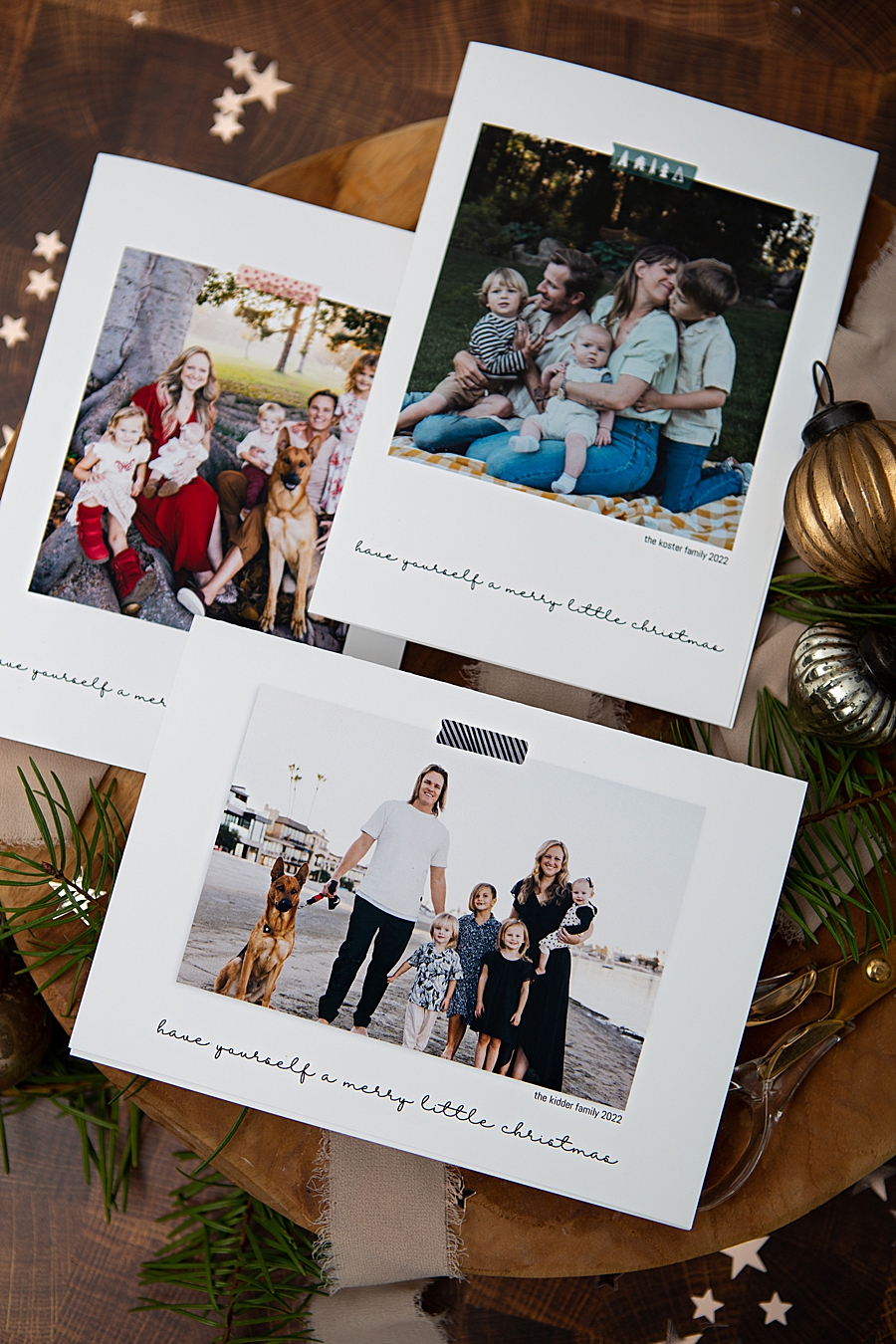
While hardware provides the physical output, the democratization of graphic design through browser-based editing software like Corjl has removed the technical skill gap previously required for professional layouts. The collaboration between Canon and Something Turquoise utilizes this software to offer three distinct design motifs: "Joyful," "Tape," and "Berries." These designs represent a strategic move toward "template-based customization," where the foundational aesthetics are professionally curated, but the final product is personalized by the end-user.
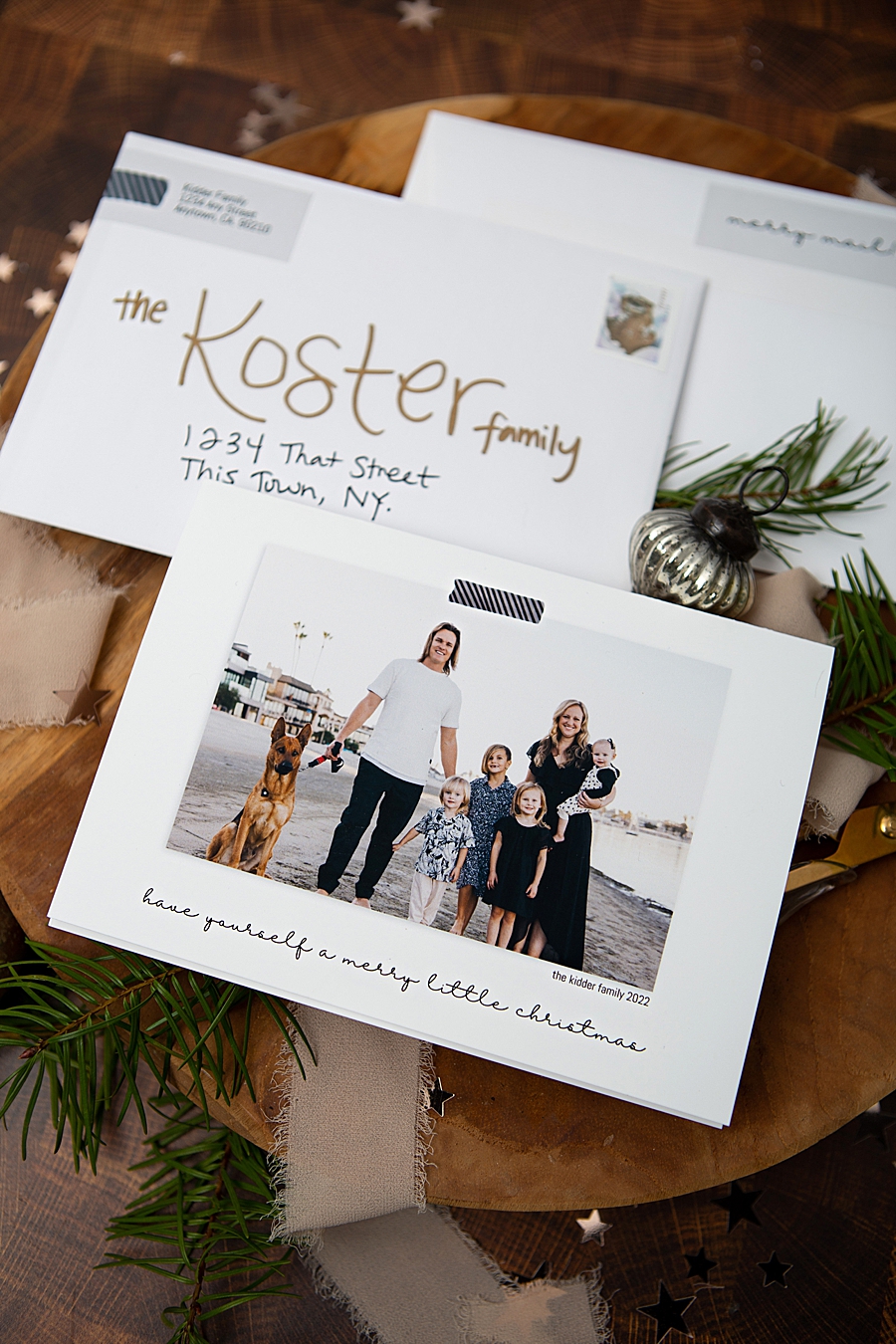
The "Joyful" series emphasizes typographic flexibility, allowing users to modify color hex codes to match the palettes of their specific family photography. The "Tape" design incorporates digital skeuomorphism—the practice of making digital elements resemble real-world objects—by featuring virtual "scrapbooking tape" in various patterns like black-and-white stripes and botanical motifs. Meanwhile, the "Berries" design utilizes hand-drawn illustrations, providing an artisanal aesthetic that suggests a "handmade" origin despite being digitally rendered and printed. This ability to manipulate vector-like elements without specialized knowledge of Adobe Creative Suite is a significant factor in the rising volume of home-printed holiday media.
Market Trends and Consumer Behavior in the Stationery Sector
The resurgence of printed holiday cards occurs within a broader market context where physical "touchpoints" are increasingly valued in an oversaturated digital communication environment. According to data from the Greeting Card Association, Americans purchase approximately 6.5 billion greeting cards annually, with annual retail sales estimated between $7 billion and $8 billion. Within this market, the "personalized" segment is the fastest-growing vertical.
The shift toward DIY printing is also an economic response to the rising costs of boutique printing services. Traditional online vendors often charge significant premiums for double-sided printing and custom address labeling. By utilizing a home-based ecosystem—comprising a one-time hardware investment and consumable media like the Canon 7×10 Greeting Card Paper Pack—consumers can reduce the per-unit cost of a premium card by an estimated 40% to 60%, depending on ink consumption. Furthermore, the "on-demand" nature of home printing eliminates the waste associated with over-ordering, as users can print the exact quantity required for their mailing list.

Chronology of the DIY Printing Movement
The trajectory of home-based holiday card production has evolved through four distinct phases over the last two decades:
- The Desktop Publishing Era (Late 1990s – 2005): Characterized by low-resolution clip art and standard 20lb bond paper. Results were clearly "home-made" and lacked the professional finish of commercial products.
- The Third-Party Vendor Rise (2006 – 2015): The emergence of platforms like Shutterfly and Minted moved the production back to industrial facilities, using digital uploads. This improved quality but removed the "DIY" element and increased costs.
- The Professional Crafting Boom (2016 – 2020): The introduction of wide-format crafting printers and high-GSM (grams per square meter) papers allowed enthusiasts to replicate professional results at home.
- The Integrated Ecosystem Phase (2021 – Present): Current trends show a seamless integration of hardware (Canon), software (Corjl), and influencer-curated content (Something Turquoise). This phase is marked by "instant gratification," where a design can be edited and printed in high definition within minutes.
Analysis of Implications for the Printing Industry
The shift toward high-quality home printing carries significant implications for both hardware manufacturers and commercial print shops. For companies like Canon, the strategy has shifted from selling "office utilities" to selling "creative enablers." This is reflected in their marketing language, which emphasizes "precision and ease" and "preserving beautiful imagery."
For commercial printers, the rise of prosumer hardware necessitates a pivot toward even more specialized services that cannot be replicated at home, such as foil stamping, letterpress, or ultra-thick "triple-thick" cardstocks. The mid-tier market—standard digital printing on cardstock—is the most vulnerable to the rise of advanced home systems like the PIXMA series.
Furthermore, the environmental impact of this shift is noteworthy. Traditional commercial printing involves large-scale logistics, including shipping finished products from centralized hubs to individual households. Home printing localizes the production process, potentially reducing the carbon footprint associated with the transport of small-batch stationery, provided that ink cartridges are recycled through manufacturer-sponsored programs.
Corporate Strategy and Creative Partnerships
Canon U.S.A., Inc. has positioned itself as a patron of the "maker movement" by sponsoring content creators like Jen Causey-Kidder of Something Turquoise. This strategy effectively bypasses traditional advertising by demonstrating product utility through practical, high-value tutorials. By offering promotional codes (such as "canonholiday") for digital assets, the company creates a closed-loop ecosystem that encourages the purchase of both the hardware and the proprietary paper stocks required to achieve the advertised results.
The use of video tutorials as a primary instructional medium also reflects modern consumer preferences. These videos provide a step-by-step chronology of the creative process, from the initial digital edit in Corjl to the final mechanical feed into the printer. This transparency reduces "tech anxiety" among non-technical users, further expanding the market for high-end crafting electronics.
Future Outlook for Home-Based Production
As inkjet technology continues to advance, the gap between domestic and commercial print quality will likely continue to shrink. Future iterations of crafting hardware are expected to incorporate more sustainable ink systems and even greater media versatility, such as the ability to print on textured fabrics or ultra-thin veneers.
The success of the Something Turquoise and Canon collaboration suggests that the future of holiday traditions lies in a hybrid model: the convenience of digital design paired with the tangible, high-quality permanence of a printed card. In an era where digital messages are often ephemeral, the physical holiday card remains a resilient cultural artifact, now made more accessible through the continued evolution of home printing technology. This trend reinforces the idea that while the medium of delivery may change, the human desire for personalized, tactile connection remains a constant driver of technological innovation in the consumer electronics sector.