
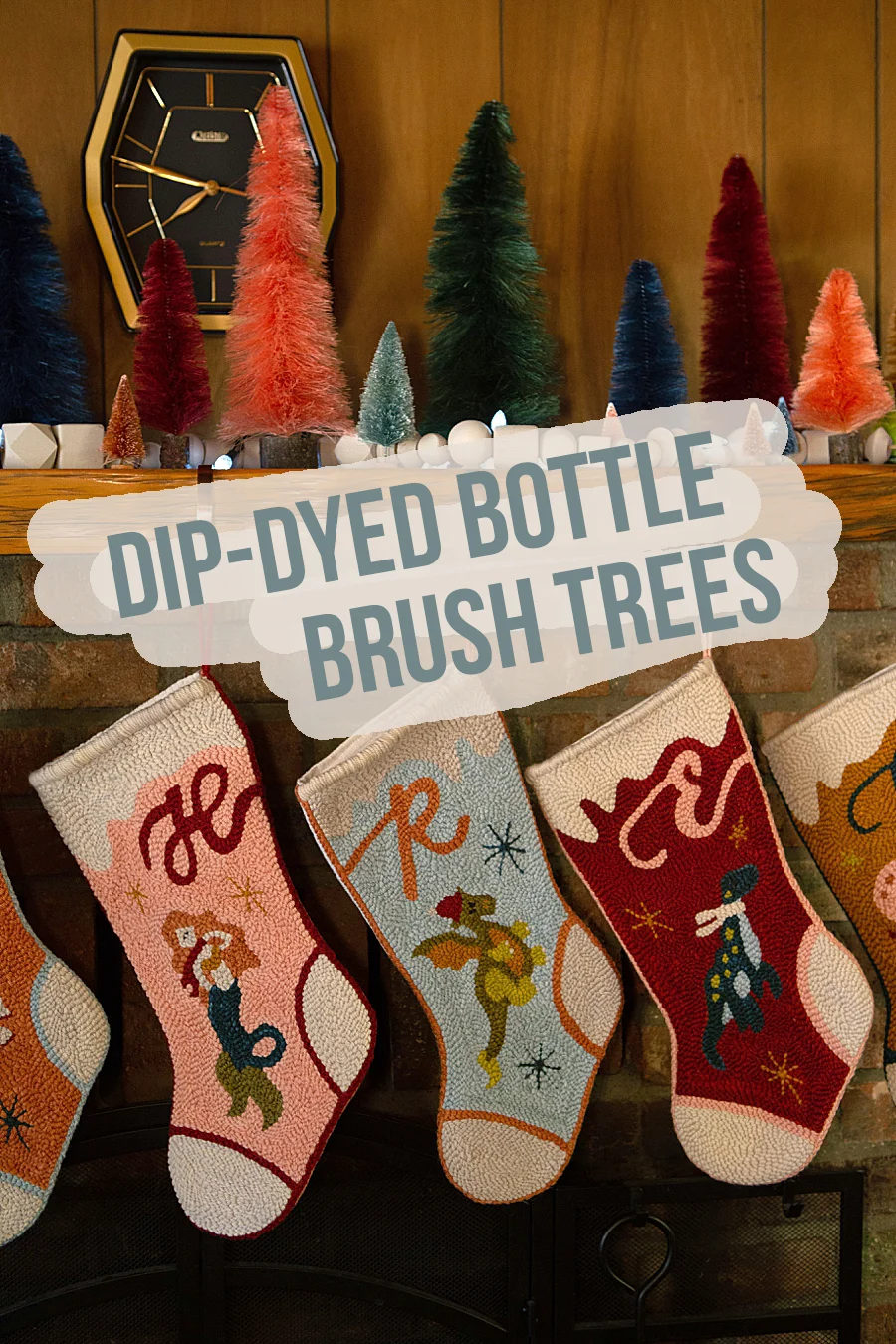
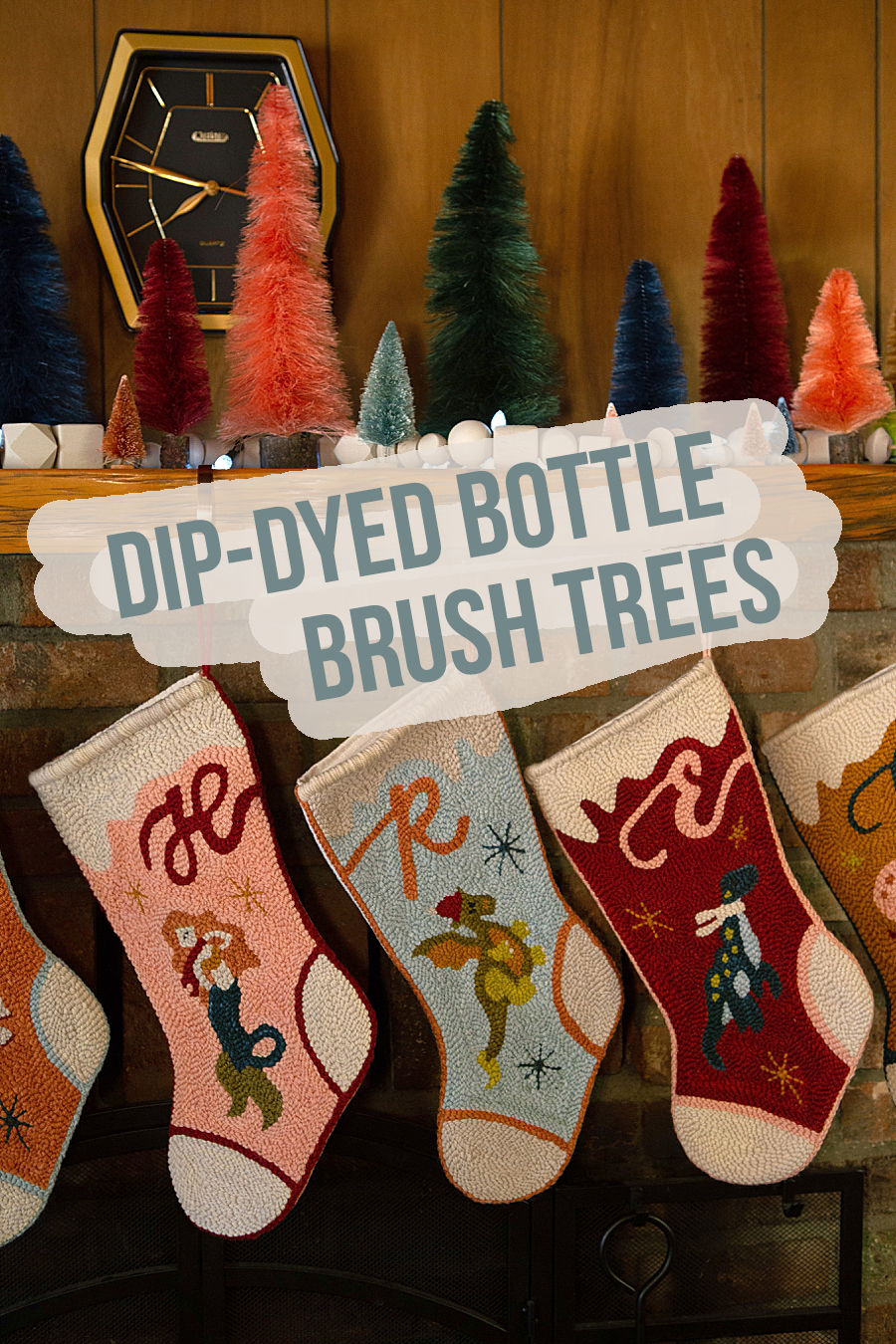
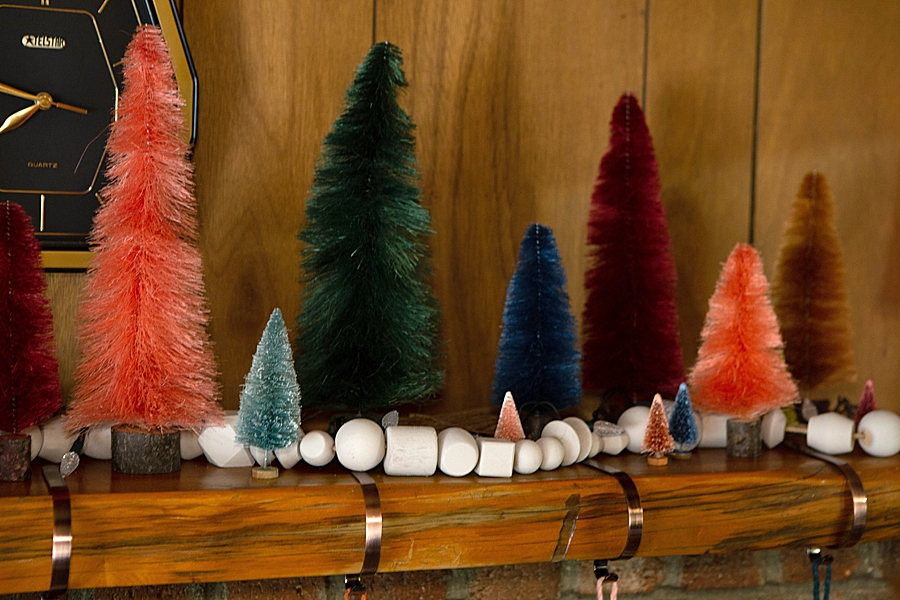
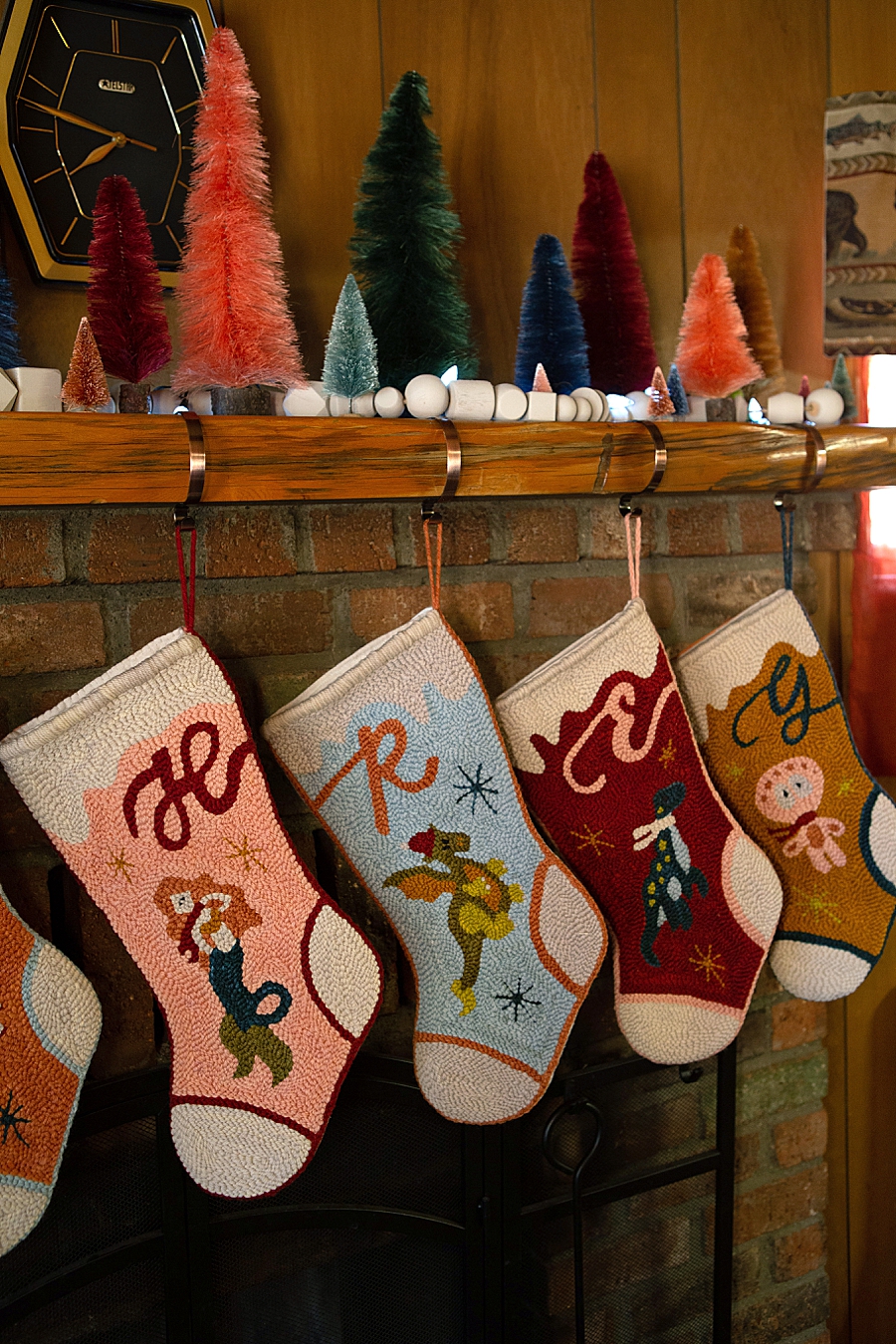
The landscape of seasonal home ornamentation is undergoing a significant shift as consumers increasingly pivot away from mass-produced imported goods in favor of bespoke, domestically manufactured artisanal products. This movement, often categorized under the "slow craft" or "handmade" umbrella, emphasizes quality control, environmental sustainability, and the ability to personalize decor to meet specific aesthetic requirements. A primary example of this trend is the growing interest in customizing bottle brush trees—a staple of mid-century modern holiday displays—through sophisticated dip-dyeing techniques. By utilizing high-quality natural sisal trees sourced from domestic artisans and applying precise chemical dye formulas, enthusiasts are now able to synchronize their holiday landscapes with complex textile palettes, such as those found in hand-punched heirloom stockings.
The Resurgence of the Bottle Brush Aesthetic
Originally popularized in the 1940s and 1950s, bottle brush trees were traditionally made from dyed sisal fibers—a stiff, natural fiber derived from the Agave sisalana plant. While the market was eventually flooded with synthetic, mass-produced versions, a contemporary revival has seen a return to natural materials. This resurgence is driven largely by the interior design industry’s move toward "Grandmillennial" and "Cottagecore" aesthetics, which value nostalgia and tactile authenticity.
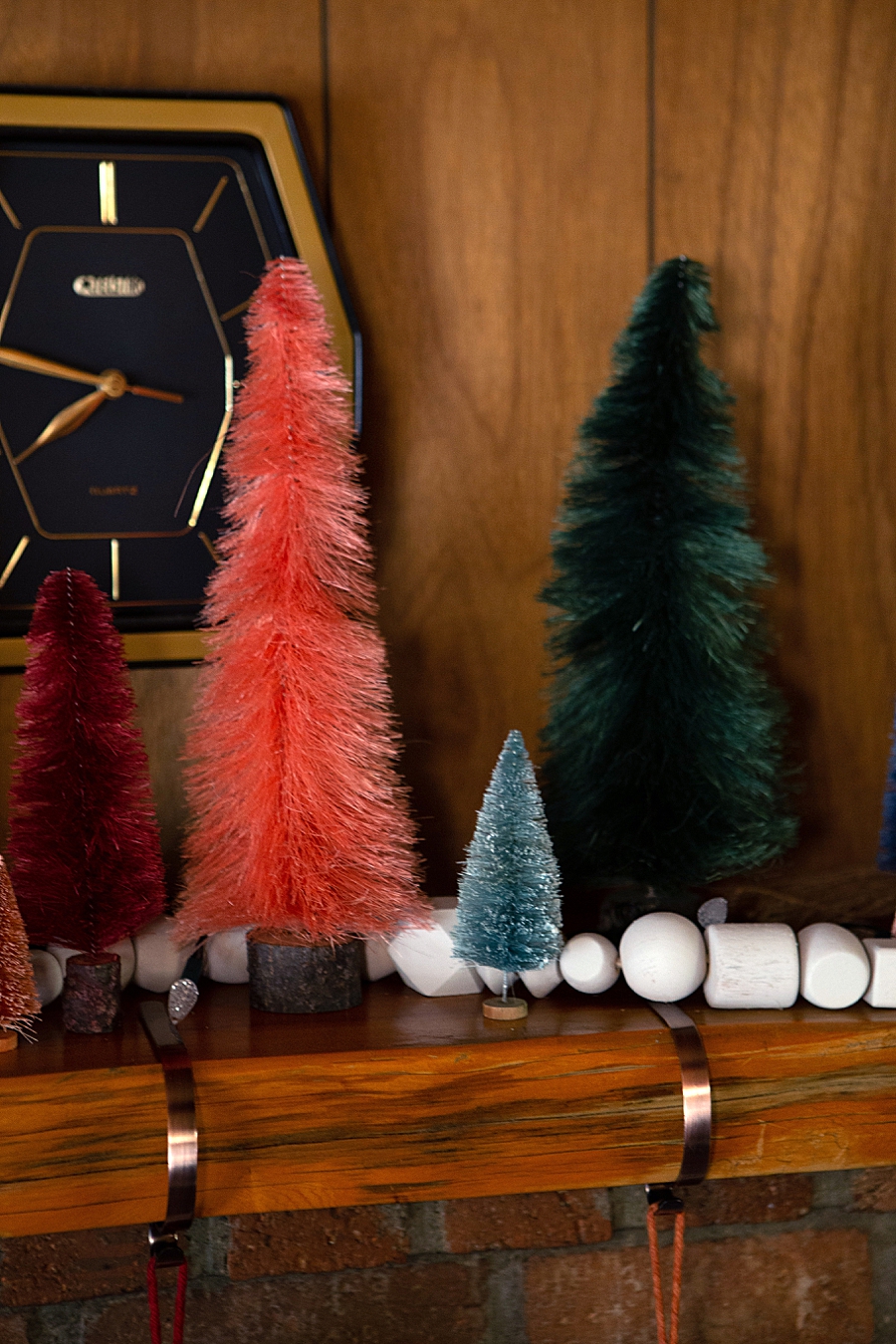
Data from the boutique craft sector suggests that consumers are increasingly frustrated with the limited color palettes offered by traditional retailers. This has led to a surge in the procurement of "natural" or "bleached" trees, which serve as a blank canvas for customization. Artisans like Rachel of Studio59 Handmade have filled this market gap by producing handmade trees in varying widths—classic, thin, and wide—and heights ranging from 4 to 12 inches. These domestic products offer a structural integrity that is often lacking in imported alternatives, allowing them to withstand the moisture and chemical exposure inherent in the dyeing process.
The Technical Chemistry of Dip-Dyeing Sisal
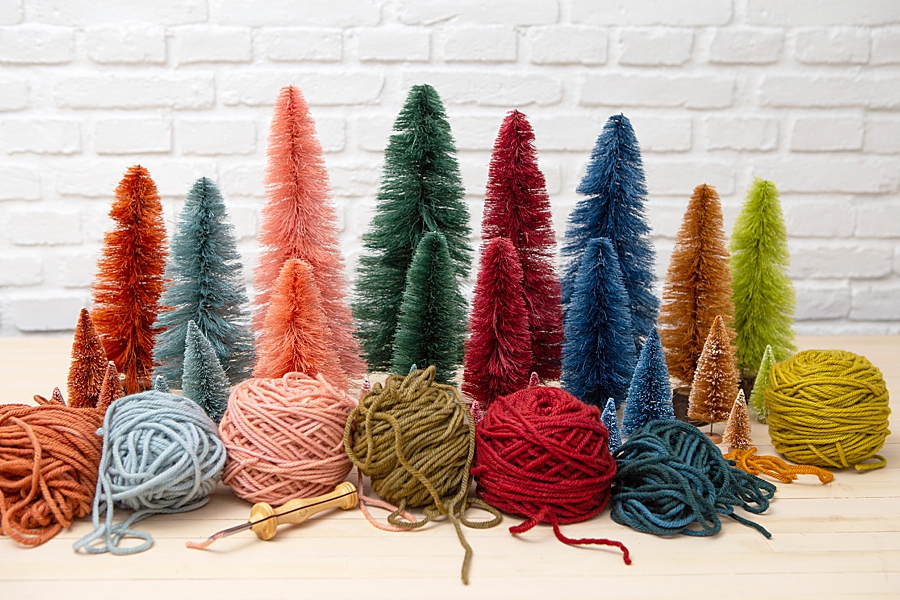
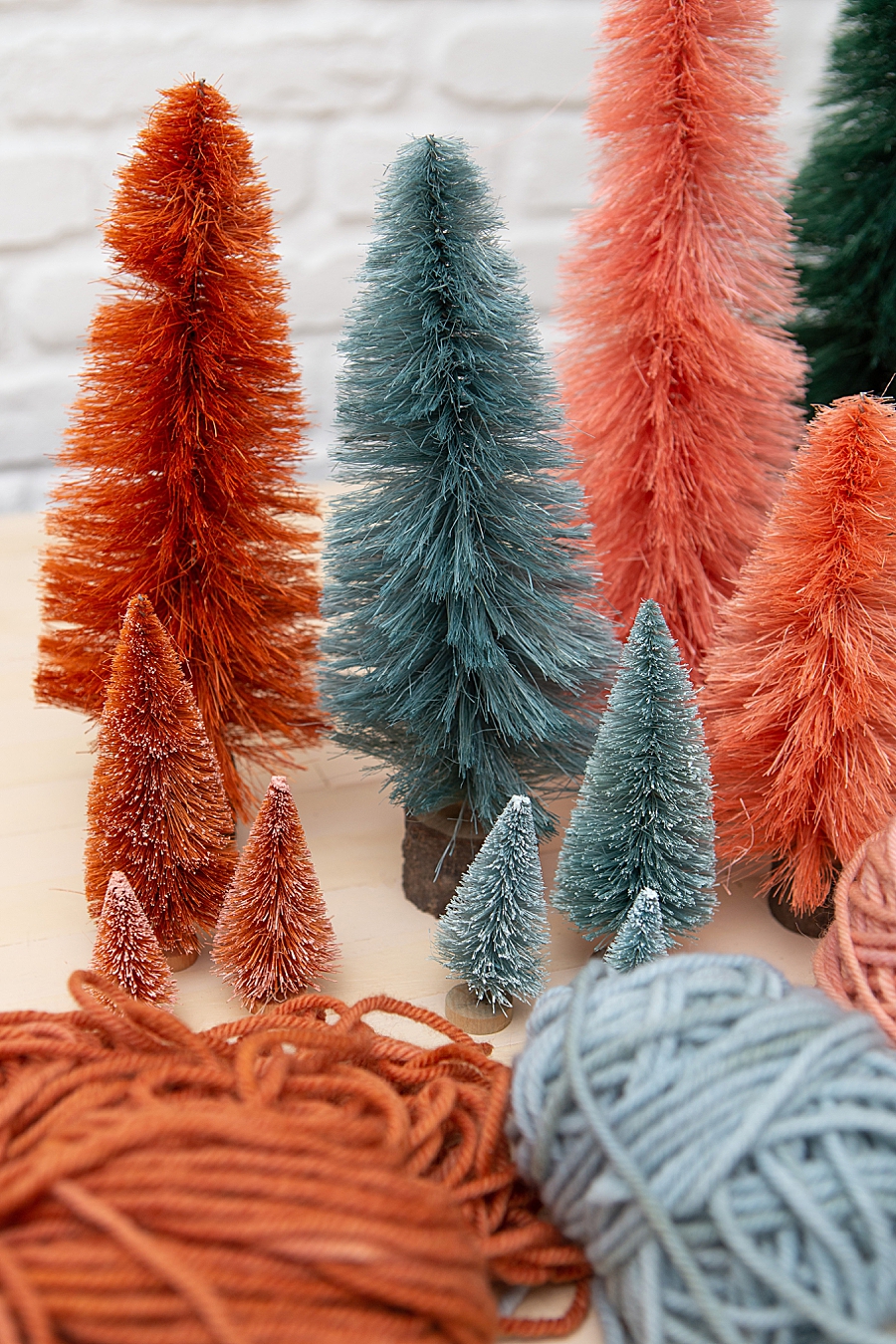
The process of altering the pigmentation of natural fibers requires more than mere submersion in colored liquid; it involves a basic understanding of textile chemistry. To achieve a professional-grade finish that matches specific materials like Manos del Uruguay’s Cardo yarn, a systematic approach to the dye bath is required.
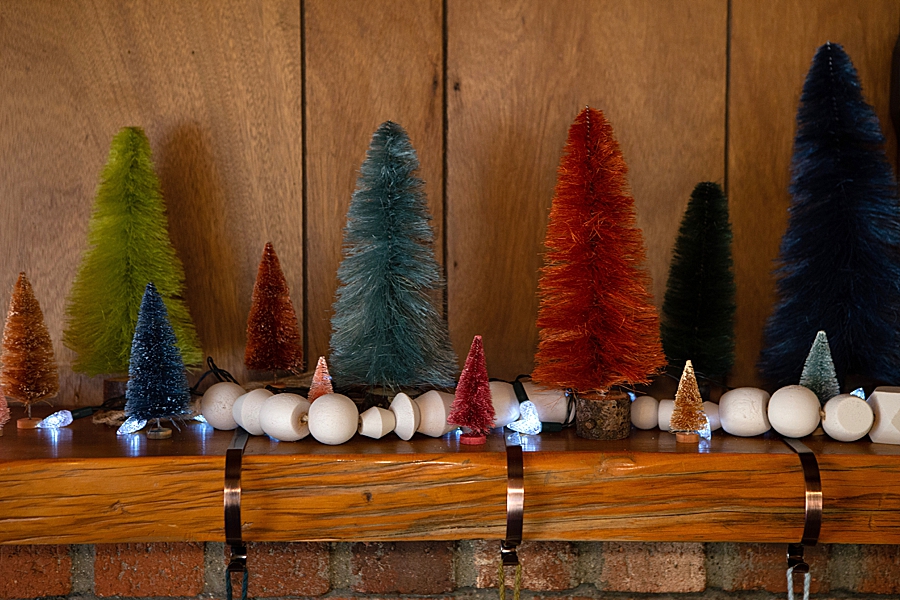
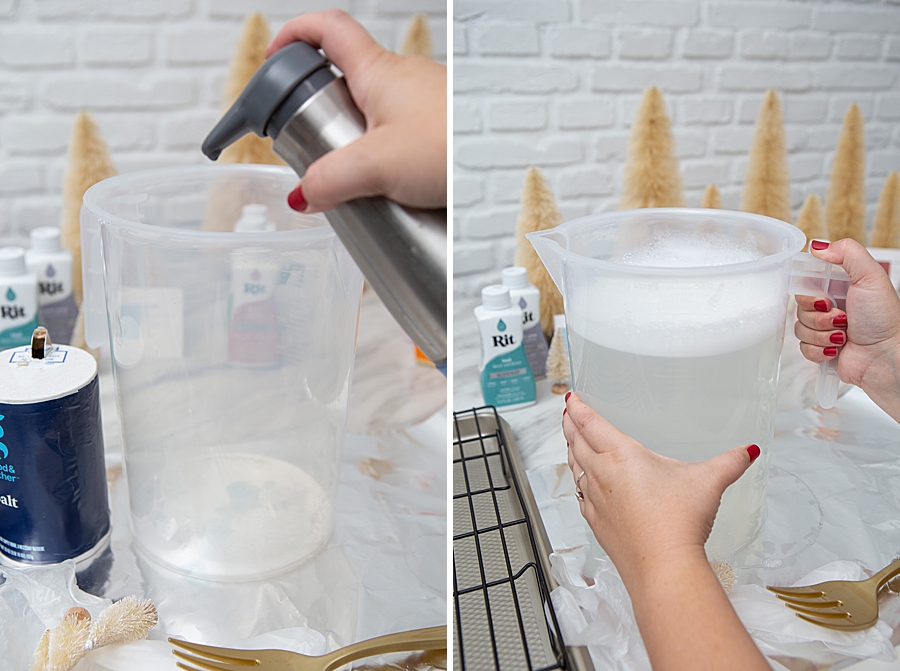
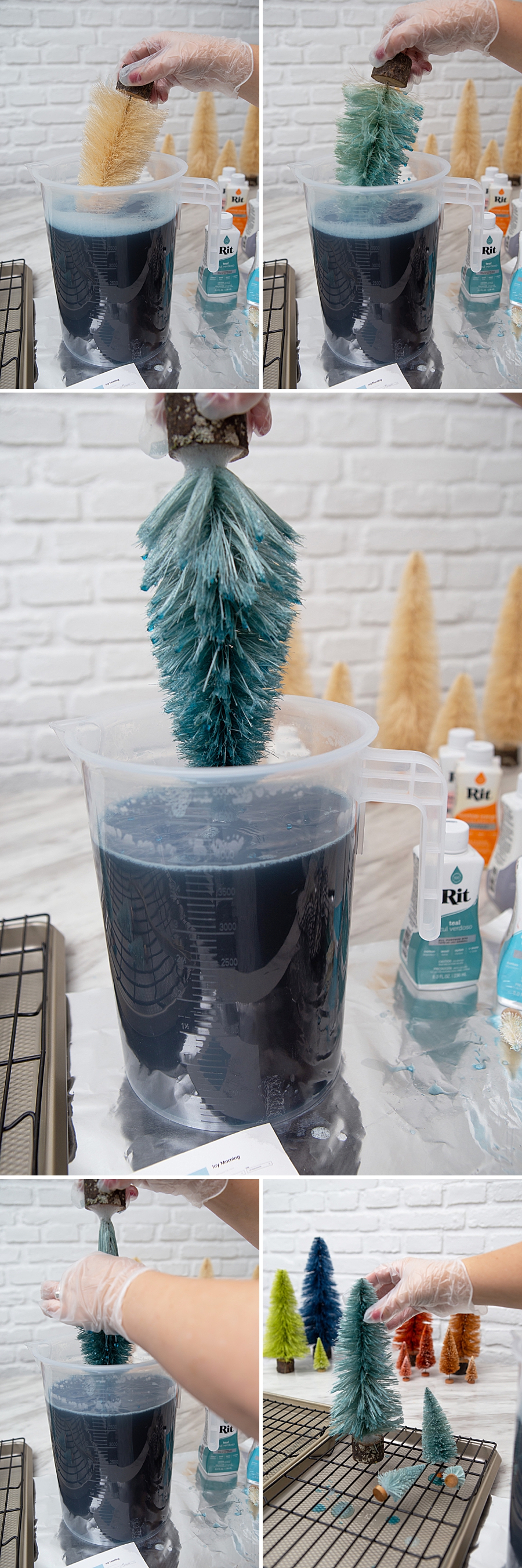
The use of a surfactant, such as liquid dish soap, is critical in the preparation phase. The soap reduces the surface tension of the water, allowing the dye to penetrate the dense, bristly fibers of the sisal more evenly. Furthermore, the addition of a mordant—in this case, sodium chloride (table salt)—is essential when working with natural fibers. The salt acts as a leveling agent and a fixative, ensuring that the dye molecules bond effectively with the cellulose structure of the sisal.
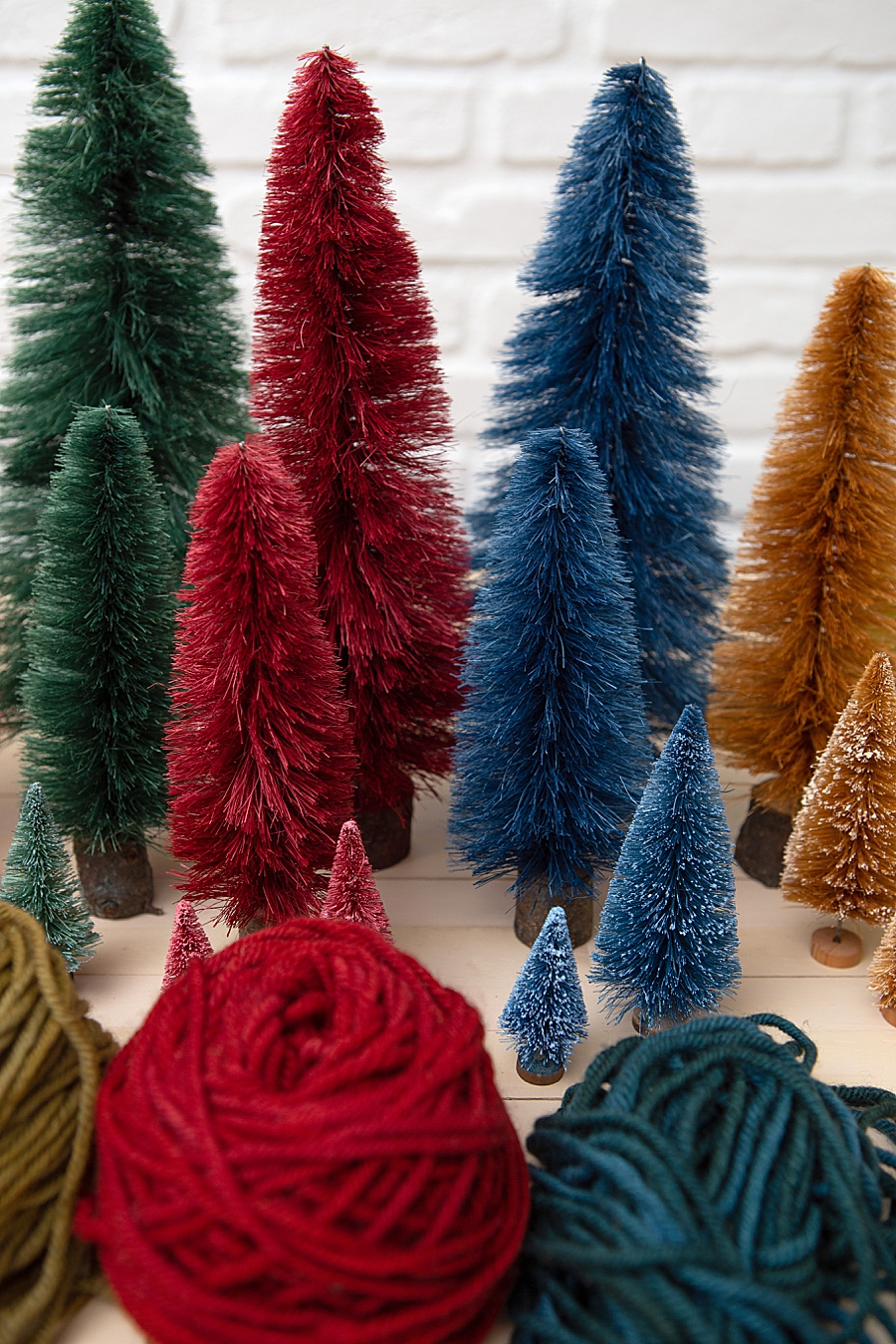
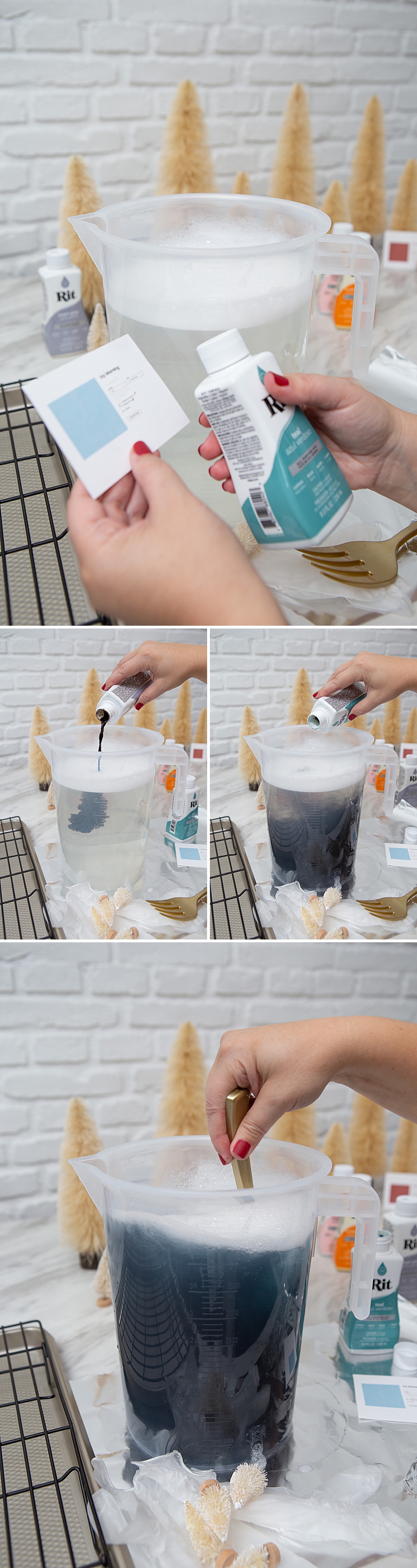
Thermal regulation also plays a pivotal role. The water must be at the highest possible temperature to expand the fibers and facilitate maximum pigment absorption. Professional crafters often utilize specific color formulas provided by industry leaders like Rit Dye, which allow for the replication of thousands of distinct shades through the precise measurement of liquid or powder concentrates.
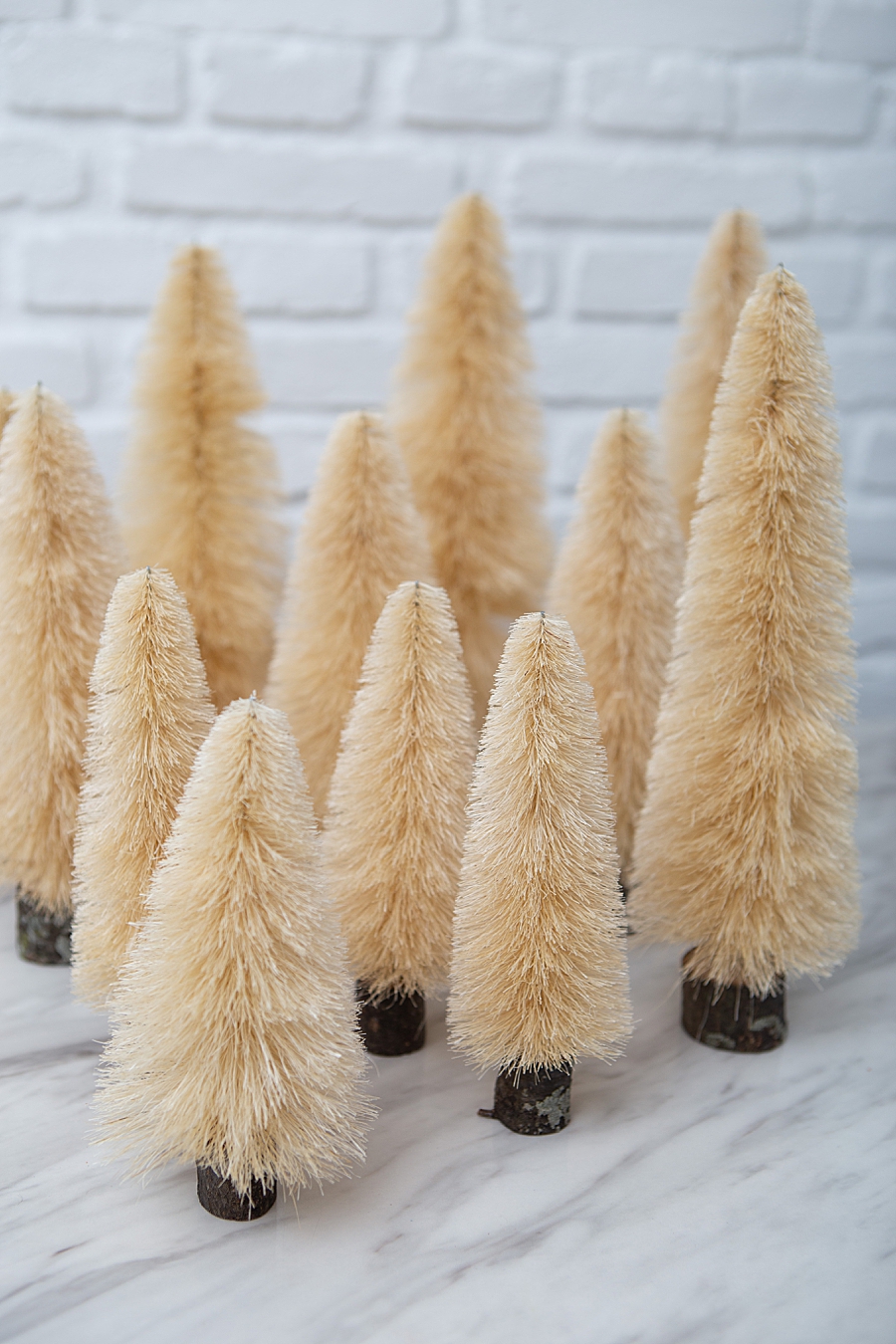
A Chronological Guide to the Customization Process
The transformation of a natural sisal tree into a custom-colored decorative element follows a strict chronological workflow to ensure color consistency across a multi-piece set.
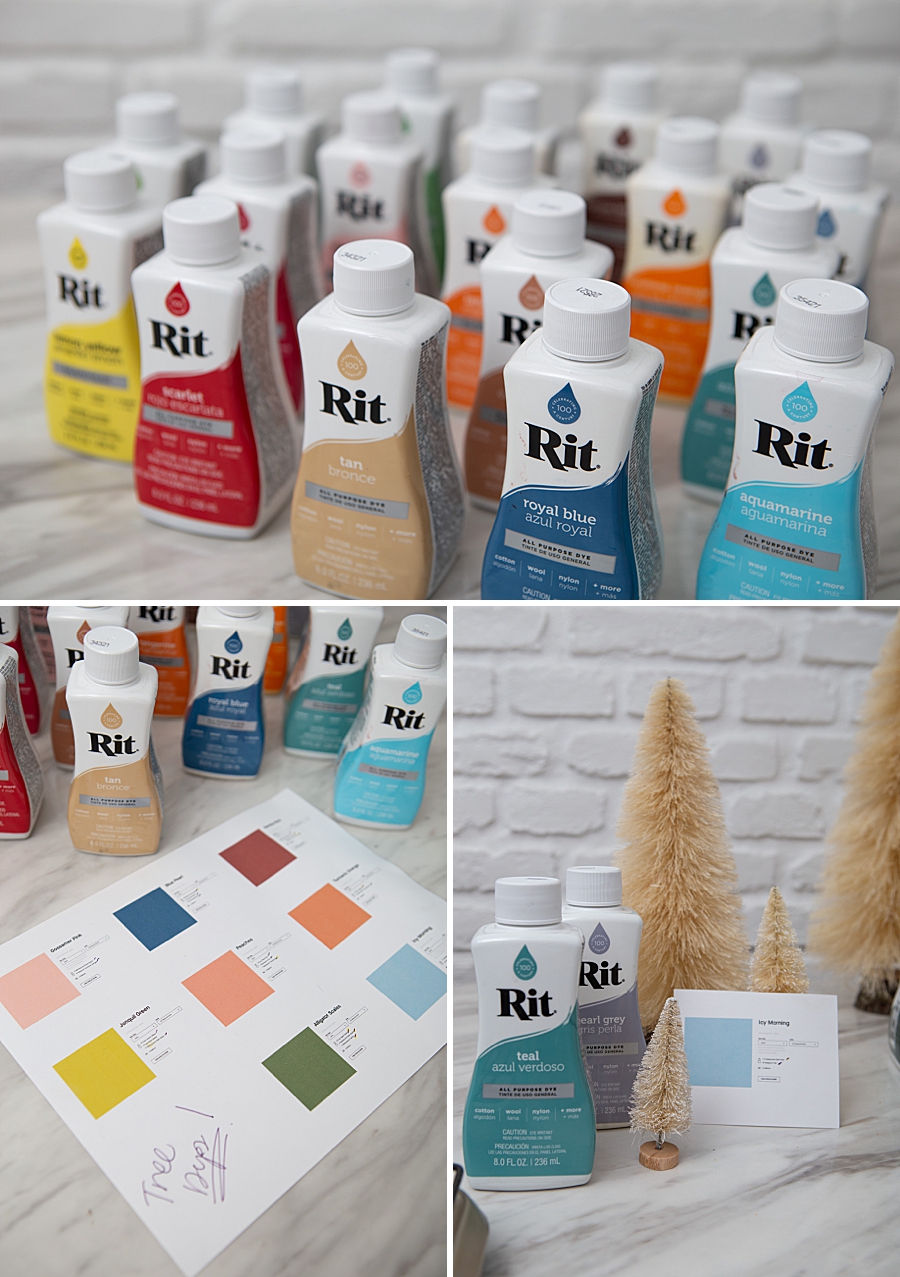
Phase 1: Preparation and Formula Selection
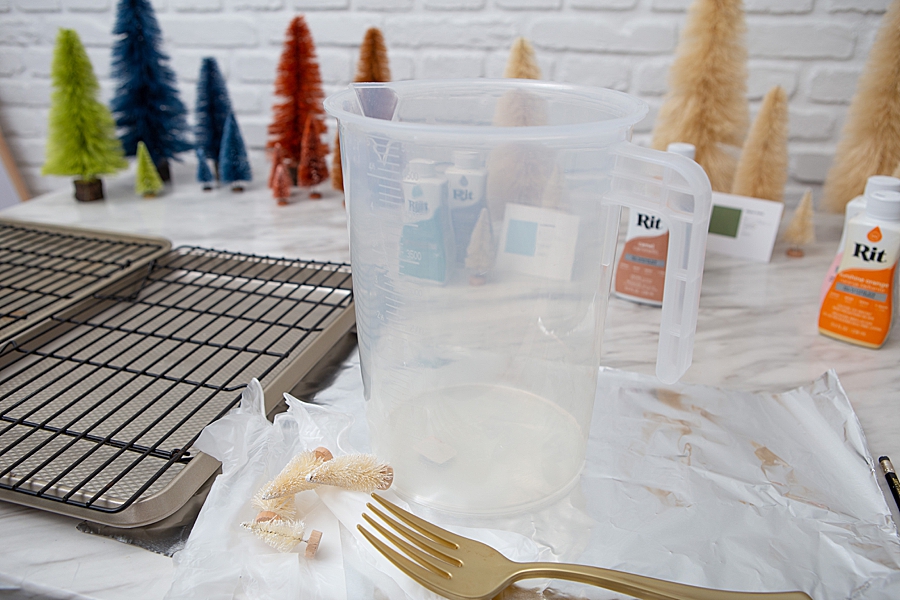
The process begins with the identification of the target color. Using digital tools or color formula catalogs, the crafter selects a mixture that corresponds to their existing decor. For those matching specific textiles, such as punch needle stockings, this involves comparing digital swatches against physical yarn samples. Once the formula is determined, a gallon-sized mixing pitcher is prepared with the surfactant and mordant before the introduction of boiling or near-boiling water.
Phase 2: Calibration and Testing
Given the artisanal nature of handmade trees, there is often a significant financial investment involved. Consequently, a testing phase is highly recommended. Utilizing smaller, less expensive "test trees" allows the crafter to verify the potency of the dye bath. If the resulting color is too faint, additional dye is added; if it is too intense, the solution is diluted. This step mitigates the risk of ruining high-quality inventory.
Phase 3: The Submersion Cycle
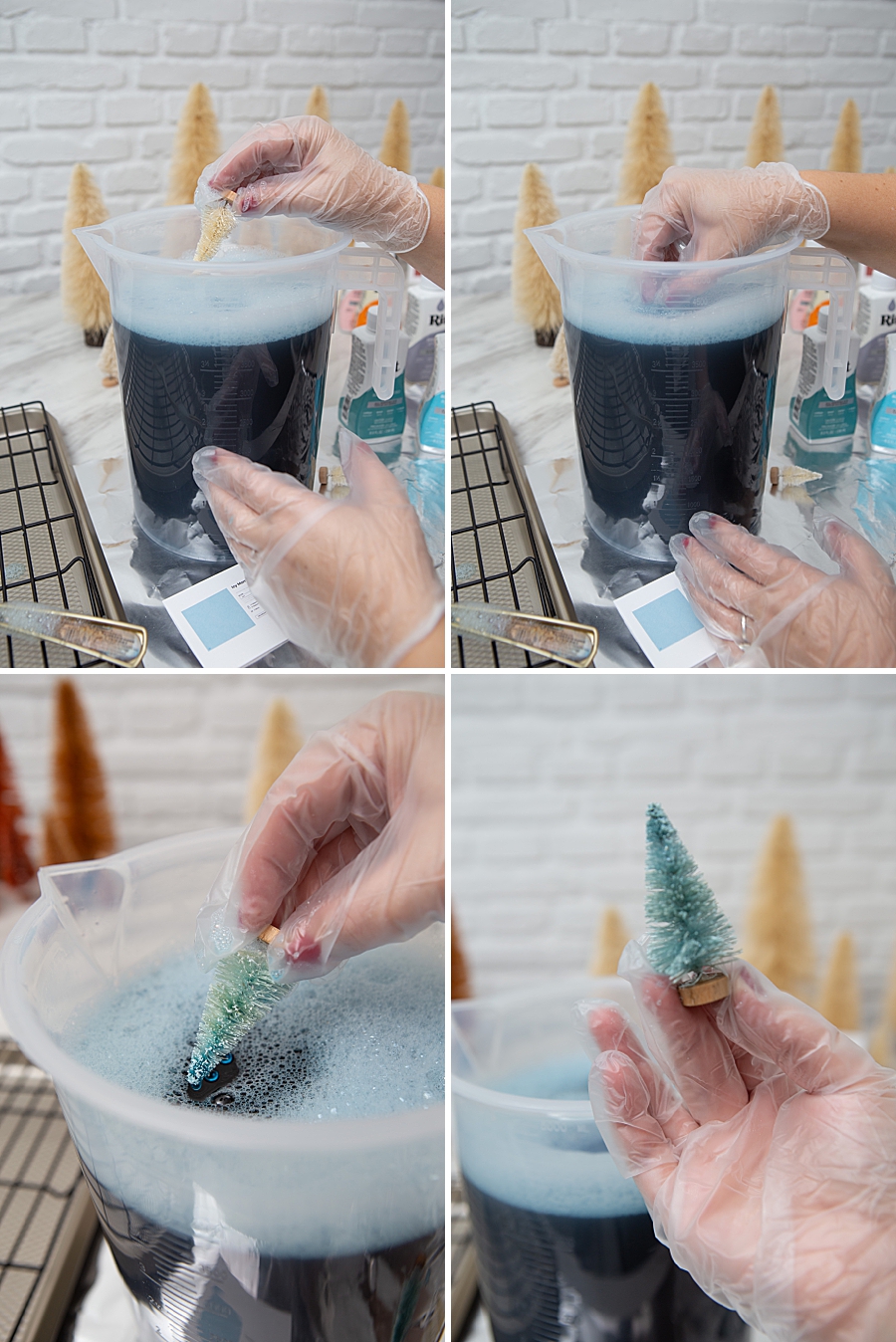
Once the dye bath is calibrated, the trees are submerged. A duration of approximately 45 seconds is generally sufficient for the pigment to take hold without compromising the structural adhesive used in the tree’s construction. Upon removal, excess liquid must be manually stripped from the bristles to prevent pooling, which can lead to uneven "hot spots" of color as the item dries.
Phase 4: Curing and Drying
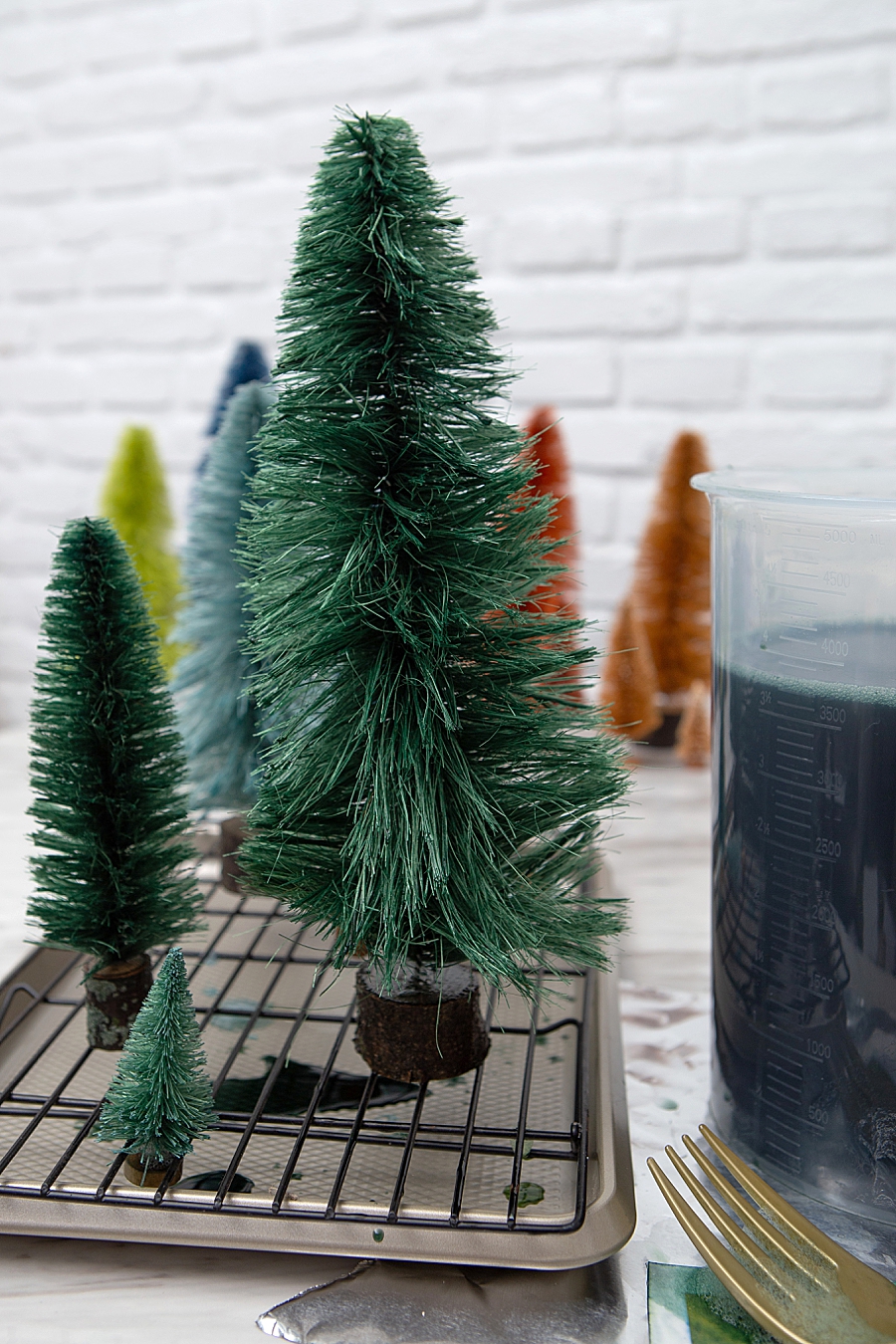
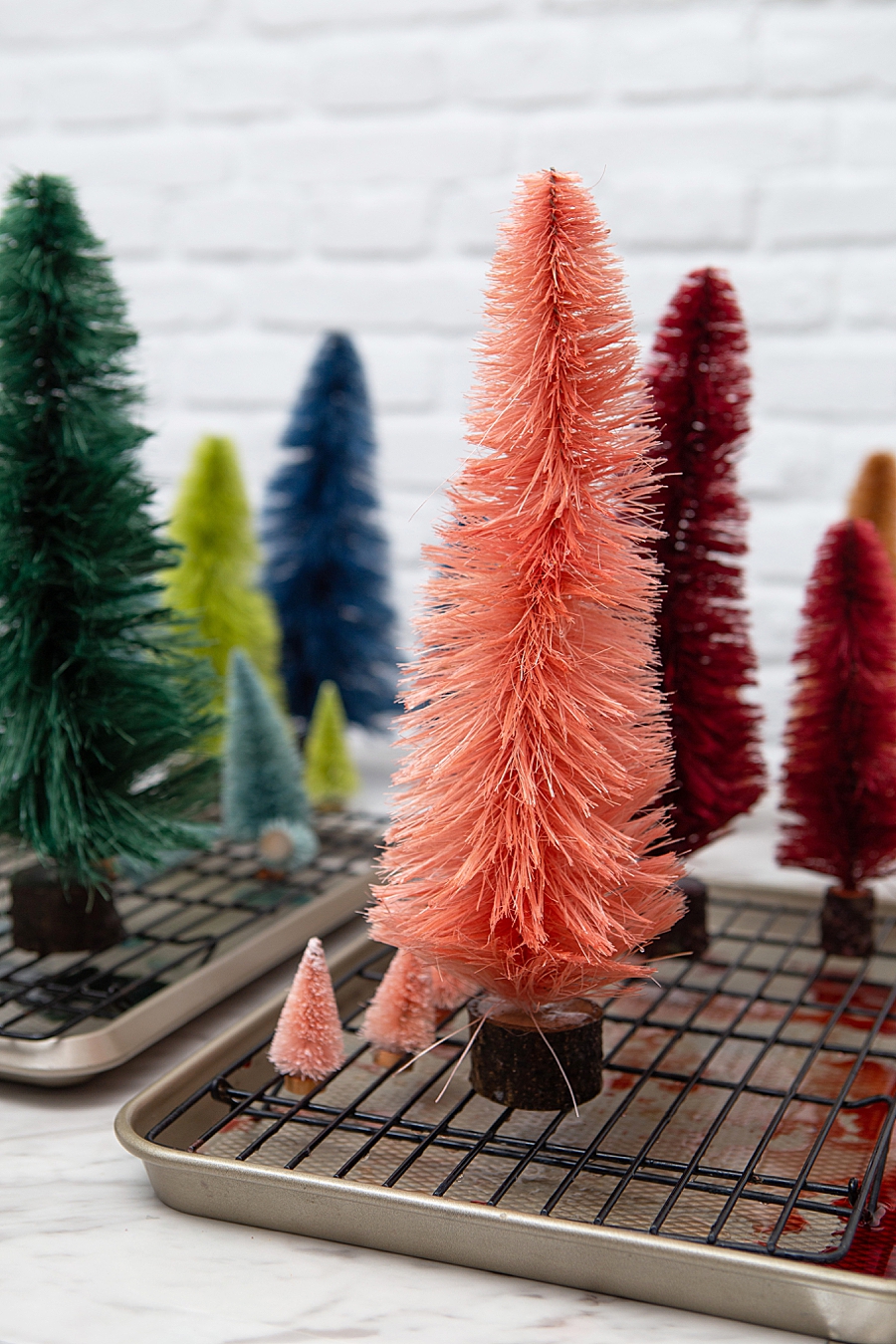
The final phase involves a slow drying process. Placing the trees on elevated cooling racks over cookie sheets allows for 360-degree airflow. This prevents the "flat-spotting" that occurs when wet sisal rests against a solid surface. A drying period of at least 12 to 24 hours is standard before the trees are integrated into a holiday display.
Economic and Market Implications
The shift toward DIY customization of high-end holiday decor reflects broader economic trends within the hobby and craft industry. According to reports from the Association For Creative Industries (AFCI), the total size of the U.S. creative products industry has surpassed $36 billion. Within this, the "seasonal crafts" segment shows the highest level of year-over-year growth.
The preference for "Made in USA" products, as highlighted by the sourcing of trees from Etsy-based artisans, indicates a growing consumer consciousness regarding supply chain ethics and product longevity. While imported, factory-made bottle brush trees can be purchased for a fraction of the cost, they are often viewed as "disposable" decor. In contrast, the combination of handmade domestic bases and custom-dyed finishes positions these items as "heirloom" pieces.
Industry analysts suggest that this "heirloom" mindset is a reaction to the "fast decor" culture. Consumers are now more likely to invest time and higher capital into items they intend to keep for decades. This is particularly true for families creating coordinated holiday traditions, where the decor—such as punch needle stockings and matching trees—becomes a part of the family’s visual history.
Broader Impact on the Artisanal Community
The success of small-scale manufacturers like Studio59 Handmade demonstrates the power of the platform economy in sustaining traditional crafts. By specializing in a niche product—natural fiber trees—and providing various architectural shapes (thin vs. wide), these artisans enable a level of creative freedom that was previously unavailable to the average consumer.
Furthermore, the integration of different craft disciplines, such as fiber arts (punch needle) and home chemistry (dyeing), fosters a cross-pollination of skills. This interdisciplinary approach to DIY projects encourages consumers to view their homes as curated galleries rather than mere living spaces. It also provides a significant boost to companies like Rit Dye, which have successfully rebranded themselves from a utilitarian laundry tool to a vital component of the modern maker movement.
Conclusion: The Future of Personalized Seasonal Design
As the holiday season approaches, the demand for unique, high-quality ornamentation shows no signs of waning. The technical process of dip-dyeing bottle brush trees is more than a simple craft project; it is a manifestation of the modern consumer’s desire for agency over their environment. By rejecting standardized, mass-market aesthetics in favor of precision-dyed, hand-crafted alternatives, individuals are reclaiming the artistry of holiday decorating.
The movement toward domestically sourced materials and scientific dyeing methods ensures that the resulting decor is not only visually striking but also structurally sound. As the "slow craft" movement continues to evolve, it is likely that more traditional holiday icons will undergo similar transformations, driven by a generation of makers who value the intersection of quality, customization, and domestic craftsmanship. The transition from "buying junk" to "creating heirlooms" marks a sophisticated turn in the American consumer landscape, one where the value of a holiday display is measured by the intent and skill behind its creation.