

In the rapidly expanding landscape of the global DIY and hobbyist market, a significant shift has occurred from temporary surface-level decorations to permanent, industrial-grade personalization. Cricut Inc., a leader in the digital cutting machine space, has spearheaded this transition through the introduction and refinement of Infusible Ink, a proprietary sublimation-based system designed for home use. This technology represents a departure from traditional heat-transfer vinyl (HTV), offering a solution that integrates pigment directly into the substrate rather than adhering it to the surface. As the maker movement continues to grow—with the global handicrafts market projected to reach over $1 trillion by 2028—understanding the technical specifications and operational requirements of such professional-grade tools becomes essential for both hobbyists and small-scale entrepreneurs.
Technical Foundation: The Science of Sublimation
Cricut Infusible Ink operates on the chemical principle of sublimation. In a standard printing process, ink is applied as a liquid and dries on the surface. In contrast, sublimation involves a phase transition where a solid substance transforms directly into a gas without passing through a liquid state. When subjected to high heat—typically between 385°F and 400°F (195°C to 205°C)—the specialized ink on a transfer sheet or drawn by an Infusible Ink pen vaporizes.
Simultaneously, the high heat causes the pores of the base material, or "blank," to open. For this process to be successful, the blank must be composed of polyester or coated with a polymer resin. Once the ink is in a gaseous state, it permeates these open pores. As the heat source is removed and the material cools, the pores close, and the gas reverts to a solid, becoming an integral part of the material’s molecular structure. This results in a transfer that is flush with the surface, exhibiting no tangible "hand" or texture, and is fundamentally resistant to peeling, cracking, or fading through repeated laundering cycles.
Market Context and the Rise of the Maker Economy
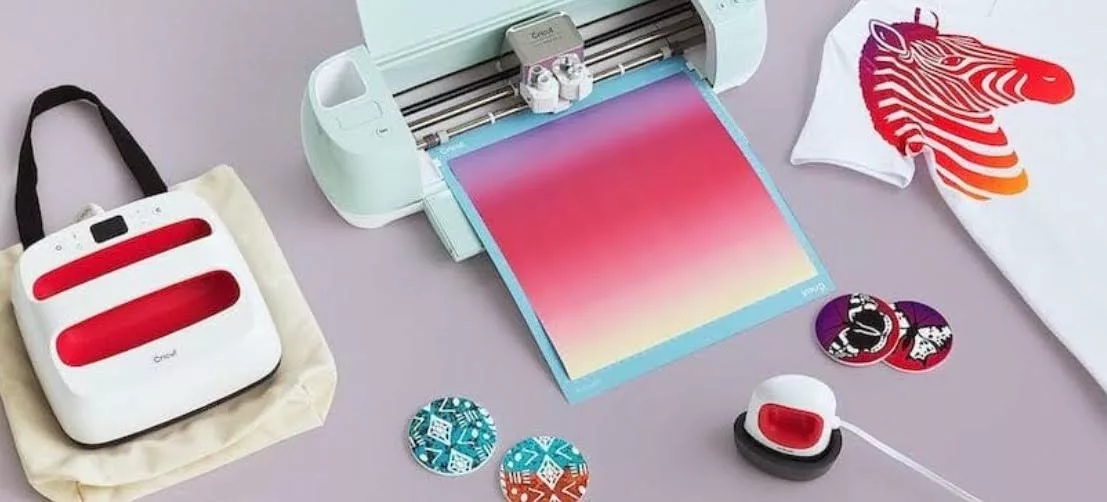
The introduction of Infusible Ink by Cricut is a response to the "professionalization" of the home craft room. For decades, high-quality sublimation was the exclusive domain of commercial print shops due to the expensive hardware and chemical expertise required. By pre-inked sheets and specialized markers, Cricut has democratized this manufacturing process.
Market analysts suggest that this technology has lowered the barrier to entry for micro-businesses, particularly those operating on platforms like Etsy or Shopify. The ability to produce "factory-quality" goods—such as customized apparel, ceramic coasters, and tote bags—from a home office has fueled a surge in bespoke retail. This shift is part of a broader trend where consumers prioritize personalized, high-durability items over mass-produced, generic alternatives.
Material Compatibility and Warranty Considerations
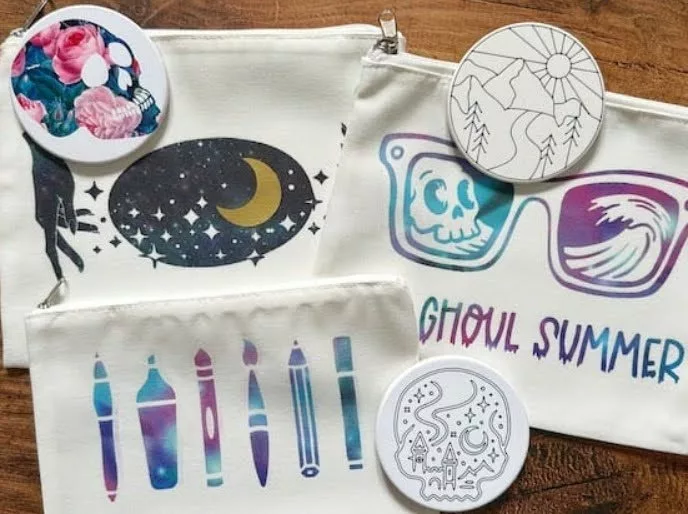
A critical factor in the success of Infusible Ink applications is the selection of base materials. Unlike iron-on vinyl, which can be applied to cotton and various natural fibers, Infusible Ink requires a high percentage of synthetic content. Cricut officially recommends the use of its proprietary "Infusible Ink Compatible" blanks to ensure consistent color vibrancy and bonding.
From a technical standpoint, the ink requires a polymer-rich environment to anchor the pigment. While third-party sublimation blanks (such as 100% polyester shirts or polymer-coated ceramic mugs) are often compatible, the company maintains that using non-certified materials may yield suboptimal results, such as "ghosting" (blurred edges) or dull coloration. Furthermore, industry experts note that using non-branded consumables in certain machines may have implications for warranty claims if the machine’s hardware is damaged by unverified chemical compositions.
Operational Chronology: The Transfer Sheet Process
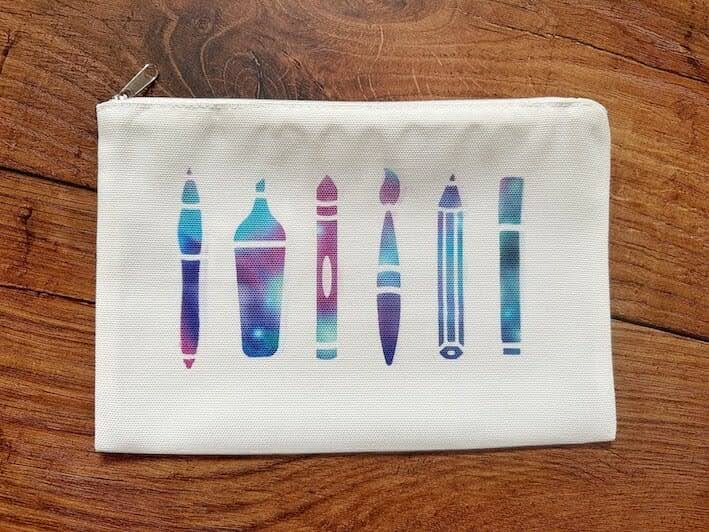
The application of Infusible Ink follows a rigorous multi-step protocol to ensure industrial-grade results. Using a cosmetic bag or apparel item as a case study, the workflow is divided into three distinct phases: design, preparation, and thermal transfer.
Phase 1: Digital Design and Mirroring
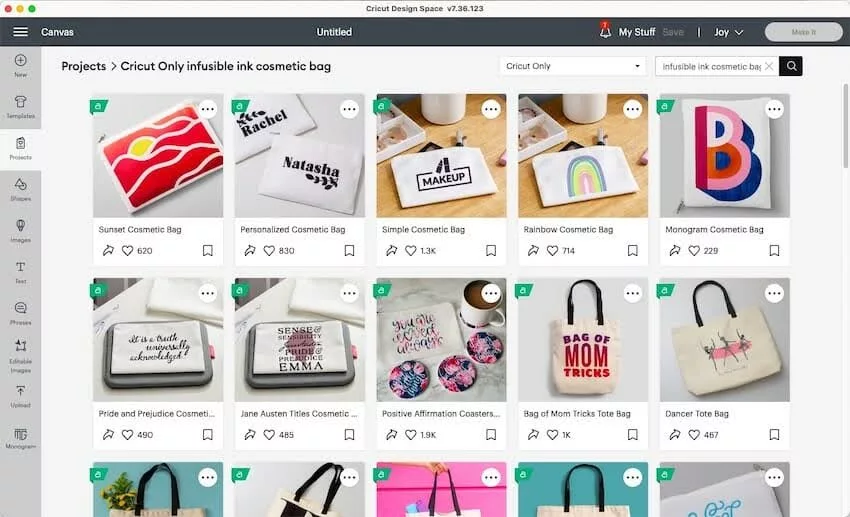
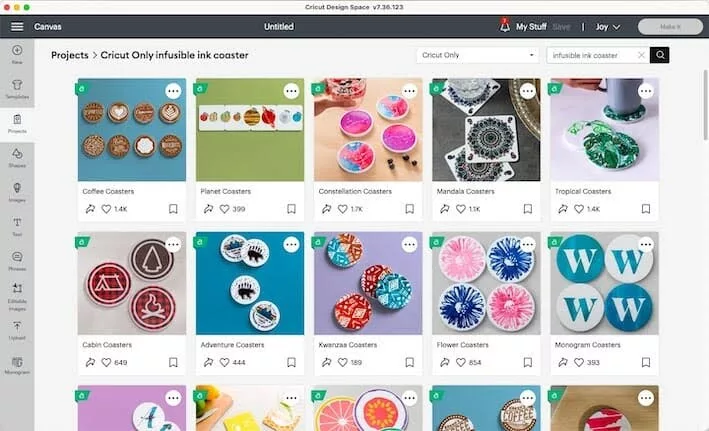
Users utilize the Cricut Design Space software to curate or create artwork. A critical step in this phase is the "Mirror" toggle. Because the design is placed face-down during the heat transfer, failing to mirror the image would result in a reversed final product, which is particularly problematic for text-based designs.
Phase 2: Mechanical Cutting and Weeding
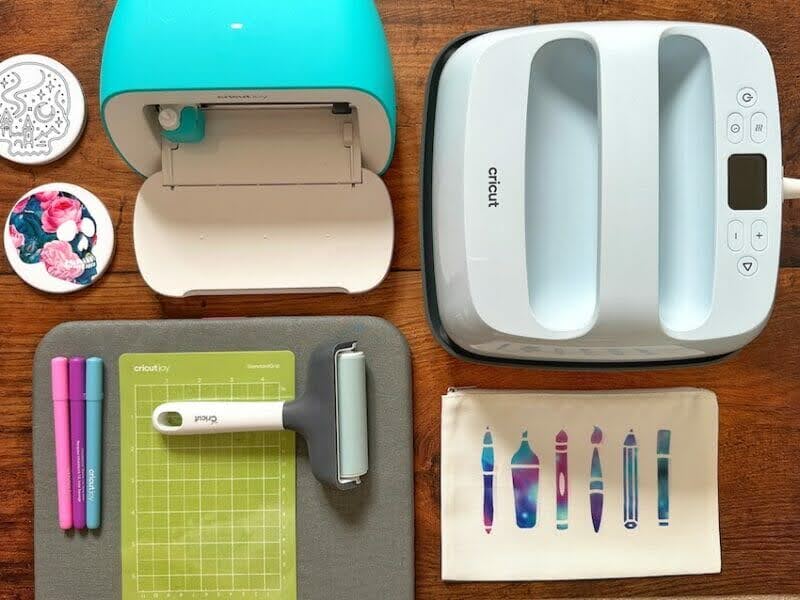
The Infusible Ink Transfer Sheet is loaded onto a cutting mat with the ink side facing upward. The digital cutting machine (such as the Cricut Joy, Explore, or Maker series) executes the design with precision. Following the cut, "weeding" is performed. Unlike HTV weeding, which often requires a sharp metal tool, Infusible Ink sheets are handled by "cracking" the paper-like material and removing the negative space with fingers or tweezers. This prevents the transfer of skin oils or tool marks to the ink surface, which could interfere with the sublimation process.
Phase 3: Thermal Integration
The base material is pre-heated to remove moisture and wrinkles. A piece of cardstock is placed inside the fabric item to prevent "bleed-through" to the back layer. The design is placed face-down, covered with butcher paper (to protect the heat press from stray gas), and pressed with a heat plate (such as the Cricut EasyPress) at a constant temperature for a duration typically ranging from 40 to 60 seconds. The "cold peel" method is then employed, where the liner is removed only after the material has cooled completely, ensuring the ink has fully solidified within the fibers.
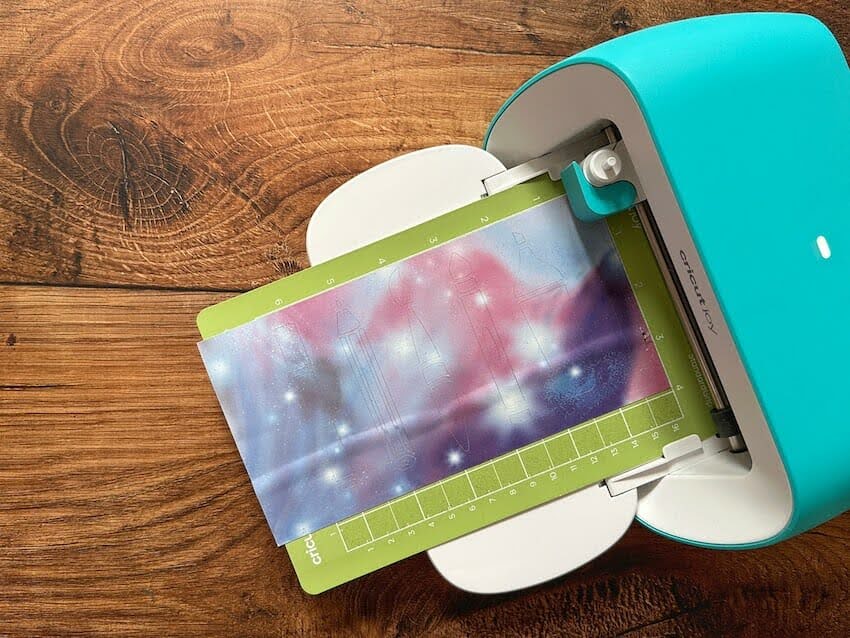
Precision Customization: The Infusible Ink Pen Protocol
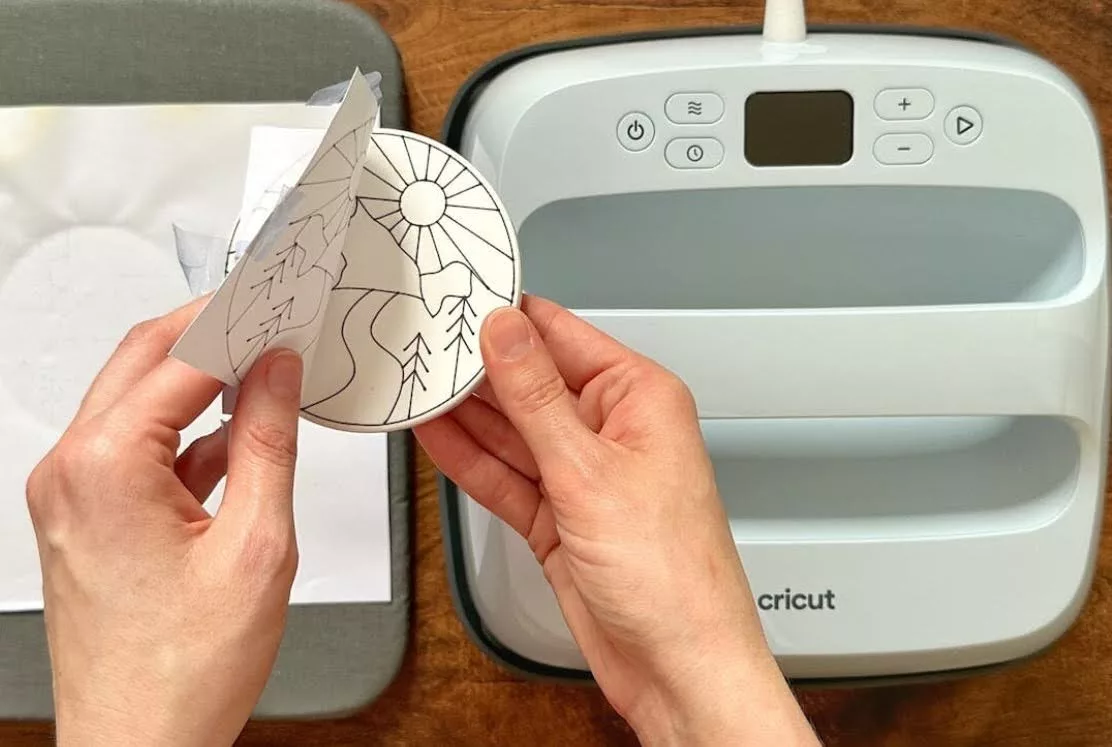
For designs requiring intricate linework or hand-drawn aesthetics, the use of Infusible Ink Pens and Markers provides a different technical approach. This method is frequently used for rigid substrates like ceramic coasters.
Step 1: Automated Drawing
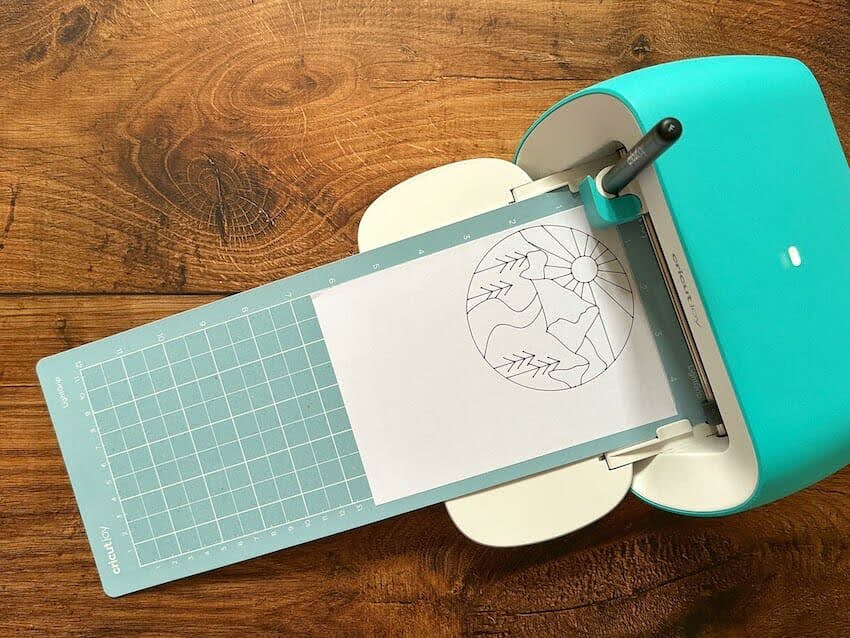
In this workflow, the Cricut machine does not cut; instead, it uses a pen housing to draw the design onto standard laser copy paper. Laser paper is preferred over inkjet paper because its surface finish allows the ink to sit on top of the fibers, making it more available for gas conversion during the heating phase.
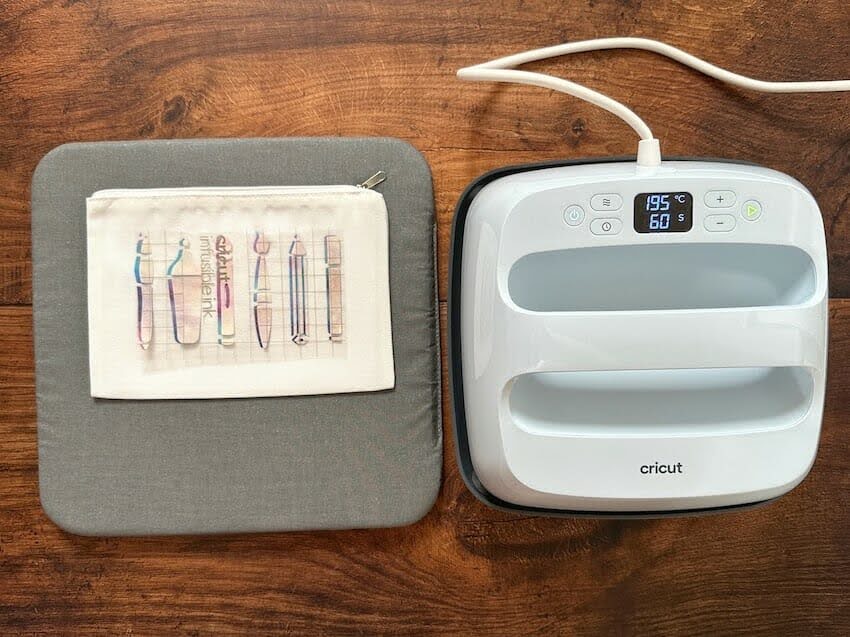
Step 2: Substrate Preparation
Ceramic blanks must be meticulously cleaned with a lint-free cloth and, in some cases, an alcohol wipe. Any debris, even a single hair or a fingerprint, can create a "void" in the sublimation, resulting in a permanent white spot where the ink failed to bond with the ceramic coating.
Step 3: High-Heat Application
For ceramic items, the heat requirements are often more intense than for fabrics. The coaster is placed face-down on the drawn design, and heat is applied to the back of the coaster or directly to the paper, depending on the specific press being used. Because ceramic retains heat for an extended period, the cooling phase is longer, requiring the user to wait until the substrate is safe to handle before revealing the final design.
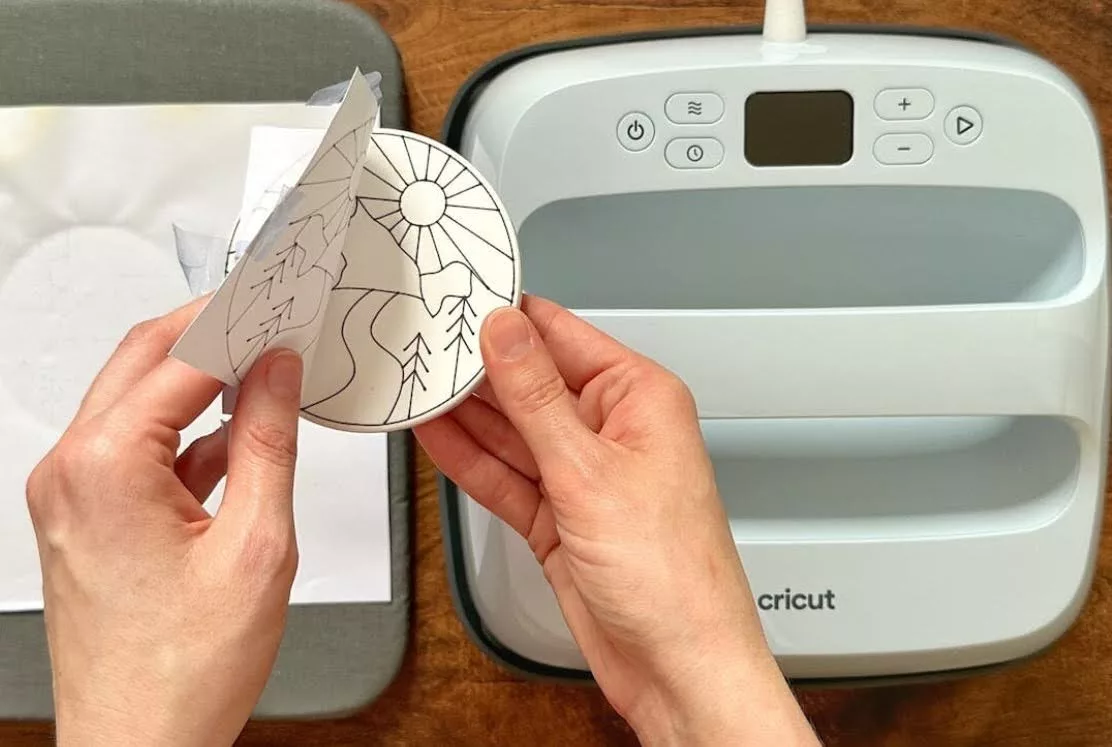
Maintenance and Long-Term Durability Analysis
One of the primary advantages of Infusible Ink cited by industry professionals is its durability. In standardized wash tests, Infusible Ink designs on 100% polyester show zero degradation after 50+ cycles, whereas traditional iron-on materials may begin to show edge lifting or surface cracking after 15 to 20 washes.
To maintain the integrity of the bond, specific care instructions are mandated:
- Laundering: Items should be machine-washed in cold water using mild detergents.
- Chemical Exposure: The use of bleach or fabric softeners is discouraged, as these chemicals can interact with the polymer bonds and cause premature fading.
- Heat Sensitivity: While the ink is permanent, subsequent exposure to extreme heat (such as a high-heat commercial iron) without a protective barrier could theoretically re-vaporize the ink, leading to "ghosting" on other parts of the garment.
Broader Implications for the DIY Sector
The proliferation of Infusible Ink technology signifies a broader trend in consumer behavior: the move toward "prosumerism," where the line between consumer and professional manufacturer blurs. By providing tools that offer permanent, factory-quality results, companies like Cricut are enabling a new wave of localized manufacturing.
This has environmental implications as well. While polyester-based materials are required, the permanence of the design reduces the likelihood of the garment being discarded due to a peeling or unsightly logo, potentially extending the lifecycle of the personalized item. Furthermore, the sublimation process, when performed correctly, produces minimal waste compared to traditional screen printing, which involves emulsions, large volumes of water for screen reclamation, and plastisol inks.
As the technology continues to evolve, it is expected that the range of compatible polymers will expand, potentially allowing for sublimation on a wider variety of blended fabrics and eco-friendly synthetic alternatives. For now, Cricut Infusible Ink remains a benchmark for home-based sublimation, bridging the gap between the craft room and the commercial production line. Through a combination of chemical precision and user-friendly hardware, the "magical" infusion of ink has become a standardized reality for the modern maker.