
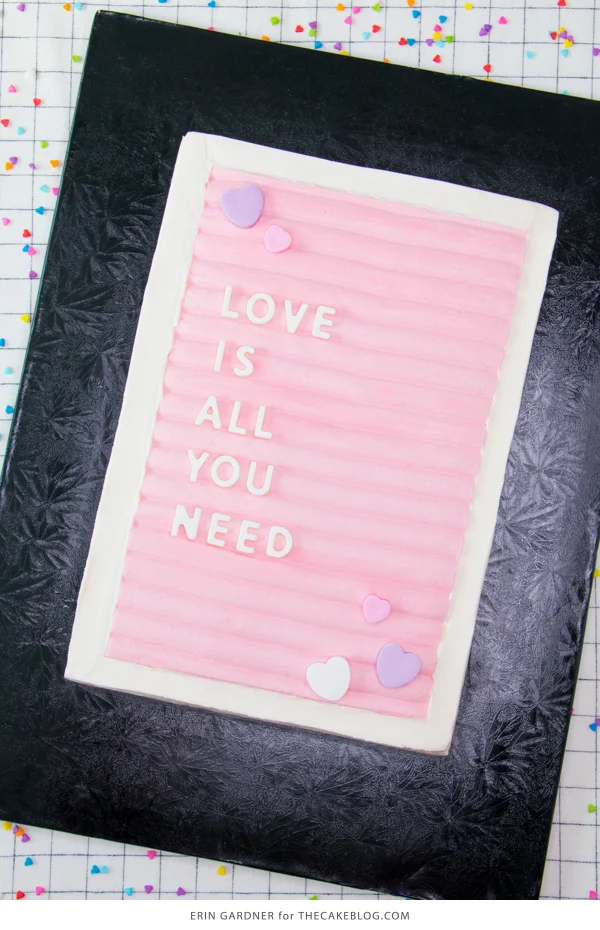
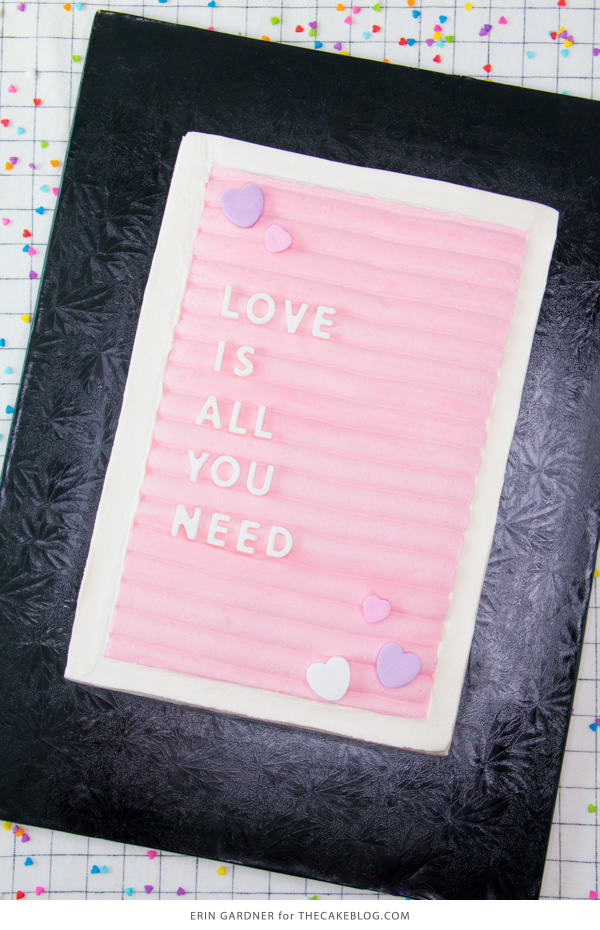
The culinary arts have long served as a medium for personal expression, but a recent convergence of interior design aesthetics and confectionery technique has introduced a sophisticated method for direct communication: the Message Board Sheet Cake. This design, popularized by professional cake decorator and author Erin Gardner, translates the ubiquitous felt letter board—a staple of modern home decor—into an edible format. By utilizing standardized baking tools to replicate the texture of grooved felt and molded chocolate to mimic plastic typography, the technique offers a versatile platform for celebrating milestones ranging from Valentine’s Day to corporate achievements.
The Evolution of the Sheet Cake as a Modern Canvas
Historically, the sheet cake was relegated to the status of a utilitarian dessert, often associated with mass-produced grocery store offerings or large-scale institutional gatherings. Its primary value resided in its ease of transport and high yield. However, the contemporary baking landscape has seen a significant shift. Professional decorators are increasingly reclaiming the rectangular format, viewing its expansive, flat surface area as a superior "canvas" compared to the vertical constraints of tiered round cakes.
The Message Board Sheet Cake represents a pinnacle of this "minimalist-maximalist" trend. It relies on clean lines and negative space—principles of graphic design—rather than traditional floral piping or elaborate sugar work. According to market analysts monitoring the home-baking sector, the demand for customizable, text-based confections has risen by an estimated 25% over the last three years, driven largely by social media platforms such as Instagram and Pinterest, where "shareable" and "readable" food content performs exceptionally well.
Technical Methodology: Structural Preparation and the Grooving Process
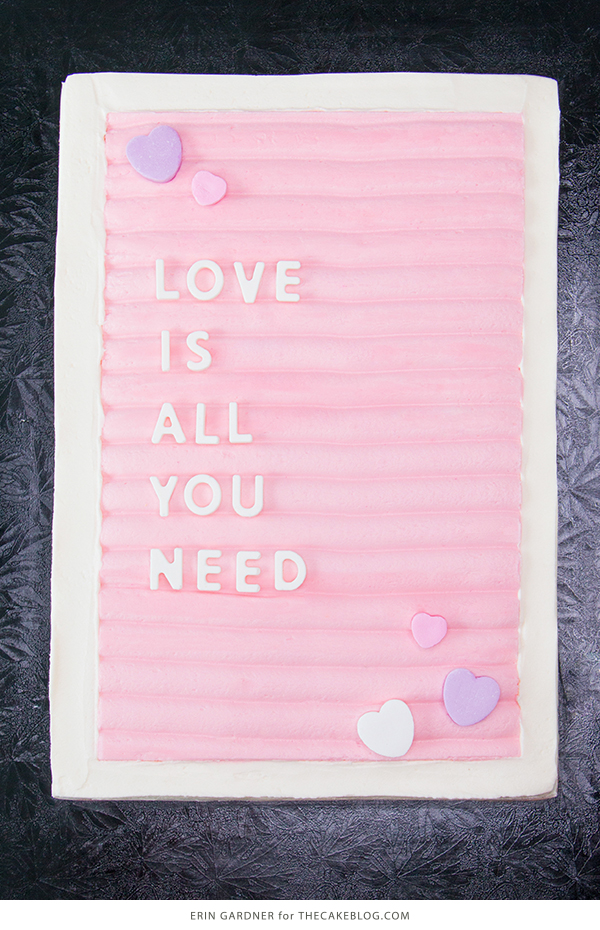
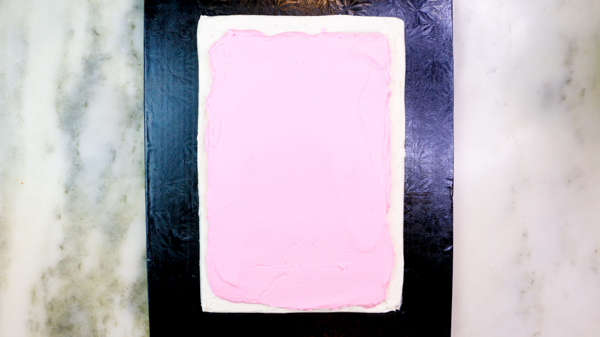
The execution of the Message Board Sheet Cake requires a systematic approach to surface tension and temperature control. The process begins with the application of a stabilized buttercream. Unlike traditional frosting techniques that prioritize a sheer, thin crumb coat, this design necessitates a substantial "base layer" to accommodate the depth of the ridges.
- Surface Leveling: The baker must apply a thick, uniform layer of buttercream across the top of the sheet cake. Precision at this stage is critical; an uneven surface will result in distorted "felt" lines during the subsequent texturing phase.
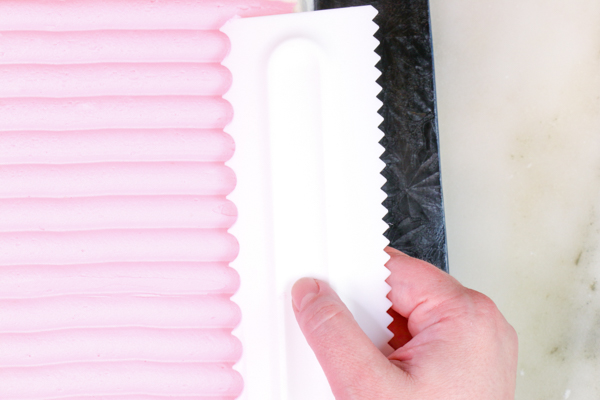
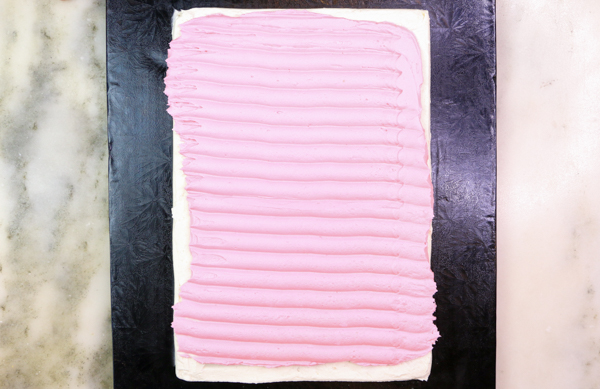
- Texture Application: The defining characteristic of the message board is achieved through the use of a scalloped cake comb. By dragging the comb through the soft buttercream in long, continuous strokes, the decorator creates parallel grooves. This mimics the structural slats of a physical letter board. Gardner notes that for those lacking specialized equipment, a large round piping tip can be used to pipe individual lines of frosting, though this increases buttercream consumption by approximately 100% and requires a higher degree of manual dexterity.
- Thermal Stabilization: Once the ridges are established, the cake must undergo a "chilling phase." This reduces the temperature of the fats within the buttercream, rendering the design firm to the touch. This step is non-negotiable, as it allows for the clean removal of excess frosting and prevents the "smearing" of the delicate ridges during the bordering process.
Bordering and Framing: Achieving Geometric Precision
The transition from a textured cake to a realistic "board" requires the definition of a distinct frame. This is achieved through a subtraction-and-addition method that emphasizes sharp angles and clean borders.
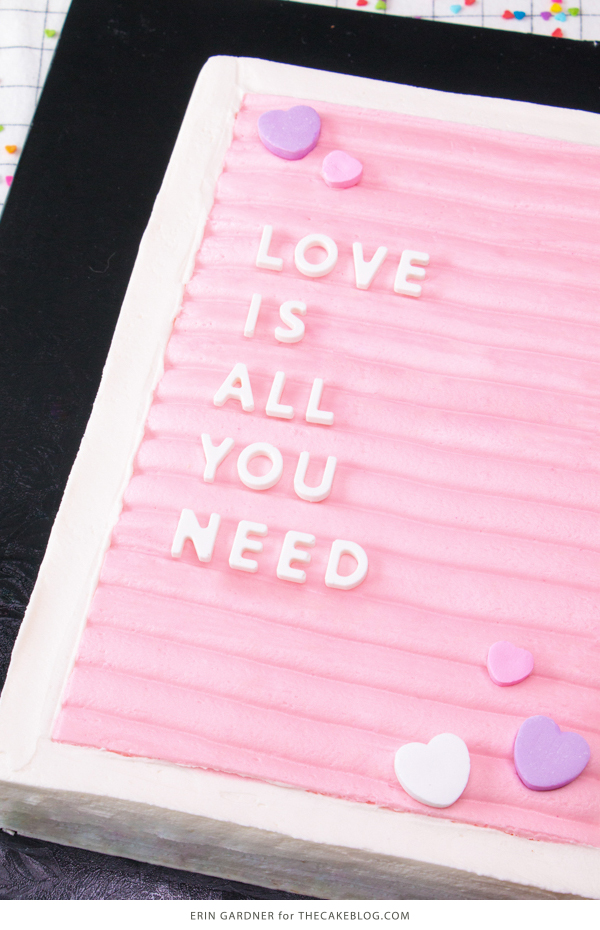
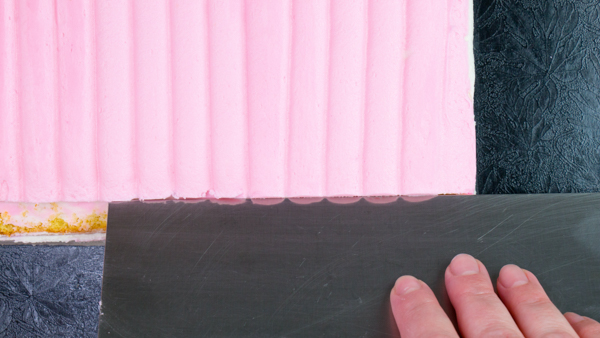
Once the buttercream has reached the necessary firmness, a bench scraper—briefly dipped in warm water to facilitate a smooth cut—is used to excise a one-inch border from the perimeter of the cake. This "trenching" method creates a recessed area where the frame will be constructed. The removal of the excess "ridged" frosting ensures that the frame sits flush with the board, maintaining the illusion of a framed object.
The frame itself is typically executed using a basketweave piping tip. By orienting the smooth side of the tip upward, the decorator can pipe a flat, ribbon-like border that replicates the wooden or plastic frame of a traditional letter board. This stage requires a steady hand and consistent pressure to ensure the border remains uniform in height and width across all four sides of the cake.
Typographic Production: The Role of Molded Chocolate
The "message" component of the cake utilizes white chocolate or candy melts to replicate the look of plastic pegboard letters. This choice of medium is both aesthetic and functional; chocolate provides a crisp, opaque finish that contrasts sharply against the colored buttercream "felt."
The production involves melting the chocolate to a specific tempered state before transferring it to a small-bore piping bag or parchment cone. Silicone molds featuring various fonts—typically sans-serif to maintain the modern aesthetic—are filled and then subjected to mechanical agitation (tapping the mold) to remove entrapped air bubbles. This ensures the structural integrity of the letters once they are de-molded.
For decorators without access to specialized molds, Gardner suggests a "trace-and-pipe" alternative. By placing a sheet of parchment paper over a printed template, bakers can manually pipe the letters. While this requires more time and a higher skill level, it allows for complete customization of the font and size, catering to specific branding or thematic requirements.
Chronology of Assembly and Spatial Planning
The final assembly of the Message Board Sheet Cake is a lesson in spatial awareness. Unlike freehand piping, where errors can sometimes be masked by additional decor, the placement of chocolate letters on a ridged surface is permanent.
- Layout Verification: Professional standards dictate that letters should first be arranged on a neutral surface, such as parchment paper, to determine the exact character spacing (kerning) and line breaks.
- Centering Strategy: To ensure a balanced composition, the decorator begins placement from the center of the message, working outward toward the margins. This prevents the "crowding" of text on one side of the cake.
- Ridge Alignment: The letters are designed to "sit" within the grooves created by the cake comb. This alignment is what creates the convincing 3D effect of a physical board.
Market Trends and Consumer Impact
The rise of the Message Board Sheet Cake is reflective of a broader shift in consumer behavior toward "conversational" food. In a 2023 survey of artisanal bakeries, 40% of respondents noted an increase in requests for cakes that serve as "announcement vessels." Whether used to announce a pregnancy, a job promotion, or a humorous observation, these cakes function as both a dessert and a social statement.
Industry experts suggest that the popularity of this specific design lies in its accessibility. "The Message Board Cake democratizes high-end cake design," says one industry consultant. "It provides a professional-looking result using basic geometric principles rather than years of fine-motor training in sugar flower artistry."
Implications for the Professional and Hobbyist Baker
For the professional pastry chef, the Message Board Sheet Cake offers a high-margin product that is relatively quick to produce once the templates and molds are established. It allows for rapid turnaround on "last-minute" personalized orders.
For the hobbyist, the tutorial provided by contributors like Erin Gardner serves as an entry point into technical decorating. The design encourages the acquisition of fundamental tools—such as the bench scraper and cake comb—which are essential for more advanced confectionery projects. Furthermore, the adaptability of the design (changing colors for different holidays or adjusting the message for different demographics) ensures its longevity in the "trend cycle."
Concluding Analysis: The Future of Edible Typography
As the "DIY" movement continues to flourish, the Message Board Sheet Cake stands as a testament to the creative repurposing of everyday objects into culinary inspiration. The design bridges the gap between the tactile world of home organization and the ephemeral world of baking.
Looking forward, we can expect to see further iterations of this trend, including the use of "glow-in-the-dark" edible elements for evening events or the integration of QR codes piped directly into the ridges, further blurring the line between digital communication and physical consumption. For now, the Message Board Sheet Cake remains a premier choice for those looking to deliver a literal and figurative "sweet message." Through the careful application of buttercream ridges and the precision of chocolate molding, bakers can ensure that their sentiments are not only heard but savored.