

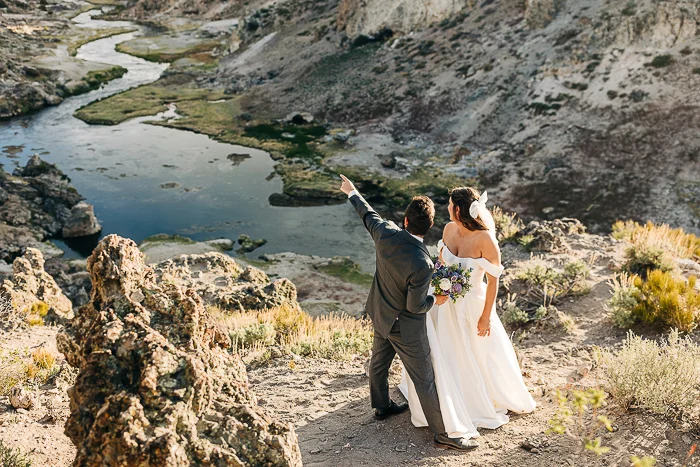
The Photobug Community recently concluded its highly anticipated June ‘Body Language’ photo challenge, a compelling initiative that sought to explore the profound ability of the human form to convey emotion without the explicit visibility of facial expressions. This challenge underscored a fundamental principle of visual storytelling: that an image, even when devoid of direct eye contact or discernible facial features, can still evoke powerful sentiments such as joy, sadness, pain, and profound love. The overwhelming response from community members demonstrated unequivocally that the body, through its posture, gestures, and interaction with space, possesses a rich lexicon capable of communicating complex emotional narratives.
Deconstructing Non-Verbal Communication in Photography
The premise of the ‘Body Language’ challenge is deeply rooted in the scientific understanding of non-verbal communication. Experts in fields such as psychology, anthropology, and communication studies have long recognized that human interaction is heavily reliant on cues beyond spoken words. This realm of communication is broadly categorized into several key areas, two of which are particularly pertinent to photography: kinesics and proxemics.
Kinesics refers to the study of body movements, including gestures, posture, facial expressions (though intentionally downplayed in this challenge), and eye movements. In the context of photography, a photographer’s ability to recognize and capture these fleeting physical manifestations of internal states is paramount. A slumped posture can instantly convey dejection or fatigue, while an arched back and outstretched arms might signify exhilaration or freedom. The subtle curve of a hand resting on another’s back can speak volumes about comfort and support, far beyond what a posed smile might convey.
Proxemics, on the other hand, deals with the use of space and distance in communication. The physical proximity between individuals, their orientation towards each other, and how they occupy a shared environment all contribute to the narrative. A couple standing close, leaning into each other, with intertwined limbs, immediately communicates intimacy and connection. Conversely, a vast space between two subjects, or one turning away from the other, can signify estrangement, contemplation, or a barrier. The ‘Body Language’ challenge effectively leveraged these principles, encouraging photographers to think beyond traditional portraiture and focus on the spatial and kinesthetic relationships between subjects.
The Genesis of the ‘Body Language’ Challenge
The Photobug Community, a prominent online hub for photographers ranging from aspiring enthusiasts to seasoned professionals, has established itself as a vibrant platform for learning, inspiration, and peer engagement. Its core mission revolves around fostering creative growth, promoting high-quality visual artistry, and building a supportive network where photographers can share their work and receive constructive feedback. Photo challenges are a cornerstone of this mission, serving as regular opportunities for members to hone their skills, experiment with new techniques, and push their creative boundaries within a structured thematic framework.
The decision to launch a ‘Body Language’ theme for the June challenge was a deliberate move to steer participants away from reliance on easily discernible facial expressions, which often dominate emotional photography. In many photographic genres, particularly wedding and portraiture, the focus is often on capturing the subject’s face to convey joy, laughter, or tenderness. However, the organizers of the Photobug Community recognized an opportunity to explore a deeper, perhaps more universally understood, form of emotional expression. By setting the constraint of minimizing or obscuring faces, the challenge compelled photographers to meticulously observe and frame the more subtle, yet equally powerful, cues transmitted by the human body. This approach was designed to elevate the importance of composition, lighting, and narrative context in conveying emotional depth.
The challenge’s timing in June, often a peak season for events and outdoor photography, allowed participants to capture a wide array of human interactions in diverse settings, from intimate moments to grand celebrations. This cyclical approach to themed challenges ensures a continuous stream of fresh content and keeps the community actively engaged throughout the year.
Technical and Artistic Approaches to Capturing Body Language
Successfully capturing body language without relying on facial expressions demands a sophisticated understanding of photographic techniques. Participants in the ‘Body Language’ challenge had to employ a range of artistic and technical skills to make the unseen felt.
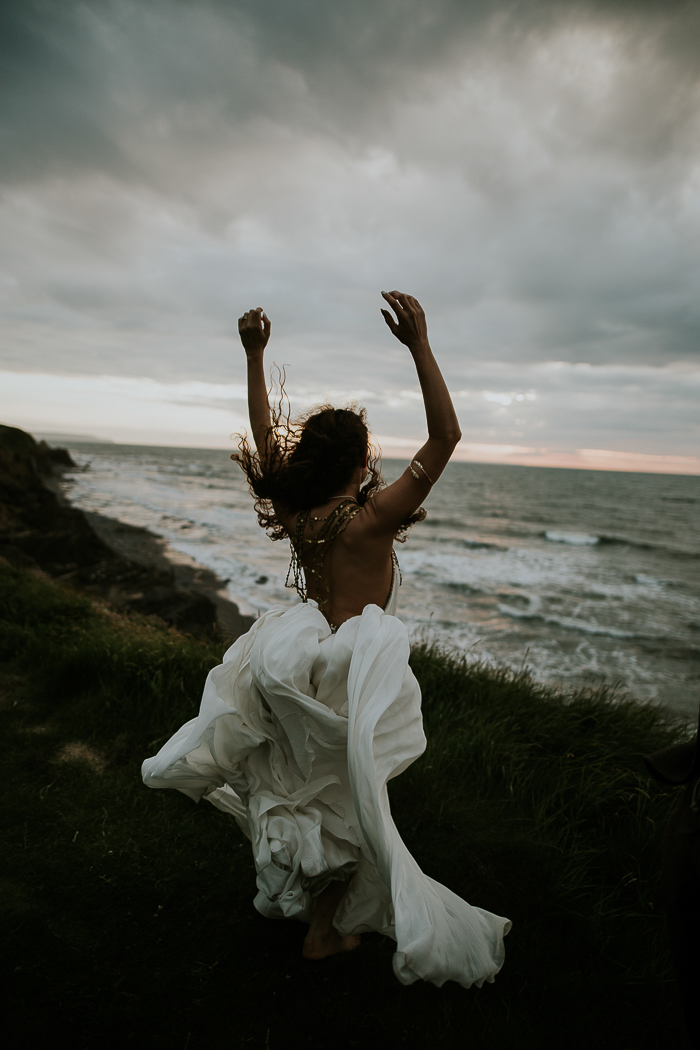
- Composition and Framing: Photographers utilized careful composition to draw the viewer’s eye to specific gestures, postures, or interactions. This might involve tight crops that emphasize intertwined hands or feet, or wider frames that show subjects within their environment, using leading lines or the rule of thirds to highlight their physical connection or separation. Negative space became a powerful tool, isolating subjects to amplify the impact of their forms.
- Lighting and Shadow: The interplay of light and shadow played a crucial role in sculpting the human form and emphasizing contours that convey emotion. Dramatic backlighting could silhouette figures, focusing solely on their outline and interaction. Soft, diffused light could gently highlight the subtle curves of a body leaning into another, enhancing the feeling of intimacy and tenderness. Shadows could also be used to obscure faces intentionally, directing attention elsewhere.
- Focus and Depth of Field: Selective focus was often employed to guide the viewer’s gaze. A shallow depth of field could blur backgrounds, isolating the subjects’ bodies and their immediate interaction, thereby intensifying the emotional message. Conversely, a deeper depth of field might include contextual elements that add layers to the body language narrative, such as a hand reaching out against a vast, empty landscape.
- The Absence of Faces: The most distinguishing aspect of this challenge was the intentional obscuring or absence of faces. This creative constraint served several purposes. Firstly, it forced photographers to become more observant of non-facial cues. Secondly, it invited viewers to project their own emotions and experiences onto the scene, creating a more personal and immersive interpretive experience. When a face is clearly visible, the viewer’s interpretation is often guided by the explicit expression. Without it, the body’s narrative becomes more universal, allowing the viewer to fill in the emotional blanks, thus fostering a deeper connection. This technique echoes practices in fine art photography and classical sculpture, where the human form itself is the primary vessel for emotional expression.
Evoking Emotion Through Form: Insights from Submissions
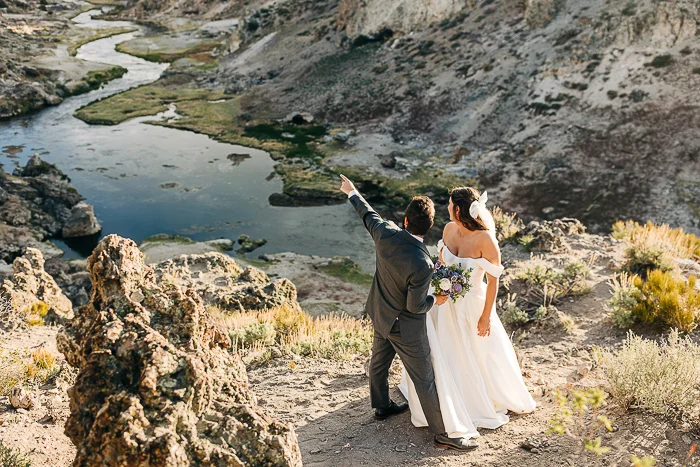
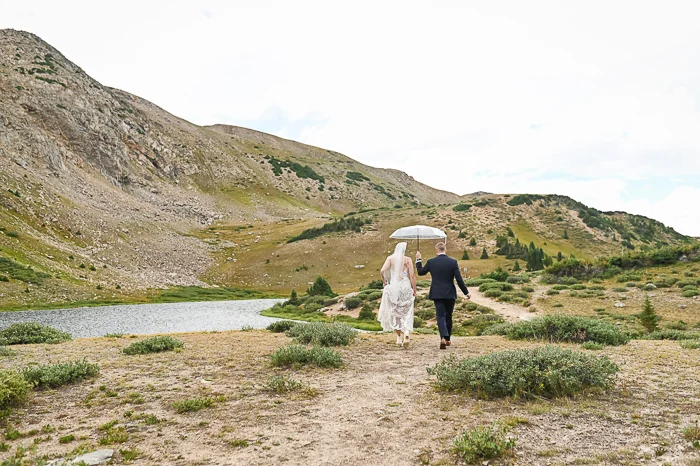
The submissions to the ‘Body Language’ challenge provided compelling evidence of the effectiveness of this approach. For instance, the image by Samsul Hidayat, featured prominently in the community’s roundup, perfectly encapsulates the challenge’s essence. In Hidayat’s photograph, two figures are depicted in a way that their faces are either obscured or turned away, yet their interaction speaks volumes. The positioning of their bodies, perhaps a gentle embrace, a comforting lean, or hands clasped together, immediately communicates a sense of connection, intimacy, and shared emotion. The way light might fall on their backs or shoulders, or the subtle tension or relaxation in their postures, becomes the primary vehicle for storytelling.
Other hypothetical examples from the challenge might include:
- A photograph of a child’s small hand reaching out to grasp an adult’s finger, conveying trust, dependence, and affection.
- An image of two people’s shoulders touching, their heads slightly bowed in a moment of shared grief or quiet contemplation.
- A dynamic shot of dancers mid-movement, their bodies intertwined in a harmonious flow that expresses joy, passion, and artistic synchronicity.
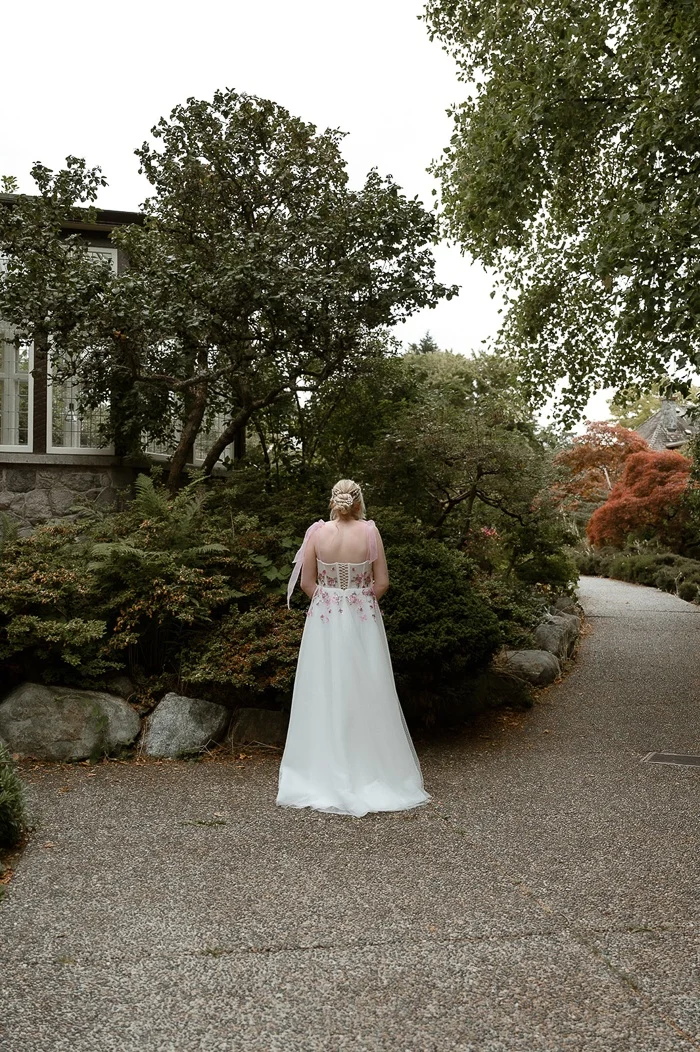
- A solitary figure with shoulders hunched, back turned to the camera, conveying profound loneliness or introspection.
In each instance, the ‘love shines through’ phenomenon, as noted by the Photobug Community, becomes evident. The authentic connection between individuals, or the raw emotion of a singular moment, transcends the need for explicit facial recognition. It taps into a more primal, intuitive understanding of human interaction.
Expert Perspectives and Community Engagement
While official statements from the Photobug Community are typically concise, the success of challenges like ‘Body Language’ implicitly validates the community’s vision. A hypothetical spokesperson for the Photobug Community might articulate: "This challenge has been a remarkable demonstration of our members’ immense talent and their willingness to explore new dimensions of photographic artistry. It reaffirms our belief that true storytelling in photography is not limited to conventional expressions but thrives in the nuanced language of the human body. The emotional resonance achieved in these images, without relying on facial cues, is a testament to the power of observation and thoughtful composition. It has undoubtedly elevated the discussion around visual literacy within our community."
This challenge also aligns with broader trends in contemporary photography, particularly in documentary and fine art genres, where authenticity and candid moments are highly prized. Photographers are increasingly seeking to capture the "real" rather than the "posed," and body language is often a more truthful indicator of genuine emotion than a forced smile. For wedding photographers, capturing the subtle, unscripted gestures of love and comfort between a couple can be far more impactful than a series of overtly posed portraits.
The role of online platforms like Facebook groups in fostering this kind of artistic development cannot be overstated. They provide an accessible, global forum for photographers to receive immediate feedback, draw inspiration from diverse perspectives, and participate in structured learning opportunities that might otherwise be unavailable. These communities democratize photographic education and push the collective boundaries of the art form.
Broader Implications and Future Directions
The success of the ‘Body Language’ challenge has several significant implications for the photographic community and beyond.
- For Aspiring Photographers: It serves as an invaluable educational tool, compelling them to develop a deeper understanding of human anatomy, emotional expression, and the sophisticated interplay of light, shadow, and composition. Mastering the art of conveying emotion through body language equips photographers with a more versatile and impactful storytelling toolkit.
- For the Audience: It cultivates a more discerning eye, encouraging viewers to look beyond the superficial and appreciate the subtler narratives woven into photographic images. This enhanced visual literacy can lead to a richer engagement with all forms of visual art and media.
- Artistic Innovation: Challenges like ‘Body Language’ actively push the boundaries of photographic expression. By imposing creative constraints, they force artists to innovate and discover new ways to communicate, preventing stagnation and encouraging constant evolution within the art form.
- Beyond Aesthetics: The principles explored in this challenge have applications in fields beyond art. Understanding how emotion is conveyed through body language is crucial in psychology, sociology, and even artificial intelligence development for interpreting human behavior. The photographic documentation of these non-verbal cues provides rich data for analysis.
Conclusion: A Testament to the Universal Language of Form
The Photobug Community’s June ‘Body Language’ photo challenge stands as a powerful testament to the universal and enduring language of the human form. By deliberately obscuring the most commonly relied-upon emotional indicator – the face – the challenge compelled photographers to tap into a deeper well of visual communication. The resulting collection of images, exemplified by Samsul Hidayat’s submission, profoundly demonstrates that joy, sadness, pain, and above all, love, can be articulated with breathtaking clarity through the subtle arch of a back, the gentle clasp of hands, or the intimate proximity of two figures. This initiative not only enriched the creative skills of countless photographers but also offered a profound reminder that the most powerful stories are often told in the unspoken, the unseen, and the deeply felt nuances of human connection. The Photobug Community continues to invite photographers to join its Facebook group and participate in future challenges, promising more opportunities to explore the boundless possibilities of visual storytelling.