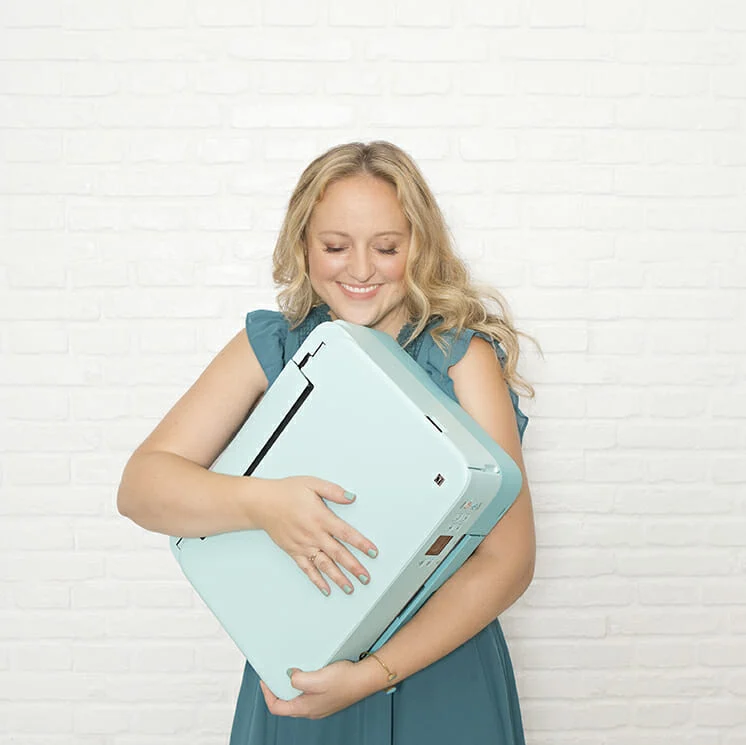



The intersection of high-fidelity digital printing and the domestic DIY market has reached a new milestone as Canon U.S.A., Inc. expands its outreach into the personalized holiday stationery sector. Through a strategic collaboration with DIY specialist Jen Causey-Kidder of the design platform Something Turquoise, the technology giant has introduced a comprehensive ecosystem designed to facilitate the professional-grade production of seasonal greeting cards within a residential setting. This initiative centers on the PIXMA TS9521C Crafting Printer, a hardware solution specifically engineered to bridge the gap between consumer-level convenience and commercial-quality output. By integrating specialized paper stocks, such as the 7×10 Double-Sided Greeting Card Paper Pack, and versatile digital design templates, the program aims to address the growing consumer demand for hyper-personalized, tangible correspondence in an increasingly digitized communication landscape.
The Evolution of the Home Printing Ecosystem
The global greeting card market, valued at approximately $7.5 billion annually, has seen a significant shift toward personalization and small-batch production. While digital greetings gained temporary traction in the early 2010s, industry data suggests a resurgence in physical mail, particularly among younger demographics who value the "tactile authenticity" of a printed card. Canon’s latest initiative capitalizes on this trend by providing a vertically integrated solution.
The PIXMA TS9521C, often referred to as the "Crafter’s Printer," serves as the technological anchor of this movement. Unlike standard office printers, this model is designed to handle a variety of media types and sizes, including 12×12-inch borderless printing, which is standard for scrapbooking and large-format card design. The printer utilizes a five-color individual ink system that includes a pigment black ink for crisp text and dye-based inks for vibrant photographic reproduction. This technical configuration is critical for holiday cards, which typically require a balance of high-resolution family photography and intricate graphic design elements.
Strategic Design Integration and Software Accessibility
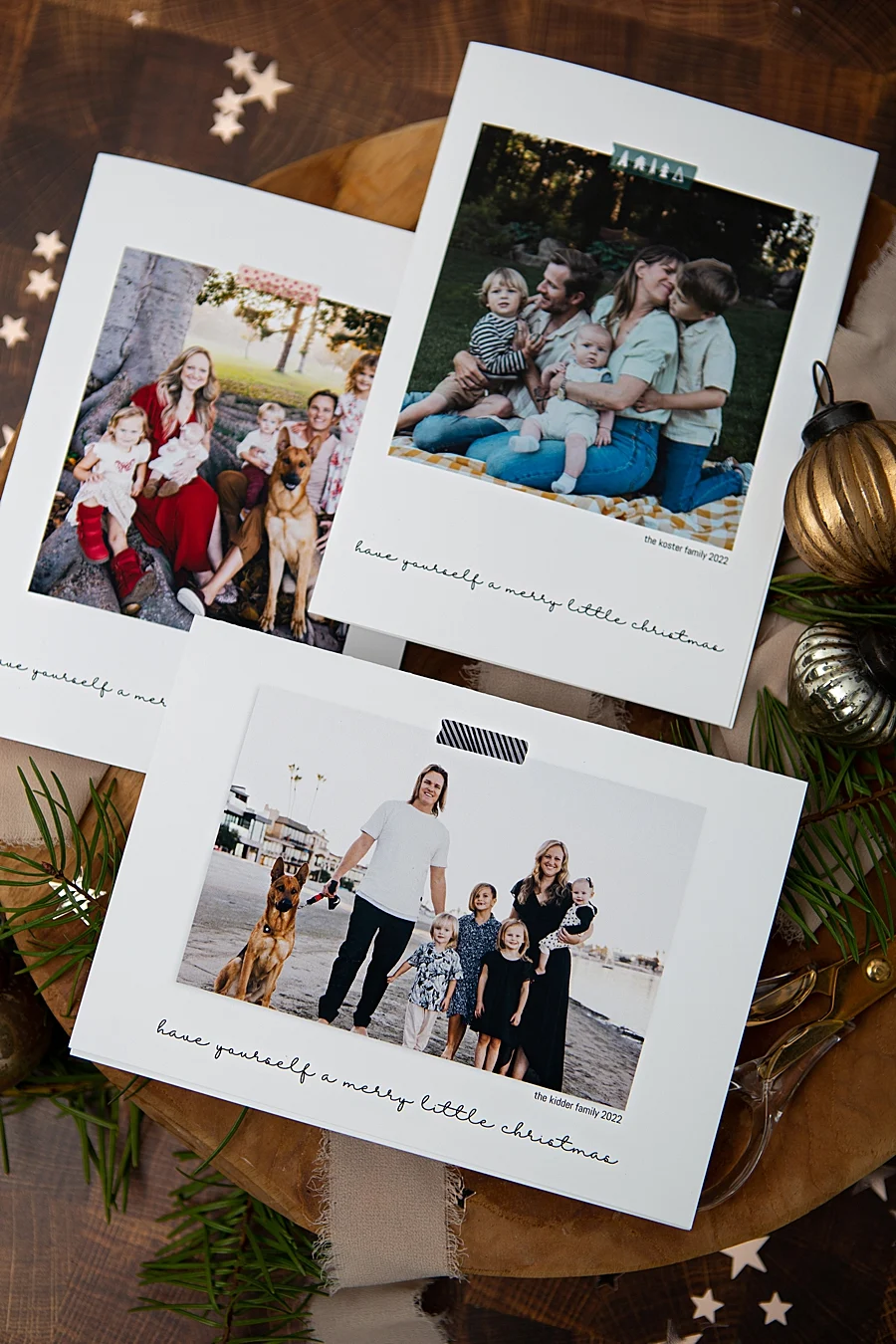
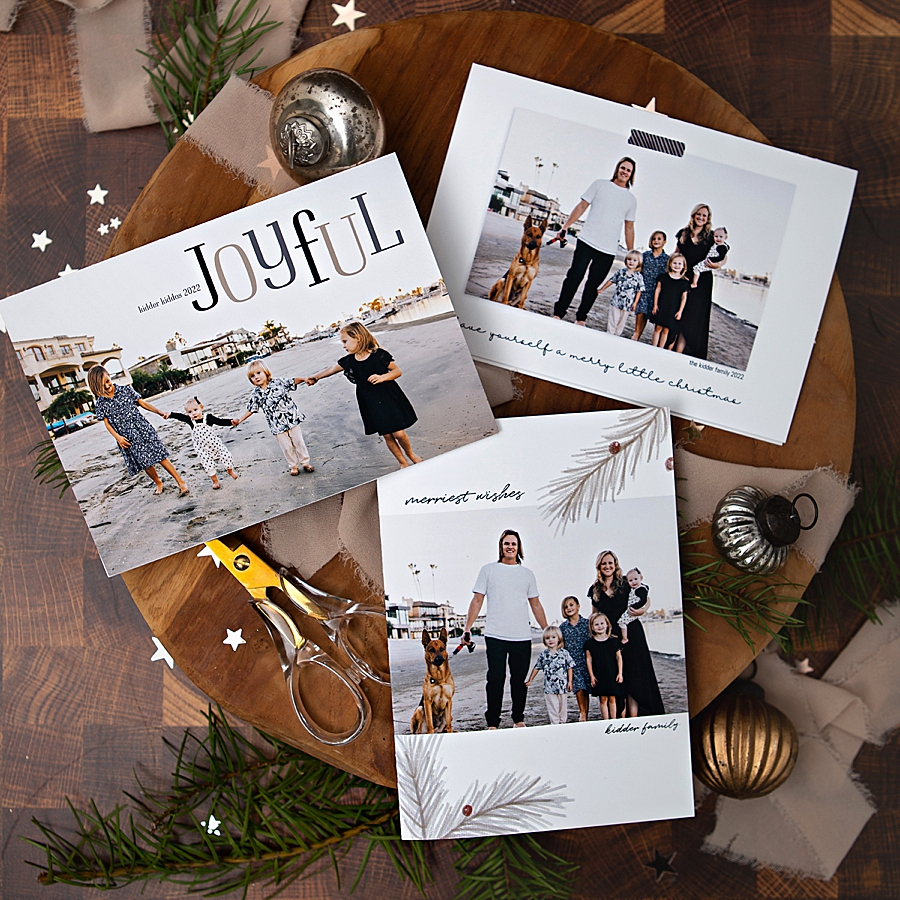
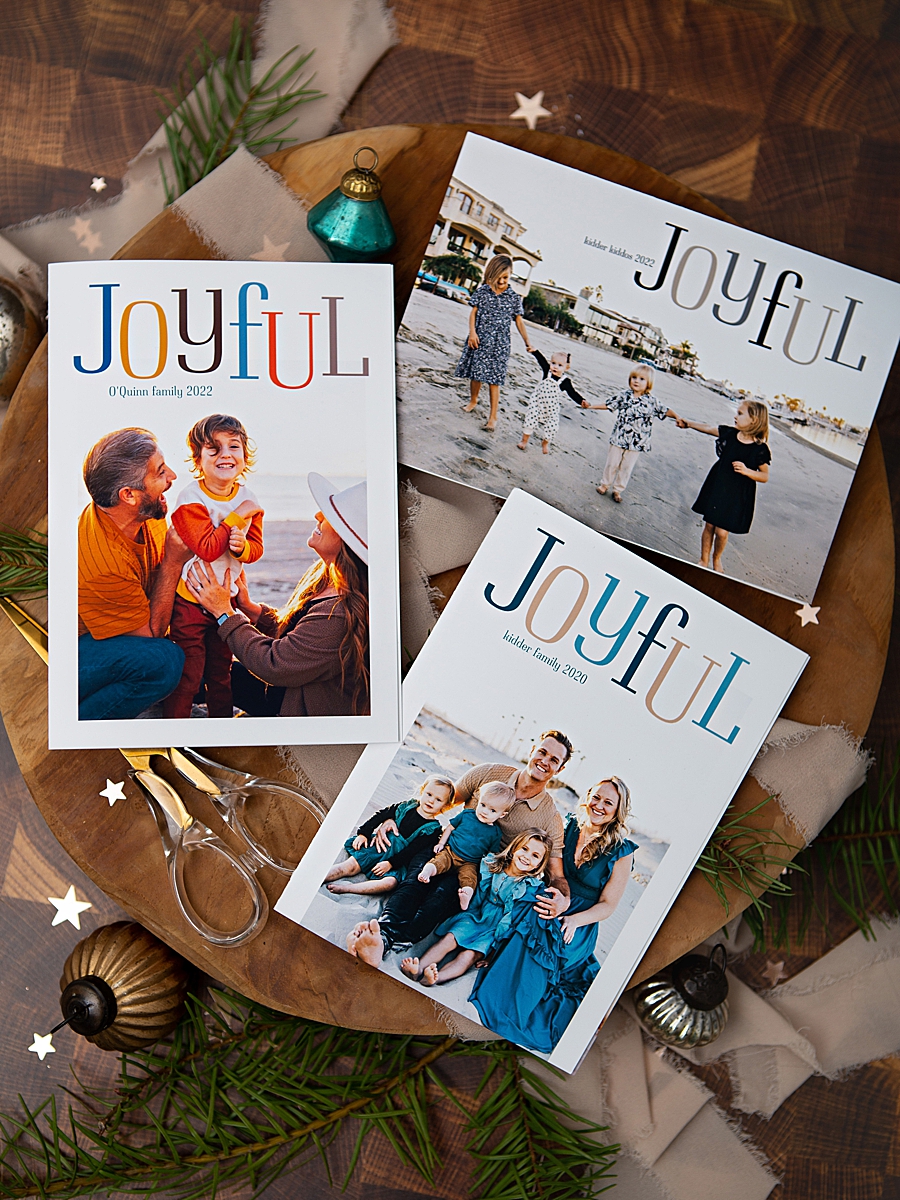
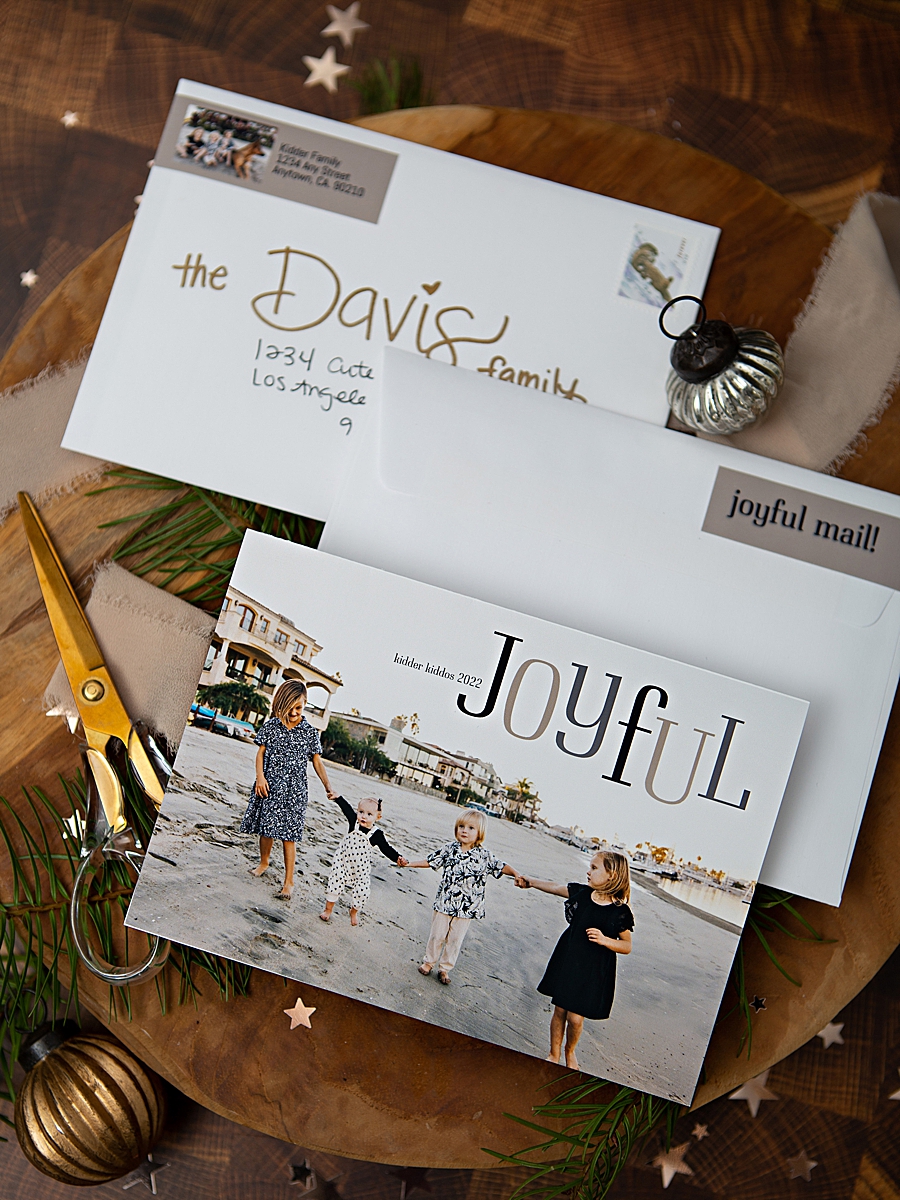
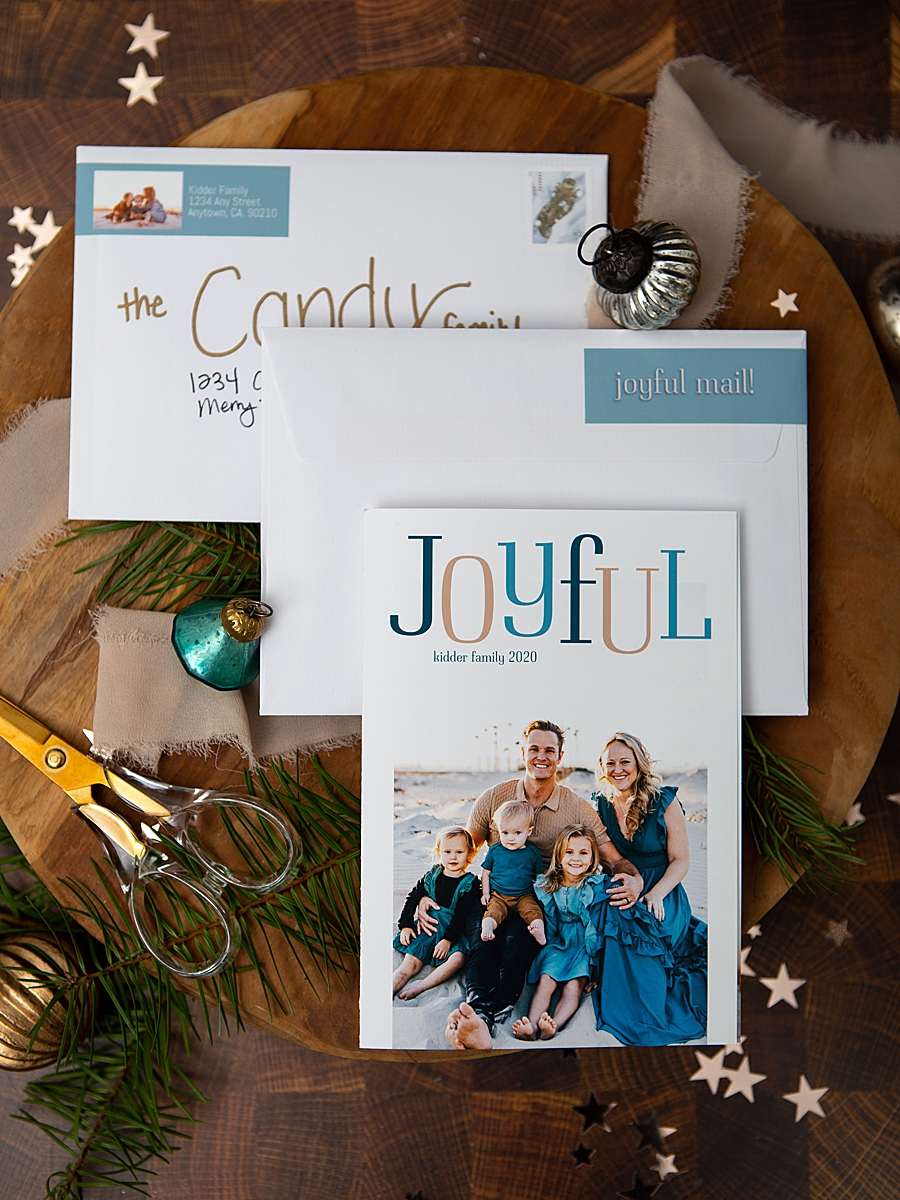
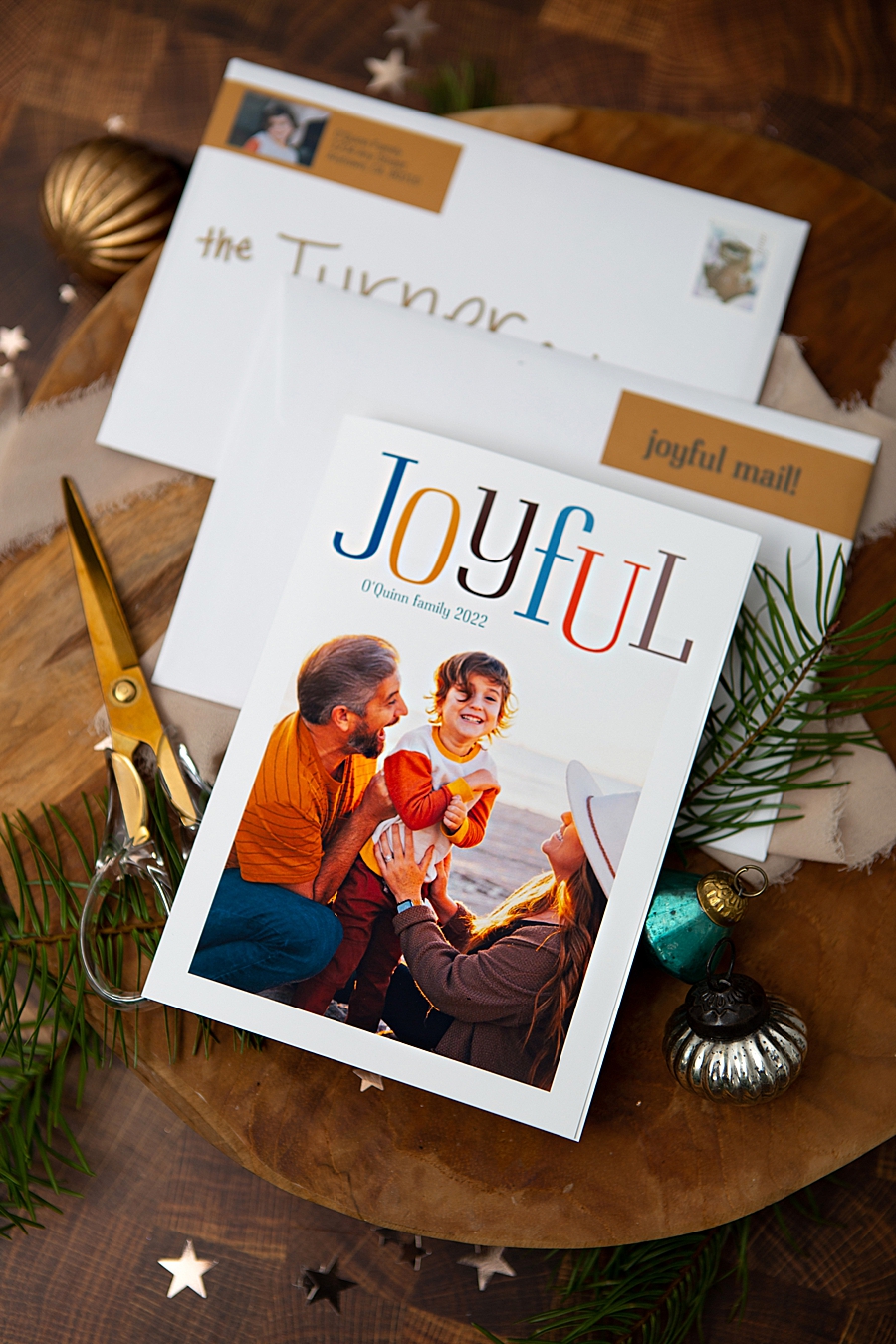
To facilitate the creative process for non-professional designers, the collaboration features three distinct holiday card motifs: "Joyful," "Tape," and "Berries." These designs are hosted on the Corjl platform, a web-based suite that allows users to manipulate graphic layers, edit typography, and integrate personal photography without the need for specialized software installation.
- The Joyful Collection: Focuses on typographic dominance, allowing users to color-match the primary text to the specific palette of their uploaded photographs.
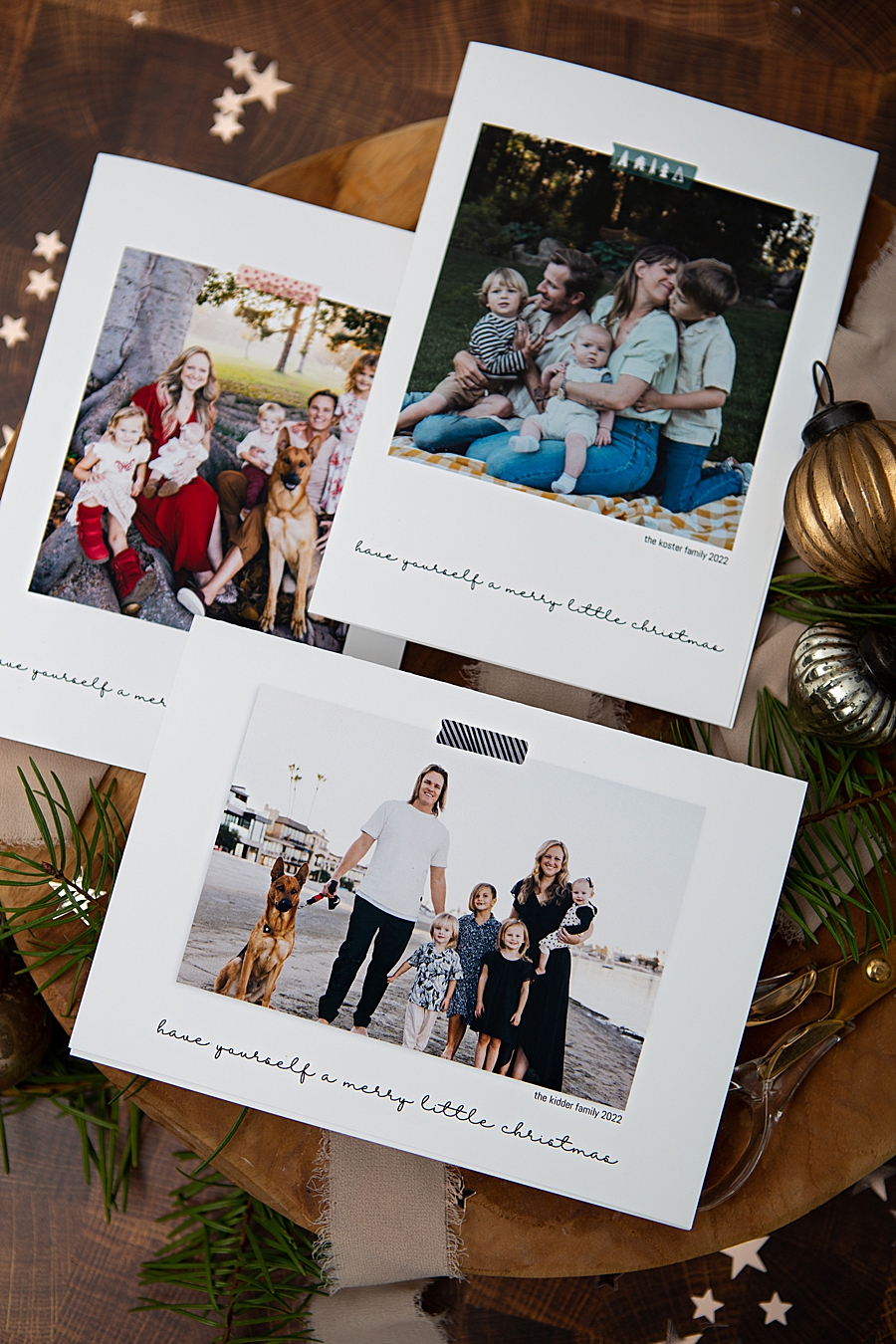
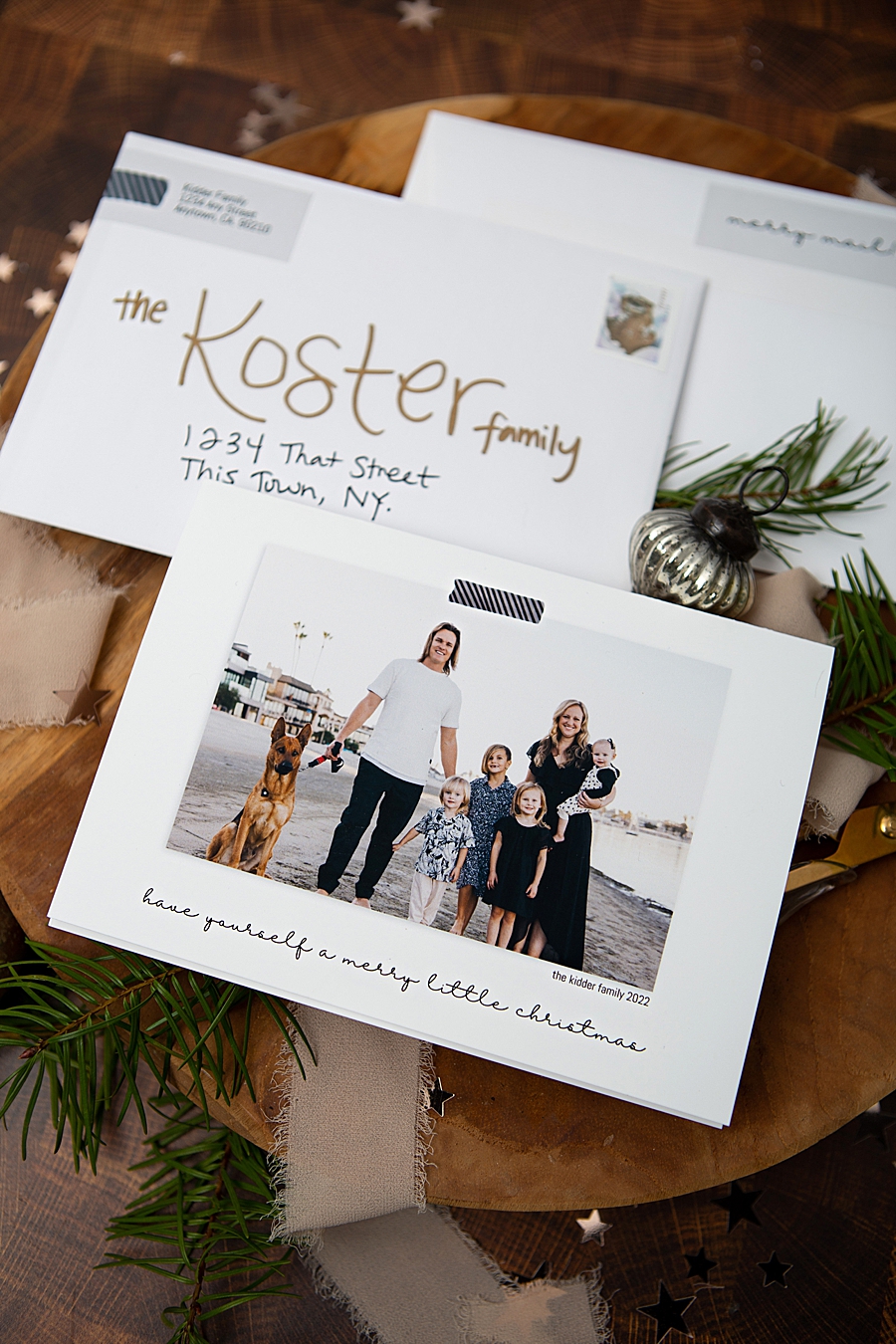
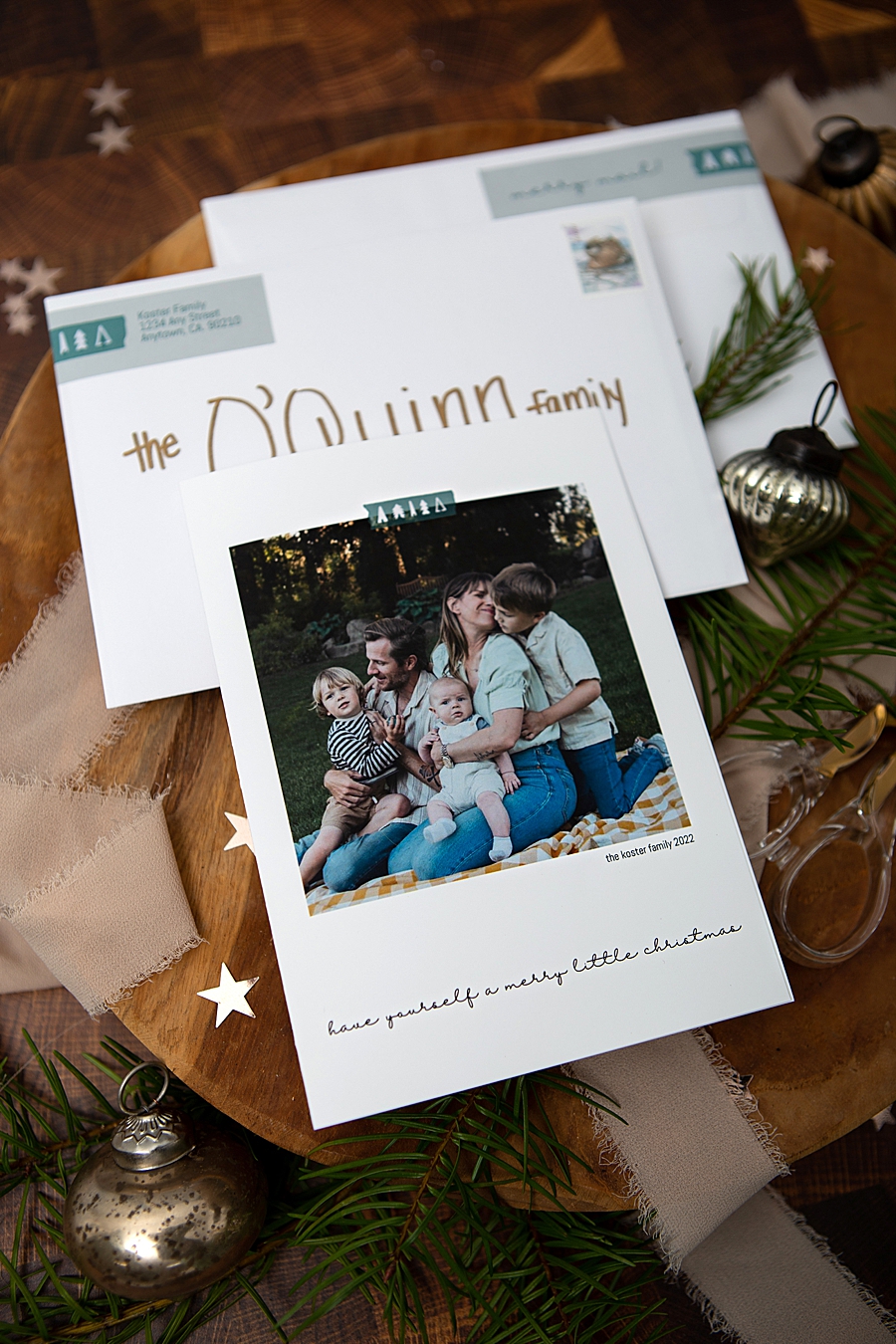
- The Tape Collection: Incorporates digital scrapbooking elements, such as faux adhesive tape graphics in patterns like black-and-white stripes and green botanical themes, simulating a "handmade" collage aesthetic through digital means.
- The Berries Collection: Features minimalist botanical illustrations in contemporary palettes, including pink, green, and beige, catering to the trend of modern-organic holiday decor.
This software integration represents a broader industry trend where hardware manufacturers partner with software-as-a-service (SaaS) providers to lower the barrier to entry for complex creative projects. By utilizing the "canonholiday" promotional access, consumers are incentivized to engage with the ecosystem, further solidifying the link between digital assets and physical hardware.
Technical Specifications of Professional-Grade Home Media
A critical component of the holiday card production workflow is the specialized media used to ensure durability and aesthetic appeal. The Canon 7×10 Double-Sided Greeting Card Paper Pack has been identified as a key factor in achieving a "boutique" finish. This paper stock is pre-scored, meaning it contains a structural indentation that allows for a clean, professional fold without cracking the ink or the paper fibers—a common issue with standard cardstock.
The paper features a double-sided matte finish, which is preferred for holiday cards because it eliminates the glare associated with glossy photos, making text easier to read and providing a sophisticated texture. The 7×10 inch dimensions, when folded, result in a standard 5×7 inch greeting card, a size that is compatible with the 20 included envelopes. This standardization is essential for mailing, as it complies with United States Postal Service (USPS) regulations for standard letter rates, avoiding the surcharges often associated with irregular or square-shaped mailers.
Chronology of the DIY Stationery Movement
The transition from mass-produced cards to home-printed bespoke stationery has followed a clear chronological path over the last two decades:
- 2000–2010: The rise of online "upload-and-order" services. Consumers began moving away from boxed cards found in retail stores toward websites that printed and shipped custom designs.
- 2011–2018: The "Etsy Era." Small-scale designers began selling digital downloads, but consumers often struggled with home printer limitations, frequently resulting in poor color accuracy and paper jams.
- 2019–Present: The "Prosumer Hardware" phase. Companies like Canon recognized the market gap and released printers with specialized rollers and ink sets capable of handling heavy cardstock and high-resolution graphics, effectively turning the home office into a micro-press.
This timeline highlights a shift in consumer behavior from passive consumption to active production. The current collaboration with Something Turquoise marks a mature stage in this evolution, where the design, software, and hardware are optimized to work in unison.
Analysis of Economic and Environmental Implications
The move toward home-based printing carries significant economic implications for the consumer. While the initial investment in a high-quality crafting printer like the PIXMA TS9521C is higher than that of a budget inkjet, the cost-per-unit for custom cards is substantially lower when compared to professional printing services. Industry analysts note that custom-ordered cards from premium vendors can range from $2.50 to $5.00 per unit. In contrast, home printing using bulk paper packs and high-yield ink tanks can reduce this cost by up to 60%, even when accounting for the price of hardware and electricity.
Furthermore, the environmental impact of this model offers a nuanced alternative to traditional supply chains. By printing on demand, consumers eliminate the waste associated with over-purchasing boxed sets that may go unused. Additionally, the localized nature of home printing removes the carbon footprint associated with shipping finished products from a centralized printing facility to the consumer’s doorstep. However, this is balanced by the need for responsible recycling of ink cartridges, a program that Canon has addressed through its own corporate sustainability initiatives and cartridge return programs.
Statements from Industry Experts and Related Parties
While official corporate statements often focus on market share, internal perspectives from the creative community emphasize the psychological value of the medium. Jen Causey-Kidder, the lead designer for this project, noted that the objective was to make the process "fun and relaxing," a sentiment that aligns with the growing "slow crafting" movement. This movement encourages consumers to engage in creative activities as a form of stress reduction during the high-pressure holiday season.
Canon U.S.A., Inc. has reinforced this mission, stating that their goal is to allow consumers to "create and preserve beautiful imagery, from capture to print." This "capture-to-print" philosophy is a core tenant of Canon’s business strategy, ensuring that their ecosystem remains relevant even as digital displays become more prevalent. By focusing on "precision and ease" through wireless technology, the company is targeting a demographic that values high-tech solutions but may lack the technical training of a professional graphic artist.
Broader Impact on the Creative Economy
The democratization of high-end printing technology has broader implications for the creative economy. As tools like the PIXMA TS9521C and platforms like Corjl become more accessible, the line between "amateur crafter" and "professional stationery designer" continues to blur. This has led to a surge in micro-entrepreneurship, where individuals use these tools to launch small businesses on platforms like Instagram and Etsy.
The use of hashtags such as #somethingturquoisediy serves as a digital gallery, creating a feedback loop where consumers inspire one another and provide real-time data to manufacturers about which designs and features are most popular. This social integration is a powerful tool for brand loyalty, as it transforms a solitary printing task into a community-driven event.
In conclusion, the partnership between Canon and Something Turquoise represents more than a seasonal promotion; it is a case study in the integration of hardware, software, and community engagement. By providing the tools necessary for high-fidelity production, Canon is positioning itself as a vital component of the modern creative household. As the holiday season approaches, the success of these initiatives will likely be measured not just in hardware sales, but in the millions of personalized cards that will travel through the global postal system, carrying a level of customization that was once the exclusive domain of professional print houses.