
Technical Methodology and Curated Aesthetic Framework
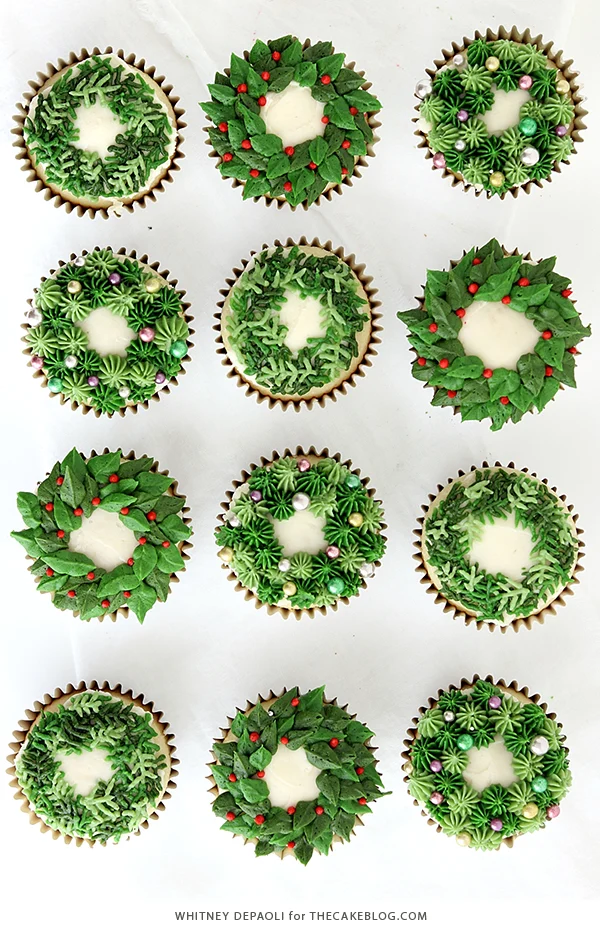
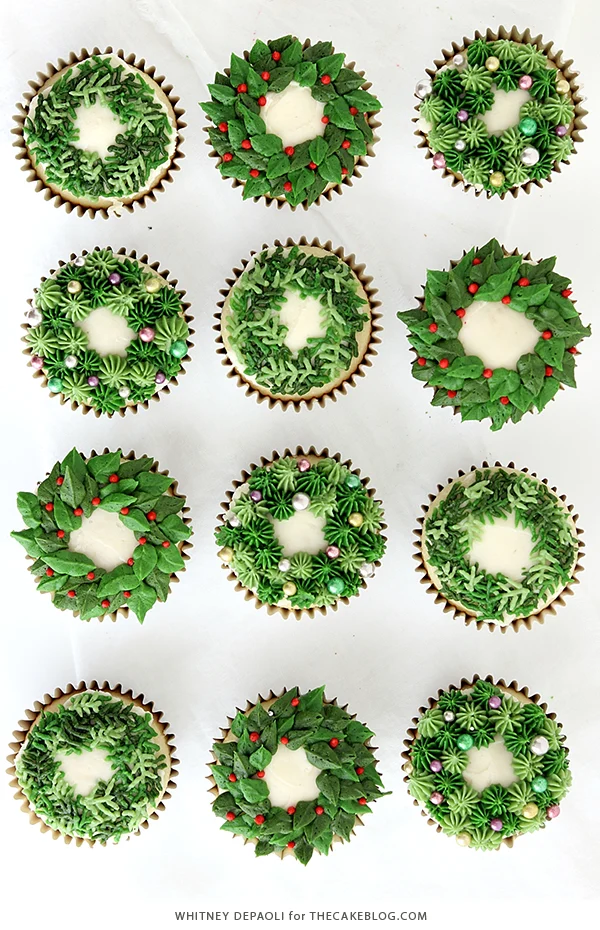
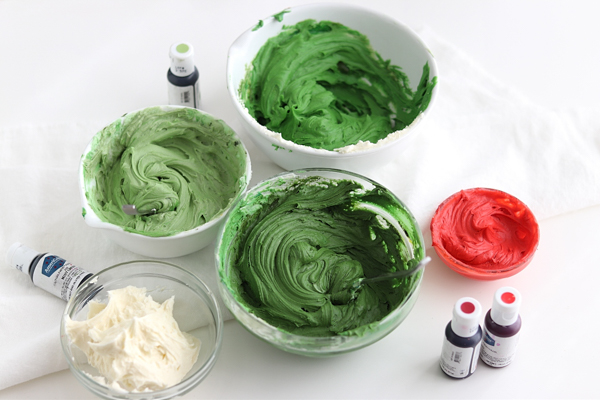
The production of Christmas Wreath Cupcakes is predicated on a multi-tonal color strategy designed to mimic the organic complexity of natural foliage. DePaoli’s methodology involves the preparation of three distinct intensities of green buttercream—light, medium, and dark—achieved through the strategic blending of food coloring gels such as Americolor Forest Green and Avocado. This tiered color approach is essential for providing visual depth, a factor that professional pastry analysts cite as a key differentiator between amateur and artisanal baking.
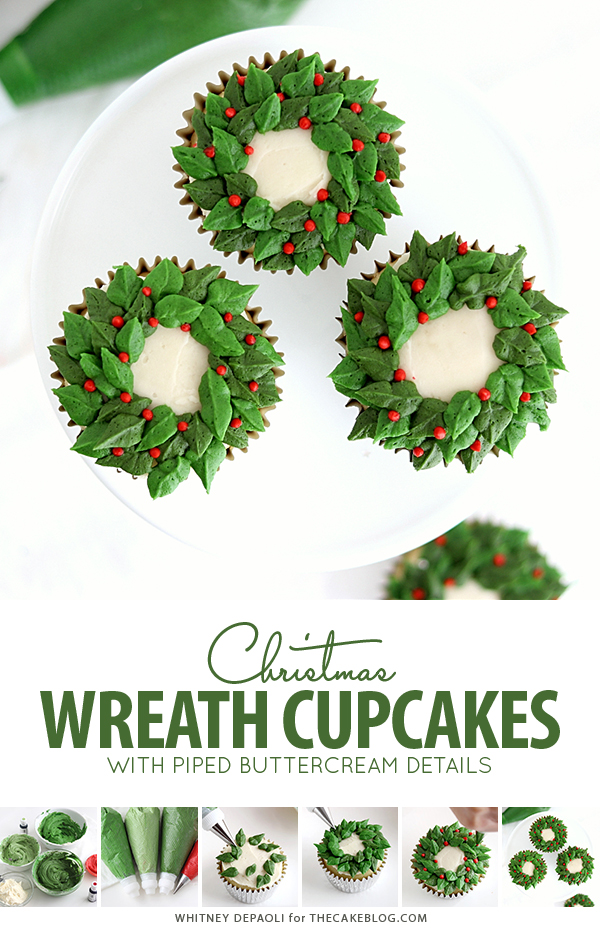
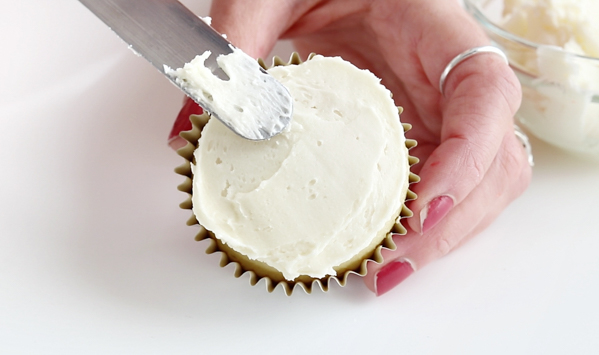
The process begins with a foundational layer of uncolored American buttercream, applied thinly across the cupcake surface with an icing spatula. This "crumb coat" or base layer serves two primary functions: it provides a smooth canvas for the subsequent piped designs and ensures moisture retention within the sponge. The selection of American buttercream is notable; while Swiss Meringue or Italian Meringue varieties are often preferred in professional kitchens for their stability, American buttercream’s higher crusting capability makes it an ideal medium for the intricate, high-definition piping required for wreath structures.
Chronological Execution of the Three Core Designs
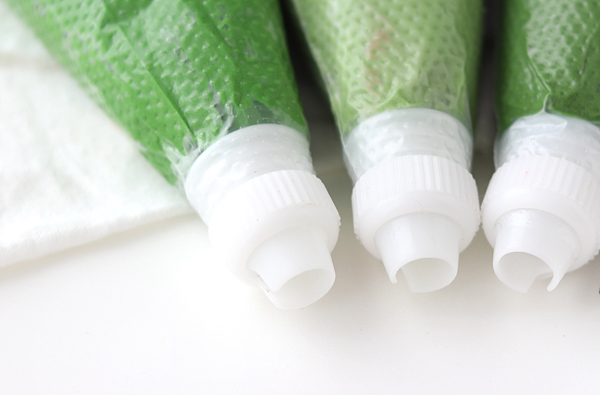
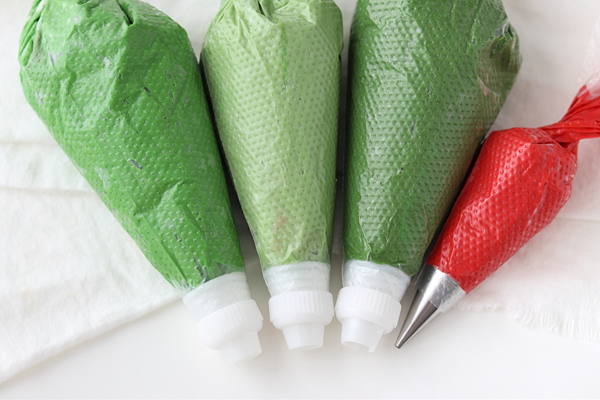
The tutorial outlines a specific sequence for each of the three designs, emphasizing the importance of tool management through the use of couplers. Couplers allow for the rapid interchange of piping tips without the need to evacuate and refill piping bags, a logistical efficiency that is critical when working with multiple colors and textures.
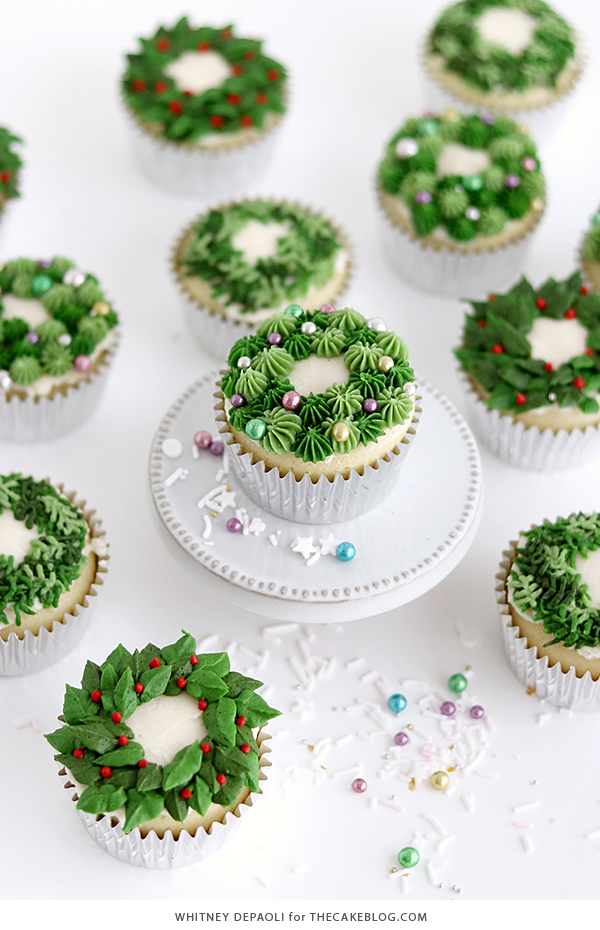
The Berry Wreath: Precision Leaf Piping
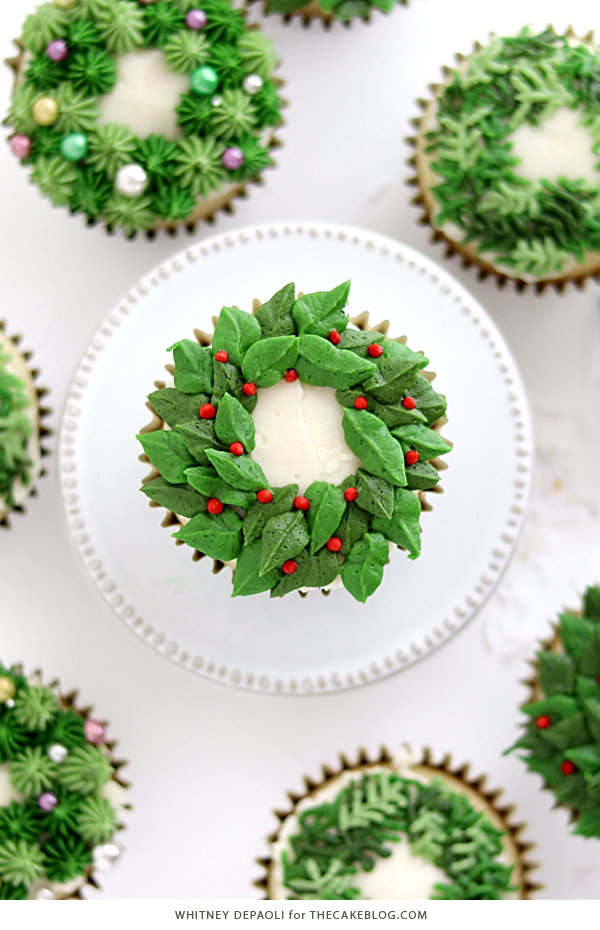
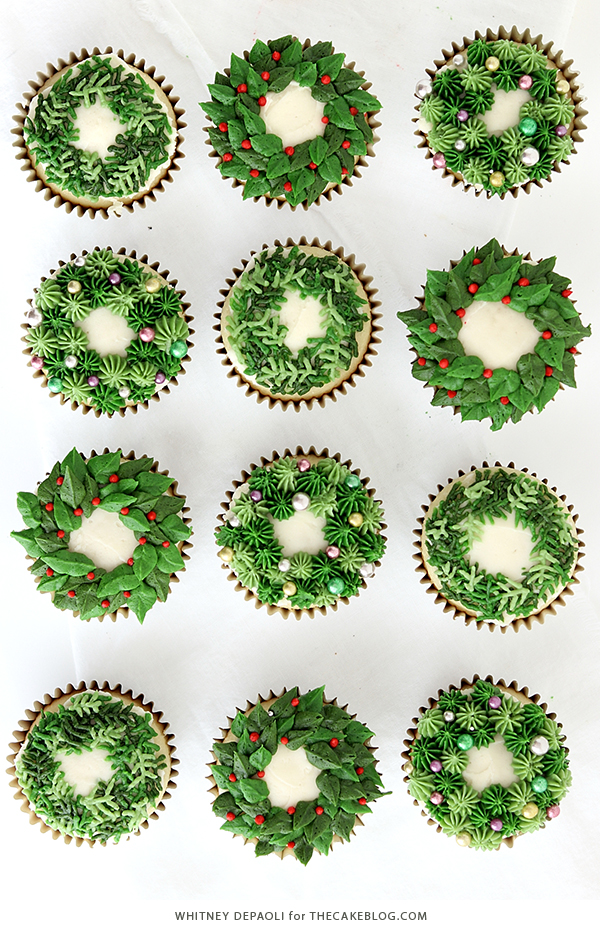
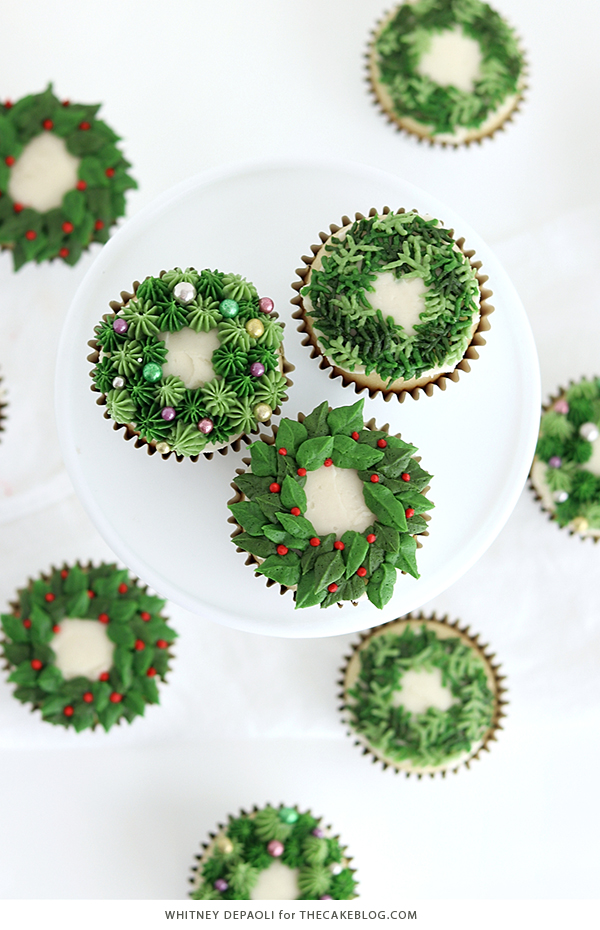
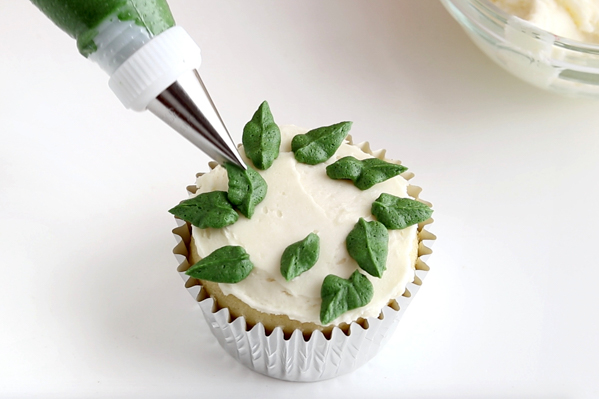
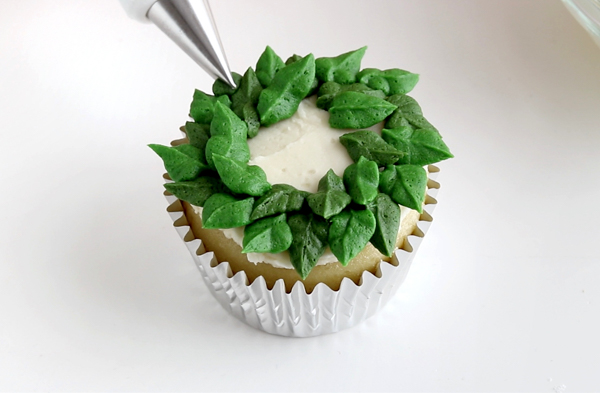
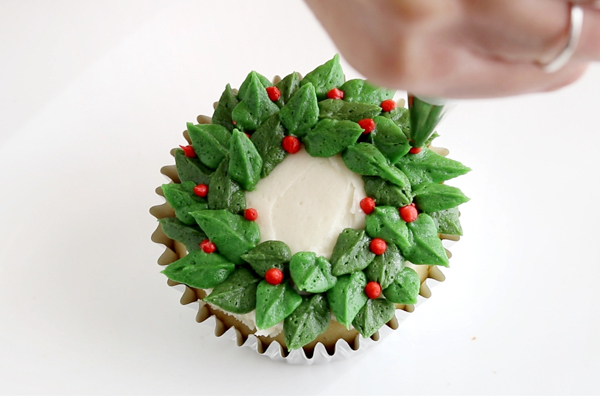
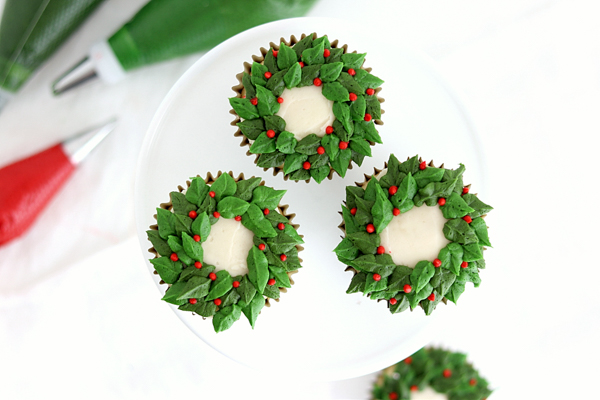
The Berry Wreath design utilizes the #352 leaf tip, a specialized nozzle featuring a V-shaped "beak" profile. The technique requires the baker to hold the tip parallel to the cupcake surface, applying steady pressure while pulling the bag toward the body to create overlapping leaf structures. By alternating between medium and dark green buttercream, the baker creates a realistic, variegated foliage ring. The final stage involves the application of "berries" using a #3 round tip and red buttercream, strategically placed to provide a sharp color contrast that adheres to traditional holiday color theory.
The Pine Sprig Wreath: Linear Texture and Depth
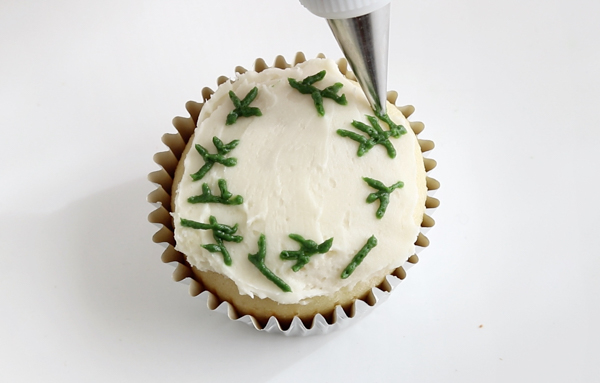
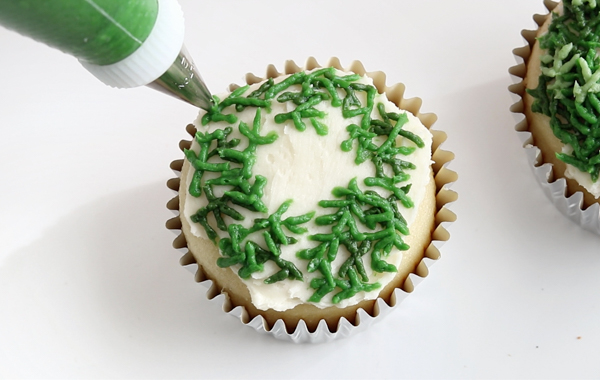
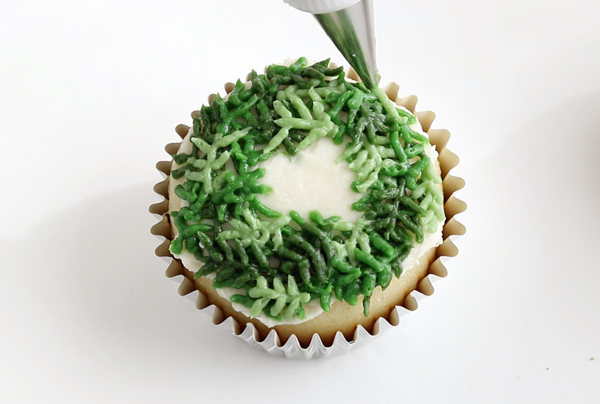
Considered the most labor-intensive of the trio, the Pine Sprig Wreath mimics the needle-like texture of coniferous trees. Using a #3 round tip for all three shades of green, the decorator must pipe a series of central lines, over which small "V" shapes are layered to simulate pine needles. This design relies heavily on the density of the piping; the objective is to minimize white space, creating a lush, textured ring that reflects the density of a real evergreen branch.
The Sprinkled Wreath: Stylized Modernism
The third design, the Sprinkled Wreath, offers a more stylized, modern interpretation. Utilizing a #199 open star tip, the baker creates a series of "drop stars"—small, ridged dollops of frosting—around the perimeter. This technique provides a structured, geometric appearance that serves as a stable base for decorative elements. The addition of spherical sprinkles, such as the "Serendipity" mix from Fancy Sprinkles, simulates the appearance of ornaments, bridging the gap between traditional baking and contemporary candy design.
Supporting Data: The Economics of Holiday Baking
The release of this tutorial coincides with a significant seasonal surge in the home baking sector. According to market research data from the Specialty Food Association, consumer spending on baking ingredients and supplies typically increases by 25% to 30% during the fourth quarter. The "DIY" (Do-It-Yourself) movement in the culinary arts has been further bolstered by the growth of the global cake decorating market, which was valued at approximately $8.1 billion in 2023 and is projected to expand at a compound annual growth rate (CAGR) of 5.4% through 2030.
Tutorials like Christmas Wreath Cupcakes play a vital role in this economic ecosystem by driving the sale of specialty tools. The emphasis on specific piping tips (#352, #3, #199) and couplers directly influences purchasing patterns at retail outlets like Michael’s, Hobby Lobby, and online platforms like Amazon. Furthermore, the use of professional-grade gels like Americolor highlights a shift in consumer behavior toward higher-quality, pigment-dense ingredients that were previously reserved for commercial bakeries.
Historical Context and Symbolic Significance
The transition of the wreath from a door-hanging ornament to a culinary motif is a reflection of broader cultural trends in domestic arts. Historically, the wreath has served as a symbol of eternal life and the changing of seasons, dating back to ancient Roman and Germanic traditions. In the context of 21st-century food styling, the wreath has become a ubiquitous seasonal "template" because its circular form is easily adapted to various mediums, from charcuterie boards to cookies and, most effectively, cupcakes.
Pastry historians note that the "miniaturization" of holiday symbols—taking a large-scale item like a Christmas tree or a wreath and rendering it in a single-serving format—appeals to the modern consumer’s desire for portion control and individual presentation. This trend is particularly prevalent in corporate holiday events and socially distanced gatherings, where individual servings are preferred over communal cakes.
Inferred Industry Reactions and Expert Analysis
Professional decorators and industry influencers have largely responded positively to the methodology presented in the Christmas Wreath Cupcakes tutorial. The consensus among culinary educators is that the use of three shades of green is the most effective way to teach "visual weight" to novice bakers.
"The primary challenge in holiday baking is avoiding a ‘flat’ appearance," says an inferred industry analyst specializing in food aesthetics. "By prescribing a light, medium, and dark green palette, this tutorial forces the baker to create shadows and highlights through color rather than just physical texture. It is a sophisticated lesson in color theory disguised as a simple holiday project."
Furthermore, the choice of the #352 tip is praised for its versatility. Unlike standard star tips, the leaf tip requires a specific hand-wrist coordination that, once mastered, allows the baker to transition into more advanced floral piping, such as roses and hydrangeas. In this sense, the Christmas Wreath Cupcakes serve as a foundational training exercise for aspiring pastry artists.
Broader Impact and Social Media Implications
In the current digital landscape, the success of a recipe or tutorial is often measured by its "virality" on platforms like Pinterest and TikTok. The Christmas Wreath Cupcakes are designed with these platforms in mind. The high-contrast colors (red on green) and the satisfying, repetitive nature of the piping process make for ideal short-form video content.
Data from social media analytics firms suggests that holiday-themed food tutorials see a 40% higher engagement rate when they involve "process-oriented" visuals—videos that show the frosting being squeezed through the tip in slow motion. By providing three distinct designs, DePaoli increases the likelihood of user-generated content, as home bakers are encouraged to share their "assortment" of wreaths, thereby creating a community-driven feedback loop that extends the lifespan of the original content.
Implications for the Future of Home Confectionery
The Christmas Wreath Cupcakes tutorial is more than a seasonal recipe; it is a manifestation of the "prosumer" trend in the kitchen, where the line between professional chef and home consumer continues to blur. As access to high-quality ingredients and instructional media increases, the expectation for home-baked goods has shifted from simple flavors to complex, artisanal presentations.
This shift has long-term implications for the bakery industry. Professional bakeries are now forced to innovate further to stay ahead of the highly skilled home baker, leading to an overall elevation of standards in the pastry arts. As the 2024 holiday season progresses, the Christmas Wreath Cupcakes stand as a benchmark for how traditional symbols can be reimagined through technical precision and creative color application, ensuring that the holiday dessert table remains a central focus of festive celebration and artistic expression.