


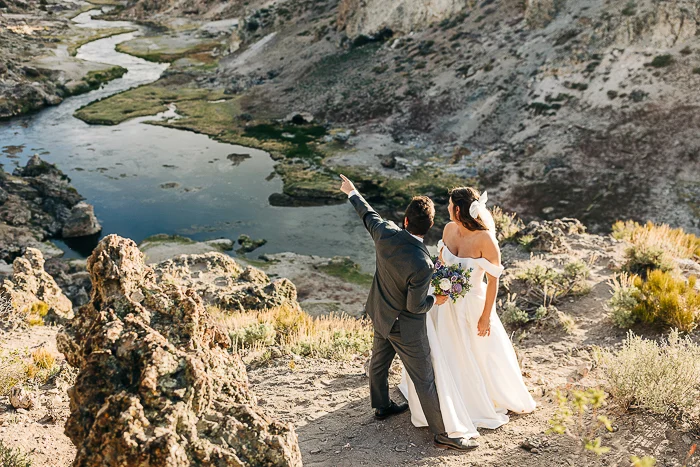
The Photobug Community recently concluded its "Body Language" photo challenge for June, demonstrating photography’s profound capacity to convey deep emotion without relying on visible facial expressions. This initiative underscored a fundamental principle of visual storytelling: that the human form, through posture, gesture, and interaction, can articulate complex feelings of joy, sadness, pain, and, most notably, love, with striking clarity and impact. The challenge invited photographers to explore the nuanced world of non-verbal communication, culminating in a collection of images that resonated deeply with viewers, proving that emotional connection transcends the need for direct eye contact or discernible smiles.
The Enduring Significance of Non-Verbal Communication
Human communication is a multifaceted phenomenon, with non-verbal cues playing a substantial, often subconscious, role. Decades of research in fields like psychology and anthropology have consistently highlighted the power of body language. Dr. Albert Mehrabian’s work, for instance, famously suggested that a significant portion of communication’s impact derives from non-verbal elements, including body language and tone of voice, rather than spoken words alone. While the precise percentages are often debated and context-dependent, the underlying principle holds: our bodies communicate volumes. From the subtle lean of a head to the intertwining of hands, every physical interaction and posture carries emotional weight and narrative potential.
In the context of photography, this principle is amplified. A photographer’s ability to capture these fleeting, often unconscious, physical expressions can transform a simple image into a powerful narrative. The absence of a face, rather than diminishing emotional impact, can sometimes intensify it. It forces the viewer to engage more deeply with the scene, interpreting the story through the contours of a back, the tension in a shoulder, or the tender clasp of hands. This approach can universalize emotion, allowing viewers to project their own experiences and understanding onto the anonymous figures, thereby fostering a more personal and profound connection with the artwork.
A Historical Perspective on Emotional Capture in Photography
From the earliest daguerreotypes to contemporary digital art, photographers have continually sought to capture the human experience. Initially, due to technical limitations requiring long exposure times, early portraiture often featured stiff, formal poses. However, as technology advanced, enabling faster shutter speeds, photographers began to explore more candid and expressive forms of emotional capture. Pioneering figures like Henri Cartier-Bresson, with his concept of the "decisive moment," emphasized capturing spontaneous, unposed actions that revealed deeper truths about human nature.
While facial expressions have traditionally been the primary conduits for conveying emotion in portraits and photojournalism, there has always been a subtle undercurrent of appreciation for body language. Photographers have long understood that a slumped posture can convey despair, a celebratory leap can express elation, and a gentle embrace can signify deep affection, irrespective of whether the subjects’ faces are visible. This challenge, however, deliberately pushed this concept to the forefront, asking participants to make body language the exclusive focus of emotional transmission, thus challenging conventional photographic paradigms and encouraging a more nuanced approach to visual storytelling.
The Photobug Community: Fostering Creative Growth
The Photobug Community, established as a prominent online platform, serves as a vital hub for photographers worldwide, offering resources, inspiration, and a collaborative environment. Its mission revolves around nurturing photographic talent, fostering creativity, and building a supportive network where professionals and enthusiasts alike can share work, learn, and grow. Regular photo challenges are a cornerstone of the community’s engagement strategy, designed not only to inspire creativity but also to push participants beyond their comfort zones, encouraging them to experiment with new techniques and perspectives.
These challenges typically revolve around specific themes, ranging from lighting techniques to genre-specific prompts, providing a structured framework for artistic exploration. The "Body Language" challenge is a testament to the community’s commitment to exploring the deeper dimensions of photography, moving beyond mere aesthetics to delve into the psychological and emotional layers of visual art. By setting a seemingly restrictive parameter – the absence of visible faces – the challenge paradoxically opened up new avenues for expressive freedom and forced photographers to hone their observational skills and compositional prowess.
The Genesis and Execution of the ‘Body Language’ Challenge
The "Body Language" challenge for June 2024 was announced in late May, inviting members to submit photographs that conveyed emotion primarily through the subjects’ physical interactions and postures, without revealing their faces. The premise was simple yet profound: could an image evoke the same emotional intensity and narrative depth if the viewer couldn’t see the subjects’ eyes or smiles? The challenge aimed to prove that the answer is an emphatic yes.
Participants typically had several weeks to conceptualize, shoot, and submit their entries. The judging criteria, though not explicitly detailed, would inherently focus on emotional impact, compositional strength, technical execution, and, most importantly, the clear and compelling communication of the theme. The expectation was that submissions would showcase diverse interpretations of "body language," ranging from intimate moments between couples to broader human interactions, all unified by the central constraint. The community’s open call facilitated a wide array of submissions, reflecting various photographic styles and cultural contexts, all united by the universal language of human emotion. The sheer volume and quality of submissions indicated a strong resonance with the theme, highlighting photographers’ eagerness to delve into less conventional forms of expression.
Spotlight on Submissions: The Art of Silent Storytelling
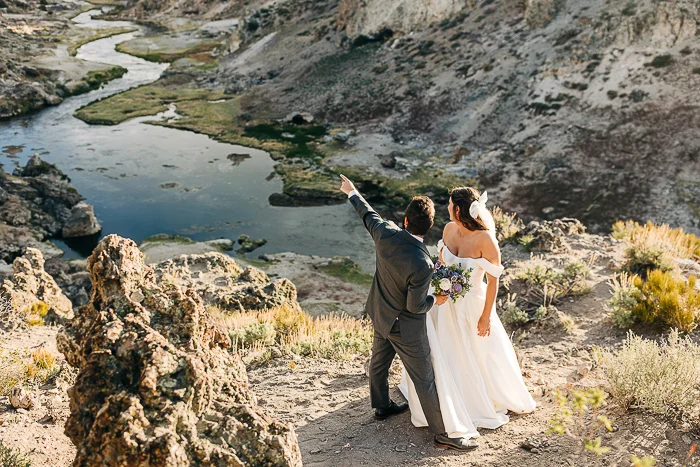
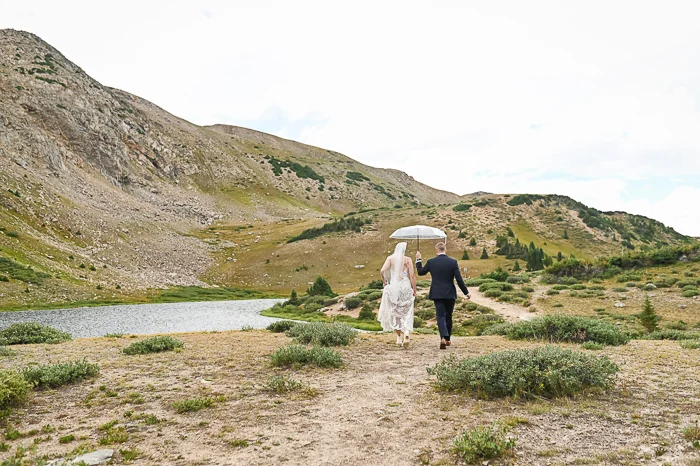
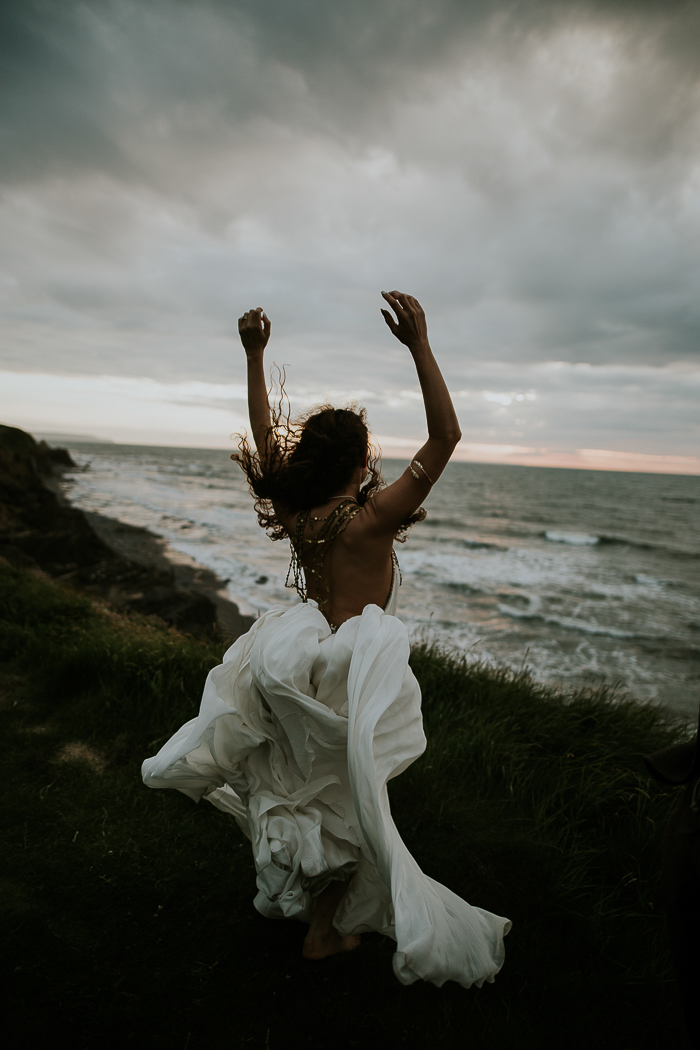
The submissions to the "Body Language" challenge collectively demonstrated an extraordinary ability to evoke powerful emotions. These images moved viewers through the subtle arch of a back, the protective curve of an arm, the tender intertwining of fingers, or the shared silhouette against a dramatic backdrop. Each photograph became a silent narrative, inviting viewers to fill in the unspoken dialogue and imagine the context of the depicted emotions.
One notable example, as highlighted by the Photobug Community, was an image by Samsul Hidayat. While the specific details of the photograph are not extensively described, its selection as a featured piece strongly implies its success in fulfilling the challenge’s core premise. Such an image, in the context of this challenge, would likely capture a moment of profound connection or emotion between individuals, where their physical interaction—a shared gaze, a comforting embrace, or a symbolic gesture—speaks volumes without the need for facial recognition. The impact of such images lies in their universal appeal; they tap into shared human experiences of love, comfort, vulnerability, and joy, making them relatable across diverse audiences. The absence of faces allows the viewer to project themselves or their loved ones into the scene, fostering a deeper, more personal connection.
Expert Perspectives and Community Reactions
The "Body Language" challenge garnered significant positive feedback from the Photobug Community and beyond. A spokesperson for the Photobug Community, reflecting on the challenge’s success, stated, "We were absolutely overwhelmed by the creativity and emotional depth of the submissions. This challenge truly underscored our belief that photography is a universal language, capable of conveying the most profound human emotions through even the subtlest non-verbal cues. It’s a powerful reminder that connection and empathy can be fostered without ever seeing a subject’s eyes."
Participating photographers frequently expressed how the challenge forced them to rethink their approach to capturing emotion. "It was incredibly liberating," remarked one photographer who contributed to the challenge. "Initially, I found it restrictive not being able to rely on facial expressions. But it pushed me to observe gestures, posture, and even the negative space around subjects in a completely new way. The results were often more intimate and raw than I anticipated." Another noted, "This challenge refined my ability to compose a shot that tells a story purely through form and interaction. It’s an invaluable skill for any photographer, especially in candid moments."
From a broader artistic perspective, art critics and psychologists who study visual perception often emphasize the cognitive processes involved when viewers interpret such images. Dr. Evelyn Reed, a visual arts commentator, noted, "Challenges like ‘Body Language’ are vital because they break down conventional notions of what constitutes emotional photography. By removing the most obvious cue—the face—it forces both the photographer and the viewer to engage with the subtle complexities of human interaction, fostering a deeper appreciation for the art of composition and empathetic observation."
Broader Implications for Photography and Visual Arts
The success of the "Body Language" challenge has several significant implications for the photography industry and visual arts as a whole. Firstly, it reinforces the growing trend towards authenticity and candidness in various genres, particularly wedding, family, and documentary photography. Clients are increasingly seeking images that capture genuine moments and emotions, and the ability to convey this without overt posing or direct facial engagement adds another layer of artistic depth.
Secondly, it serves as an educational tool, encouraging photographers to develop a keener eye for non-verbal cues. This skill is transferable across all photographic disciplines, enhancing a photographer’s overall observational prowess. It pushes artists to think more deeply about composition, lighting, and framing to emphasize the subtle interactions that tell a compelling story.
Finally, the challenge contributes to a broader understanding of visual literacy. It educates viewers about the richness of non-verbal communication and the diverse ways in which stories can be told through imagery. In an increasingly visual world, where images are consumed at an unprecedented rate, fostering a deeper appreciation for nuanced visual storytelling is crucial. It reminds us that powerful narratives often reside not in the obvious, but in the subtle, the suggestive, and the universally understood language of the human body.
The Enduring Message of Connection
Ultimately, the Photobug Community’s "Body Language" challenge stands as a powerful testament to photography’s enduring ability to connect people through shared emotional experiences. It highlights that love, joy, sorrow, and intimacy are not solely etched on faces but are profoundly expressed through the entirety of the human form. The challenge not only celebrated the technical and artistic skill of its participants but also reaffirmed a fundamental truth: no matter how a moment of human connection is captured, the intrinsic power of emotion, especially love, will always find a way to shine through, speaking a language understood by all. As the community continues to foster such innovative explorations, it reinforces the boundless potential of photography to reveal the depths of the human spirit.