

The traditional wedding industry, often characterized by its grand spectacles and meticulously choreographed moments, frequently places immense pressure on couples to project an idealized image of joy, romance, and unwavering normalcy for extended periods. This expectation to "perform" can be profoundly exhausting for anyone, but for autistic individuals, it often leads to significant sensory and emotional overload, potentially culminating in a total shutdown—an outcome universally undesirable for such a momentous occasion. Recognizing this critical need, especially in observance of World Autism Month, wedding professionals are increasingly advocating for a radical shift in planning philosophy: discarding conventional wedding "shoulds" in favor of building a system that unequivocally prioritizes the couple’s comfort and well-being above all else. This emerging approach seeks to transform the wedding day from a demanding performance into a deeply personal and genuinely joyful celebration.
The Inherent Challenges of Traditional Wedding Formats for Autistic Individuals
The conventional wedding narrative, steeped in long-standing social rituals, presents numerous potential pitfalls for autistic individuals. From the bright lights and loud music of a reception to the intense social interactions, unexpected changes, and the sheer duration of the event, the sensory and social demands can be overwhelming. Autistic individuals often experience heightened sensitivities to sensory input—such as specific sounds, textures, smells, or visual stimuli—and may find sustained eye contact or prolonged social engagement deeply taxing. The expectation to continuously "mask" or suppress autistic traits to conform to neurotypical social norms adds an immense cognitive and emotional burden. This constant effort to navigate an environment not designed for their comfort can detract significantly from the experience of their own wedding, transforming a celebration of love into an endurance test. Research from organizations like the National Autistic Society consistently highlights that social events, particularly large-scale ones, are among the most challenging environments for many autistic people due to these cumulative pressures.
A Growing Demand for Neuro-Inclusive Wedding Planning
The increased public awareness and understanding of neurodiversity, particularly autism, have spurred a quiet revolution within the wedding industry. Historically, wedding planning largely catered to a neurotypical default, leaving neurodivergent couples to adapt or endure. However, as more individuals receive autism diagnoses later in life and self-advocacy grows, there’s a palpable demand for wedding experiences that truly reflect and accommodate diverse neurological profiles. This shift is not merely about making minor adjustments but fundamentally rethinking the wedding structure. It involves moving away from a one-size-fits-all model to a bespoke approach where the couple’s unique sensory and social needs are the primary design parameters. Vendors who embrace this philosophy are finding themselves at the forefront of a more compassionate and inclusive industry, recognizing that a truly successful wedding is one where the couple feels safe, comfortable, and authentically themselves. This trend signals a broader societal movement towards greater accessibility and inclusion in all aspects of life, with personal milestones like weddings being no exception.
Empowering Strategies for a Sanctuary Wedding
Drawing on the collective wisdom of wedding professionals who have successfully guided neurodivergent couples, several practical and impactful strategies have emerged. These methods are designed to build robust emotional safety nets, allowing couples to experience their wedding day with genuine presence and joy.
-
The Indispensable Role of the Advocate Cousin (or Designated Point Person):
One of the most powerful tools for mitigating stress on an autistic wedding day is designating a trusted individual as a primary point person—an "advocate cousin." This person acts as a crucial buffer, shielding the couple from logistical inquiries, social navigation, and potential overstimulation. Jen Sulak of Weirdo Weddings in Texas recounted an instance where a bride’s cousin proactively engaged with vendors, sharing insights into the bride’s needs and offering support, particularly during photo sessions. This pre-emptive communication and active presence allow the couple to disengage from constant environmental monitoring, secure in the knowledge that their needs are being anticipated and addressed. The advocate’s role extends beyond mere coordination; they are an emotional anchor, a silent guardian who ensures the couple’s well-being remains paramount. This approach mirrors best practices in accessibility planning, where dedicated support personnel are crucial for navigating complex environments. -
Cultivating a Secret Language for Seamless Communication:
Effective communication is vital, and for autistic individuals, traditional forms may not always suffice in high-stress environments. The creation of a "secret language"—be it a specific word, phrase, or hand signal—allows couples to express their internal state without the need for lengthy explanations or social performance. Jen Sulak observed an advocate using a particular "laugh word" that would reliably elicit genuine laughter from the bride when needed, deflecting tension and fostering a moment of authentic joy. Similarly, Pennsylvania wedding planner Merida Alexander employs safe words or hand signals with her clients. Upon receiving such a signal, she immediately finds a reason to excuse the client from any conversation and escorts them to a quieter space. This non-verbal, discreet communication empowers the couple to signal overwhelm or discomfort without drawing attention or feeling obligated to justify their needs, maintaining the flow of the event while prioritizing their emotional safety. This tactic is a direct response to the challenges of verbal processing and social masking often experienced by autistic individuals. -
Strategically Shifting the Focus of Attention:
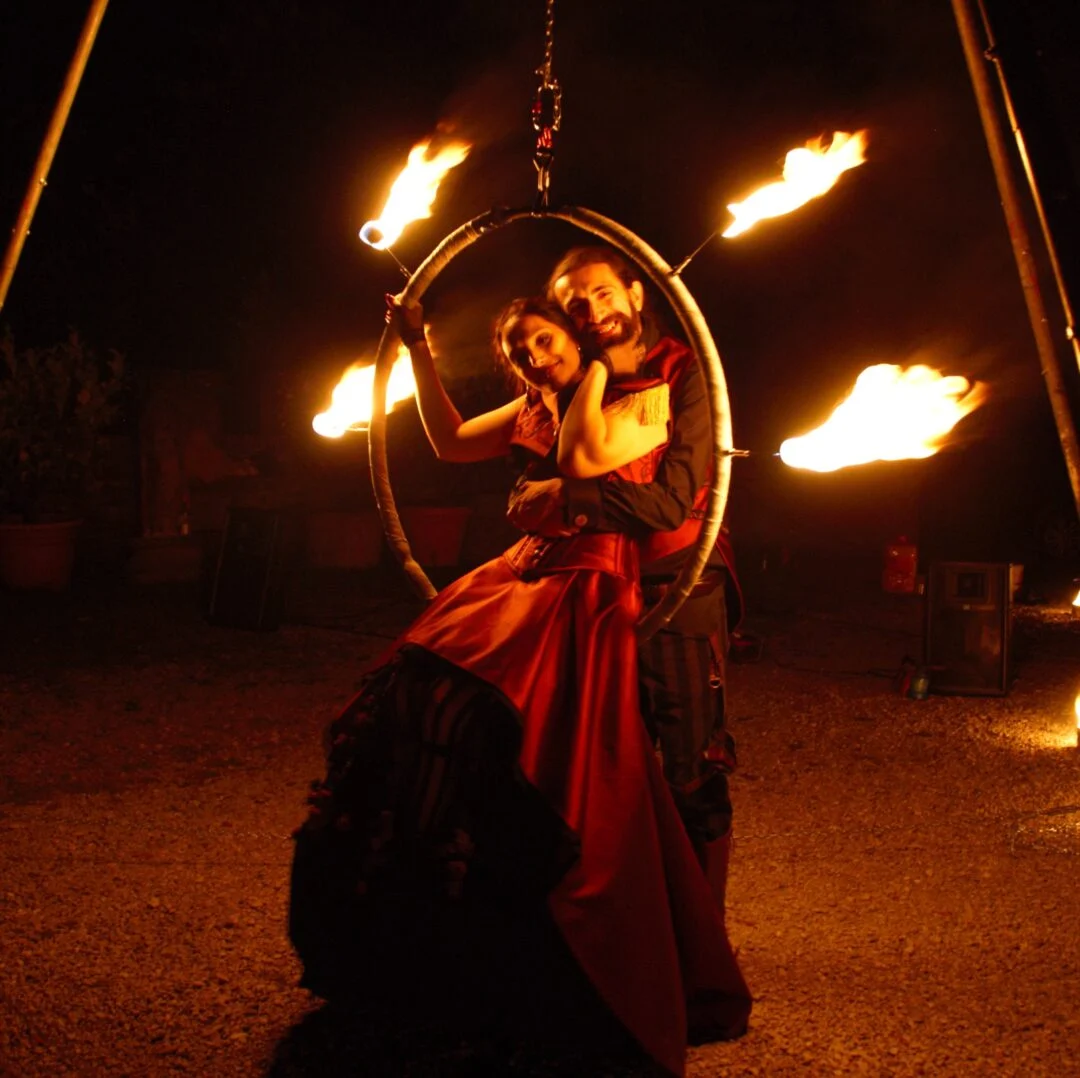
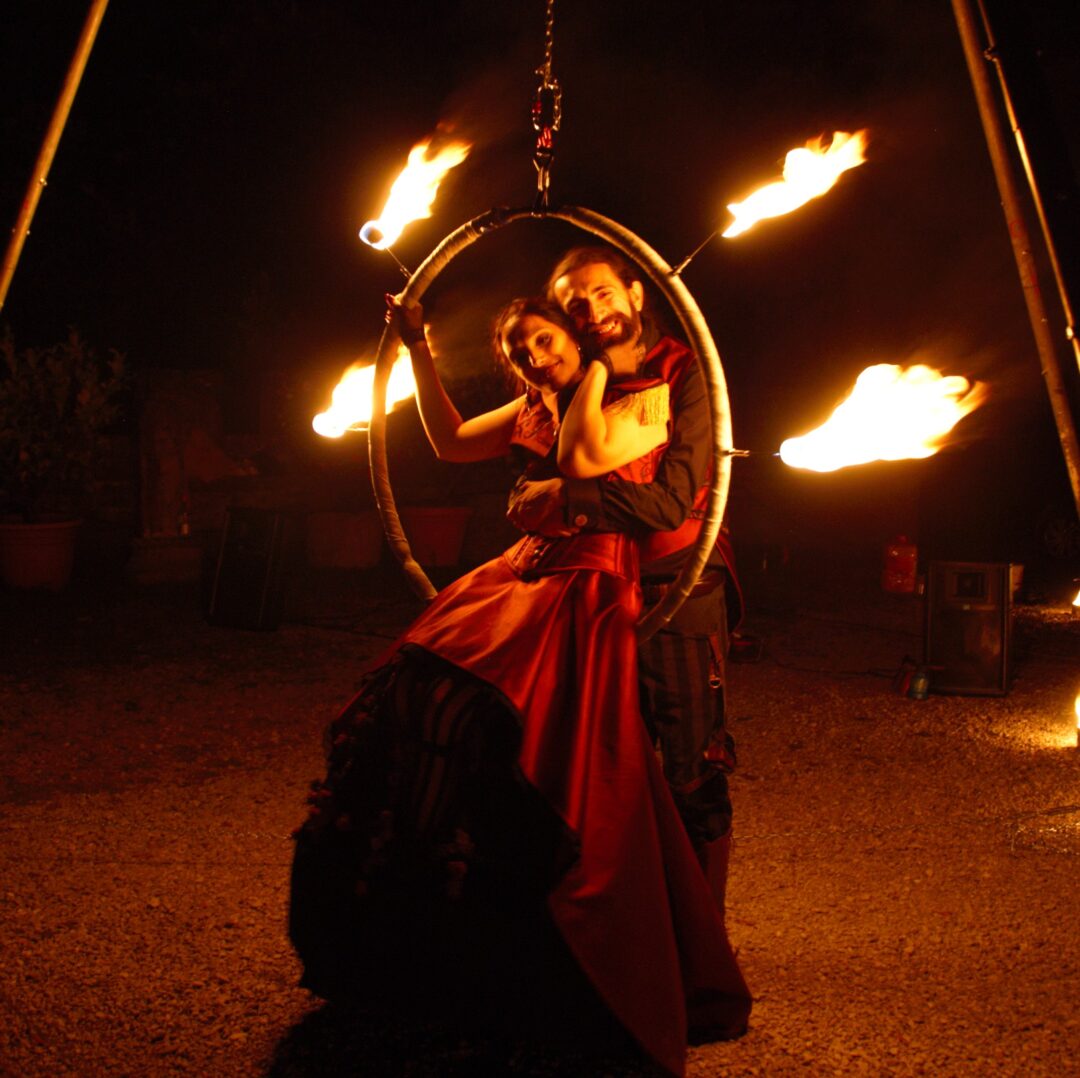
While some couples relish being the center of attention, for many autistic individuals, prolonged and intense scrutiny can be profoundly uncomfortable and contribute to sensory overload. Creative planning can effectively redirect the spotlight, allowing the couple to relax and enjoy the celebration from a more comfortable vantage point. Costanza from Magical Vows Wedding Planners and Emotion Designers in Italy recounted orchestrating a fire-dancing spectacle instead of a traditional dance party for an autistic bride. This captivating performance entertained guests while simultaneously reducing the pressure on the bride, allowing her to relax without being the constant focal point. Furthermore, the low lights associated with such an event helped mitigate visual overstimulation. This innovative approach demonstrates how entertainment can be reimagined to serve not just the guests, but crucially, the couple’s sensory and social comfort. -
Designing Quiet Moments and Dedicated Sensory-Friendly Spaces:
Building in deliberate quiet moments and establishing designated sensory-friendly spaces are critical for managing potential overwhelm. Jen Sulak described a wedding where a quiet area was specifically created for neurodivergent guests or anyone with sensory needs, offering a refuge from the main reception. Additionally, crafts were provided at each table, offering a tactile activity for guests who preferred to engage their hands, and the DJ was instructed to maintain a slightly lower music volume than typical. Even traditionally high-pressure moments, like the "First Look," can be transformed into quiet, intimate experiences. Jen Sulak emphasized that "giving the couple a space to just be together without the pressure of a crowd made a huge difference," allowing for a genuine, unmasked connection. These deliberate interventions create pockets of calm amidst the celebration, offering opportunities for regulation and restoration.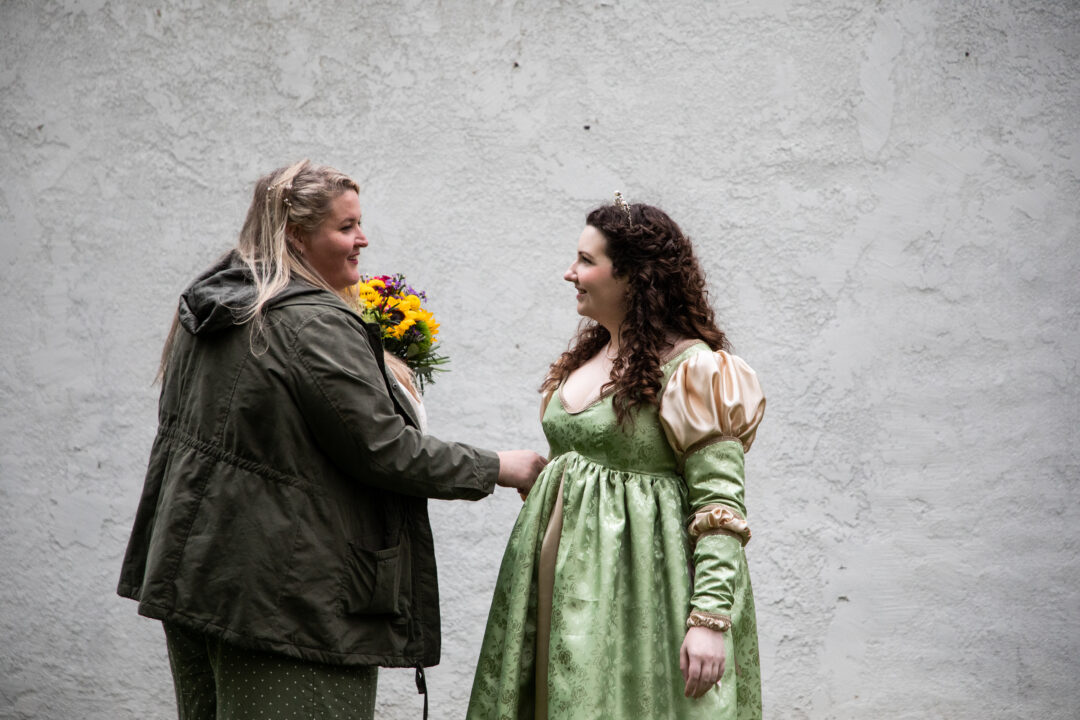
-
Prioritizing Sensory-Friendly Fashion as a Planning Boundary:
Wedding attire, often chosen for aesthetic appeal and tradition, can be a constant source of sensory input throughout the day. For autistic individuals, certain fabrics, fits, or embellishments can quickly become irritating. Sam Waldron of Dutcher Photography in Wisconsin highlighted a couple who prioritized both their identities and sensory comfort in their fashion choices. Both partners, one non-binary and the other a trans man, opted for jumpsuits and suits rather than traditional dresses, paired with comfortable yet stylish boots. This decision underscored the principle that wedding attire should evoke feelings of comfort and confidence, not irritation. Merida Alexander takes this a step further by physically carrying sensory items her clients might need, such as fidget toys or noise-canceling headphones, ensuring they are readily available in a quiet space or on the client’s chair when needed. The message is clear: if traditional wedding wear feels like a sensory nightmare, it should be rejected in favor of options that promote comfort and well-being.
Vendor Best Practices: The Imperative of Listening and Direct Communication
For wedding professionals seeking to better serve neurodivergent clients, the advice from Costanza at Magical Vows is both simple and profound: stop trying to anticipate, and start listening. She stresses the importance of client-led education: "Educate yourself… the best source is always your client, so, LISTEN." This means refraining from making assumptions and instead actively seeking to understand individual needs. Every autistic person is unique, and what works for one may not work for another. Costanza also emphasizes vigilant observation to catch signs of overstimulation early, ensuring that pre-prepared quiet spaces are genuinely functional for the specific client.
Equally crucial is the manner in which vendors communicate. Merida Alexander highlights that directness is paramount when working with autistic clients. This entails avoiding euphemisms, sarcasm, or overly subtle cues, and instead explicitly inquiring about preferred communication styles. Merida often "tests out some turns of phrase to see how literal someone will be," ensuring clarity without being condescending. The goal is to establish a communication style that fosters understanding and trust, preventing confusion or the perception of being "talked down to." For many autistic individuals, the wedding planning process marks a significant moment of realizing they do not have to mask their neurological differences. Finding a vendor who truly understands and accommodates their way of processing information can transform a potentially confusing and stressful experience into a genuinely joyful and affirming journey.
Broader Implications: Redefining the Wedding Experience for All
The strategies developed for neuro-inclusive weddings extend far beyond the autistic community. The emphasis on clear communication, designated quiet spaces, personalized schedules, and sensory-friendly environments can enhance the wedding experience for a wide spectrum of guests, including those with anxiety, chronic illness, or simply those who appreciate a more relaxed and mindful celebration. By challenging the rigid norms of the traditional wedding industry, these practices are paving the way for a more empathetic and adaptable approach to event planning as a whole. This movement towards inclusivity is not merely about accommodating a minority but about enriching the experience for everyone involved, fostering an environment where authenticity and comfort are celebrated.
Ultimately, a wedding day is a deeply personal declaration of love and commitment. It should serve as a sanctuary where couples can fully immerse themselves in the joy of their union, unburdened by societal expectations or sensory distress. By embracing strategies such as designated advocates, secret communication signals, mindful entertainment, sensory-friendly spaces, and comfortable attire, autistic couples can create a celebration that genuinely reflects their unique needs and personalities. This allows them to move beyond the exhausting performance of normalcy and truly be present, connecting with their partner and loved ones in an environment that nurtures their well-being. Leaning into tools that honor their neurodiversity is not just an accommodation; it is the most beautiful and authentic way to begin their neurospicy married life together.