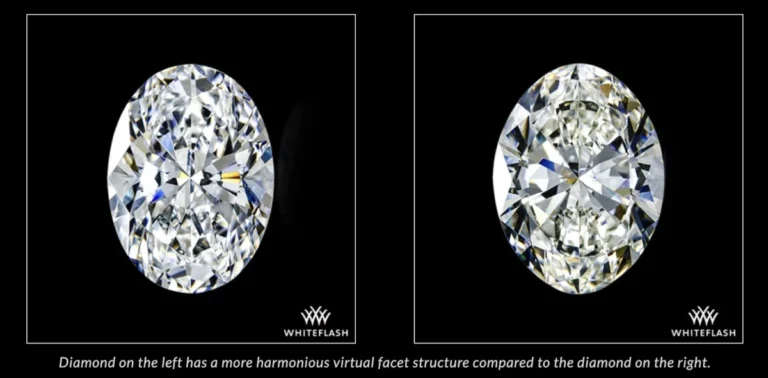



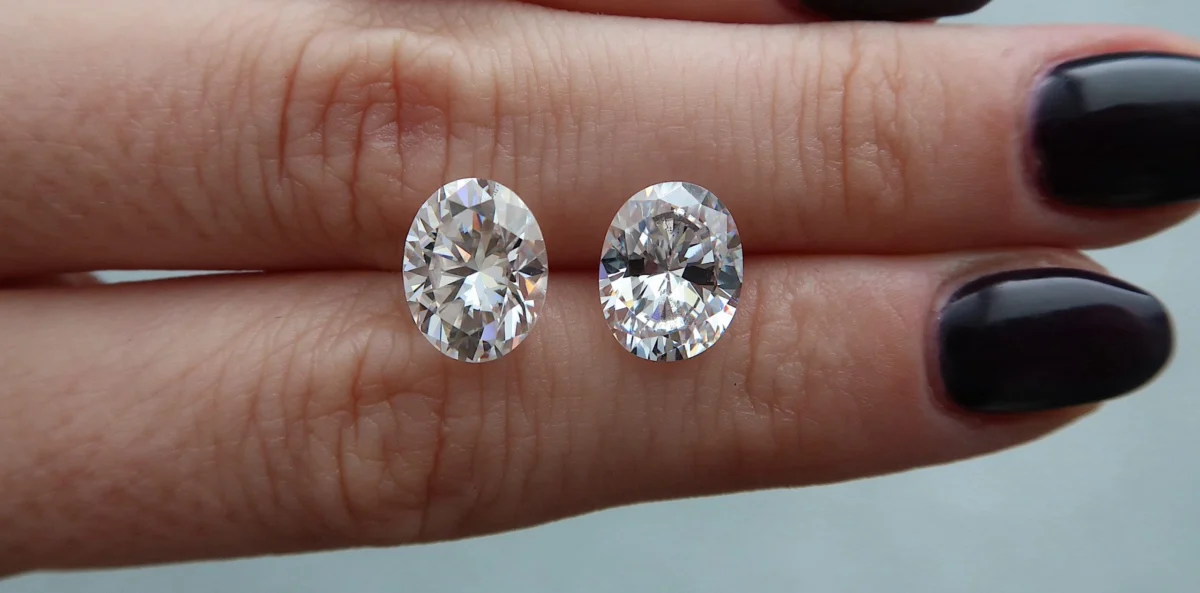
The allure of a diamond has captivated humanity for centuries, symbolizing love, commitment, and enduring value. Today, the landscape of diamond acquisition has expanded significantly, presenting consumers with choices that were once unimaginable. Standing at the jewelry counter, faced with the dazzling array of options, a crucial question arises: are lab-grown diamonds worth the investment compared to their more budget-friendly counterpart, cubic zirconia? This comprehensive guide delves into the science, characteristics, and market realities of both lab-grown diamonds and cubic zirconia, equipping you with the knowledge to make an informed decision without buyer’s remorse.
PriceScope, the largest diamond and jewelry forum, serves as a vital resource, connecting consumers with experts and fellow shoppers who have navigated these very choices. Through honest comparisons of lab-created diamonds, simulants, their optical properties, and long-term value, PriceScope empowers individuals to select the perfect affordable sparkle that aligns with their vision and budget, whether for an engagement ring, anniversary gift, or everyday adornment.

Understanding Lab-Grown Diamonds: The Science Behind the Sparkle
Lab-grown diamonds, also known as synthetic or cultured diamonds, represent a significant advancement in gemology. They are not imitations but authentic diamonds, possessing the identical chemical composition, crystal structure, and physical properties as natural diamonds mined from the Earth. The distinction lies solely in their origin: one is formed over billions of years deep within the Earth, while the other is meticulously engineered in controlled laboratory environments.
The creation of lab-grown diamonds typically involves one of two primary methods: High-Pressure High-Temperature (HPHT) and Chemical Vapor Deposition (CVD). Both processes aim to replicate the conditions under which natural diamonds form, but on an accelerated timeline.
The High-Pressure High-Temperature (HPHT) Manufacturing Process
The HPHT method directly mimics the Earth’s mantle conditions. It involves placing a small diamond seed crystal within a chamber containing a carbon source (like graphite) and a metal catalyst (such as nickel or iron). This assembly is then subjected to immense pressures, often exceeding 5 gigapascals (approximately 50,000 times atmospheric pressure), and temperatures ranging from 1,300 to 1,600 degrees Celsius. Over a period of several days to weeks, the carbon dissolves in the molten metal catalyst and crystallizes onto the diamond seed, growing it layer by layer. This process is highly effective at producing high-quality, often colorless diamonds, particularly those in smaller carat weights. However, residual metallic inclusions from the catalyst can sometimes be present, though they are usually small and may require post-growth treatments to improve clarity. The energy demands of HPHT are substantial, requiring specialized industrial presses.

The Chemical Vapor Deposition (CVD) Manufacturing Process
CVD offers an alternative pathway to diamond synthesis. In this method, diamond seeds are placed in a vacuum chamber, which is then filled with carbon-rich gases, typically a mixture of methane and hydrogen. Energy, often in the form of microwaves, is applied to create a plasma, breaking down the gases into carbon atoms. These carbon atoms then deposit onto the diamond seeds, gradually building up the diamond crystal structure. CVD operates at lower pressures and temperatures (around 700-1,200 degrees Celsius) compared to HPHT. This process is known for its ability to produce larger, high-purity diamonds with fewer metallic inclusions. It can also be more energy-efficient in certain configurations. Often, CVD-grown diamonds undergo a post-growth HPHT treatment to enhance their color and clarity, refining the gem’s appearance.
Key Properties and Characteristics of Lab-Grown Diamonds
Lab-grown diamonds share all the intrinsic properties of natural diamonds. They score a perfect 10 on the Mohs scale of hardness, making them exceptionally resistant to scratching and wear. Their refractive index of approximately 2.42 allows them to bend and disperse light brilliantly, resulting in the characteristic sparkle, fire, and scintillation that diamonds are prized for.
In terms of clarity and color, lab-grown diamonds are graded using the same rigorous 4Cs (carat, cut, color, and clarity) as natural diamonds. Due to the controlled nature of their creation, many lab-grown diamonds exhibit exceptional clarity, often surpassing that of naturally mined counterparts, which may contain more internal inclusions. Color can range from D (colorless) to Z, and even into fancy colors like yellow or blue, achieved through the controlled introduction of trace elements during the growth process.

The environmental impact of lab-grown diamonds is a topic of ongoing discussion. While they eliminate the ecological disruption associated with large-scale mining operations, the energy required for their production is significant. The carbon footprint varies depending on the energy sources used by manufacturing facilities. Many producers are increasingly focusing on renewable energy and efficient technologies to minimize their environmental impact.
Cubic Zirconia: The Affordable Diamond Simulant
Cubic zirconia (CZ) is a visually striking and highly affordable alternative to diamonds. It is a synthetic crystalline substance composed of zirconium dioxide (ZrO2). Unlike diamonds, which are pure carbon, CZ’s chemical makeup is entirely different. Its cubic crystalline structure is engineered in laboratories to mimic the optical properties of diamonds, particularly their brilliance and fire.
The Origins and History of Cubic Zirconia
While natural zirconium dioxide exists in trace amounts within zircon minerals, all cubic zirconia used in jewelry today is man-made. The quest for a convincing diamond simulant gained momentum in the mid-20th century. French and Soviet scientists experimented with creating usable versions in the 1960s. By the early 1970s, Soviet scientists had perfected a method for commercial production, leading to its introduction to the market around 1976. Its affordability and visual similarity to diamonds quickly made it the leading diamond imitation. Production scaled rapidly, with tens of millions of carats being produced annually by the 1980s.

The Manufacturing Process of Cubic Zirconia
The creation of cubic zirconia primarily utilizes a high-temperature melting process known as "skull melting." Zirconium oxide powder is mixed with stabilizers, such as yttrium oxide or calcium oxide, to maintain the desired cubic crystal structure. This mixture is then placed in a water-cooled copper crucible and heated to extreme temperatures, exceeding 4,900 degrees Fahrenheit (2,700 degrees Celsius), often using radio-frequency induction. This process melts the core material while the outer layer solidifies, forming a "skull" that contains the molten substance. As the molten material cools gradually over several hours or days, crystals form and grow. These crystals are then separated, cut, and polished. This controlled environment ensures a high degree of purity and uniformity, often resulting in flawless stones.
Key Properties and Characteristics of Cubic Zirconia
Cubic zirconia possesses a high refractive index, typically between 2.15 and 2.18, which contributes to its brilliant sparkle. Its dispersion, the ability to split white light into spectral colors (fire), is even higher than that of a diamond, resulting in more pronounced rainbow-like flashes. This can be appealing for those who desire a very vivid, flashy appearance.
On the Mohs scale of hardness, CZ ranks between 8 and 8.5. While this makes it relatively hard and suitable for occasional wear, it is significantly less durable than a diamond. Over time, cubic zirconia can become scratched, chipped, or develop a cloudy appearance due to exposure to oils, chemicals, and everyday abrasion. This diminishes its luster and brilliance. CZ is typically flawless and colorless unless intentionally doped with colorants to simulate colored gemstones.

The environmental impact of CZ production is generally considered lower than that of mined diamonds due to the absence of large-scale mining. However, the energy consumption in its high-temperature manufacturing process still contributes to its overall footprint.
Direct Comparison: Lab-Grown Diamonds vs. Cubic Zirconia
When faced with the decision between a lab-grown diamond and cubic zirconia, understanding their fundamental differences is paramount. While both offer a path to acquiring sparkling jewelry at a lower cost than natural diamonds, their intrinsic qualities and long-term value diverge significantly.
Chemical Composition
The most critical distinction lies in their elemental makeup. Lab-grown diamonds are pure carbon, identical in chemical composition to natural diamonds. This carbon lattice structure is the foundation of their exceptional hardness, thermal conductivity, and brilliance. Cubic zirconia, conversely, is zirconium dioxide, a compound with no carbon content. This fundamental difference dictates their physical properties and ultimate value.

Appearance and Optical Properties
Both materials are engineered to sparkle, but they achieve this through slightly different optical mechanisms. Lab-grown diamonds exhibit the classic diamond sparkle, a sophisticated interplay of white light reflection (brilliance) and spectral colors (fire), with a refractive index of approximately 2.42. Cubic zirconia, with its higher dispersion, often displays more intense, rainbow-like flashes. While initially dazzling, this can sometimes appear less refined or overly artificial compared to the more nuanced sparkle of a diamond. The refractive index of CZ ranges from 2.15 to 2.18.
Durability and Longevity
Durability is a key differentiator. Lab-grown diamonds, being true diamonds, score a perfect 10 on the Mohs hardness scale. This makes them incredibly resistant to scratches and wear, ensuring they retain their beauty and integrity for a lifetime, even with daily wear. Cubic zirconia, with a hardness of 8-8.5, is more susceptible to abrasion. Over time, its surface can become dulled and scratched, diminishing its sparkle. For jewelry intended to be worn daily and passed down through generations, the superior durability of lab-grown diamonds is a significant advantage.
Price and Value Retention
Price is often the initial draw for both alternatives to natural diamonds. Lab-grown diamonds are typically priced 30-50% lower than comparable natural diamonds, offering substantial savings while still representing a genuine diamond. Their value retention is also more stable than that of cubic zirconia, as they are recognized as true diamonds.
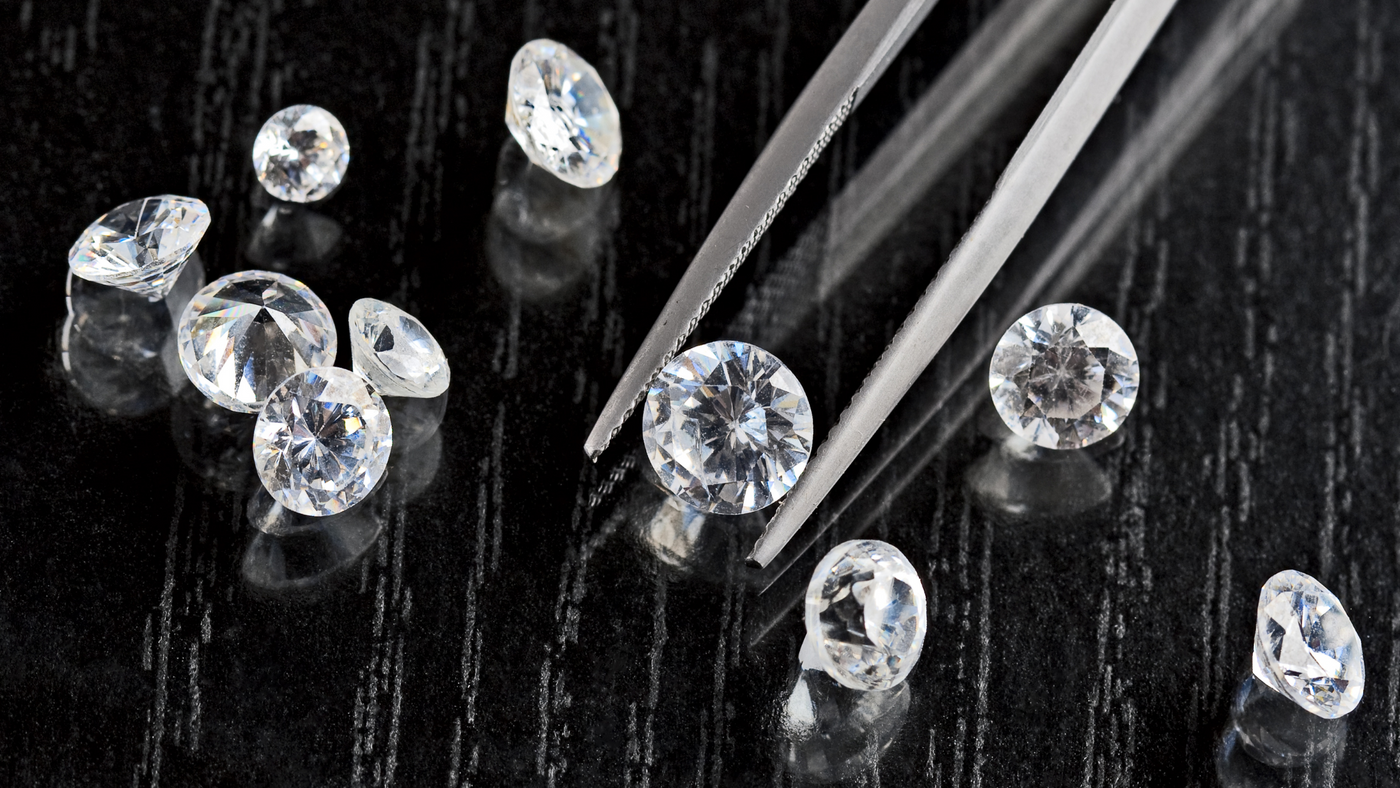
Cubic zirconia is significantly more affordable, often costing a fraction of even lab-grown diamonds. A one-carat CZ might cost as little as $10-$30. This extreme affordability makes it ideal for fashion jewelry or pieces intended for occasional wear. However, CZ has virtually no resale value and its visual appeal degrades over time, making it a less sound investment for enduring pieces.
Environmental and Ethical Considerations
Both lab-grown diamonds and cubic zirconia avoid the environmental and ethical concerns sometimes associated with traditional diamond mining, such as habitat disruption, water usage, and potential labor issues. However, the energy consumption for producing lab-grown diamonds is a factor to consider, with many manufacturers actively pursuing sustainable energy sources. Cubic zirconia production also requires significant energy for its high-temperature manufacturing process. The choice between them in terms of environmental impact often depends on the specific practices of individual manufacturers.
Making the Choice: Which is Right for You?
The decision between a lab-grown diamond and cubic zirconia hinges on individual priorities and the intended purpose of the jewelry.

Choose Cubic Zirconia If:
- Budget is the absolute primary concern: If you need a dazzling piece of jewelry that looks spectacular but comes at the lowest possible cost, CZ is the most budget-friendly option.
- The piece is for occasional wear or a fashion statement: For trendy items, statement jewelry, or pieces meant for specific events rather than daily wear, CZ can provide the desired sparkle without a significant financial commitment.
- You desire larger stones or intricate designs at minimal cost: CZ allows for the acquisition of larger carat weights or more complex designs that would be prohibitively expensive with diamonds.
However, it’s crucial to acknowledge that CZ is a simulant, not a real diamond. Its visual appeal may diminish over time, and it lacks the enduring value and prestige associated with diamonds.
Choose Lab-Grown Diamonds If:
- You prioritize authenticity and genuine diamond properties: If you want a stone that is chemically, physically, and optically identical to a natural diamond, a lab-grown diamond is the choice.
- Durability and longevity are important: For engagement rings, wedding bands, or any piece intended for daily wear and to last a lifetime, the superior hardness and resilience of lab-grown diamonds are essential.
- You seek long-term value and heirloom potential: Lab-grown diamonds are recognized as real diamonds and are likely to hold their value better than simulants.
- You desire significant savings compared to natural diamonds without compromising on quality: Lab-grown diamonds offer a way to acquire larger or higher-quality diamonds than might be possible with natural diamonds at a similar price point.
- Transparency and verifiable grading are important: Reputable vendors provide grading reports for lab-grown diamonds, ensuring you know exactly what you are purchasing.
Trusted Vendors for Lab-Grown Diamonds
When investing in a lab-grown diamond, selecting a reputable vendor is as crucial as choosing the diamond itself. PriceScope recommends retailers with a proven track record for quality, service, and reliability, as well as those who are well-regarded by their community.
- Whiteflash: Renowned for precision-cut diamonds and detailed performance data, Whiteflash is a top-tier choice for those seeking exceptional quality and transparency in their lab-grown diamond selection.
- James Allen: Offering one of the largest online inventories, James Allen provides an immersive shopping experience with 360-degree imaging on every diamond, allowing for detailed inspection before purchase.
- Blue Nile: Combining a broad inventory with flexible payment options, Blue Nile makes larger purchases more manageable and offers a streamlined buying process for lab-grown diamonds.
These vendors provide detailed reports, high-resolution imagery, and often offer educational resources to help buyers make informed decisions.

Conclusion: An Informed Decision for Lasting Sparkle
The choice between lab-grown diamonds and cubic zirconia is not about one being definitively "better" than the other, but rather about understanding their distinct characteristics and aligning them with your personal needs, budget, and aspirations for your jewelry. While cubic zirconia offers an accessible entry into dazzling adornments, lab-grown diamonds provide the authentic brilliance, durability, and enduring value of true diamonds, making them an exceptional choice for significant milestones and pieces intended to be cherished for generations. By leveraging resources like PriceScope and understanding the science behind these sparkling alternatives, consumers can confidently select a gem that truly reflects their style and values.