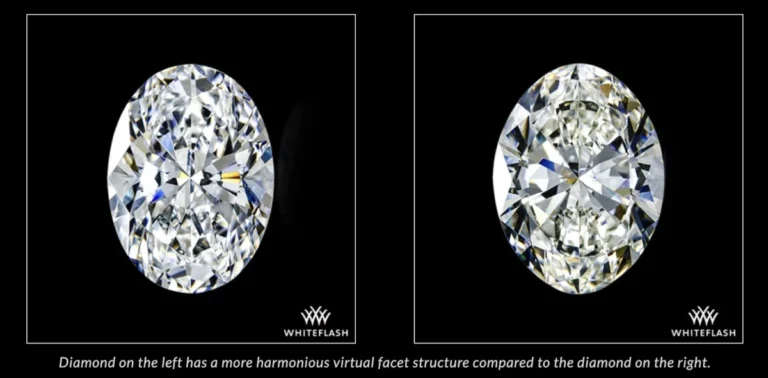



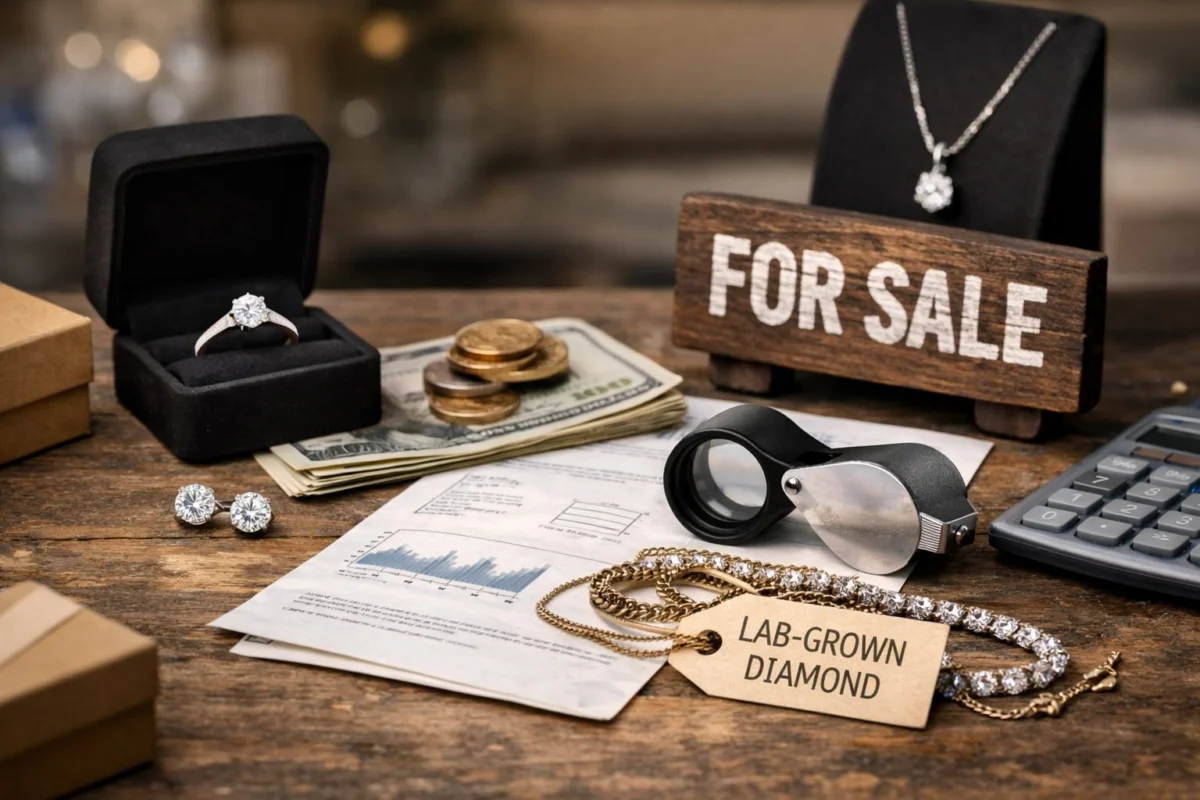
A dazzling diamond at the jewelry counter often sparks questions about its origin and value. Many potential buyers pause to consider the merits of lab-grown diamonds, weighing their lower upfront costs against concerns about resale value and evolving market trends. Understanding these factors is crucial for making a purchase that aligns with individual priorities and expectations. Reliable insights from experienced professionals and fellow consumers can offer a practical perspective beyond marketing claims, guiding decision-making in the increasingly complex world of diamond acquisition.
Understanding Lab-Grown Diamonds: Science Meets Sparkle
Lab-grown diamonds represent a significant technological advancement in the gemstone industry. These diamonds are not imitations; they are real diamonds, meticulously produced in controlled laboratory settings rather than formed through geological processes deep within the Earth over millions of years. Chemically, they are identical to their mined counterparts, composed of pure carbon atoms arranged in a precise crystal lattice. This identical structure bestows upon them the same exceptional physical and optical properties, including remarkable hardness and brilliant shine.

The creation of lab-grown diamonds occurs over weeks or months, utilizing rigorous scientific methods that ensure consistency and documented origins. This process offers a viable and increasingly popular alternative to traditional diamonds for a wide array of jewelry, from engagement rings to fine fashion pieces.
The Science Behind the Sparkle: HPHT and CVD Growth Methods
Two primary methods are employed in the creation of lab-grown diamonds: High Pressure High Temperature (HPHT) and Chemical Vapor Deposition (CVD).
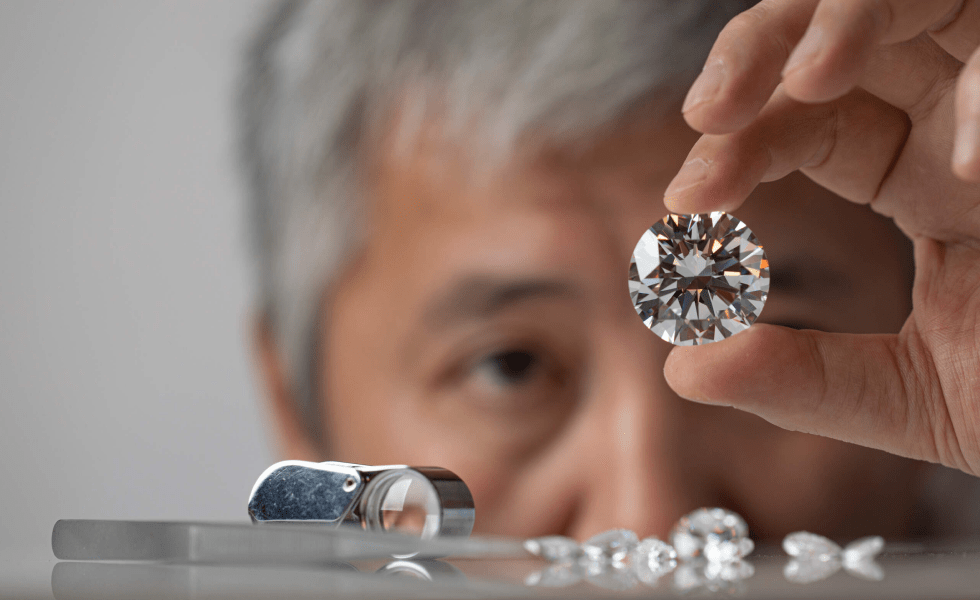
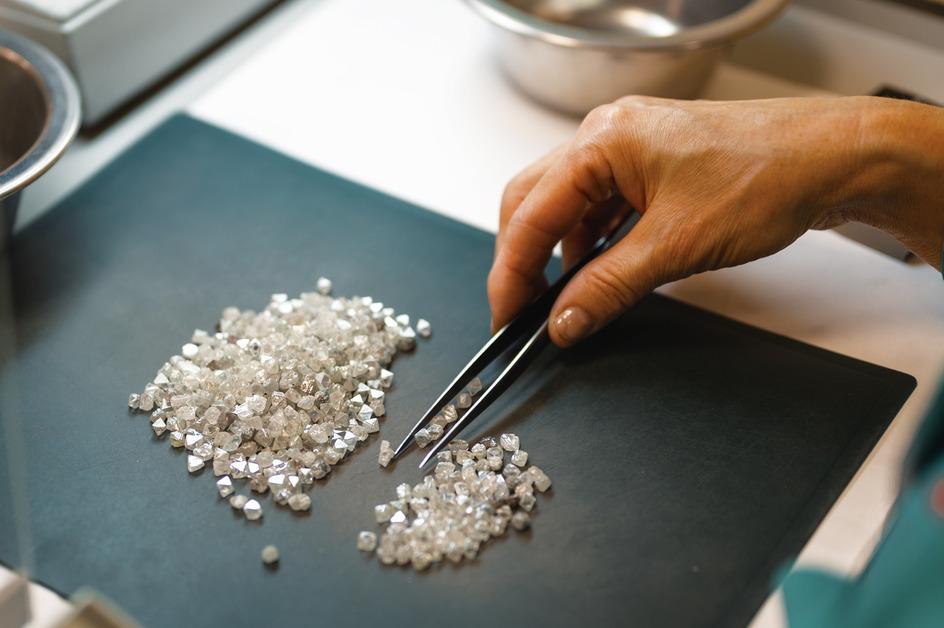
The HPHT process meticulously recreates the extreme underground conditions where natural diamonds form. A small diamond seed crystal is placed within a growth cell alongside a carbon source, typically graphite, and a metal catalyst like nickel or iron. Specialized presses then subject this cell to immense pressures exceeding 870,000 pounds per square inch and temperatures around 2,700 degrees Fahrenheit. These conditions cause the carbon to dissolve and recrystallize layer by layer onto the seed crystal over several days to weeks. After completion, the rough diamond is extracted, cleaned of any residual metal, and prepared for cutting and polishing. This method is effective in producing diamonds with a strong crystal structure and is utilized for both colorless and certain colored diamonds. However, under close examination, tiny metallic inclusions may sometimes be visible.
In contrast, the CVD method employs a layered, gas-based growth technique within a vacuum chamber. Multiple diamond seed wafers are positioned on a base, and the chamber is filled with a mixture of hydrocarbon gases, such as methane and hydrogen. Energy sources, like microwaves, generate a plasma that breaks down these gases at approximately 1,500 degrees Fahrenheit. This process allows free carbon atoms to deposit and form crystals on the seeds in controlled layers, typically growing at a rate of 0.01 to 0.1 millimeters per day over several weeks. Once the desired size is achieved, the crystal plate is harvested, cut into individual diamonds, and may undergo treatments like annealing to enhance color if necessary. CVD often yields diamonds with high clarity and uniformity due to the low-contamination environment, making it particularly effective for larger or precisely cut gemstones.
While both methods produce genuine diamonds, they differ in their approach. HPHT uses mechanical pressure and catalysts to rapidly simulate Earth’s mantle conditions, often resulting in diamonds with varying growth directions and potential metallic traces. CVD, conversely, uses a gentler, plasma-driven process to build layers in a single direction, typically leading to fewer inclusions and more consistent properties. HPHT is often favored for higher-volume production or specific color requirements with shorter turnaround times, while CVD offers greater potential for size and purity over longer growth periods.
Evolution of Lab-Grown Diamonds: From Industrial Tools to Gemstones
The quest to artificially create diamonds dates back to the mid-20th century. Initial breakthroughs in the 1950s saw researchers successfully producing small, industrial-grade crystals using high-pressure techniques. Pioneering work in the United States and Sweden involved subjecting carbon materials to extreme conditions in specialized presses, marking a departure from earlier, unsuccessful attempts to reliably produce diamonds. By the 1970s, technological advancements led to the production of the first gem-quality diamonds suitable for jewelry.
The ensuing decades witnessed rapid improvements in scale and purity, particularly from the 1980s onward. The popularization of Chemical Vapor Deposition (CVD) methods, alongside traditional HPHT techniques, significantly transformed the diamond industry. Today, widespread adoption in major production areas supports a growing share of the global diamond market, driven by technological progress and the ability to meet demand for consistent, high-quality gemstones.
Evaluating Lab-Grown Diamonds: The Four Cs and Beyond
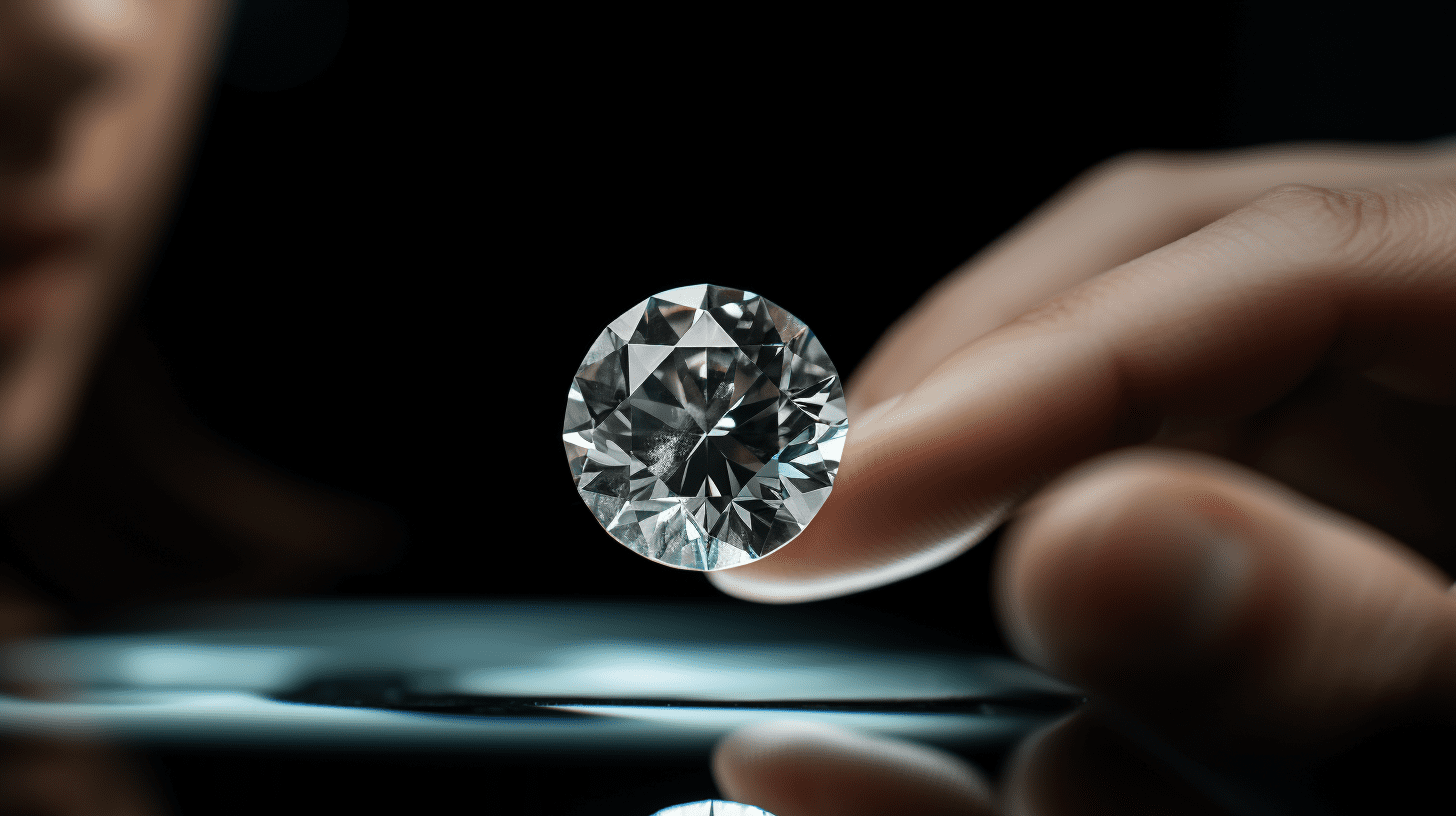
Lab-grown diamonds undergo the same rigorous evaluation as natural diamonds, assessed based on the universally recognized "Four Cs": cut, color, clarity, and carat weight. Independent gemological institutes meticulously examine these characteristics to ensure accurate grading. Reports typically include laser inscriptions on the girdle, denoting laboratory origin, and may provide spectral or imaging data revealing unique growth patterns that aid in identification.
The Gemological Institute of America (GIA) and the U.S. Federal Trade Commission (FTC) officially recognize lab-grown diamonds as real diamonds. They are identical to natural diamonds at the atomic level, possessing the same classic beauty and strength, often at a significantly lower cost—typically 70-80% less than comparable mined diamonds. Analysts project the global lab-grown diamond industry to reach approximately USD 33,454 million in 2026 and nearly double to USD 68,791 million by 2035, driven by a steady Compound Annual Growth Rate (CAGR) of 8.34% over the next nine years. This growth enables consumers to access larger, brighter diamonds that fit within a wider range of budgets.
Key Benefits of Lab-Grown Diamonds
- Cost-Effectiveness: Lab-grown diamonds offer substantial savings, allowing consumers to acquire larger carat weights, higher color grades, or superior clarity for the same budget compared to natural diamonds. For instance, a 1-carat round diamond with G color, VS2 clarity, and an excellent cut might range from $700 to $1,500 when lab-grown, while a natural diamond with identical specifications could cost $4,000 to $6,000 or more, based on recent market averages.
- Identical Properties: They exhibit the same refractive index, dispersion, and hardness as natural diamonds, resulting in comparable brilliance, fire, and durability. Their crystal structure ensures excellent wear resistance, making them suitable for everyday jewelry.
- Supply Chain Transparency: The controlled production environment offers a more traceable and transparent supply chain compared to the often opaque origins of mined diamonds. Reputable sellers provide independent grading reports that clearly disclose the diamond’s laboratory origin and growth method.
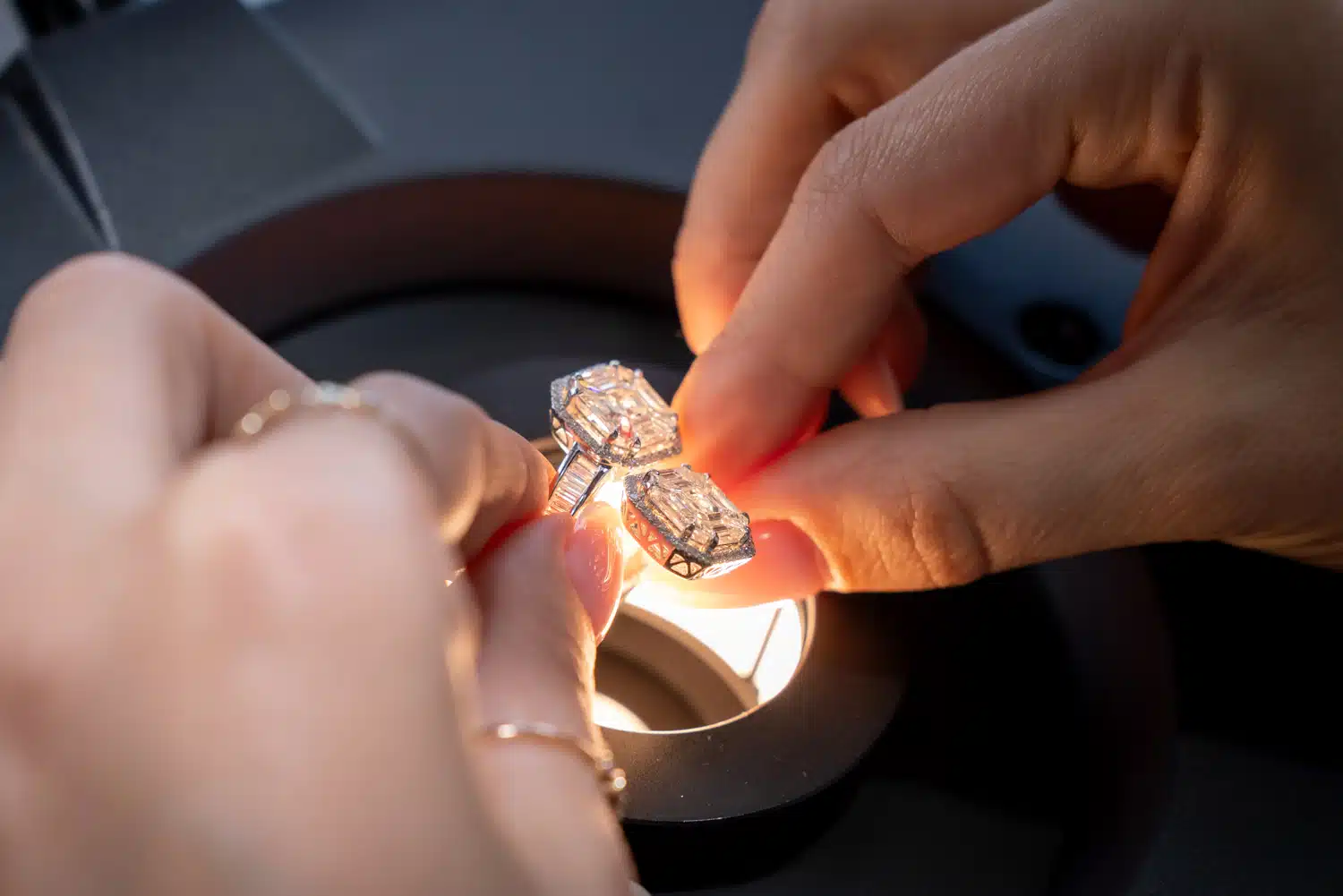
- Variety and Customization: Lab-grown diamonds are available in a wide array of shapes, colors, and sizes, supporting diverse and creative jewelry designs. This variety empowers consumers to find a unique piece that perfectly matches their style and preferences.
- Faster Production and Availability: On-demand production ensures consistent stock levels and quicker turnaround times, with pieces often available for shipping within days. Online platforms provide comprehensive inventories, facilitating easy exploration and personalization of choices.
The Downsides of Lab-Grown Diamonds
While offering compelling advantages, lab-grown diamonds also present certain drawbacks that consumers should consider:
- Depreciation and Resale Value: Lab-grown diamonds typically depreciate faster than natural diamonds. Ongoing improvements in production technology and increased supply contribute to a continuous decrease in their cost over time. Consequently, they often retain only 30-40% of their original retail price in secondary markets, with potential for larger declines due to ongoing price reductions in wholesale and retail sectors. This makes them less suitable for individuals who view diamonds as a long-term store of value or an heirloom with significant investment potential.
- Limited Secondary Market: The secondary market for lab-grown diamonds remains relatively small compared to natural diamonds. Resale value is often influenced more by the craftsmanship of the jewelry, the brand, the metal’s intrinsic worth, and the overall condition, rather than the diamond itself. Currently, lab-grown diamonds are primarily considered wearable luxury items rather than assets with strong investment-like liquidity.
- Environmental Considerations: The production of lab-grown diamonds requires significant electricity. The environmental impact can vary considerably depending on the facility’s location, energy sources, and operational efficiency. Facilities relying on non-renewable energy, particularly coal-based power in certain regions, can lead to increased carbon emissions. While some producers utilize renewable energy sources to mitigate their environmental footprint, these benefits are not universally guaranteed and depend on verifiable documentation and third-party certifications. Consumers seeking to minimize their environmental impact are advised to investigate individual producers’ practices through clear documentation rather than assuming industry-wide benefits.
Navigating the Market: Tips for Buying Lab-Grown Diamonds
Making an informed decision when purchasing lab-grown diamonds involves focusing on quality, understanding market dynamics, and choosing reputable sellers.
- Prioritize Independent Grading Reports: A reliable grading report from an independent laboratory such as the GIA or IGI is essential. This report details the diamond’s cut quality, color grade, clarity level, and carat weight, providing an unbiased assessment of its characteristics. Laser inscriptions on the girdle further confirm its laboratory origin. Resources like PriceScope offer educational materials on understanding diamond grading reports and comparing options from trusted sellers.
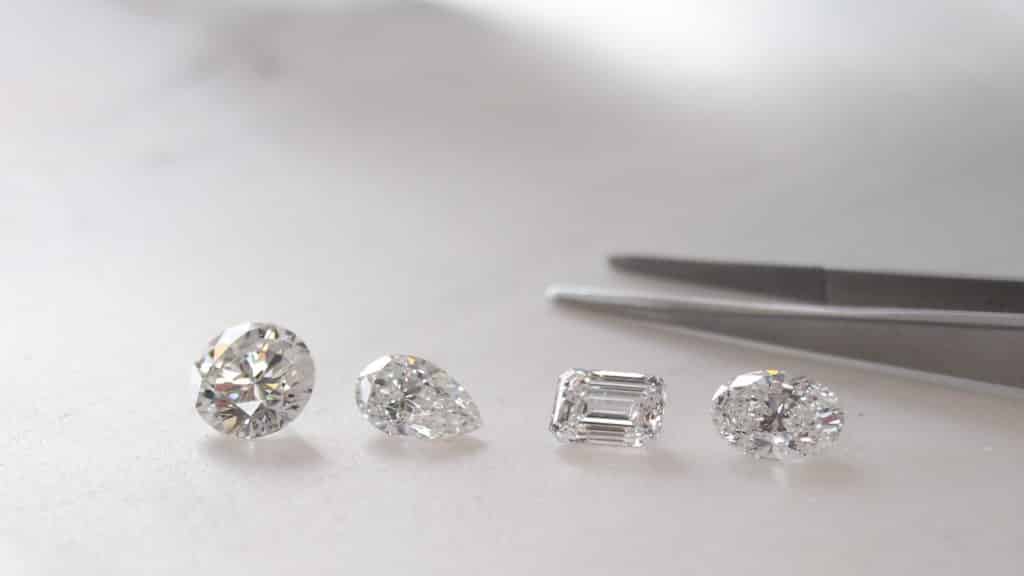
- Consider Diamond Shape and Setting: The shape of a diamond significantly influences its perceived size and how it appears on the finger. Round cuts offer maximum sparkle, while shapes like oval or pear can make smaller diamonds appear larger. The setting also plays a crucial role in protecting the diamond and enhancing its beauty. Choosing a setting that aligns with personal style and daily activities is important. Reputable retailers often provide free resizing and lifetime care plans.
- Select Reputable Sellers: Look for sellers with clear return policies, free resizing services, and positive customer reviews. Established retailers like Whiteflash, James Allen, and Blue Nile are known for their transparent product details, independent certifications, and commitment to customer satisfaction. Exploring customer reviews and community forums can provide valuable insights into a seller’s responsiveness and problem-solving capabilities.
- Understand the Four Cs: While lab-grown diamonds offer affordability, understanding the Four Cs remains paramount. Aim for excellent or ideal cut grades for optimal sparkle. For color, grades around G or H provide a white appearance without the premium cost of perfect D grades. Clarity around VS2 indicates tiny inclusions not visible to the naked eye. Carat weight can be prioritized due to the lower cost of lab-grown diamonds.
- Set a Realistic Budget: Determine a total budget that includes the diamond, setting, taxes, and any additional costs. The cost-effectiveness of lab-grown diamonds allows for greater flexibility in allocating the budget towards higher quality or larger carat weights. Many buyers find it beneficial to allocate the majority of their budget to the center diamond while opting for simpler settings.
The Future of Lab-Grown Diamonds

The burgeoning lab-grown diamond market reflects a significant shift in consumer preferences and technological capabilities. As production methods become more efficient and accessible, these diamonds are poised to capture an even larger share of the jewelry market. Their appeal lies in offering a compelling combination of real diamond quality, ethical sourcing, and affordability.
While questions regarding resale value and long-term market trends persist, the scientific consensus and regulatory acceptance solidify their status as genuine diamonds. For consumers, the choice between lab-grown and natural diamonds ultimately comes down to personal priorities, values, and financial considerations.
For those seeking to delve deeper into the intricacies of lab-grown diamonds, platforms like PriceScope offer invaluable resources. Their comprehensive education hub, interactive tools, and active community forums provide a wealth of information, empowering buyers to make informed decisions and navigate the diamond market with confidence. The journey to finding the perfect diamond, whether lab-grown or natural, is enhanced by knowledge and a clear understanding of what truly matters to the individual buyer.