

In an increasingly polarized world, couples are transforming their wedding planning into a deliberate act of conscious consumerism, utilizing their significant financial investment to champion personal values and support businesses that genuinely resonate with their ethos. The traditional focus on aesthetics and logistics in wedding preparations is now augmented by a profound desire for ethical alignment, turning each budgetary decision into a statement of intent and a form of targeted wealth redistribution. This shift underscores a growing imperative for couples to meticulously vet potential vendors, ensuring that the individuals and companies entrusted with their most cherished day not only deliver exceptional service but also celebrate the diverse identities, communities, and guest lists that make up modern unions.
The Economic Power of Nuptials: A Micro-Philanthropic Endeavor
The global wedding industry is a colossal economic force, with market valuations consistently in the hundreds of billions of dollars annually. In the United States alone, the average cost of a wedding hovers around $30,000, a figure that represents a substantial economic outlay for most couples. Whether a budget is $5,000 or $50,000, this concentrated burst of spending constitutes considerable economic power. This financial commitment can be viewed as a form of "micro-philanthropy," where couples consciously decide which businesses to empower with their funds. In an era marked by heightened social awareness and economic disparities, the decision of where to allocate wedding funds carries unprecedented weight, becoming a tangible expression of a couple’s commitment to their values. This discerning approach ensures that every dollar spent contributes to an ecosystem of businesses that reflect their progressive, inclusive, or ethically minded principles.
Evolving Priorities: A Shift Towards Values-Driven Planning
The landscape of wedding planning has undergone a significant transformation over the past few decades. Historically, wedding preparations largely centered on adherence to tradition, aesthetic appeal, and logistical execution. The late 20th and early 21st centuries saw a rise in personalization and DIY trends, allowing couples to infuse more of their unique personalities into their celebrations. However, the last decade, particularly amplified by recent global events and socio-political shifts, has witnessed a profound evolution: the integration of ethical and social values into the core of wedding decision-making.
This shift is not isolated to the wedding industry but mirrors broader societal trends in conscious consumerism, where individuals increasingly seek out brands and services that align with their ethical stances on issues such as environmental sustainability, fair labor practices, and social justice. For modern couples, a wedding is no longer merely a celebration of love; it is also an opportunity to project their identity and values onto a public stage, supported by a network of vendors who share or respect those principles. This evolving chronology of wedding priorities highlights a move from purely transactional vendor relationships to partnerships built on mutual understanding and shared social responsibility. Industry experts note a distinct increase in inquiries from couples explicitly asking about vendors’ stances on diversity, inclusion, and community engagement, indicating a permanent shift in consumer expectations.
The Imperative of Alignment: Avoiding Discrepancies and Ensuring Authenticity
The emotional and financial investment in a wedding is immense, making any misalignment with chosen vendors a potentially deeply unsettling experience. Couples aspire for their wedding day to be an authentic reflection of their love, their journey, and their community. Discovering, retrospectively, that a key vendor harbors discriminatory views or has engaged in problematic behavior can tarnish cherished memories and photographs. The discomfort of recalling a photographer making a homophobic remark or a venue owner displaying prejudiced content on social media can cast a long shadow over what should be an unequivocally joyous occasion.
This concern is not merely theoretical. Recent years have seen high-profile instances, such as the widely reported outing of a prominent wedding photographer couple for posting racist and homophobic content on their personal social media accounts. Such incidents serve as stark reminders of the critical need for due diligence. Couples are increasingly seeking vendors who do more than simply tolerate their community, identity, or guest list; they demand vendors who actively celebrate them. This active affirmation fosters an environment of genuine inclusivity, ensuring that every guest feels welcome and respected, and that the couple’s celebration is unmarred by underlying biases or prejudices. The goal is to create an experience where the collective spirit of joy and acceptance is authentically mirrored by every professional involved.
Strategic Vendor Vetting: A Multi-Pronged Approach for Informed Choices
Navigating the vendor selection process with values in mind requires a systematic and intentional approach. Couples can employ several strategies to audit their potential vendor list, ensuring their economic power speaks the same language as their personal beliefs.

Beyond the Aesthetic: Deep Dive into Portfolios
While a vendor’s portfolio showcases their aesthetic style and technical proficiency, a values-aligned review goes significantly deeper. Couples should scrutinize galleries not just for lighting and composition, but for the diversity of clients featured. Do the images reflect a genuine comfort and skill in photographing individuals from various backgrounds? Specifically, look for representation across:
- Skin Tones: Does the photographer demonstrate expertise in lighting and editing diverse skin tones, ensuring all subjects are beautifully and accurately depicted without appearing washed out or underexposed?
- Body Types: Are couples of all shapes and sizes represented authentically and flatteringly?
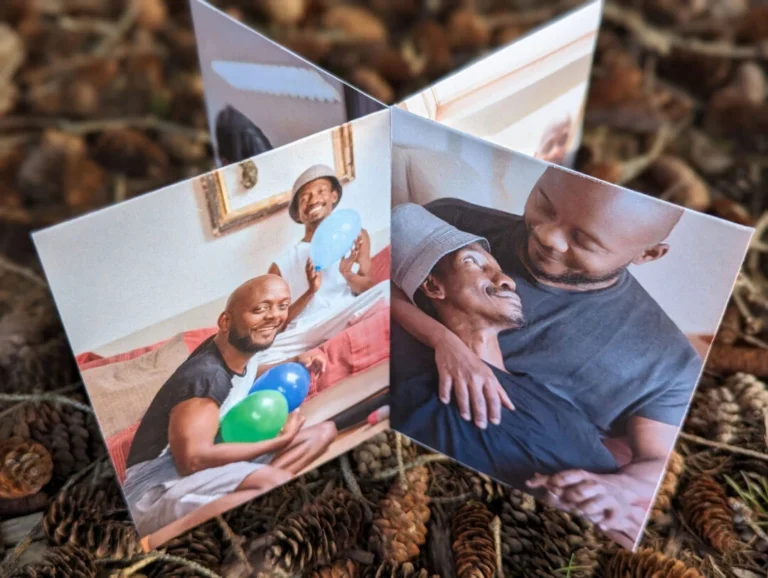
- Queer Couples: Are same-sex or gender-nonconforming couples featured, indicating experience and comfort with LGBTQ+ unions?
- Disabled Clients: Are individuals with disabilities included, captured with dignity and accessibility in mind?
- Cultural Diversity: Do the weddings reflect a range of cultural traditions, suggesting a vendor’s ability to respectfully engage with and document diverse ceremonies?
If specific representation is lacking, direct inquiry is appropriate. Couples should feel empowered to ask, "Do you have experience working with [people with very dark skin tones, queer couples, larger-bodied couples, disabled clients, specific cultural traditions]?" A confident and detailed affirmative response, perhaps accompanied by additional examples, signals a vendor’s readiness and respect.
Digital Footprint: Intentional Social Media Audits
In the digital age, a vendor’s online presence extends far beyond their professional website. Couples are advised to engage in "stalking with purpose," delving into a vendor’s social media channels, both professional and personal, if publicly accessible. This investigation can reveal invaluable insights into their values, beliefs, and how they interact with the world.
- Tone and Language: Observe the language used in captions, comments, and interactions. Is it consistently respectful, inclusive, and professional?
- Engagement with Diverse Communities: Do they follow, interact with, or promote content from diverse community leaders, organizations, or individuals?
- Personal Views (Publicly Shared): While respecting privacy, any publicly shared personal views, particularly on platforms like Facebook or X (formerly Twitter), can offer clues. The aforementioned incident with the racist wedding photographers underscored how personal, publicly available content can betray a vendor’s true inclinations, leading to significant reputational damage and client disillusionment.
- Transparency and Accountability: How do they handle criticism or difficult conversations online? Do they engage constructively or dismissively?
This deep dive is not about judgment but about ensuring that the individuals you hire to be intimately involved in your most personal celebration uphold a standard of conduct and belief that aligns with your own.
Direct Dialogue: Empowering Couples to Ask Hard Questions
The notion that discussing politics or sensitive personal values with service providers is impolite is rapidly becoming obsolete, especially when those providers are "creative partners" entrusted with one of life’s most emotional events. Jess Golden, the Texas-based photographer who brought attention to the problematic vendor behavior, succinctly states, "Values are becoming part of the conversation in every household right now… the fact that people are scared to even ask vendors they’re paying thousands of dollars to is beyond me!" Couples are not merely hiring "the help"; they are curating a team to collaborate on a deeply personal and significant day. Therefore, direct questions are not just permissible but essential.
Low-stress scripts can facilitate these conversations:
- "My partner and I are really committed to working with vendors who share our values of inclusivity and respect for all communities. How do you approach diversity in your work and client interactions?"
- "Our guest list is quite diverse, and we want to ensure everyone feels completely celebrated. Can you tell us about your experience working with [specific community, e.g., LGBTQ+ couples, multi-faith families, guests with accessibility needs]?"
- "Beyond your portfolio, is there anything about your business philosophy or team culture that speaks to your commitment to social responsibility or specific causes?"
- "We’re keen to support businesses that are actively anti-racist/pro-LGBTQ+/environmentally conscious. Is this something your business prioritizes, and if so, how is that reflected in your practices?"
These questions invite open dialogue, allowing vendors to articulate their positions and for couples to gauge authenticity and commitment beyond superficial statements.
Leveraging Trusted Networks: The Power of Referrals
One of the most reliable pathways to finding values-aligned vendors is through established, trusted networks. Wedding planners, coordinators, and other primary vendors often maintain curated lists of recommended professionals with whom they have positive working relationships. Progressive wedding planners, such as Emily Berg of Events by Emily, actively audit their vendor lists, ensuring that every recommendation aligns with the inclusive and ethical values paramount to their clients. This pre-vetting process saves couples considerable time and provides a crucial layer of assurance.

When seeking referrals, couples can use specific language:
- "We’re looking for a photographer/caterer/DJ who is explicitly LGBTQ+ friendly and has a strong track record of working with diverse couples. Do you have any recommendations from your trusted network?"
- "Our priority is to work with vendors who are committed to [specific value, e.g., sustainability, anti-racism, supporting local artisans]. Can you share any partners who embody these principles?"
- "We’re keen to ensure our wedding budget supports businesses that align with our social justice values. Do you know any vendors who are particularly vocal or active in these areas?"
These inquiries guide trusted professionals to recommend individuals who have already demonstrated their commitment to specific values, leveraging their expertise and existing relationships.
Specialized Directories: Streamlining the Search with Offbeat Wed
For couples seeking an expedited and reliable method to connect with values-aligned vendors, specialized directories offer an invaluable shortcut. Platforms like the Offbeat Wed Vendor Community, established over 15 years ago and notably featured by the New York Times for its inclusive approach, have proactively addressed this need. This directory allows vendors to self-identify their commitments and specializations, making it incredibly easy for couples to filter and find professionals who align with their specific values.
Couples can search for vendors who identify as:
- LGBTQ+ friendly
- Anti-racist
- Disabled-inclusive
- Fat-positive
- Pro-choice
- Neurodivergent-friendly
- Sex-positive
- Culturally competent
- Environmentally conscious
Each vendor listing page provides clear indicators of how the vendor has chosen to identify, allowing for immediate connection with professionals who have already opted into a community prioritizing radical inclusivity. This resource significantly reduces the need for individual "FBI-level investigating," offering peace of mind and efficient discovery for couples committed to ethical spending.
Industry Reactions and Future Outlook: A New Standard of Professionalism
The growing demand for values-aligned vendors is compelling the wedding industry to adapt. Many professional associations and individual businesses are developing new ethical guidelines, diversity training programs, and transparency initiatives. This trend creates a competitive advantage for vendors who genuinely embrace inclusivity and social responsibility, while those who resist may face increasing client attrition and reputational damage. Industry leaders acknowledge that genuine commitment, rather than mere "diversity washing," is essential for long-term success. This shift is fostering a more ethical and representative industry, where professionalism extends beyond service quality to encompass social consciousness.
The Broader Impact: Wedding as a Statement
Ultimately, how a couple spends their wedding budget reverberates beyond their special day. It is an act of supporting fellow humans, contributing to the livelihoods of individuals and businesses that share or respect their values. This economic choice can reinforce progressive ideals within the community, promote diversity, and encourage ethical business practices across the industry. When couples choose vendors who are authentic allies, the entire wedding experience feels more genuine, the photographs capture a truer sense of joy, and the couple can sleep better knowing their wealth has contributed to a more just and inclusive world. Their wedding becomes not just a celebration of their union but also a powerful statement about the kind of world they wish to live in and actively support.
To assist couples in navigating this crucial aspect of wedding planning, comprehensive resources like "The Values-Aligned Wedding: A Quick Guide to Vetting Your Wedding Vendors" are available, providing actionable advice and empowering tools for making informed, values-driven decisions. Investing in integrity ensures that the memories of one of life’s most significant milestones are as meaningful as the values it upholds.