


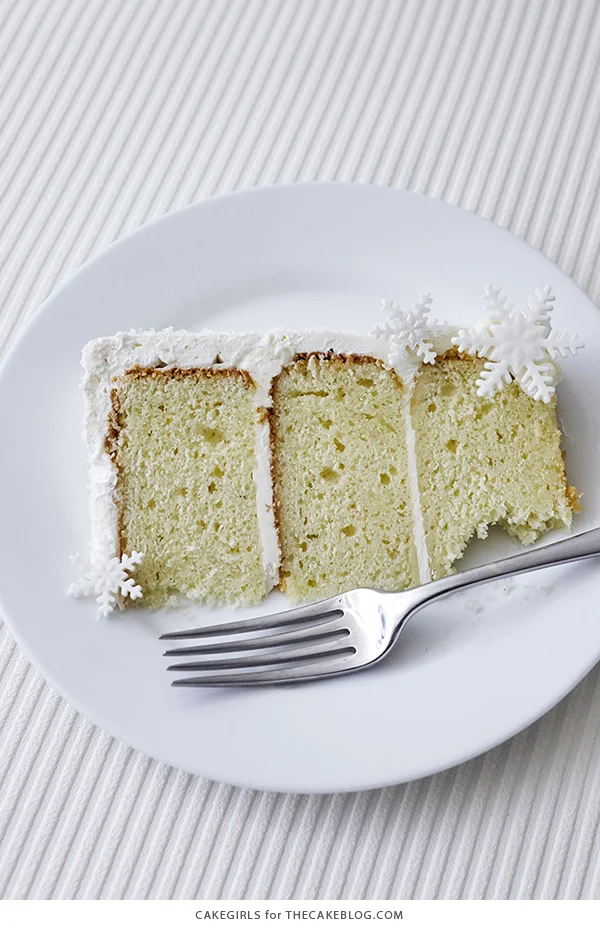
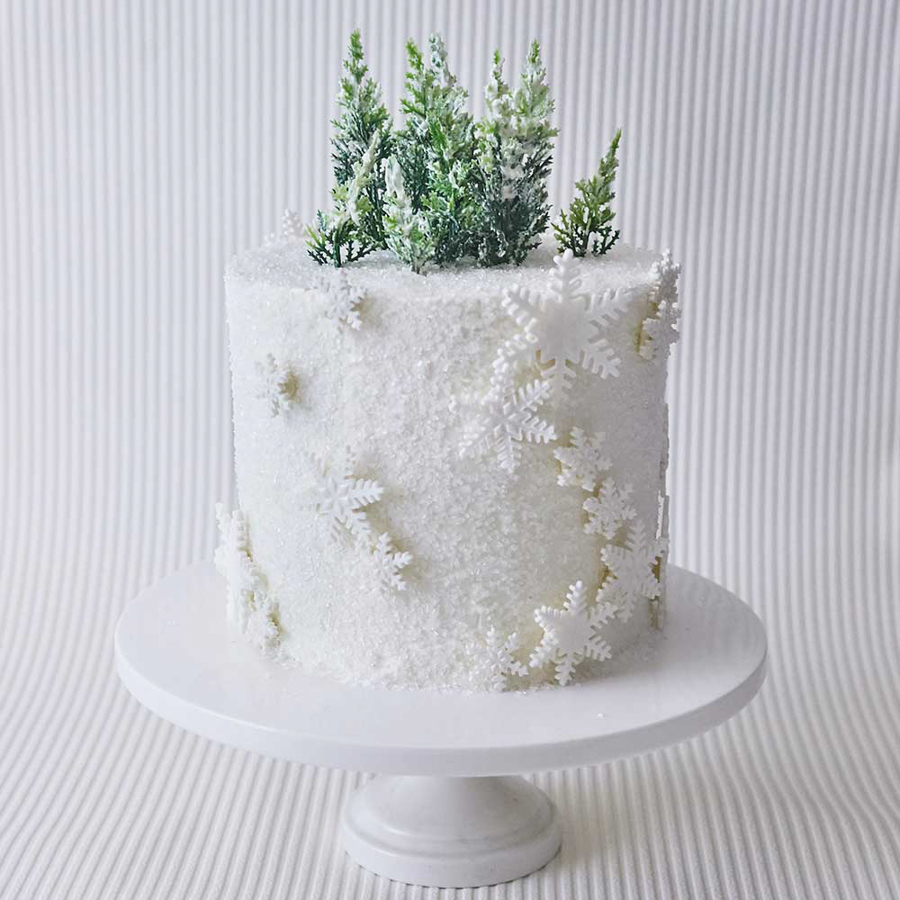
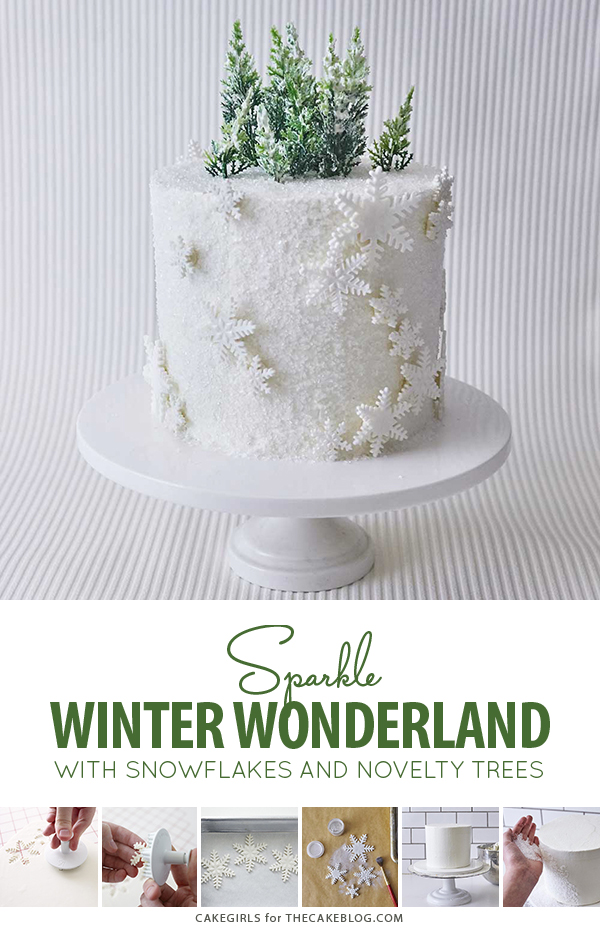
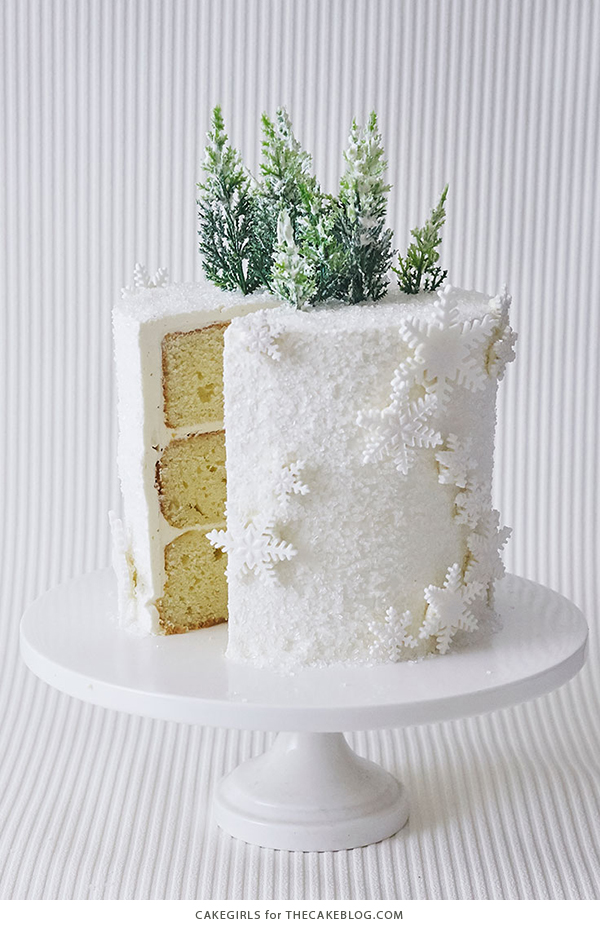
The unveiling of the Winter Wonderland Snowflake Cake marks a significant addition to the seasonal culinary repertoire, offering a sophisticated aesthetic that blends traditional holiday motifs with modern confectionery techniques. Developed by Mary and Brenda Maher, the founders of Cakegirls and frequent contributors to the prominent digital platform The Cake Blog, this design is intended to serve as a centerpiece for high-end holiday buffets and domestic celebrations. The cake features a triple-layer construction, a meticulous sparkle-coated exterior, and a curated arrangement of fondant snowflakes and frosted novelty trees. According to the designers, the project was conceived as a response to the visual landscape of Chicago during the winter months, specifically aiming to replicate the atmospheric quality of a snow globe.
Conceptual Origins and Design Inspiration
The conceptual framework for the Winter Wonderland Snowflake Cake was derived from an observational study of urban winter aesthetics. Mary Maher noted that the inspiration crystallized during a walk through Chicago, where the combination of falling snow and frost-covered park trees created a monochromatic, crystalline environment. This observation led to the development of a cake that prioritizes texture and light reflection over complex color palettes.
By utilizing a "sparkle-coated" technique, the designers have tapped into a broader trend within the culinary arts that emphasizes three-dimensional textures. The use of white crystal sugar to coat the buttercream creates a surface that mimics the granular quality of fresh snow, a departure from the smooth, matte finishes often found in traditional fondant-heavy cakes. The integration of "novelty trees"—miniature decorative elements often used in holiday dioramas—further bridges the gap between food art and seasonal home decor.
Technical Specifications and Structural Components
The Winter Wonderland Snowflake Cake is engineered as a 6-inch round triple-layer cake. This specific sizing has become increasingly popular in the professional baking industry as it allows for greater verticality and a more dramatic "tower" effect without requiring the excessive volume of traditional 8-inch or 10-inch cakes.
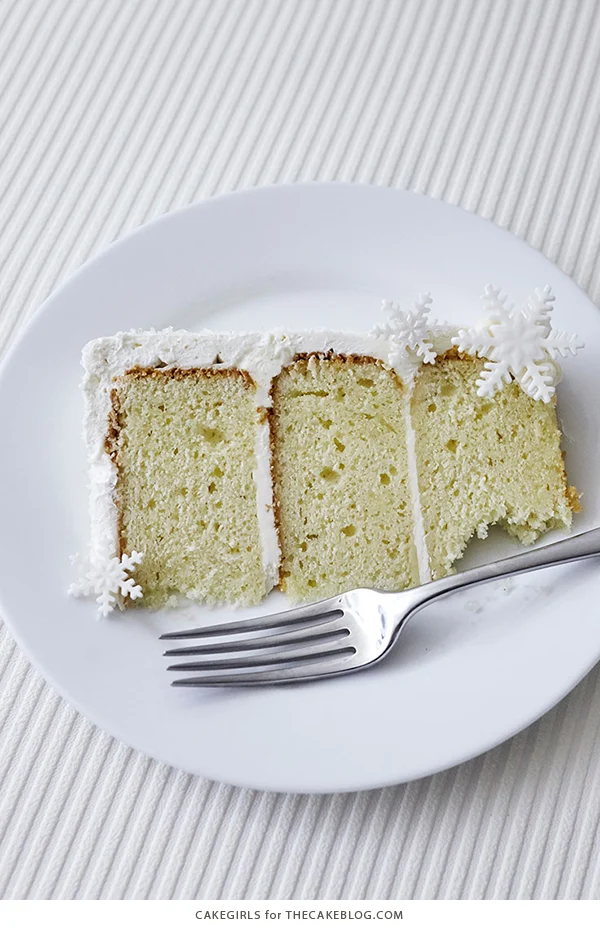
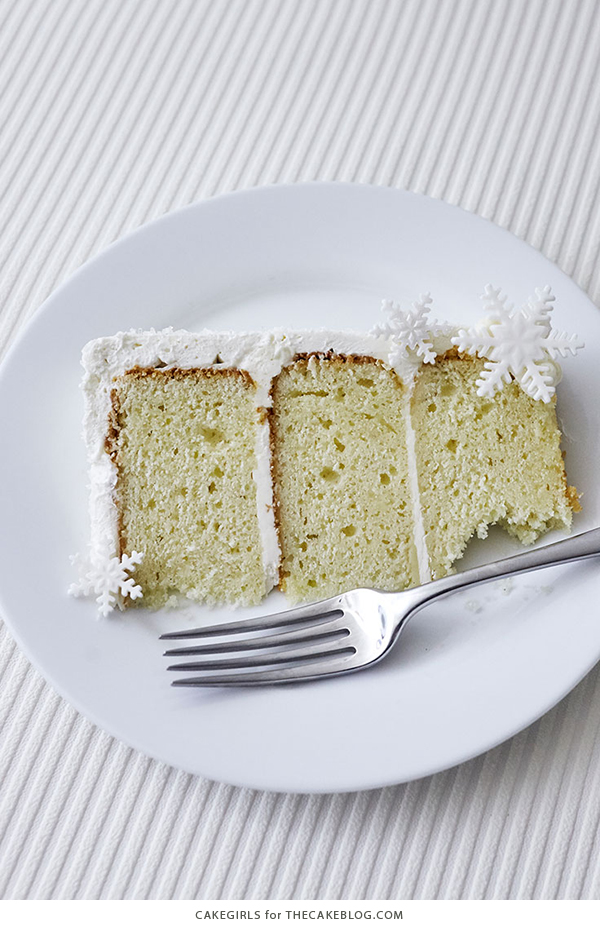
For the internal structure, the creators recommend a high-stability crumb. While the tutorial highlights a classic vanilla cake paired with Swiss meringue buttercream, it also suggests flavor variations such as Eggnog or Champagne Mimosa to cater to adult-oriented holiday gatherings. Swiss meringue buttercream is specifically selected for this design due to its structural integrity and its ability to achieve a "wintery white" hue, which provides the necessary canvas for the subsequent decorative layers.
Technical requirements for the project include:
- Three 6-inch round cake layers.
- One standard batch of Swiss meringue buttercream.
- White fondant for decorative elements.
- Snowflake plunger cutters in varying sizes.
- Super Pearl luster dust for iridescent finishing.
- White crystal sugar (sanding sugar).
- Miniature novelty trees and buttercream for "snow" effects.
Chronology of Production: A Two-Phase Methodology
The production of the Winter Wonderland Snowflake Cake is divided into two distinct phases to ensure the structural stability of the decorations and the freshness of the cake assembly.
Phase I: Ornamental Preparation (T-Minus 24 Hours)
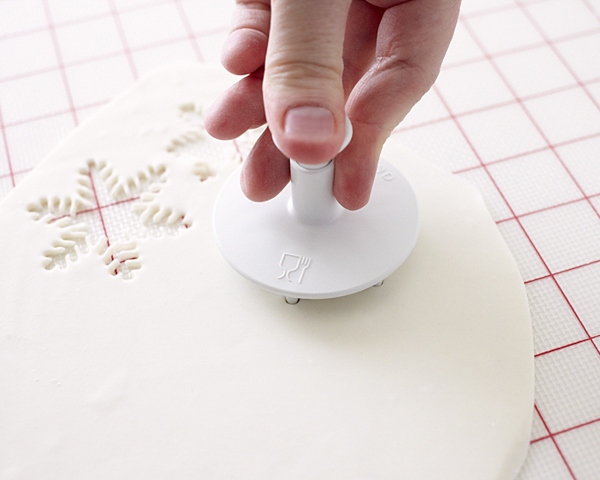
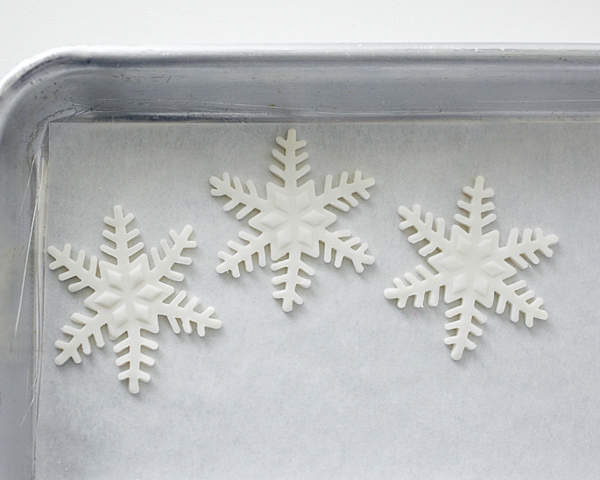
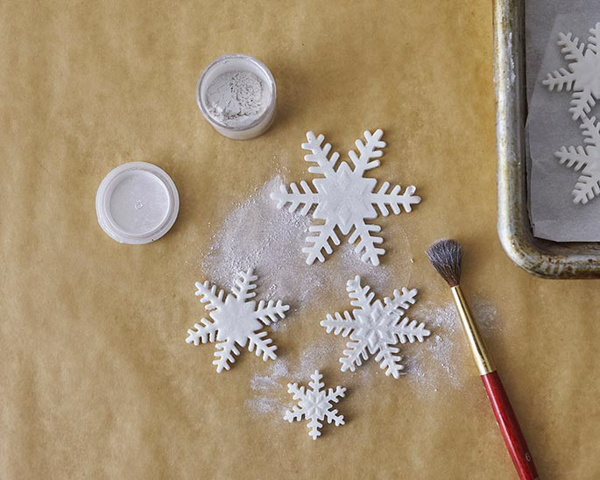
The initial phase focuses on the creation of the fondant snowflakes. Professional standards dictate that these elements be prepared at least one day in advance to allow for sufficient moisture evaporation, which ensures the snowflakes retain their shape when mounted vertically on the cake. The process involves rolling white fondant to a thickness of approximately 1/8 to 1/4 inch. Using plunger-style cutters, multiple sizes are produced to create visual depth.
A critical step in Phase I is the application of Super Pearl luster dust. This substance is applied dry to the hardened fondant shapes to provide a shimmery, pearlescent finish. The tutorial notes a distinction regarding the edibility of these components: while the luster dust is a standard decorative tool, certain brands are classified as non-toxic rather than FDA-approved for consumption. Consequently, the tutorial advises that these snowflakes be treated as decorative elements to be removed prior to serving, unless an edible-grade dust is utilized.
Phase II: Assembly and Textural Application (Day of Presentation)
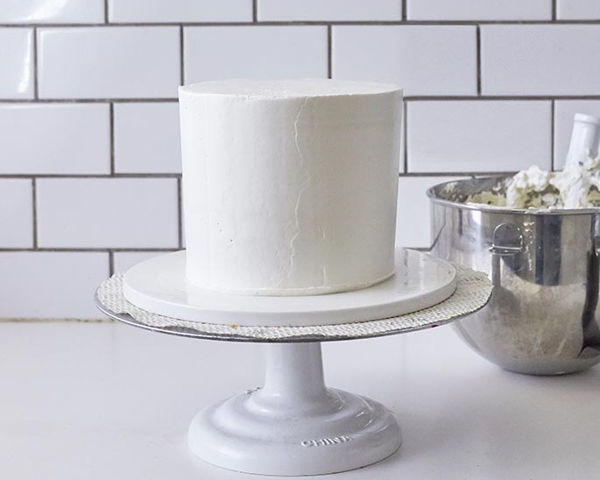
The second phase involves the physical construction of the cake. After the layers are stacked and frosted, the cake must undergo a "firming" period in a refrigerated environment for at least one hour. This step is vital for the application of the crystal sugar; the buttercream must be firm enough to withstand the pressure of the hand but have enough residual moisture or "tack" to allow the sugar to adhere.
The application technique involves pressing white sugar crystals into the sides of the cake using the palm of the hand, moving in an upward motion. This creates a randomized, organic sparkle. The final assembly involves "snowing" the novelty trees—applying small amounts of buttercream to their branches—and clustering them on the cake’s summit. The pre-made snowflakes are then attached to the sides using small "dots" of buttercream as an adhesive agent.

Market Trends and the Holiday Baking Industry
The release of the Winter Wonderland Snowflake Cake coincides with a significant surge in the global baking and cake decorating market. Industry data suggests that the "home baking" sector has seen a compound annual growth rate (CAGR) of approximately 5-7% over the last five years, driven largely by the accessibility of professional-grade tools like plunger cutters and luster dust to amateur bakers.
Social media platforms have also played a pivotal role in the popularity of such designs. The "minimalist winter aesthetic"—characterized by white-on-white palettes and naturalistic motifs—is currently a high-performing category on visual discovery engines. Analysts observe that consumers are increasingly moving away from overly saturated, "cartoonish" holiday decorations in favor of elegant, monochromatic designs that align with contemporary interior design trends.
Professional Perspectives and Community Reaction
The Cakegirls’ approach has been lauded by culinary peers for its "accessible elegance." By utilizing pre-made novelty trees and simple cutters, the Mahers have effectively democratized a high-concept design. "The goal was a classic cake with show-stopping qualities that could easily be the centerpiece at a holiday buffet," the creators stated. This focus on "centerpiece" functionality reflects a shift in holiday entertaining, where the dessert is expected to function as both a food item and a decorative installation.
Early reactions from the baking community highlight the tutorial’s emphasis on prep work. Experienced decorators have noted that the "one day before" rule for fondant is often overlooked by novices, leading to "wilting" decorations. By formalizing this timeline, the Cakegirls provide a blueprint that increases the success rate for home bakers attempting professional-level aesthetics.
Broader Impact and Implications for Culinary Design
The Winter Wonderland Snowflake Cake represents more than just a seasonal recipe; it is a case study in how atmospheric inspiration can be translated into edible media. The transition from a "snowy walk in Chicago" to a structured culinary product demonstrates the intersection of environmental observation and technical skill.
Furthermore, the design addresses the practicalities of large-scale holiday hosting. The recommendation to use a 6-inch cake for a buffet centerpiece suggests an understanding of modern caloric consciousness and the variety of food usually present at such events. A taller, smaller-diameter cake provides the necessary visual "wow factor" while occupying a smaller footprint on a crowded table.
As the holiday season progresses, designs like the Winter Wonderland Snowflake Cake are expected to influence the offerings of boutique bakeries and the creative output of home enthusiasts alike. The emphasis on texture, the use of mixed media (fondant and novelty items), and the move toward monochromatic elegance suggest a maturing market that values sophistication and narrative-driven culinary art.
In conclusion, Mary and Brenda Maher have provided a comprehensive framework for a dessert that is both a technical exercise and a visual tribute to the winter season. Through careful planning, specific tool utilization, and a clear aesthetic vision, the Winter Wonderland Snowflake Cake stands as a definitive example of contemporary holiday baking excellence. For those looking to replicate the effect, the key lies in the contrast between the granular sugar "snow," the iridescent "ice" of the snowflakes, and the organic "forest" atop the cake—a trifecta of textures that captures the essence of a Chicago winter.