


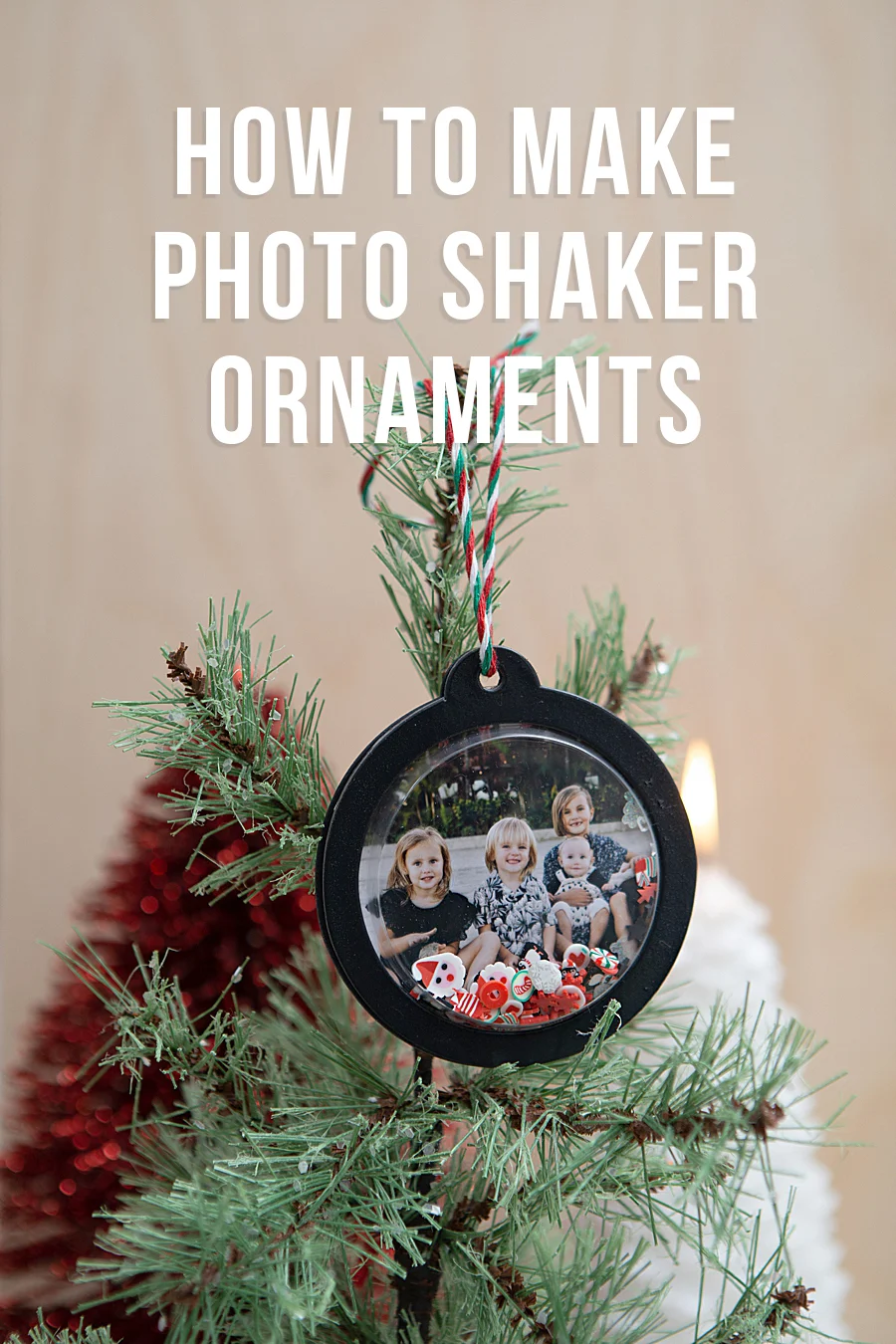
The integration of high-fidelity mobile printing technology into the domestic crafting sector has reached a new milestone with the deployment of the Canon SELPHY Square QX10. As consumer interest in personalized holiday décor continues to rise, portable printing solutions are bridging the gap between digital photography and physical keepsakes. The SELPHY Square QX10, a compact and battery-operated device, has emerged as a primary tool for "maker" enthusiasts seeking to create complex items such as photo shaker ornaments, which combine traditional paper-crafting techniques with modern digital imaging.
Technical Specifications and Hardware Overview
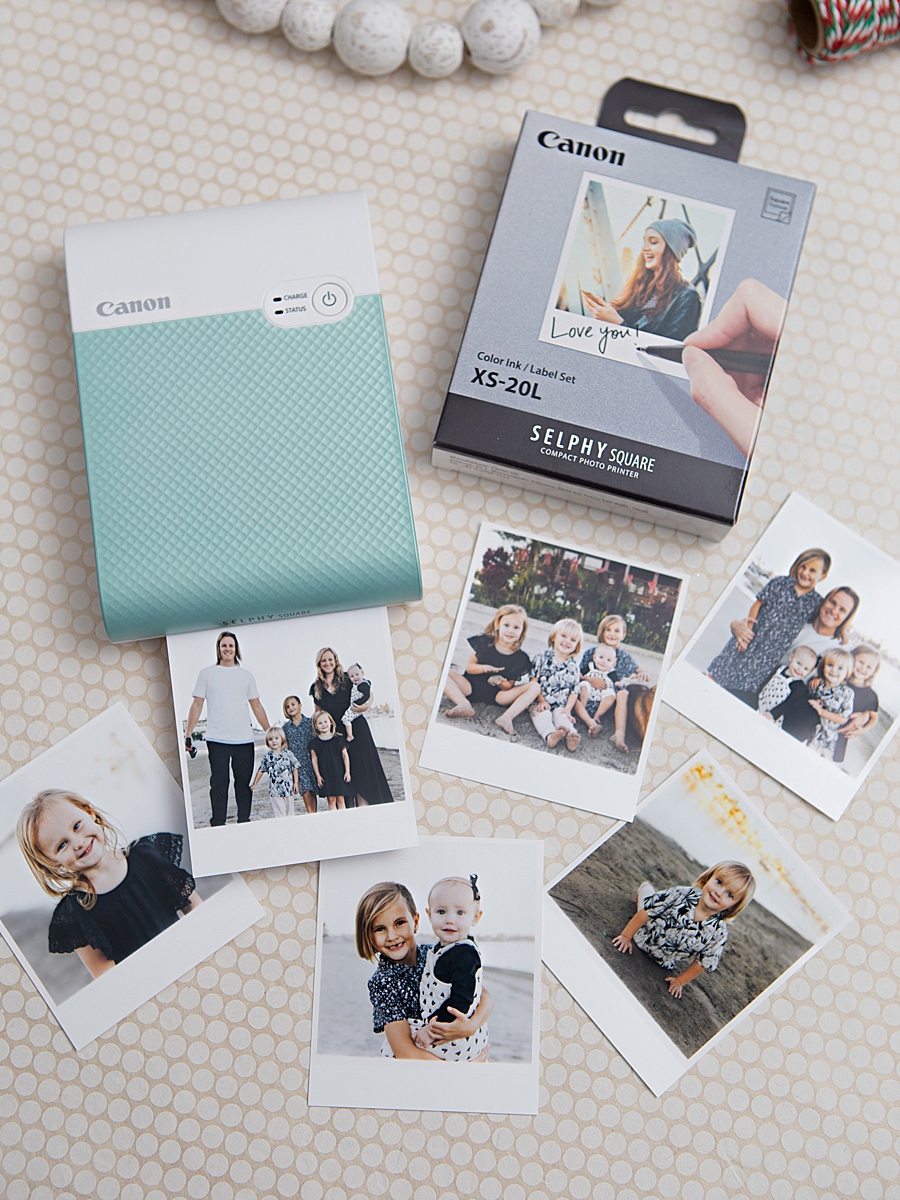
The Canon SELPHY Square QX10 represents a significant shift in the portable printer market, prioritizing image longevity and color accuracy over the chemical-based processes used by many "instant" film competitors. Weighing less than one pound, the device is designed for maximum portability, featuring an internal rechargeable battery that eliminates the need for consistent AC power. This allows users to operate the device in various environments, from dedicated craft rooms to social gatherings.
The printer utilizes dye-sublimation technology, a process that applies heat to transfer dye from a ribbon onto specialized paper. This method involves four distinct passes: three for color (yellow, magenta, and cyan) and a final clear overcoat. This "overcoating" layer is critical for the product’s value proposition, as Canon asserts that prints can maintain their visual integrity for up to 100 years when stored under proper conditions. The resulting 2.7” x 2.7” square prints feature a peel-and-stick adhesive backing, transforming standard photographs into versatile stickers suitable for journals, scrapbooks, and three-dimensional ornaments.
The Evolution of the Personalized Ornament Market
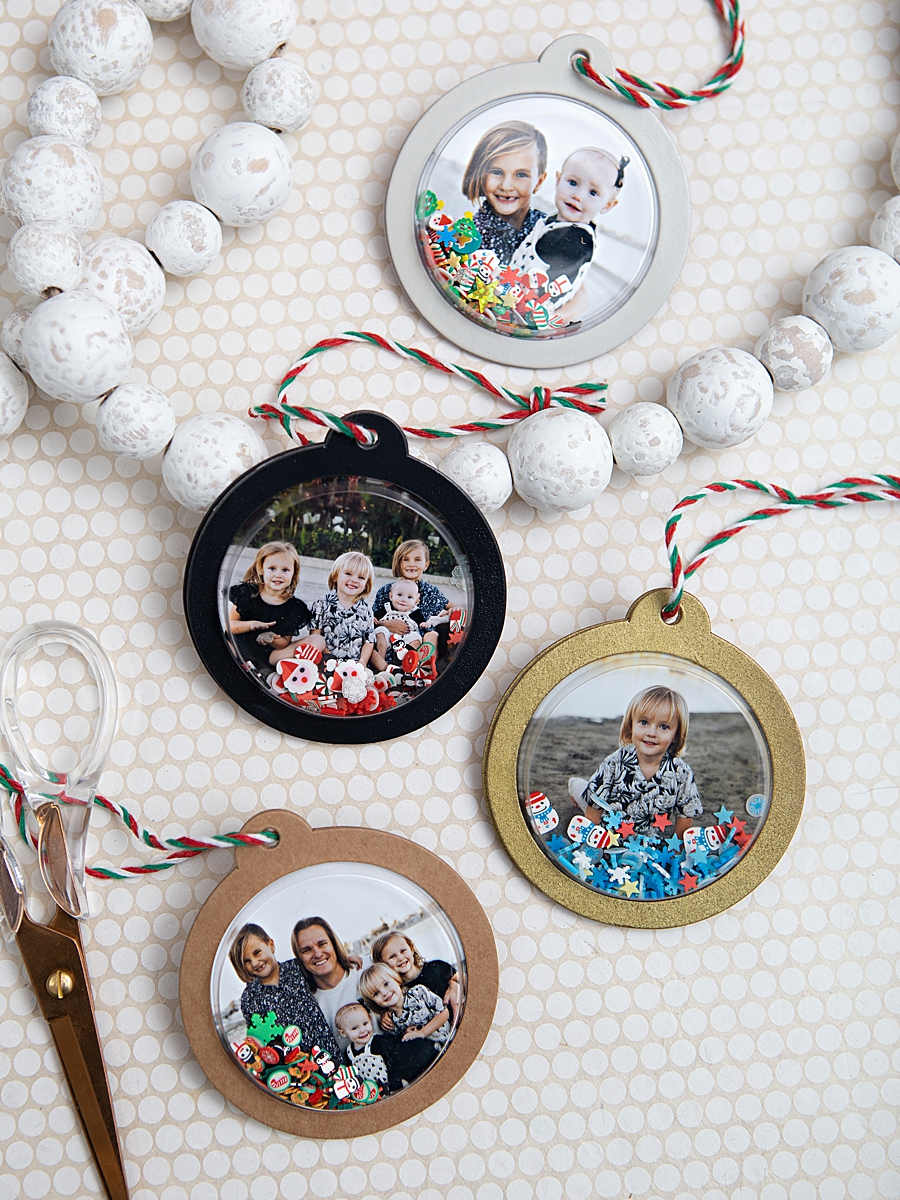
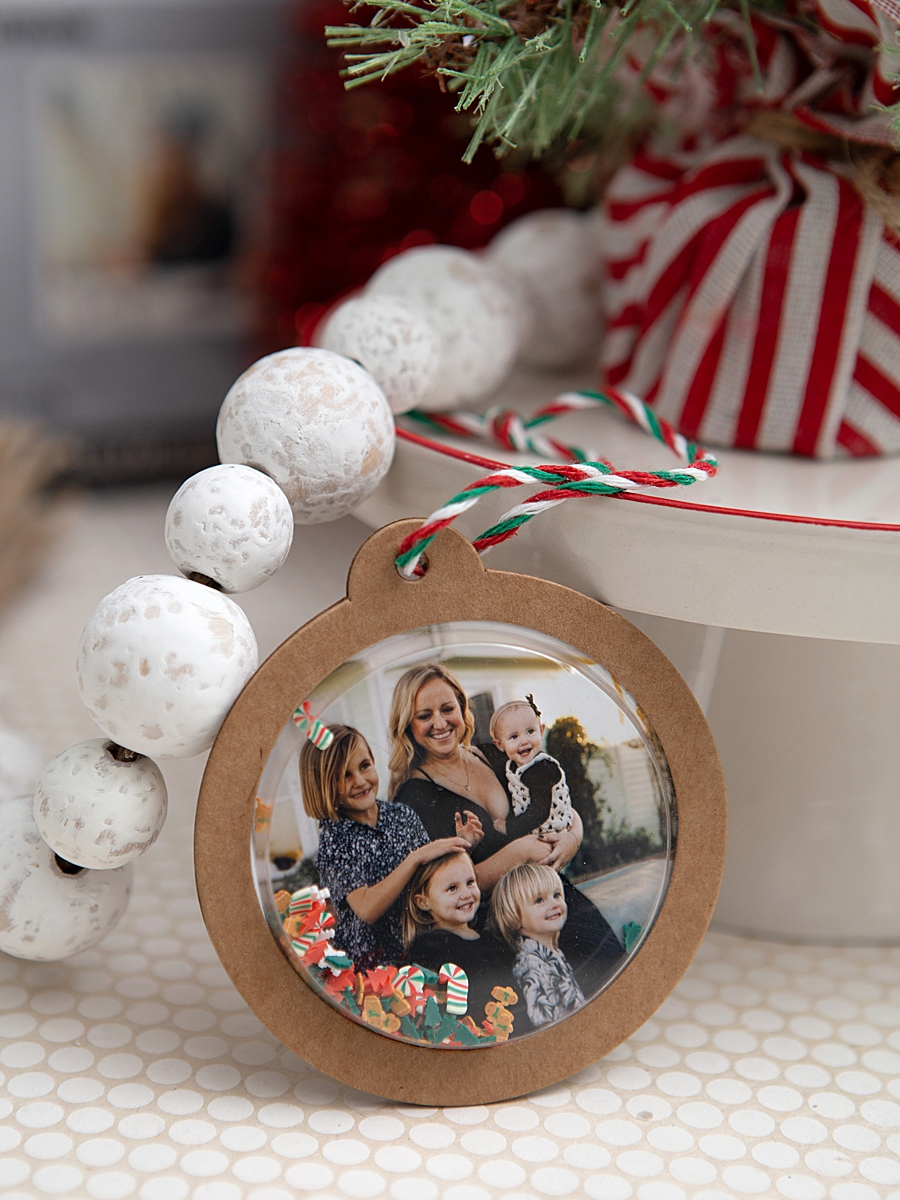
The rise of the "shaker ornament"—a decorative item featuring a hollow compartment filled with loose sequins, beads, or glitter—reflects a broader trend in the DIY (Do-It-Yourself) industry toward tactile and interactive decorations. By incorporating personalized photography into these designs, consumers are moving away from mass-produced holiday items in favor of bespoke family heirlooms.
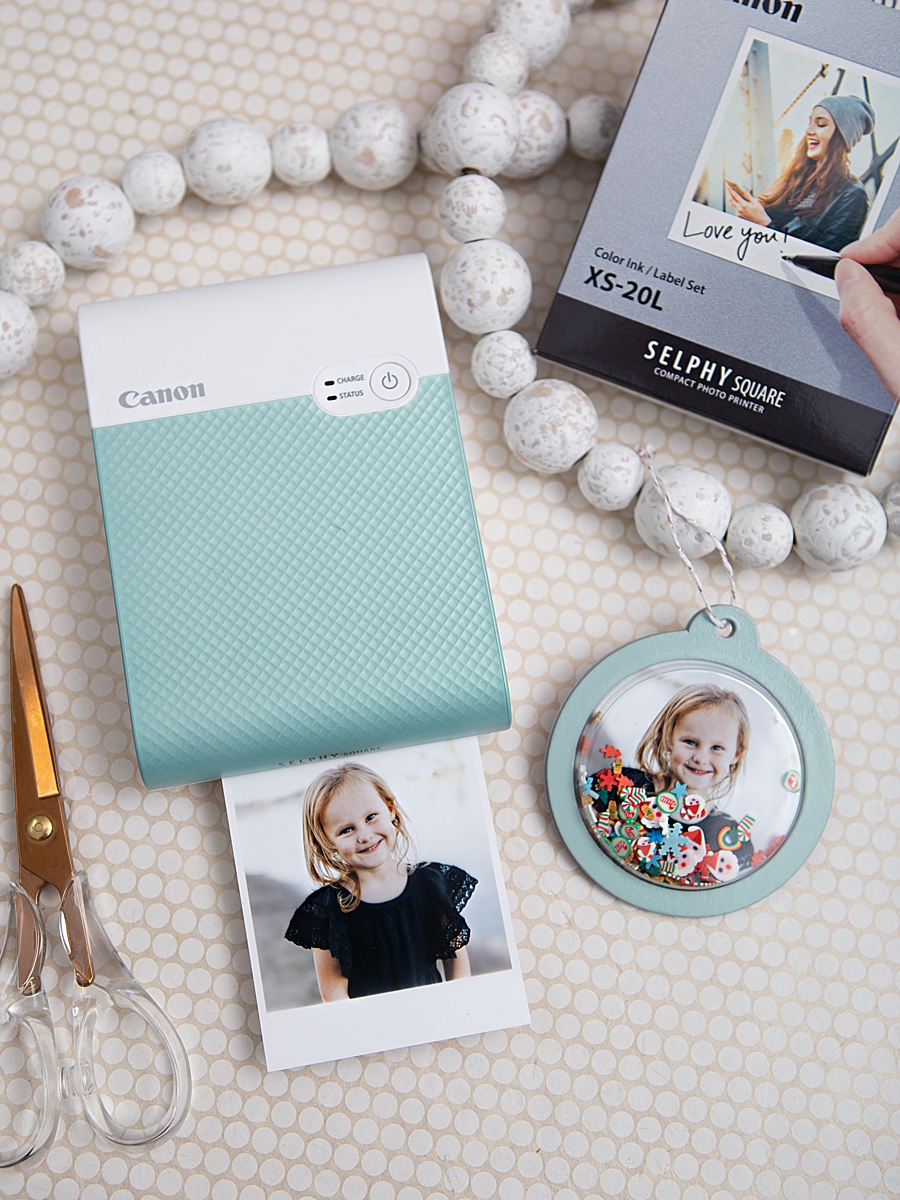
Market data suggests that the global personalized gift market is expected to grow significantly over the next five years. This growth is driven by the increasing availability of user-friendly hardware like the SELPHY series and the proliferation of social media platforms like Instagram and Pinterest, which serve as catalogs for creative inspiration. The ability to print high-resolution images instantly at home reduces the friction traditionally associated with custom photo projects, which previously required professional lab services or bulky inkjet printers.
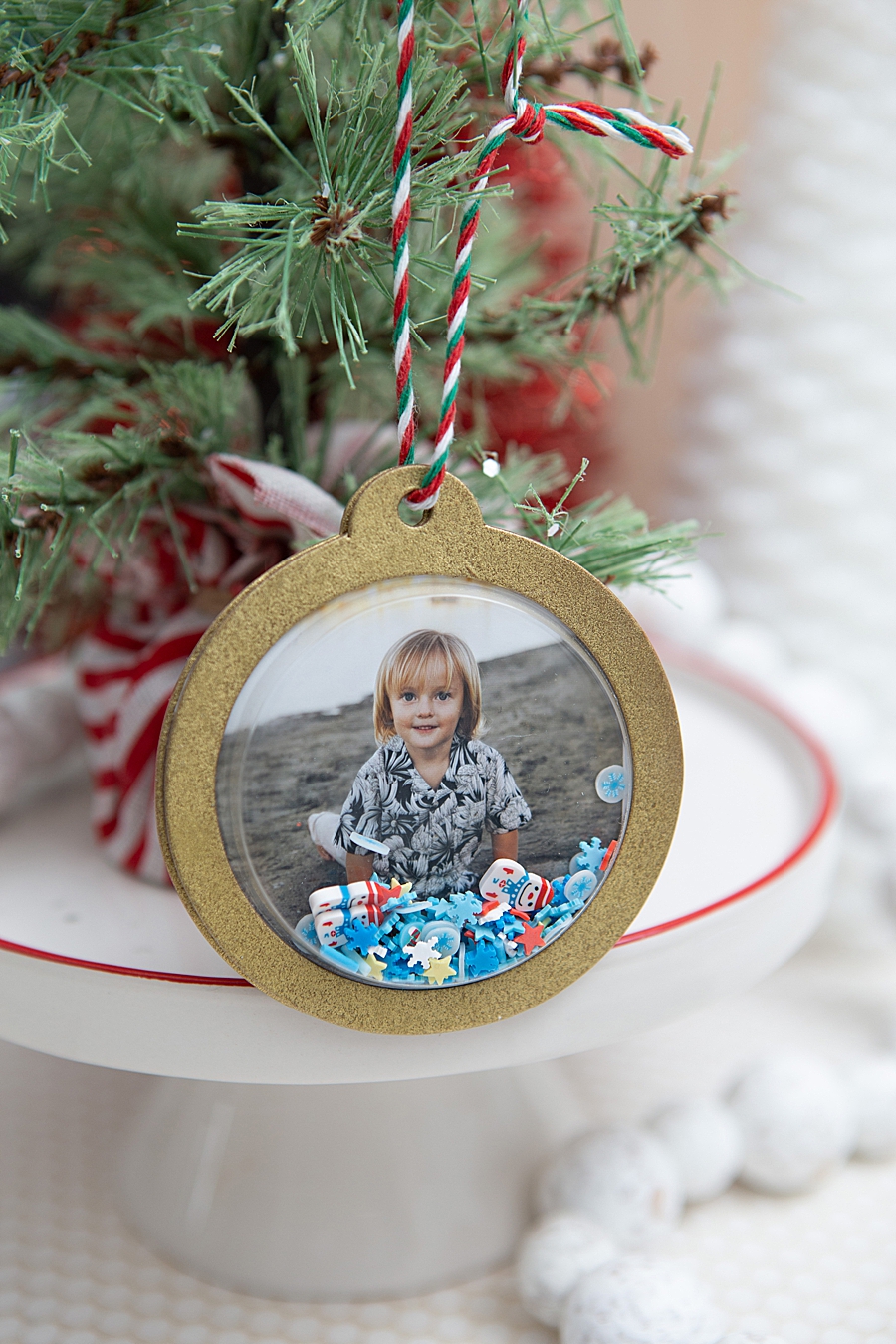
Procedural Methodology: The Photo Shaker Ornament Case Study
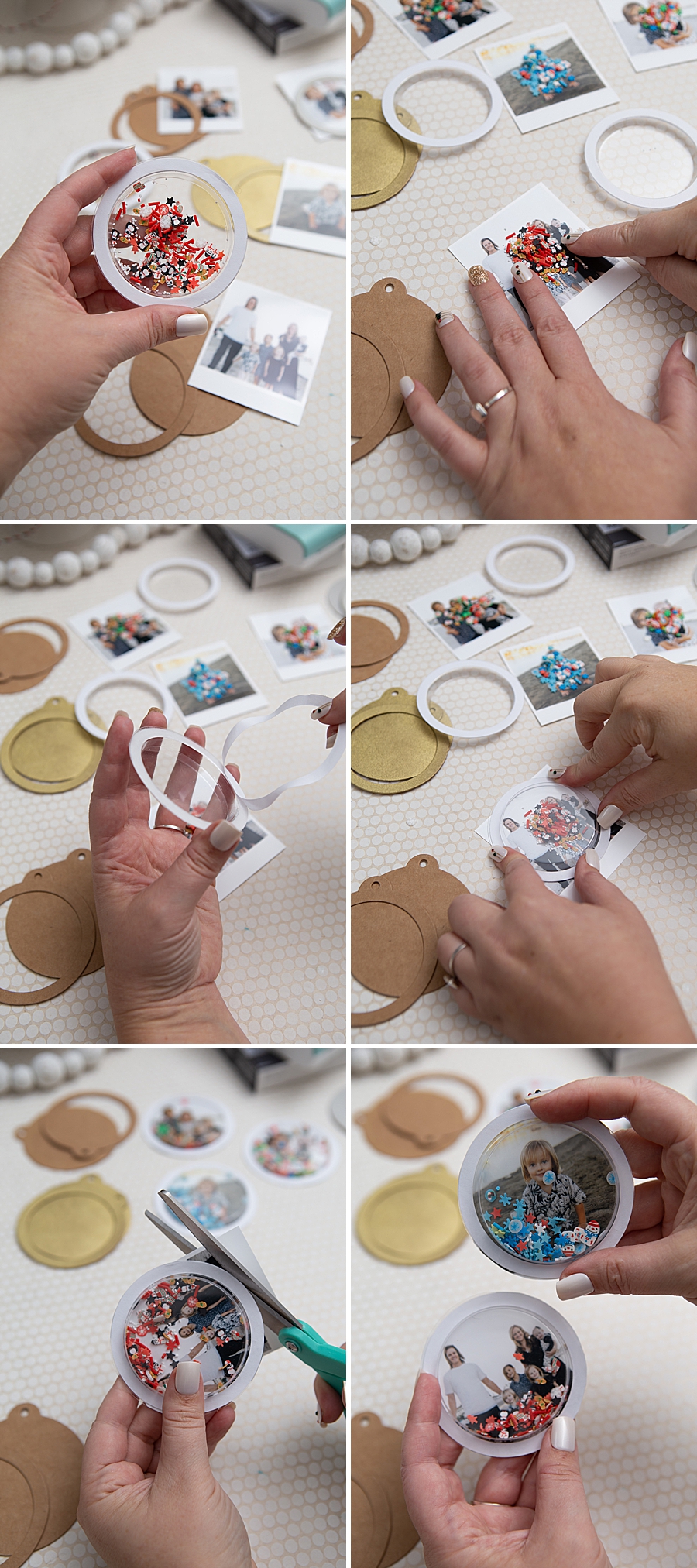
The creation of a photo shaker ornament using the SELPHY Square QX10 follows a specific technical workflow. This process serves as a benchmark for assessing the device’s utility in complex assembly projects.
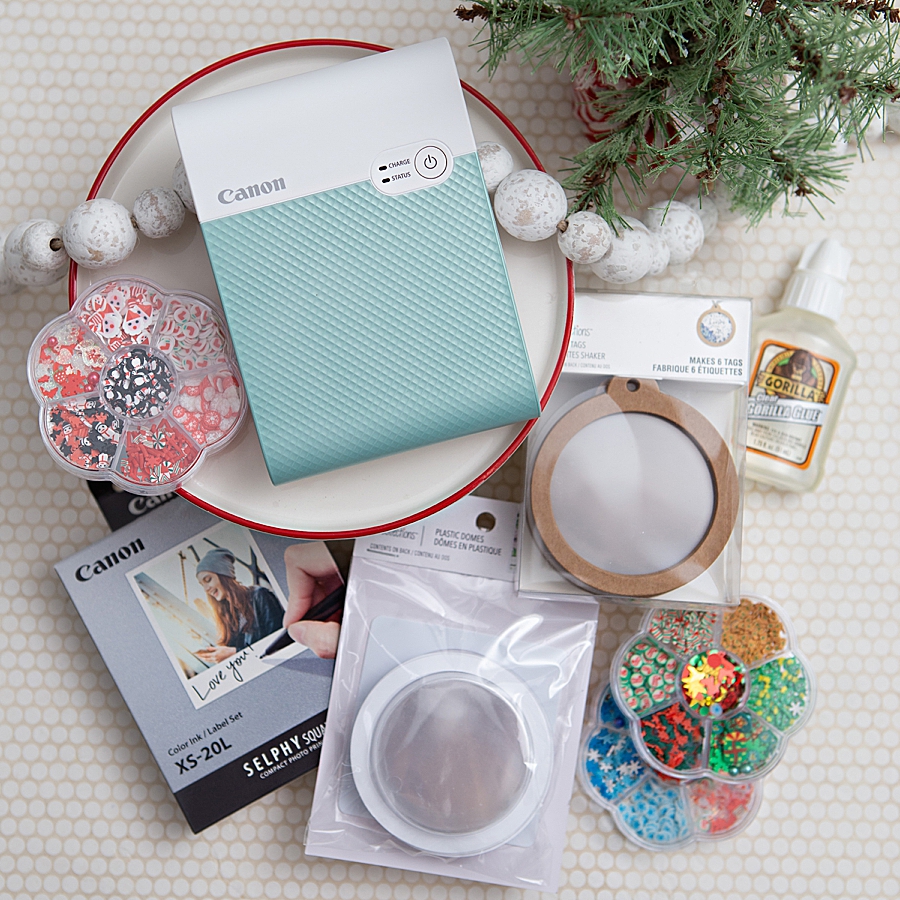
Phase I: Digital Preparation and Printing
The workflow begins with the Canon SELPHY Photo Layout 2.0 app. Users interface with the printer via a smartphone, utilizing the app’s internal editing tools to crop and frame images within the 2.7” square format. Once the "print" command is initiated, the printer executes its four-pass dye-sublimation cycle. Observers note that the visible progression of colors during the printing process provides an educational component for younger users, illustrating the CMY color model in real-time.
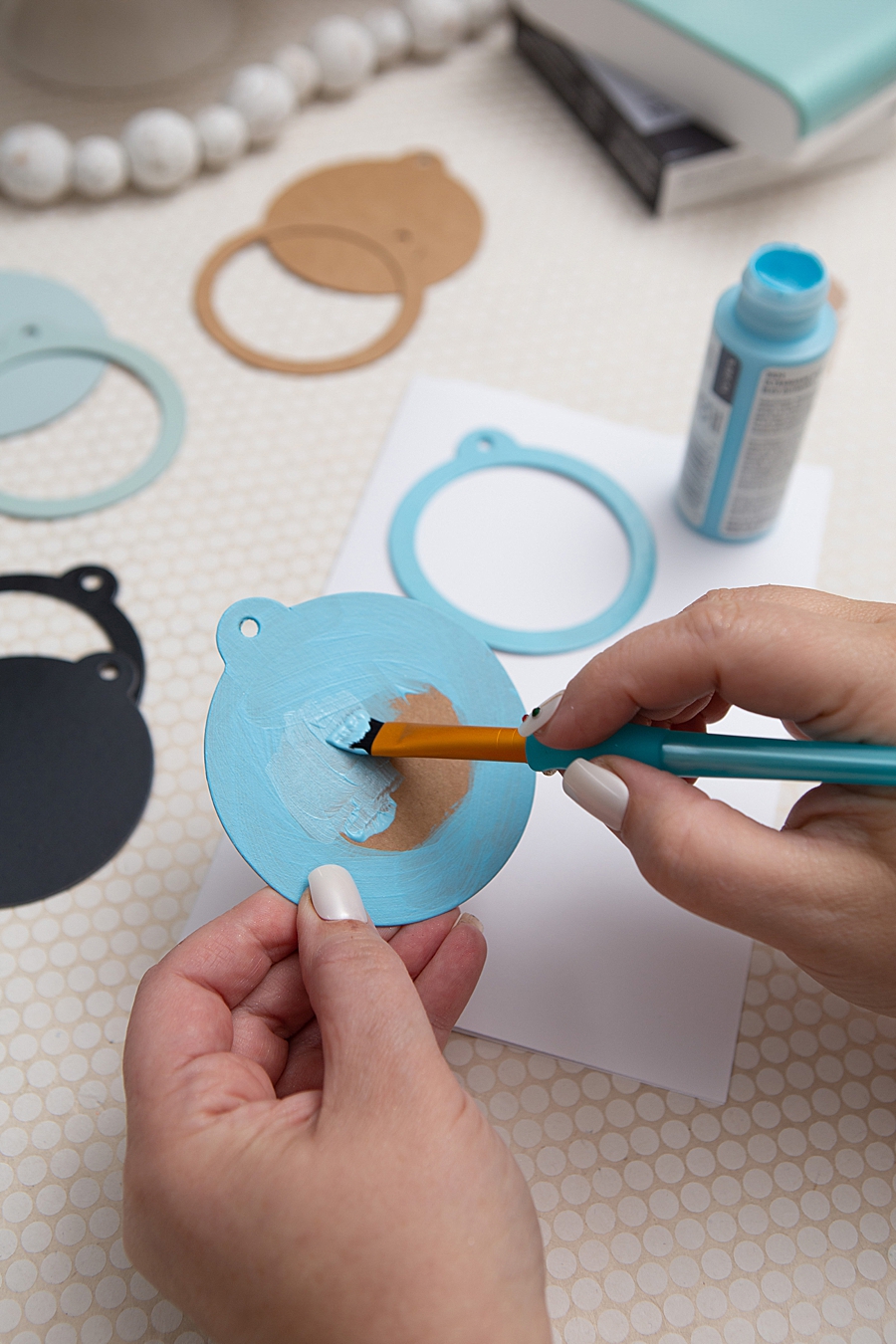
Phase II: Component Preparation and Customization
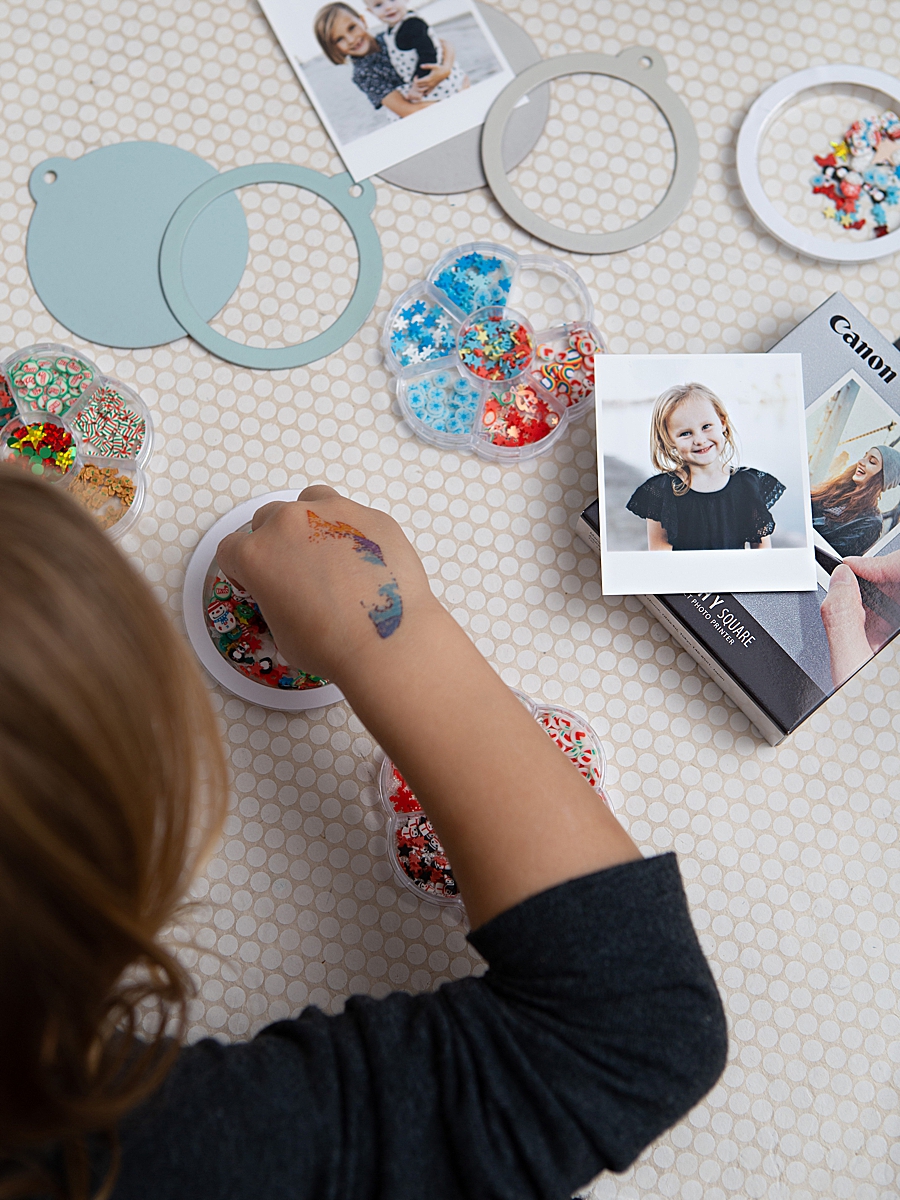
While the printer handles the imaging, the physical structure of the ornament is prepared. This typically involves "kraft" shaker tags—circular or shaped cardboard bases. According to industry standards for high-quality DIY projects, these bases may be treated with craft paint or spray paint. Technical recommendations suggest a minimum of two to three coats of pigment, followed by a clear gloss sealant to ensure the longevity of the base material and to provide a professional aesthetic.
Phase III: The Assembly of the "Shaker" Element
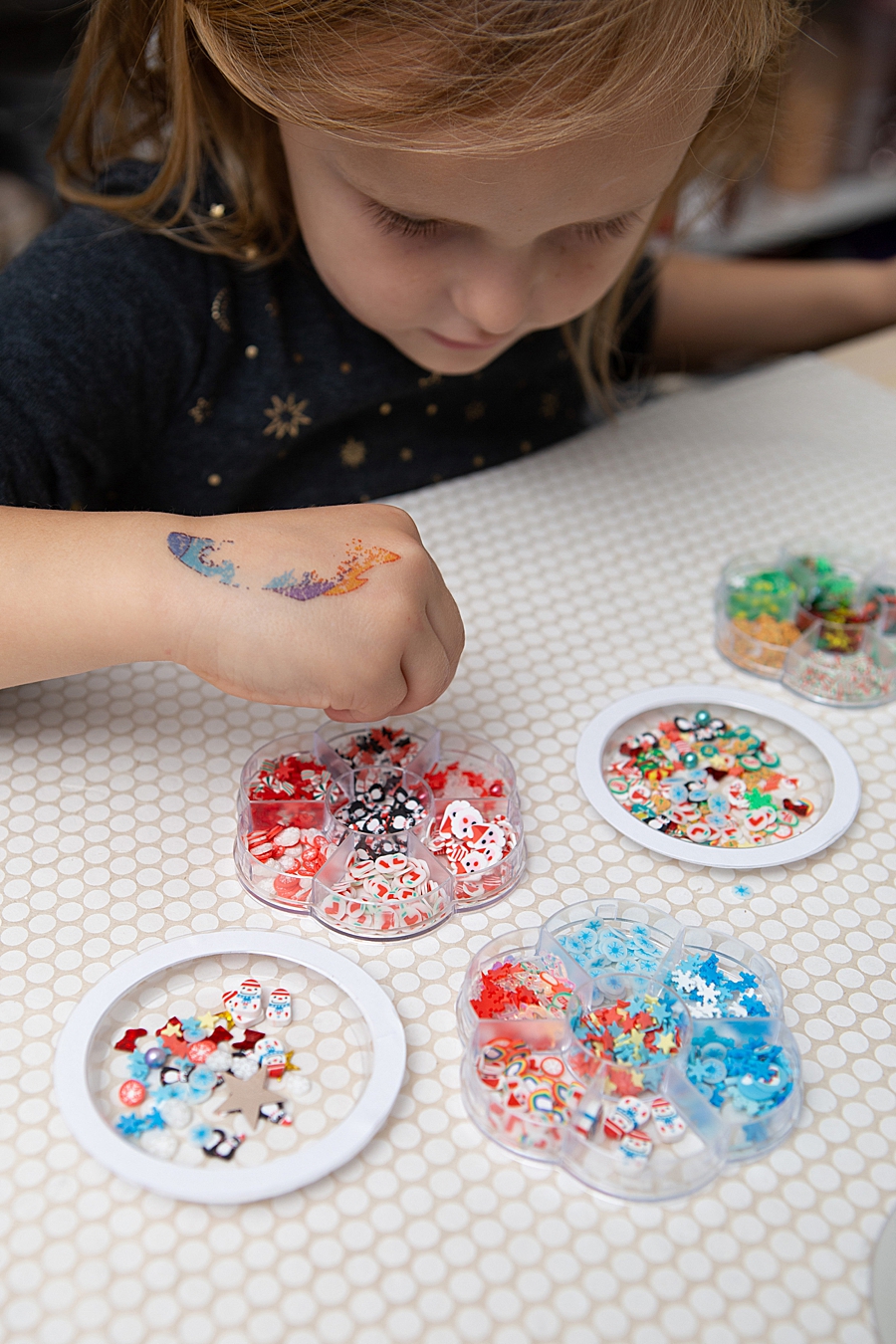
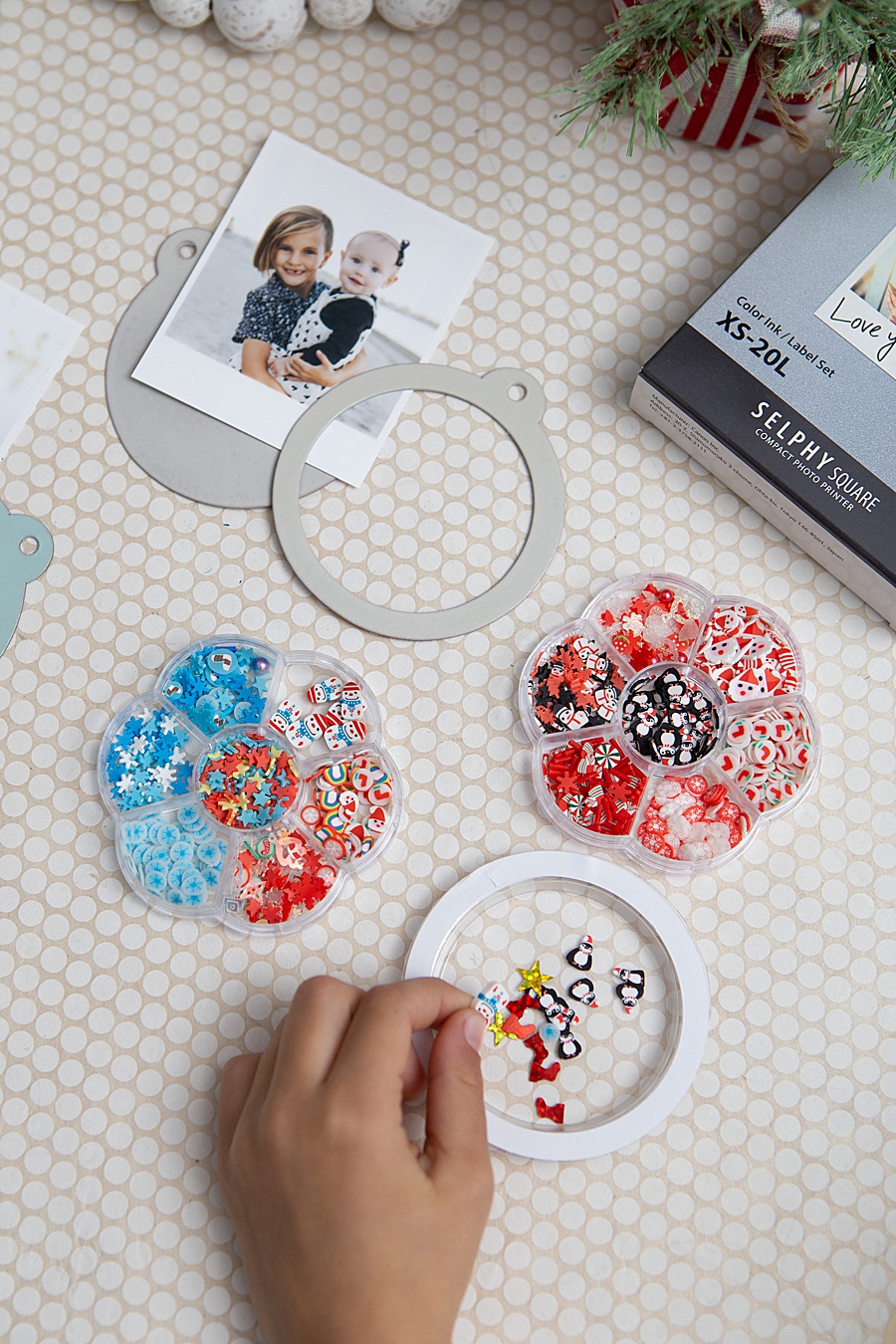
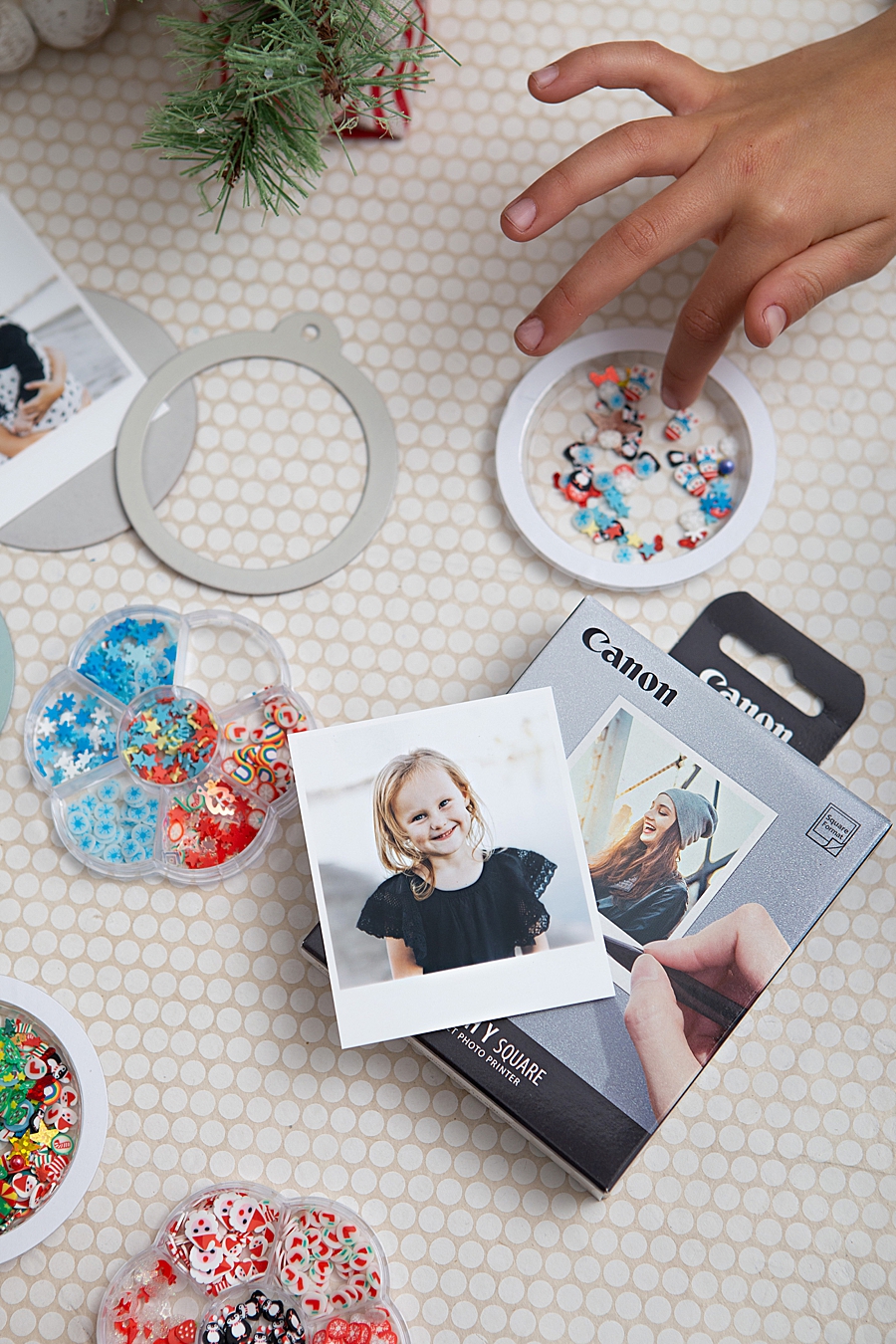
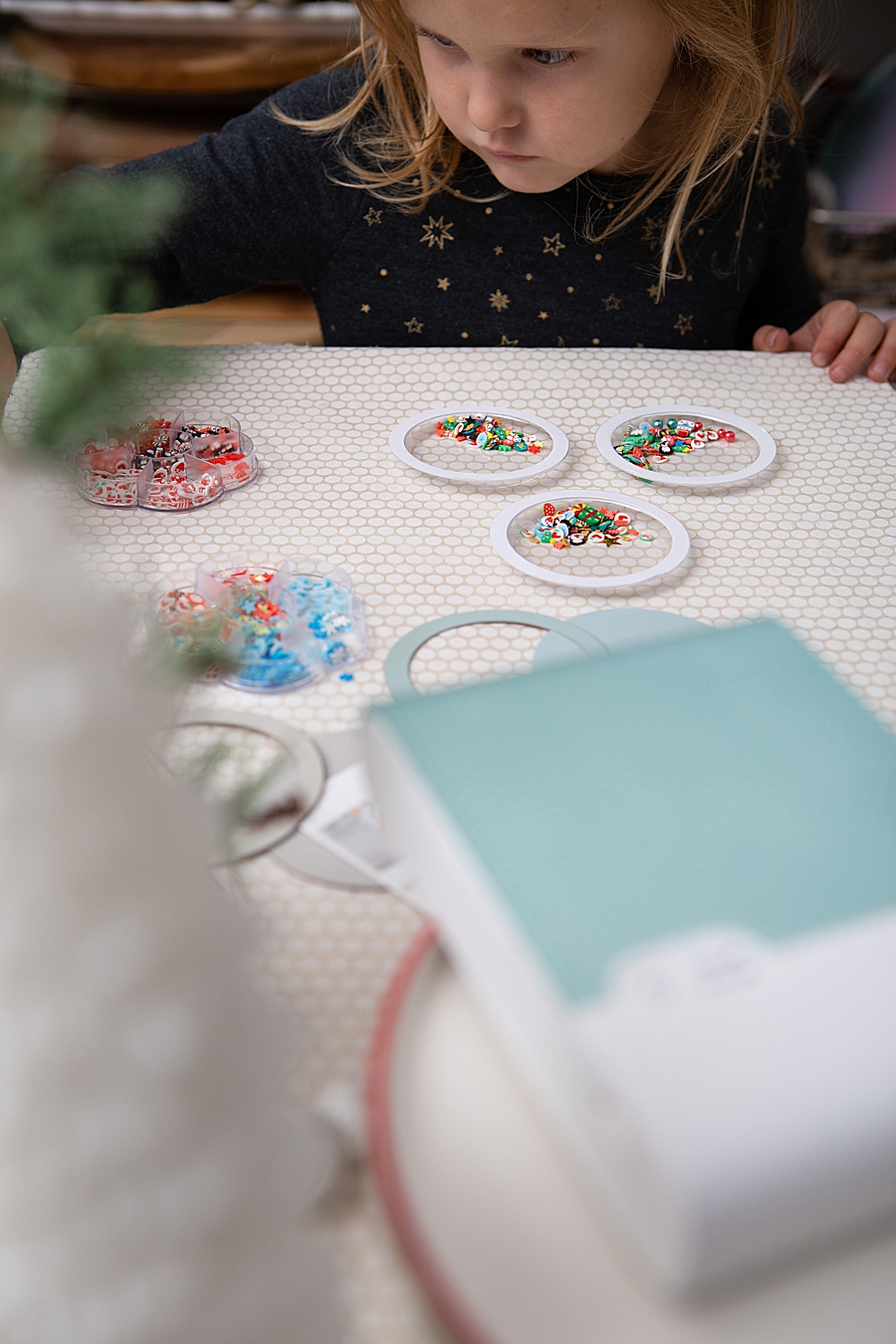
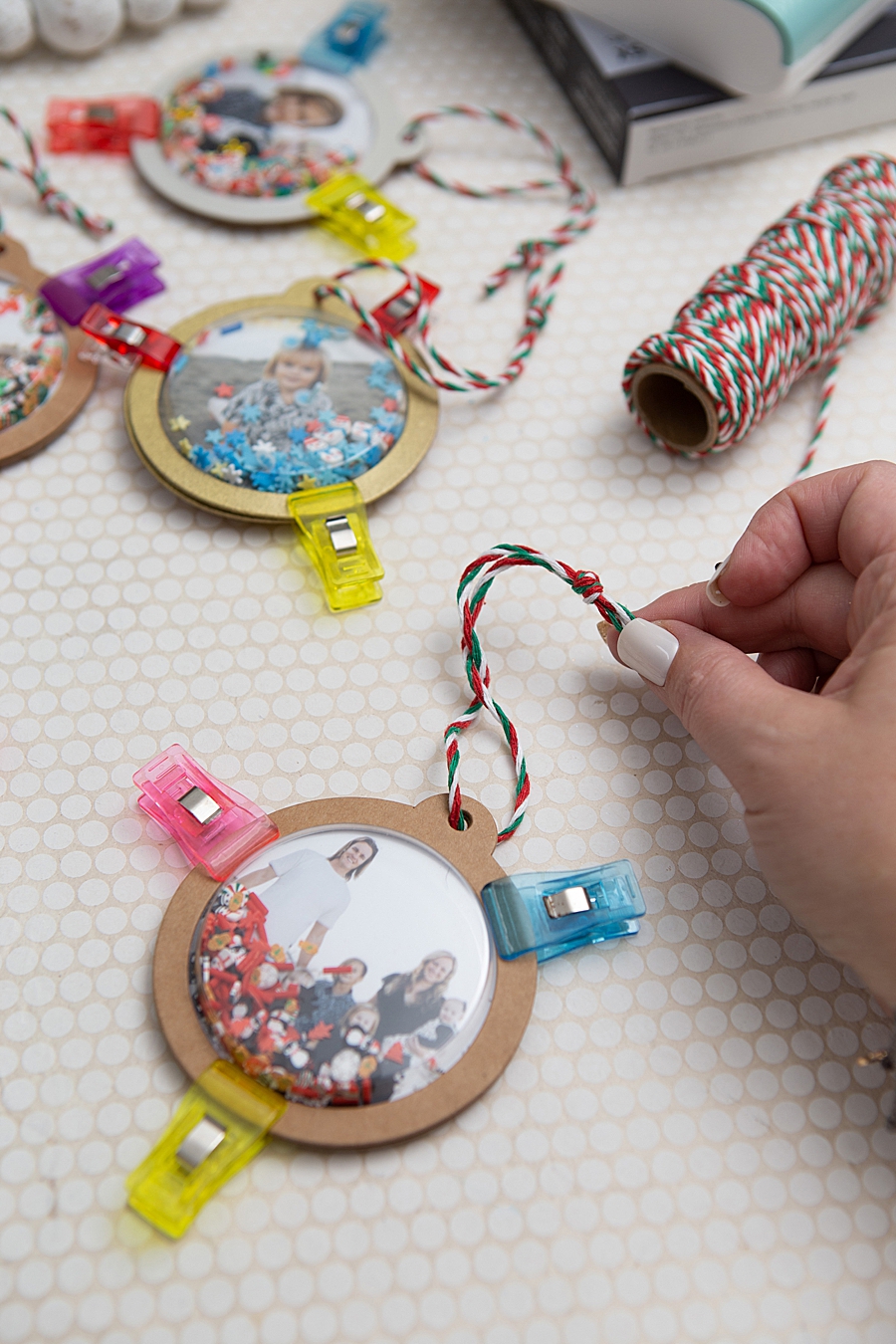
The interactive element of the ornament is achieved through the use of plastic "shaker domes." These transparent covers are filled with "shaker bits," which may include sequins, micro-beads, or specialized nail art supplies. Crucially, the volume of these bits must not exceed approximately 1/8th of the dome’s capacity; excessive filling obscures the underlying photograph, defeating the purpose of the personalization.
Phase IV: Adhesion and Curing
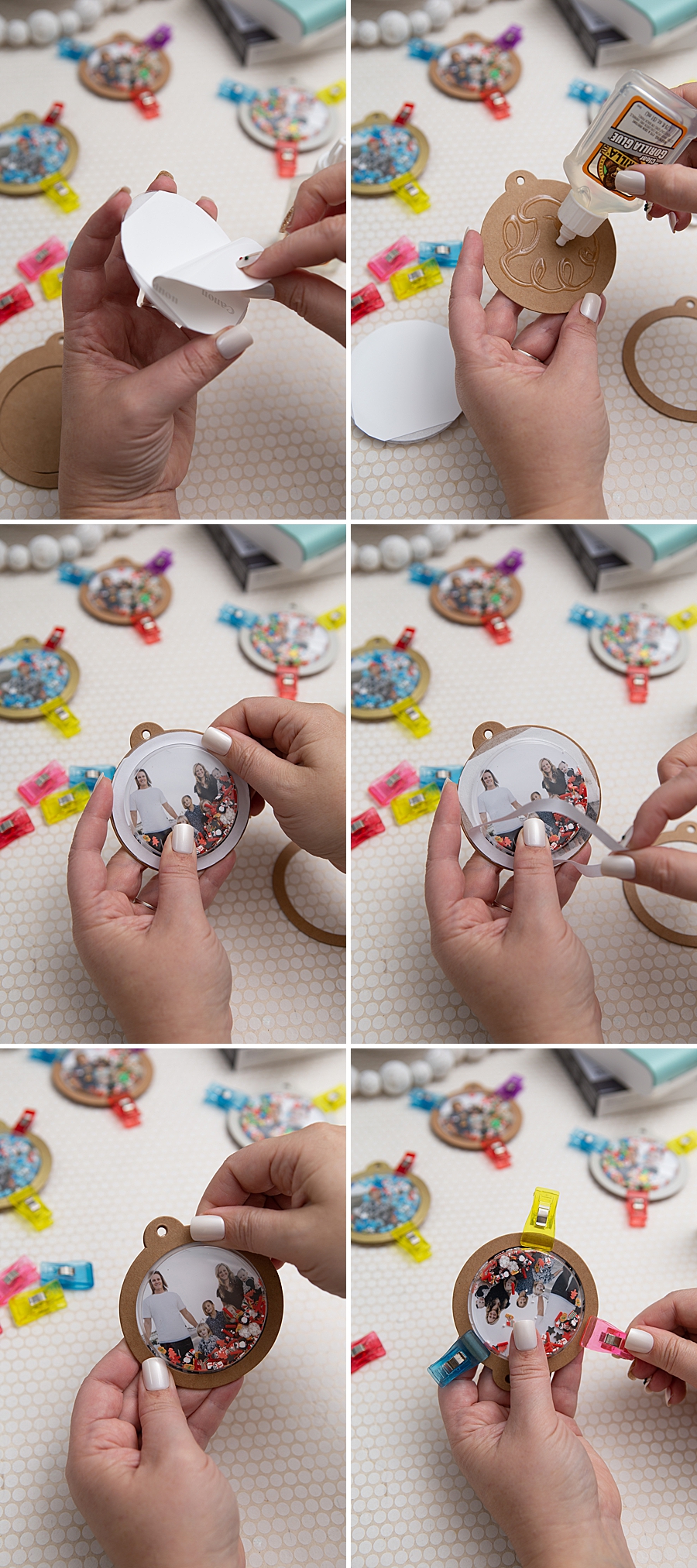
The assembly is finalized by adhering the printed photo to the base and sealing the dome over the image. Industrial-strength adhesives, such as Gorilla Glue, are frequently employed to ensure the structural integrity of the ornament, particularly as these items are designed to be handled and shaken. The curing process is a vital stage: while most modern adhesives become "tack-free" within two hours, a full 24-hour cure period is required to ensure the ornament can withstand the stresses of holiday display and long-term storage.
Supporting Data and Market Analysis
The success of devices like the SELPHY Square QX10 is supported by a shift in consumer behavior toward "phygital" products—physical items that originate from digital experiences. According to recent consumer electronics reports, the portable photo printer market has seen a compound annual growth rate (CAGR) of approximately 7.5%.
| Feature | Canon SELPHY Square QX10 | Standard Instant Film Printers |
|---|---|---|
| Technology | Dye-Sublimation | Silver Halide / ZINK |
| Print Life | Up to 100 Years | 10–25 Years |
| Backing | Adhesive Sticker | Standard Paper/Plastic |
| Connectivity | Wi-Fi / App-Based | Bluetooth / App-Based |
| Weight | < 1.0 lb | 0.5 – 1.2 lbs |
The data indicates that while instant film offers a "retro" aesthetic, dye-sublimation technology is preferred by those seeking archival quality and the ability to edit photos before the physical print is generated. This makes the QX10 particularly attractive to the scrapbooking and home-decorating demographics.
Corporate Strategy and Official Statements
Canon U.S.A., Inc. has positioned the SELPHY line as a bridge between their high-end professional imaging equipment and the casual consumer market. In a statement regarding their consumer imaging philosophy, the company emphasized that it "prides itself on allowing consumers to create and preserve beautiful imagery, from capture to print."
The integration of wireless technology and seamless app-based workflows is a central pillar of Canon’s strategy to remain relevant in an era dominated by smartphone photography. By focusing on "precision and ease," the company aims to recapture the market segment that has largely abandoned traditional photo printing in favor of cloud storage.
Broader Implications for the DIY Industry
The adoption of the SELPHY Square QX10 in the crafting community has broader implications for the retail landscape. Retailers such as Michaels and Amazon have seen a corresponding interest in "shaker" components and specialized adhesives, suggesting that the hardware is driving sales in the consumables sector.
Furthermore, the "social" aspect of this technology cannot be overlooked. The ease of use allows for multi-generational participation in crafting activities. As seen in the shaker ornament project, the technical aspects (printing and gluing) can be managed by adults, while the creative aspects (choosing shaker bits and "testing" the shakeability) involve children. This collaborative environment is a key driver in the sustained popularity of the DIY movement.
Conclusion: The Future of Domestic Printing
As the holiday season approaches, the use of the Canon SELPHY Square QX10 in creating personalized ornaments serves as a case study for the future of domestic production. The transition from digital file to physical artifact is no longer a cumbersome process requiring specialized knowledge. Instead, it has become an integrated part of the creative workflow.
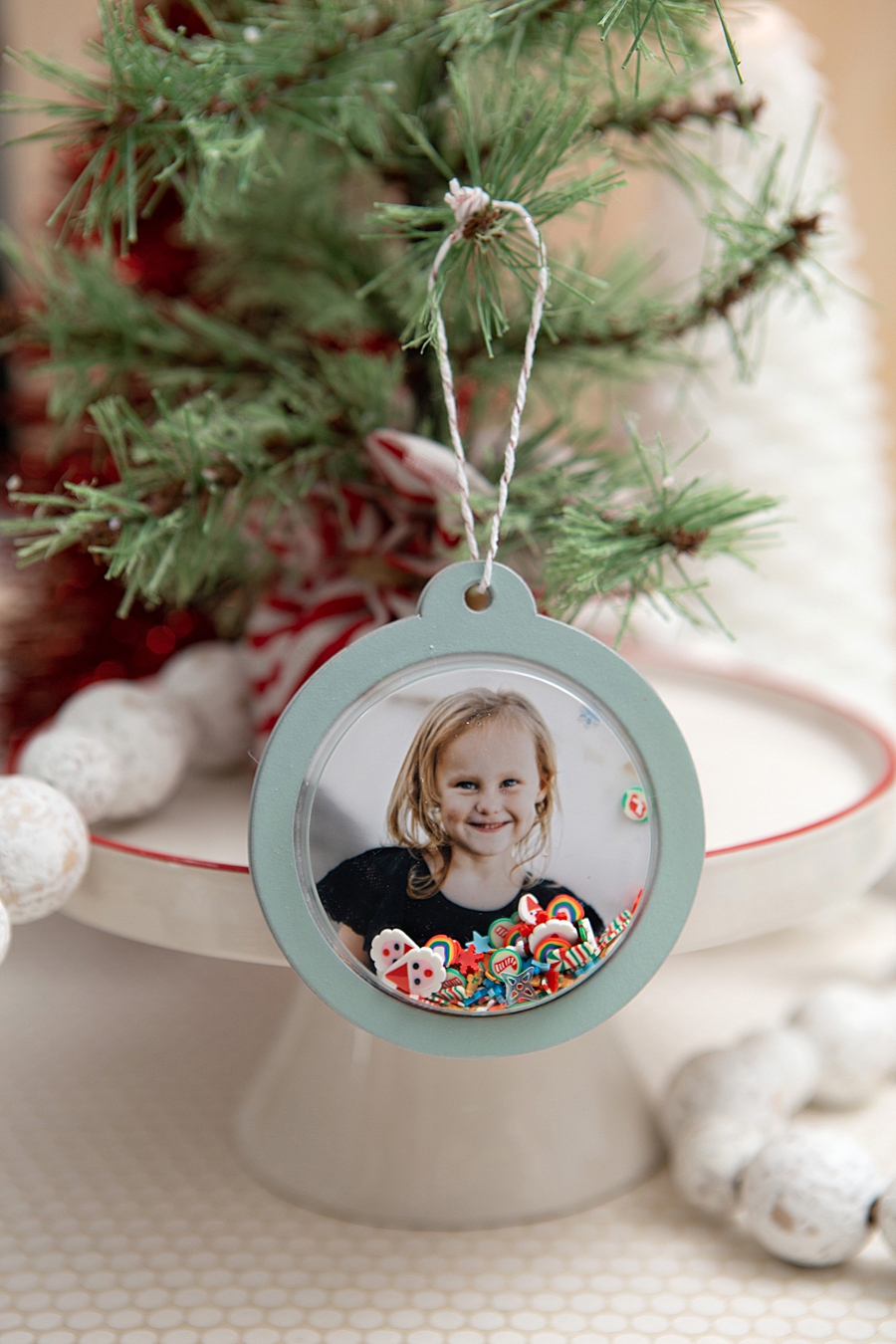
The durability of dye-sublimation prints, combined with the portability of modern hardware, ensures that the "handmade" movement will continue to evolve. While digital screens remain the primary medium for viewing images, the tactile satisfaction of a physical, interactive object like a photo shaker ornament remains unparalleled. For companies like Canon, the challenge and opportunity lie in continuing to shrink the hardware while expanding the creative possibilities for the end-user. The QX10 is a definitive step in that direction, proving that high-quality, archival printing is no longer tethered to a desk, but can exist wherever the "maker" chooses to create.