

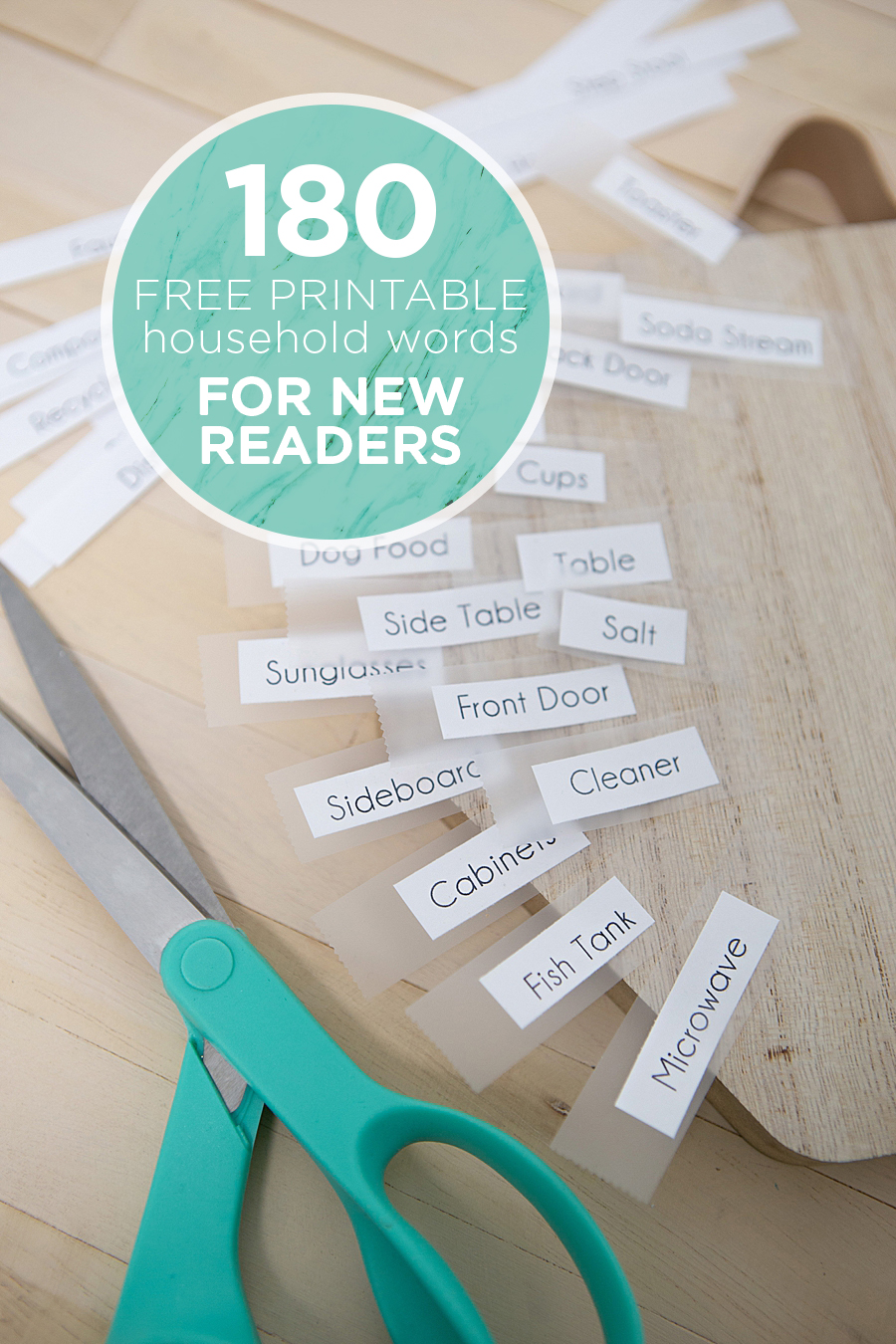
The implementation of environmental print strategies within the home has emerged as a significant method for accelerating literacy development in early childhood, as evidenced by a comprehensive new instructional resource released by the educational lifestyle platform Something Turquoise. Developed by Jen Causey-Kidder, the project provides a structured 180-word labeling system designed to bridge the gap between verbal recognition and visual literacy for emerging readers. By systematically cataloging common household objects—ranging from standard furniture to specific kitchen utensils—the initiative aims to create an immersive linguistic environment. This method relies on the premise that children, who are already familiar with the physical objects and their spoken names, can more effectively decode written symbols when they are placed in a direct, contextual relationship with the items they represent.
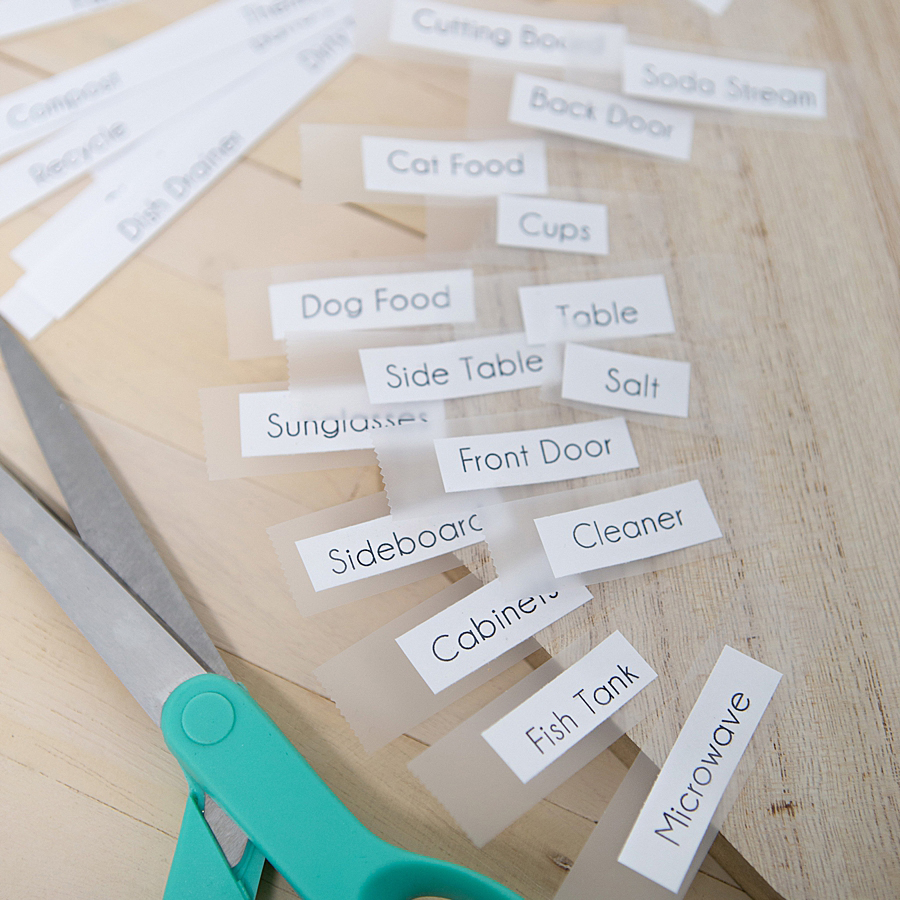
The initiative comprises a three-page printable directory of 180 terms, curated to cover a wide spectrum of household items. Unlike traditional flashcards, which remove words from their natural context, this environmental labeling approach integrates the learning process into the daily routine of the household. The project emphasizes functionality over aesthetics, addressing a common barrier in modern home design where educational utility is often sacrificed for visual cohesion. According to the developer, the primary objective is to provide "magic" in the learning process by allowing children to visualize the words they already use in speech, thereby reinforcing the cognitive link between the signifier and the signified.
The Role of Environmental Print in Literacy Development
The concept of "environmental print" is a cornerstone of early childhood education, referring to the print found in everyday life, such as signs, labels, and logos. Educational researchers argue that environmental print is often the first type of written language that children recognize. By labeling a home, parents are essentially creating a laboratory for literacy. Academic studies in the field of the "Science of Reading" suggest that exposure to printed words in a meaningful context helps children develop "print awareness"—the understanding that print carries meaning and is organized in specific ways.
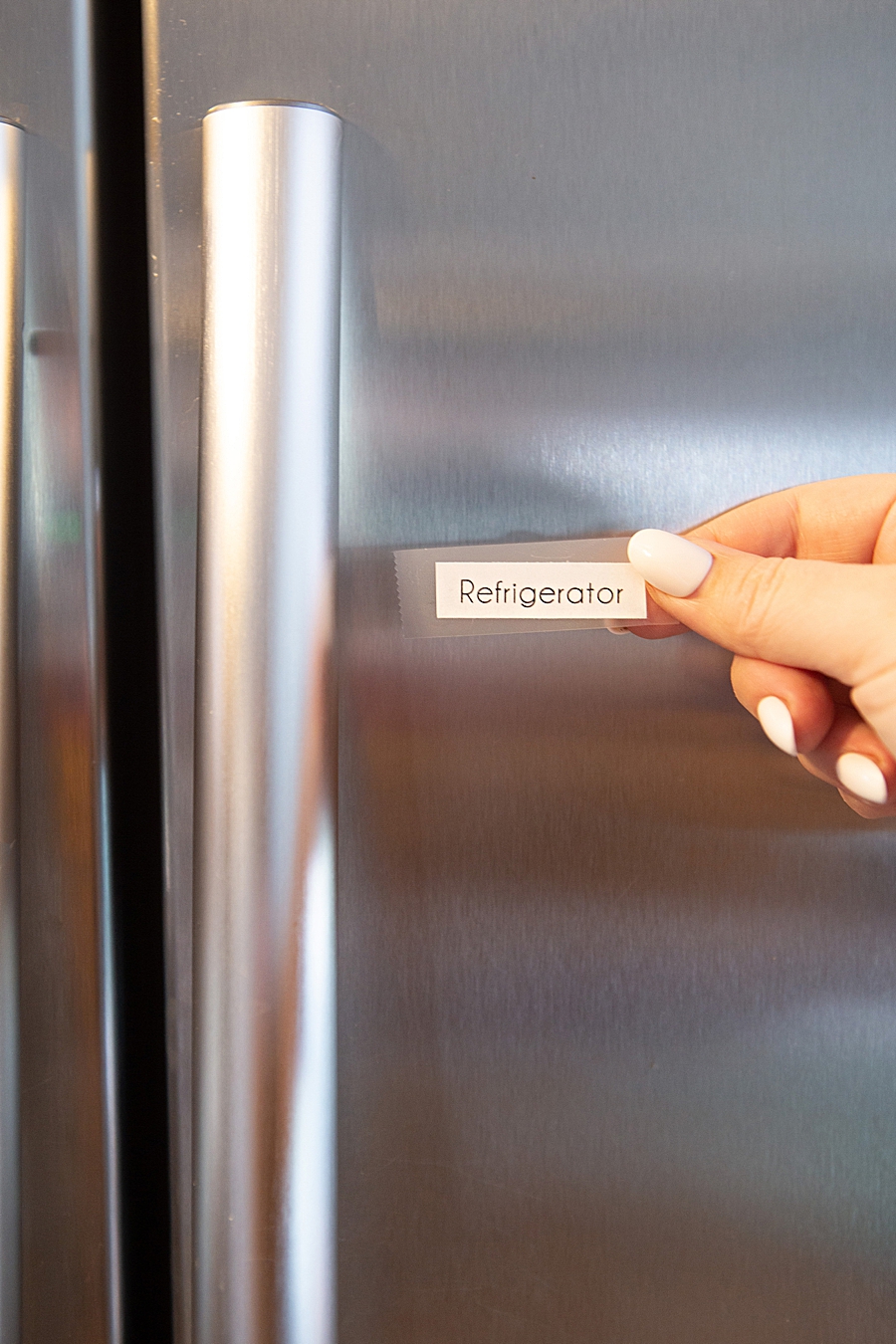
When a child sees the word "refrigerator" affixed to the appliance, they are not merely memorizing a string of letters; they are engaging in a complex cognitive process of mapping phonemes to graphemes within a high-frequency environment. This constant exposure reduces the cognitive load required for decoding during formal reading sessions. Furthermore, the use of environmental print supports the development of a child’s sight word vocabulary, which is essential for reading fluency. As children begin to recognize these words effortlessly, their confidence grows, facilitating a smoother transition to more complex texts.
Methodological Chronology of Home Implementation
The implementation of the household labeling project follows a specific four-day timeline, as documented by the Something Turquoise team. This deliberate pace is intended to prevent overwhelming the child while maintaining a high level of engagement and "fun" throughout the process.
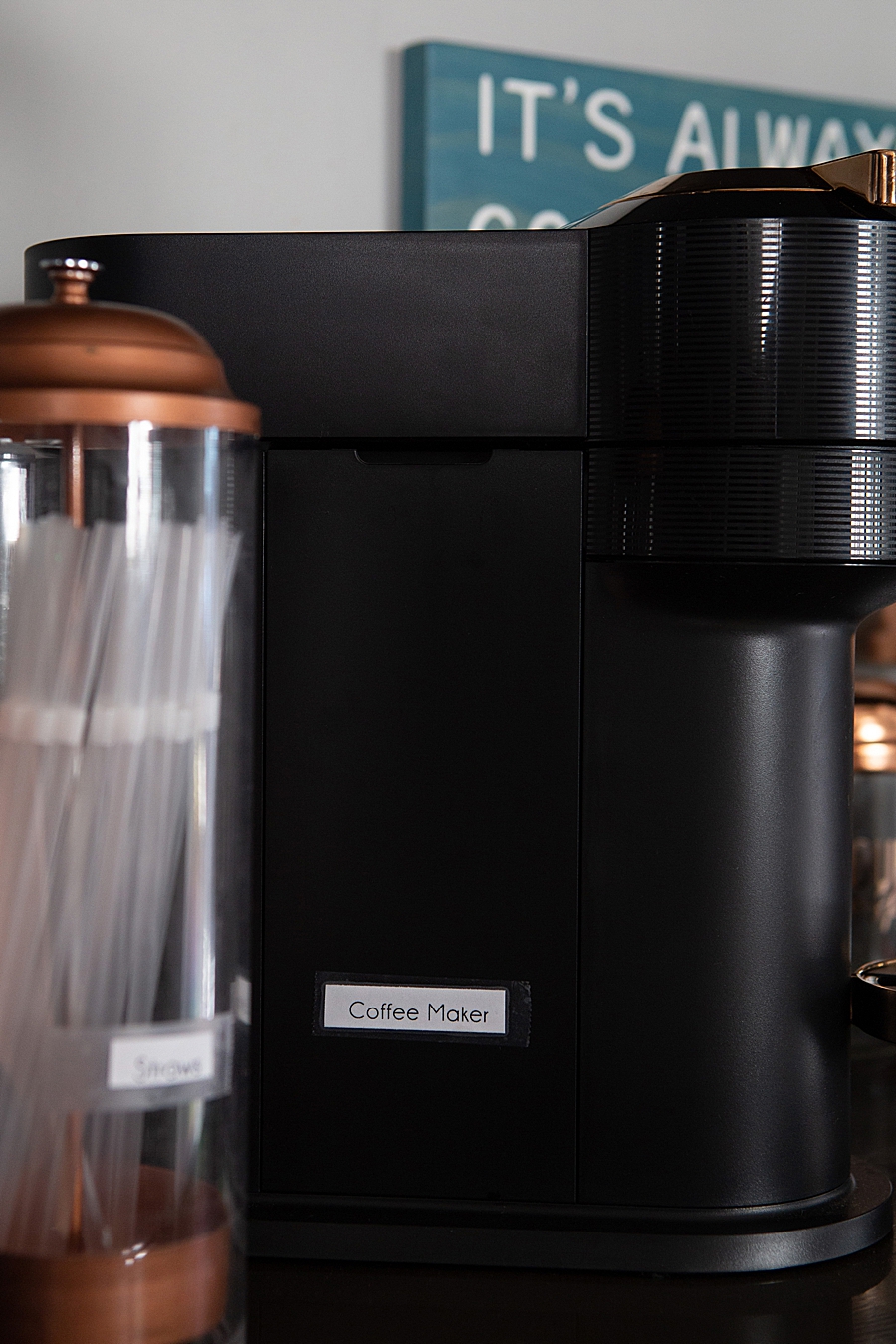
- Preparation and Font Selection: The initial phase involves the selection of a highly legible, sans-serif font. The project specifically utilizes "Champagne & Limousines," a choice driven by the need to avoid typographic flourishes that can confuse new readers. Specifically, the design of letters such as "a," "g," and "t" must remain consistent with the basic forms taught in early handwriting curricula.
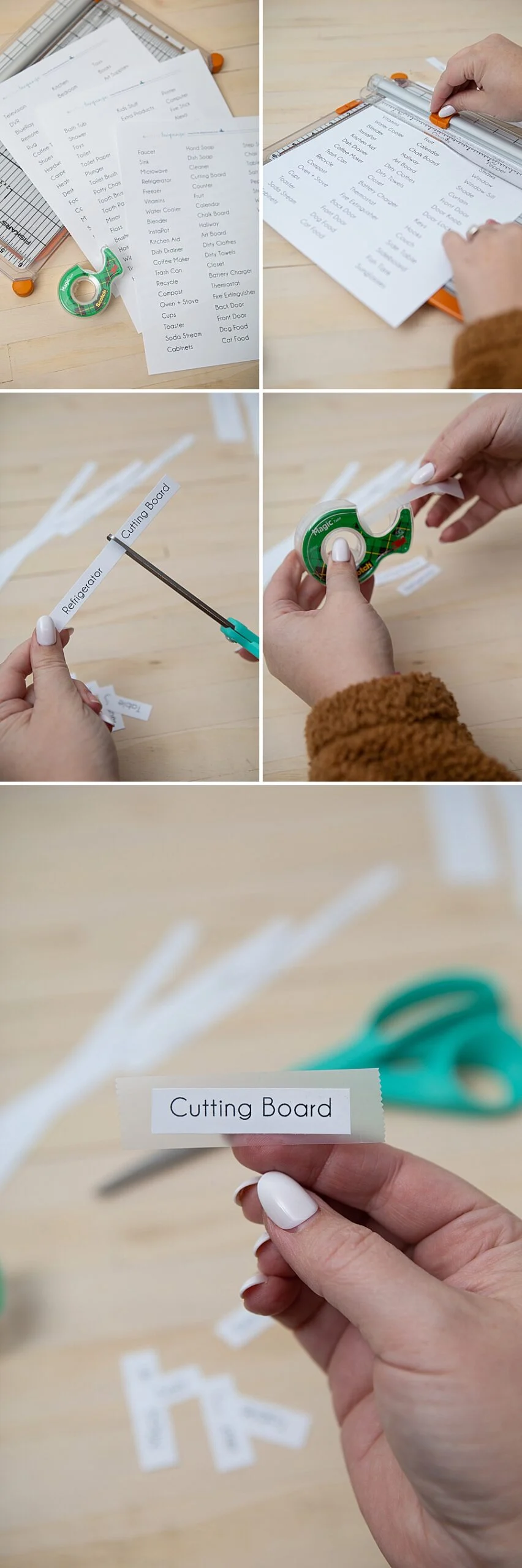
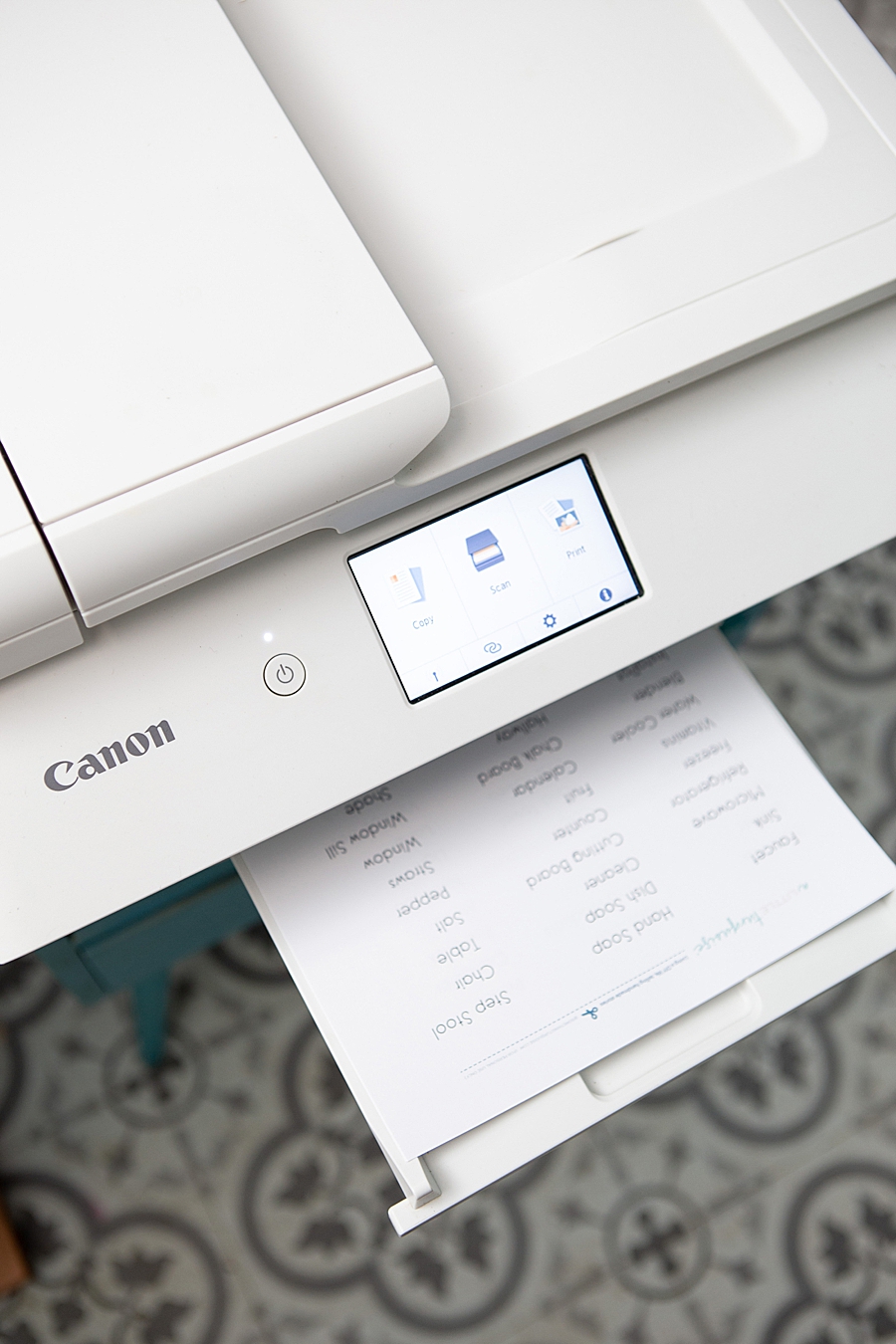
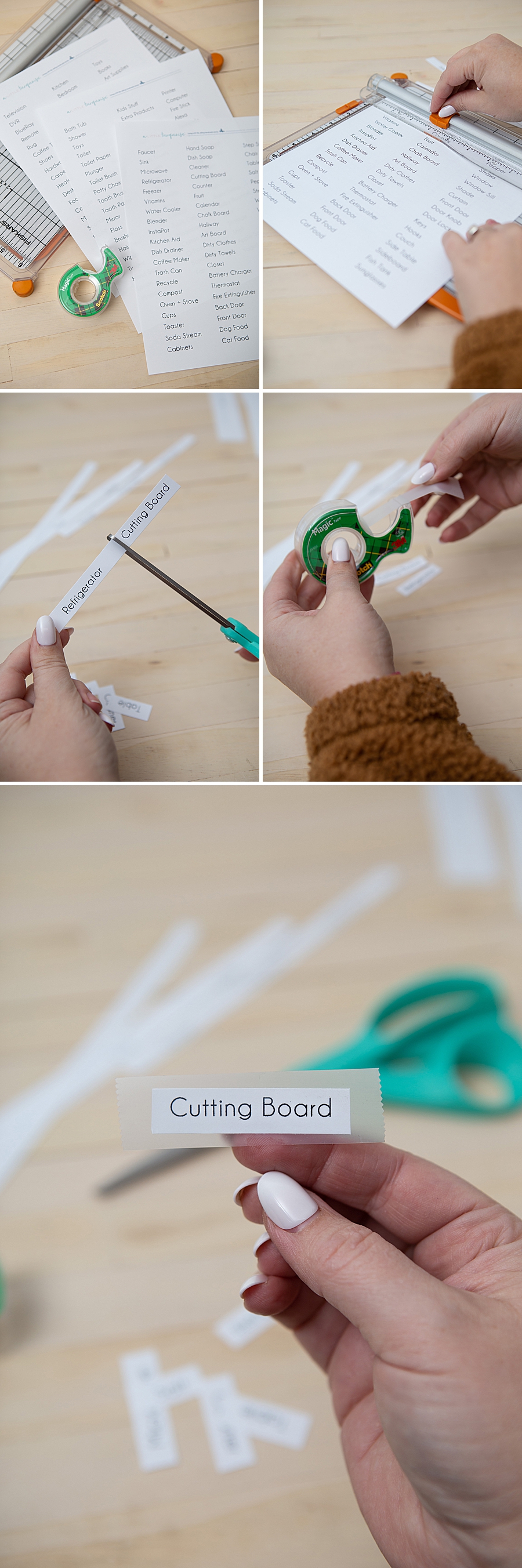
- Categorization and Printing: The 180-word list is divided into logical segments. This phase involves printing the terms on standard media, ensuring that the text is large enough to be seen from a distance but small enough to fit on various household surfaces.
- The "Walk-Through" Identification: The developer describes a process of walking through the residence to identify and match the printed words with their corresponding physical objects. This step involves active participation from the children, who assist in locating the items.
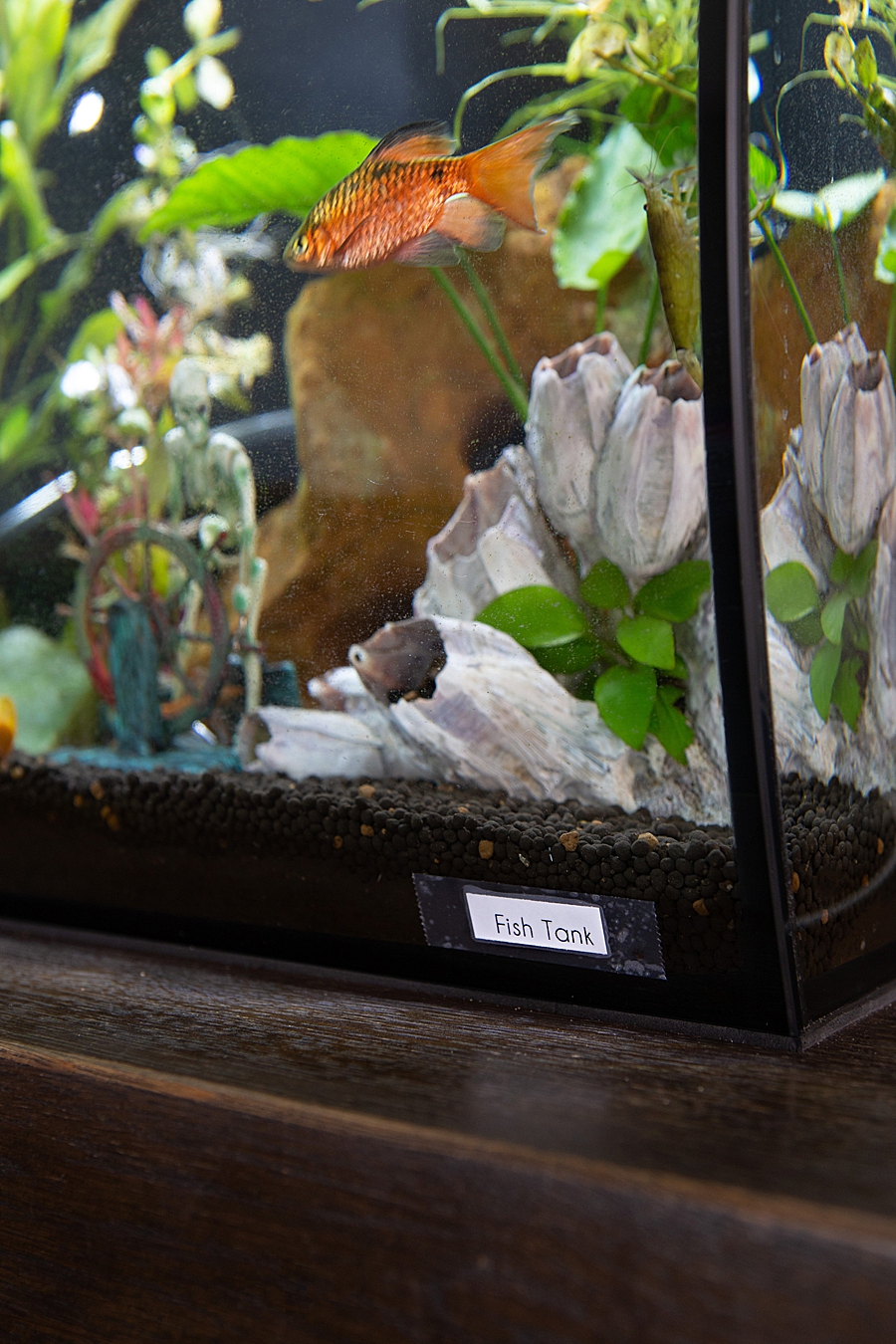
- Application and Integration: Over the course of four days, labels are trimmed and secured to objects using adhesive tape. The final stage is the integration of these labels into daily life, where parents and children "read the house" as they move from room to room.
Technical Specifications and Typographic Considerations
A critical component of the project is the focus on typographic clarity. In the realm of early literacy, font choice is not merely an aesthetic preference but a functional necessity. Many stylized fonts utilize "double-story" lowercase "a"s or "g"s, which differ significantly from the "single-story" versions children are typically taught to write. Such discrepancies can lead to "decoding interference," where a child fails to recognize a letter because its form deviates from their mental prototype.
The use of the "Champagne & Limousines" font addresses these concerns by providing clean lines and recognizable letterforms. The project also utilizes a minimalist design—black text on a white background—to maximize contrast. This follows established principles of visual ergonomics, ensuring that the labels are accessible to children whose visual processing skills are still maturing. The reliance on standard tools, such as a Canon TS9521C Crafting Printer and basic printer paper, underscores the accessibility of the project for the average household.
Supporting Data: The Impact of Literacy-Rich Environments
The necessity for such home-based literacy interventions is supported by national educational data. According to the National Assessment of Educational Progress (NAEP), often referred to as "The Nation’s Report Card," early exposure to literacy materials is a strong predictor of later academic success. Statistics indicate that children who grow up in "print-rich" environments—defined by the presence of books, writing materials, and labeled items—tend to score significantly higher in reading proficiency by the third grade.
Furthermore, the "word gap" research conducted by Hart and Risley highlights the profound impact of the number of words a child is exposed to in their early years. While their study focused primarily on spoken language, modern extensions of this research emphasize that visual exposure to words is a vital secondary component. By introducing 180 specific labels into the home, parents can increase the frequency of "literacy events" in a child’s daily life, potentially mitigating the effects of vocabulary deficits before they enter formal schooling.
Stakeholder Perspectives and Community Response
The response from both the educational community and parents has been largely positive, though it highlights a tension between interior design and educational utility. Educators frequently recommend labeling as a "boost" for new readers, particularly those who may be struggling with traditional phonics-based instruction. A reading teacher consulted for the project noted that because children are already "super familiar" with their home items, the cognitive leap to recognizing the written word is shortened.
From a parental perspective, the project has been described as a "crack up" for visitors and guests, who often express curiosity about the ubiquitous labeling. Despite the lack of "cuteness" or aesthetic integration, the functional benefits are cited as "priceless." Social media engagement on platforms like Instagram suggests a growing trend of parents prioritizing "functional decor" that serves a developmental purpose. The Something Turquoise community has encouraged the sharing of stories and photographs under the hashtag #somethingturquoisediy, fostering a peer-to-peer support network for parents navigating the early stages of their children’s literacy.
Broader Implications for Early Childhood Education
The implications of widespread environmental labeling extend beyond individual household success. This approach represents a shift toward "informal pedagogy," where the home is seen not just as a living space but as a primary site of education. As school districts across the country grapple with fluctuating literacy rates, the democratization of teaching tools—such as free, downloadable labeling kits—provides a low-cost, high-impact supplement to classroom instruction.
Moreover, the project addresses the psychological aspect of learning. By turning the "reading of the house" into a game or a shared family activity, it reduces the anxiety often associated with learning to read. For a child, the ability to "read" their own home provides a sense of mastery and autonomy. This positive emotional association with literacy can have long-term benefits, fostering a lifelong interest in reading and learning.
In conclusion, while the aesthetic of a house covered in 180 small paper labels may not align with traditional interior design standards, the educational dividends of such a system are substantial. By leveraging the principles of environmental print, typographic clarity, and consistent parental engagement, the Something Turquoise labeling project provides a robust framework for supporting the next generation of readers. As the developer notes, the labels may eventually be removed, but the foundational literacy skills they help build are intended to be permanent.