

A dazzling diamond, whether unearthed from the earth’s depths or meticulously crafted in a laboratory, has long symbolized enduring commitment and luxury. However, the emergence and increasing acceptance of lab-grown diamonds present consumers with a complex decision-making process. As these technologically advanced gems gain traction, understanding their origin, properties, creation methods, and market implications becomes crucial for informed purchasing. This article explores the multifaceted world of lab-grown diamonds, offering a comprehensive overview for consumers navigating this evolving segment of the jewelry industry.
The Genesis of Lab-Grown Diamonds: A Scientific Marvel
Lab-grown diamonds, often referred to as synthetic or cultured diamonds, are not imitations but rather real diamonds. They possess the same physical, chemical, and optical properties as natural diamonds because they are composed of pure carbon atoms arranged in the characteristic diamond crystal lattice. The primary distinction lies in their origin: instead of forming over billions of years under immense geological pressure and heat deep within the Earth, they are created in controlled laboratory environments within weeks or months. This controlled environment allows for greater predictability in size, shape, and quality from the outset.
The journey toward artificial diamond creation dates back to the mid-20th century. Early attempts in the 1950s by researchers in the United States and Sweden, utilizing high-pressure, high-temperature (HPHT) techniques, successfully produced small industrial-grade crystals. By the 1970s, advancements led to the first gem-quality diamonds suitable for jewelry. The subsequent decades witnessed significant improvements in scale, purity, and efficiency, particularly with the rise of chemical vapor deposition (CVD) alongside HPHT methods. Today, these technologies have matured, enabling widespread production and a growing share of the global diamond market.

Unpacking the Creation Processes: HPHT and CVD
Two primary methods dominate the production of lab-grown diamonds: High-Pressure, High-Temperature (HPHT) and Chemical Vapor Deposition (CVD).
The HPHT method aims to replicate the natural diamond-forming conditions within the Earth’s mantle. This process involves placing a small diamond seed crystal alongside a carbon source, typically graphite, and a metal catalyst (like nickel or iron) within a growth cell. Specialized presses then subject this cell to extreme pressures exceeding 870,000 pounds per square inch and temperatures around 2,700 degrees Fahrenheit. Over several days to weeks, the carbon dissolves in the molten catalyst and recrystallizes layer by layer onto the seed crystal. After completion, the rough diamond is extracted, cleaned of residual metal, and prepared for cutting and polishing. HPHT is effective for producing diamonds with strong crystal structures and can yield both colorless and some colored varieties. However, under close examination, tiny metallic inclusions might occasionally be visible.
In contrast, the CVD method employs a gas-based growth technique within a vacuum chamber. Multiple diamond seed wafers are placed on a substrate, and the chamber is filled with a mixture of hydrocarbon gases, such as methane and hydrogen. Energy sources, like microwaves, create a plasma that breaks down these gases at approximately 1,500 degrees Fahrenheit. Free carbon atoms then deposit onto the seed crystals, building the diamond structure layer by layer. This process typically yields growth rates of 0.01 to 0.1 millimeters per day, with larger crystals requiring several weeks. Once the desired size is achieved, the crystal plate is cut into individual diamonds. CVD often produces diamonds with high clarity and uniformity due to the low-contamination environment, making it particularly suitable for larger or precisely cut gems.
While both methods produce genuine diamonds, they differ in their approach and potential outcomes. HPHT often results in diamonds that grow in varied directions and may contain metallic traces, whereas CVD builds layers in a single direction, typically leading to fewer inclusions and more consistent properties. HPHT is often favored for higher-volume production or specific color requirements with shorter turnaround times, while CVD excels in producing larger, purer stones over longer growth periods.
The Evaluation of Lab-Grown Diamonds: The Four Cs and Beyond
Just as with their natural counterparts, lab-grown diamonds are subjected to rigorous evaluation based on the universally recognized "Four Cs": Cut, Color, Clarity, and Carat weight. Independent gemological institutes, such as the Gemological Institute of America (GIA) and the International Gemological Institute (IGI), meticulously assess these characteristics.
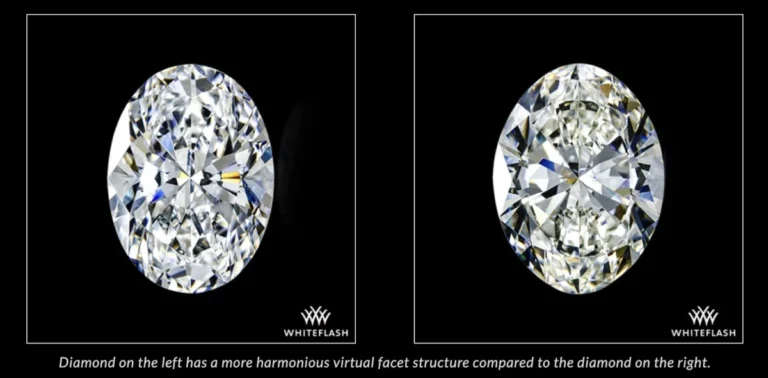
- Cut: This refers to the diamond’s proportions, symmetry, and polish, which determine its brilliance, fire, and scintillation. A well-cut diamond maximizes light reflection, resulting in a dazzling sparkle.
- Color: Diamonds are graded on a scale from D (colorless) to Z (light yellow or brown). Lab-grown diamonds can achieve the entire spectrum of colors, with D-grade diamonds being the most desirable for their lack of color.
- Clarity: This assesses the presence of internal inclusions or external blemishes. Diamonds are graded from Flawless (no inclusions or blemishes visible under 10x magnification) to Included (inclusions or blemishes visible to the naked eye).
- Carat Weight: This is the unit of mass for gemstones, with one carat equivalent to 0.2 grams. Lab-grown diamonds offer the advantage of achieving larger carat weights at a significantly lower price point compared to natural diamonds.
Beyond the Four Cs, grading reports for lab-grown diamonds typically include specific notations indicating their laboratory origin. Laser inscriptions on the diamond’s girdle often identify it as "laboratory-grown" and may specify the growth method. Specialized testing can detect subtle growth characteristics, such as flux remnants in HPHT diamonds or striations in CVD diamonds, to ensure accurate identification. This transparent disclosure ensures buyers can verify authenticity and quality with confidence.
The Growing Acceptance and Market Presence
The perception and acceptance of lab-grown diamonds have undergone a significant transformation. Once viewed with skepticism, they are now a mainstream option in the jewelry market. In 2022, lab-grown diamonds accounted for approximately 25% of all engagement rings sold in the United States, a remarkable surge from a much smaller percentage just a few years prior. This trend is mirrored globally, with an increasing number of independent jewelers offering lab-grown options.
The U.S. has emerged as the top single-country market for lab-grown diamonds, driven by widespread consumer awareness. More than 80% of American diamond shoppers are now aware of lab-grown diamonds, a testament to effective marketing and educational campaigns. Analysts project substantial growth for the global lab-grown diamond industry, with estimates suggesting it will reach around USD 33,454 million in 2026 and nearly double to USD 68,791 million by 2035, fueled by a compound annual growth rate (CAGR) of approximately 8.34%. This sustained growth indicates a robust and expanding market.
The Federal Trade Commission (FTC) has played a pivotal role in this shift by removing the word "natural" from its definition of diamonds, legally classifying lab-grown diamonds as diamonds. The Gemological Institute of America (GIA) also recognizes them as real diamonds with identical core traits, emphasizing that the difference lies solely in their origin. This scientific and regulatory consensus underpins the growing confidence consumers place in these gems.
The Economic Advantage: Cost and Value Proposition
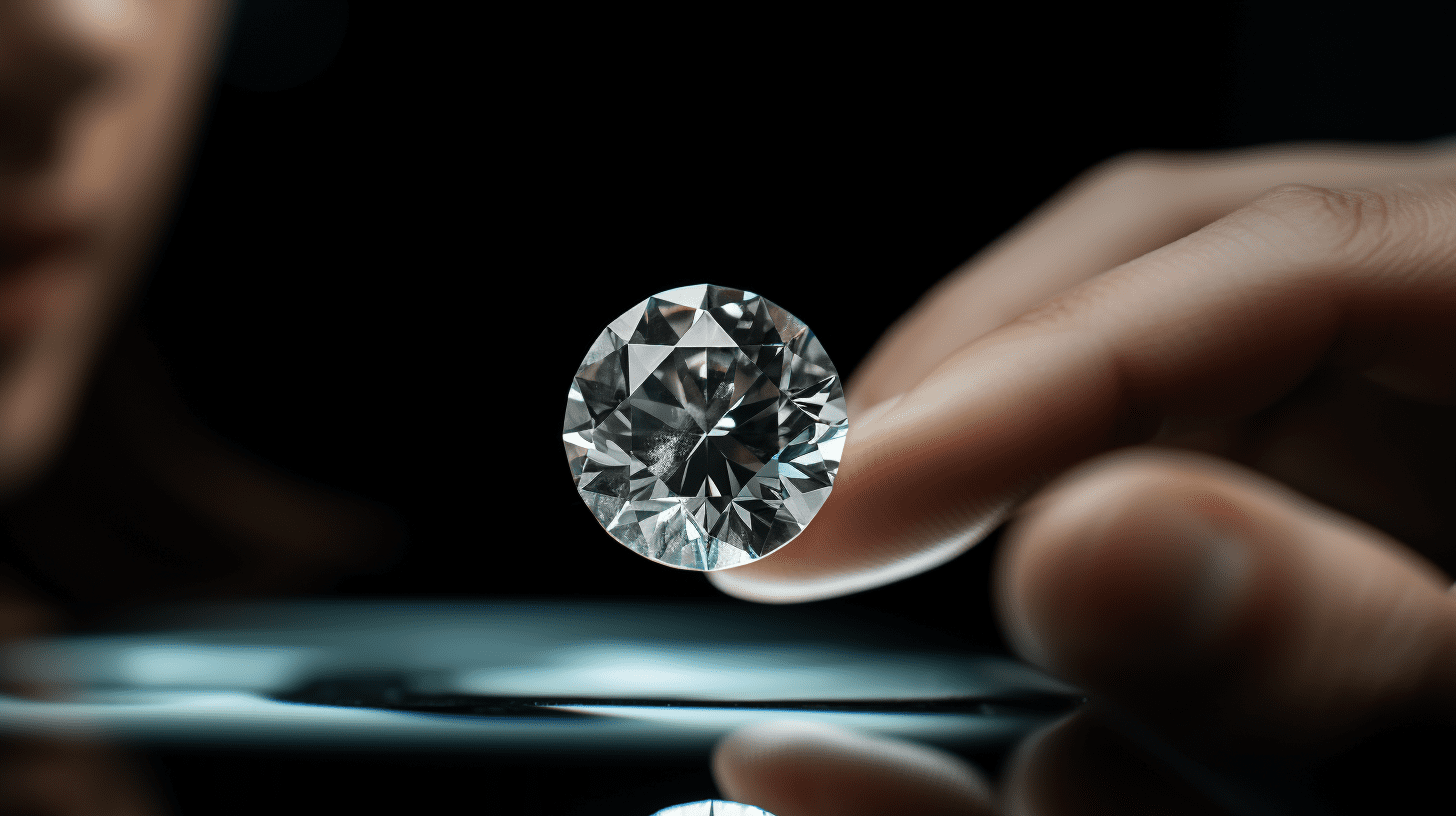
One of the most compelling aspects of lab-grown diamonds is their significantly lower price point compared to natural diamonds. Consumers can expect to pay between 70% to 90% less for a lab-grown diamond of equivalent quality. For instance, a 1-carat round diamond with G color, VS2 clarity, and an excellent cut might range from $700 to $1,500 when lab-grown, whereas a natural diamond with the same specifications could cost between $4,000 to $6,000 or more.
This substantial cost difference empowers consumers to make different purchasing decisions. They can opt for larger carat weights, higher color grades, or superior clarity for the same budget. Alternatively, they can allocate their savings to more intricate custom settings or other significant life investments. The scalability of manufacturing processes and increased supply contribute to these favorable price points, making high-quality diamond jewelry more accessible.
However, this economic advantage also brings considerations regarding resale value. Due to ongoing improvements in production technology and increasing supply, lab-grown diamonds tend to depreciate faster than natural diamonds. In secondary markets, they may retain only 30-40% of their original retail price, with potential for larger declines influenced by market trends. This makes them less suitable for individuals who view diamonds primarily as a store of value or an investment asset. The secondary market for lab-grown diamonds is generally smaller, with resale value often more dependent on the craftsmanship of the jewelry, brand reputation, and the value of the precious metal rather than the diamond itself. Consequently, purchasing lab-grown diamonds is primarily for enjoyment and personal adornment, rather than for speculative investment.
Environmental Considerations: A Complex Equation
The environmental impact of diamond production is a significant factor for many consumers. While natural diamond mining can have substantial environmental consequences, including habitat disruption and water usage, the production of lab-grown diamonds also has its own footprint, primarily related to energy consumption.
The HPHT and CVD processes require significant amounts of electricity. The carbon footprint associated with this energy use can vary dramatically depending on the facility’s location, the energy sources utilized, and operational efficiencies. Facilities relying on non-renewable energy sources, particularly coal-fired power plants in certain regions, can contribute to higher carbon emissions. This highlights that the environmental benefits are not uniform across the industry.
Some producers are actively investing in renewable energy sources to mitigate their environmental impact. However, the extent of these benefits requires clear documentation, such as facility-specific audits, energy mix reports, and third-party certifications. Consumers concerned about environmental sustainability are encouraged to seek out producers with verifiable practices and transparent reporting rather than assuming general eco-friendly benefits.
Navigating the Purchase: Tips for Consumers
For consumers considering a lab-grown diamond, several key considerations can ensure a satisfying purchase:
- Prioritize Independent Grading Reports: Always seek diamonds accompanied by grading reports from reputable independent laboratories like GIA or IGI. These reports provide an unbiased assessment of the diamond’s quality based on the Four Cs and confirm its laboratory origin.
- Understand the 4Cs: Familiarize yourself with how cut, color, clarity, and carat weight influence a diamond’s appearance and value. For lab-grown diamonds, focusing on an excellent or ideal cut grade is paramount for maximizing sparkle. Aim for color grades around G or H and clarity grades around VS2 for a good balance of appearance and affordability.
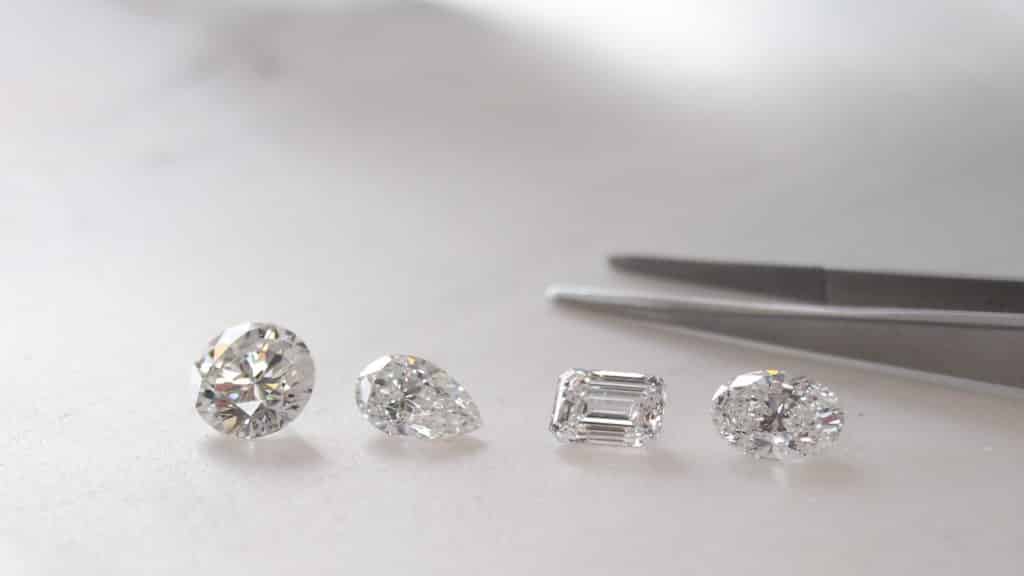
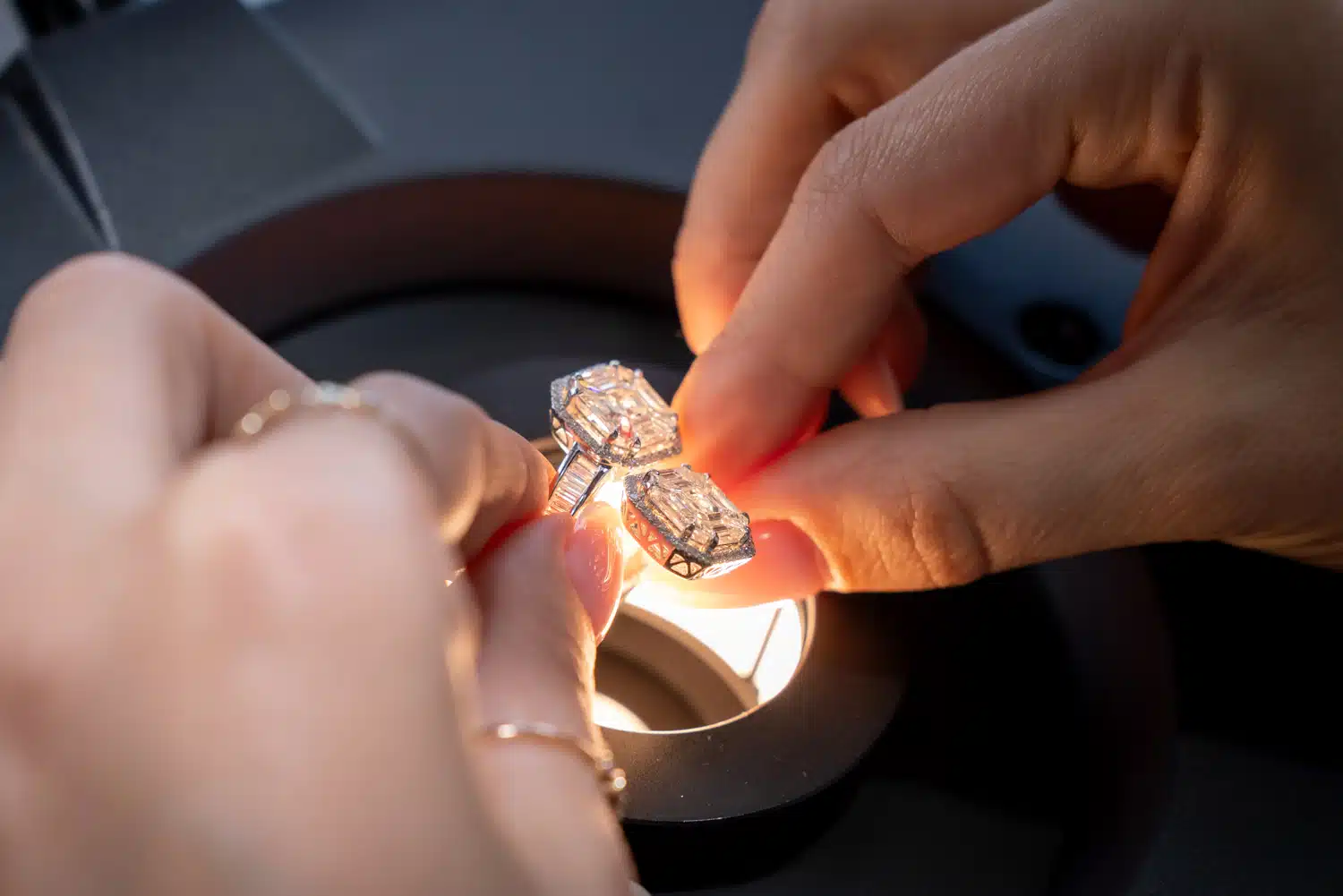
- Consider Diamond Shape and Setting: Different diamond shapes can influence perceived size and style. Round cuts offer maximum sparkle, while elongated shapes like oval or pear can appear larger. The setting also plays a crucial role, with options ranging from classic solitaires to elaborate halos, all of which should complement the diamond and suit daily wear.
- Choose Reputable Sellers: Opt for jewelers with transparent policies regarding returns, resizing, and lifetime care. Established retailers like Whiteflash, James Allen, and Blue Nile are known for their commitment to quality, clear product descriptions, and independent certification. Engaging with online communities like PriceScope can offer valuable insights and peer reviews.
- Set a Realistic Budget: Determine your total budget, including the diamond, setting, taxes, and any additional costs. Lab-grown diamonds offer flexibility, allowing you to allocate more of your budget towards higher quality or larger carat weights.
The Philosophical Question: What Defines a Diamond?
Beyond the technical and economic aspects, the rise of lab-grown diamonds prompts a deeper philosophical question: does the method of creation alter the intrinsic nature of a diamond? While science and regulatory bodies affirm that lab-grown diamonds are chemically, physically, and optically identical to their natural counterparts, the debate continues for some. For many consumers, however, the brilliance, durability, and symbolic meaning of a diamond remain paramount, irrespective of its origin. The increasing acceptance and accessibility of lab-grown diamonds suggest that for a growing segment of the population, the value lies in the gem’s inherent beauty and enduring qualities, made attainable through scientific innovation.
In conclusion, lab-grown diamonds represent a significant evolution in the jewelry industry, offering consumers a compelling alternative to natural diamonds. By understanding their creation, evaluation, market dynamics, and potential trade-offs, buyers can make informed decisions that align with their personal values, aesthetic preferences, and financial goals. As technology continues to advance, the landscape of precious gemstones will undoubtedly continue to evolve, offering an ever-expanding array of choices for those seeking to adorn themselves with enduring beauty.