


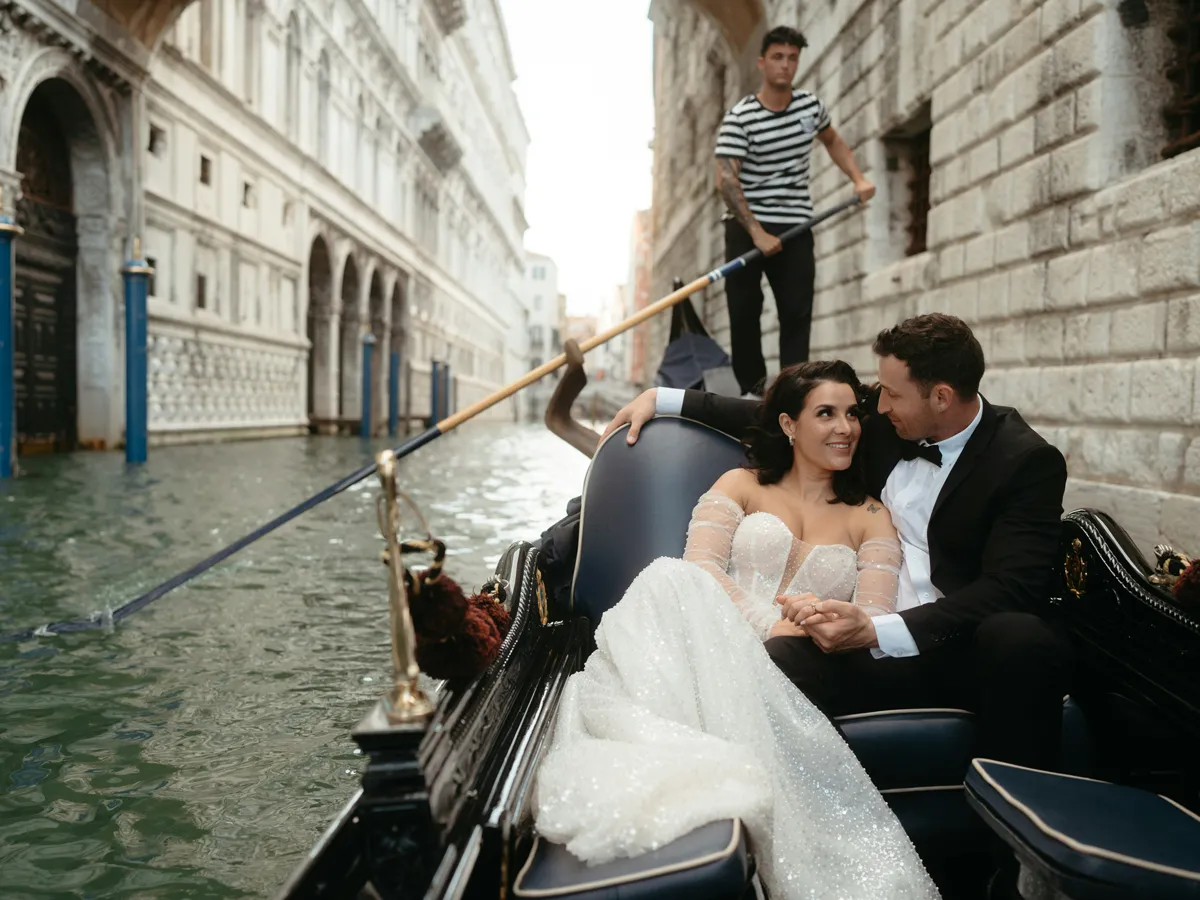
When people hear the words "small wedding," they often assume the primary driver is budgetary constraint. While it is undeniable that fewer guests typically correlate with a lower overall price tag, a growing trend indicates that the decision to host a smaller celebration is increasingly rooted in a desire for deeper meaning, enhanced personalization, and a more intimate experience. This shift represents a re-evaluation of matrimonial priorities, moving beyond societal expectations of grandeur towards celebrations that truly reflect the couple’s values and connections.
The philosophy championed by entities like The Budget Savvy Bride underscores this evolving perspective: "savvy" does not equate to "cheap," but rather to intentionality. It signifies a deliberate allocation of time, energy, and financial resources towards elements that hold the most significance for the couple. For a significant number of modern couples, a small wedding provides the optimal framework to achieve this intentionality, allowing for a concentrated focus on the essence of their union and the bonds shared with their closest circle.
A Historical Perspective on Wedding Scale and Shifting Trends
Historically, wedding celebrations have varied dramatically across cultures and eras, often reflecting socio-economic status, religious customs, and community structures. In many Western societies, particularly from the mid-20th century onwards, there was a gradual but significant expansion in the scale and cost of weddings. The advent of mass media, specialized bridal magazines, and the rise of a robust "wedding industrial complex" contributed to the popularization of large, elaborate events often characterized by extensive guest lists, multiple vendor engagements, and significant financial outlays. These grand celebrations frequently served as important social occasions, demonstrating family prestige and bringing together wide networks of relatives and acquaintances.
However, the early 21st century has witnessed a counter-movement. Economic downturns, changing societal values emphasizing experiences over material possessions, and a growing desire for authenticity have gradually begun to reshape wedding preferences. The most dramatic catalyst for this shift, undeniably, was the global COVID-19 pandemic. Faced with severe restrictions on gatherings, couples worldwide were compelled to scale down their celebrations, leading to the widespread adoption of "micro-weddings," "minimonies," and intimate elopements. What began as a necessity quickly revealed itself as a deeply fulfilling alternative for many, proving that profound joy and meaningful celebration were not contingent upon guest count. This period served as an unplanned, large-scale experiment, accelerating a trend that was already nascent. Post-pandemic, many couples who experienced or witnessed these smaller celebrations have chosen to retain this format, cementing the small wedding as a legitimate, desirable option rather than a fallback.
Enhanced Intimacy and Meaningful Connection
One of the most profound benefits frequently cited by couples opting for smaller weddings is the unparalleled opportunity for genuine connection and intimacy. When the guest list is curated to include only the most significant individuals in the couple’s lives—typically immediate family and a select group of close friends—the atmosphere inherently transforms. The pressure to navigate a large room, make superficial rounds, and greet hundreds of acquaintances is replaced by the ability to be fully present. Couples report being able to engage in deep, unhurried conversations with each and every guest, sharing personal moments, and truly feeling the concentrated warmth and support of their inner circle.
This qualitative shift from broad social obligation to concentrated emotional connection is invaluable. Wedding planners and counselors frequently highlight that couples often express regret over not having enough time to interact with guests at larger events. With a smaller gathering, the couple can savor each interaction, creating memories that are rich in personal significance. It allows for a more relaxed pace, enabling moments of spontaneous joy, heartfelt expressions, and a shared experience that feels deeply personal and authentic. This focused intimacy extends beyond the couple and their guests; it often fosters a more cohesive and connected environment among the guests themselves, many of whom may already share strong bonds.
Strategic Resource Reallocation: Spending Smarter, Not Just Less
The assumption that small weddings are solely about cost-cutting often overlooks a critical distinction: they are frequently about strategic resource reallocation. While the overall expenditure might be lower due to fewer attendees, the per-guest investment often increases, or the saved funds are channeled into premium experiences or services that would be cost-prohibitive for a larger event. This empowers couples to elevate specific aspects of their day that are most important to them.
For instance, a couple might choose to invest significantly in a renowned wedding photographer or videographer, ensuring every intimate moment is captured with exceptional artistry. Culinary experiences can be transformed, moving from mass catering to a bespoke, farm-to-table menu, a multi-course tasting experience, or a private chef preparing personalized dishes. Beverage selections can be upgraded to include premium wines, craft cocktails, or a sommelier-led pairing. Furthermore, the budget freed from accommodating hundreds of guests can be directed towards opulent floral arrangements, custom stationery, live music from a top-tier ensemble, or an extended honeymoon. Some couples opt to use the savings to fund a down payment on a home, invest in their future, or even contribute to a meaningful charity, further demonstrating the intentionality behind their financial decisions. This approach reflects a conscious choice to prioritize quality and depth of experience over sheer scale.
Expanded Venue and Creative Options
The logistical demands of accommodating a large guest list often restrict venue choices to conventional ballrooms, expansive event halls, or large outdoor spaces. A smaller guest count, however, dramatically broadens the spectrum of potential locations, opening doors to highly unique, intimate, and often more characterful settings. Couples are freed to "think outside the ballroom."
Imagine exchanging vows in a historic library, a charming botanical garden, a cozy upscale restaurant with a private dining room, a secluded beachfront villa, a mountaintop lodge, or even a chic art gallery. Boutique hotels often offer stunning spaces for micro-weddings, providing both ceremony and reception areas along with accommodation. Backyard gardens, private estates, or even destination elopements to exotic locales with just a handful of loved ones become viable and attractive options. This flexibility allows couples to select a venue that genuinely resonates with their personal style and vision, creating an ambiance that feels inherently authentic and deeply personal. The ability to utilize non-traditional spaces also often facilitates more creative decor and personalized touches, transforming the setting into a true reflection of the couple’s journey. This also benefits local economies, as smaller, specialized venues and vendors in unique locations gain business that might otherwise be concentrated in larger metropolitan areas.
Reduced Planning Complexity and Enhanced Joy
Wedding planning, regardless of scale, involves a multitude of decisions and logistical challenges. However, the complexity exponentially increases with guest count. Managing hundreds of RSVPs, coordinating intricate seating charts, overseeing numerous dietary restrictions, and liaising with a vast array of vendors for a large event can be a source of significant stress and overwhelm for couples.
A smaller wedding inherently streamlines the planning process. Fewer guests mean fewer invitations, simpler seating arrangements, reduced catering complexities, and less need for extensive transportation or accommodation coordination. This reduction in "moving parts" significantly alleviates the logistical burden, allowing couples to approach their engagement period with greater enjoyment and less anxiety. They can devote more time and energy to thoughtful details, personal touches, and simply savoring the journey towards marriage, rather than being consumed by administrative tasks. Industry professionals, such as wedding planners, often confirm that smaller events allow for a more collaborative and personalized planning experience, focusing on bespoke elements rather than managing large-scale operations. This reduction in stress translates directly into a more joyful and present experience for the couple on their wedding day itself.
Sustainability as a Growing Consideration
Beyond intimacy and personalization, a burgeoning motivation for choosing smaller weddings is an increasing awareness of environmental impact and sustainability. Large events inherently generate a greater carbon footprint through travel, extensive catering waste, elaborate floral arrangements that may not be locally sourced, and single-use decorations.
Smaller weddings naturally tend to be more eco-friendly. With fewer guests, travel emissions are reduced. Caterers can often source ingredients more locally for smaller, bespoke menus, minimizing food waste. Floral arrangements can be more thoughtfully designed, perhaps utilizing potted plants that can be replanted, or seasonal, locally grown flowers. The overall consumption of resources—from paper goods to electricity—is generally lower. This aligns with a growing global consciousness regarding environmental responsibility, allowing couples to celebrate their love in a way that is consistent with their values of sustainability and conscious living.
Statements from Industry Experts and Couples
Industry experts confirm this paradigm shift. "We’re seeing a fundamental change in what couples prioritize," states Sarah Jenkins, a veteran wedding planner with over two decades of experience. "It’s no longer just about the grand spectacle; it’s about the depth of the experience. Couples are explicitly asking for intimacy, authenticity, and moments they can truly feel, rather than just display." Venue owners, particularly those managing unique, smaller properties, have reported a significant uptick in inquiries for micro-wedding packages. "Our historic manor, once considered too small for most weddings, is now booked solid with couples seeking that exclusive, intimate feel," notes Eleanor Vance, owner of The Rosewood Estate.
Couples themselves echo these sentiments. "We initially felt pressured to invite everyone," shared Maria and David Rodriguez, who opted for a 30-guest ceremony last year. "But once we decided to go small, the entire planning process became joyful. On the day, we actually got to talk to every single person, and it felt so genuinely ‘us.’ We wouldn’t change a thing." These anecdotal accounts, combined with market research, paint a clear picture of a consumer base that values personal resonance over traditional expectations.
Broader Impact and Future Implications
The rise of the intentional small wedding carries broader implications for the wedding industry and societal norms. Economically, it signifies a pivot for vendors, encouraging specialization and bespoke service offerings rather than high-volume, standardized packages. While the average per-wedding revenue for some large-scale venues might decrease, there is an expanding market for niche services, unique venues, and premium products tailored to intimate events. This fosters innovation within the industry, prompting caterers to develop gourmet menus for smaller groups, photographers to specialize in documentary-style intimate captures, and planners to become experts in crafting highly personalized experiences.
Culturally, this trend reinforces the idea that there is no single "right" way to get married. It empowers couples to define their celebrations on their own terms, free from the pressure of external expectations or perceived judgments about "saving money." Whether the motivation is simplicity, sustainability, deep personal connection, or indeed, smart financial planning, the reasons are inherently valid. The societal narrative around weddings is expanding to embrace diversity in celebration, recognizing that the strength of a union is not measured by the size of the guest list but by the depth of the commitment and the authenticity of the shared experience. This shift heralds a future where personalized, meaningful celebrations become the benchmark for matrimonial joy.
Ultimately, a small wedding is far from a consolation prize; it is a conscious, powerful choice. It is a decision that prioritizes meaning, presence, and what truly matters to the couple embarking on their lifelong journey together. This savvy approach to matrimony signals a profound evolution in how love is celebrated, encouraging couples to design a day that is unequivocally their own.