


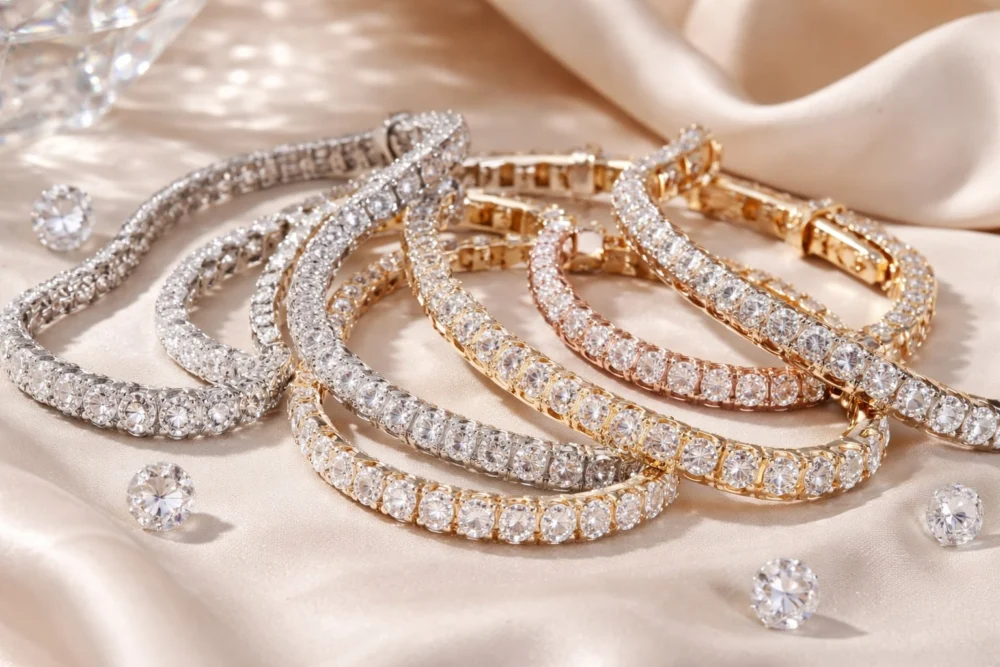
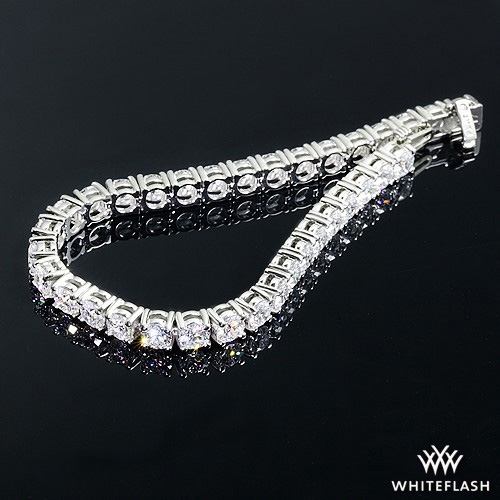
A diamond tennis bracelet, characterized by its continuous line of carefully matched diamonds set in a flexible metal band, stands as a paragon of fine jewelry, celebrated for its understated sophistication and remarkable versatility. This classic piece transcends fleeting trends, seamlessly blending timeless design with practical wearability, making it an ideal adornment for both everyday elegance and significant special occasions. Its enduring appeal is rooted in a rich history, meticulous craftsmanship, and the universal allure of diamonds.

At its core, a diamond tennis bracelet features diamonds of uniform size and quality, meticulously set in a single, unbroken row. These precious stones are typically secured by prong or channel settings within precious metals such as white gold, yellow gold, rose gold, or platinum. This design ensures a continuous cascade of sparkle, with each diamond positioned to enhance the brilliance of its neighbors, creating a fluid, radiant display that catches the light with every movement of the wrist.
The Genesis of a Timeless Name: From Court to Classic
The iconic moniker "tennis bracelet" traces its origins to a serendipitous event that captured public attention. During a high-stakes match at the 1987 U.S. Open, legendary tennis player Chris Evert’s diamond line bracelet, a piece she habitually wore, reportedly broke and scattered across the court. The umpire, accommodating the player’s request, paused the game to allow Evert to retrieve her scattered diamonds. In subsequent interviews, she referred to the incident and the piece as her "tennis bracelet," a name that quickly resonated with the public and cemented its place in jewelry nomenclature.
Prior to this widely publicized event, similar bracelets were often known as "eternity bracelets" or "line bracelets," symbolizing enduring love or commitment due to their continuous, unbroken design. While some accounts place Evert’s incident in the late 1970s, the 1987 U.S. Open is the most commonly cited occasion. This moment not only popularized the term "tennis bracelet" but also highlighted the importance of secure clasps, leading to advancements in bracelet design that ensure greater reliability for active wearers today.
Distinguishing the Tennis Bracelet: A Unique Construction
The fundamental distinction of a diamond tennis bracelet lies in its flexible chain construction. This design allows the bracelet to drape comfortably and conform to the natural contours of the wrist, setting it apart from more rigid jewelry forms like bangles. While the traditional and most popular diamond cut for tennis bracelets is the round brilliant cut, prized for its exceptional fire and sparkle, contemporary designs also incorporate variations such as princess and emerald cuts. These different cuts are employed while maintaining a uniform aesthetic across the entire row, ensuring a cohesive and elegant appearance.

Factors Defining Quality and Value
The quality and, consequently, the value of a diamond tennis bracelet are determined by several interconnected factors, primarily centered around the diamonds themselves and the craftsmanship of the setting.
The Crucial Role of the 4Cs and Diamond Quality
The inherent quality of the diamonds used is paramount to a tennis bracelet’s brilliance and overall value. While individual diamonds in a tennis bracelet are often not accompanied by separate grading reports from institutions like the Gemological Institute of America (GIA), especially in mass-produced pieces, the vendor’s commitment to quality control is critical. The 4Cs – Cut, Color, Clarity, and Carat Weight – significantly influence a diamond’s appearance and price.

- Cut: For tennis bracelets, the cut is arguably the most critical factor. A well-proportioned cut maximizes light return, allowing each diamond to reflect light brilliantly. This uniformity in sparkle is essential when numerous diamonds are placed in close proximity, as any disparity can detract from the bracelet’s cohesive glow.
- Color: Near-colorless diamonds, typically graded from D to G on the GIA scale, are highly sought after for their subtle fire and lack of visible yellow or brown tints. These command higher prices. However, diamonds with a color grade of H to J can offer excellent value, appearing visually white to the naked eye in the context of a bracelet, especially when set in white gold or platinum.
- Clarity: Clarity refers to the presence or absence of internal inclusions and external blemishes. Diamonds with higher clarity grades (such as VS or better) are more valuable due to their pristine nature. For tennis bracelets, diamonds with a clarity grade of SI1 or SI2 can offer a good balance of value and visual appeal, as any minor inclusions are often difficult to detect without magnification when set in a line.
- Carat Weight: The total carat weight (ctw) of a tennis bracelet is a primary driver of its cost. Bracelets range from a modest 1 to 2 carats for a delicate look to 5 carats and beyond for a more substantial and dazzling statement. Higher carat weights necessitate a greater number of diamonds, which must be meticulously matched for size, color, and clarity to maintain a seamless appearance.
Setting Styles and Materials: Balancing Aesthetics and Durability
The setting style and the choice of metal play a significant role in both the aesthetic appeal and the durability of a diamond tennis bracelet.
- Prong Settings: The most common settings are prong settings, typically featuring three or four prongs per diamond. These settings maximize light exposure to the diamonds, enhancing their sparkle. A four-prong setting offers more security than a three-prong setting, while a delicate three-prong setting can showcase more of the diamond.
- Channel Settings: In channel settings, diamonds are secured within a groove of metal, offering a sleeker, more modern appearance and superior protection for the stones, making them ideal for active wear.
- Bezel Settings: Bezel settings encase the entire circumference of each diamond with a rim of metal, providing the ultimate in security and a smooth, contemporary finish.
- Metal Choice: The precious metal used for the setting significantly impacts both price and durability. Platinum is a highly durable, hypoallergenic choice, but it is also denser and more expensive than gold. 14K and 18K gold (available in white, yellow, and rose hues) offer excellent durability and a wide range of aesthetic choices at more accessible price points.
Natural vs. Lab-Grown Diamonds: A Matter of Value and Ethics
The choice between natural and lab-grown diamonds presents a significant divergence in pricing. Natural diamonds, formed over millions of years deep within the Earth, are inherently rare and command a premium price, particularly for high-quality stones. Lab-grown diamonds, synthesized in controlled laboratory environments, possess the same chemical, physical, and optical properties as their natural counterparts. However, they are typically priced 50-70% lower than natural diamonds of comparable quality. This price difference allows consumers to acquire larger carat sizes or higher-grade diamonds for the same budget when opting for lab-grown alternatives. Increasingly, consumers are choosing lab-grown diamonds for ethical traceability and their verified production standards, without compromising on sparkle.

The Evolving Landscape of Purchasing: Online vs. Local Retailers
The traditional perception that acquiring a fine diamond tennis bracelet necessitates a visit to a brick-and-mortar jewelry store is rapidly evolving. The digital age has ushered in a new era of luxury e-commerce, offering consumers unprecedented access to a vast array of choices, competitive pricing, and sophisticated visualization tools.
The Rise of Online Jewelry Retailers
The global online jewelry market has experienced significant growth, with reports indicating a substantial market value in recent years and a projected compound annual growth rate (CAGR) of approximately 13.8% over the next decade. This surge in online sales reflects a growing consumer confidence in purchasing high-value items, such as diamond tennis bracelets, through digital platforms.

Benefits of Online Shopping:
- Unparalleled Selection: Online retailers offer a far more extensive inventory than most local stores, allowing shoppers to compare a multitude of designs, diamond qualities, and metal options from the comfort of their homes.
- Enhanced Visualization: Reputable online vendors provide high-definition images, 360-degree videos, and even augmented reality try-on features. These tools offer a detailed view of the bracelet’s sparkle, setting, and proportions, aiding in informed decision-making, especially since individual diamonds in tennis bracelets are rarely graded separately.
- Competitive Pricing: Lower overhead costs for online businesses often translate into more competitive pricing. This can allow for higher carat weights or better diamond grades within a given budget.
- Customization and Convenience: Many online platforms offer robust customization options, enabling buyers to select bracelet length, metal type, and even specific diamond characteristics to perfectly match their preferences. The ability to shop at any time, without the constraints of store hours, adds significant convenience.
- Consumer Protections: Leading online retailers offer comprehensive buyer protections, including detailed product descriptions, secure payment gateways, insured shipping, and generous return policies (often 30 days or more), providing peace of mind.
The Enduring Appeal of Local Jewelry Stores
Despite the digital revolution, local jewelry stores continue to offer distinct advantages, particularly for those who value a tangible, personalized shopping experience.

Benefits of Local Jewelry Stores:
- Tangible Experience: The ability to see, touch, and try on a bracelet in person provides an immediate sense of its weight, comfort, and the way the diamonds interact with natural light. This hands-on approach can build immediate confidence.
- Expert Guidance: Knowledgeable jewelers can offer personalized advice, explain complex terms in real-time, and help customers discern subtle differences in diamond quality and craftsmanship.
- Immediate Gratification: Purchases can often be made and taken home the same day, with on-the-spot adjustments or repairs sometimes available.
- Relationship Building: Establishing a relationship with a local jeweler can foster trust and provide a reliable point of contact for future services, such as cleaning, repairs, or custom design work.
- Ethical Discussions: In-person consultations allow for direct conversations about diamond sourcing and ethical practices, providing an opportunity to request verifiable traceability information.
Navigating the Purchase: Key Considerations for Buyers
Regardless of whether one chooses to shop online or locally, several factors are crucial for ensuring a satisfactory purchase and a lasting investment.

Vendor Reputation and Trustworthiness
A vendor’s reputation is a critical indicator of quality and reliability. Established retailers, particularly those specializing in diamonds and fine jewelry, often demonstrate their commitment through:
- Transparent Grading: Providing detailed information about the diamonds, ideally with certifications for larger stones or when specifically requested.
- High-Quality Imagery and Data: Offering clear, detailed photographs and videos, along with precise specifications.
- Positive Customer Reviews: Seeking out independent reviews and testimonials from past customers can offer invaluable insights into a vendor’s performance regarding product quality, customer service, and post-purchase support.
- Specialization: Retailers with a dedicated focus on diamond tennis bracelets often possess a deeper understanding of the nuances of matching diamonds for such pieces and can offer superior craftsmanship.
Craftsmanship and Durability
The construction of a tennis bracelet is as important as the diamonds it holds. Buyers should consider:

- Setting Security: Ensuring that the prongs, channels, or bezels are robust and securely hold each diamond. Loose settings can lead to diamond loss and require frequent maintenance.
- Clasp Strength: The clasp is a critical component. A secure and well-engineered clasp, such as a double-locking mechanism, is essential to prevent accidental opening and loss of the bracelet.
- Metal Quality: Opting for high-quality precious metals (14K or 18K gold, platinum) ensures durability and resistance to wear and tear.
Pricing Transparency and Value
Understanding how pricing is determined is key to making an informed decision and ensuring fair value. Factors influencing price include:
- Total Carat Weight: Higher carat weights naturally increase the price.
- Diamond Quality (4Cs): As discussed, the cut, color, clarity, and individual carat weight of each diamond significantly impact cost.
- Metal Type and Weight: Platinum is more expensive than gold, and the weight of the metal used in the bracelet also contributes to the overall price.
- Craftsmanship and Brand: Intricate designs, renowned brands, or exceptional levels of craftsmanship can command a premium.
When comparing prices, it is essential to compare like-for-like specifications. Utilizing resources like online diamond comparison tools and engaging with jewelry communities can help demystify pricing and identify true value.

The Future of Diamond Tennis Bracelets
The diamond tennis bracelet continues to evolve, reflecting contemporary values and technological advancements. The rise of lab-grown diamonds offers a more accessible and ethically conscious alternative, broadening the appeal of this classic piece. Furthermore, innovative online platforms are democratizing access to high-quality diamonds and fine jewelry, empowering consumers with knowledge and choice.
As the market continues to grow, so too does the importance of informed decision-making. By understanding the fundamental elements of diamond quality, setting craftsmanship, and the nuances of purchasing through various channels, consumers can confidently select a diamond tennis bracelet that not only embodies timeless elegance but also represents a sound investment in enduring beauty and value. Engaging with resources like the PriceScope community, the largest diamond and jewelry forum, can provide invaluable peer-to-peer insights and guidance in navigating this sophisticated market.