

The Intersection of Social Media and Modern Baking Trends
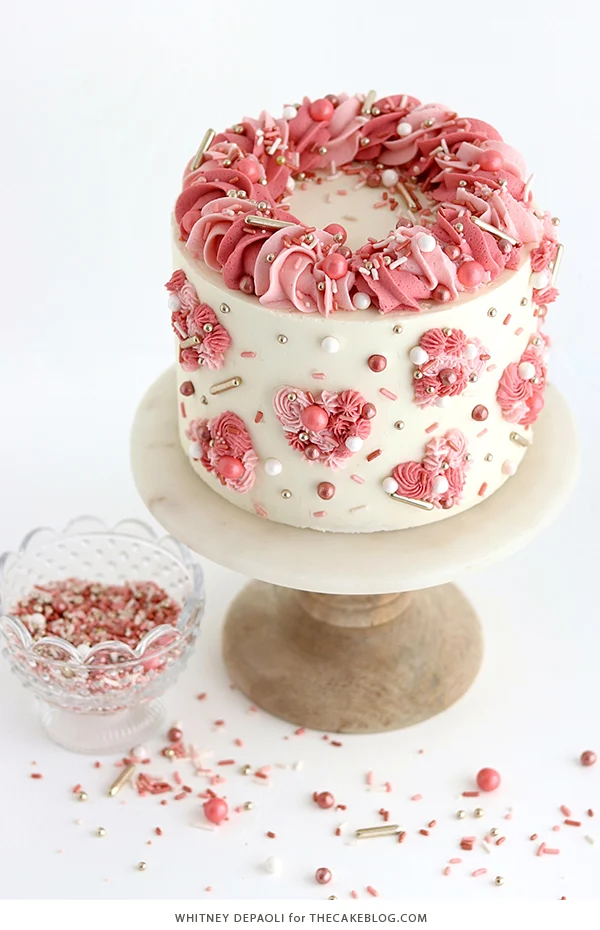
The Piped Hearts Valentine’s Cake is largely a product of the "Instagram-era" of baking, where visual impact is paramount. DePaoli credits the inspiration for this technique to the digital creator @frostedfujicakes, illustrating the collaborative and iterative nature of modern pastry arts. In recent years, the industry has seen a move away from the hyper-realistic fondant sculptures of the early 2010s toward "buttercream-forward" designs. This transition is driven by a consumer preference for better-tasting frostings and a professional appreciation for the versatility of the piping bag.
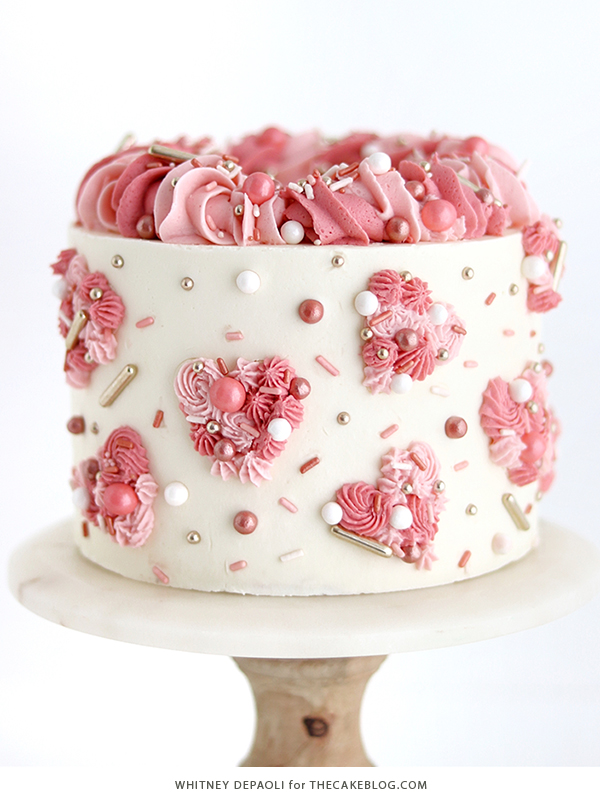
Market data suggests that the home baking sector has expanded by over 15% since 2020, with a specific interest in "professional-grade" techniques that can be replicated in domestic kitchens. The Piped Hearts method utilizes standard tools—such as the 1M, 199, and 21 piping tips—to achieve a result that appears intricate but relies on the repetition of basic mechanical movements. This democratization of high-end decorating techniques has fostered a new category of "prosumer" bakers who drive demand for specialized supplies, including gel food colorings and artisanal sprinkle mixes.
Technical Specifications and Material Preparation
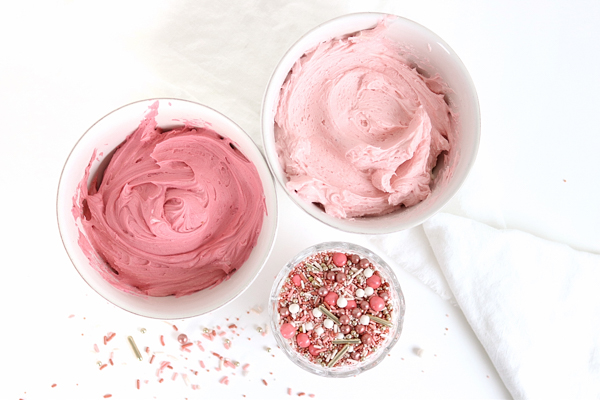
The success of the Piped Hearts design relies on the structural integrity of the medium. While the tutorial is compatible with various frosting types, American buttercream is cited as the preferred substrate due to its high crusting potential and stability at room temperature. The high sugar-to-butter ratio in American buttercream allows it to hold the sharp ridges produced by star tips, which is essential for the "rosette rope" and "star-fill" textures.
Color Theory and Palette Selection
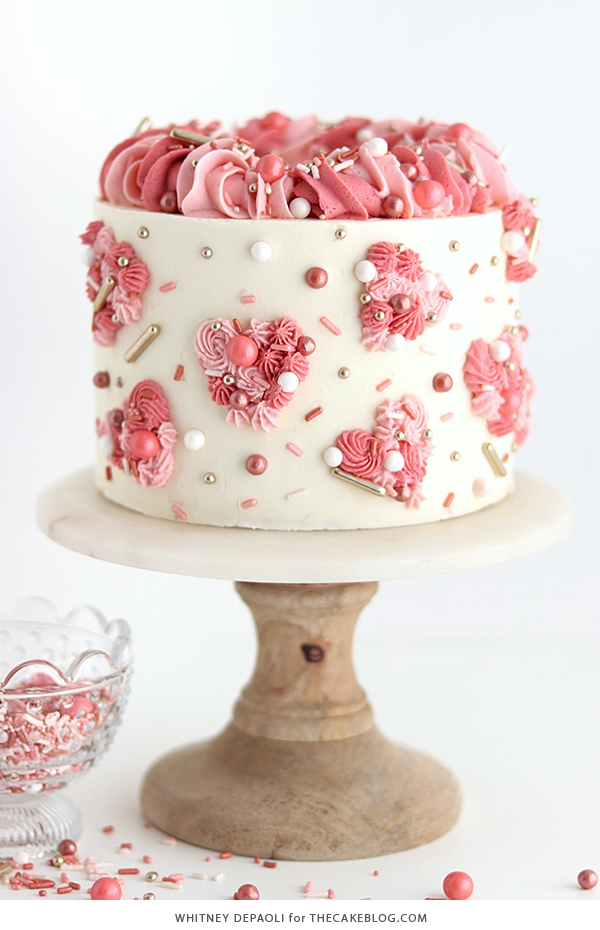
Departing from the standard primary red and white associated with Valentine’s Day, the Piped Hearts tutorial utilizes a sophisticated "Dusty Rose" and rose gold palette. This choice reflects broader trends in interior design and fashion that have permeated the culinary world. The use of Americolor Dusty Rose gel—applied in varying concentrations—creates a monochromatic yet layered effect. This subtle gradation provides a modern, "lifestyle-brand" aesthetic that appeals to a demographic looking for elegance over novelty.
Instrumentation
The execution of this design requires a specific kit of industry-standard tools:
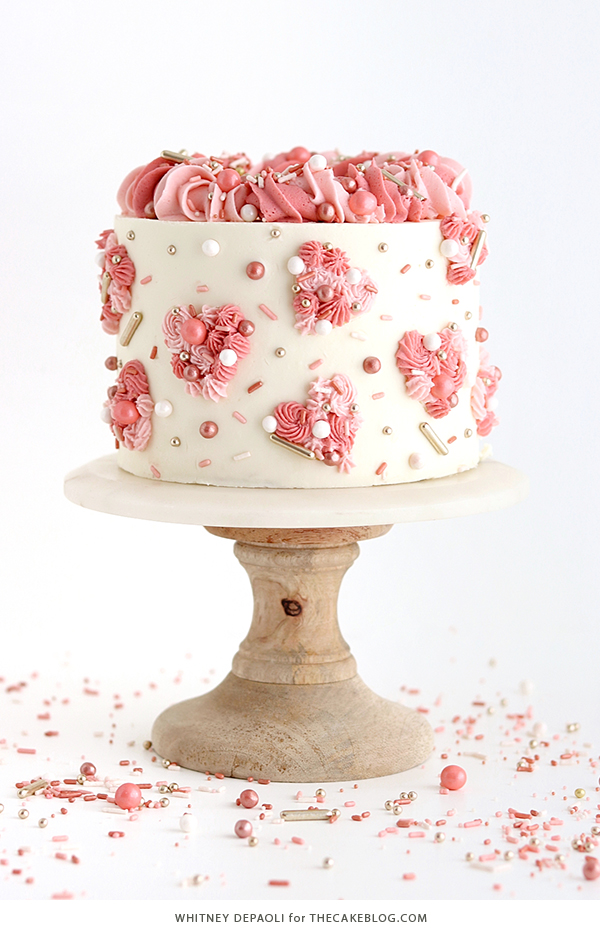
- Piping Tip 1M: A large open-star tip used for creating the foundational rosettes and the final rope border.
- Piping Tip 199: A small open-star tip that provides a tighter, more frequent ridge pattern.
- Piping Tip 21: A classic star tip used for filling smaller gaps and adding varied star shapes.
- Heart-Shaped Cookie Cutter: Utilized as a non-cutting imprinting tool to ensure geometric accuracy.
- Specialized Sprinkles: A curated mix including metallic rods and varied spheres to provide contrasting textures.
Chronological Methodology of the Piped Heart Technique
The process of constructing the Piped Hearts Valentine’s Cake follows a strict chronological sequence designed to maintain the cleanliness of the design and the stability of the cake’s exterior.
Phase I: Substrate Preparation and Imprinting
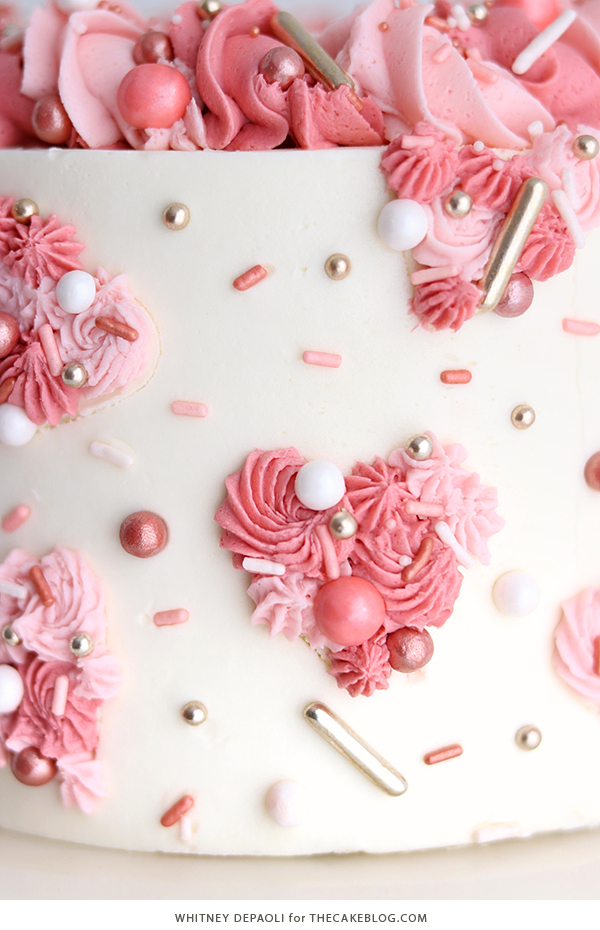
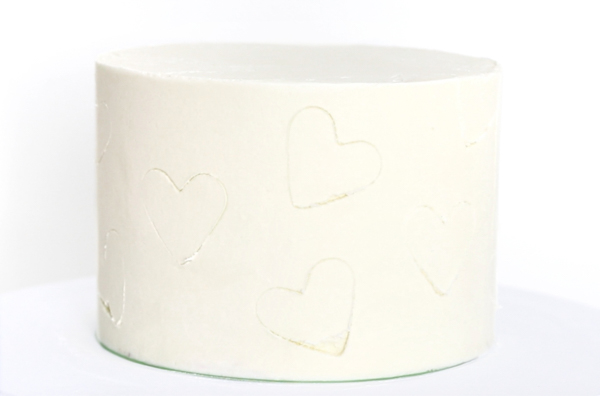
The process begins with a cake that has been fully frosted and chilled. Chilling is a critical step; it firms the outer layer of buttercream, allowing the baker to use a cookie cutter to "stamp" the heart shapes into the surface without tearing the frosting. Industry professionals recommend a chill time of at least 30 to 60 minutes. The hearts are spaced approximately two inches apart to prevent visual crowding and to allow the white space of the base frosting to act as a visual "buffer."
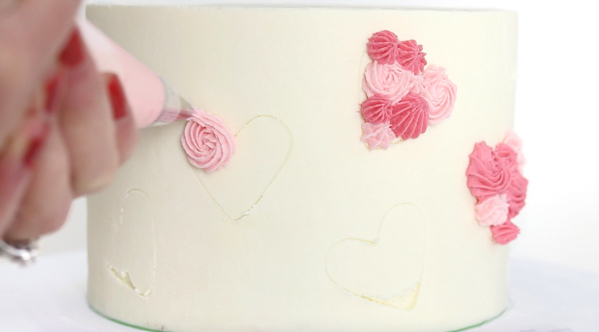
Phase II: Multi-Tip Filling
Once the outlines are established, the baker utilizes four separate piping bags. Two bags are fitted with 1M tips (one for each shade of pink), one with a 199 tip, and one with a 21 tip. The interior of each imprinted heart is filled with a combination of tiny rosettes and stars. By alternating the tips and the shades of pink, the baker creates a "mosaic" effect. The objective is not to create a perfectly smooth heart, but a "shag-carpet" or "embroidery" texture that rises off the surface of the cake.
Phase III: Textural Enhancement through Sprinkles
The application of sprinkles serves both a decorative and functional purpose. In areas where the piping may not perfectly align with the imprinted heart edge, sprinkles are used to "fill the gaps," effectively sharpening the silhouette of the heart. The tutorial suggests a professional tip for precision: using a damp paper towel to slightly moisten the fingertip, which allows for the easy pickup and placement of individual sprinkles without the need for specialized tweezers, though the latter remains an option for high-precision work.
Phase IV: The Rosette Rope Border
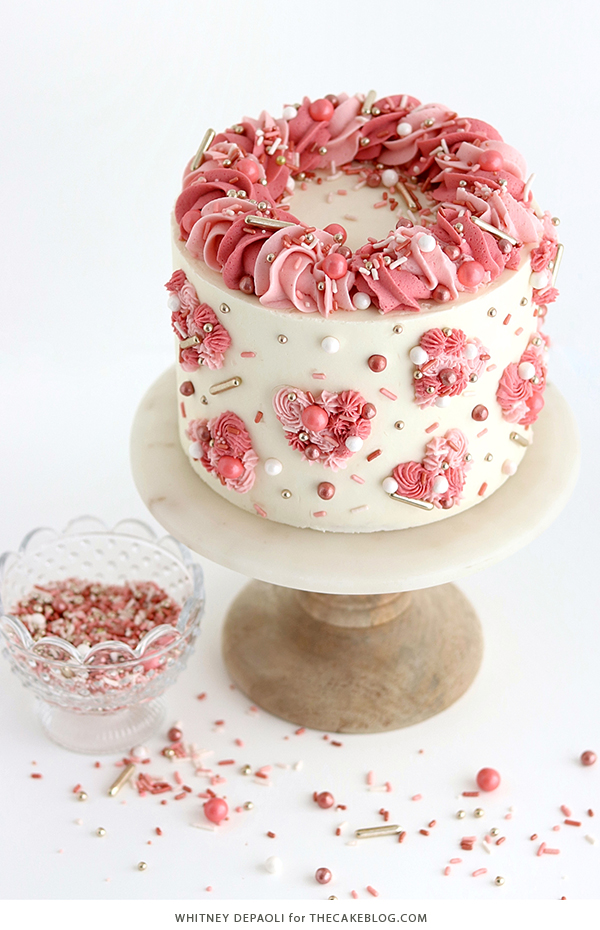
The final architectural element is the rosette rope border. This is achieved by holding a 1M tip at a 45-degree angle and piping counter-clockwise rosettes in an overlapping pattern around the top circumference of the cake. This border ties the design together, echoing the textures found within the hearts and providing a frame for the overall composition.
Regulatory and Safety Considerations
A notable aspect of the Piped Hearts Valentine’s Cake tutorial is the inclusion of a safety disclaimer regarding metallic dragées. In the United States, the Food and Drug Administration (FDA) has historically categorized certain gold and silver-coated decorative elements as "non-edible" or "for decorative use only" because they often contain actual metallic silver or other metals not approved as food additives.
While these items are widely sold and used in the cake decorating industry, professional standards require bakers to inform consumers when a decoration is intended to be removed before consumption. This highlights a growing tension in the confectionery world between aesthetic trends and food safety regulations. Professional decorators are increasingly opting for "luster dust" alternatives that are FDA-approved for consumption to avoid these liability and safety concerns.
Economic Impact and Seasonal Significance
Valentine’s Day remains one of the most significant commercial windows for the baking and confectionery industries. According to data from the National Retail Federation (NRF), consumers in the United States spent an estimated $25.9 billion on Valentine’s Day in 2023, with nearly 52% of consumers purchasing candy or food items.

The rise of "Galentine’s Day"—a celebration of platonic friendship observed on February 13th—has further expanded the market for specialized cakes. Designs like the Piped Hearts Valentine’s Cake are positioned to serve both traditional romantic celebrations and modern social gatherings. The versatility of the technique—which can be adapted to any color palette—allows it to be rebranded for various holidays, contributing to its long-term value for professional bakeries and content creators.
Analysis of Broader Implications in Culinary Arts
The Piped Hearts technique is emblematic of the "maximalist" movement in cake decorating. This movement prioritizes "more is more"—more texture, more color depth, and more variety in materials. This stands in stark contrast to the minimalist "naked cake" trend of the mid-2010s.
From a technical standpoint, this style of decorating is highly forgiving. Unlike smooth-sided cakes that require perfectly level frosting and sharp edges, the textured heart design hides imperfections. If a rosette is slightly misshapen, the addition of a star or a sprinkle can obscure the flaw. This "forgiving" nature of the design is a primary reason for its popularity among intermediate-level bakers who wish to produce professional-looking results without the years of training required for traditional piping mastery.
Furthermore, the "imprint-and-fill" method represents a systematic approach to creativity. By providing a geometric guide (the heart stamp), the technique reduces the "blank canvas" anxiety often felt by decorators. It allows for a structured application of artistic flair, ensuring that even as the baker experiments with different tips and colors, the overall cohesion of the cake remains intact.
In conclusion, the Piped Hearts Valentine’s Cake is more than a seasonal tutorial; it is a synthesis of current digital trends, traditional piping mechanics, and modern color theory. As the baking industry continues to evolve, the ability to blend accessibility with high-concept design will remain the hallmark of successful culinary influencers and professional pastry chefs alike. Through the careful application of texture and tone, Whitney DePaoli and The Cake Blog have provided a blueprint for the future of festive, "Instagram-ready" confectionery.