

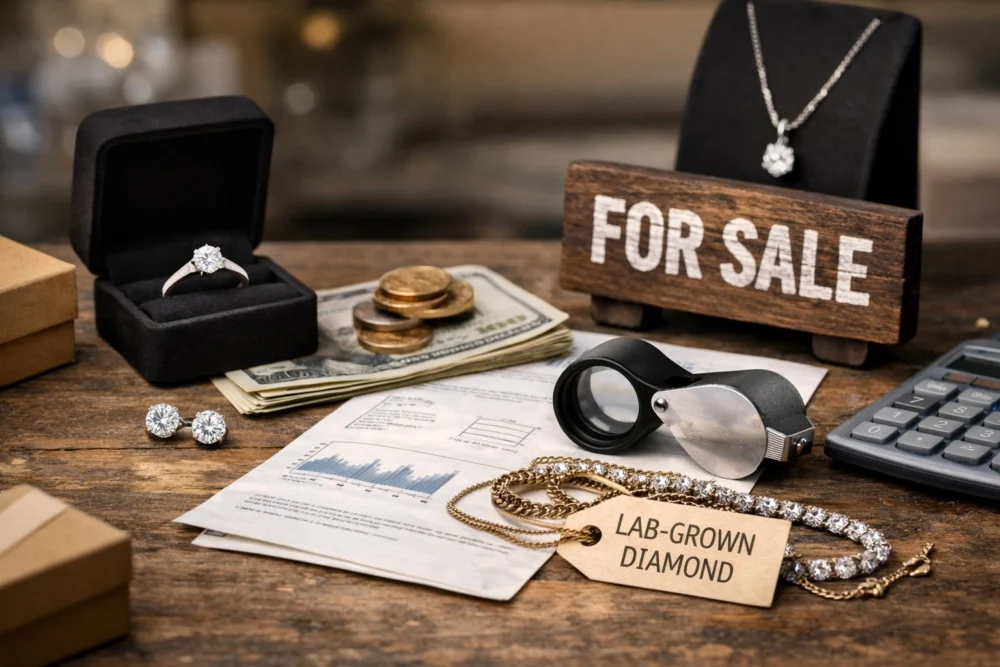
The allure of a dazzling diamond has long captivated consumers, prompting careful consideration of its origin, value, and ethical implications. In recent years, lab-grown diamonds have emerged as a significant contender in the jewelry market, offering a compelling alternative to traditionally mined stones. This burgeoning segment prompts crucial questions for buyers: Are lab-grown diamonds truly "real"? What are the implications of their creation processes on quality and cost? And how do they compare to their earth-formed counterparts in terms of value retention and ethical considerations? Understanding these facets is paramount for making an informed and satisfying purchase.
The Genesis of Lab-Grown Diamonds: A Scientific Marvel
Lab-grown diamonds, also known as synthetic or cultured diamonds, are not imitations or simulants. They are real diamonds, possessing the same physical, chemical, and optical properties as natural diamonds. Their creation is a testament to scientific advancement, involving sophisticated processes that replicate the conditions under which natural diamonds form deep within the Earth’s mantle, but on a significantly accelerated timescale.

The journey to creating gem-quality diamonds in a laboratory began in earnest in the mid-20th century. Early efforts in the 1950s, spearheaded by researchers in the United States and Sweden, focused on developing industrial-grade diamond crystals through high-pressure, high-temperature (HPHT) techniques. These initial successes, while limited in scope and quality for jewelry, laid the groundwork for future innovations. By the 1970s, advancements had led to the first gem-quality diamonds suitable for evaluation in jewelry. The subsequent decades witnessed rapid improvements in both scale and purity, particularly from the 1980s onward. The advent and refinement of chemical vapor deposition (CVD) methods, alongside traditional HPHT techniques, have dramatically reshaped the diamond industry, enabling greater consistency, predictability, and scalability in production.
Deciphering the Creation Methods: HPHT and CVD
Two primary methods dominate the production of lab-grown diamonds: High-Pressure, High-Temperature (HPHT) and Chemical Vapor Deposition (CVD). Both processes yield diamonds that are chemically identical to natural diamonds, but they differ in their mechanisms and potential outcomes.
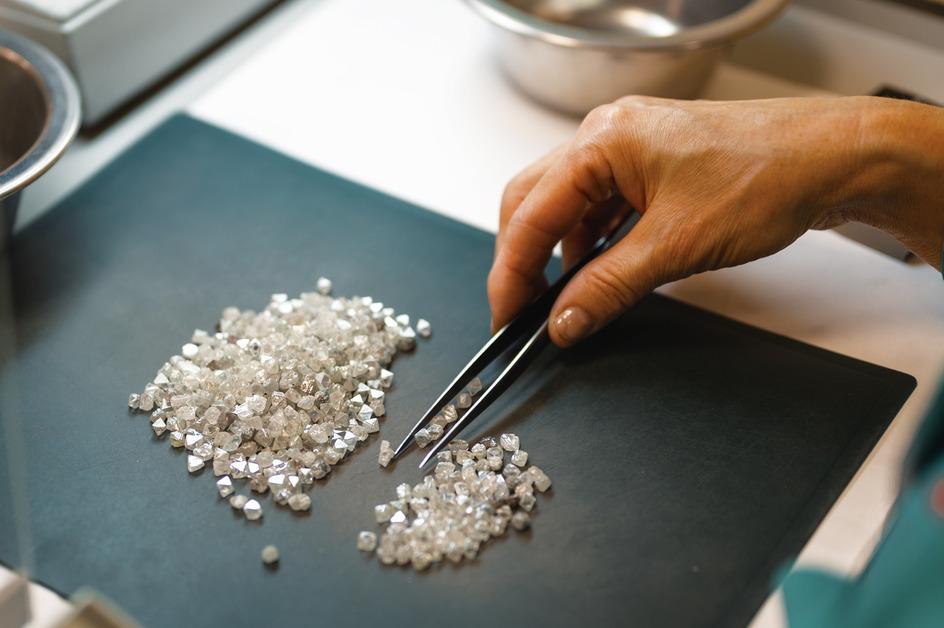
The HPHT method meticulously recreates the extreme conditions of the Earth’s mantle. A small diamond seed crystal is placed in a growth cell alongside a carbon source, typically graphite, and a metal catalyst such as nickel or iron. This cell is then subjected to immense pressures, exceeding 870,000 pounds per square inch, and temperatures around 2,700 degrees Fahrenheit. Under these conditions, the carbon dissolves into the molten catalyst and recrystallizes, layer by layer, onto the seed crystal over several days to weeks. The resulting rough diamond is then removed, cleaned of residual metal, and prepared for cutting and polishing. While effective for producing diamonds with strong crystal structures, HPHT-grown diamonds may sometimes contain tiny metallic inclusions visible under magnification.
In contrast, the CVD method employs a gas-based, layered growth approach within a vacuum chamber. Multiple diamond seed wafers are placed on a substrate, and the chamber is filled with a mixture of hydrocarbon gases, such as methane and hydrogen. Energy sources, like microwaves, are used to create a plasma that breaks down these gases at approximately 1,500 degrees Fahrenheit. This process allows free carbon atoms to deposit onto the seed crystals, building the diamond structure in controlled layers, typically at a rate of 0.01 to 0.1 millimeters per day, over several weeks. Once the desired size is achieved, the crystal plate is cut into individual diamonds. CVD often yields diamonds with high clarity and uniformity due to the controlled, low-contamination environment, making it particularly effective for larger or precisely cut gems.
While both methods are scientifically robust, their operational differences can influence outcomes. HPHT is often favored for higher-volume production and specific color requirements due to its shorter turnaround times. CVD, conversely, can offer greater control over size and purity, especially for longer growth periods. The choice between HPHT and CVD often hinges on target diamond traits, production goals, and the specific capabilities of the manufacturing facility.
Evaluation and Certification: Ensuring Authenticity and Quality
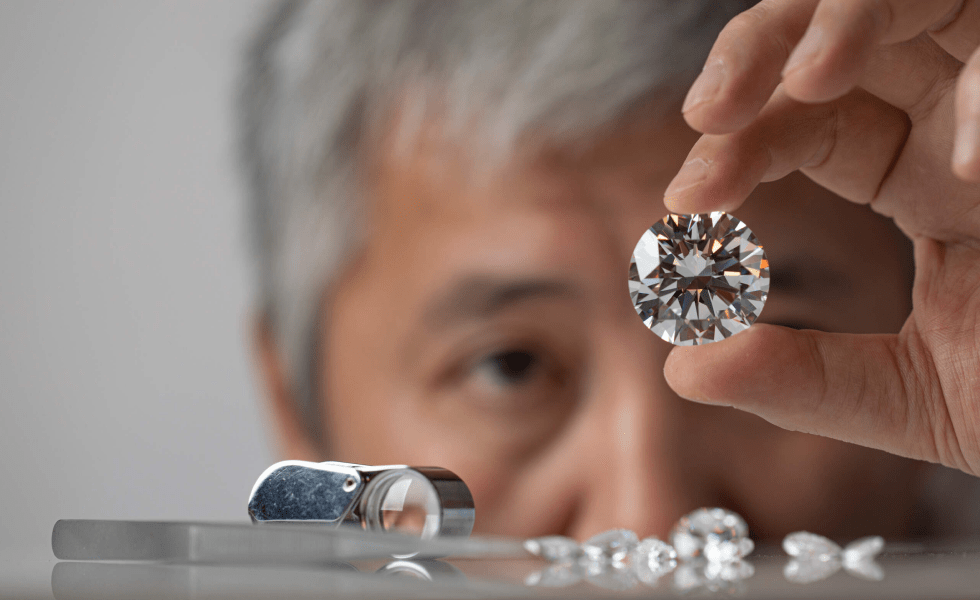
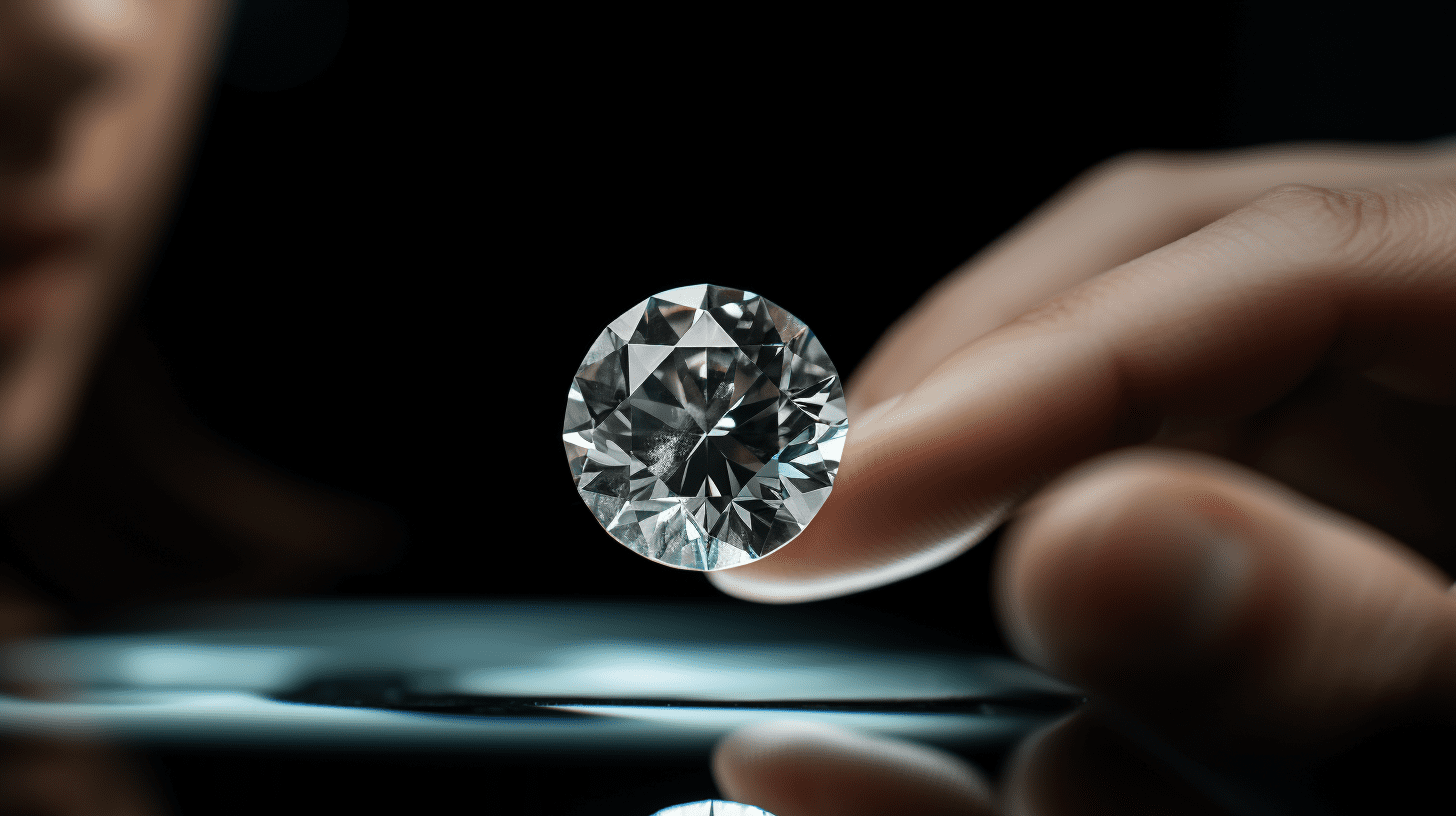
Regardless of their origin, all trustworthy lab-grown diamonds undergo the same rigorous evaluation standards as their natural counterparts. Independent gemological institutes, most notably the Gemological Institute of America (GIA) and the International Gemological Institute (IGI), assess these diamonds based on the universally recognized 4 Cs: cut, color, clarity, and carat weight. This meticulous grading ensures that consumers receive diamonds that meet established quality benchmarks.
To ensure transparency and prevent misrepresentation, reports for lab-grown diamonds typically include clear identification of their origin. Laser inscriptions on the girdle of the diamond often denote its laboratory-grown status, and reports may specify the growth method (HPHT or CVD). Advanced analytical tools can detect subtle growth characteristics unique to each method, such as flux remnants in HPHT diamonds or specific striations in CVD diamonds, further supporting accurate identification. This stringent certification process, aligned with guidelines from bodies like the U.S. Federal Trade Commission (FTC), provides buyers with the confidence that they are acquiring a diamond of verified quality and origin.
The Value Proposition: Cost Savings and Consumer Choice
One of the most significant drivers of the growing popularity of lab-grown diamonds is their considerably lower price point compared to natural diamonds. On average, lab-grown diamonds can cost 70-90% less than natural diamonds of comparable quality. For instance, a 1-carat round diamond with an excellent cut, G color, and VS2 clarity might range from $700 to $1,500 if lab-grown, whereas a natural diamond with identical specifications could command a price of $4,000 to $6,000 or more, based on recent market averages.
This substantial cost difference empowers consumers to make different choices within their budget. Buyers can opt for larger carat weights, superior color and clarity grades, or allocate their savings towards more intricate or premium settings. This affordability democratizes access to high-quality diamonds, making them a more attainable option for a wider range of consumers, particularly for engagement rings and significant jewelry purchases. The ability to obtain a larger, more brilliant stone for the same expenditure can lead to greater satisfaction and a more personalized jewelry experience.
Market Trends and Growth Projections: A Booming Industry
The growth trajectory of the lab-grown diamond market has been nothing short of remarkable. In 2022, lab-grown diamonds constituted approximately 25% of all engagement rings sold in the United States, a significant leap from previous years. This surge reflects increased consumer awareness and acceptance. The number of independent jewelers offering lab-grown options has also expanded dramatically, exceeding 1,200 establishments, a substantial increase from fewer than 300 in 2017. Awareness campaigns have played a crucial role, with over 80% of American diamond shoppers now familiar with lab-grown diamonds, solidifying the U.S. as the leading global market for these stones.
Industry analysts project continued robust growth. The global lab-grown diamond industry is anticipated to reach approximately USD 33,454 million in 2026 and is expected to nearly double to USD 68,791 million by 2035, driven by a steady compound annual growth rate (CAGR) of 8.34% over the next nine years. This sustained expansion indicates a fundamental shift in consumer preferences and a growing integration of lab-grown diamonds into the mainstream jewelry market.
Addressing Concerns: Resale Value and Environmental Impact
While the benefits of lab-grown diamonds are compelling, potential buyers often raise concerns about resale value and environmental impact.
Resale Value and the Secondary Market: The secondary market for lab-grown diamonds is currently less developed and generally offers lower resale values compared to natural diamonds. This is primarily due to the continuous advancements in production technology and the increasing supply, which tend to drive down prices over time. Lab-grown diamonds typically retain only 30-40% of their original retail price in secondary markets, with potential for further declines due to ongoing price reductions in wholesale and retail sectors. This trend makes them less suitable for individuals who view diamonds primarily as an investment or a store of value intended for future resale or inheritance. While natural diamonds also depreciate, their rarity can offer a more stable percentage-based retention in some segments. Consequently, the purchase of lab-grown diamonds is largely driven by personal enjoyment and aesthetic value rather than financial appreciation. The primary resale value often lies more in the craftsmanship of the jewelry and the value of the metal setting than in the diamond itself.
Environmental Considerations: The environmental footprint of lab-grown diamond production is a complex issue. The creation processes, particularly HPHT, require significant amounts of electricity. The carbon emissions associated with this energy consumption can vary widely depending on the facility’s location, its energy sources, and operational efficiency. Facilities in regions heavily reliant on non-renewable energy, such as coal, will naturally have a higher carbon footprint. However, a growing number of producers are investing in renewable energy sources to mitigate their environmental impact. Buyers concerned about sustainability are encouraged to seek out producers who provide clear documentation, such as facility-specific audits and third-party certifications, detailing their energy mix and operational practices. Without such verifiable information, assumptions about consistent, low-impact results across the industry cannot be reliably made.
Navigating the Purchase: Key Considerations for Consumers
For consumers considering a lab-grown diamond, several key strategies can ensure a confident and satisfying purchase.
1. Prioritize Independent Certification: Always insist on a grading report from a reputable, independent gemological laboratory such as GIA or IGI. This report provides an unbiased assessment of the diamond’s 4 Cs and confirms its laboratory-grown origin. Understanding the details within the report ensures you are aware of the diamond’s quality and its potential sparkle and brilliance.
2. Understand the 4 Cs in Context: While all lab-grown diamonds are chemically identical to natural diamonds, their quality is determined by the same 4 Cs. For cut, aim for grades of "Excellent" or "Ideal" for maximum sparkle. For color, grades around G or H offer a near-colorless appearance without the premium price of D-F grades. For clarity, VS2 (Very Slightly Included) typically signifies inclusions that are not visible to the naked eye. Carat weight is the most straightforward measure of size, and lab-grown diamonds offer greater value in this aspect, allowing for larger stones within a given budget.
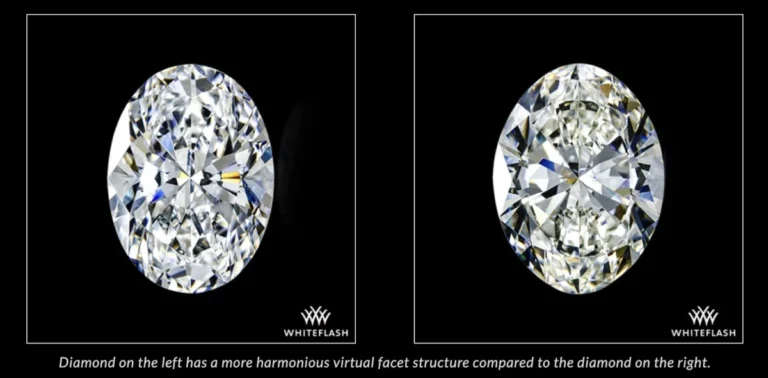
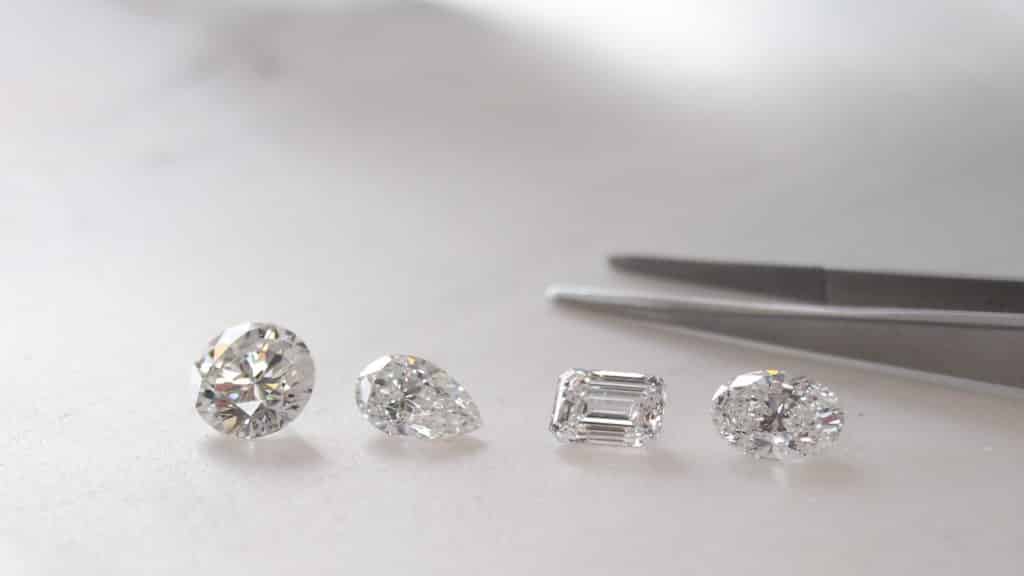
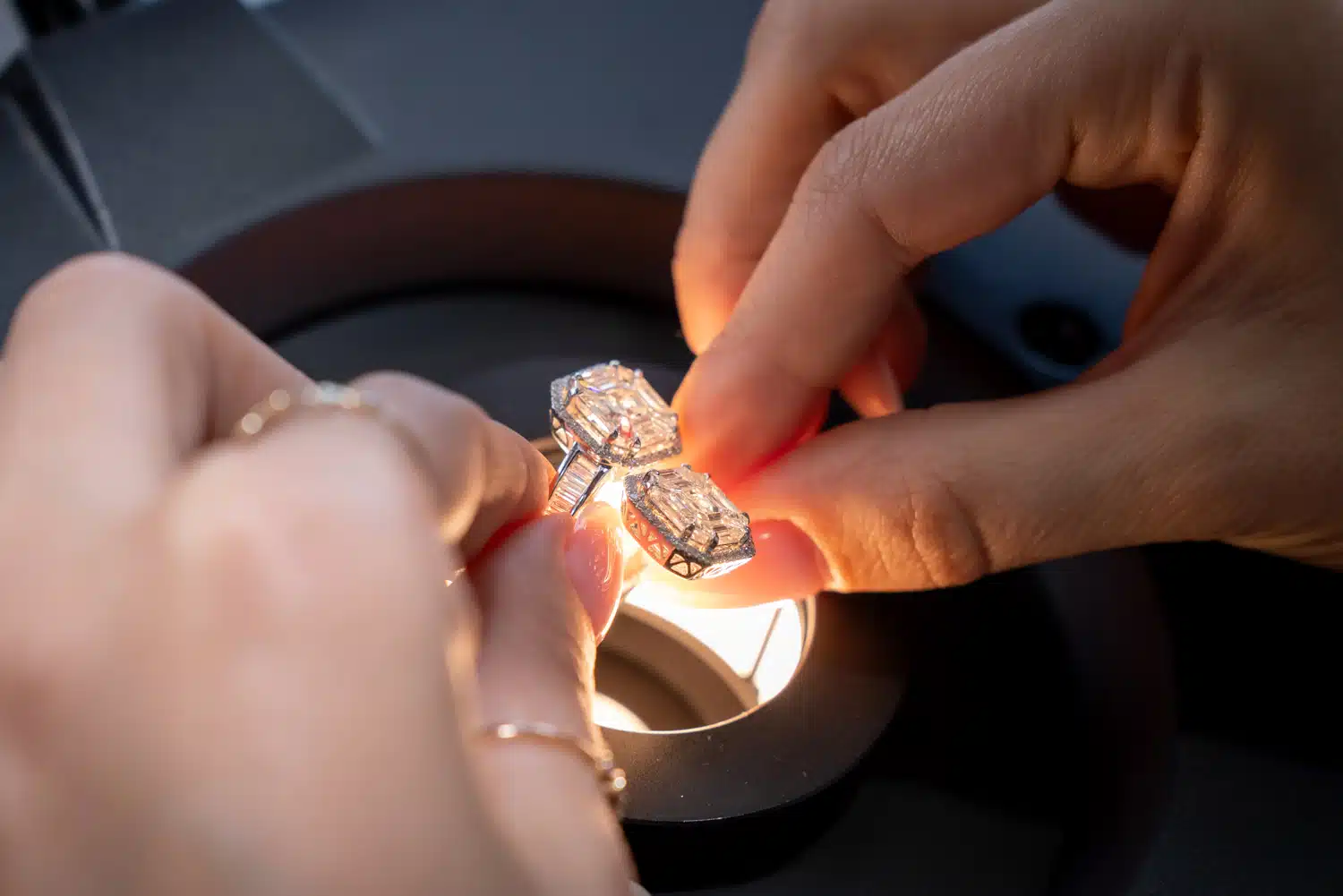
3. Explore Diamond Shapes and Setting Styles: The shape of a diamond significantly influences its perceived size and aesthetic. Round cuts are renowned for their brilliance, while oval and pear shapes can create an illusion of greater length and size. Cushion cuts offer a softer, romantic appeal, and emerald cuts provide a sleek, modern look. Consider how the shape complements your hand size and lifestyle. Similarly, the setting style enhances the diamond’s beauty and security. Solitaire settings highlight the center stone, while halo settings add extra sparkle. Bezel settings offer superior protection, making them ideal for active individuals.

4. Choose Reputable Sellers: Partner with jewelers known for their integrity and transparency. Look for sellers offering clear return policies (typically 30 days or more), free resizing, and comprehensive customer support. Online retailers like Whiteflash, James Allen, and Blue Nile are frequently cited for their extensive inventories, detailed product descriptions, high-resolution imagery, and commitment to customer satisfaction. Engaging with customer reviews and community forums, such as PriceScope, can provide valuable insights into a seller’s reputation and service quality.
5. Set a Realistic Budget: Determine your overall budget, which should encompass the diamond, setting, taxes, and any additional costs. The cost-effectiveness of lab-grown diamonds allows for greater flexibility. Many buyers find success by allocating the majority of their budget to the center stone and opting for a simpler, yet elegant, setting. Utilizing price charts and market data can help you avoid overpaying and make informed decisions.
The Future of Diamonds: Choice and Informed Decisions
The emergence of lab-grown diamonds represents a significant evolution in the gemstone market, offering consumers more choice than ever before. They are real diamonds, created through advanced technology, offering the same beauty, durability, and sparkle as their mined counterparts, but at a substantially lower cost. While concerns about resale value and environmental impact warrant careful consideration, the overwhelming trend points towards their continued growth and integration into the global jewelry landscape.

Ultimately, the decision between a natural or lab-grown diamond rests on individual priorities, values, and budget. For those seeking exceptional brilliance and value, lab-grown diamonds present an undeniable opportunity. For those prioritizing rarity and traditional investment potential, natural diamonds remain the preferred choice. The key to a satisfying purchase lies in informed decision-making, thorough research, and a clear understanding of what each type of diamond offers. Platforms like PriceScope, with their extensive educational resources and active community forums, serve as invaluable tools for navigating this evolving market and making choices that align perfectly with personal desires and financial prudence.