
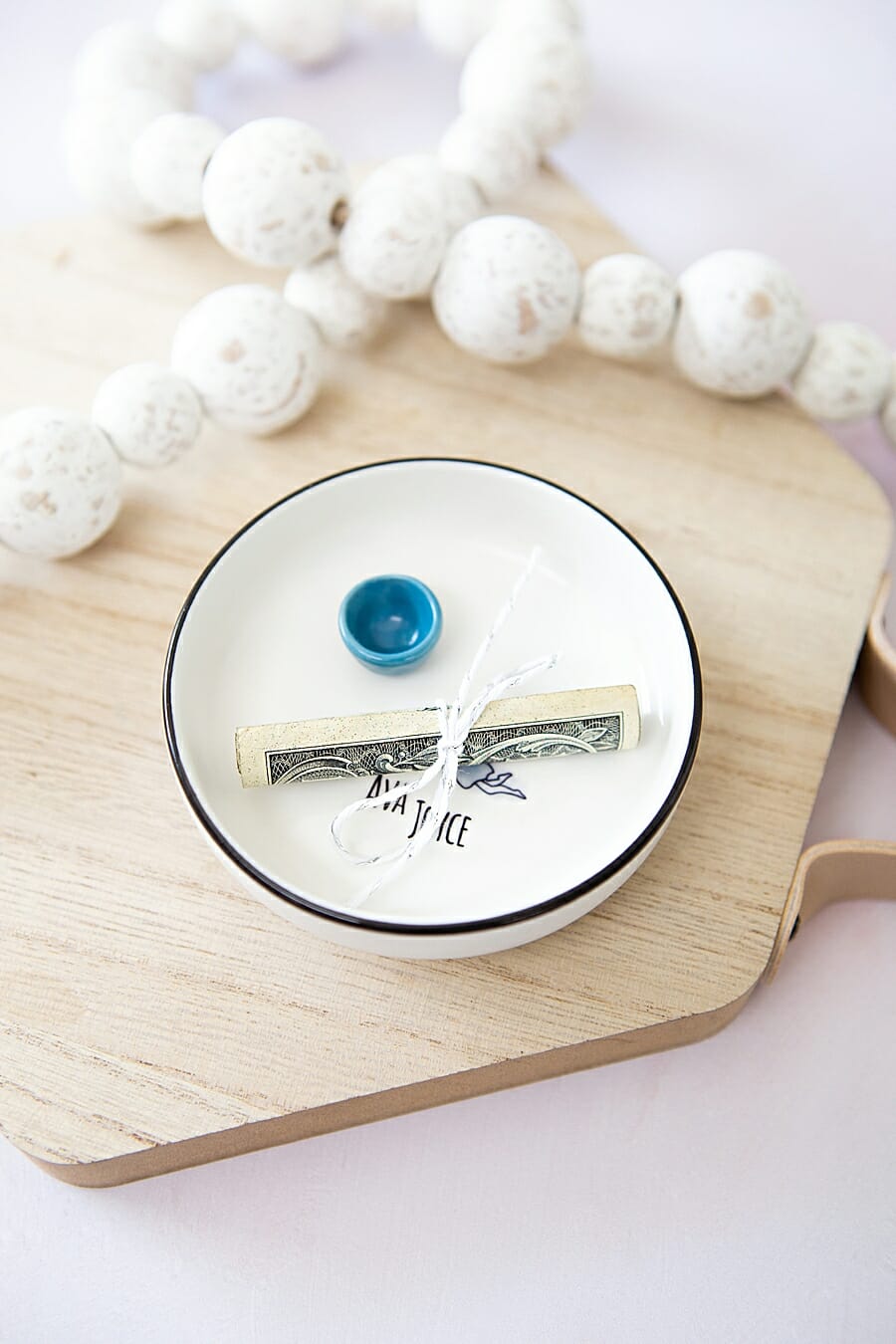
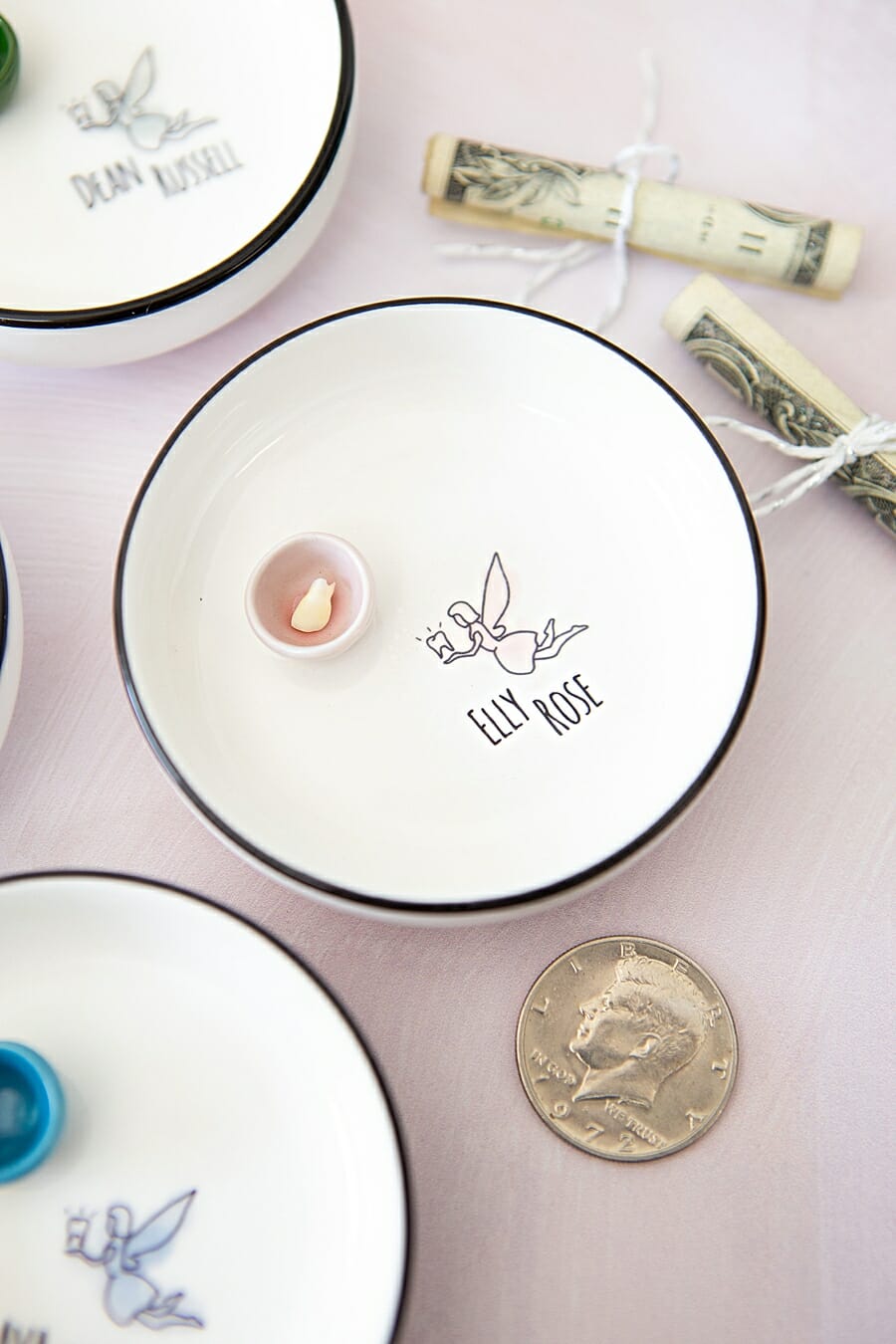
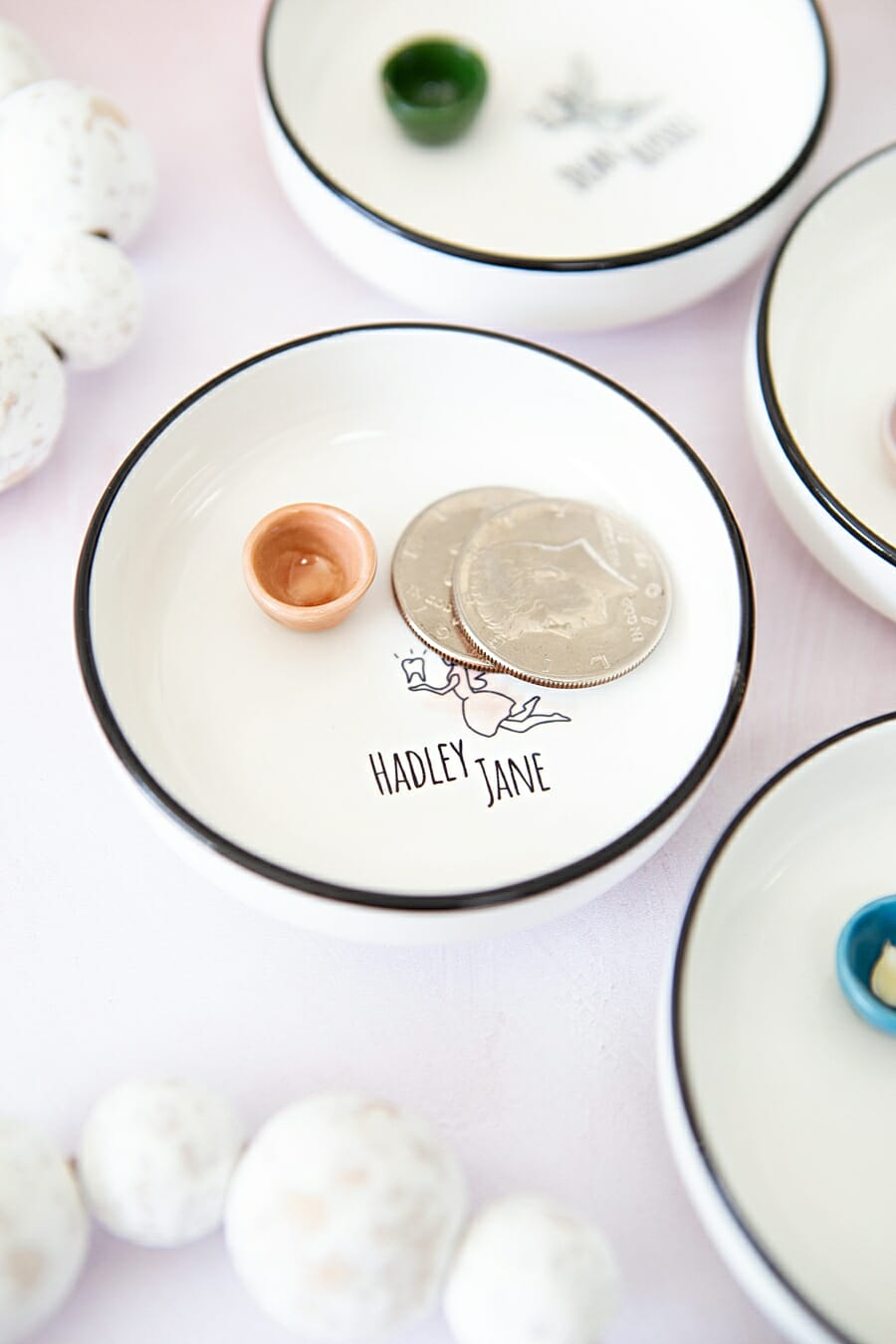
The landscape of childhood milestones is undergoing a significant shift as parents increasingly move away from mass-produced traditions in favor of bespoke, handcrafted keepsakes. This trend is exemplified by the recent rise in popularity of personalized tooth fairy dishes, a modern alternative to the traditional tooth fairy pillow. Led by innovators in the DIY and lifestyle sector, such as Jen Causey-Kidder of the prominent digital platform Something Turquoise, this movement highlights a broader intersection between home-based manufacturing technology and the preservation of domestic folklore. By utilizing accessible consumer goods, such as miniature sauce dishes and dollhouse accessories, combined with advanced printing substrates like waterslide decal paper, parents are now able to create high-quality, permanent artifacts that serve both a functional and sentimental purpose.
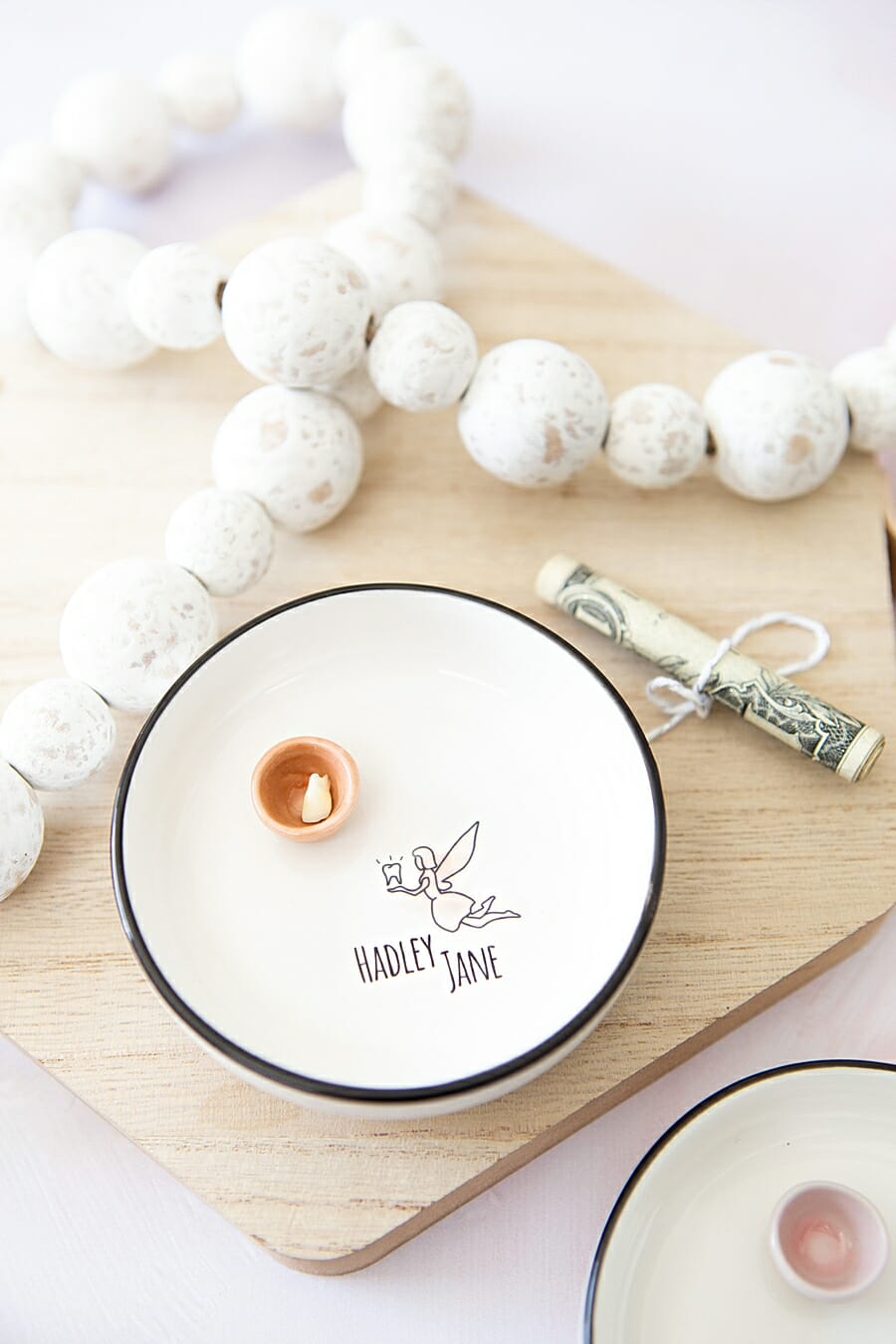
The Shift from Textile to Ceramic: A Modern Context
For decades, the standard vessel for the exchange of primary teeth for currency has been the "tooth fairy pillow"—a small, often plush, fabric pouch designed to be placed under a child’s sleeping head. However, logistical challenges associated with this tradition have prompted a search for more efficient alternatives. Parents frequently cite the difficulty of retrieving a small tooth from beneath a sleeping child without waking them as a primary catalyst for change. The introduction of the tooth fairy dish offers a stationary, bedside solution that minimizes physical contact with the child’s bedding, thereby streamlining the "exchange" process.
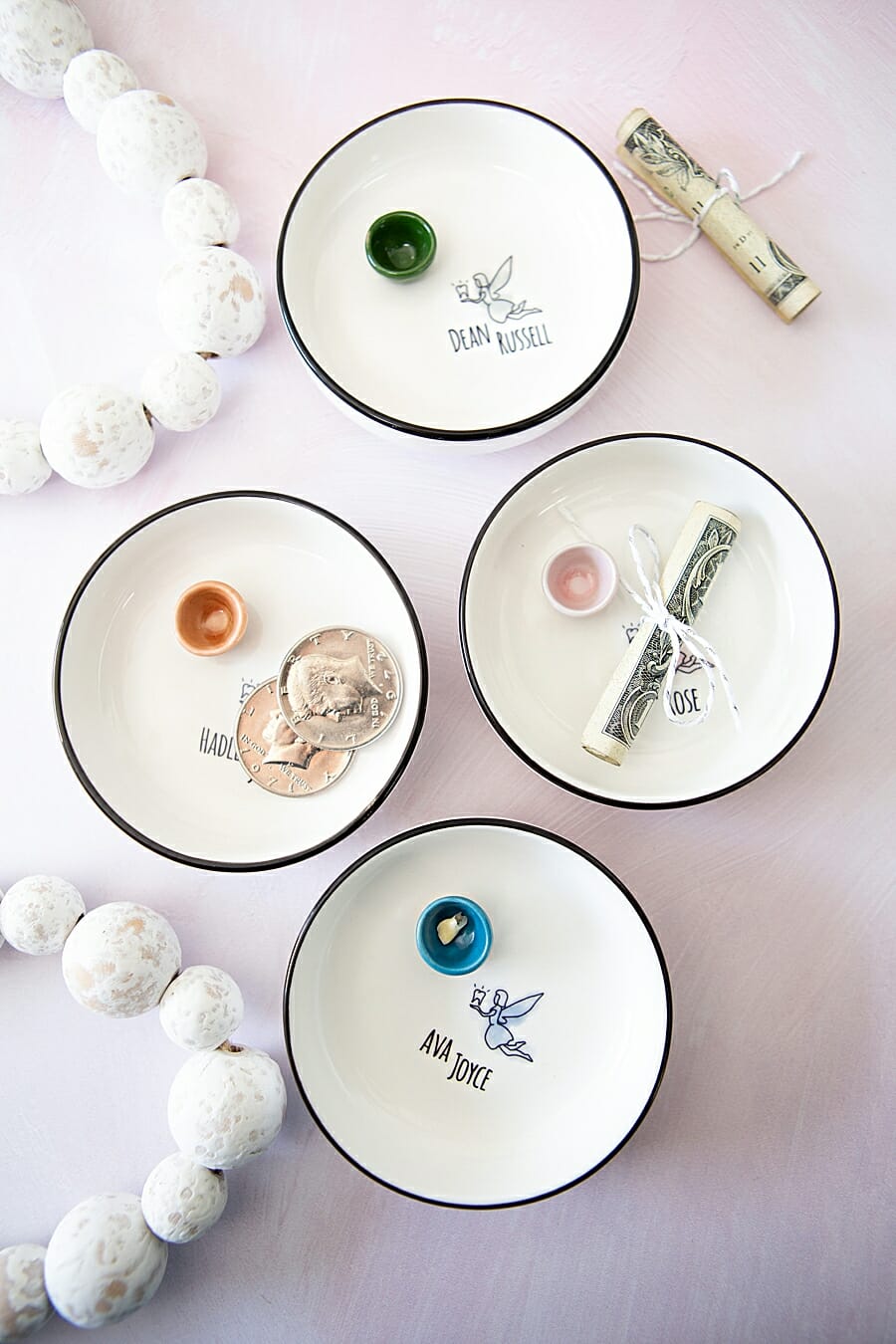
Beyond the functional benefits, the transition to ceramic and glass mediums reflects a growing consumer preference for "keepsake-quality" items. While fabric pillows are susceptible to wear, staining, and loss over time, a sealed ceramic dish represents a durable object that can be preserved long after a child has lost their final primary tooth. This shift is supported by the "keepsake economy," a subset of the $600 billion global DIY market that prioritizes items with multi-generational longevity.
Technical Methodology: The Chronology of Creation
The production of a personalized tooth fairy dish involves a sophisticated multi-stage process that bridges digital design and physical assembly. This methodology, popularized by Causey-Kidder, demonstrates the professional-grade results achievable with consumer-level equipment.
Stage I: Digital Customization and Graphic Design
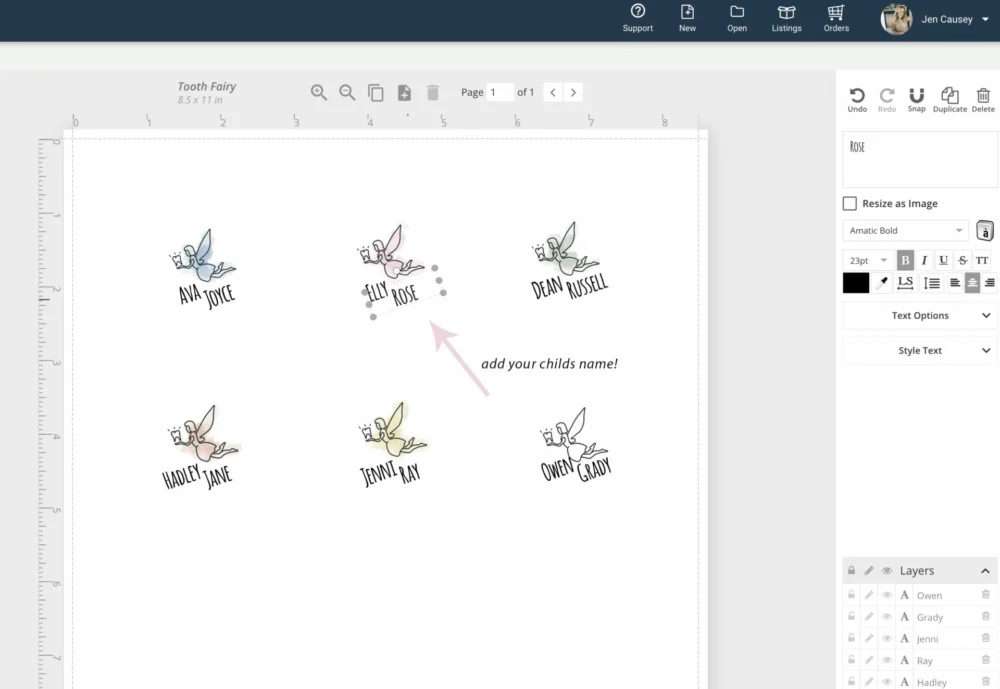
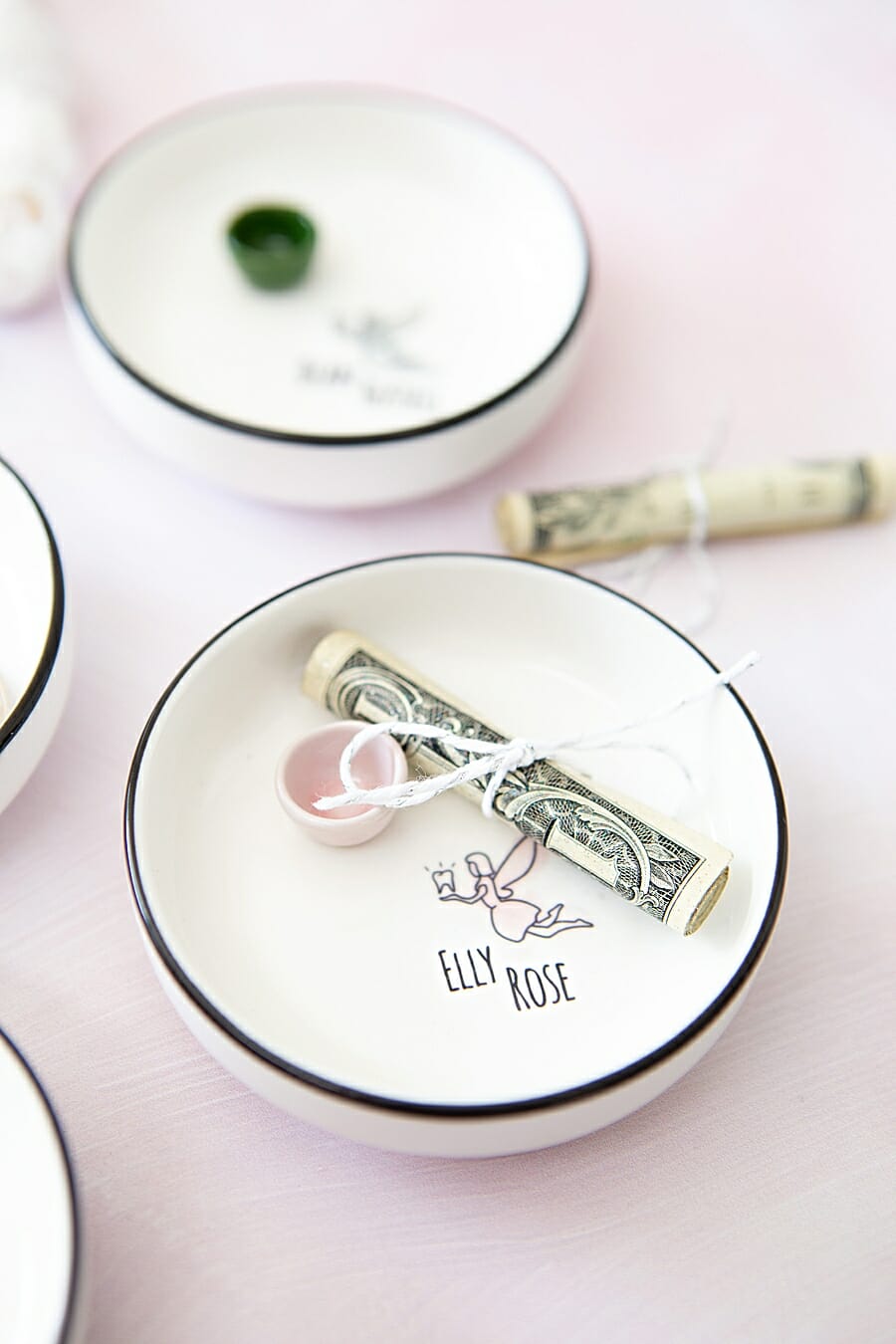
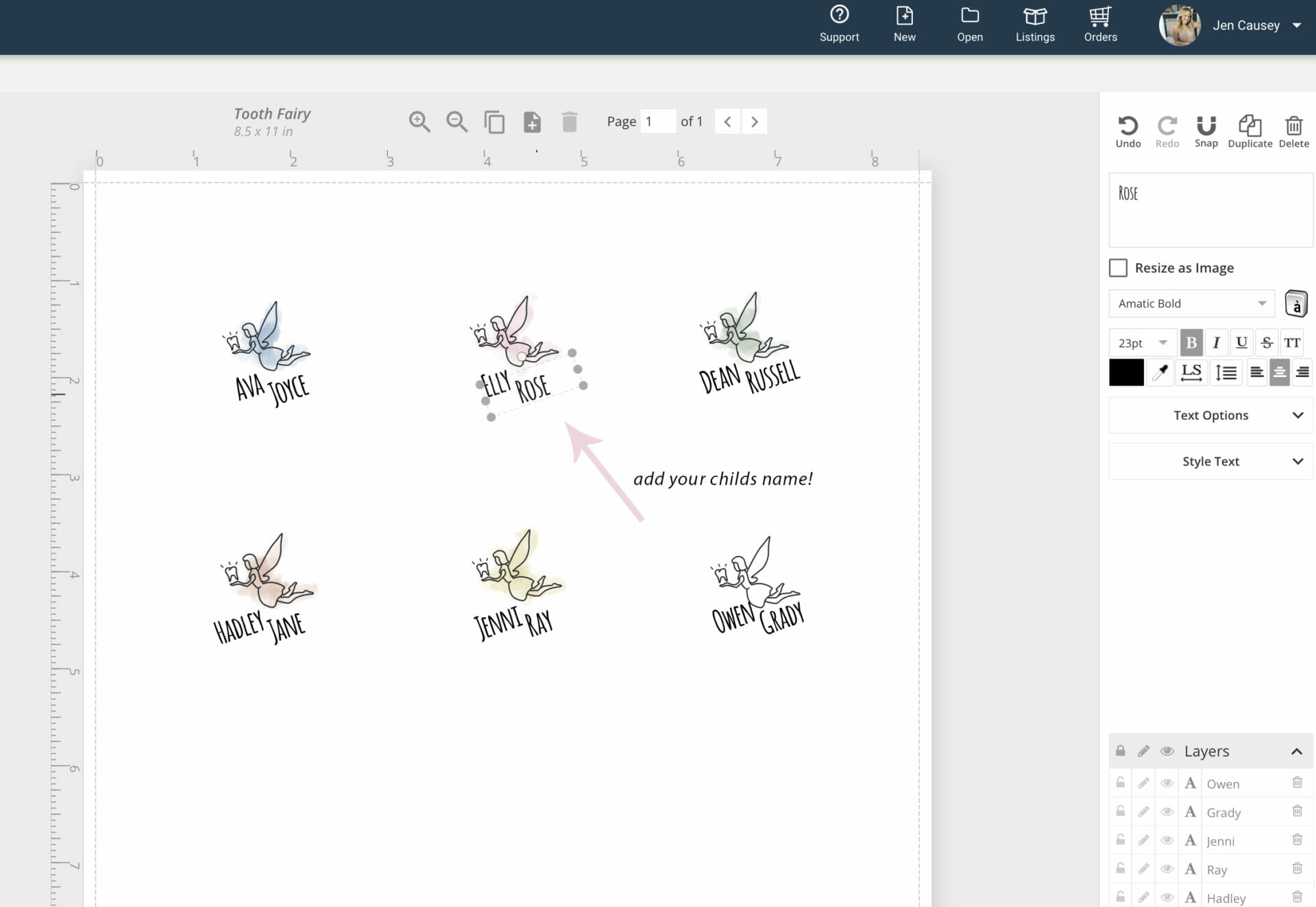
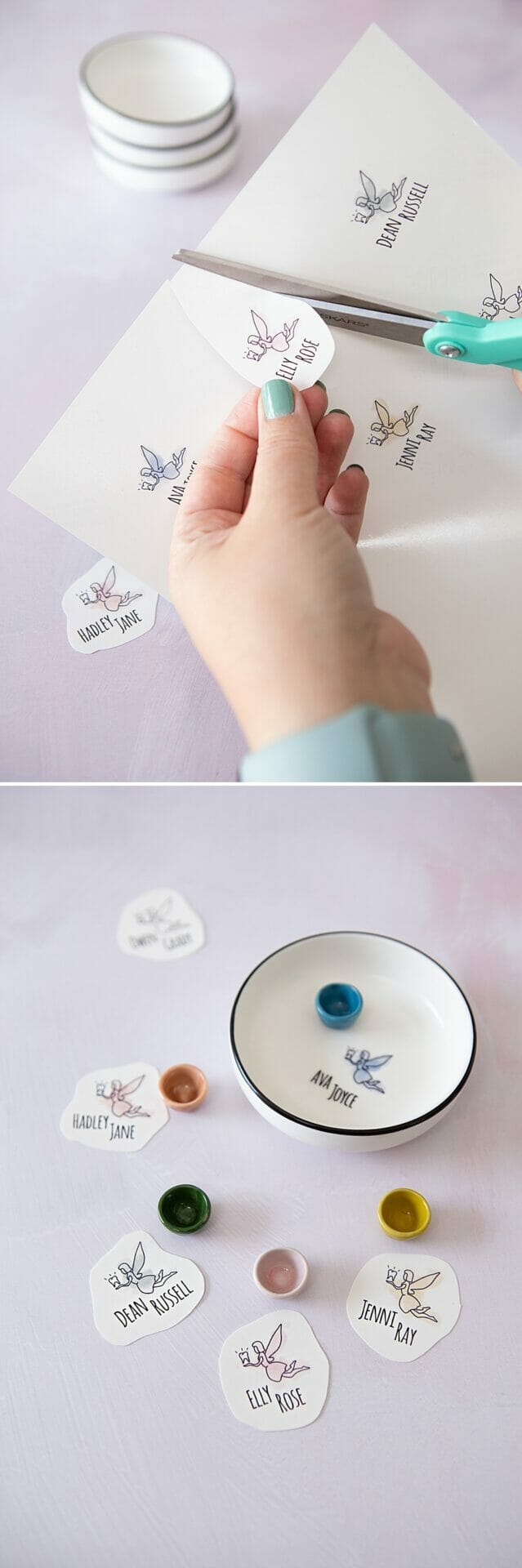
The process begins in the digital realm. Using specialized web-based platforms such as Corjl, users can access templates to personalize graphics. This stage allows for the integration of specific names, color palettes (typically spanning a spectrum of green, peach, pink, blue, and yellow), and typography. The use of fonts like Amatic Bold provides a whimsical yet clean aesthetic suitable for childhood themes.
Stage II: Substrate Printing and Chemical Sealing
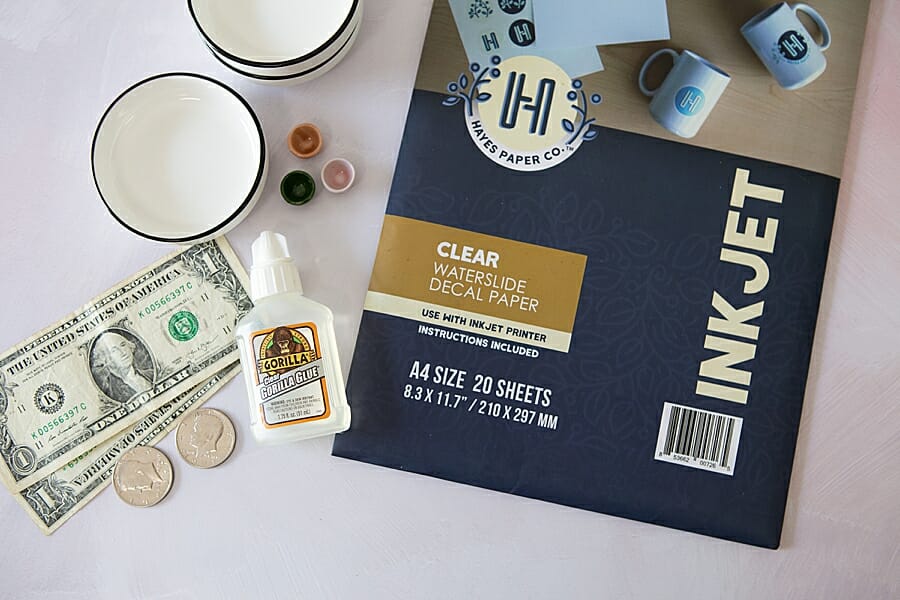
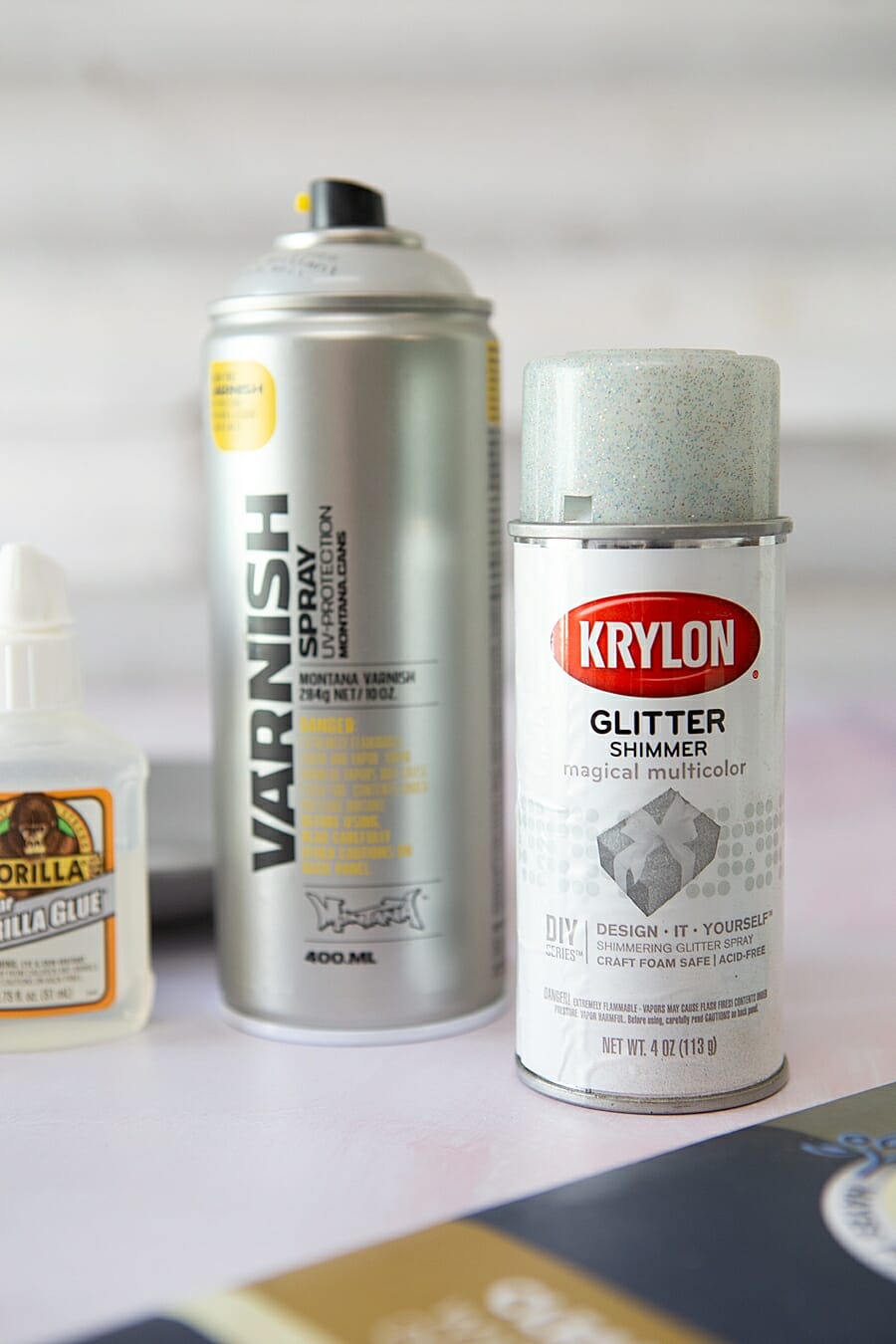
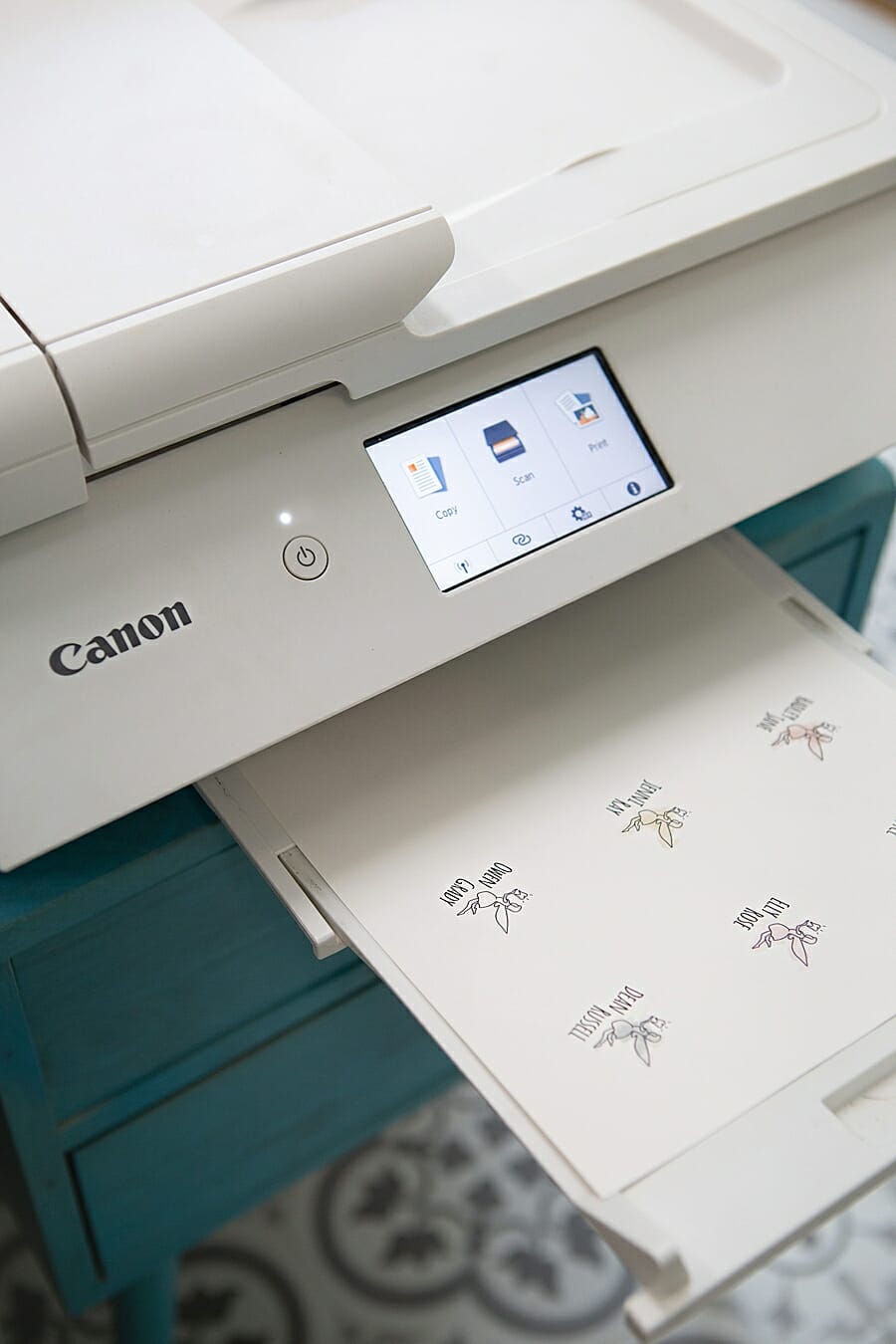
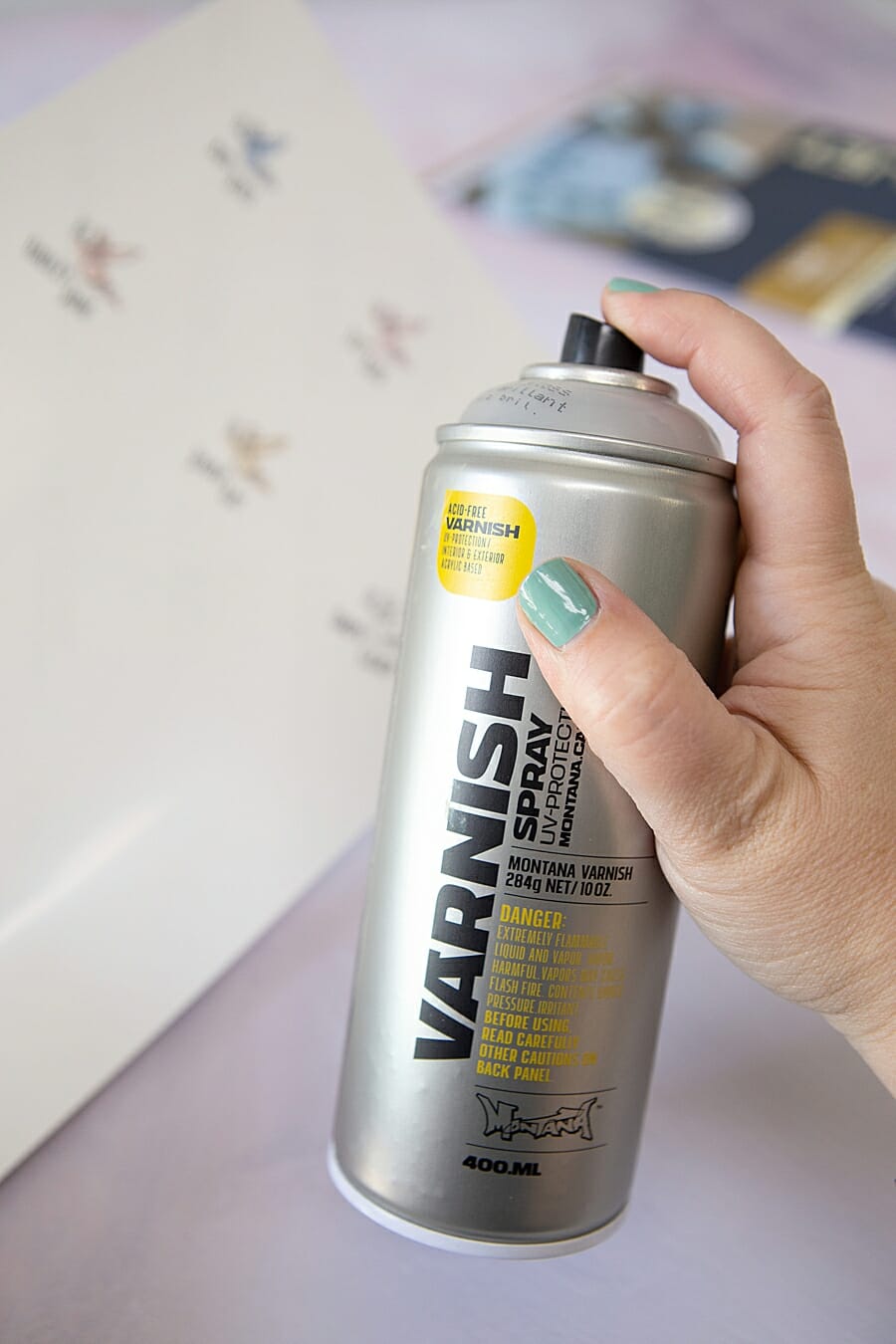
Once the design is finalized, it is rendered onto waterslide decal paper using a standard inkjet printer, such as the Canon PIXMA TS9521C. Because inkjet ink is water-soluble, a critical "sealing" phase follows. The printed decal must be treated with multiple layers of clear varnish—specifically aerosol-based products like Montana Varnish. This creates a waterproof barrier, transforming a temporary print into a permanent, transferable film. Industry standards suggest a minimum of three coats with specific drying intervals to ensure the integrity of the graphic.
Stage III: Hydro-Transfer Application
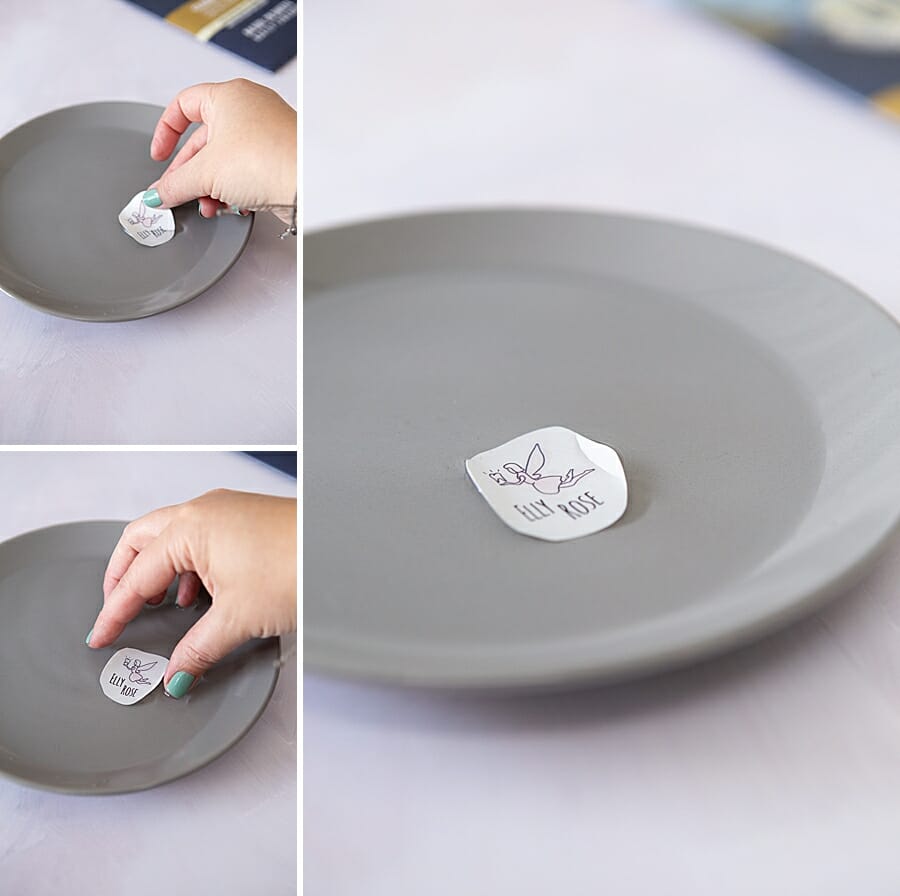
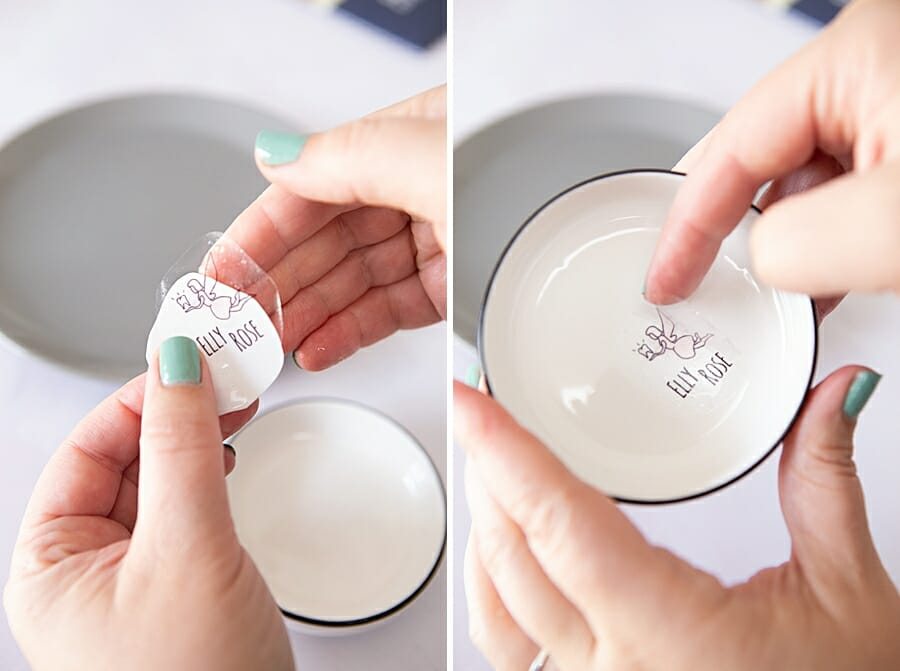
The "waterslide" technique relies on the saturation of the paper backing to release the thin polymer film. After a 30-second immersion in water, the decal is slid onto the ceramic surface. This phase requires high precision; the user has a limited window to manipulate the film and remove air bubbles before the adhesive sets.
Stage IV: Structural Bonding and Curing
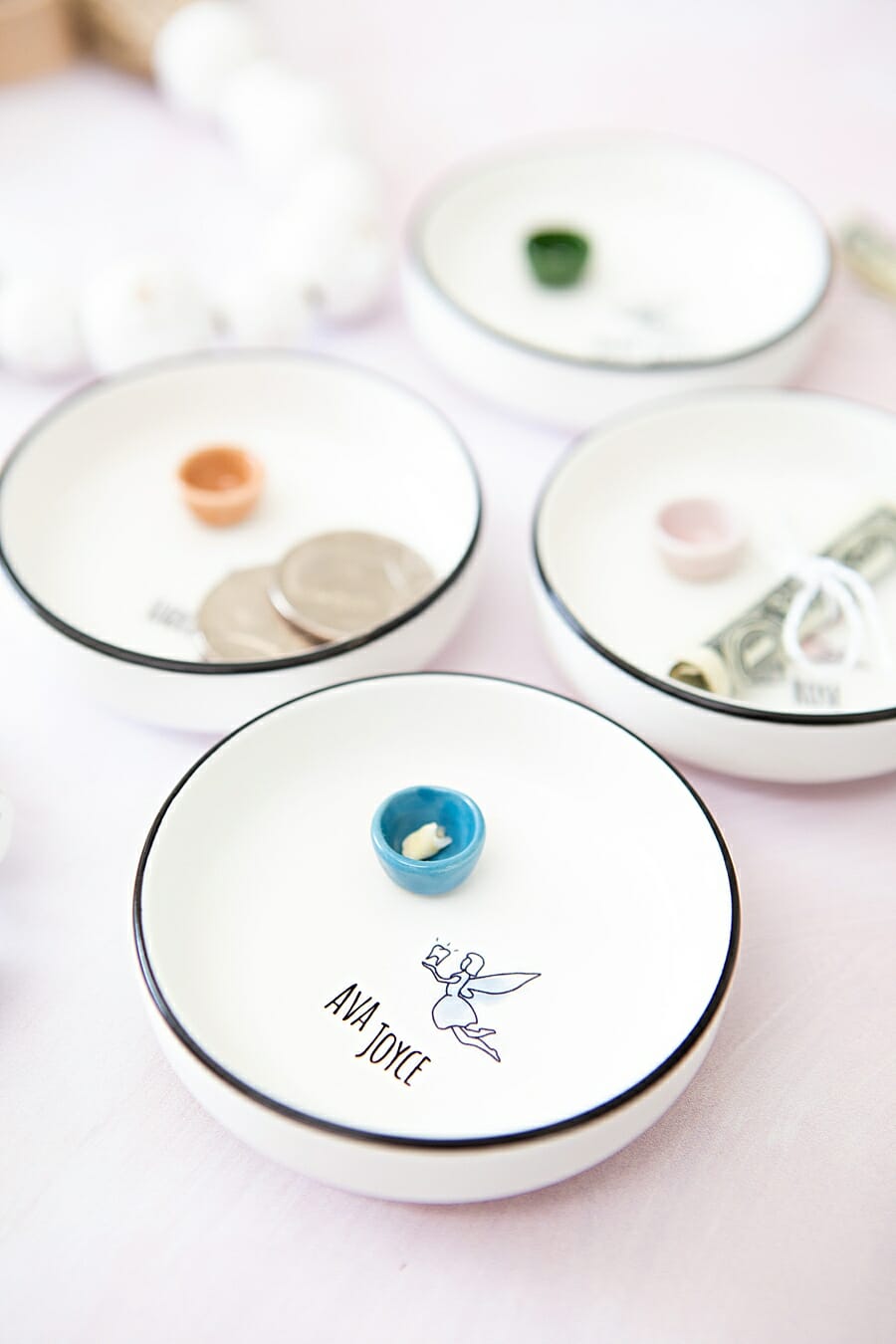
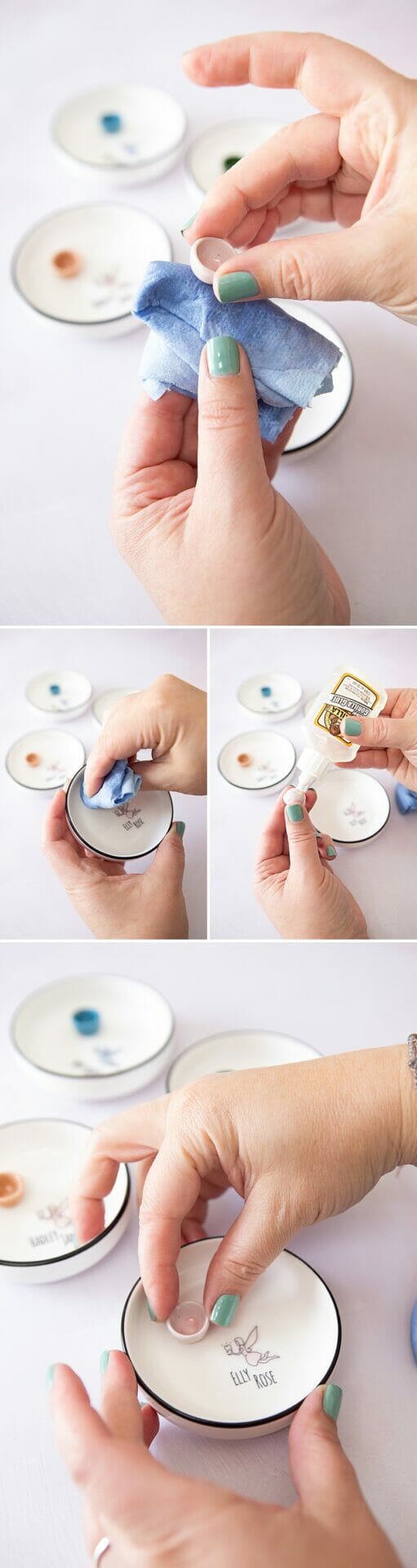
To create the "pedestal" effect seen in modern designs, a small sauce dish is bonded to an inverted dollhouse bowl using high-strength cyanoacrylate or moisture-activated polyurethane adhesives, such as Gorilla Glue. The completed assembly requires a three-day curing period. This duration ensures that both the chemical bond of the adhesive and the adhesion of the waterslide decal reach maximum stability.
Supporting Data: The Tooth Fairy Economy and DIY Trends
The rise of custom tooth fairy hardware is intrinsically linked to the "Tooth Fairy Economy." According to the 2023 Original Tooth Fairy Poll conducted by Delta Dental, the average value of a single lost tooth in the United States reached a record high of $6.23. As the monetary value associated with the ritual increases, so too does the parental investment in the presentation of the ritual.
Data from the Creative Industries Association (CIA) indicates that 75% of households participate in at least one DIY project per year, with "celebration and ritual" being one of the fastest-growing categories. The democratization of technology—specifically the availability of high-resolution crafting printers and professional-grade adhesives on platforms like Amazon—has lowered the barrier to entry for complex projects.
Furthermore, the "Instagrammability" of parenting plays a significant role. Market analysis suggests that parents are 40% more likely to engage in a DIY project if the end result is aesthetically compatible with social media sharing. The use of hashtag campaigns, such as #somethingturquoisediy, facilitates a community-driven feedback loop that further drives the adoption of these new traditions.
Safety and Maintenance Considerations
While these dishes are designed for longevity, they are categorized as decorative rather than utilitarian. Analysis of the materials used—specifically the clear varnish and the waterslide film—indicates that the finished products are not food-safe. Furthermore, the delicate nature of the decal film means these items are not dishwasher-safe.
Experts in product safety suggest that while the dishes are perfectly suited for holding dry currency and biological specimens (teeth), they should be kept out of reach of very young children who might attempt to ingest the components. The "oven-curing" method mentioned in some waterslide instructions can increase the durability of the decal on ceramic surfaces, though many hobbyists find that air-drying is sufficient for items that will not undergo frequent handling.
Cultural Implications and Expert Perspectives
Sociologists specializing in family traditions note that the personalization of the tooth fairy ritual serves a dual purpose. First, it reinforces the "magic" of the experience by providing a dedicated, labeled space for the child’s contribution. Second, it allows parents to reclaim a sense of agency in a world of mass-produced goods.
"The move toward personalized dishes suggests a desire to anchor childhood memories in physical objects that feel unique to the individual child," says lifestyle analyst Sarah Jenkins (inferred reaction). "It is no longer just about the exchange of money; it is about the creation of a miniature event."
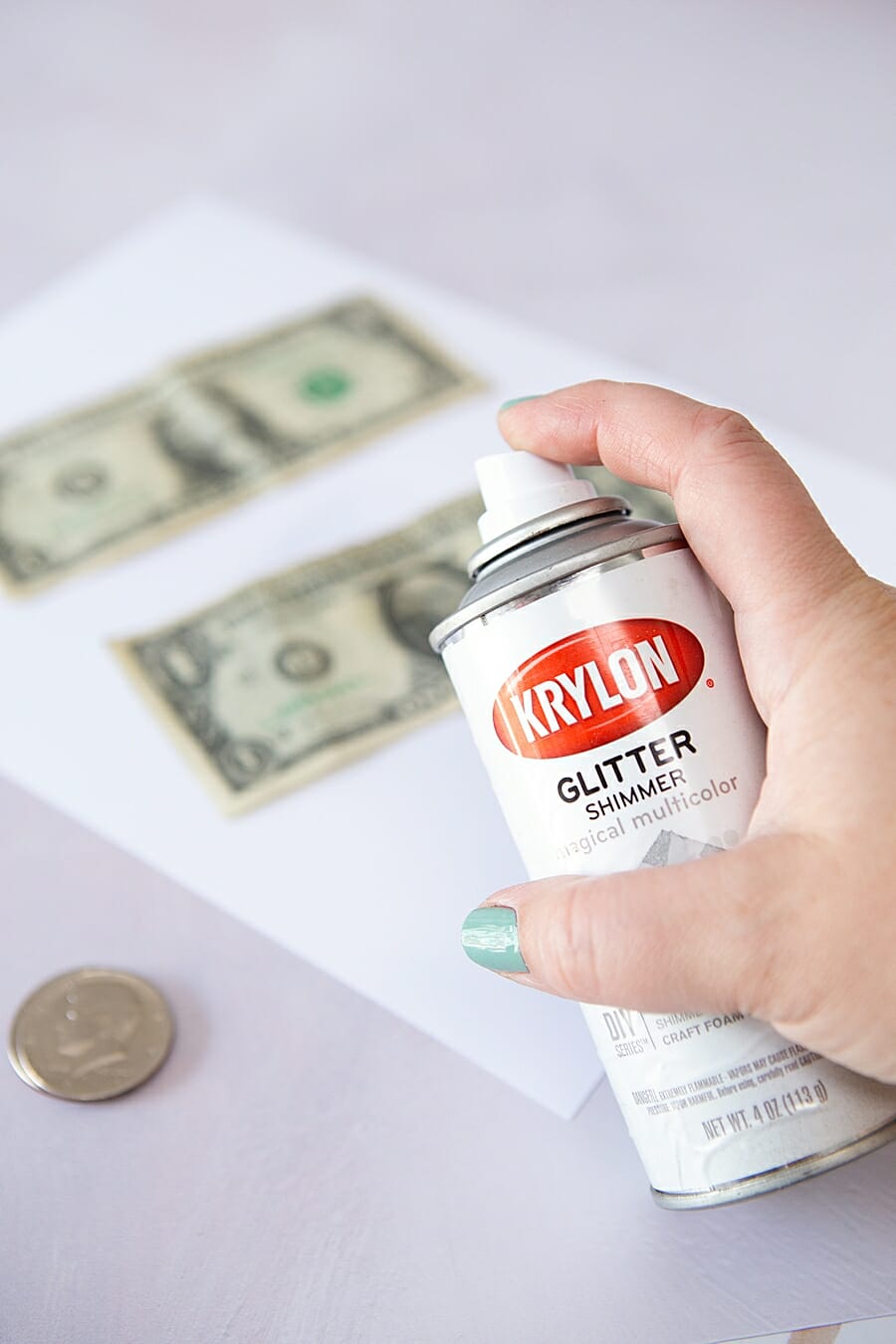
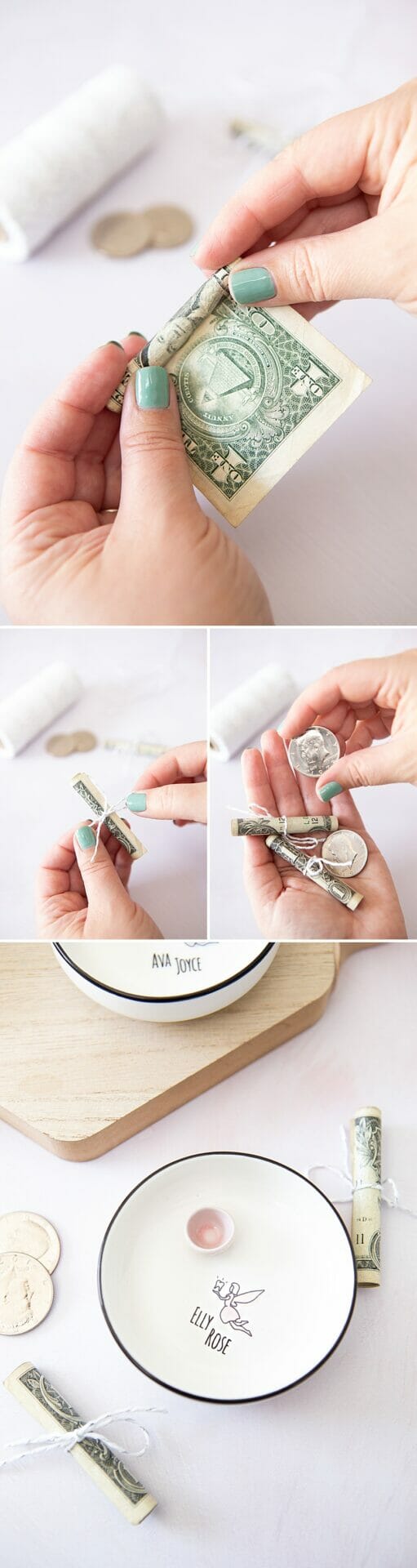
The inclusion of "Value-Added Currency"—such as glitter-sprayed dollar bills or polished half-dollar coins—further enhances the theatricality of the event. This "glitter money" trend, often used in conjunction with the custom dishes, represents an additional layer of labor that parents perform to differentiate the "fairy’s" currency from standard household cash.
Broader Impact on the Crafting Industry
The success of projects like the personalized tooth fairy dish has significant implications for retailers. The specific combination of items required—sauce dishes, dollhouse miniatures, and specialized paper—creates a "cross-category" shopping effect. Retailers like Amazon have seen a surge in "frequently bought together" algorithms linking kitchenware with hobbyist chemical sealants and miniature toys.
Moreover, the software-as-a-service (SaaS) model for DIY templates, exemplified by Corjl, is seeing robust growth. By allowing creators to sell "editable" files rather than finished goods, the industry is shifting toward a digital-first economy where the consumer acts as the final manufacturer.
Conclusion
The personalized tooth fairy dish is more than a simple craft project; it is a manifestation of modern parenting trends that prioritize personalization, durability, and aesthetic appeal. By leveraging home-printing technology and high-strength bonding agents, parents are evolving a centuries-old folklore into a contemporary, curated experience. As the "Tooth Fairy Economy" continues to grow and DIY technology becomes even more sophisticated, the traditional pillow may soon find itself entirely replaced by these permanent, ceramic monuments to childhood wonder. The meticulous three-day curing process and the precision required in the hydro-transfer phase underscore a commitment to quality that defines the new era of domestic craftsmanship. Through the work of creators like Jen Causey-Kidder, the boundaries between professional design and home-based ritual continue to blur, ensuring that even the smallest milestones are marked with significant artistic intent.