

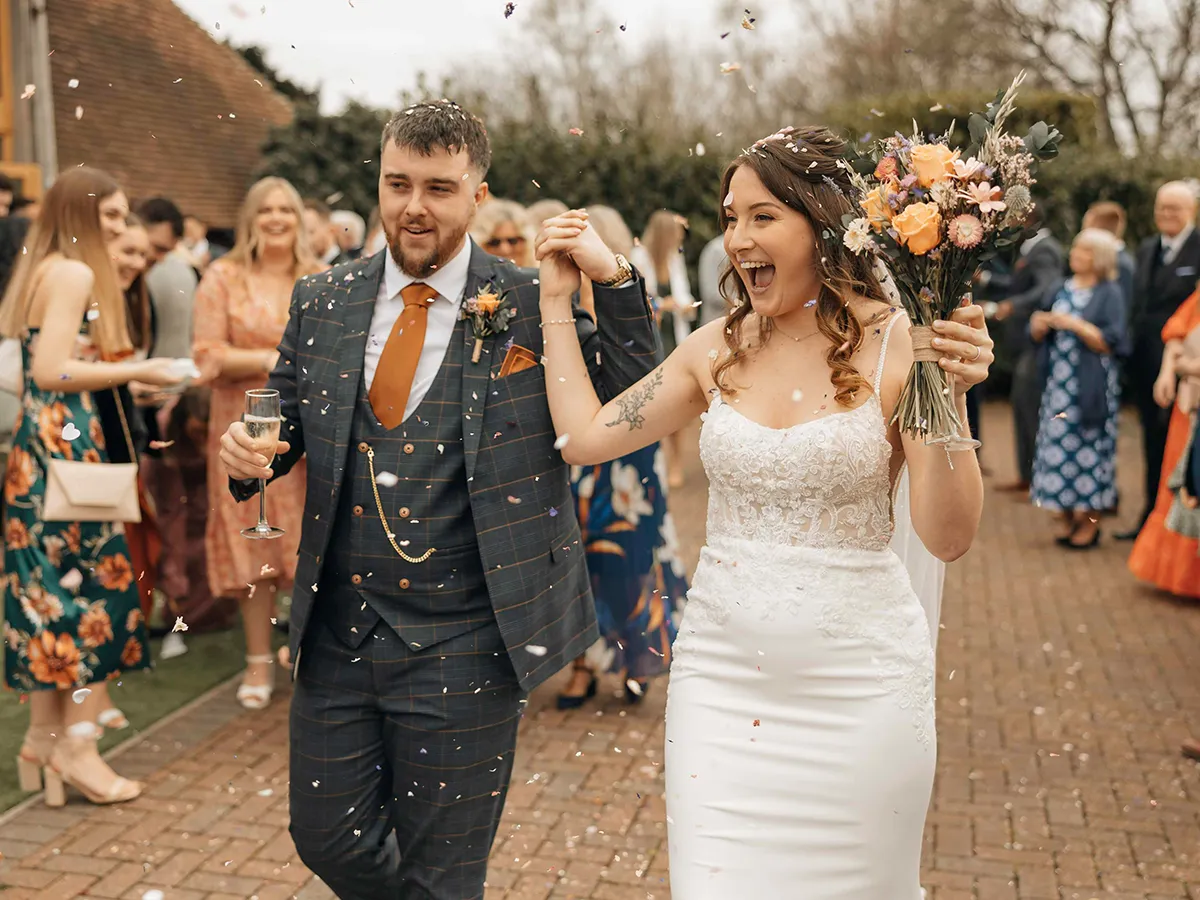
The pervasive narrative surrounding modern weddings often suggests an extensive checklist of items and services deemed "essential" for a successful, memorable, and visually appealing celebration. From bespoke stationery and elaborate floral arrangements to multi-tiered cakes and professional videography, the contemporary wedding landscape is frequently presented as a complex ecosystem of requirements. However, a critical examination reveals that the actual legal and ceremonial necessities for a marriage are remarkably few, challenging the commercially driven perception of wedding day "must-haves." This article delves into the fundamental requirements, traces the evolution of wedding traditions, and analyzes the impact of the wedding industry on contemporary couples.
The Unvarnished Essentials: What Legally Constitutes a Marriage
Stripping away centuries of tradition and decades of commercial influence, the core components legally required to solemnize a marriage are surprisingly minimal. These vary slightly by jurisdiction but generally include:
- A Valid Marriage License: This official document, issued by a governmental authority (typically a county clerk or registrar), grants a couple permission to marry within a specific timeframe. It verifies that both parties are legally eligible to wed, ensuring compliance with age restrictions, marital status (e.g., not currently married to another person), and other local regulations. The application process usually involves presenting identification, sometimes undergoing a waiting period, and paying a fee.
- An Authorized Officiant: A marriage must be solemnized by an individual legally empowered to perform such a ceremony. This can include religious clergy, civil judges, justices of the peace, or other designated government officials. In some regions, individuals can obtain temporary authorization or online ordination to officiate a wedding, provided their credentials are recognized by local law. The officiant’s role is to ensure the legal declarations are made and witnessed, and to sign the marriage license.
- The Consent of the Parties: At its heart, marriage is a consensual union. Both individuals must freely and willingly express their intent to enter into the marriage contract. This is typically articulated through vows or a simple declaration of "I do." This fundamental consent underscores the personal agency and mutual agreement central to the institution of marriage.
- Witnesses (in many jurisdictions): Many legal frameworks require one or two witnesses to be present during the ceremony to attest to the fact that the marriage took place. These witnesses typically sign the marriage license alongside the couple and the officiant, serving as an additional layer of legal verification.
Beyond these four core elements—a license, an officiant, mutual consent, and often witnesses—virtually every other aspect commonly associated with a wedding is, in fact, an optional addition. This includes the venue, attire, catering, decor, photography, and guest list, all of which fall under the category of cultural enhancements rather than legal necessities.
The Evolution of Wedding Traditions: From Practicality to Pomp
The concept of marriage has undergone significant transformations throughout history, evolving from primarily economic and social alliances to unions based on romantic love. Early forms of marriage were often simple, community-based affairs, with rituals designed to signify a change in social status or lineage rather than elaborate celebrations. The idea of a "wedding" as a distinct, grand event began to take shape over centuries.
The modern "white wedding" ideal, largely popularized in the Western world, gained traction in the Victorian era, particularly after Queen Victoria married Prince Albert in a white gown in 1840. This event set a precedent for many traditions that are now considered standard, from specific attire to ceremonial elements. The 20th century, particularly the post-World War II economic boom, saw a further commercialization of weddings. As societies grew more affluent, discretionary spending on celebrations increased, and businesses began to cater specifically to this burgeoning market.
The late 20th and early 21st centuries have witnessed an acceleration of this trend, heavily influenced by mass media and, more recently, social media platforms. Television shows, bridal magazines, and online platforms like Pinterest, Instagram, and TikTok have created highly curated and aspirational visions of "the perfect wedding." These platforms, while offering inspiration, also inadvertently foster a culture of comparison and an ever-expanding list of perceived requirements, pushing couples towards increasingly elaborate and costly events.
The "Wedding Industrial Complex": A Closer Look at Market Forces
The term "Wedding Industrial Complex" refers to the vast network of businesses, services, and media that promote and profit from the idea of an elaborate, often expensive, wedding. This complex has grown into a formidable economic force globally.
Industry Size and Revenue:
According to market research, the global wedding services market size was valued at approximately USD 160.5 billion in 2022 and is projected to expand further in the coming years. In the United States, the average cost of a wedding has consistently risen, often exceeding initial budgets. Reports indicate that the average U.S. wedding in 2023 cost around $30,000, with many couples spending significantly more in major metropolitan areas. This substantial expenditure is distributed across numerous categories:
- Venue and Catering: Often the largest portion, accounting for 40-50% of the budget.
- Engagement Ring and Wedding Bands: A significant upfront investment.
- Photography and Videography: Crucial for capturing memories, with high-end packages reaching thousands of dollars.
- Attire: Gowns, suits, and accessories for the couple and their party.
- Floral and Decor: Transforming spaces with intricate designs.
- Entertainment: DJs, bands, and other performers.
- Stationery: Invitations, save-the-dates, programs, thank-you notes.
- Miscellaneous: Hair and makeup, transportation, favors, officiant fees, and a myriad of smaller "add-ons."
Marketing Strategies and the Psychology of Spending:
The wedding industry employs sophisticated marketing tactics that often appeal to emotion and aspiration. Terms like "once-in-a-lifetime," "dream day," and "making memories" are frequently used to encourage spending. The concept of "must-haves" is strategically propagated through bridal publications, online blogs, and vendor recommendations, subtly implying that certain items are indispensable for a "real" or "perfect" wedding. This creates a sense of FOMO (Fear Of Missing Out) and social pressure, leading couples to believe that omitting certain elements might result in regret or judgment from guests.
Financial psychologist Dr. Sarah Newcomb notes, "The emotional investment in a wedding day is immense. Marketers capitalize on this by framing their products and services not as luxuries, but as essential components for fulfilling deeply held dreams and societal expectations." This psychological framing often leads couples to override their rational financial judgment in pursuit of an idealized vision.
Dissecting the "Must-Have" Myth: Common Optional Expenses
The vast majority of items frequently listed as wedding "must-haves" are, in reality, entirely optional enhancements designed to personalize or elevate the celebration. Understanding this distinction is crucial for couples planning their day.
- The Venue: While a location for the ceremony and reception is practical, it does not need to be an expensive, exclusive venue. Marriages can occur in homes, public parks, courthouses, or even virtual settings, depending on local regulations.
- Attire: The elaborate white gown, tuxedos, and bridesmaids’ dresses are traditional, not mandatory. Couples can opt for simpler attire, existing clothing, or outfits that reflect their personal style and budget.
- Photography and Videography: Professional documentation is a cherished memory for many, but it is not essential for the legality or validity of the marriage itself. Friends or family can take photos, or couples can opt for a small, intimate ceremony without professional coverage.
- Catering and Beverages: A lavish reception dinner is a hallmark of many weddings, but a meal is not required. Couples can host a simple cake and punch reception, a casual potluck, or no reception at all.
- Decorations and Flowers: While enhancing ambiance, elaborate floral arrangements, centerpieces, and decorative elements are purely aesthetic choices.
- Entertainment: DJs, live bands, and other forms of entertainment are for guest enjoyment and are not part of the marriage ceremony.
- Stationery: Printed invitations, save-the-dates, and programs are traditional but can be replaced by digital communications or simple verbal invitations.
- Bridal Party: Having bridesmaids, groomsmen, or other attendants is a social tradition, not a requirement.
- Miscellaneous Items: Items like "bridal emergency kits," personalized hangers, vow books, custom cocktail napkins, and wedding favors are all marketing-driven additions designed to add a layer of perceived luxury or uniqueness, but serve no functional or legal purpose in the marriage itself.
Financial Implications and Expert Perspectives
The pressure to conform to extensive "must-have" lists has significant financial implications for many couples. The rising cost of weddings contributes to:
- Wedding Debt: Numerous studies indicate that a substantial percentage of couples incur debt to finance their weddings. A 2023 survey found that approximately 45% of couples went over their wedding budget, with a significant portion relying on credit cards or loans. This debt can be a burdensome start to a marriage, potentially delaying other significant life milestones like purchasing a home or starting a family.
- Delayed Financial Goals: Excessive spending on a wedding can divert funds that could otherwise be allocated to long-term financial security, investments, or emergency savings. Financial advisors often caution against prioritizing a single-day event over foundational financial planning. "While a wedding is a beautiful celebration, it’s crucial to distinguish between a memorable experience and an unsustainable financial burden," states financial planner Michael Thompson. "Starting a marriage with significant debt can put undue strain on a couple’s financial future and relationship."
Wedding planners themselves, while facilitating elaborate events, also often advise prudence. "My role is to help couples achieve their vision, but also to be a realistic guide," says veteran wedding planner Eleanor Vance. "We encourage clients to prioritize what truly matters to them and be comfortable cutting elements that don’t align with their core values or budget."
The Human Cost: Stress and Expectations
Beyond the financial strain, the pursuit of the "perfect" wedding, often dictated by external "must-have" lists, exacts a considerable human cost.
- Mental Health Impact: The immense pressure to meet societal and social media-fueled expectations can lead to significant stress, anxiety, and even depression for couples. The constant comparison with curated online images can foster feelings of inadequacy if their own plans do not measure up to perceived ideals.
- Relationship Strain: Disagreements over budget, guest lists, and aesthetic choices are common sources of conflict during wedding planning. The focus on external validation can sometimes overshadow the true purpose of the event: the union of two individuals.
- Shifting Priorities: Increasingly, modern couples are re-evaluating what constitutes a meaningful wedding. There is a growing trend towards smaller, more intimate celebrations, elopements, or highly personalized events that prioritize experience and authenticity over elaborate display. This reflects a desire to reclaim the wedding day as a reflection of the couple’s unique identity rather than a performance for others.
Empowering Couples: Redefining the Wedding Day
The realization that very little is truly "required" for a wedding empowers couples to approach their planning with intentionality and freedom.
- Define Core Values: Before any vendor booking or mood board creation, couples can benefit from discussing what truly matters to them for their wedding day. Is it an intimate ceremony, a large party, a focus on food, or unique entertainment? Identifying these core values helps in prioritizing spending and effort.
- Realistic Budgeting: Establishing a clear, realistic budget from the outset is paramount. This involves transparent discussions about financial contributions, savings, and comfort levels regarding debt.
- Ruthless Editing: Couples are encouraged to critically evaluate every potential expense and tradition. If an item or service does not resonate with their core values or falls outside their comfort zone financially, it should be considered optional and potentially eliminated. There is no inherent reward for maximalist spending.
- Personalization over Perfection: The most memorable weddings are often those that authentically reflect the couple’s personality and journey, not those that flawlessly mimic a Pinterest board. Embracing unique elements, even if unconventional, can create a more genuine and impactful experience.
- Focus on the Marriage, Not Just the Wedding: Ultimately, the wedding day is the beginning of a marriage. Investing in pre-marital counseling, open communication, and shared future planning often yields more lasting benefits than excessive spending on a single event.
In conclusion, the discourse surrounding wedding "must-haves" is largely a construct of cultural expectation and commercial interest. While traditions and celebrations are deeply cherished aspects of human experience, they are enhancements to, not prerequisites for, the legal and emotional union of marriage. By understanding the fundamental essentials and critically assessing the myriad of optional extras, couples can reclaim their wedding day as an authentic reflection of their love and commitment, setting a financially sound and emotionally healthy foundation for their life together.