

The prevailing notion that a "small wedding" is primarily a concession to financial constraints is increasingly being challenged by a growing demographic of couples prioritizing intentionality and depth over lavish display. While it is undeniable that a reduced guest list can lead to lower overall expenditures, industry analysis and shifting consumer preferences reveal a more nuanced motivation: the deliberate creation of a highly personalized and meaningful experience. This movement, championed by entities like The Budget Savvy Bride, underscores that "savvy" in wedding planning transcends mere cost-cutting, instead signifying a strategic allocation of resources—time, energy, and capital—towards elements that resonate most profoundly with the couple’s values.
The Paradigm Shift: From Necessity to Intentionality
Historically, weddings in many Western cultures have been characterized by expansive guest lists, elaborate venues, and a perceived obligation to accommodate a broad spectrum of acquaintances and extended family. The average wedding guest count in the U.S. hovered around 130-150 guests prior to 2020, with corresponding average costs exceeding $30,000. This trend began to pivot dramatically with the onset of the COVID-19 pandemic in early 2020. Public health mandates, travel restrictions, and social distancing requirements forced an unprecedented recalibration of wedding plans globally. Couples faced stark choices: postpone indefinitely, or scale down drastically. This period saw the rapid rise of "micro-weddings" (typically 20-50 guests), "minimonies" (an intimate ceremony with plans for a larger celebration later), and "elopements" (often just the couple and witnesses).
What began as a logistical necessity, however, quickly evolved into a conscious preference for many. As restrictions eased, a significant number of couples who had experienced the intimacy of a smaller celebration found themselves reluctant to revert to the grander scale. Data from wedding planning platforms indicated that even post-pandemic, a substantial percentage of couples continued to opt for smaller gatherings. A 2022 report by The Knot found that while average guest counts rebounded slightly from their 2020 lows, they remained below pre-pandemic levels, settling around 115-120 guests. This sustained trend suggests a fundamental shift in values, where couples are actively choosing intimacy and authenticity over perceived social obligations or traditional expectations.
The Economics of Intimacy: Reallocating, Not Just Reducing
A critical aspect of the small wedding phenomenon is the distinction between cutting costs and reallocating a budget. While fewer guests inherently reduce certain per-head expenses like catering and favors, many couples embracing smaller weddings are not necessarily spending less overall. Instead, they are redirecting funds that would have gone towards accommodating a large crowd into elevating the quality and personalization of the experience for their chosen few.
For example, a couple might reduce their guest count from 150 to 30, saving tens of thousands on food and beverage. Rather than pocketing these savings entirely, they might invest a significant portion into a Michelin-starred private dining experience, a renowned destination photographer whose rates were previously prohibitive, bespoke floral arrangements, or an extended honeymoon. According to industry surveys, couples opting for smaller weddings often report a higher per-guest spend, indicating a prioritization of quality over quantity. This financial reallocation allows for dream vendors, unique menu selections, custom stationery, or even more luxurious accommodations for the bridal party, transforming the event into a highly curated affair. The intent is to craft an unforgettable, high-touch experience that truly reflects the couple’s tastes and personality, rather than simply adhering to a standardized wedding template. This approach aligns with broader consumer trends favoring experiential luxury and personalization across various sectors.
Beyond the Ballroom: Creative Venues and Bespoke Experiences
One of the most liberating aspects of a smaller guest list is the dramatic expansion of potential venue options. The traditional ballroom, designed to accommodate hundreds, often becomes unnecessary. This opens the door to a plethora of unique, character-filled spaces that might otherwise be impractical or too small for a large event.
Couples are now exploring options such as:
- Boutique Hotels and Private Estates: Offering intimate charm and often comprehensive service packages.
- Upscale Restaurants: Providing exceptional culinary experiences in a sophisticated setting, eliminating the need for separate catering.
- Art Galleries and Museums: Lending a cultural and elegant backdrop.
- Botanical Gardens and Conservatories: Offering natural beauty and a serene atmosphere.
- Historic Homes or Libraries: Imbuing the celebration with a sense of timelessness.
- Private Residences or Backyards: Allowing for an exceptionally personal and relaxed ambiance.
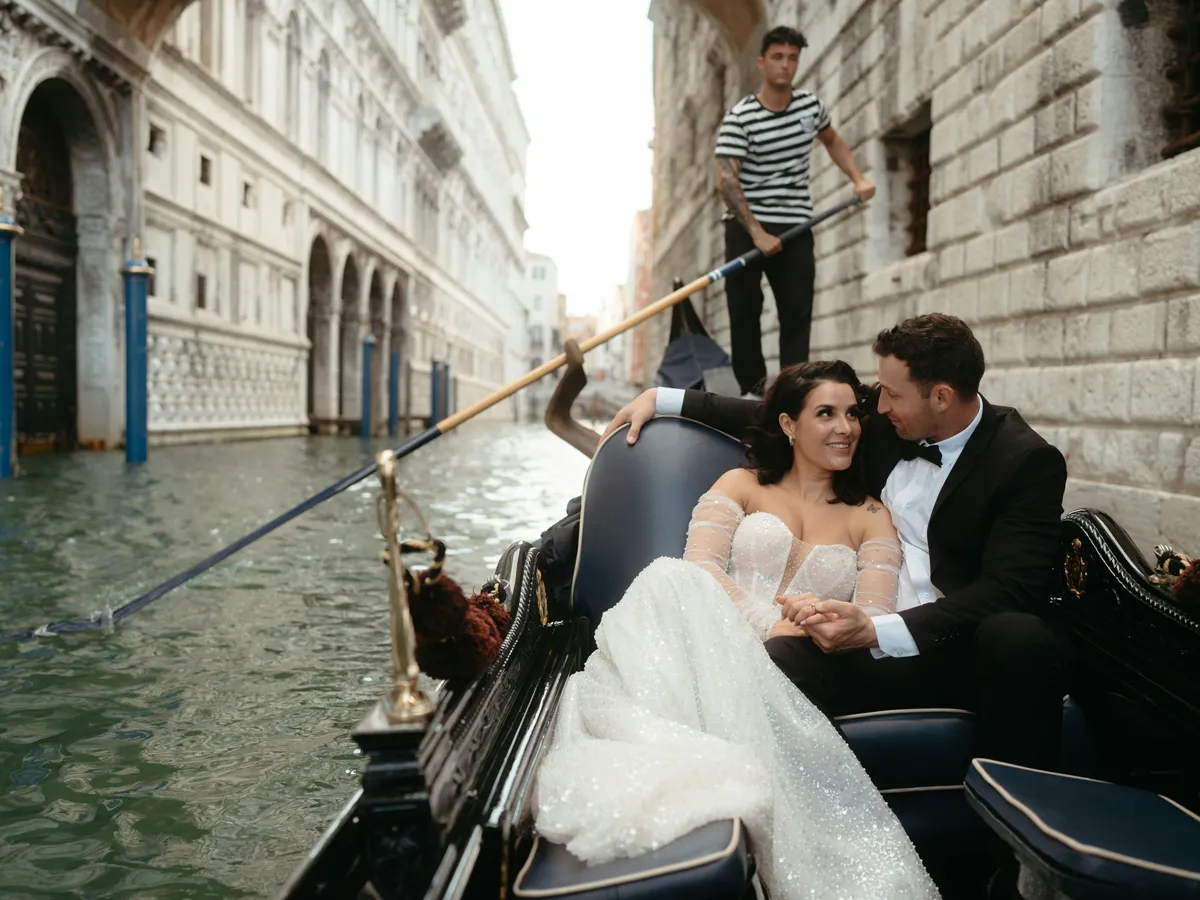
- Destination Elopements or Micro-Weddings: Enabling couples to combine their wedding with a unique travel experience, often sharing it with only their immediate family or closest friends in breathtaking locations like European castles, tropical beaches, or mountain retreats.
This flexibility allows couples to select a venue that genuinely reflects their aesthetic and vision, fostering an atmosphere that feels less like a grand production and more like an intimate gathering of loved ones. The focus shifts from logistical capacity to intrinsic character and the ability of the space to enhance the desired emotional tone of the day.
Reducing Stress, Amplifying Joy: The Planning Advantage
The logistical complexities of planning a large wedding are considerable. Managing hundreds of RSVPs, coordinating multiple vendors for a large scale, navigating intricate seating charts, and adhering to strict timelines can be a source of immense stress for couples. A smaller wedding inherently reduces many of these pressures.
Fewer guests mean:
- Simplified Guest List Management: Less contention over who to invite, fewer social obligations, and easier communication.
- Streamlined Vendor Coordination: Fewer tablescapes, fewer meal choices, and often less elaborate setup requirements.
- Reduced Decision Fatigue: A more manageable scope of choices for décor, food, and entertainment.
- More Time for Enjoyment: The planning process becomes less of a burden, allowing couples more space to savor their engagement period and genuinely enjoy the anticipation of their wedding day.
Wedding planners frequently attest to the reduced stress levels observed in couples opting for smaller celebrations. With fewer "moving parts," there is less room for error and more capacity for spontaneity and genuine enjoyment of the moment. This translates to a wedding day where the couple feels more present, less harried, and truly able to connect with their guests.
Voices from the Aisle: Planner and Couple Perspectives
Industry professionals have keenly observed this evolving trend. Sarah Miller, a wedding planner based in New York City with over a decade of experience, notes, "Before the pandemic, many couples felt immense pressure to have a big wedding, often driven by family expectations or a fear of offending someone. COVID-19 inadvertently gave them permission to break free from those norms. Now, even without restrictions, we see a strong desire for intimacy. Couples tell me they want to actually talk to every guest, not just wave from across a crowded room. They’re investing in experiences, not just headcount."
Couples who have chosen this path echo similar sentiments. Emily and David Chen, who married with 25 guests at a vineyard in Sonoma last year, shared, "Our families are large, and initially, we felt obligated to invite everyone. But after seeing friends struggle with massive guest lists and budget overruns, we realized we wanted something different. We cut our list down to immediate family and our closest friends. It allowed us to have a gourmet dinner, a fantastic photographer, and truly meaningful conversations with everyone there. It felt incredibly personal and authentic to us, and we wouldn’t change a thing."
Economists studying the wedding sector also point to the shift. Dr. Anya Sharma, an expert in consumer behavior, commented, "The wedding industry, like many others, is adapting to a post-pandemic consumer who values personalized experiences and authenticity. While the overall volume of weddings might be stable, the distribution of spending is changing. There’s a move away from generic large-scale events towards bespoke, high-quality experiences for smaller groups. This requires vendors to be more agile and creative in their offerings."
The Broader Impact: Industry Adaptation and Sustainable Celebrations
The shift towards smaller, more intentional weddings has significant implications across the wedding industry value chain. Venues that once relied heavily on large banquet bookings are now diversifying their offerings, providing packages tailored for micro-weddings and elopements. Caterers are focusing on elevated, multi-course dining experiences rather than mass-produced buffets. Photographers and videographers are emphasizing storytelling and candid moments over grand panoramic shots. The demand for highly specialized, bespoke services is increasing, fostering innovation and niche markets within the industry.
Furthermore, the smaller wedding trend aligns with growing concerns about sustainability and environmental impact. Fewer guests typically mean a smaller carbon footprint: less food waste, reduced transportation emissions, and often a more conscious approach to décor and favors. Couples are increasingly seeking eco-friendly options, and a smaller scale makes it easier to implement sustainable choices without compromising on quality or aesthetics. This includes locally sourced food, recycled or reusable décor, and minimalist approaches that reduce overall consumption.
A Conscious Choice: Validating Personal Preferences
Ultimately, the decision to host a small wedding is a profoundly personal one, and it is crucial to validate the diverse motivations behind it. Whether driven by a desire for intimacy, a commitment to sustainability, a preference for unique experiences, or indeed, a strategic approach to budget management, these reasons are entirely valid. The notion that a small wedding is a "consolation prize" or "just to save money" is an outdated stereotype that fails to recognize the deliberate choices made by modern couples.
In a world increasingly valuing authentic connection and personalized experiences, the small wedding stands as a testament to a conscious choice. It is an affirmation that the essence of a wedding lies not in its scale, but in the depth of its meaning, the quality of its connections, and its genuine reflection of the couple embarking on a new journey together. As the wedding industry continues to evolve, the focus will likely remain on empowering couples to craft celebrations that are true to their unique love stories, regardless of guest count. This "savvy" approach ensures that the most memorable weddings are those that genuinely resonate with the individuals at their heart.