


The Evolution of Valentine’s Day Confectionery Design
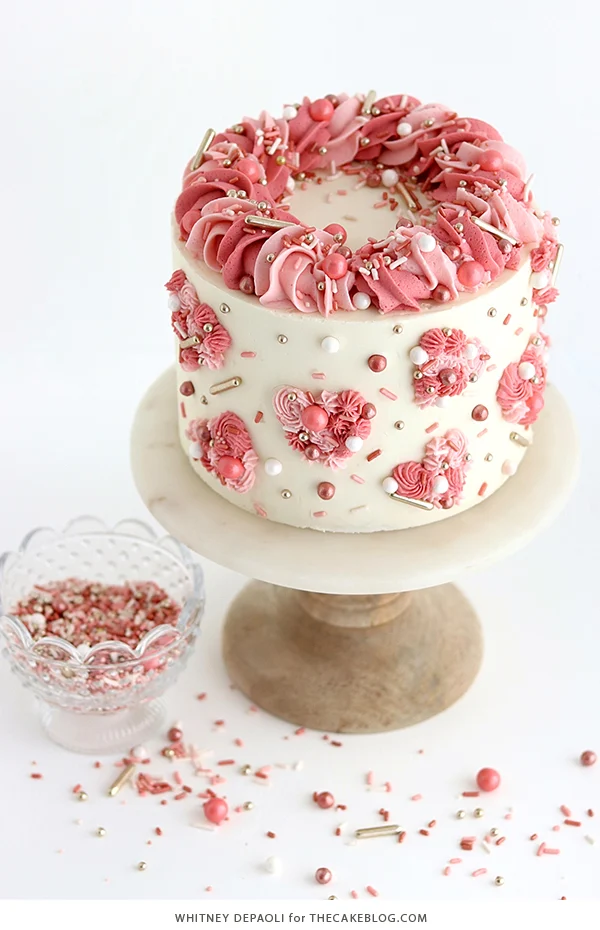
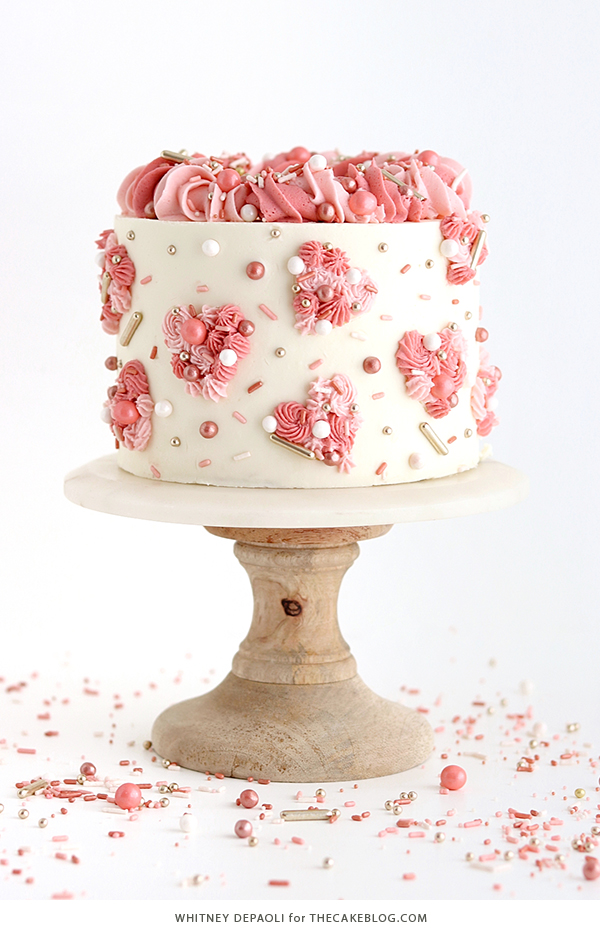
The traditional iconography of Valentine’s Day has long been dominated by smooth fondant finishes and standard red-and-white color palettes. However, the modern baking landscape, heavily influenced by social media platforms such as Instagram and Pinterest, has seen a resurgence in buttercream-focused designs that prioritize tactile depth and nuanced color gradients. Whitney DePaoli’s "Piped Hearts" technique is an evolution of this trend, drawing inspiration from contemporary artists like @frostedfujicakes, who pioneered the use of dense, varied piping to create tapestry-like effects on cake surfaces.
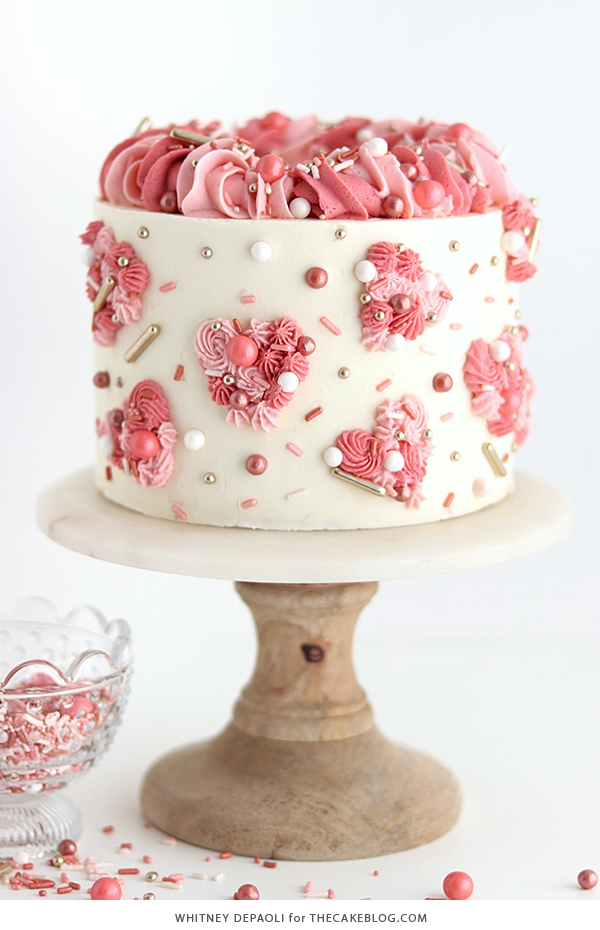
This transition from minimalist to high-texture design reflects broader consumer preferences. According to market research within the specialty food industry, "handcrafted" and "artisanal" appearances carry higher perceived value among millennial and Gen Z demographics. The Piped Hearts Valentine’s Cake utilizes these preferences by replacing flat decorations with multidimensional rosettes, stars, and metallic accents, creating a centerpiece that functions as both a dessert and a visual statement piece.
Technical Specifications and Preparation Chronology
The successful execution of the Piped Hearts design relies on a specific sequence of technical maneuvers and a precise inventory of equipment. To achieve the professional-grade finish demonstrated in the tutorial, bakers must adhere to a strict preparation chronology.
Phase I: Buttercream Stabilization and Color Synthesis
The foundation of the design is a stable, tintable medium. While various frostings can be utilized, American Buttercream is frequently cited as the preferred choice for high-texture piping due to its high sugar content, which allows the shapes to "crust" and maintain their definition against gravity.
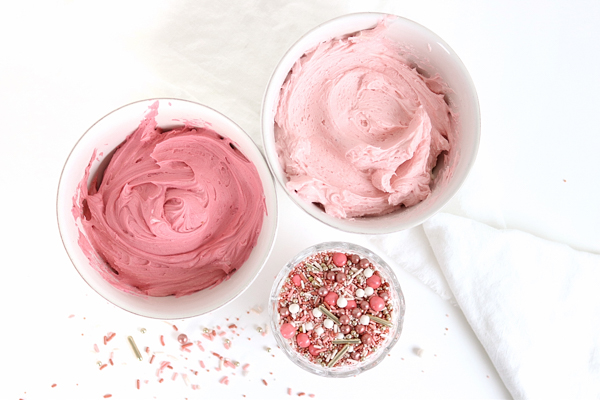
- Volume Allocation: The buttercream is divided into two primary vessels to facilitate the creation of a monochromatic or complementary color scheme.
- Chromatographic Precision: Using gel-based food coloring—specifically Americolor Dusty Rose in the featured model—the baker achieves a "Rose Gold" aesthetic. Gel colors are prioritized over liquid dyes to prevent the thinning of the frosting, which would compromise the integrity of the piped stars and rosettes.
- Apparatus Assembly: The tutorial mandates the use of four distinct piping bags. Two are fitted with Tip 1M (large open star), one with Tip 199 (small open star), and one with Tip 21 (small star). This variety in aperture size is critical for creating the "tapestry" effect, as it allows for varying heights and diameters within the heart shapes.
Phase II: The Imprinting and Mapping Process
A common challenge in complex cake design is maintaining symmetry and spatial proportions. DePaoli’s methodology addresses this by utilizing a "mapping" phase before any decorative frosting is applied.
- Substrate Preparation: The cake must be frosted with a smooth "crumb coat" and a final exterior layer, then chilled until the surface is firm to the touch. This chilling is a non-negotiable step; a soft surface will tear when the imprinting tool is applied.
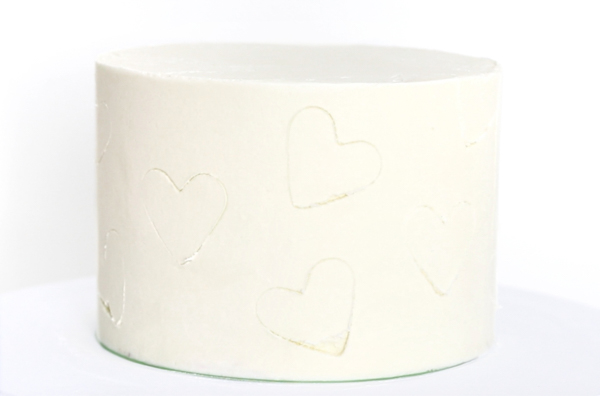
- Geometric Mapping: Using a standard heart-shaped cookie cutter, the baker lightly presses the tool into the chilled frosting. This creates a faint indentation that serves as a boundary for the piping.
- Spatial Analysis: The tutorial advises a minimum of two inches between each heart. This prevents visual "clutter" and ensures that the negative space of the background frosting remains a functional part of the design.
The Execution of High-Texture Piping and Accenting
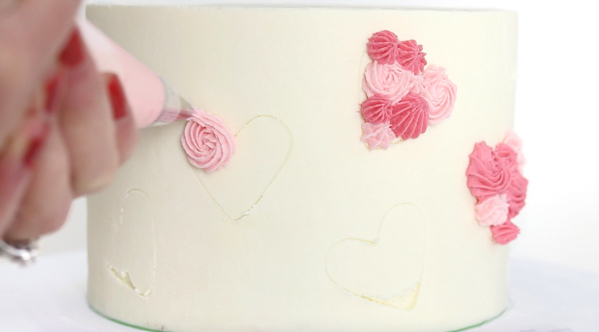
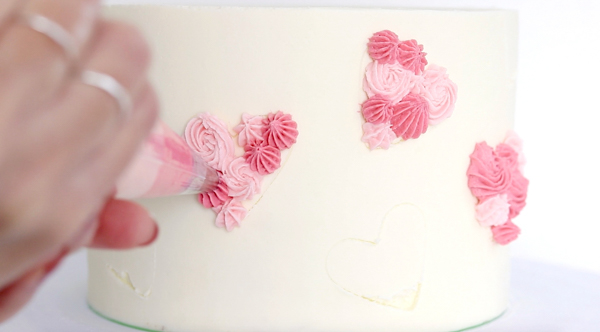
Once the layout is established, the baker transitions to the application of the buttercream. The technique requires a "fill-in" approach rather than a traditional border-first method.

Rosette and Star Application
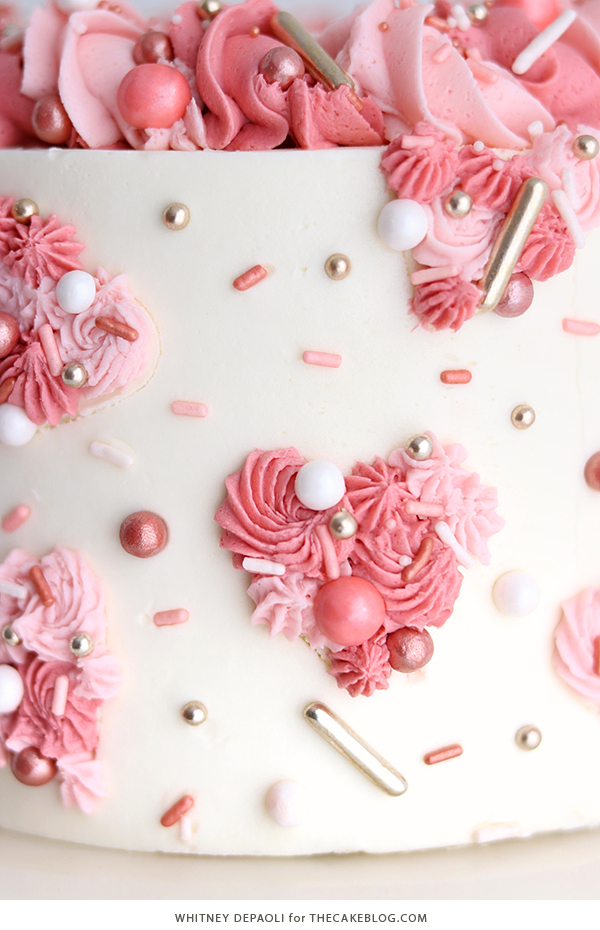
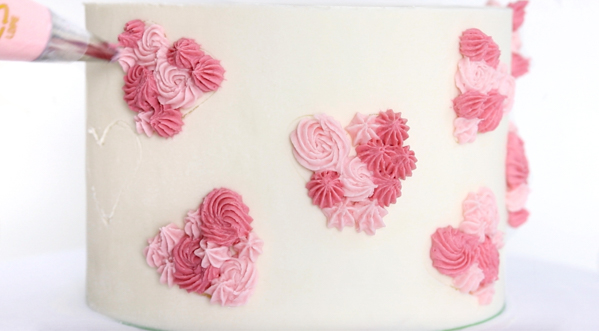
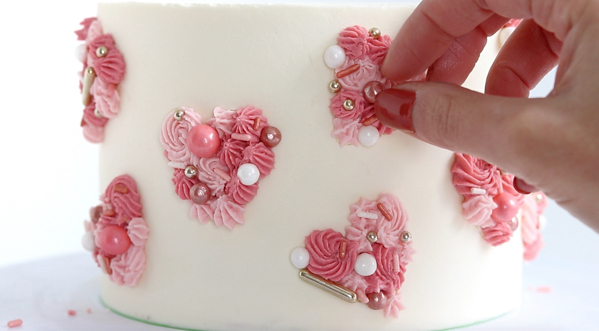
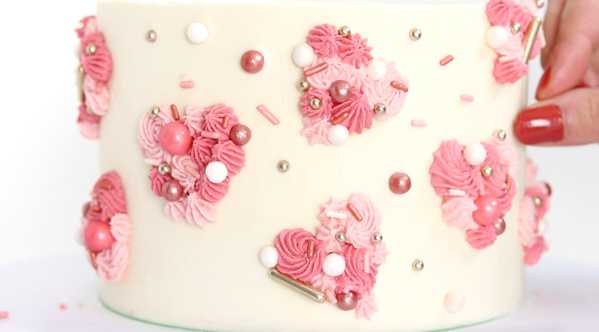
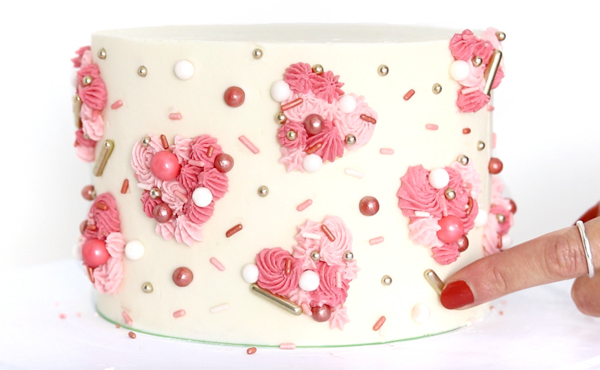
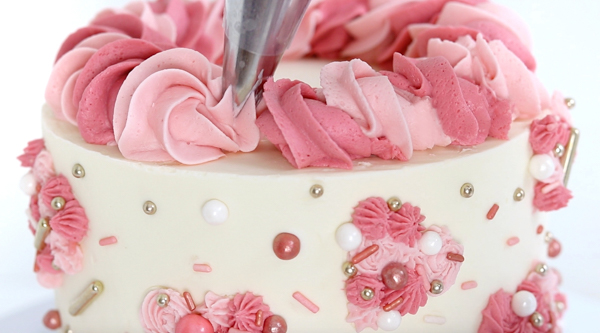
Within the boundaries of the imprinted hearts, the baker applies a mixture of tiny rosettes and stars. The 1M tip is used for larger focal points, while tips 199 and 21 fill the interstitial spaces. By alternating between the two shades of pink, the baker creates a sense of movement and depth. The objective is not to create a perfect outline but to fill the shape so densely that the "heart" geometry emerges from the collective mass of the piping.
The Role of Confectionery Accents
The addition of sprinkles and dragées is not merely decorative but structural. In the Piped Hearts design, sprinkles serve to fill the microscopic gaps where the piping tips cannot reach without overlapping excessively.
- Tactile Enhancement: The use of varying sprinkle sizes (from nonpareils to larger pearls) adds a tertiary layer of texture.
- The "Damp Paper Towel" Technique: To combat the difficulty of placing small sprinkles with precision, the tutorial introduces a professional "hack." By touching a finger to a damp paper towel before picking up a sprinkle, the baker creates enough surface tension to hold the sprinkle without the need for cumbersome tweezers, though the latter remains an option for high-precision placement.
Regulatory and Safety Considerations in Decorative Baking
A critical component of the tutorial involves the use of metallic accents, such as gold rods and silver dragées. This highlights an ongoing dialogue within the baking community regarding FDA (U.S. Food and Drug Administration) regulations.
In the United States, many metallic-finished cake decorations are labeled as "for decorative use only" and are not classified as edible food products. This is often due to the presence of elemental silver or other metallic coatings that have not been cleared for ingestion. The tutorial explicitly notes that while these items are safe for contact with the cake, guests should be instructed to remove them before consumption. This professional transparency is vital for maintaining food safety standards in a domestic or commercial setting.
Economic and Cultural Impact of Artisanal Cake Design
The release of such tutorials coincides with the massive economic surge associated with Valentine’s Day. Data from the National Retail Federation (NRF) consistently shows that Americans spend over $20 billion annually on the holiday, with "candy and sweets" representing one of the top three spending categories.
The "Piped Hearts" design represents the democratization of high-end pastry arts. By providing a clear, step-by-step framework, the tutorial allows home enthusiasts to create products that rival professional bakeries. This shift has significant implications for the "cottage food" industry, where small-scale home bakers leverage social media trends to build local businesses. The ability to produce a "modern spin" on a classic theme allows these entrepreneurs to differentiate their offerings in a saturated market.
Analysis of the Rosette Rope Border
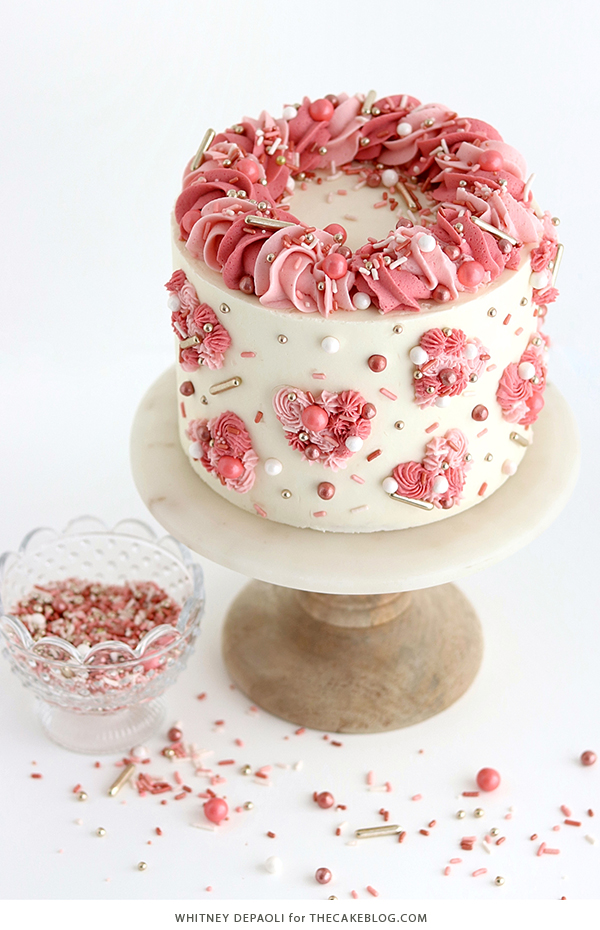
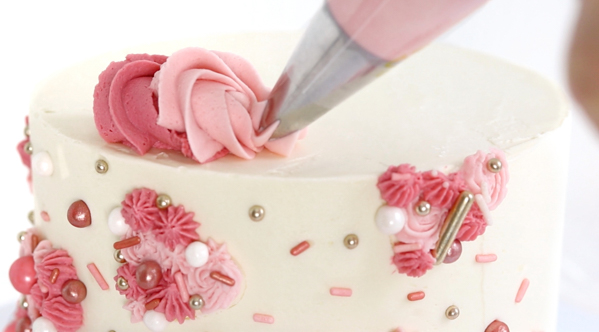
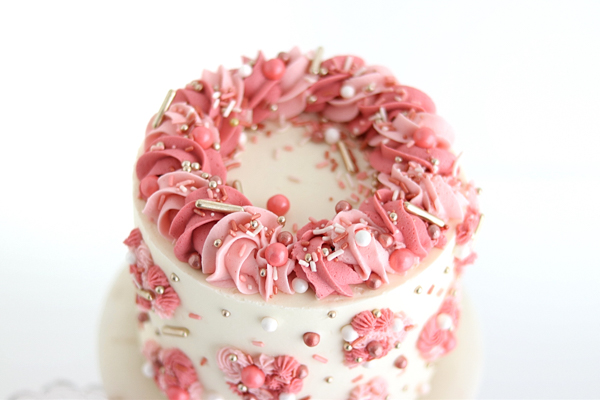
The final stage of the cake construction is the "Rosette Rope Border." This technique serves to "frame" the vertical design of the piped hearts.
- Angle of Attack: The 1M tip is held at a 45-degree angle.
- Rotational Direction: Rosettes are piped in a counter-clockwise motion, with each subsequent rosette slightly overlapping the "tail" of the previous one.
- Color Alternation: By switching colors with every stroke, the baker creates a "braided" visual effect that ties the rose gold palette together.
This border is a hallmark of the "maximalist" style, ensuring that every surface of the cake—from the sides to the top rim—contributes to the overall theme of texture and abundance.
Broader Implications for the Baking Industry
The Piped Hearts Valentine’s Cake tutorial is more than a seasonal recipe; it is a case study in the power of digital collaboration and trend synthesis. By citing @frostedfujicakes, DePaoli acknowledges the "open-source" nature of modern baking, where techniques are shared, adapted, and refined across a global community.
As the industry moves forward, the emphasis on "texture-heavy" designs is expected to persist. These designs offer a sensory experience that cannot be replicated by mass-produced, machine-decorated cakes. For the consumer, the Piped Hearts cake represents a return to the "hand-touched" aesthetic, where the visible marks of the piping tip serve as a testament to the skill and time invested in the creation.
In conclusion, through the careful application of American buttercream, strategic imprinting, and a nuanced understanding of color theory, the Piped Hearts Valentine’s Cake stands as a definitive model for contemporary holiday baking. It successfully bridges the gap between traditional sentimentality and modern artistic expression, providing a versatile blueprint for celebrations of love, friendship, and culinary creativity.