

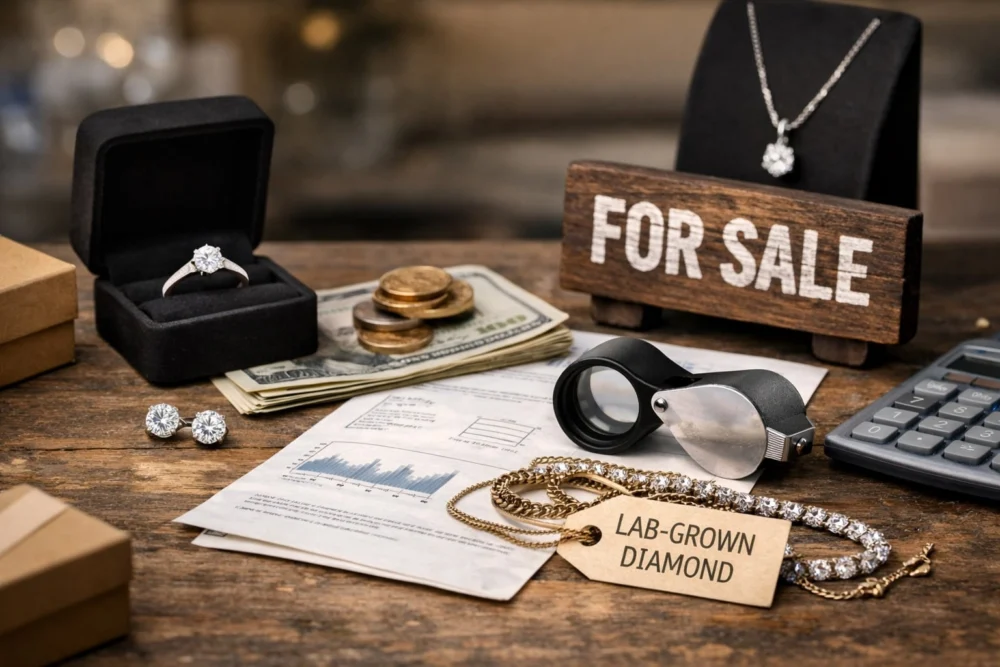
The allure of a dazzling diamond has long captivated consumers, prompting a closer examination of its origin and value. A critical question frequently arises at the jewelry counter: are lab-grown diamonds worth it? This inquiry navigates a complex terrain, balancing the undeniable appeal of lower upfront costs against considerations regarding resale value and the dynamic nature of market trends. A comprehensive evaluation of these factors is paramount for any buyer seeking a purchase that aligns with their priorities and long-term expectations. Reliable insights are crucial in clarifying the trade-offs between lab-created and naturally mined gems. Engaging with experienced professionals and a community of fellow consumers offers a practical perspective that transcends mere marketing claims. Platforms like PriceScope, with its extensive diamond and jewelry forum, provide invaluable tools and discussions to guide informed decision-making in this evolving market.
The Genesis of Lab-Grown Diamonds: A Technological Marvel
Lab-grown diamonds represent a significant advancement in gemstone technology, offering a compelling alternative to their earth-mined counterparts. These are not imitations but genuine diamonds, meticulously produced in controlled laboratory environments rather than through the slow geological processes deep within the Earth’s mantle. Their chemical composition—pure carbon arranged in a crystalline lattice—is identical to that of natural diamonds. Consequently, they exhibit the same physical and optical properties, including exceptional hardness and brilliance.
The creation process, spanning weeks or months, involves rigorous scientific methodologies. This controlled environment allows for greater predictability in terms of size, shape, and quality from the outset. The grading of lab-grown diamonds adheres to the universally recognized 4 Cs: cut, color, clarity, and carat weight. To ensure transparency throughout the supply chain, grading reports typically include notations regarding their synthetic origin.

A Historical Trajectory: From Early Experiments to Gem-Quality Brilliance
The quest to artificially create diamonds has a rich history, with initial efforts dating back to the mid-20th century. The 1950s witnessed the first successful production of small, industrial-grade diamond crystals through high-pressure techniques. Pioneering research conducted by institutions in the United States and Sweden involved subjecting carbon materials to extreme pressures and temperatures in specialized presses. This era marked a departure from earlier, less successful attempts to reliably synthesize diamonds. By the 1970s, advancements in these methods yielded the first gem-quality diamonds suitable for jewelry applications.
The subsequent decades saw rapid improvements in both the scale and purity of lab-grown diamonds. The 1980s, in particular, were a period of significant innovation. As Chemical Vapor Deposition (CVD) methods gained traction alongside traditional High Pressure High Temperature (HPHT) techniques, the diamond industry experienced a profound transformation. Today, widespread adoption in major production hubs supports a growing segment of the diamond market, driven by technological progress and the ability to meet the demand for consistent, high-quality gemstones.
The Pillars of Production: HPHT and CVD Methods
Two primary methods dominate the production of lab-grown diamonds: High Pressure High Temperature (HPHT) and Chemical Vapor Deposition (CVD).
The HPHT process meticulously recreates the extreme subterranean conditions where natural diamonds form. This involves subjecting a carbon source to immense pressure and heat within a sealed chamber. A small diamond seed crystal is positioned alongside pure carbon, typically graphite, and a metal catalyst such as nickel or iron. Specialized presses exert pressures exceeding 870,000 pounds per square inch and temperatures around 2,700 degrees Fahrenheit. Under these conditions, the carbon dissolves and recrystallizes layer by layer onto the seed crystal over a period of several days to weeks. Post-process, the rough diamond is extracted, cleaned to remove residual metal, and prepared for cutting and polishing. This method is effective in producing diamonds with robust crystal structures and is employed for both colorless and certain colored varieties. However, under close examination, minute metallic inclusions may be discernible in some HPHT diamonds.
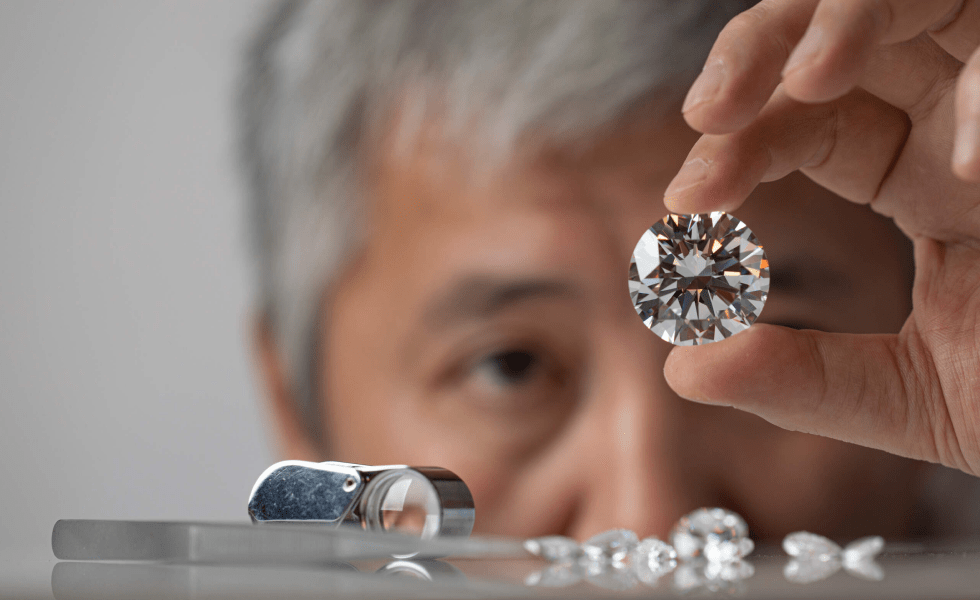
In contrast, CVD employs a layered, gas-based growth technique within a vacuum chamber. Carbon atoms are systematically deposited onto a diamond seed wafer, building the diamond structure atom by atom. Multiple seed wafers are placed on a base, and the chamber is filled with a mixture of hydrocarbon gases, such as methane and hydrogen. Microwave energy or other sources generate a plasma, breaking down the gases at approximately 1,500 degrees Fahrenheit. This allows free carbon to settle and form crystals on the seeds in controlled layers, typically growing at a rate of 0.01 to 0.1 millimeters per day over several weeks. Once the desired size is achieved, the crystal plate is harvested, cut into individual diamonds, and may undergo post-growth treatments, such as annealing, to enhance color if necessary. CVD often yields diamonds with high clarity and uniformity due to the low-contamination environment, making it particularly effective for larger or precisely cut gems.
While both HPHT and CVD methods produce genuine diamonds, they differ significantly in their operational mechanisms. HPHT leverages mechanical pressure and catalysts to rapidly simulate the Earth’s mantle environment, often resulting in diamonds that grow in varied directions and may contain metallic traces. CVD, on the other hand, utilizes a gentler, plasma-driven process to build layers in a single direction, typically leading to fewer inclusions and more consistent properties. HPHT is generally better suited for higher-volume production or specific color requirements with shorter turnaround times, whereas CVD excels in producing diamonds of greater size and purity over longer growth periods. The choice between these methods is often dictated by target diamond characteristics, production objectives, and facility capabilities.
Rigorous Evaluation: Ensuring Quality and Transparency
Irrespective of their origin, all trustworthy lab-grown diamonds undergo the same rigorous evaluation as their natural counterparts. Independent gemological institutes assess them based on the standard 4 Cs: cut quality, color grade, clarity, and carat weight. These evaluations ensure that buyers receive diamonds that meet stringent quality benchmarks.
To facilitate accurate identification and assure buyers of their origin, reports for lab-grown diamonds typically include laser inscriptions on the girdle indicating their laboratory creation. Furthermore, spectral or imaging data may reveal unique growth patterns, such as flux remnants in HPHT diamonds or striations in CVD diamonds, providing definitive proof of their synthetic nature. This meticulous certification process, often performed by renowned laboratories like the Gemological Institute of America (GIA) or the International Gemological Institute (IGI), guarantees authenticity and quality, alleviating concerns about misrepresentation. Advanced analytical tools employed in this process are considered comparable in their effectiveness, making them suitable for any jewelry design.
The Core Question: Real Diamonds, Real Value?
The fundamental question surrounding lab-grown diamonds extends beyond technical specifications and cost savings: does the method of creation alter the intrinsic nature of a diamond? Scientific and regulatory bodies have definitively answered this.
Yes, lab-grown diamonds are unequivocally real diamonds, a consensus supported by leading authorities such as the Gemological Institute of America (GIA) and the U.S. Federal Trade Commission (FTC). At the atomic level, they are identical to natural diamonds, possessing the same classic beauty and inherent strength. This equivalence is recognized by the FTC, which has removed the word "natural" from its definition of diamonds, legally classifying lab-grown diamonds as diamonds. The GIA concurs, referring to them as real diamonds with the same core attributes. The primary distinction lies solely in their genesis—one is a product of nature’s slow, geological processes, while the other is a testament to human ingenuity and technological advancement.
The creation process for both types of diamonds begins with the same fundamental element: carbon. Under powerful microscopes, experts observe that both natural and lab-grown diamonds arrange these carbon atoms in the identical crystalline lattice structure. This tightly bonded arrangement confers upon diamonds their status as the hardest known natural material, earning them a perfect 10 on the Mohs scale of hardness. This robust structure allows lab-grown diamonds to withstand heat, pressure, and daily wear with the same resilience as their mined counterparts. Scientific tools like X-ray diffraction confirm this structural identity, revealing identical patterns regardless of whether the diamond formed in a laboratory or deep within the Earth over billions of years. This profound similarity ensures genuine diamond toughness for the rigors of everyday life, whether incorporated into a sturdy wedding band or an elegant pendant.
Optical Properties and Durability: Identical Performance
The brilliance and fire that define a diamond’s appeal are directly linked to its optical properties. Lab-grown diamonds exhibit the same refractive index (2.42 for light bending) and dispersion (0.044 for splitting light into spectral colors) as natural diamonds. This means they possess similar levels of fire, scintillation, and overall sparkle. Their identical crystal structure ensures they perform exceptionally well under various lighting conditions, delivering the bright, white appearance sought by discerning buyers. Unlike diamond simulants, such as moissanite or cubic zirconia, which have different atomic structures and optical performances, lab-grown diamonds meet the standards of true diamonds, exhibiting consistent optical quality without secondary color effects.
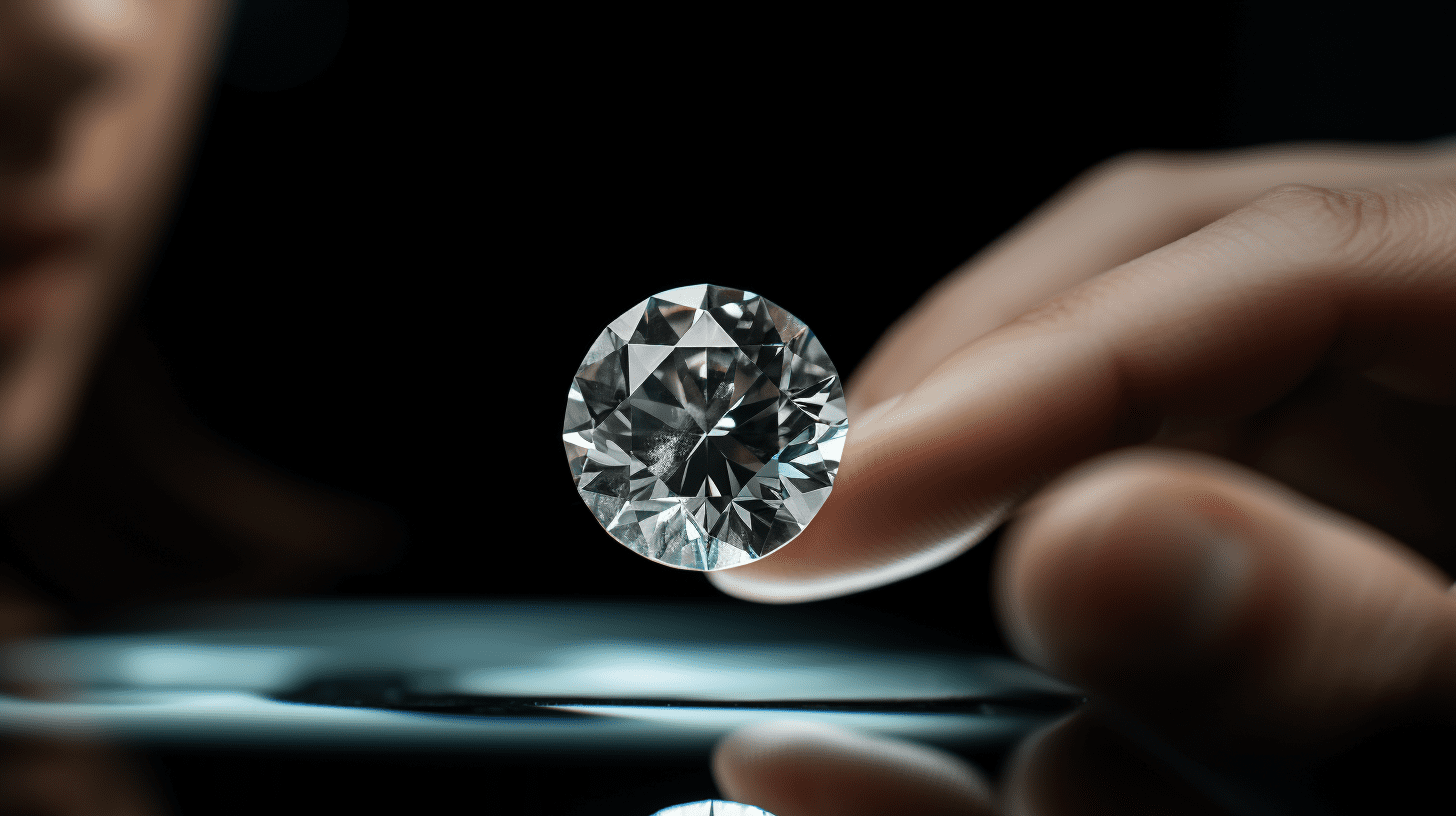
In terms of durability, lab-grown diamonds are rated 10 on the Mohs hardness scale, making them exceptionally hard and resistant to scratching. This makes them ideal for jewelry that is worn frequently, such as engagement rings, bracelets, and necklaces. Gemological tests confirm their hardness and stability are on par with mined diamonds, ensuring they maintain their beauty and integrity over time without showing signs of wear and tear.
The Economic Equation: Cost Differences and Market Dynamics
One of the most significant advantages of lab-grown diamonds is their cost-effectiveness. They typically retail for 70-90% less than natural diamonds of comparable quality. This price differential stems from the efficient and controlled manufacturing processes, which bypass the substantial challenges and costs associated with diamond mining. For instance, a 1-carat round diamond with G color, VS2 clarity, and an excellent cut might cost between $700 and $1,500 if lab-grown. In stark contrast, a natural diamond with identical specifications could range from $4,000 to $6,000 or more, based on current market averages.
This substantial cost saving empowers consumers to opt for larger carat weights, superior color or clarity grades, or to allocate their budget towards intricate custom settings. The scalability of manufacturing and increased supply are key drivers behind this price difference, making fine diamond jewelry more accessible without compromising on quality. This affordability fosters greater consumer satisfaction, allowing individuals to acquire pieces that align with their aesthetic preferences and financial capabilities.
The global lab-grown diamond industry is projected for significant growth. Industry analysts predict the market, which stood at approximately USD 33,454 million in 2026, could nearly double to USD 68,791 million by 2035, driven by a steady Compound Annual Growth Rate (CAGR) of 8.34% over the next nine years. This robust expansion reflects increasing consumer acceptance and technological advancements in production.
Documentation and Disclosure: Ensuring Consumer Confidence
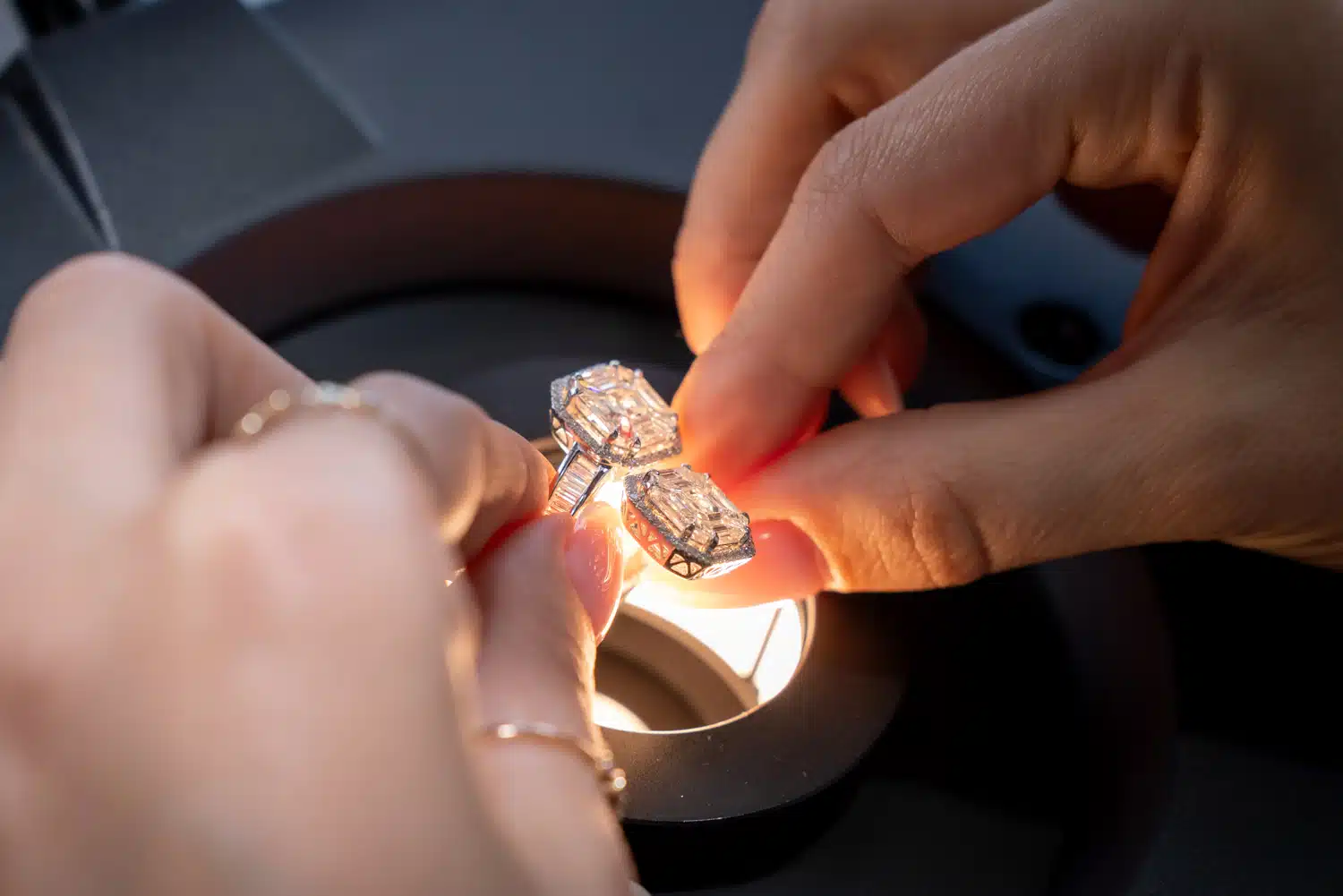
Reputable sellers in the lab-grown diamond market are committed to transparency. They provide independent grading reports from recognized gemological laboratories and clearly disclose whether a diamond is laboratory-grown, along with its specific growth method. Buyers are advised to prioritize certification, detailed imaging, and transparent product descriptions to ensure an accurate and informed purchase.
However, it is crucial to recognize that production standards can vary among manufacturers. Factors such as the specific producer, geographical location, energy sources utilized, and operational practices can influence the final product. Therefore, the benefits derived from lab-grown diamonds may depend on verifiable certifications or audits rather than being uniform across all producers. Consumers are encouraged to review these reports and standards diligently to ensure their choices align with their personal priorities.
Platforms like PriceScope play a vital role in addressing this verification challenge. They connect shoppers with vendors that provide clear certifications and enable community members to share their experiences with specific producers and their levels of transparency. This collective knowledge empowers buyers to identify suppliers that offer concrete documentation over vague sustainability claims, facilitating clear comparisons and informed decisions.
Variety and Accessibility: A World of Choices
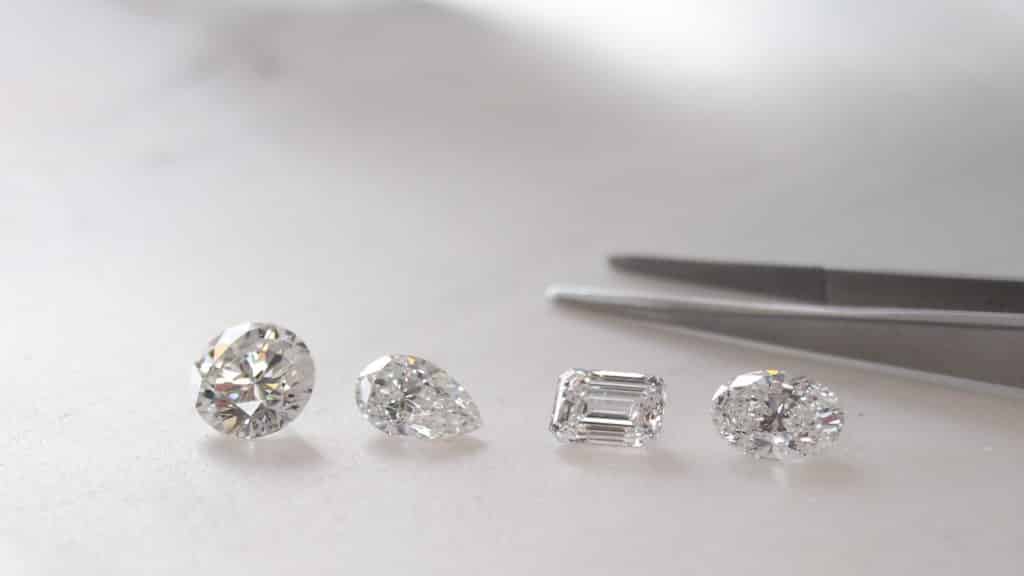
Lab-grown diamonds are available in a wide array of shapes, including classic round, elegant oval, sophisticated emerald, romantic cushion, charming pear, radiant, and marquise cuts. They also come in a broad spectrum of colors and sizes, catering to diverse design preferences. This extensive variety supports creative jewelry designs, from timeless solitaires to contemporary east-west settings, intricate hidden halos, and secure bezel mounts, ensuring a perfect match for individual styles.
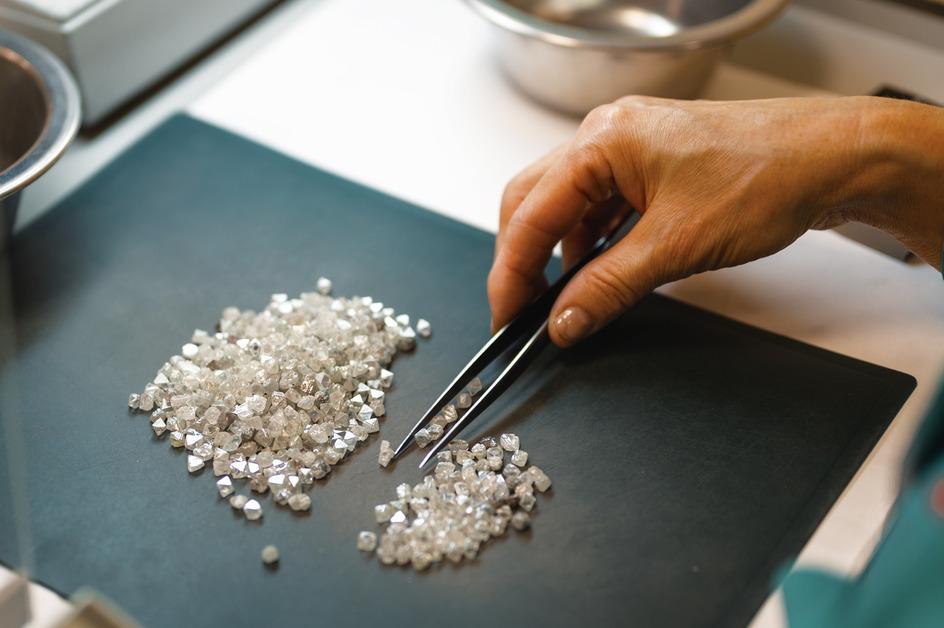
The on-demand nature of lab-grown diamond production ensures consistent stock levels and rapid turnaround times. Many pieces are available for shipping within just a few days, eliminating the lengthy waiting periods sometimes associated with traditional diamond sourcing. Online platforms offer comprehensive inventories, making it easy for consumers to explore and personalize their choices for engagement rings, earrings, pendants, and other fine jewelry.
The Nuance of Resale Value and Market Perception
While the advantages of lab-grown diamonds are numerous, potential buyers should be aware of certain drawbacks, particularly concerning resale value and market perception.
Lab-grown diamonds tend to depreciate in value more rapidly than natural diamonds. This is largely due to continuous improvements in production technology and increasing supply, which exert downward pressure on costs over time. Consequently, these diamonds may retain only 30-40% of their original retail price in secondary markets, with potential for even steeper declines as wholesale and retail prices continue to fall. This trend makes them less suitable for individuals who view diamonds as a potential store of value or an heirloom asset.
In contrast, natural diamonds, due to their inherent rarity, can exhibit more stable percentage-based retention in some markets. However, it’s important to note that they too lose value in absolute terms from their initial high purchase prices. While lab-grown diamonds have a lower initial cost, meaning the absolute dollar amount lost might be smaller, the combination of rapid technological advancements and high availability continues to impact long-term resale expectations.

The secondary market for lab-grown diamonds is generally more limited compared to that of natural diamonds. Resale offers are typically lower, with the value of the piece often hinging more on the craftsmanship of the jewelry, the brand reputation, the condition of the item, and the intrinsic value of the metal rather than solely on the diamond itself. Current market observations suggest that lab-grown diamonds are primarily perceived as wearable luxury items rather than as investments with strong liquidity. While private sales or specialized channels might allow for some value recovery, especially for high-quality diamonds in excellent condition, the broader market is not as robust as that for natural diamonds. This underscores the importance of purchasing lab-grown diamonds primarily for personal enjoyment and aesthetic value, rather than with the expectation of significant future financial returns.
Environmental Considerations: A Complex Picture
The environmental impact of producing lab-grown diamonds is a nuanced topic. The processes involved, particularly HPHT, require significant amounts of electricity. The exact energy consumption can vary widely depending on factors such as the facility’s location, the energy sources utilized (e.g., renewable versus non-renewable), and operational efficiency. Facilities relying on non-renewable energy sources, especially those in regions with a high dependence on coal, can contribute to increased carbon emissions. This highlights that energy intensity is a critical factor, and assumptions of consistently low environmental impact across the industry may not always be accurate.
While some producers are increasingly adopting renewable energy sources to mitigate their environmental footprint, these benefits are not universally guaranteed. Buyers concerned about environmental impact are advised to seek clear documentation, such as facility-specific audits, energy mix reports, and third-party certifications, to assess individual producers’ practices rather than relying on broad industry claims. This due diligence allows for informed choices that align with sustainability values.
Navigating the Purchase: Essential Tips for Consumers
Lab-grown diamonds offer genuine diamond quality at significantly reduced prices, enabling consumers to acquire larger or more impressive stones within their budget. To make a wise purchase, it is essential to focus on clear quality checks, select a style that complements one’s lifestyle, and engage with reputable sellers.

1. Prioritize Independent Grading Reports: A comprehensive grading report from an independent laboratory is crucial. This document details the diamond’s cut quality, color grade, clarity level, and exact carat weight. Reputable labs like the GIA or IGI meticulously inspect the diamond, providing an unbiased report that confirms its genuine lab-created origin. This report is vital for understanding the diamond’s sparkle potential in real-world lighting conditions and preventing future surprises. Without such a report, buyers risk overpaying for lower-quality gems or receiving products that do not match their expectations. PriceScope’s educational resources offer detailed breakdowns of diamond grading and reports, empowering buyers to understand the significance of each metric and compare options from trusted sellers.
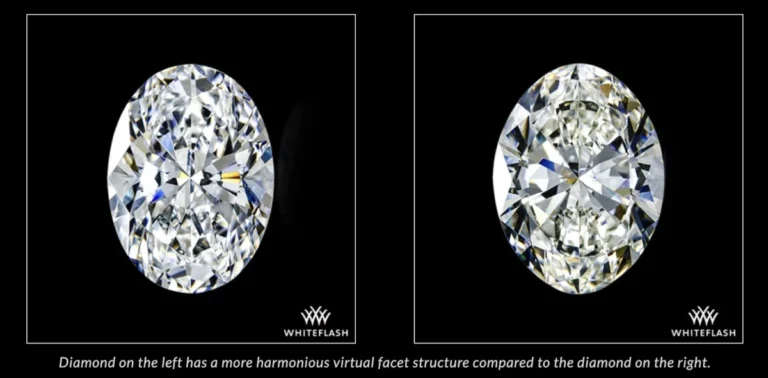
2. Consider Diamond Shape and Its Impact: The shape of a diamond significantly influences its perceived size and how it appears on the finger. Round brilliant cuts are renowned for maximizing sparkle due to their superior light reflection. Conversely, shapes like oval or pear can create the illusion of greater length and size, even with the same carat weight. Cushion shapes offer a soft, classic aesthetic, while emerald cuts provide a clean, modern appeal, particularly when they exhibit high clarity. When selecting a shape, it’s advisable to consider hand size and daily activities. Longer shapes can flatter slimmer fingers, while round shapes are universally appealing. Online viewers and comparison tools can help visualize how different shapes appear before making a purchase.
3. Choose Appropriate Setting Styles: The metal and design surrounding a diamond not only secure it but also enhance its overall appearance. A classic solitaire setting draws attention to the center stone with its clean lines and comfort. Halo settings, which feature smaller diamonds encircling the main stone, add extra sparkle. Three-stone designs can symbolize past, present, and future. Bezel settings, which encase the diamond with a protective metal rim, offer enhanced durability, making them ideal for active individuals. The choice of metal, such as warm rose gold or durable platinum, also contributes to the aesthetic and longevity of the piece. The setting should complement the wearer’s finger and daily lifestyle, transforming the diamond into a complete, cherished piece of jewelry.
4. Select a Reputable Seller: Thoroughly evaluate a seller’s offerings before making a purchase. Key considerations include their return policy (ideally 30 days or more), complimentary resizing services, and any lifetime care plans for cleaning or inspections. Genuine customer reviews can provide insights into their responsiveness and problem-solving capabilities. Reputable sellers like Whiteflash, James Allen, and Blue Nile often offer clear payment plans with no hidden fees and fully disclose the diamond’s origin. Engaging with the PriceScope forum can provide additional customer experiences and insights. A trustworthy seller builds confidence throughout the buying process, ensuring satisfaction from initial inquiry to post-delivery.

5. Understand the Four Cs: The four Cs—cut, color, clarity, and carat—are fundamental to assessing a diamond’s quality. Cut is paramount, dictating how much light the diamond reflects, thereby influencing its sparkle. Aiming for "excellent" or "ideal" grades in cut is highly recommended. For color, grades around G or H offer a desirable white appearance without the premium price of a perfect D grade. A clarity grade of VS2 typically indicates tiny inclusions that are only visible under magnification. Carat weight allows for larger diamonds, and lab-grown options make larger sizes more attainable. Balancing these factors ensures a diamond that appears brilliant in person and offers excellent value.
6. Establish a Realistic Budget: Begin by defining a total budget that encompasses the diamond, setting, taxes, and any additional costs. With lab-grown diamonds offering significant savings, buyers can often allocate more towards a higher cut grade or a larger carat size. Many consumers find it beneficial to dedicate the majority of their budget to the center diamond while opting for a simpler setting. Reviewing current market price charts provides valuable data and helps avoid overpaying. A well-defined budget prevents impulsive decisions and allows for a focused selection of a beautiful diamond that perfectly suits individual needs and preferences.
Conclusion: Embracing Informed Choices
The emergence of lab-grown diamonds has democratized access to brilliant gemstones, offering consumers a compelling blend of quality, affordability, and ethical sourcing. While questions about their intrinsic value and long-term market performance persist, scientific consensus and regulatory frameworks affirm their status as genuine diamonds. By understanding their creation, rigorous grading, and market dynamics, consumers can confidently navigate this evolving landscape. Platforms like PriceScope serve as invaluable resources, empowering buyers with knowledge and community support to make informed decisions, ensuring that their chosen diamond is not just a purchase, but a symbol of enlightened choice and enduring beauty.