For many years, the perception of a "small wedding" has been inextricably linked to budgetary constraints, often assumed to be a compromise made by couples seeking to minimize expenses. However, a significant paradigm shift is underway in the wedding industry, demonstrating that the decision to host a more intimate celebration is increasingly driven by a desire for profound meaning, authentic connection, and personalized experiences, rather than solely by financial considerations. While it is undeniable that a reduced guest count typically correlates with a lower overall expenditure, contemporary couples are deliberately choosing smaller scales to foster an environment of intentionality, allowing their resources – be they time, energy, or money – to be allocated towards elements that truly resonate with their vision of marital union. This evolving perspective is championed by industry voices, highlighting that a "savvy" approach to wedding planning transcends mere frugality, prioritizing deeply personal and impactful moments.
Historical Context and Evolving Trends in Matrimonial Celebrations
Historically, wedding sizes have fluctuated, influenced by socio-economic conditions, cultural norms, and religious traditions. In many Western societies throughout the 20th century, large weddings became a symbol of status and familial prosperity, with guest lists often extending to hundreds, encompassing extended family, business associates, and community members. The post-World War II economic boom further solidified this trend, making grand celebrations more accessible and aspirational for a broader segment of the population. The 1980s and 1990s saw an increase in elaborate, highly formalized events, driven by a burgeoning wedding industry offering extensive services and products designed for large-scale productions.
The early 21st century continued this trajectory, with average guest lists often exceeding 150 people and median wedding costs in countries like the United States consistently rising, often surpassing $30,000 by the late 2010s, according to data from industry leaders like The Knot and WeddingWire. However, even prior to recent global events, a subtle shift began to emerge. Couples, particularly younger generations, started questioning the traditional pressures associated with large weddings, seeking more personalized and less performative celebrations.
The COVID-19 pandemic served as a major catalyst, accelerating this nascent trend. Faced with restrictions on gatherings, travel limitations, and health concerns, countless couples were compelled to downsize their celebrations, often opting for "micro-weddings" or elopements. What began as a necessity quickly revealed unforeseen benefits: reduced stress, heightened intimacy, and a stronger focus on the couple’s relationship. Post-pandemic, many couples who experienced these smaller formats, or observed peers doing so, have consciously chosen to maintain this approach, validating the idea that intimacy can indeed be the ultimate luxury. This chronology marks a significant turning point, moving from large, obligatory gatherings to a preference for curated, meaningful experiences.
The Shift Towards Intimacy: Beyond Cost Savings
The core tenet of the modern small wedding movement is the prioritization of meaningful moments. When couples deliberately prune their guest lists, eliminating the societal pressure to invite distant acquaintances or obligatory plus-ones, what remains is a select group of individuals who form the couple’s innermost circle of support and love. This intentional curation of attendees fundamentally transforms the wedding experience. Instead of a whirlwind of brief greetings and superficial interactions across a vast room, couples find themselves immersed in genuine conversations, able to connect deeply with each and every guest.
This enhanced level of presence and connection is frequently cited by couples and wedding professionals as one of the most significant, yet often underestimated, advantages of scaling back. "The emotional return on investment in a smaller wedding is immeasurable," states Sarah Jenkins, a wedding planner specializing in intimate events. "Couples consistently report feeling more present, less overwhelmed, and truly able to absorb the joy of their day when they’re surrounded only by those who genuinely understand and support their union." The psychological benefits extend beyond the couple; guests at smaller weddings often report feeling more integrated into the celebration, experiencing a deeper sense of communal joy and shared significance. This fosters an atmosphere where love is not just observed but actively felt and exchanged, creating memories that are distinctly more profound and personal.
Strategic Budget Reallocation: Maximizing Value
One of the most compelling arguments for a smaller wedding is the unparalleled opportunity for budget reallocation, rather than mere reduction. While fewer guests inherently mean lower costs for catering, rentals, and invitations, savvy couples are not simply pocketing the savings. Instead, they are strategically reinvesting these funds into elements that elevate the quality and personal significance of their day.
For example, a budget that might have been stretched thin across 200 guests for standard catering can now be focused on a bespoke farm-to-table culinary experience for 30, featuring locally sourced ingredients and a custom menu designed around the couple’s favorite flavors. Similarly, instead of a basic photography package for a large event, couples can now engage their dream photographer, ensuring every intimate moment is captured with exceptional artistry and detail. The average cost per guest for a traditional wedding can range from $150 to $300, according to industry reports. With a smaller guest list, even if the per-guest expenditure increases significantly (e.g., to $500-$1000 per person), the total cost can still remain lower, while delivering a vastly superior experience.
This reallocation extends to every facet of the wedding. Couples might splurge on custom-designed stationery that reflects their unique aesthetic, invest in a multi-day celebration experience with their closest friends and family, or allocate funds towards luxurious accommodations for their guests. The essence is not about spending less overall, but about spending smarter and with greater purpose, ensuring every dollar reflects the couple’s priorities and enhances the quality of their most cherished memories. This approach transforms the wedding from a large-scale logistical exercise into a highly curated, deeply personal celebration of commitment.
Expanded Horizons: Innovative Venues and Experiential Possibilities
The reduced logistical demands of a smaller guest list unlock an expansive universe of venue possibilities and creative event formats. Traditional ballrooms and large banquet halls, often chosen out of necessity for accommodating hundreds of guests, become optional rather than mandatory. This freedom allows couples to truly think "outside the ballroom," discovering locations that intrinsically align with their personality and vision.
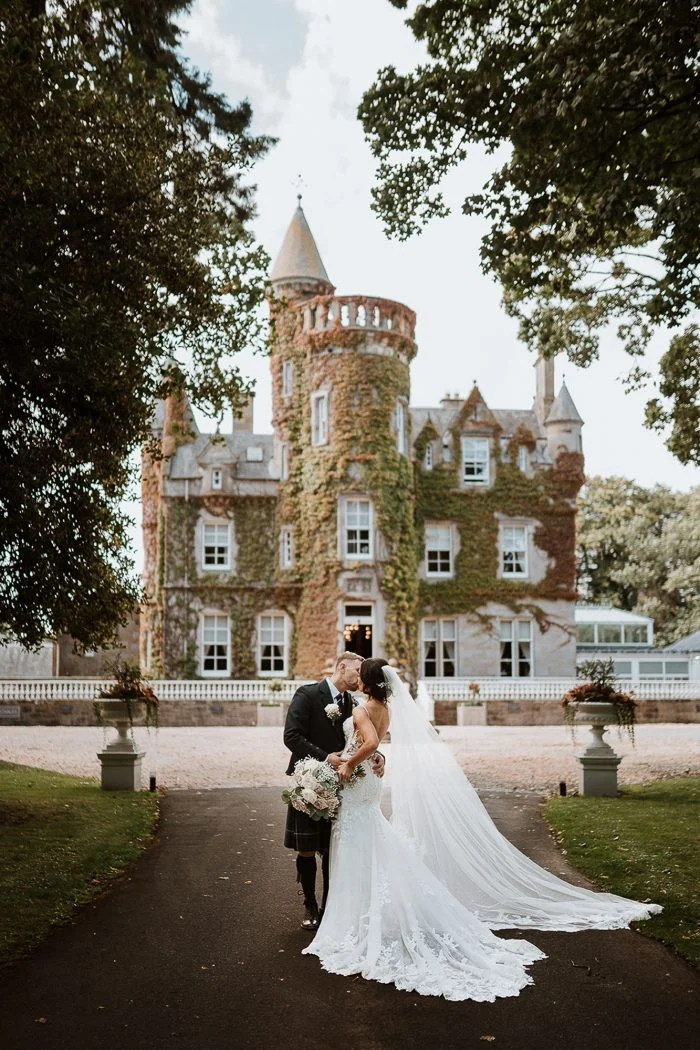
Imagine a private dining room in a Michelin-starred restaurant for an intimate gourmet reception, a charming backyard garden transformed into a whimsical ceremony space, a historic library offering a sophisticated backdrop, or a boutique hotel providing an exclusive buyout for a weekend celebration. Destination elopements with a handful of nearest and dearest become feasible, allowing for breathtaking backdrops like a mountaintop, a serene beach, or a rustic vineyard abroad. Data suggests that non-traditional wedding venues, which often cater better to smaller groups, have seen a significant increase in popularity, growing by approximately 15-20% in demand over the past five years, reflecting this trend.
This flexibility extends beyond just location; it impacts the entire flow and atmosphere of the event. Couples can opt for multi-day celebrations, incorporating activities like cooking classes, guided tours, or adventure excursions with their guests. They can choose unconventional seating arrangements, interactive dining experiences, or personalized entertainment that would be impractical for a larger crowd. The result is a wedding that feels less like a formulaic event and more like an authentic expression of the couple’s journey and shared interests, fostering unique and unforgettable experiences for everyone involved.
Mitigating Planning Stress: A Streamlined Approach
The process of wedding planning is notoriously complex and often a source of significant stress for couples. The sheer volume of decisions, vendor coordination, and logistical challenges associated with a large guest list can be overwhelming, frequently overshadowing the joy of engagement. However, by embracing a smaller scale, couples can dramatically simplify the entire planning process.
Fewer moving parts inherently mean fewer logistics to manage. Coordinating 30 place settings is significantly less taxing than orchestrating 15 table arrangements for 150 guests. The selection of caterers, florists, and other vendors becomes less about capacity and more about quality and bespoke service. Communication with guests is streamlined, RSVPs are more manageable, and seating charts, often a major headache, become a simple exercise in convivial grouping.
"The reduction in logistical complexity allows couples to shift their focus from crisis management to creative development," observes wedding consultant David Chen. "They have more time to immerse themselves in the fun aspects of planning, like menu tasting or selecting personalized favors, rather than being bogged down by guest list politics or intricate timelines." This streamlined approach frees up valuable time and mental energy, allowing couples to genuinely savor their engagement period, reduce conflict, and arrive at their wedding day feeling refreshed, present, and joyful, rather than exhausted and relieved that the ordeal is over.
Validating Personal Choices: Dispelling Misconceptions
Despite the growing popularity and clear benefits, some couples considering a smaller celebration still grapple with societal expectations and the fear of judgment. There can be an underlying concern that choosing a small wedding might be perceived by others as a financial necessity, a lack of generosity, or even a sign of a small social circle. It is crucial for couples to recognize that their motivation for a smaller celebration, whatever it may be, is entirely valid and deeply personal.
Whether the driving force is a desire for simplicity, a commitment to sustainability, an aversion to being the center of a massive spectacle, or a deeply personal preference for intimacy, these reasons are legitimate and require no external justification. The decision to celebrate one’s love in a particular manner is a fundamental right of the couple, and it should be respected as an authentic expression of their values. "Couples should feel empowered to design a day that reflects their unique bond, without succumbing to external pressures or outdated traditions," emphasizes Dr. Emily Stone, a relationship therapist. "The purpose of a wedding is to celebrate love and commitment, not to meet someone else’s expectations of grandeur."
Ultimately, the most successful and memorable weddings are those that genuinely reflect the couple’s identity, values, and vision for their future together. If that vision includes fewer guests, deeper conversations, a more relaxed atmosphere, and an enhanced focus on the emotional core of the commitment, then it is not merely a choice, but a profoundly savvy and authentic declaration of love.
Economic and Societal Implications
The growing trend towards smaller weddings carries significant implications for the broader wedding industry and societal norms. For vendors, it necessitates a shift in business models, with greater emphasis on quality, customization, and bespoke services for smaller groups rather than mass production for large events. Caterers might focus on multi-course tasting menus, florists on intricate arrangements for fewer tables, and photographers on extended coverage for a more intimate narrative. This shift encourages innovation and specialization within the industry.
Economically, while the total spend per wedding might decrease for some, the reallocation of budget often means higher-quality services and products are being purchased, potentially offsetting some of the reduction in volume. The rise of micro-wedding packages and elopement planning services demonstrates the industry’s adaptation to this evolving demand.
Societally, this trend represents a broader cultural re-evaluation of celebrations and consumption. It aligns with a growing desire for authenticity, sustainability, and mindful living. It challenges the traditional narrative of "bigger is better" and promotes the idea that true value lies in depth, connection, and personal resonance. This movement suggests a maturing perspective on what truly constitutes a joyous and meaningful beginning to married life.
Conclusion: A Conscious Choice for Meaningful Beginnings
The notion of a small wedding has unequivocally transcended its former perception as a mere budget-driven compromise. It has evolved into a conscious, deliberate choice made by couples who prioritize meaning, presence, and authenticity above all else. This strategic decision allows for an unparalleled depth of connection, fosters genuine intimacy with cherished loved ones, and enables a highly personalized allocation of resources towards experiences that truly matter. It offers a reprieve from the often-overwhelming pressures of large-scale event planning, allowing couples to savor their engagement and arrive at their wedding day with renewed joy and a profound sense of purpose.
Far from being a consolation prize, a small wedding represents a powerful affirmation of a couple’s values, a testament to their desire for a celebration that is true to them. It is a savvy choice that optimizes for emotional richness, experiential quality, and a deeply felt sense of connection, setting the stage for a marriage built on intentionality and genuine presence. As this trend continues to gain momentum, it reinforces the timeless truth that the most memorable and impactful celebrations are those that authentically reflect the love they are designed to honor, planned thoughtfully, and executed genuinely, resulting in a day that is uniquely and beautifully theirs.