


For centuries, diamonds have been synonymous with rarity, prestige, and enduring romance, meticulously formed deep within the Earth over geological eons. This perception, however, is undergoing a seismic shift, propelled by scientific advancements that now enable the creation of flawless diamonds in a matter of weeks. The emergence of lab-grown diamonds presents a compelling alternative, challenging the traditional narrative of scarcity and prompting a re-evaluation of what constitutes a gem of value.
The Rise of Lab-Grown Diamonds: A Scientific Marvel
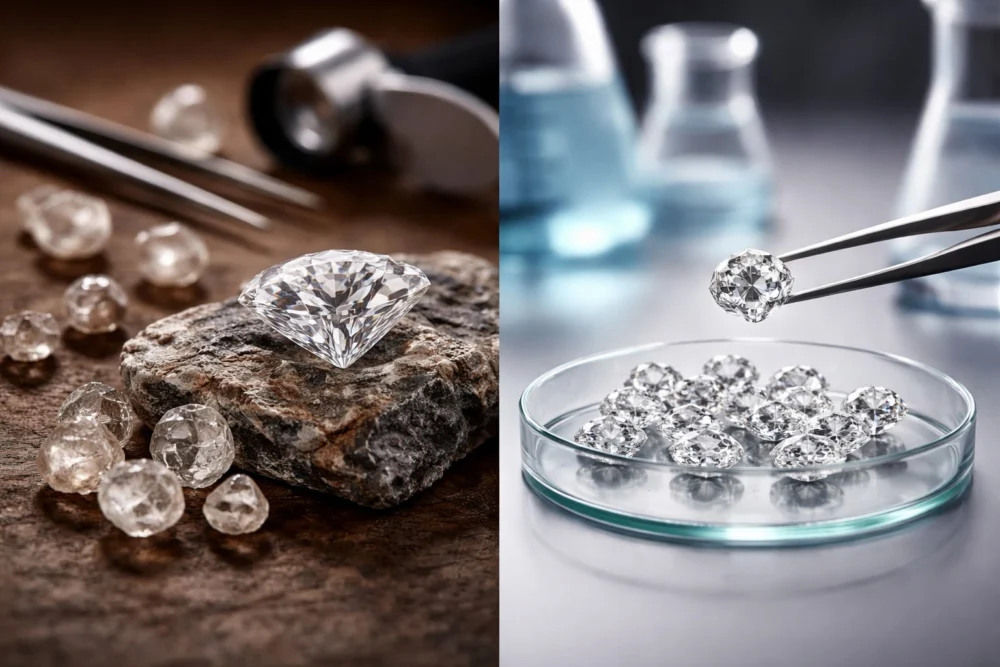
Lab-grown diamonds are not imitations; they are genuine diamonds, meticulously engineered in advanced laboratory environments. These diamonds possess the same chemical, physical, and optical properties as their naturally occurring counterparts. They are created by replicating nature’s processes under controlled conditions, a feat that has rapidly transformed the jewelry market.
A 2024 market analysis underscores the dramatic ascent of lab-grown diamond jewelry, with unit sales surging by an impressive 43%. This growth trajectory signifies a significant consumer pivot, driven by a confluence of factors including cost-effectiveness, the desire for larger carat weights within a given budget, and increasing awareness of the sustainable production methods employed. Industry reports consistently show a growing adoption of lab-grown diamonds, particularly for engagement rings, as consumers seek to maximize value without compromising on beauty or quality. For those seeking deeper insights into this evolving landscape, the largest diamond and jewelry forums offer a platform for extensive discussion and expert guidance.

The Genesis of a Diamond: From Earth’s Mantle to Laboratory Chamber
The fundamental difference between natural and lab-grown diamonds lies in their origin story. Natural diamonds are the product of immense geological forces, forming deep within the Earth’s mantle under extreme pressure and temperature over billions of years. This process begins with carbon sources, such as carbon dioxide and methane-rich fluids, seeping into mantle rocks. Under pressures ranging from 45 to 60 kilobars and temperatures between 900 and 1,300 degrees Celsius, typically found beneath ancient cratons, carbon atoms are densely packed into a precise cubic crystal lattice. This lengthy, geological journey imbues natural diamonds with a profound sense of rarity and an ancient history.
The formation of natural diamonds is intrinsically linked to the Earth’s dynamic geological processes. Plate subduction, where oceanic crust sinks into the mantle, plays a crucial role in generating the necessary heat and pressure. These conditions are so extreme that they prevent carbon from reverting to its less stable form, graphite. As metasomatic fluids interact with mantle rocks, carbon solidifies into diamond crystals, often displacing existing minerals. Inclusions trapped during this growth process serve as microscopic time capsules, offering clues about the Earth’s ancient interior. Volcanic activity, specifically kimberlite or lamproite eruptions, then transports these nascent diamonds rapidly to the Earth’s surface, preserving their crystalline structure.
Conversely, lab-grown diamonds are created using two primary methods that accelerate and replicate these natural conditions: High-Pressure High-Temperature (HPHT) and Chemical Vapor Deposition (CVD).

The HPHT method simulates the extreme conditions of the Earth’s mantle. A small diamond seed is placed within a pressurized unit and subjected to temperatures around 2,000 degrees Celsius and pressures exceeding one million pounds per square inch. Carbon sources are then introduced, adhering to the seed and slowly forming a larger diamond crystal. This process yields a rough diamond that is subsequently cut and polished, mirroring the finishing stages of natural diamonds. The HPHT method allows for controlled output, ensuring a steady supply for jewelry applications.
The CVD method involves placing a thin diamond seed in a sealed chamber filled with a carbon-rich gas mixture, such as methane, often combined with hydrogen. The chamber is then activated, typically using microwaves, to break down the gas molecules. Free carbon atoms then deposit onto the diamond seed, layer by layer, gradually building up a diamond crystal over time. This technique offers a high degree of control over the diamond’s characteristics, allowing for precise manipulation of size and features, and can result in gems with exceptional clarity and color.
Certification and Identification: The Scientific Seal of Approval
Regardless of their origin, diamonds are subject to rigorous evaluation by respected gemological laboratories such as the Gemological Institute of America (GIA) and the International Gemological Institute (IGI). These institutions employ the universal "4Cs" framework—cut, color, clarity, and carat weight—to assess a diamond’s quality. Certification reports provide detailed information on these factors, ensuring transparency and aiding consumers in making informed decisions.

The manufacturing process for lab-grown diamonds ensures they possess the same hardness and light-handling properties as natural diamonds. Their durability is comparable, with both achieving the maximum 10 rating on the Mohs scale of hardness, making them resistant to everyday wear and tear. Inclusions, which are natural imperfections, can occur in both types and add unique characteristics without necessarily diminishing value.
While visually and chemically indistinguishable to the naked eye, specialized equipment is employed to detect subtle signs of their growth origin. These advanced analytical tools examine trace elements, growth patterns, and nitrogen groupings that are characteristic of either natural formation or laboratory synthesis. This distinction is crucial for accurate grading and authentication.
Market Dynamics and Consumer Preferences
The dramatic increase in lab-grown diamond sales is closely linked to their comparative affordability. In many instances, a lab-grown diamond can be purchased for 60-80% less than a natural diamond of equivalent grade. This price differential allows consumers to acquire larger stones, higher clarity grades, or more vibrant colors within the same budget. For example, a 2-carat lab-grown diamond might be priced comparably to a 1-carat natural diamond with similar color and clarity ratings.

This affordability has democratized access to high-quality diamonds, enabling more personalized jewelry choices. For consumers prioritizing budget flexibility and the ability to attain larger or more impressive stones, lab-grown diamonds offer a compelling proposition. The controlled production environment of lab-grown diamonds also ensures predictable supply and consistent quality, appealing to those who value reliability and availability.
However, the market dynamics for lab-grown diamonds differ significantly from those of natural diamonds. As production capacity expands globally and technological advancements continue, the scarcity of lab-grown diamonds diminishes, leading to a steady decline in prices. Projections indicate further price reductions as more advanced manufacturing facilities come online. This trend suggests that lab-grown diamonds may not retain their value as well as natural diamonds over the long term.
Natural diamonds, on the other hand, derive their value from inherent geological rarity and the protracted, often unpredictable, process of their formation and extraction. While new major diamond deposits are found infrequently, existing mines can sustain production for decades. This limited supply contributes to a more stable, albeit higher, price point and generally better value retention. While neither type of diamond is typically considered a sound financial investment for the average consumer, natural diamonds tend to hold their value more consistently in established markets.

The Choice: Origin, Value, and Personal Significance
The decision between a lab-grown and a natural diamond hinges on individual priorities and values. Both offer exceptional hardness, brilliance, and are composed of pure carbon crystals, making them functionally identical in terms of appearance and performance.
Consumers drawn to the romantic allure of a gem formed through billions of years of Earth’s geological history, the perceived rarity, and the unique narrative of natural diamonds often find them more appealing. This perspective values tradition, exclusivity, and the profound connection to Earth’s ancient processes. The limited supply and the historical prestige associated with natural diamonds resonate deeply with those seeking a symbol of permanence rooted in planetary evolution.
Conversely, consumers who prioritize value, ethical sourcing, and environmental considerations may lean towards lab-grown diamonds. The controlled manufacturing process minimizes the environmental impact associated with mining, and the significant cost savings allow for greater flexibility in purchasing larger or higher-quality stones. For individuals who appreciate the advancements of modern science and seek a more accessible luxury, lab-grown diamonds offer an attractive solution.

The implications of these choices extend beyond the initial purchase. The resale value of lab-grown diamonds tends to depreciate more rapidly than that of natural diamonds, a factor that can be significant for those considering future upgrades or resale opportunities. A 2-carat lab-grown diamond purchased for $3,000, for instance, might only fetch $500 after a few years, whereas a $6,000 natural diamond of comparable quality might retain between $2,000 and $3,000 of its value.
Ultimately, the "better" diamond is subjective and depends entirely on what an individual seeks in their gemstone. Whether one prioritizes the ancient geological story and perceived rarity of natural diamonds or the cost-effectiveness and controlled creation of lab-grown diamonds, both offer enduring beauty and timeless appeal. The key is to understand the differing origins, market dynamics, and personal values that inform each choice, ensuring a confident and satisfying acquisition. Resources such as PriceScope, the largest diamond and jewelry forum, offer extensive educational materials and community discussions to help buyers navigate these complex decisions and make informed choices that align with their personal preferences and financial goals.