


The valuation of lab-grown diamonds is a multifaceted process, intricately woven from both their intrinsic physical characteristics and broader economic forces. Cultivated in advanced, high-tech facilities, these diamonds are meticulously assessed using the same rigorous grading standards applied to their natural counterparts. However, their market pricing distinctly reflects the efficiencies inherent in their production methods and the increasing ease of their availability. Factors such as the precision of craftsmanship, the diamond’s clarity, its size (carat weight), and prevailing market conditions collectively shape its value, often presenting consumers with more accessible avenues to high-quality jewelry. For those seeking deeper insights and community perspectives, resources like the largest diamond and jewelry forum offer a wealth of shared experiences and expert advice.
Cut Quality: The Cornerstone of Brilliance
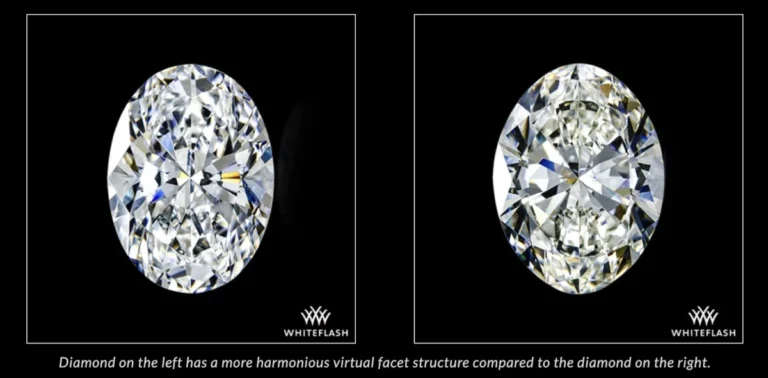
The shape and, more importantly, the cut of a lab-grown diamond profoundly influence its interaction with light, a critical determinant of its visual appeal and, consequently, its price. An expertly executed cut maximizes a diamond’s sparkle, fire, and shimmer by optimizing its proportions, symmetry, and brilliance. This meticulous craftsmanship results in a diamond that appears more lively and captivating. Conversely, a poorly cut diamond can diminish these optical effects, reducing its value even if other qualities are exceptional.
For lab-grown diamonds, cut quality is paramount. While production methods can ensure consistent material quality, achieving superior precision in the cut necessitates the skill of experienced artisans. Potential imperfections, such as strain or striations from the growth process, or specific shaping techniques that leave grooves, can impact clarity and light performance, leading to price variations. Buyers often rely on laboratory-defined cut grades and supporting diagnostic reports to assess this crucial factor. For round brilliant diamonds, tools like the Holloway Cut Advisor (HCA) can serve as a preliminary screening mechanism, though it is not a formal certification. Diamonds recognized for their exceptional cut quality, demonstrating superior light performance and visual appeal, typically command higher prices.

Color Grading: The Spectrum of Value
Color in lab-grown diamonds refers to the presence or absence of any discernible tint, ranging from completely colorless to shades of yellow or brown. Diamonds with grades closer to colorless are generally more valuable, exhibiting a purer, more icy appearance that enhances their ability to reflect light effectively and complement a wide array of jewelry settings. The industry employs a standardized grading scale, typically from D (colorless) to Z (pronounced tint), to facilitate objective evaluation. The rarest and most neutral tones, falling within the D-F range, command premium prices.
A significant advantage of lab-grown diamond production is the enhanced control over color development. This allows for a greater availability of top-grade colorless diamonds (D-F) without the steep price escalations often associated with their natural counterparts. However, unintentional tints, such as a grayish cast from manufacturing anomalies or subtle blue hues from impurities, can diminish a diamond’s value by affecting its visual appearance. This inherent controllability means that price differentials across color grades are generally smaller in the lab-grown market, enabling consumers to allocate their budget towards other desirable attributes while still acquiring beautiful diamonds at competitive prices.
Clarity Assessment: Flawless Beauty and Its Price
Clarity measures the presence of internal inclusions and external blemishes within a lab-grown diamond. These imperfections can impede the passage of light and affect the diamond’s overall transparency. Diamonds with fewer or no visible flaws are considered more valuable, offering a cleaner, more flawless appearance under close examination. Grading categories range from internally and externally flawless (FL/IF) down to those with obvious inclusions visible to the naked eye. "Eye-clean" diamonds, typically rated VS2 or better, represent a desirable balance between quality and affordability for most buyers.

Lab-grown diamonds often achieve higher clarity grades more readily due to the controlled nature of their creation. However, minor inclusions that mimic those found in natural diamonds can still occur during the growth process. These can lead to slight price differences across clarity grades, contrasting with the significant price premiums associated with the rarity of naturally occurring flawless diamonds. Factors such as pinpoint clouds or feather inclusions can reduce a diamond’s value if they compromise its durability or visual clarity. Thorough laboratory reports are essential for confirming a diamond’s quality and justifying higher prices for exceptionally clear specimens.
Carat Weight: The Measure of Size and Value
Carat weight quantifies a lab-grown diamond’s mass, with one carat equivalent to 0.2 grams. This measurement directly impacts both the diamond’s visual presence and its price. Larger diamonds generally incur higher costs due to the increased resources and time required for their production, as well as their greater visual impact in jewelry. However, value is not solely dictated by size; it is intrinsically linked to the interplay of other quality factors.
Advances in technology have enabled the efficient production of larger lab-grown diamonds without proportional price increases, making significant carat weights more accessible than with natural diamonds. Price increases become more substantial for diamonds exceeding approximately 2-3 carats, reflecting the inherent complexities of their production processes. Nonetheless, this segment of the market generally experiences less dramatic price fluctuations compared to natural diamonds. This affordability allows buyers to select impressive carat weights while maintaining high standards in cut and clarity. For those seeking community insights, the largest diamond and jewelry forum provides a platform to connect with experienced individuals and gain valuable advice.

Production Methods: Shaping the Diamond’s Cost
The method employed to create a lab-grown diamond—either High Pressure High Temperature (HPHT) or Chemical Vapor Deposition (CVD)—significantly influences its production cost and perceived value. The HPHT method simulates the Earth’s natural diamond-forming conditions using specialized machinery, often yielding diamonds with distinct characteristics. The CVD process involves depositing carbon atoms from a gas mixture onto a substrate in a vacuum chamber.
Both HPHT and CVD techniques are capable of producing gem-quality diamonds. Variations in cost and availability can arise depending on the producer, the scale of production, and the targeted quality. Furthermore, many diamonds undergo post-growth treatments to enhance their color or appearance. These methods impact value due to potential quality differences. For instance, CVD growth can sometimes result in faint lines or strain patterns that affect visual appearance, while HPHT can lead to undesirable color shifts. Diamonds free from such flaws and additional treatments are more desirable and can command higher prices. As manufacturing technology continues to evolve, production costs are generally decreasing.
Pricing is typically driven by the universally recognized "4Cs" (cut, color, clarity, and carat weight), along with the precision of the cut and the credibility of the grading report. Some retailers also implement stricter in-house standards for optical performance and quality control, which can influence their pricing. Engaging with the largest diamond and jewelry forum can provide valuable insights into current market trends and expert advice from seasoned professionals and enthusiasts.

Certification: The Seal of Trust and Value
Certification from reputable gemological laboratories serves as a crucial verification of a lab-grown diamond’s attributes, bolstering consumer confidence in its value by providing objective reports on the 4Cs and its origin. Leading institutions like the Gemological Institute of America (GIA) and the International Gemological Institute (IGI) specialize in thorough evaluations. IGI is often favored for lab-grown diamond assessments due to its specialized protocols and established reputation in this sector. Such documentation ensures transparency, differentiating high-quality pieces within a rapidly expanding market.
Certified diamonds from esteemed laboratories like GIA or IGI generally command higher prices. This premium is attributed to the assurance of quality, traceability, and reduced risk of overgrading or undisclosed issues. Buyers prioritize these certifications for peace of mind, particularly as the market becomes more saturated. Uncertified or lower-tier graded diamonds may be offered at discounts, even if their apparent specifications seem comparable.
Supply and Demand Dynamics: A Volatile Market
Supply and demand dynamics exert a significant influence on lab-grown diamond prices. The rapid advancements in production capabilities have led to an increased inventory, which in turn has driven down prices. Ongoing technological improvements continue to reduce manufacturing costs, making newly produced diamonds more affordable and impacting the value of existing ones. Shifts in consumer preferences, such as a growing demand for larger stones or unique shapes, can temporarily elevate prices for specific types of diamonds.

Unlike natural diamonds, whose supply is geologically constrained, lab-grown diamonds can be produced in larger quantities. This difference contributes to market volatility. An oversupply of new producers can lead to substantial discounts. Broader economic trends, including shifts in consumer spending and preferences for affordability over perceived rarity, also play a role in pricing.
Prices in the lab-grown market tend to stabilize around quality rather than absolute rarity. Some sellers position certain lab-grown categories as more premium by adhering to stricter cut standards, employing advanced imaging techniques, and providing more robust documentation, which can support pricing within their own inventory. Understanding these market forces is essential for making informed purchasing decisions.
Resale Value and Depreciation: A Key Consideration
A critical aspect for consumers considering lab-grown diamonds is their resale value. Unlike natural diamonds, which are inherently rare and have a more established secondary market, lab-grown diamonds are manufactured goods. Their value, therefore, tends to depreciate more significantly over time, similar to other consumer products.

Do Lab-Grown Diamonds Have Resale Value?
While the notion that lab-grown diamonds are worthless for resale is inaccurate, their resale value is generally modest. Well-documented lab-grown diamonds, particularly those accompanied by widely recognized grading reports, can retain some value. However, resale outcomes are typically well below the original purchase price and are subject to prevailing market conditions. This lower retention rate, while potentially discouraging for those seeking an investment, allows buyers to acquire larger, higher-quality diamonds at a more accessible initial cost, shifting the focus from investment to personal enjoyment and wear.
The resale market for lab-grown diamonds is heavily influenced by the ease of production and continuous technological advancements. These factors contribute to an increasing supply and downward pressure on prices. Unlike natural diamonds, which are limited by geological scarcity, lab-grown diamonds often experience price reductions as production capacity expands. Across many retailers, pricing for lab-grown diamonds has trended downward as supply has grown, directly impacting the resale value of previously purchased stones.
Quality’s Impact on Resale Value
Focusing on quality and comprehensive documentation is crucial for mitigating potential resale challenges. Diamonds with clear growth details and robust laboratory reports typically garner better offers in the secondary market. The key perspective is to view these factors as advantageous: lab-grown diamonds offer strong value at the point of purchase, making any subsequent resale returns a bonus rather than the primary objective.

Natural diamonds often sell for a significant percentage of their retail value due to their perceived scarcity and the presence of well-established auction houses and resale channels. In contrast, lab-grown diamonds typically recover a lower percentage, primarily because they are manufactured and their market supply is more abundant and competitively priced. This difference underscores the distinct valuation factors for each diamond type: natural diamonds are valued for rarity, while lab-grown diamonds are valued for affordability and accessibility. Most experts agree that neither type is a suitable traditional investment; therefore, purchasing decisions largely depend on individual priorities such as budget, desired size, and overall satisfaction.
The Role of Certification in Resale
Certification from respected laboratories, such as GIA or IGI, provides objective confirmation of a diamond’s characteristics and its lab-grown origin. This validation is critical for building buyer trust and can positively influence resale value. Comprehensive reports detailing the 4Cs and other relevant specifications make certified diamonds easier to resell and support secondary market transactions. For diamonds exhibiting exceptional cut standards, GIA reports add recognized prestige. This certification can enhance a diamond’s appeal in the resale market by demonstrating verified superior light return. Furthermore, detailed information from the grower regarding the diamond’s origin can further bolster buyer confidence, although it does not provide absolute guarantees.
Resale Transaction Venues
Resale transactions for lab-grown diamonds predominantly occur through online platforms, specialized second-hand marketplaces, and private sales channels. Many traditional jewelers have limited involvement due to market trends and profit margins. Community-driven websites and dedicated resale venues facilitate these sales. Real-world experiences often indicate that achievable resale results for fully certified diamonds fall within the 20-40% range of their original retail cost. To sell effectively, it is essential to gather detailed reports, ensure the diamonds are in excellent condition, and compare prices with active listings to set realistic expectations. Resources like PriceScope offer diamond price charts, market trend data, and community forums where members discuss resale experiences and share strategies based on current market dynamics.

Buyer Priorities in Diamond Selection
Buyers should prioritize lab-grown diamonds for personal satisfaction and long-term wear, rather than solely focusing on resale value. Their manufacturing process allows for access to outstanding quality and larger sizes at competitive prices, offering tremendous everyday value. It is advisable to choose certified options that exhibit strong 4Cs attributes from trusted sources. This approach can be beneficial if a resale becomes necessary. Reputable retailers offer extensive selections with dependable grading, making it easier to find diamonds that combine immediate appeal with informed secondary market potential.
How PriceScope Assists Diamond Buyers
For those ready to make an informed decision about purchasing or selling a lab-grown diamond, PriceScope offers extensive resources. As the world’s largest independent diamond and jewelry forum, it boasts a vast community and a wealth of real-user discussions. Focused forums dedicated to lab-grown diamonds allow for sharing resale experiences, discussing market trends, and obtaining practical advice. PriceScope’s tools, including a real-time diamond search and comparison engine covering over a million natural and lab-grown diamonds from trusted vendors, provide valuable data. Monthly updated loose diamond price charts and expert educational resources empower buyers to compare options with confidence. Whether evaluating value retention, understanding the impact of the 4Cs, or seeking opinions on certification and pricing, PriceScope provides unbiased, pressure-free insights to facilitate smarter decisions.
The PriceScope community serves as a vital resource for navigating the complexities of the diamond market. Thousands of buyers, sellers, and enthusiasts gather daily, sharing genuine experiences and insights that transcend vendor marketing. Forum threads detail specific resale recovery percentages, negotiation tactics, and strategies that have proven effective. This collective knowledge is invaluable when considering resale timing, pricing certified diamonds fairly, and understanding actual offers received. Tools like the Holloway Cut Advisor help assess cut quality, identifying diamonds with excellent light performance that retain their appeal. Vendor reviews from real customers highlight sellers who provide documentation that supports resale, distinguishing them from those whose certificates may not be trusted in the secondary market. Learning from a community that has witnessed the evolution of the lab-grown market year by year ensures that decisions are based on peer knowledge and clear data, not just marketing claims.