


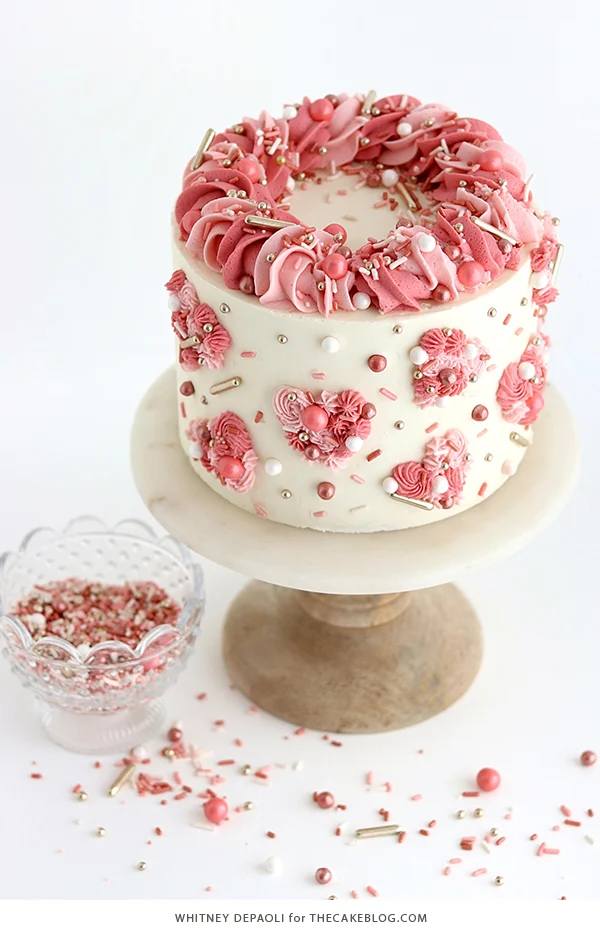
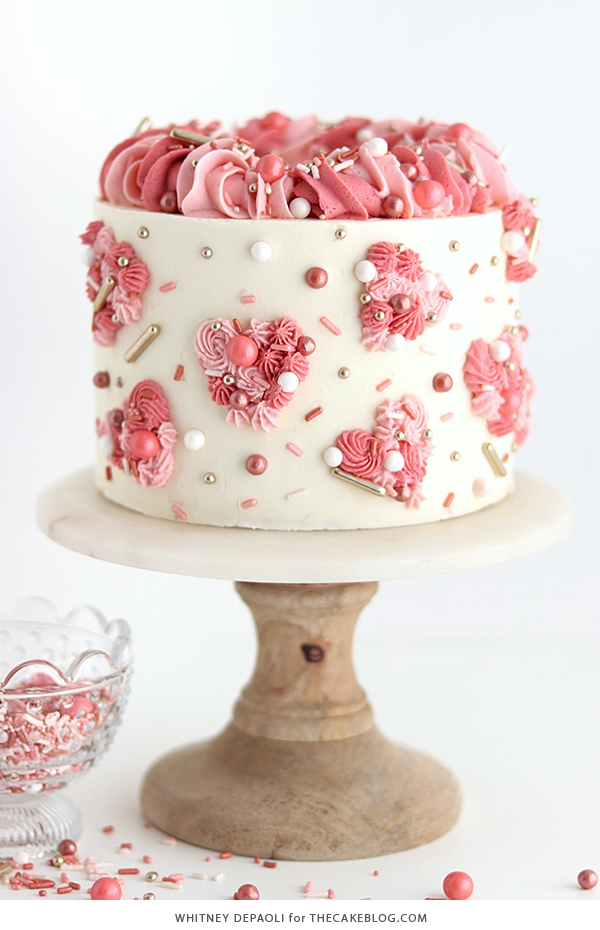
The intersection of traditional holiday aesthetics and modern confectionery techniques has reached a new milestone with the introduction of a specialized buttercream piping methodology designed for Valentine’s Day. As home baking continues to evolve from a functional hobby into a sophisticated form of visual art, contributors like Whitney DePaoli are bridging the gap between professional-grade pastry work and accessible home kitchen projects. This latest tutorial, hosted on The Cake Blog, emphasizes a "texture-first" approach to cake design, utilizing a rose gold palette and intricate piping to redefine the classic heart motif. Inspired by the digital artistry of social media influencers such as @frostedfujicakes, the technique prioritizes geometric precision and layered materiality, offering a departure from the flat, two-dimensional decorations of previous decades.
The Evolution of Artisanal Baking Trends
The modern confectionery landscape is increasingly shaped by "Instagrammable" aesthetics, where the visual complexity of a dessert is considered as important as its flavor profile. Historically, Valentine’s Day cakes relied heavily on simple red and white color schemes, often featuring fondant cutouts or basic script writing. However, the rise of "caker" culture on platforms like Instagram has catalyzed a shift toward highly textured, multi-dimensional designs. The Piped Hearts technique exemplifies this shift by moving away from smooth surfaces in favor of a "maximalist" application of buttercream.
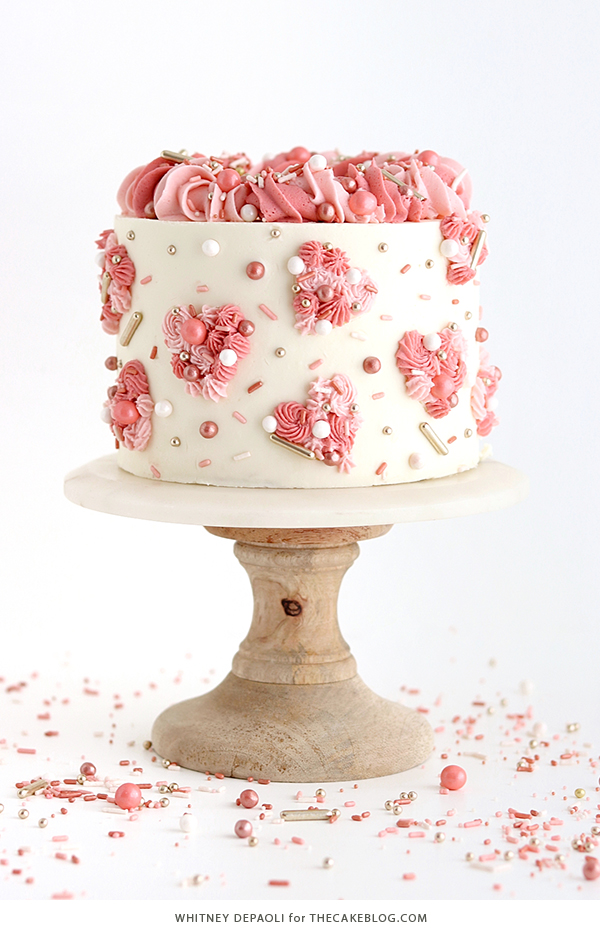
Industry analysts note that the DIY baking sector has seen significant growth over the last five years, with consumers increasingly seeking professional-level tools to replicate bakery-style results at home. The methodology presented by DePaoli leverages this trend by utilizing standard equipment—such as the 1M, 199, and 21 piping tips—in innovative ways. By imprinting shapes directly into the frosting before piping, the technique provides a structural roadmap for the decorator, ensuring symmetry while allowing for creative variation in color and texture.
Procedural Chronology: The Imprint-and-Fill Methodology
The execution of the Piped Hearts Valentine’s Cake follows a rigorous, multi-stage process that begins with the preparation of the canvas and ends with a complex border application. Each phase of the chronology is designed to maintain the structural integrity of the buttercream while maximizing the visual impact of the decorative elements.
Preparation and Pigment Integration
The process commences with the division and tinting of the frosting. For this specific design, American buttercream is the preferred medium due to its high sugar content, which provides the necessary stability for intricate piping and its ability to hold vibrant pigments. The tutorial utilizes Americolor Dusty Rose to achieve a sophisticated rose gold gradient.
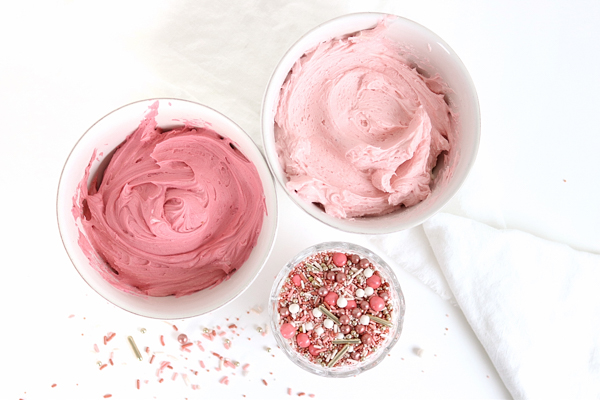
- Color Saturation: The buttercream is divided into two separate bowls to create varying shades of pink. By using a single pigment in different concentrations, the baker achieves a monochromatic depth that feels modern rather than traditional.
- Tool Readiness: Four piping bags are prepared. Two are fitted with the 1M tip (a large open star tip), one with the 199 tip (a small open star tip), and one with the 21 tip (a medium open star tip). This variety in tip sizes is crucial for creating the "tapestry" effect within the heart shapes.
Structural Imprinting
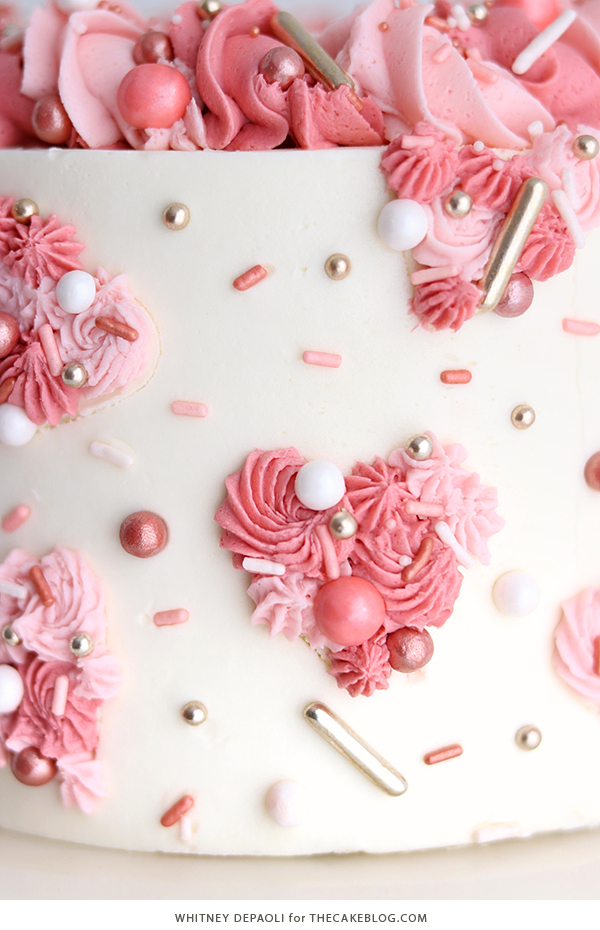
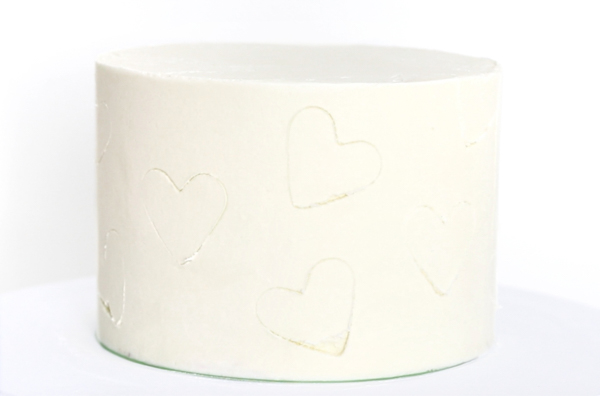
Once the cake has been frosted and chilled—a critical step to ensure the base layer does not smudge—the decorator uses a heart-shaped cookie cutter to create a blueprint. Unlike traditional methods where the cutter is used to remove pieces of cake, here it is used as a stamp. These imprints are spaced approximately two inches apart to prevent a crowded appearance and to allow the negative space of the base frosting to provide visual relief.

The Piping and Embellishment Phase
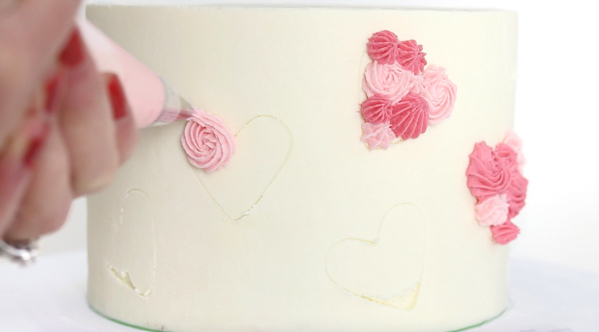
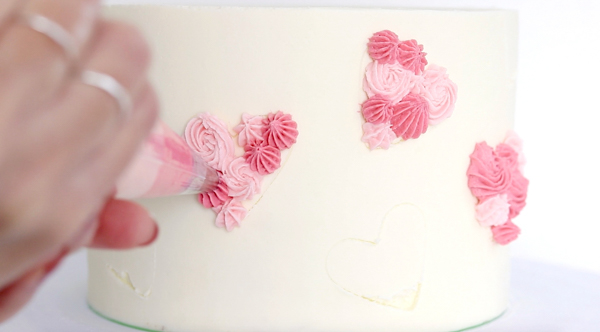
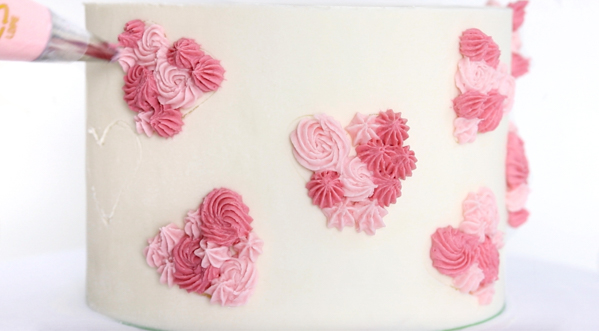
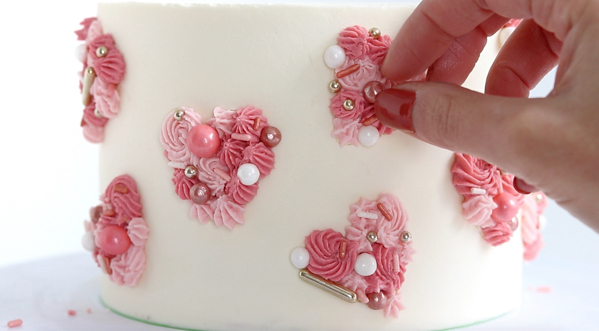
The core of the technique involves filling the imprinted outlines with a series of tiny rosettes and stars. The variation in piping tips allows for a "clustered" look that mimics the appearance of a floral bouquet or a piece of textured embroidery.
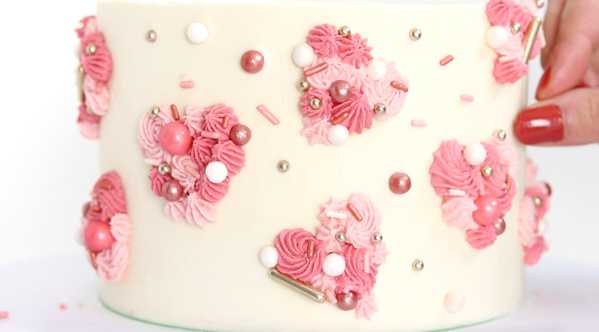
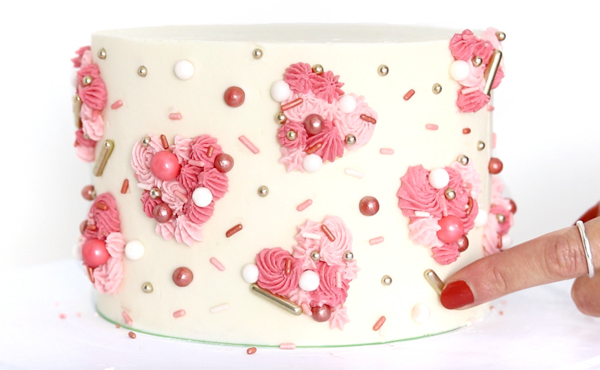
- Filling Strategy: Decorators are instructed to fill the heart shapes as densely as possible. While the initial piping may appear irregular, the subsequent application of sprinkles serves to refine the edges and hide any minor imperfections.
- Texture Augmentation: Sprinkles are added one by one into the gaps of the piped hearts. This meticulous placement adds a metallic sheen and varied heights to the design. To facilitate this "tedious but rewarding" process, experts recommend using a damp paper towel to assist with finger-placement or employing professional kitchen tweezers for precision.
The Final Rosette Rope Border
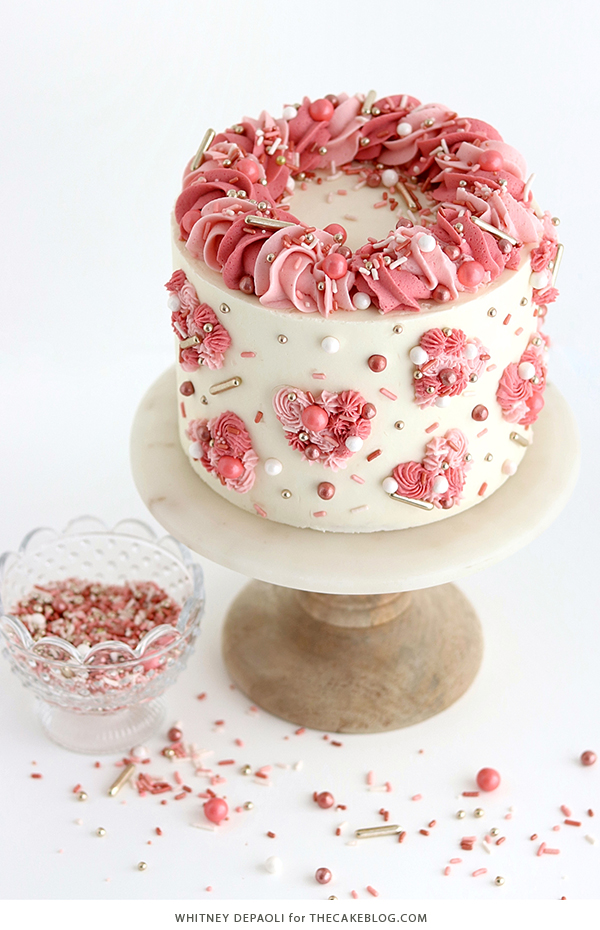
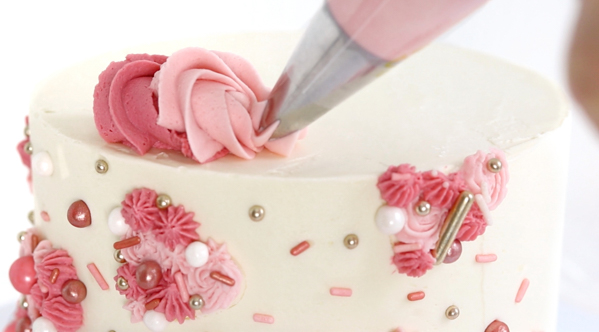
The design concludes with a "rosette rope" border. This is achieved by holding the 1M tip at a 45-degree angle and piping counter-clockwise rosettes in alternating colors. This framing technique ties the central heart motifs to the overall structure of the cake, creating a cohesive visual narrative from top to bottom.
Supporting Data: The Valentine’s Day Confectionery Market
The relevance of such tutorials is underscored by consumer spending data. According to the National Retail Federation (NRF), Valentine’s Day spending in the United States reached an estimated $25.9 billion in 2023, with confectionery and food items consistently ranking among the top gift categories. Within the "at-home" segment, there has been a 15% year-over-year increase in the purchase of specialty baking supplies, including gel food colorings and professional-grade piping nozzles.
The "Dusty Rose" and "Rose Gold" color palettes have seen a 40% increase in search volume on DIY platforms since 2020, signaling a move away from the high-contrast "True Red" traditionally associated with the holiday. This shift suggests that consumers are looking for "lifestyle-oriented" aesthetics that align with broader interior design and fashion trends.
Regulatory and Safety Considerations: The Dragee Debate
A significant point of analysis in the tutorial involves the use of metallic sprinkles, specifically gold and silver dragees. This highlights a long-standing point of contention between culinary aesthetics and food safety regulations.
The U.S. Food and Drug Administration (FDA) has historically classified gold and silver dragees as "non-edible" decorations because they contain metallic elements that have not been approved for ingestion. However, they are widely sold in other countries as food-grade items. To remain compliant with safety standards, the tutorial includes a specific disclaimer: while these items are safe for contact with cake surfaces, guests should be instructed to remove long metallic rods or large dragees before consumption. This "safe-to-decorate, not-to-eat" distinction is a critical piece of information for professional bakers and hobbyists alike to avoid liability and ensure guest safety.
Industry Impact and Broader Implications
The Piped Hearts Valentine’s Cake tutorial represents more than just a recipe; it is a case study in how digital content creators influence the global baking economy. By citing @frostedfujicakes as an inspiration, DePaoli highlights the collaborative nature of the modern "caker" community. This ecosystem of shared techniques leads to rapid innovation in the industry.
Furthermore, the versatility of the technique—which can be adapted for any color palette or holiday—demonstrates the move toward "modular" baking. Bakers are no longer following rigid recipes; they are learning transferable skills (imprinting, star-piping, texture layering) that can be applied to diverse projects. This democratization of skill has significant implications for small-scale bakeries and home-based businesses, which can now offer "boutique" designs without the need for expensive, specialized machinery.
As we look toward future holiday seasons, it is clear that the "hand-crafted" aesthetic will continue to dominate. The Piped Hearts technique successfully balances the precision of professional pastry work with the warmth of a homemade gift, making it a definitive example of modern Valentine’s Day celebration. Whether serving as a centerpiece for a "Galentine’s" gathering or a personalized gift for a partner, the cake serves as a tangible expression of the time, effort, and artistry that defines contemporary baking culture.