


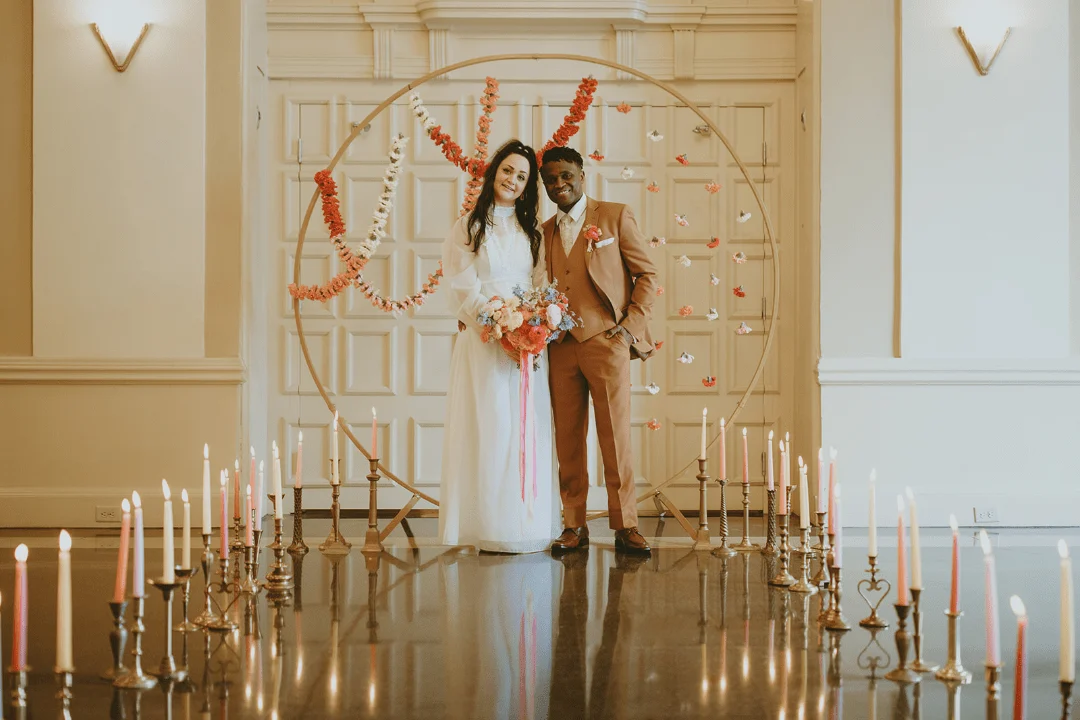
In an increasingly values-driven world, couples planning their weddings are transforming what was once a purely aesthetic and logistical endeavor into a profound statement of personal ethics and social responsibility. The significant financial outlay associated with weddings, whether modest or lavish, is now being recognized as a potent form of economic power, directing capital towards businesses and individuals whose principles resonate with those of the betrothed. This shift marks a critical evolution in conscious consumerism, bringing ethical considerations to the forefront of an industry traditionally focused on romance and spectacle.
The Evolving Landscape of Conscious Consumerism in Weddings
Over the past decade, there has been a discernible societal trend towards greater transparency and accountability from businesses across all sectors. Consumers, particularly younger demographics, are increasingly aligning their purchasing decisions with their personal values, demanding that the companies they patronize reflect their commitment to diversity, equity, and inclusion (DEI), environmental sustainability, and social justice. This cultural movement has inevitably extended into the wedding industry, a sector ripe for such introspection given its emotional significance and considerable economic footprint.
Couples today are not merely seeking beautiful venues or talented photographers; they are seeking partners who genuinely celebrate their identities, communities, and guest lists. This means moving beyond mere tolerance to active affirmation. For LGBTQ+ couples, couples of color, those with disabilities, or individuals from marginalized communities, finding vendors who are not just "ally-friendly" but actively inclusive and experienced in serving diverse clients has become a paramount concern. The fear of encountering subtle prejudices, insensitive remarks, or outright discrimination from a vendor can overshadow the joy of wedding planning, making the vetting process crucial for peace of mind and an authentic celebration.
The Economic Power of the Wedding Budget: A Micro-Philanthropy
The wedding industry is a colossal economic engine. In the United States alone, the market size was estimated at over $57 billion in 2023, with an average wedding cost ranging from $29,000 to $35,000, depending on various factors including location and guest count. Globally, the figures are even more staggering, underscoring the immense financial leverage held by marrying couples. When a couple allocates their wedding budget, they are, in essence, acting as micro-philanthropists, directing a substantial sum of money into the hands of numerous small businesses and independent contractors—from florists and caterers to photographers and officiants.
This concentrated burst of economic power represents a unique opportunity for wealth redistribution aligned with ethical principles. Each dollar spent can be seen as an investment in a particular business’s practices, values, and community engagement. Therefore, the decision of who receives this investment carries significant weight, transforming the wedding budget into a powerful tool for social and economic advocacy. The desire to support businesses that genuinely embody progressive, inclusive, or sustainable values is not merely a preference; it is increasingly a core component of responsible consumerism, especially in a world marked by growing social and political polarization.
Strategies for Values-Aligned Vendor Selection
Navigating the vendor selection process with a values-first approach requires diligence and a willingness to look beyond surface-level aesthetics. Several key strategies can help couples ensure their financial decisions resonate with their ethical convictions.
1. Beyond Aesthetics: The Portfolio Deep Dive
Initial vendor research often begins with reviewing portfolios, assessing style, quality, and overall artistic vision. However, for values-aligned vetting, this review must go deeper. Couples should actively look for diversity in the vendor’s past work. Does the photographer’s gallery feature a broad spectrum of body types, skin tones, ages, and relationship configurations (e.g., same-sex couples, mixed-race couples)? Do the images reflect genuine comfort and celebration of these diverse clients, or do they appear tokenistic?

For instance, a photographer who consistently showcases only thin, white, heterosexual couples might not possess the technical expertise or cultural sensitivity required to authentically capture the beauty of a larger-bodied couple, or to properly light diverse skin tones. If a portfolio lacks this visual representation, it is entirely appropriate and necessary to ask direct questions such as: "Do you have extensive experience photographing people with very dark skin tones, queer couples, larger-bodied clients, or individuals with disabilities?" A vendor’s response, coupled with their portfolio, offers crucial insights into their experience and commitment to inclusivity. A vague or defensive answer, or an inability to provide relevant examples, should be considered a red flag.
2. Digital Footprint: Strategic Social Media Vetting
In the digital age, a business’s online presence extends far beyond its official website and curated portfolio. Social media platforms, in particular, offer a window into a vendor’s personal values and the broader ethos of their brand. While a vendor’s professional Instagram feed might be impeccably curated, couples are increasingly advised to "stalk with purpose" by examining multiple layers of their digital footprint. This includes not only public business pages but also any linked personal profiles, past comments on industry forums, or even shared content that might reveal underlying biases.
The importance of this deeper digital dive was starkly illustrated by a widely publicized incident involving a prominent wedding photography couple. They were publicly outed for posting racist and homophobic memes on their personal social media accounts, sparking outrage and a broader conversation within the industry about vendor accountability. Such revelations underscore that a beautiful portfolio does not guarantee alignment with a couple’s values. Couples need to be vigilant, scrutinizing not just the vendor’s public-facing brand but also the more candid expressions of their personal beliefs, which can often surface on platforms like Facebook, X (formerly Twitter), or even private groups if accessible. This investigation is not about invading privacy but about ensuring that the individuals invited into the intimate space of a wedding celebration genuinely embody respect and inclusivity.
3. Direct Dialogue: Mastering the Art of Asking Hard Questions
Historically, discussing politics or sensitive social issues with service providers, particularly those deemed "the help," was considered impolite. However, this antiquated notion is increasingly being challenged, especially in the context of weddings. Couples are not simply hiring vendors; they are engaging creative partners who will be present during one of the most emotional and significant days of their lives, and who will interact with their cherished community of friends and family. Given this profound level of intimacy and trust, a candid conversation about values is not only acceptable but essential.
As Jess Golden, the Texas-based photographer who brought the aforementioned racist vendor incident to light, articulates, "Values are becoming part of the conversation in every household right now… the fact that people are scared to even ask vendors they’re paying thousands of dollars to is beyond me!" Couples should empower themselves to ask pointed questions, using low-stress scripts to initiate these vital discussions. Examples include:
- "We’re really passionate about [specific value, e.g., LGBTQ+ rights, sustainability]. How do you incorporate this into your business practices or personal ethos?"
- "Our guest list is quite diverse, including many different backgrounds and identities. How do you ensure all our guests feel celebrated and respected?"
- "We’re looking for vendors who are actively committed to anti-racism/inclusion. Can you share how you’ve demonstrated this in your work or community?"
A vendor’s openness, sincerity, and specific examples in response to these questions can be highly revealing. Their willingness to engage in such a dialogue, rather than deflecting or providing generic answers, speaks volumes about their genuine commitment to their stated values.
4. Leveraging Trusted Networks: The Power of Recommendations
One of the most efficient ways to identify values-aligned vendors is through trusted referrals. Wedding planners, in particular, often serve as gatekeepers and curators, developing extensive networks of vetted professionals. Experienced planners like Emily Berg of Events by Emily often undertake their own rigorous auditing processes for their recommended vendor lists. This ensures that the professionals they suggest not only meet high standards of quality and reliability but also align with the progressive and inclusive values that are increasingly important to their clientele.
Couples can leverage these established networks by asking their planner or even other trusted vendors for recommendations specifically filtered by values. For instance, questions like, "Do you have a list of vendors you recommend who are particularly known for their commitment to LGBTQ+ inclusivity?" or "Which of your preferred vendors are actively engaged in sustainable practices?" can lead to a curated selection of professionals who have already passed a preliminary values assessment by a trusted third party. This can significantly streamline the vetting process and provide an added layer of assurance.

5. Specialized Platforms: Curated Directories for Conscious Couples
The growing demand for values-aligned vendors has led to the emergence of specialized directories and platforms designed to connect conscious couples with ethical service providers. Offbeat Wed’s Vendor Community, established over 15 years ago and notably featured by The New York Times for its inclusive approach, serves as a prime example. These platforms are built on the premise of radical inclusivity, allowing vendors to self-identify their commitments to various values.
On such directories, couples can filter their searches for businesses that explicitly state their alignment with specific causes or identities—whether it’s being woman-owned, Black-owned, LGBTQ+-inclusive, disability-friendly, environmentally conscious, or any other value that matters to them. This "shortcut" eliminates much of the individual research and reduces the risk of encountering misaligned vendors. By opting into such a community, vendors signal their understanding and commitment to these values, making it easier for couples to immediately connect with professionals who share their worldview. This approach fosters a marketplace where ethical considerations are as central as professional expertise.
Implications for Couples: An Authentic and Joyful Celebration
For couples, the diligent pursuit of values-aligned vendors translates into a wedding day that is not only beautiful but also deeply authentic and emotionally resonant. Knowing that every individual contributing to their celebration genuinely supports and celebrates their union, their identities, and their community fosters a profound sense of peace and joy. It eliminates the underlying anxiety that can stem from hiring vendors whose values might secretly conflict with their own, allowing the couple and their guests to fully relax and immerse themselves in the celebration. The resulting photographs and memories will be free from any lingering discomfort, truly reflecting the love and inclusivity that the couple wished to embody. This alignment enhances the overall experience, making the wedding a true reflection of who they are and what they stand for.
Implications for the Wedding Industry: A Call for Transparency and Adaptability
For the wedding industry, the rise of values-aligned consumerism represents both a challenge and an opportunity. Vendors who proactively embrace and articulate their commitment to DEI, sustainability, and ethical practices are better positioned to attract a growing segment of the market. Transparency is becoming non-negotiable; vague statements of "inclusivity" without concrete actions or demonstrated experience are increasingly viewed with skepticism.
This shift encourages vendors to conduct their own internal audits, critically examining their business practices, marketing materials, and internal policies to ensure genuine alignment with progressive values. It also places pressure on traditional vendors to adapt, educate themselves, and demonstrate a willingness to evolve. Those who fail to do so risk being left behind in a marketplace that increasingly prioritizes ethical engagement alongside professional excellence. The trend also fosters the growth of specialized networks and directories, creating new avenues for ethical businesses to connect with their ideal clients and collectively push the industry towards more responsible and equitable practices.
Conclusion
Ultimately, how a couple chooses to spend their wedding budget is a powerful declaration. It is more than just a financial transaction; it is an act of supporting fellow humans, investing in communities, and reinforcing the values that matter most. In an era where conscious consumerism is gaining unprecedented momentum, the wedding industry stands at a pivotal juncture. By diligently vetting their vendors, couples can ensure that their significant financial investment contributes to a more inclusive, equitable, and authentic world, making their wedding day not just a personal milestone, but also a meaningful statement of their commitment to a better future. The decision to prioritize values in vendor selection ensures that the celebratory energy of a wedding is amplified by the integrity and alignment of every professional involved, leading to a celebration that feels truly right, from the first toast to the last dance.