



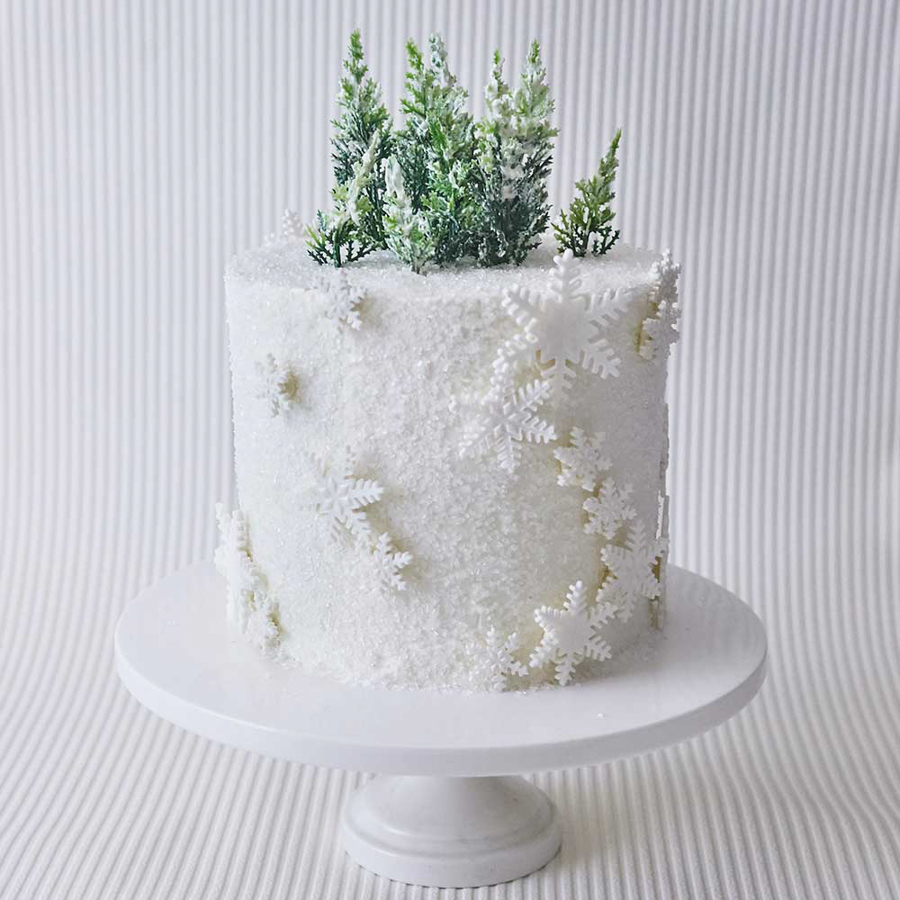
The culinary landscape of the holiday season has been notably influenced by the release of a specialized design tutorial from Mary and Brenda Maher, the founders of Cakegirls, detailing the construction of the Winter Wonderland Snowflake Cake. This architectural confectionery piece, characterized by its monochromatic white palette and intricate crystalline textures, represents a fusion of traditional pastry techniques and modern minimalist aesthetics. Designed to serve as a centerpiece for seasonal gatherings, the cake utilizes a multi-layered structure of vanilla sponge and Swiss meringue buttercream, accented by handcrafted fondant snowflakes and ornamental foliage. The project serves as a technical guide for both amateur and professional bakers, emphasizing the importance of texture and structural integrity in high-end cake design.
Conceptual Origins and Design Philosophy
The inspiration for the Winter Wonderland Snowflake Cake originated from the environmental observations of its creators during the winter season in Chicago. According to the Maher sisters, the visual concept was derived from the atmospheric conditions of a snow-covered urban park, where the accumulation of frost on trees and the falling of snowflakes created a "snow globe" effect. This observation led to a design philosophy centered on "sparkly and white" elements, aiming to replicate the natural glitter of fresh snow through the application of white crystal sugars and pearlized finishes.
In the broader context of dessert trends, this design aligns with the "white-on-white" aesthetic that has gained prominence in high-end event planning and wedding industry circles. By stripping away traditional holiday colors like red and green, the designers focus the viewer’s attention on the interplay of light and shadow across the cake’s varied surfaces. This approach requires a high degree of precision in the frosting phase, as the lack of color contrast makes any structural imperfections more visible to the naked eye.
Technical Specifications and Ingredient Profile
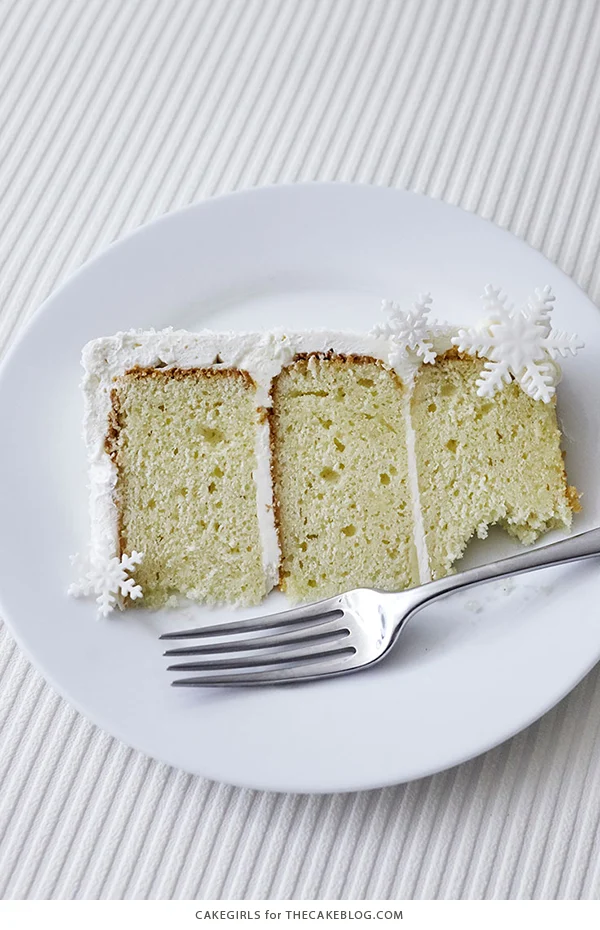
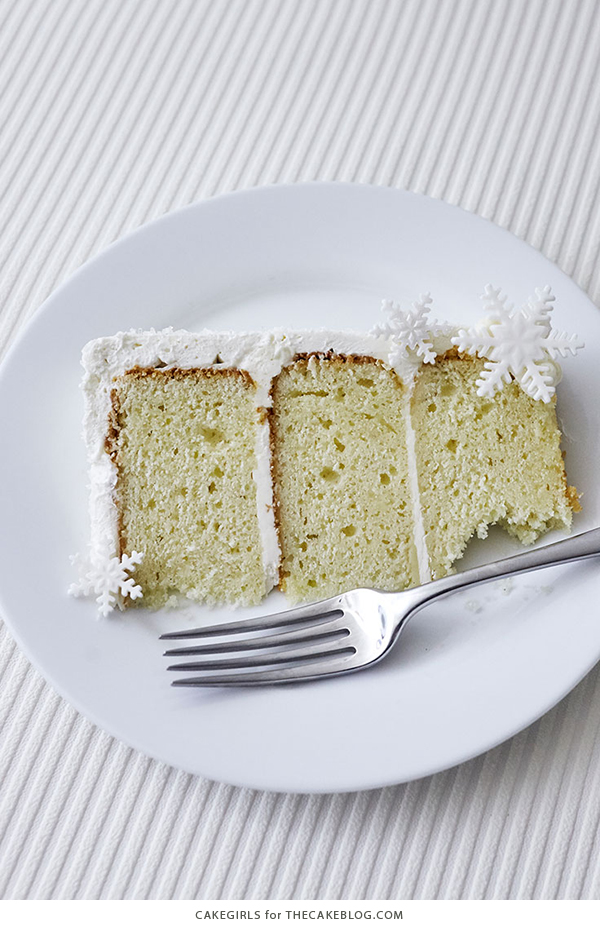
The foundational structure of the cake consists of three six-inch round cake layers. While the primary recommendation is a classic vanilla sponge to maintain internal color consistency, the developers have noted that alternative flavor profiles, such as eggnog or champagne mimosa, are compatible with the design. The choice of Swiss meringue buttercream is strategic; unlike traditional American buttercream, which relies on powdered sugar for stability, Swiss meringue utilizes a cooked egg-white base. This results in a smoother finish and a more stable medium for the adhesion of external decorative elements.
To achieve the "Winter Wonderland" effect, the tutorial specifies several key materials:
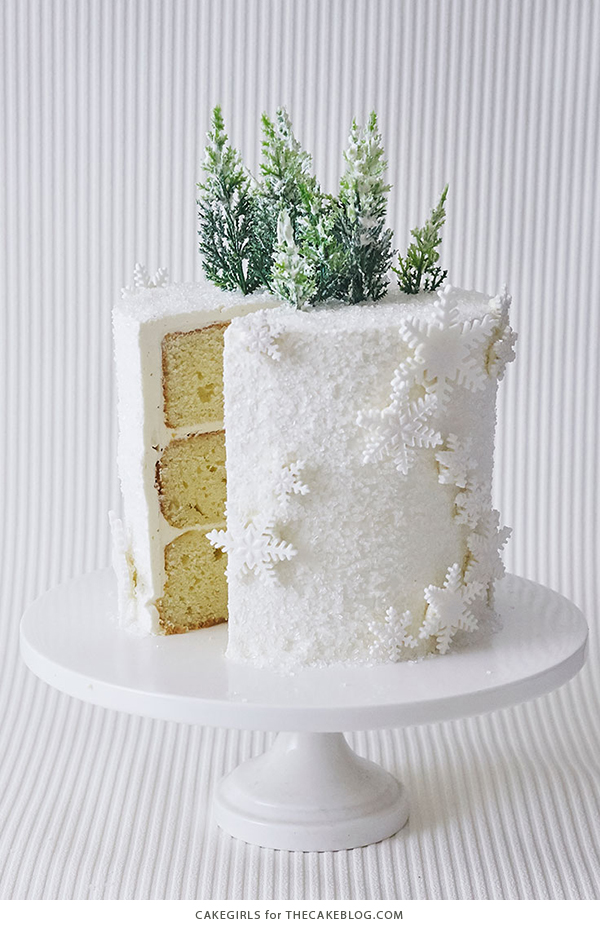
- White Fondant: Used for the creation of various snowflake dimensions.
- Super Pearl Luster Dust: A mica-based pigment applied to the fondant to provide a refractive, shimmery finish.
- White Crystal Sugar: A coarse-grain sucrose used for the "sparkle" coating on the cake’s exterior.
- Novelty Trees: Miniature foliage elements that are modified with buttercream to simulate frost accumulation.
The reliance on a 24-hour preparation cycle is a critical component of the tutorial’s success. The separation of tasks—fondant work on day one and assembly on day day—ensures that the decorative elements have sufficient time to dehydrate and harden, preventing structural failure when they are eventually applied to the vertical surfaces of the cake.
Chronology of Production
The production of the Winter Wonderland Snowflake Cake follows a strict two-day timeline designed to optimize the physical properties of the materials used.
Phase I: Ornamental Fabrication (Day One)
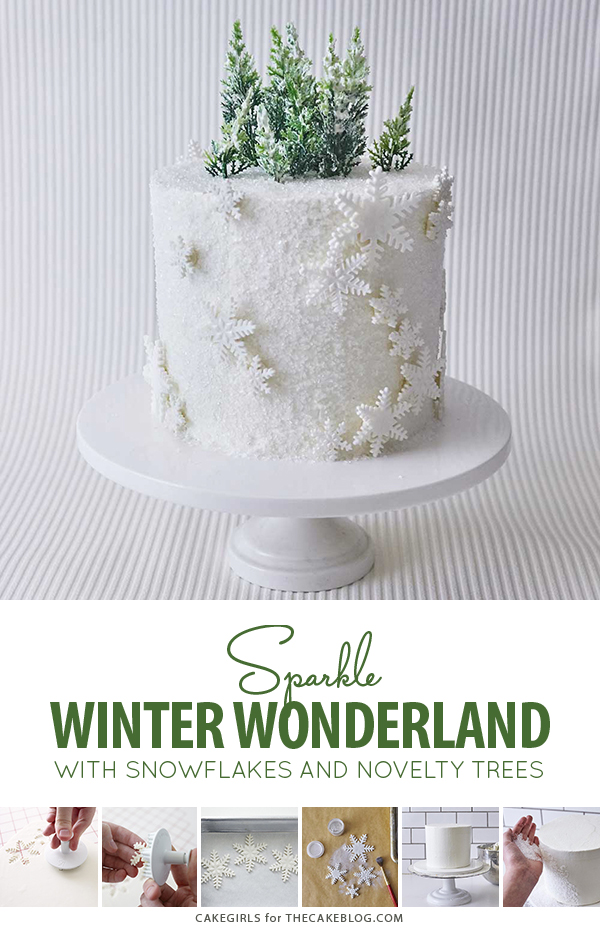
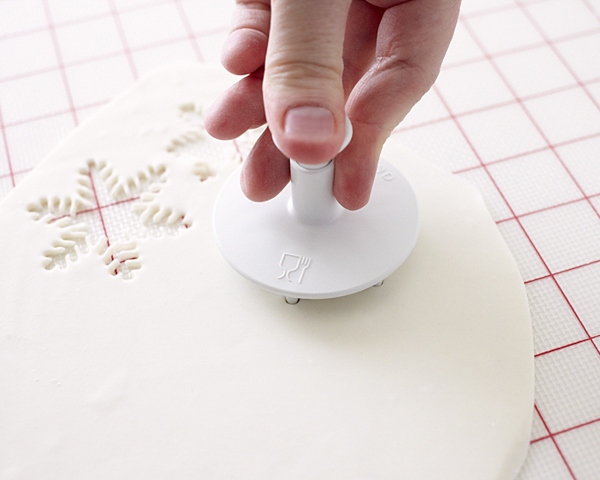
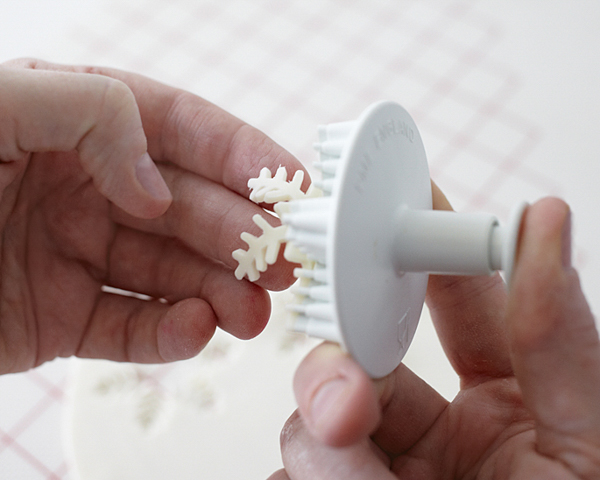
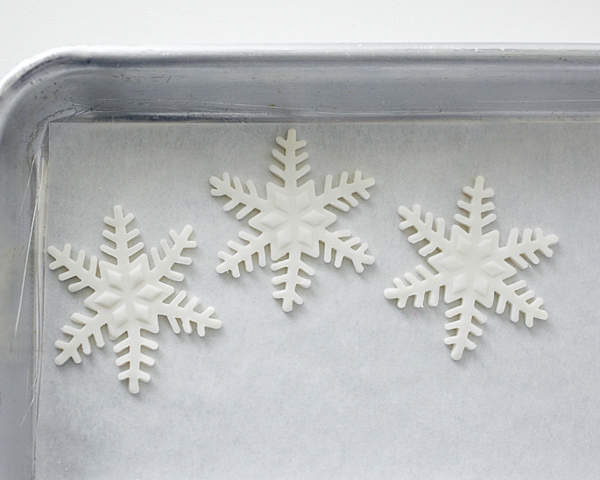
The initial phase focuses exclusively on the snowflake elements. The white fondant is rolled to a thickness of approximately 1/8 to 1/4 inch on a surface prepared with powdered sugar to prevent adhesion. Using specialized snowflake punch cutters of varying sizes, the baker produces a surplus of shapes to account for potential breakage during the drying process. These shapes are then transferred to a parchment-lined tray.
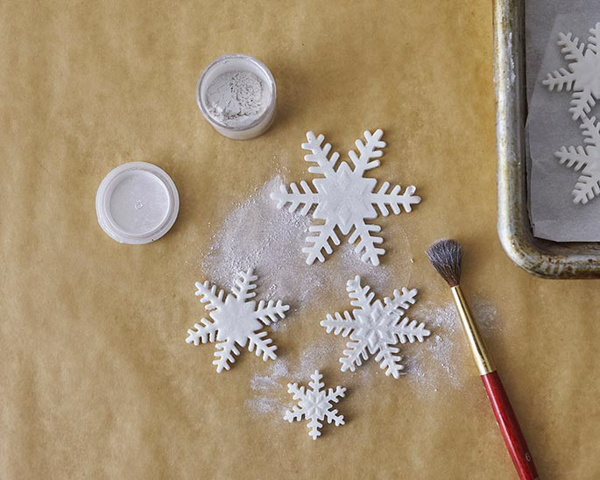
Once the shapes are cut, the application of Super Pearl luster dust occurs. This step is purely decorative. The tutorial highlights a significant distinction in food safety standards regarding luster dust: while many varieties are non-toxic, not all are classified as FDA-approved for consumption. Therefore, the Maher sisters recommend treating these snowflakes as decorative accents to be removed before serving, unless an edible-grade dust is utilized.
Phase II: Structural Assembly and Finishing (Day Two)
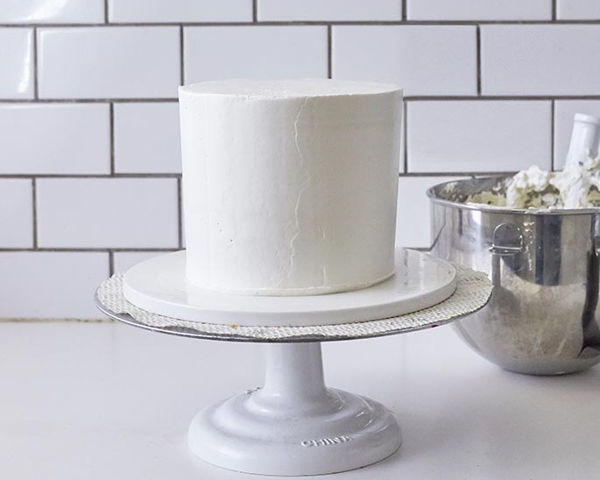
On the second day, the focus shifts to the cake itself. The three layers are stacked and frosted with Swiss meringue buttercream. A critical technical step involves chilling the frosted cake for at least one hour. This refrigeration firms the lipid structure of the buttercream, providing a resilient base for the application of the sugar crystals.
The application of the sugar coating is a manual process. The baker pours white sugar crystals into their palm and presses them against the chilled sides of the cake. This "press-and-slide" motion ensures even distribution. To manage waste and maintain hygiene, a tray is utilized to catch excess crystals for reuse. The top of the cake is then covered in a more randomized fashion to simulate a natural snowdrift.
The final assembly involves the placement of the "frosted" trees and the snowflakes. The novelty trees are manually straightened and trimmed to create a varied forest cluster. A light application of buttercream to the branches simulates heavy frost. Finally, small "dots" of buttercream act as an adhesive for the previously prepared snowflakes, which are distributed across the sides of the cake in a cascading pattern.
Economic and Industry Context
The release of this tutorial comes at a time when the home baking market is experiencing sustained growth. Industry data suggests that the global baking ingredients market is projected to grow significantly over the next five years, driven by a rising interest in "DIY" artisanal food production. Professional-grade tutorials like those provided by Cakegirls bridge the gap between amateur hobbyists and professional pastry chefs, fueling the demand for specialized tools such as snowflake cutters and luster dusts.
Market analysts observe that seasonal content of this nature drives significant traffic to e-commerce platforms specializing in baking supplies. The "Winter Wonderland" theme, in particular, has a high conversion rate due to its versatility across different winter holidays, including Christmas, Hanukkah, and New Year’s Eve. Furthermore, the emphasis on a 6-inch cake reflects a shift in consumer behavior toward smaller, more detailed "boutique" cakes rather than large-format sheet cakes, catering to smaller, more intimate gatherings.
Safety and Regulatory Considerations
A notable aspect of the Maher sisters’ tutorial is the transparency regarding food-grade materials. The distinction between "non-toxic" and "edible" luster dust is a point of frequent discussion within the culinary community. The FDA has previously issued advisories regarding the use of non-edible glitters on food products, urging consumers to verify that ingredients are labeled as "edible" and list specific ingredients on the packaging. By advising the removal of the snowflakes before consumption, the Cakegirls tutorial adheres to a high standard of food safety, ensuring that the visual appeal of the cake does not compromise the health of the consumer.
Analysis of Broader Implications
The Winter Wonderland Snowflake Cake represents more than just a seasonal dessert; it is a manifestation of the "experience economy" in the culinary arts. In the age of social media, the visual impact of a dish is often considered as important as its flavor profile. The use of texture—specifically the contrast between the smooth buttercream, the granular sugar crystals, and the rigid fondant—is designed to be photogenic, appealing to the digital sharing habits of modern consumers.
Furthermore, the tutorial underscores the democratization of culinary expertise. By breaking down complex professional techniques into a chronological, step-by-step format, the Mahers enable home bakers to achieve results that were previously reserved for high-end bakeries. This shift has forced professional bakeries to innovate further, as the baseline for "high-quality" home baking continues to rise.
Conclusion
The Winter Wonderland Snowflake Cake stands as a testament to the intersection of environmental inspiration and technical discipline. Through the careful application of materials and a structured production timeline, Mary and Brenda Maher have provided a blueprint for a seasonal centerpiece that prioritizes both aesthetic elegance and structural integrity. As the baking industry continues to evolve, such tutorials play a pivotal role in shaping consumer trends and elevating the standard of holiday confectionery. The cake remains a significant example of how a simple walk in a snowy city can be translated into a complex and celebrated culinary achievement.