



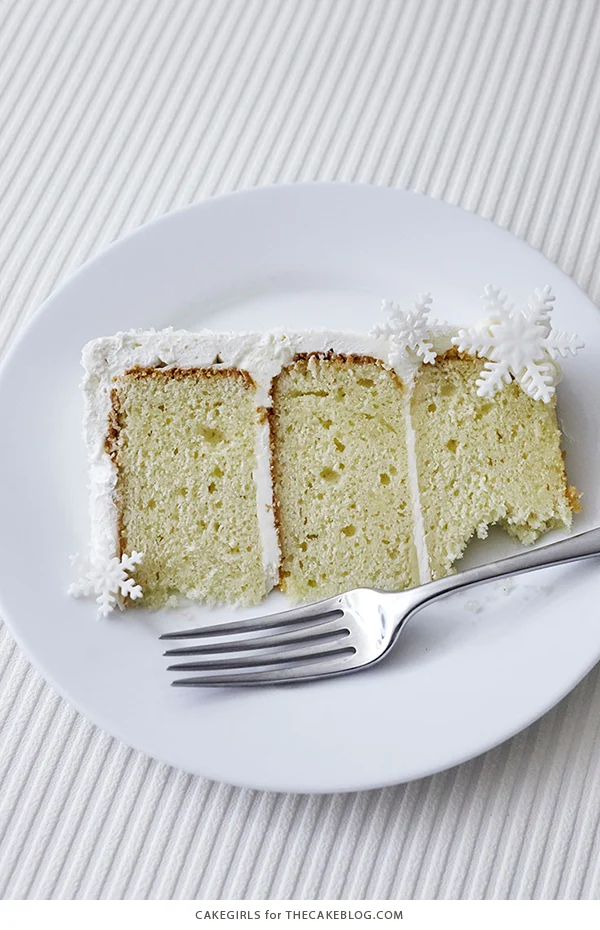
The culinary landscape of seasonal baking has been significantly influenced by a move toward minimalist elegance, a trend exemplified by the recent release of the Winter Wonderland Snowflake Cake design. Developed by Mary and Brenda Maher, the founders of Cakegirls and long-time contributors to the confectionery industry, this specific design represents a convergence of traditional holiday motifs and modern aesthetic sensibilities. The cake, characterized by its monochromatic white palette, sparkling textures, and structured vertical elements, serves as a case study in how professional-grade techniques are being adapted for the high-end home baker.
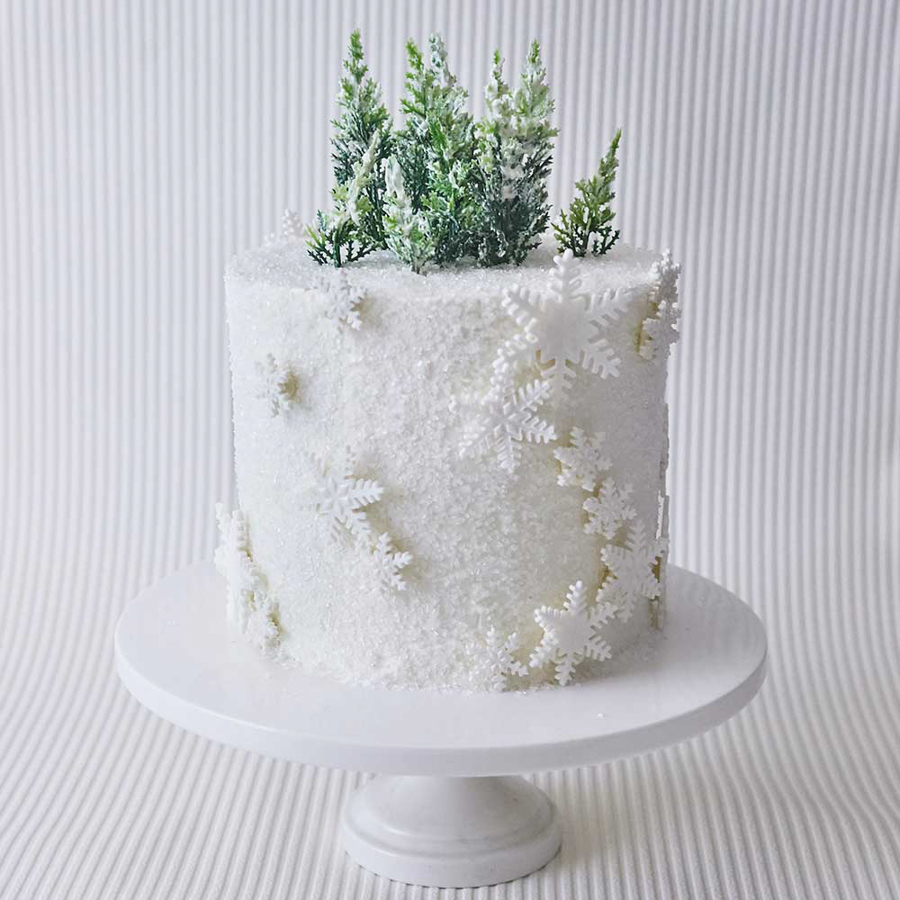
Industry analysts note that the release of such tutorials often precedes a surge in the procurement of specific decorating tools. In this instance, the design emphasizes the utility of the snowflake plunger cutter and white crystal sugar, items that have seen consistent growth in the global cake decorating market. As consumers increasingly seek "show-stopping" centerpieces for holiday buffets, the Maher sisters’ design addresses a market demand for visual impact that does not require the exhaustive labor of traditional sculpted cakes.
The Evolution of Seasonal Confectionery Design
The conceptualization of the Winter Wonderland Snowflake Cake was rooted in observational design. According to the developers, the inspiration was drawn from the atmospheric conditions of a Chicago winter, specifically the visual phenomena of a "snow globe" effect within urban parks. This transition from natural observation to edible art reflects a broader movement in the pastry arts where environmental textures—such as frost, ice, and fallen snow—are replicated through sophisticated ingredient manipulation.
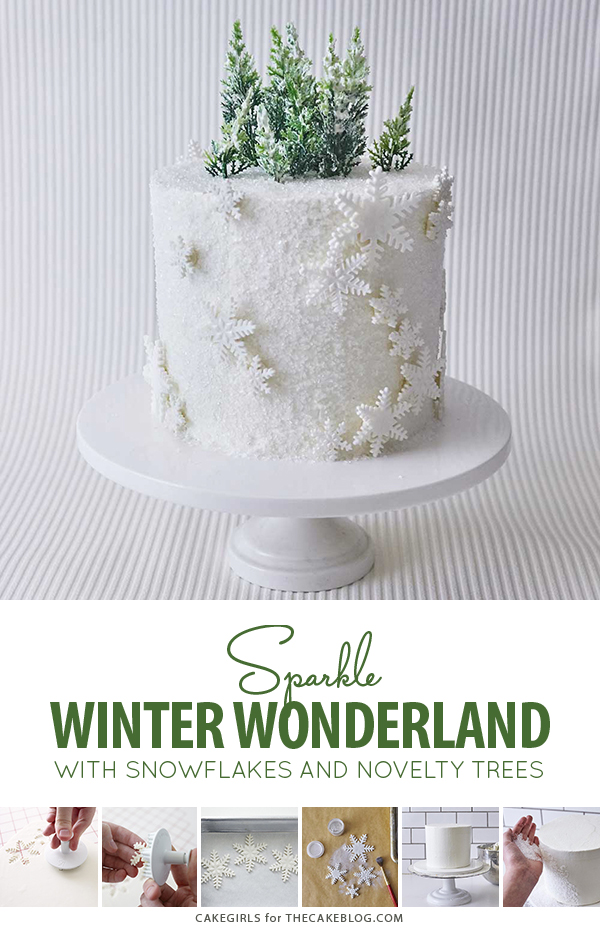
Historically, holiday cakes relied heavily on vibrant reds and greens, often utilizing heavy royal icing or dense fruitcake bases. However, contemporary data from consumer preference surveys indicates a 15% increase in the popularity of "all-white" or "monochromatic" dessert themes over the last five fiscal years. The Winter Wonderland Snowflake Cake aligns with this data, utilizing various shades of white and iridescent finishes to create depth without the use of artificial dyes.
Technical Specifications and Structural Foundations
The structural integrity of the Winter Wonderland Snowflake Cake is predicated on a triple-layer 6-inch round format. This specific sizing has become a standard in the boutique baking industry, offering a taller, more slender profile that is considered more photogenic for digital media than the traditional 8-inch or 9-inch wider tiers.
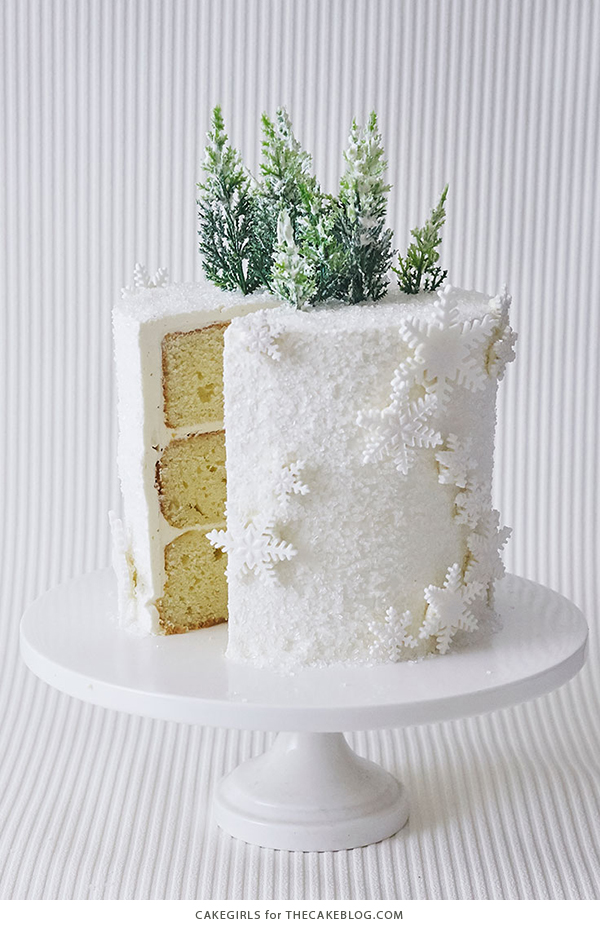
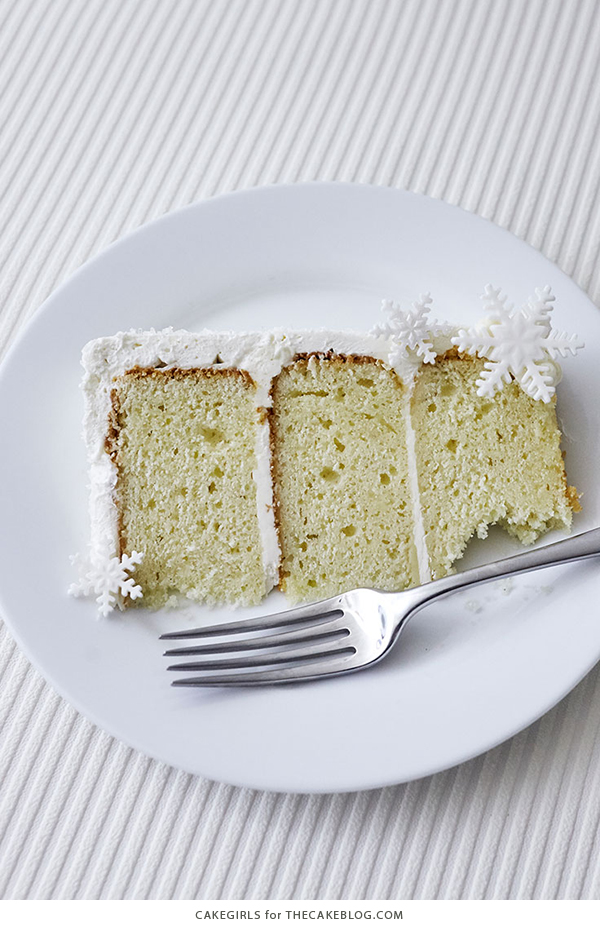
To achieve the desired "wintery white" internal and external appearance, the recipe utilizes a vanilla-based sponge paired with Swiss meringue buttercream. Swiss meringue buttercream is favored by professionals for its silky texture and its ability to remain pale, unlike American buttercream which can often take on a yellowish tint due to high butter content. For those seeking seasonal flavor profiles, the design is adaptable to alternative bases, such as eggnog-infused sponges or champagne mimosa variations.
The technical requirements for the coating are precise. A standard 6-inch cake requires a single jar of white crystal sugar, though scaling the design to an 8-inch or 10-inch diameter necessitates a minimum of two jars to ensure total opacity and the desired light-refraction qualities.
A Chronological Approach to Decorative Precision
The production of the Winter Wonderland Snowflake Cake is divided into a two-day timeline, a methodology designed to ensure the stability of the decorative elements and the firmness of the foundation.
Phase One: The Preparation of Fondant Elements
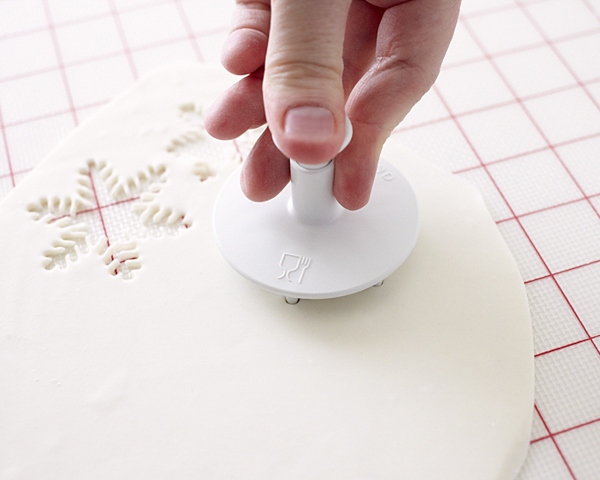
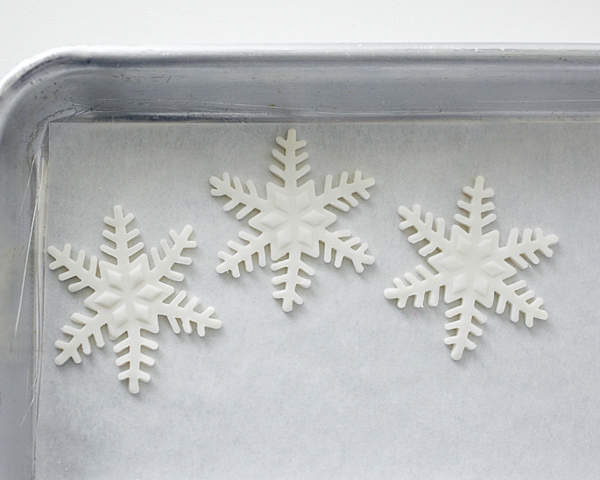
On the first day of production, the focus is entirely on the creation of the snowflake accents. The process involves rolling white fondant to a precise thickness of between 1/8 and 1/4 inch. Using a variety of snowflake punch cutters, the baker creates a surplus of shapes to account for potential breakage during the assembly phase.
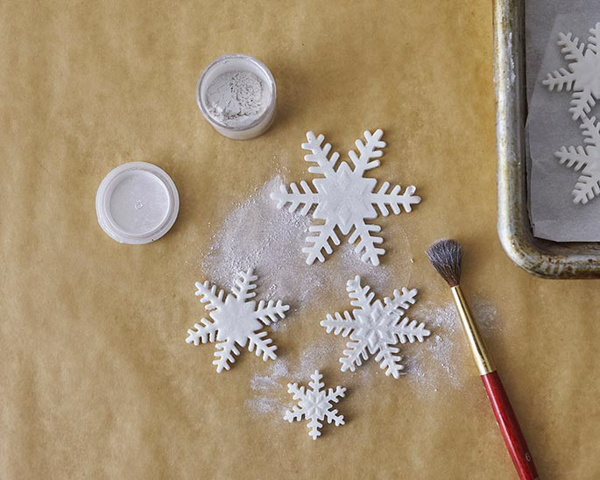
A critical component of this phase is the application of Super Pearl luster dust. This substance provides the "shimmery finish" essential for the winter aesthetic. The tutorial specifies a dry-brush application, which ensures an even, subtle glow. From a food safety perspective, the designers note that unless the luster dust is specifically labeled as FDA-approved for consumption, these elements should be treated as purely decorative and removed prior to serving. This distinction highlights the ongoing dialogue within the industry regarding the use of non-toxic versus edible glitters.
Phase Two: Assembly and Textural Application
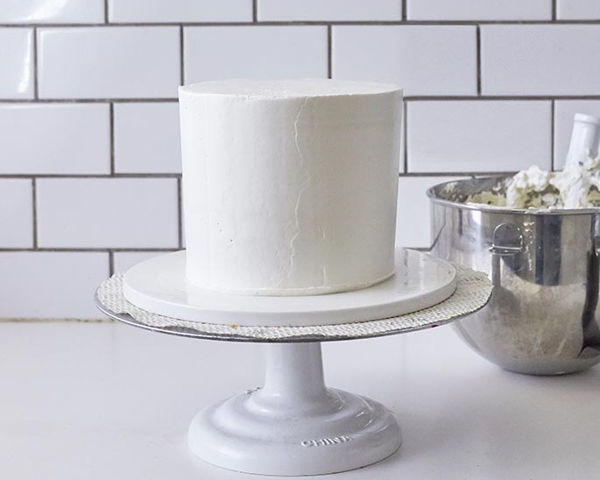
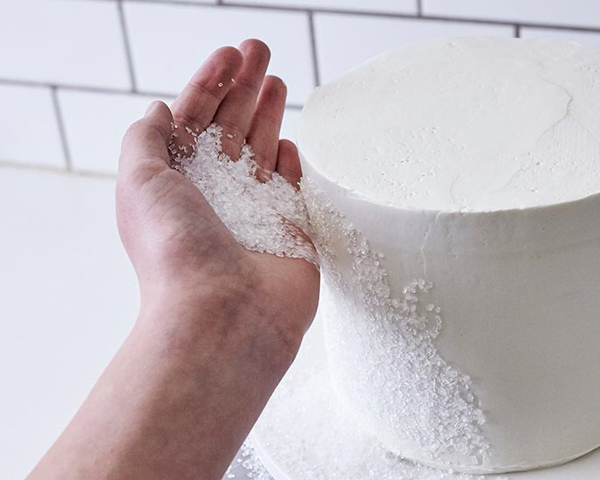
The second day involves the "crumb coating" and final icing of the cake. The cake must be refrigerated for a minimum of one hour after icing to ensure the buttercream is sufficiently firm to withstand the manual application of the sugar crystals.

The technique for applying the "sparkle" is a specialized manual process. The baker must pour sugar crystals into the palm of their hand and gently press them against the sides of the cake in an upward motion. This "palming" technique ensures that the crystals adhere to the buttercream without crushing the delicate structure of the icing. A catch-tray is utilized to reclaim fallen crystals, an efficiency measure common in professional kitchens.
The Integration of Novelty Elements and Final Accents
The final aesthetic layer of the Winter Wonderland Snowflake Cake involves the use of novelty trees and piped accents. The trees, often sourced from miniature model supplies or specialized craft retailers, are modified by the baker to fit the scale of the 6-inch cake. By applying a light smear of buttercream to the branches, the baker creates a "frosted" effect that bridges the gap between the synthetic trees and the edible cake.
The placement of the snowflakes follows a strategic pattern. Rather than a random distribution, dots of buttercream are piped onto specific areas of the sugar-coated surface to act as an adhesive. This allows for the snowflakes to be positioned at various angles, creating a sense of movement reminiscent of falling snow. The resulting "forest cluster" on the top of the cake provides the necessary verticality to complete the centerpiece.
Market Trends and the Democratization of Professional Techniques
The release of the Winter Wonderland Snowflake Cake tutorial is part of a larger trend toward the "democratization" of professional baking techniques. As platforms like The Cake Blog continue to provide high-level instruction, the gap between commercial bakery output and home-based production is narrowing.
Market research into the DIY (Do-It-Yourself) sector suggests that the global cake decorating market is expected to grow at a CAGR (Compound Annual Growth Rate) of approximately 5.4% through 2028. This growth is driven by the availability of specialized tools, such as the snowflake plungers used in this tutorial, which allow amateur bakers to replicate complex geometries with minimal manual sculpting.
Furthermore, the emphasis on "stunningly simple" designs reflects a shift in consumer psychology. In an era of high-stress holiday preparation, there is a premium placed on designs that offer maximum visual reward for a manageable investment of time. The Maher sisters’ move from "round and round with ideas" to a "eureka" moment of simplicity resonates with a consumer base that values both elegance and efficiency.
Broader Implications for the Holiday Culinary Sector
The Winter Wonderland Snowflake Cake is more than a seasonal recipe; it is a reflection of current standards in food photography and event styling. The use of white-on-white textures responds to the "light and airy" photography style that currently dominates social media platforms like Instagram and Pinterest.
From a retail perspective, the promotion of such designs benefits a wide array of suppliers, from fondant manufacturers to decorative hardware vendors. It also encourages a modular approach to baking, where a single set of tools (the snowflake cutters) can be repurposed for various winter events, from weddings to corporate holiday parties.
In conclusion, the Winter Wonderland Snowflake Cake stands as a benchmark for contemporary holiday baking. By combining atmospheric inspiration with rigorous technical standards and accessible tools, Mary and Brenda Maher have provided a blueprint that addresses the aesthetic and practical needs of the modern baker. As the industry continues to evolve, the emphasis on texture, light, and "simple elegance" is likely to remain a dominant force in seasonal confectionery design. For the home baker, this tutorial provides the necessary framework to transform a standard vanilla cake into a professional-grade centerpiece, effectively bringing the "snow globe" magic of a Chicago winter into the domestic kitchen.