



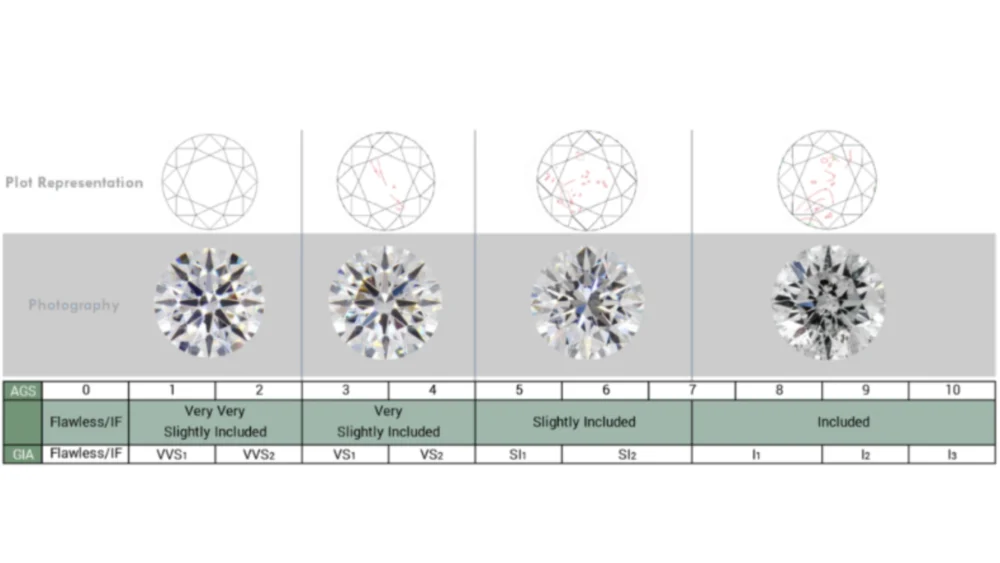
The burgeoning market for lab-grown diamonds presents consumers with a compelling opportunity to acquire stunning gemstones at a more accessible price point than their natural counterparts. However, navigating the intricacies of diamond clarity grading remains a critical factor in ensuring optimal value and visual appeal. Understanding the nuances of clarity, from Flawless (FL) to Included (I3) on the Gemological Institute of America (GIA) scale, can empower buyers to distinguish between microscopic imperfections that are inconsequential to the naked eye and those that genuinely impact a diamond’s brilliance and worth. This comprehensive guide delves into the world of lab-grown diamond clarity, demystifying inclusion types, grading standards, and the strategic considerations for selecting a diamond that offers exceptional beauty without an unnecessary premium.
For those venturing into the realm of lab-grown diamonds, a foundational understanding of clarity is paramount. It is not merely about identifying flaws, but about discerning which flaws, if any, will be perceptible to the unaided eye. This knowledge is the key to avoiding overpayment for features that are imperceptible and instead focusing on diamonds that deliver maximum visual impact. The controlled environments in which lab-grown diamonds are created, utilizing processes such as High Pressure High Temperature (HPHT) or Chemical Vapor Deposition (CVD), often result in diamonds with higher clarity grades being more readily attainable compared to the natural diamond market, where rarity significantly drives up the cost of pristine stones. Yet, inclusions are an inherent part of the diamond’s growth process, regardless of origin, and their presence influences the stone’s overall aesthetic and value.
The journey of understanding lab-grown diamond clarity extends beyond mere theoretical knowledge; it necessitates practical application. Engaging with platforms like PriceScope, a prominent diamond and jewelry forum, offers invaluable real-world insights. Here, seasoned experts and fellow consumers share their experiences, providing a rich repository of information for comparing clarity grades across various lab-grown diamonds. This community can illuminate situations where a VS2 diamond might offer superior visual appeal for a given budget compared to a VVS1, or help identify specific inclusions to steer clear of based on preferred diamond shapes and settings. The collective wisdom found on such forums bridges the gap between understanding grading scales and making an informed purchasing decision.

The Science of Imperfection: Understanding Lab-Grown Diamond Clarity
The clarity of a lab-grown diamond, much like its natural counterpart, is assessed based on the presence, size, number, position, and visibility of internal inclusions and external blemishes. The GIA clarity grading scale, a universal standard, ranges from Flawless (FL) to Included (I3). These imperfections, or characteristics, are byproducts of the controlled growth environments, influenced by variables such as temperature, pressure, and the specific materials employed in the HPHT or CVD processes. While laboratory conditions often lead to fewer and less pronounced inclusions than those found in naturally occurring diamonds, these characteristics are still present and affect the diamond’s appearance, sparkle, and ultimately, its value.
It is crucial to recognize that lab-grown diamonds possess identical physical, chemical, and optical properties to natural diamonds. Consequently, their clarity characteristics are evaluated and behave identically under examination. A VS2 lab-grown diamond, for instance, carries the same definition and potential for eye-clean appearance as a VS2 natural diamond. This fundamental equivalence allows consumers to apply familiar grading criteria to lab-grown options, with a strong emphasis on achieving an "eye-clean" status – where inclusions are not visible without magnification – for optimal beauty and brilliance during everyday wear.
The genesis of inclusions in lab-grown diamonds is intrinsically linked to their manufacturing process. In HPHT methods, remnants of the metallic catalyst used to facilitate growth can become trapped. In CVD processes, non-diamond carbon or other trace elements might be incorporated. These can manifest as metallic inclusions, graphitic areas, or specific growth-related features. While these origins differ from the geological pressures and mineral inclusions found in natural diamonds, their impact on light performance and clarity grading is analogous. The controlled nature of lab production often results in a higher frequency of diamonds falling into the higher clarity grades (VS and above) at more affordable price points. However, variability exists between manufacturers, making diligent examination of grading reports and seller-provided imagery indispensable for accurate assessment.
The Impact of Inclusions on Sparkle and Appearance
Inclusions within a diamond act as obstacles to light, disrupting its path and potentially diminishing the stone’s brilliance, fire, and scintillation. Large, numerous, or centrally located inclusions are more likely to affect the diamond’s overall light performance. However, minor flaws, particularly those visible only under 10x magnification, typically have a negligible impact on the naked-eye appearance. Conversely, more prominent inclusions can lead to noticeable haziness, dark spots, or a reduction in transparency, thereby affecting the diamond’s aesthetic appeal.
The extent to which an inclusion compromises a diamond’s sparkle is contingent upon its type, size, and precise placement within the stone. Higher clarity grades, by definition, minimize these light-disrupting elements, preserving the diamond’s inherent ability to reflect and refract light, resulting in a dazzling display of fire and scintillation.
Common Inclusion Types in Lab-Grown Diamonds:
-
Needle: These appear as slender, elongated lines that resemble fine threads or needles. They form along specific growth directions within the diamond. While small needles are often invisible to the naked eye in higher clarity grades, larger or clustered needles can affect the overall grade and subtle light play.
-
Cloud: A cloud inclusion is a dense cluster of tiny pinpoints or other minute inclusions that collectively create a hazy or milky appearance under magnification. Extensive clouds can reduce a diamond’s transparency and diminish its sparkle by scattering light.

-
Crystal (or Growth Remnant): These are small particles of another mineral or even diamond material trapped within the growing diamond crystal. In lab-grown diamonds, these might be described as growth-related characteristics. Their visibility and impact depend on their color, size, and whether they are “in relief” (standing out against the diamond’s body color).
-
Feather: Feathers are fractures or internal breaks within the diamond. They can range from fine, hairline cracks to larger fissures. Shallow feathers are often undetectable to the naked eye. Deeper or more extensive feathers can impact clarity grading and, in rare instances, raise concerns about the diamond’s structural integrity if they extend to the surface.
-
Pinpoint: Pinpoints are the most common type of inclusion, appearing as tiny dots or specks visible only under magnification. They can be light or dark. While isolated pinpoints typically have a negligible effect on appearance, clusters of pinpoints can form clouds.
Clarity’s Influence on Lab-Grown Diamond Pricing
The clarity grade is a significant determinant of a lab-grown diamond’s price. The GIA scale, from FL to I3, quantifies the presence and nature of inclusions and blemishes. Diamonds with fewer and less visible imperfections command higher prices due to their enhanced brilliance and transparency. The controlled production of lab-grown diamonds means that achieving exceptionally high clarity grades is more feasible and less driven by the extreme rarity that characterizes natural diamonds.

Lab-Grown vs. Diamond Simulants:
It is essential to distinguish lab-grown diamonds from simulants like cubic zirconia or moissanite. Lab-grown diamonds are genuine diamonds, sharing identical chemical, physical, and optical properties. Simulants, conversely, are different materials that merely resemble diamonds. This distinction is crucial for pricing, as lab-grown diamonds with certified clarity grades represent true value based on the 4Cs, while simulants offer a superficial resemblance at a considerably lower cost, lacking the inherent durability and light performance of diamond.
The "Eye-Clean" Sweet Spot: Optimizing Value
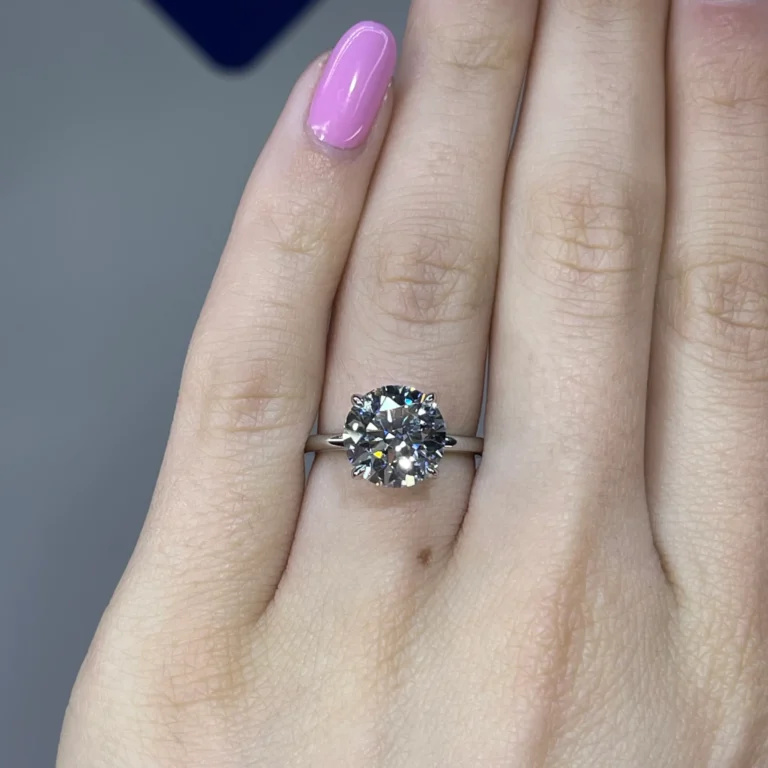
For many consumers, the ultimate goal is an "eye-clean" diamond – one where inclusions are imperceptible to the naked eye. This state is frequently achieved in diamonds graded VS2 or even SI1. These grades often represent the sweet spot for value, offering visual perfection without the premium price associated with higher clarity grades like VVS or IF.
Whiteflash, known for its stringent quality control and focus on cut precision, offers a curated selection of lab-grown diamonds. Their detailed documentation and light performance imaging empower buyers to confidently evaluate higher clarity options. James Allen distinguishes itself with its extensive inventory and 360-degree magnified videos, allowing consumers to personally inspect inclusions before making a purchase. Blue Nile provides a broad spectrum of certified lab-grown diamonds across various clarity grades, enabling flexibility in balancing visual appeal with budget constraints.

By leveraging the detailed imaging and virtual consultations offered by these retailers, consumers can effectively identify eye-clean diamonds, ensuring they are investing in beauty that is truly visible, not just stated on a report. This strategic approach allows for the allocation of funds towards other desirable attributes, such as carat weight or color, without compromising the overall aesthetic appeal of the diamond.
Clarity’s Interplay with Other Diamond Attributes
The perceived value of clarity is not absolute but is influenced by other diamond characteristics. The interplay between clarity, color, and cut can significantly impact a diamond’s appearance and price. For instance, pairing a high clarity grade with a near-colorless diamond (D-F range) can elevate the cost. Conversely, a diamond with a lower color grade (G-I range) might offer excellent value when combined with an SI clarity grade, as the subtle warmth of the color can help mask minor inclusions.
Cut quality often plays a more pivotal role in a diamond’s brilliance than clarity alone. An exceptionally well-cut diamond can refract and reflect light so effectively that it can mask minor clarity imperfections, making them less noticeable to the naked eye. Therefore, a diamond with an excellent cut and a VS or SI clarity grade might exhibit more dazzling sparkle than a higher-clarity diamond with a subpar cut. This highlights the importance of a holistic evaluation of all the 4Cs – cut, color, clarity, and carat weight – rather than focusing on a single attribute in isolation.
The Enduring Nature of Lab-Grown Diamonds: Clarity Over Time
A common misconception that can deter potential buyers is the notion that lab-grown diamonds might degrade in clarity or appearance over time. This concern is often rooted in confusion with diamond simulants, such as cubic zirconia, which can indeed become cloudy or dull with age due to material instability. However, lab-grown diamonds, being chemically and physically identical to natural diamonds, do not undergo such degradation.

Their internal clarity characteristics remain fixed, unaffected by normal wear and tear, environmental factors like air, humidity, or light exposure, or the passage of time. Any perceived loss of sparkle is almost invariably attributable to surface residue – accumulated oils, lotions, or dirt – which can be easily rectified through regular cleaning. The inherent hardness of diamonds, a perfect 10 on the Mohs scale, ensures their internal structure remains stable. Accidental hard impacts can chip any diamond, and surface residue can temporarily obscure brilliance, but these are external issues and do not represent a change in the diamond’s intrinsic clarity.
The GIA Clarity Grading Scale Explained
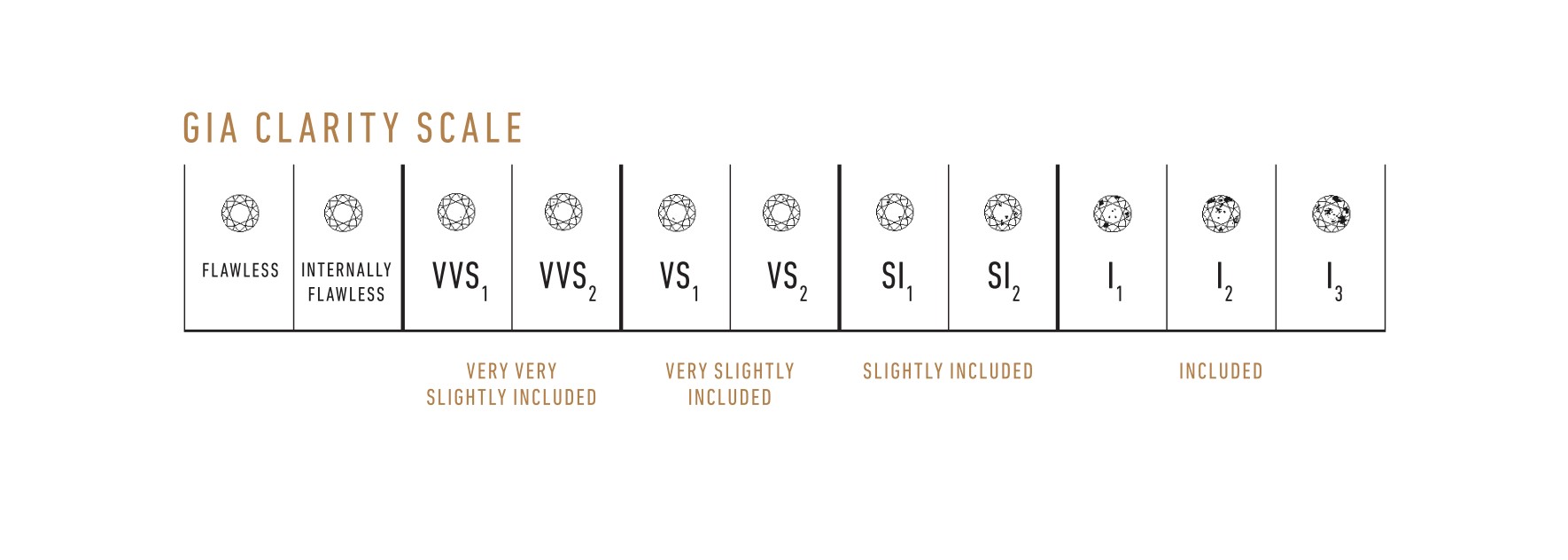
The GIA clarity grading scale is the industry standard, providing a consistent framework for evaluating the internal and external characteristics of diamonds. It comprises 11 distinct grades:
- Flawless (FL): No inclusions or blemishes visible under 10x magnification. These are exceptionally rare and represent the highest level of clarity.
- Internally Flawless (IF): No inclusions visible under 10x magnification, though minor surface blemishes may be present.
- Very Very Slightly Included (VVS1 and VVS2): Inclusions are extremely difficult to see under 10x magnification, even for trained graders. VVS1 is slightly cleaner than VVS2. These diamonds offer exceptional clarity with virtually no impact on naked-eye appearance.
- Very Slightly Included (VS1 and VS2): Inclusions are difficult to observe under 10x magnification and are classified as minor. VS1 inclusions are typically less prominent than those in VS2. These grades offer excellent value, with inclusions rarely affecting naked-eye beauty.
- Slightly Included (SI1 and SI2): Inclusions are noticeable under 10x magnification. While more evident than in VS grades, they are often invisible to the naked eye, especially in SI1, depending on their size, location, and type. These grades provide significant value.
- Included (I1, I2, and I3): Obvious inclusions are visible under 10x magnification and may affect transparency, brilliance, and potentially durability. I1 shows moderate effects, while I3 diamonds have the most pronounced flaws.
For most consumers, the ideal scenario is an "eye-clean" diamond, where any imperfections are not visible without magnification. This balance between perceived perfection and cost-effectiveness is often found within the VS2 and SI1 clarity grades. For larger diamonds (over 2 carats) or certain fancy shapes that may reveal inclusions more readily, careful scrutiny of high-resolution images and videos is crucial.
Strategic Selection: Balancing Clarity with Other Factors
When selecting a clarity grade, a strategic approach involves balancing the desired level of internal purity with other key diamond attributes and budget considerations. For those prioritizing absolute perfection or investing in high-color diamonds (D-F range), clarity grades of VS2 or higher are often recommended to maintain a pristine appearance. In these cases, any subtle flaw might contrast more noticeably against the diamond’s bright white body.

Conversely, SI1 and SI2 grades present a compelling value proposition. Many SI1 diamonds, and some SI2s, are eye-clean, offering significant savings compared to higher clarity grades. To ensure an eye-clean appearance in this range, detailed visual inspection is paramount. Reputable retailers provide high-resolution imagery and 360-degree videos, allowing consumers to examine diamonds thoroughly. Resources like PriceScope, with its extensive community and educational materials, can further aid in identifying eye-clean options within these value-driven clarity grades.
The interaction between clarity and color is also noteworthy. Near-colorless diamonds (G-I) often pair exceptionally well with SI clarity, striking a balance between visual appeal and affordability. Brilliant cut styles, such as round or princess cuts, are adept at concealing minor inclusions due to their multifaceted nature. Step-cut diamonds, like emerald or asscher cuts, expose inclusions more readily, thus requiring a higher clarity grade for an eye-clean appearance.
Conclusion: Empowering the Informed Consumer
The journey to purchasing a lab-grown diamond is significantly enhanced by a thorough understanding of clarity grading. By demystifying inclusion types, recognizing the equivalency of grading standards between natural and lab-grown diamonds, and strategically focusing on the "eye-clean" sweet spot, consumers can make informed decisions that maximize both visual beauty and financial value. The enduring nature of lab-grown diamonds ensures that their clarity, once certified, remains a constant, a testament to their quality and a lasting promise of sparkle.
Ultimately, the selection of a lab-grown diamond is a personal one, guided by a blend of aesthetic preference, budget, and an understanding of the technical specifications. With the wealth of information available through educational resources and online communities, the process of choosing a diamond that is both beautiful and represents sound value has never been more accessible.