



The burgeoning market for lab-grown diamonds presents consumers with a compelling alternative to traditional mined stones, offering significant cost savings and ethical considerations. However, navigating the nuances of diamond quality, particularly clarity, is crucial for making an informed purchase. Understanding the GIA clarity grading scale, from Flawless (FL) to Included (I3), can differentiate between overpaying for imperceptible perfection and securing a brilliant, eye-clean diamond at a more accessible price point. This comprehensive guide demystifies lab diamond clarity, explores common inclusions, and outlines strategies for maximizing value by focusing on visible beauty rather than microscopic imperfections.

The journey into understanding lab-grown diamond clarity begins with recognizing that these stones share the same physical, chemical, and optical properties as their natural counterparts. This means the grading standards, as defined by the Gemological Institute of America (GIA), are applied identically. The clarity of a diamond, whether grown in a laboratory or deep within the Earth, refers to the presence, size, number, position, and visibility of internal inclusions and external blemishes. These imperfections, formed during the controlled growth processes of High Pressure High Temperature (HPHT) or Chemical Vapor Deposition (CVD), are influenced by the precise conditions of their creation. While lab-grown diamonds often achieve higher clarity grades more readily and at a lower cost due to the controlled manufacturing environment, understanding these characteristics is paramount to avoiding unnecessary expenditure.
The GIA Clarity Scale: A Universal Standard
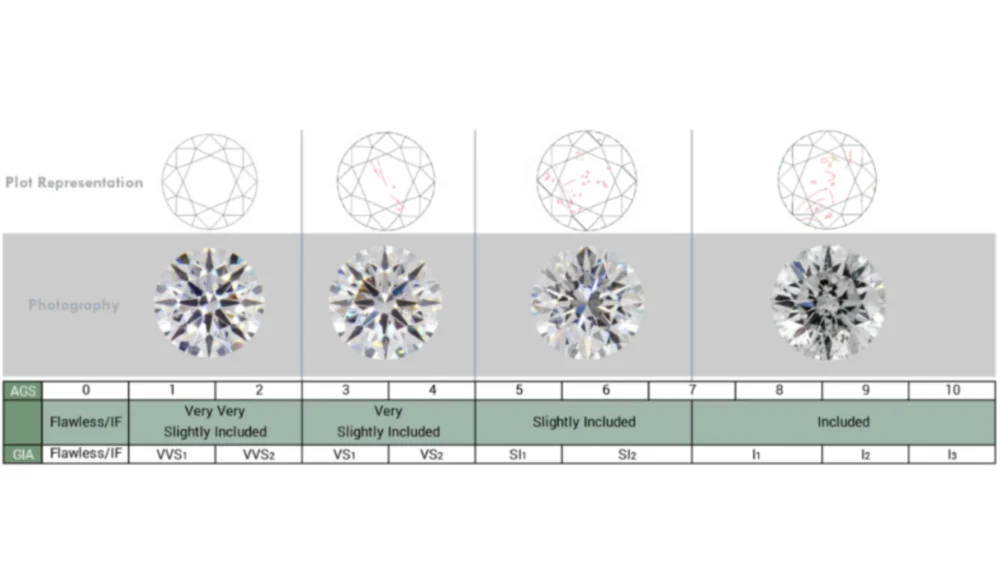
The GIA clarity scale is the industry benchmark for assessing diamond imperfections, comprising 11 distinct grades:
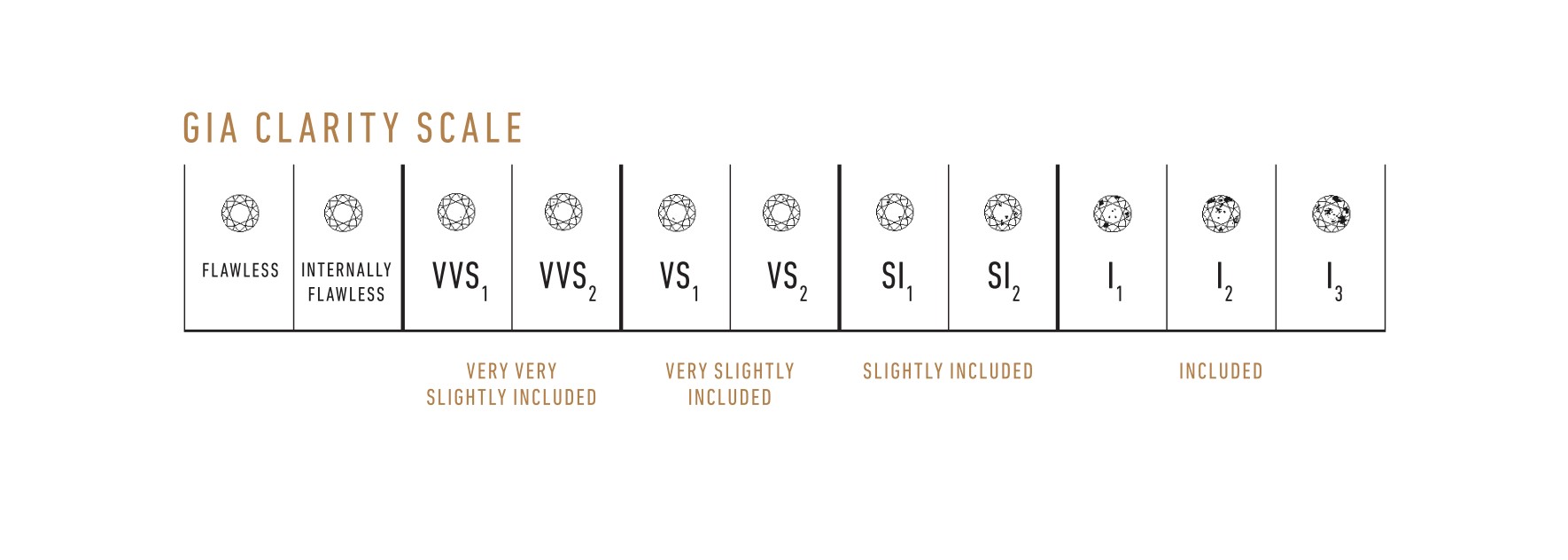
- Flawless (FL): No inclusions or blemishes visible under 10x magnification. These are exceptionally rare and command premium prices.
- Internally Flawless (IF): No inclusions visible under 10x magnification, though minor blemishes may be present on the surface.
- Very, Very Slightly Included (VVS1 and VVS2): Inclusions are extremely difficult to see under 10x magnification, even for expert graders. VVS1 is typically considered slightly superior to VVS2.
- Very Slightly Included (VS1 and VS2): Inclusions are difficult to observe under 10x magnification, classified as minor. VS1 is generally less prominent than VS2.
- Slightly Included (SI1 and SI2): Inclusions are noticeable under 10x magnification. These can range from relatively minor to more apparent, depending on their type and placement.
- Included (I1, I2, and I3): Inclusions are obvious under 10x magnification and can affect transparency and brilliance. I1 shows moderate effects, while I3 has the most pronounced flaws.
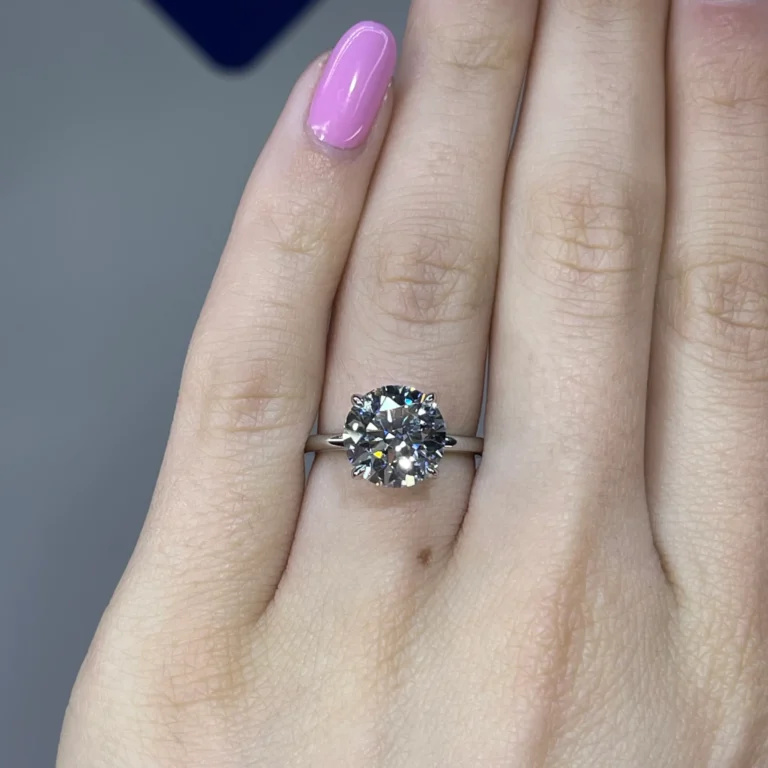
For consumers, the critical concept is "eye-clean." An eye-clean diamond is one where no inclusions or blemishes are visible to the unaided eye under normal viewing conditions. This is often achievable in diamonds graded VS2 or even SI1, depending on the specific characteristics and the diamond’s cut. Prioritizing eye-cleanliness over the absolute highest clarity grades can lead to substantial savings, allowing for investment in other aspects like carat weight or superior cut quality.
Common Inclusions in Lab-Grown Diamonds
Understanding the types of inclusions found in lab-grown diamonds provides further insight into their nature and potential impact on appearance:

- Needle Inclusions: These appear as slender, elongated lines resembling fine threads or needles. They often form along growth directions and can be transparent or dark. While small needles in higher clarity grades are typically invisible to the naked eye, larger or clustered needles can affect the overall clarity grade.
- Cloud Inclusions: Cloud inclusions are dense clusters of tiny pinpoints or remnants that create a hazy or milky zone under magnification. They can reduce transparency if extensive. In lab-grown diamonds, these often result from grouped growth remnants.
- Crystal (or Growth Remnant) Inclusions: These are small mineral or diamond-like particles trapped within the crystal structure. In lab-grown diamonds, they might be described as growth-related characteristics depending on the growth method. Their visibility and impact vary based on size, color, and contrast.
- Feather Inclusions: These are fractures or breaks within the diamond that resemble delicate feathers. They can be shallow or deep. Small, shallow feathers are often invisible to the naked eye, but deeper ones can pose structural concerns if they reach the surface.
- Pinpoint Inclusions: The most frequent type, pinpoints are tiny dots or specks, often black or white, visible only under magnification. They can appear individually or in groups. Isolated pinpoints generally have a negligible effect on a diamond’s appearance, making them acceptable in many value-oriented clarity grades.
The Economic Landscape: Clarity and Pricing
The clarity grade is a significant determinant of a lab-grown diamond’s price. As with natural diamonds, stones with fewer and less visible imperfections command higher prices. However, the economics differ. Because lab-grown diamonds are manufactured, their supply is not limited by geological scarcity in the same way as mined diamonds. This allows for more competitive pricing, especially in the mid-to-lower clarity ranges.
For instance, the price difference between a VS2 and a VVS1 diamond can be substantial, yet visually, both may appear identical to the naked eye. This presents an opportunity for consumers to acquire a larger or better-colored diamond by opting for a VS2 or even a well-chosen SI1, where inclusions are not readily apparent. The price jump becomes more pronounced as one moves towards the Flawless grades, reflecting the increasing difficulty and cost associated with achieving such pristine conditions.

Distinguishing Lab-Grown Diamonds from Simulants
It is crucial to differentiate lab-grown diamonds from diamond simulants like cubic zirconia or moissanite. While simulants may appear visually similar and are often marketed with high "clarity" claims, they are composed of different materials and lack the inherent durability, fire, and brilliance of genuine diamonds. Lab-grown diamonds, conversely, are chemically, physically, and optically identical to mined diamonds. This distinction is fundamental to understanding value. A certified lab-grown diamond with a VS2 clarity grade reflects true diamond value, whereas a simulant, regardless of its visual appearance, does not possess the same material integrity or long-term investment potential.
Longevity and Clarity: A Misconception Debunked
A persistent misconception is that lab-grown diamonds might degrade in clarity or sparkle over time, akin to some simulants. This is factually incorrect. Lab-grown diamonds, like natural diamonds, are exceptionally stable. Their internal clarity characteristics, formed during the growth process, do not change with age, exposure to light, or normal wear. Any perceived loss of sparkle is almost invariably due to surface buildup from oils, lotions, and environmental residue. Simple cleaning with mild soap and water or an ultrasonic cleaner will restore their original brilliance. The inherent hardness and chemical stability of diamond, whether lab-grown or natural, ensure that internal flaws remain fixed and unchanging for generations.

Strategic Selection: The "Eye-Clean" Approach
The most effective strategy for purchasing a lab-grown diamond, particularly regarding clarity, is to prioritize the "eye-clean" standard. This involves leveraging high-resolution imagery, 360-degree videos provided by reputable online retailers, and, where possible, consulting with gemological experts.
- Whiteflash: Known for its stringent quality control and detailed documentation, Whiteflash offers a curated selection of lab-grown diamonds, making it easier to evaluate higher clarity options with confidence. Their focus on cut precision also helps maximize brilliance.
- James Allen: Providing 360-degree magnified videos for every diamond, James Allen allows consumers to meticulously inspect inclusions themselves before making a purchase. This transparency is invaluable for assessing eye-cleanliness.
- Blue Nile: With a vast inventory of certified lab-grown diamonds across various clarity grades, Blue Nile offers flexibility to balance an eye-clean appearance with budget constraints. Their platform facilitates straightforward comparison of different clarity tiers.
By focusing on whether a diamond looks flawless to the naked eye, consumers can confidently select stones in the VS2 or SI1 range, often achieving significant cost savings that can be redirected to a larger carat size, a more vibrant color grade, or a superior cut. The cut quality, in particular, plays a crucial role in a diamond’s overall brilliance and sparkle, and an excellent cut can often mask minor inclusions more effectively than a higher clarity grade in a poorly cut stone.

The Role of PriceScope in Informed Decisions
Navigating the complexities of diamond clarity can be challenging. Online communities and educational resources play a vital role in empowering consumers. PriceScope, a leading diamond and jewelry forum, connects buyers with experts and fellow shoppers who have traversed similar decision-making processes. This platform facilitates detailed discussions on clarity grades, comparison of inclusions across different lab diamonds, and advice on identifying which inclusions to avoid based on specific setting and shape preferences. The availability of user-submitted photos of inclusions, pricing tools, and vetted vendor partnerships provides a comprehensive ecosystem for making informed and confident purchases.
Ultimately, the pursuit of a lab-grown diamond should be about achieving a balance between visual beauty, durability, and responsible spending. By understanding the GIA clarity scale, recognizing common inclusion types, and prioritizing the "eye-clean" standard, consumers can confidently select a stunning lab-grown diamond that offers exceptional value and enduring sparkle. The advancements in lab-grown diamond technology, coupled with transparent grading and accessible information, have democratized access to beautiful, high-quality diamonds for a broader audience.