
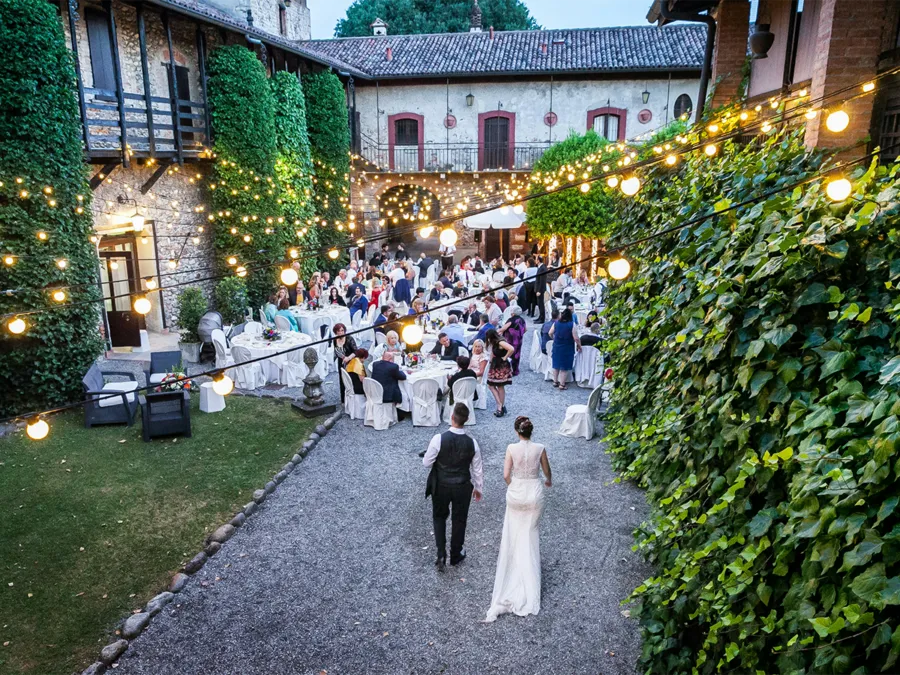
The concept of an "expensive" wedding is inherently subjective, varying dramatically based on individual financial circumstances and perspectives. For a couple with substantial disposable income, perhaps earning $300,000 annually, a $50,000 wedding might represent a minor expenditure, comfortably absorbed without significant financial strain. However, for newlyweds navigating student loan obligations, existing credit card debt, and minimal savings, that identical price tag could precipitate profound and lasting financial hardship. This fundamental distinction underpins the critical discussion surrounding wedding expenditure: "expensive" is defined not by an absolute dollar figure, but by the act of spending beyond what one can realistically and comfortably afford, thereby compromising financial stability, mental well-being, or future aspirations. In this context, extravagant weddings indeed represent a misallocation of resources when they jeopardize a couple’s financial bedrock, mental health, or long-term dreams.
The Escalating Cost of Matrimony and the Wedding Industrial Complex
Over the past several decades, the average cost of weddings has seen a steady and often dramatic increase, fueled by a complex interplay of societal expectations, aggressive marketing, and the burgeoning "wedding industrial complex." In 1980, the average wedding cost approximately $11,000 (adjusted for inflation, roughly $35,000 today). By 2023, industry reports from sources like The Knot and WeddingWire indicated the national average wedding cost hovered around $30,000, with metropolitan areas frequently seeing figures upwards of $50,000 or even $100,000. These figures encompass a myriad of services and products, including venue rental, catering, photography, floral arrangements, attire, entertainment, and invitations.
The wedding industry, a multi-billion-dollar global enterprise, has masterfully cultivated an environment where lavishness is often equated with love and commitment. Through aspirational imagery in magazines, blogs, and increasingly, social media platforms, couples are subtly (and sometimes overtly) pressured to adhere to an ever-expanding checklist of "must-haves." This phenomenon, often dubbed the "wedding industrial complex," thrives on the emotional significance of the event, capitalizing on couples’ desires for a "perfect" day and their vulnerability to societal pressures. From designer gowns to bespoke cakes, destination bachelor/bachelorette parties, and elaborate decor, the industry continuously introduces new trends and elevates existing ones, pushing the perceived benchmark for an acceptable wedding higher and higher. This relentless marketing often instills a sense of inadequacy in couples who cannot, or choose not to, meet these escalating standards.
Defining "Expensive": A Personal Economic Threshold
The core argument against overspending on a wedding is not a condemnation of luxury itself, but a call for financial discernment. A wedding’s value is not proportional to its cost. Instead, its significance is derived from the intention, love, and clarity with which it is planned and celebrated. Being "savvy" in wedding planning is not synonymous with being "cheap"; rather, it signifies an intelligent and intentional approach to spending that aligns with a couple’s broader financial goals and values.
In a climate where a $30,000+ price tag is often presented as the "normal" baseline, it’s easy for couples to internalize the message that their love story is somehow less valid or less celebrated if it doesn’t involve designer labels, opulent florals, and five-figure receptions. This emotional manipulation overlooks the fundamental truth: a profoundly meaningful, magical, and unforgettable wedding day does not necessitate exorbitant expenditure. The true measure of an "expensive" wedding is when its cost actively undermines a couple’s current financial health or future aspirations.
The Perilous Path of Wedding Debt
One of the most concerning implications of runaway wedding spending is the widespread accumulation of debt. Recent financial studies highlight a troubling trend: approximately one in five couples incurs debt specifically to finance their wedding. Even more alarming, over half of these couples report that this debt subsequently introduced significant stress into their relationship during their early married life. This financial strain can cast a long shadow over the initial joy of matrimony, potentially delaying or even derailing critical future milestones.
The forms of debt can vary, from high-interest credit card balances and personal loans to borrowing from family members, which can introduce relational complexities. Starting a marriage saddled with substantial debt immediately places couples at a disadvantage. It can postpone the ability to save for a down payment on a home, invest in retirement accounts, fund educational pursuits, travel, or even start a family. Financial experts consistently advise against beginning a marriage with a significant debt burden, as financial disagreements are frequently cited as a leading cause of marital conflict and divorce. The financial industry generally agrees that disposable income should be prioritized for asset building and emergency funds, not for a one-day event that depreciates in financial value the moment it concludes.
Beyond the Budget: Psychological and Relational Stress
Beyond the tangible financial consequences, the pressure to host an elaborate wedding takes a significant toll on mental health and the marital relationship itself. The planning process, often spanning 12-18 months, can become a source of immense anxiety, stress, and conflict. Couples may find themselves consumed by logistical nightmares, vendor negotiations, and the overwhelming pressure to meet external expectations, often losing sight of the true purpose of the celebration.
When a wedding transforms from a joyful celebration of love into a performance designed to impress guests or adhere to social media aesthetics, its intrinsic value diminishes. While lavish details might garner "likes" on Instagram, genuine joy resides in unfiltered, authentic moments: the heartfelt vows, a grandmother’s tearful embrace, or an uninhibited dance floor filled with loved ones. These memories are not contingent on a five-figure budget. In fact, smaller, more budget-conscious weddings often foster a more intimate atmosphere, allowing couples more quality time with their guests, greater opportunity for personal touches, and significantly less stress. The memories forged in such settings are often more vivid and personal, focusing on interactions and emotions rather than invoices and vendor contracts. The psychological burden of maintaining appearances, particularly when financially strained, can overshadow the entire experience, leaving couples exhausted and emotionally drained rather than rejuvenated and excited for their future together.

The Wedding Industry’s Influence and Consumer Vulnerability
A critical aspect of understanding wedding overspending involves dissecting the tactics of the wedding industry. Many prominent wedding platforms and media outlets inadvertently perpetuate the narrative that there is a "correct" way to get married—a way that almost invariably involves significant expenditure. They showcase aspirational weddings, featuring the latest trends, luxury venues, and high-end services, subtly implying that anything less is somehow inadequate. This pervasive messaging exploits a common human vulnerability: the desire for social validation and the fear of missing out (FOMO).
Couples, especially those new to wedding planning, can easily fall prey to this manufactured need. They are presented with a checklist of trends and expectations, leading them to believe that their wedding must be a grand production rather than an authentic reflection of their unique love story and shared values. This industry-driven narrative often prioritizes consumerism over connection, pushing products and services that may not align with a couple’s true desires or financial capacity. Understanding this dynamic empowers couples to approach planning with a critical eye, discerning between genuine needs and commercially generated desires.
The Value Proposition: Authenticity Over Opulence
Ultimately, the most valuable elements of a wedding are not found in its price tag but in its authenticity. What guests truly seek is to witness and celebrate the genuine love and commitment between two people, not to be awed by the scale of the expenditure. Real connection, heartfelt moments, and shared joy consistently triumph over ostentatious production. This perspective shifts the planning paradigm from "How much should we spend?" to more profound questions: "What can we comfortably afford without incurring debt?" and "What truly matters to us, and what is merely external noise?"
When couples plan with purpose, guided by their core values rather than external pressures, the resulting celebration is not merely affordable; it is deeply aligned with who they are. This "savvy" approach prioritizes meaning, personal expression, and financial prudence, ensuring the wedding day serves as a joyful beginning to a shared life, free from the burdens of regret or debt.
Regret and Re-evaluation: Post-Wedding Perspectives
The sobering reality for many couples is that post-wedding regret regarding overspending is a widespread phenomenon. Surveys indicate that over 40% of newlyweds express remorse over the amount they spent on their wedding. This regret often stems from a realization that the expensive elements, such as specific decor, elaborate favors, or excessive guest counts, fade quickly from memory. What endures are the intangible aspects: the presence of loved ones, the emotional significance of the vows, and the joy of starting a new chapter.
Couples often look back and wish they had allocated those funds differently. That substantial sum could have served as a significant down payment on a house, funded an enriching year of travel, established a robust emergency fund, or contributed to long-term investment goals. The fleeting satisfaction of a lavish wedding pales in comparison to the enduring security and opportunities afforded by financial freedom. This retrospective view underscores the importance of foresight during the planning process, encouraging couples to consider the long-term impact of their spending decisions.
Strategic Planning: Building a Foundation for Financial Health
For couples embarking on wedding planning, adopting a strategic and intentional approach is paramount to ensuring financial health and relational well-being. This involves several key steps:
- Define "Comfortably Affordable": Before any vendor inquiries, establish a realistic budget based on current income, savings, and future financial goals. This means setting a figure that can be paid without drawing from essential savings, incurring high-interest debt, or sacrificing future investments.
- Prioritize Non-Negotiables: Identify the three to five elements that are truly most important to the couple (e.g., photography, food, specific venue). Allocate a larger portion of the budget to these priorities and be prepared to compromise on less critical aspects.
- Research and Compare: Thoroughly research vendors, comparing prices, services, and reviews. Do not be swayed by upselling tactics or perceived industry standards.
- Consider Alternatives: Explore non-traditional wedding options like elopements, micro-weddings, intimate backyard ceremonies, or destination weddings with smaller guest lists. These often offer unique experiences at a fraction of the cost.
- Open Communication: Maintain continuous and honest dialogue with your partner about financial decisions, expectations, and any anxieties related to spending. Transparency fosters trust and prevents misunderstandings.
- View Budget as a Tool, Not a Limitation: A well-defined budget serves as a filter, helping couples clarify what truly matters and eliminate extraneous expenses. This clarity is a powerful asset in navigating the often overwhelming world of wedding planning.
The Bottom Line: Love, Authenticity, and a Savvy Start
Ultimately, love, the cornerstone of marriage, carries no price tag. The most memorable and cherished weddings are not necessarily the most expensive; they are, unequivocally, the most authentic. The enduring message for all couples is to plan a day that genuinely reflects their unique relationship and shared values, rather than succumbing to the prescriptive dictates of the wedding industry.
Building a wedding day that resonates with personal identity, spending with deliberate intention, and resisting external pressures are the hallmarks of a truly savvy approach. Choosing meaning over marketing ensures that the celebration is a genuine reflection of commitment and joy, rather than a fleeting display of opulence. The smartest weddings are those that pave the way for a financially secure and emotionally robust start to married life, free from the shadow of debt and regret. Stay savvy, reject the hype, and plan your day, your way.