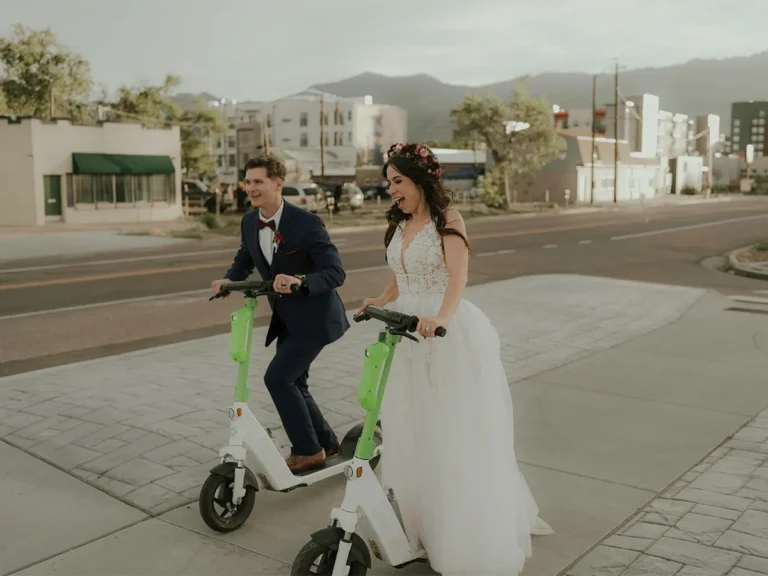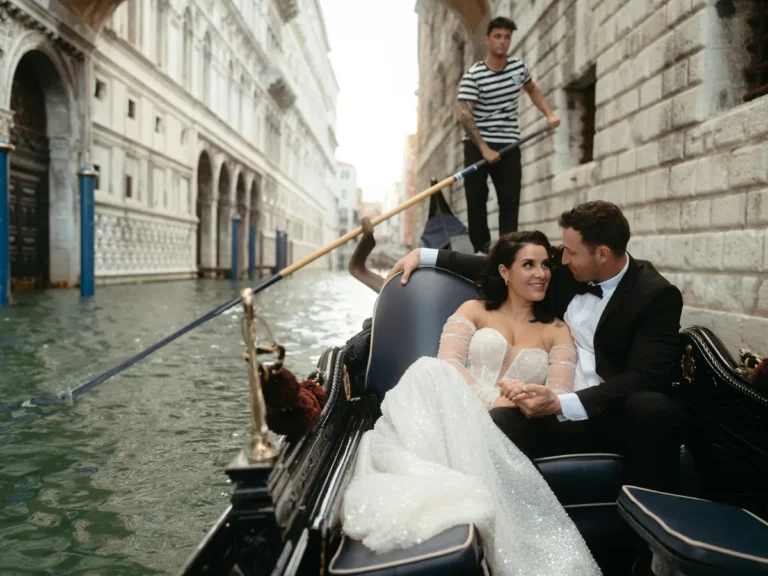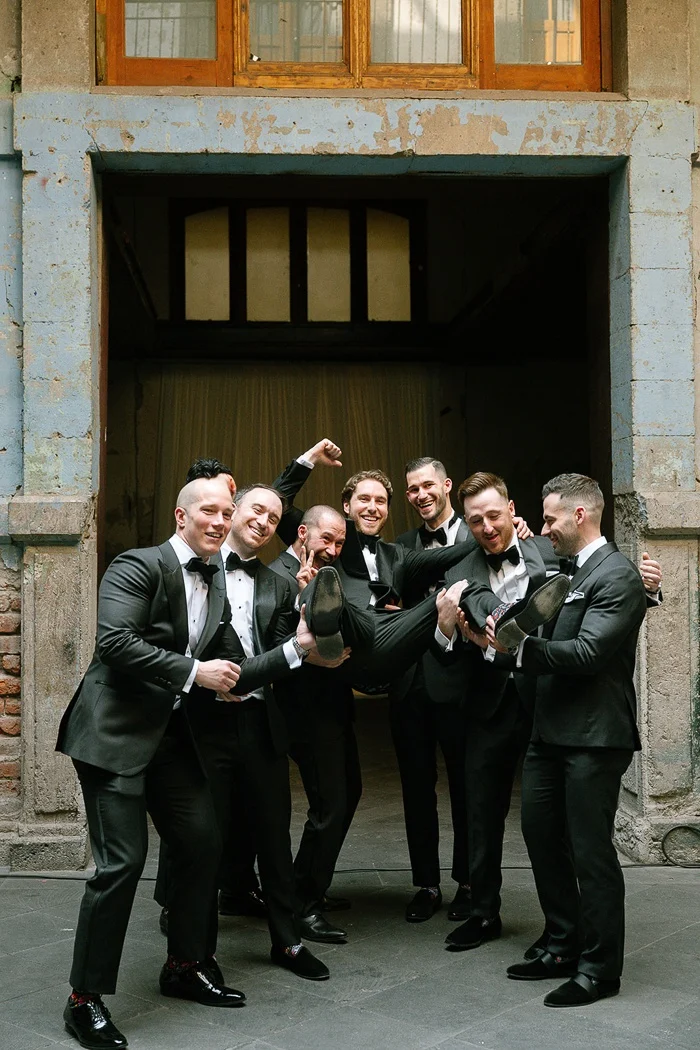



The contemporary landscape of matrimonial ceremonies is often characterized by an extensive array of perceived necessities, leading many couples to navigate a complex web of expectations that frequently overshadow the fundamental purpose of marriage. Popular culture, social media platforms, and a robust commercial industry have collectively fostered an environment where "wedding day must-haves" can extend to dozens, if not hundreds, of items and services, from bespoke stationery and elaborate floral installations to custom cocktail napkins and multi-tiered entertainment packages. However, a closer examination reveals that the actual legal and spiritual requirements for solemnizing a marriage are remarkably minimal, prompting a critical reassessment of what truly constitutes an essential element of a wedding. This article aims to deconstruct the pervasive myth of the exhaustive "must-have" list, providing a factual and objective analysis of the core components of marriage versus the vast array of optional additions driven by the modern wedding industrial complex.
The Foundational Pillars of Marriage: Legal and Ceremonial Essentials
At its absolute core, a wedding, from a legal standpoint, requires very few elements to be considered valid. The primary components necessary for a couple to legally unite typically include:
- A Valid Marriage License: Issued by the appropriate governmental authority (e.g., county clerk’s office in the United States), this document legally permits the couple to marry. Specific requirements vary by jurisdiction, often including proof of identity, age, and sometimes a waiting period.
- An Authorized Officiant: A person legally empowered to solemnize marriages. This can range from a civil judge or justice of the peace to a religious leader (e.g., minister, priest, rabbi, imam) or a designated state official. Their role is to conduct the ceremony and ensure all legal protocols are observed.
- Mutual Consent and Intent: Both parties must willingly and freely consent to the marriage, understanding its implications. This is often expressed through vows or declarations during the ceremony.
- Witnesses (in many jurisdictions): A specified number of individuals (commonly two) who are present at the ceremony to attest to the solemnization of the marriage. Their signatures on the marriage certificate confirm their presence.
These four elements — the license, the officiant, mutual consent, and witnesses (where required) — form the bedrock of a legally recognized union. Everything beyond these fundamental requirements, from attire and venue to catering and photography, falls into the category of optional enhancements, chosen by couples to personalize their celebration, reflect their cultural traditions, or accommodate their guests.
The Evolution of Wedding Expectations: From Ritual to Industry
The perception of what constitutes a "proper" wedding has undergone significant transformation over centuries, evolving from simple, community-centric rituals to the elaborate, often high-budget spectacles prevalent today. Historically, weddings were primarily contractual agreements, often arranged for economic or social benefit, with ceremonies being relatively modest affairs focused on legal recognition and familial blessing.
The mid-20th century, particularly the post-World War II era, marked a pivotal shift. Increased prosperity in many Western nations, coupled with the rise of mass media and advertising, began to romanticize the wedding experience. Hollywood films and magazines started portraying idealized ceremonies, creating aspirational benchmarks for couples. This period saw the nascent stages of what is now widely termed the "wedding industrial complex" – a vast network of vendors, services, and media dedicated to promoting and facilitating elaborate wedding celebrations.
The advent of the internet and subsequently, social media platforms like Pinterest and Instagram, further amplified this trend. Couples are now exposed to a constant stream of curated, picture-perfect wedding imagery, fostering a culture of comparison and an unspoken pressure to replicate or surpass these visual ideals. This digital ecosystem has made it easier for niche products and services to find their market, expanding the list of "must-haves" exponentially to include items that were once unimaginable or considered frivolous.
The Wedding Industrial Complex: Economic Drivers and Market Scale
The wedding industry is a significant global economic force. In the United States alone, the market size consistently hovers around tens of billions of dollars annually, with average wedding costs frequently reported in the range of $25,000 to $35,000, varying considerably by region and scope. Key sectors within this complex include:
- Venues and Catering: Often the largest expenditure, encompassing event spaces, food, and beverages.
- Attire: Wedding gowns, suits, and accessories for the bridal party.
- Photography and Videography: Professional services to capture the event.
- Floral and Decor: Elaborate arrangements, lighting, and thematic decorations.
- Entertainment: DJs, live bands, and other performers.
- Jewelry: Engagement rings and wedding bands.
- Planning Services: Professional wedding planners and coordinators.
- Miscellaneous: Invitations, favors, transportation, hair and makeup, and an endless array of personalized details.
Industry analysts highlight that while these services provide employment and support numerous small businesses, the competitive nature and aspirational marketing can create an environment where couples feel compelled to allocate significant financial resources to elements that are, by definition, optional. The persuasive marketing often frames these "extras" not just as desirable, but as integral to a "successful," "memorable," or "perfect" wedding day, leveraging emotional attachment and social validation.
Deconstructing the "Must-Have" Myth: Financial and Psychological Implications
The constant bombardment of "must-have" lists contributes significantly to financial strain and psychological stress for engaged couples. A 2023 survey indicated that a substantial percentage of couples admit to exceeding their initial wedding budget, with a notable proportion incurring debt to finance their celebrations. This debt can have long-term implications, potentially delaying other significant life milestones such as homeownership, starting a family, or saving for retirement.
Psychologically, the pressure to conform to idealized wedding standards can lead to:
- Decision Fatigue: The sheer volume of choices and options can be overwhelming, leading to stress and anxiety.
- Comparison Culture: Social media fosters a continuous cycle of comparing one’s wedding plans to others, often leading to feelings of inadequacy or the need to "keep up."
- Loss of Focus: The emphasis can inadvertently shift from the solemnization of love and commitment to the execution of a performance or a logistical event.
- Interpersonal Conflict: Financial pressures and differing expectations regarding optional elements can create tension between partners and with family members.
Experts in financial planning frequently advise couples to critically evaluate each proposed expenditure against their overall financial goals and personal values. "While a wedding is a deeply personal and significant event, it’s crucial for couples to prioritize their long-term financial health over short-term gratification or external pressures," states a generalized financial advisor’s perspective. "Entering a marriage burdened by substantial debt for a single day’s event can create unnecessary stress at the very beginning of a new life together."
Statements and Trends: Reclaiming Authenticity
In response to the escalating costs and pressures, a discernible counter-movement has gained momentum. Many couples, and even a segment of the wedding industry, are advocating for a return to authenticity, personalization, and intentionality over extravagance.
- Micro-Weddings and Elopements: The COVID-19 pandemic significantly accelerated the trend of smaller, more intimate ceremonies. However, even post-pandemic, many couples are choosing these formats not out of necessity but preference, valuing genuine connection and a relaxed atmosphere over large-scale productions.
- Budget-Savvy Planning: Resources and communities dedicated to helping couples plan meaningful weddings without excessive spending are thriving. These platforms emphasize DIY elements, smart vendor choices, and a focus on what truly matters to the couple.
- Vendor Adaptability: Many wedding professionals, from photographers to caterers, are increasingly offering more flexible and customizable packages, acknowledging that not every couple desires or can afford a full-scale, traditional event. They are adapting to serve a market that prioritizes value and genuine expression.
- Shift in Values: There’s a growing sentiment that the most memorable weddings are not necessarily the most expensive, but those that genuinely reflect the couple’s personality, values, and love story. The focus is shifting from impressing guests to creating a joyful, authentic experience for the couple and their closest circle.
"Our goal is to help couples design a day that feels true to them, not to a Pinterest board," notes a composite wedding planner’s viewpoint. "It’s about identifying their core values – is it family, food, dancing, or simply a beautiful, quiet commitment? Then, we build the day around those priorities, eliminating anything that doesn’t serve that vision."
Strategic Planning: Prioritizing Values and Intentional Choices
For couples embarking on wedding planning, adopting a strategic and intentional approach is paramount. This involves:
- Defining Core Values: Before making any decisions, discuss what aspects of the day are most important to both partners. Is it an intimate ceremony, a large celebration, exceptional food, specific photography, or simply the presence of loved ones?
- Setting a Realistic Budget: Based on financial capacity, establish a clear budget and adhere to it. Allocate funds to the highest-priority items first.
- Differentiating "Want" from "Need": Scrutinize every item on a potential "must-have" list. Ask: "Does this truly enhance our marriage or our celebration in a way that aligns with our values and budget, or is it an external expectation?"
- Embracing Flexibility: Be open to alternative solutions. A non-traditional venue, a potluck reception, or a carefully curated playlist instead of a live band can significantly reduce costs without compromising meaning.
- Seeking Unbiased Advice: Consult with financial advisors or wedding planners who prioritize budget and practicality, rather than solely focusing on upselling.
The true essence of a wedding lies not in the ephemeral details of decorations or the grandeur of a venue, but in the profound declaration of commitment between two individuals. While the wedding industrial complex will continue to offer an enticing array of services and products, understanding the distinction between legal necessities and optional enhancements empowers couples to make choices that are financially prudent, psychologically healthy, and genuinely reflective of their unique bond. Ultimately, the most enduring "must-have" for a successful marriage is a strong foundation built on mutual love, respect, and shared values, not an extensive shopping list.