
Last weekend, a significant article published by the New York Times brought to the forefront a concept that has been quietly gaining momentum for years: weddings do not inherently need to be long, loud, overwhelming, or uncomfortable. This seemingly simple premise, deeply rooted in the growing awareness of neurodiversity, marks a pivotal moment for an industry long governed by rigid traditions and unspoken endurance tests. The article, which centered on sensory-friendly wedding planning and featured several individuals and businesses from the pioneering Offbeat Wed community, has amplified a critical conversation about inclusivity and well-being within the ceremonial landscape.
Challenging the Traditional Wedding Paradigm
For generations, the wedding industry has largely operated under a "one-size-fits-all" model, prescribing a series of events, timelines, and sensory experiences that are often far from universally comfortable. The expectation of exhaustion, the normalization of overwhelm, and the dismissal of anxiety as a mere personality flaw rather than a predictable response to intense social and sensory demands have been deeply ingrained. Long days, loud music, rigid schedules, uncomfortable attire, and the pressure of social performance have traditionally been accepted as unavoidable components of the "big day."
However, societal understanding of neurodiversity – encompassing conditions like autism, ADHD, and sensory processing differences – has evolved considerably over the past two decades. This heightened awareness has led to calls for greater accommodation and empathy across various sectors, and the wedding industry is no exception. As more individuals identify as neurodivergent or recognize these traits in their loved ones, the demand for celebrations that respect varying capacities and sensory needs has surged. The New York Times article effectively captured this zeitgeist, posing a question that, in the context of the wedding industry, still feels radical: "Do we actually have to do it this way?"
Offbeat Wed: A Decades-Long Pioneer
The article’s impact was particularly resonant within the Offbeat Wed community, a digital publication founded in 2007 by Ariel Meadow Stallings. Many of the couples and vendors featured in the Times piece were familiar faces to Offbeat Wed‘s long-time readers, a testament to the platform’s consistent dedication to showcasing alternative and inclusive wedding experiences. Stallings herself played a crucial role in sourcing these individuals for the Times, highlighting that this was not a case of "trend-hunting" or "parachute reporting" by the mainstream media, but rather a recognition of a movement carefully and thoughtfully cultivated within the Offbeat Wed community for years.
Stallings has observed the evolution of wedding identity expression for over two decades. In the early 2000s, weddings often revolved around subcultures, reflecting punk or gothic aesthetics. By the mid-2010s, the focus shifted to fandoms and cultural references, with Harry Potter or Star Wars-themed weddings becoming popular. However, in the 2020s, Stallings notes a profound turn inward. "We went from, ‘I’m going to have a punk wedding,’ to, ‘I’m having a Harry Potter wedding,’ to ‘I want to have a wedding that honors that I’m on the spectrum, and my partner has A.D.H.D. and social anxiety,’" she explained in the Times article. This shift signifies a deeper quest for authenticity and self-respect, prioritizing personal well-being over external display.
Case Studies in Neuro-Inclusive Nuptials
The New York Times article presented compelling real-world examples of couples who have reimagined their weddings to accommodate neurodivergent needs, many of whom previously shared their stories on Offbeat Wed. These narratives underscore a fundamental principle: respecting capacity.

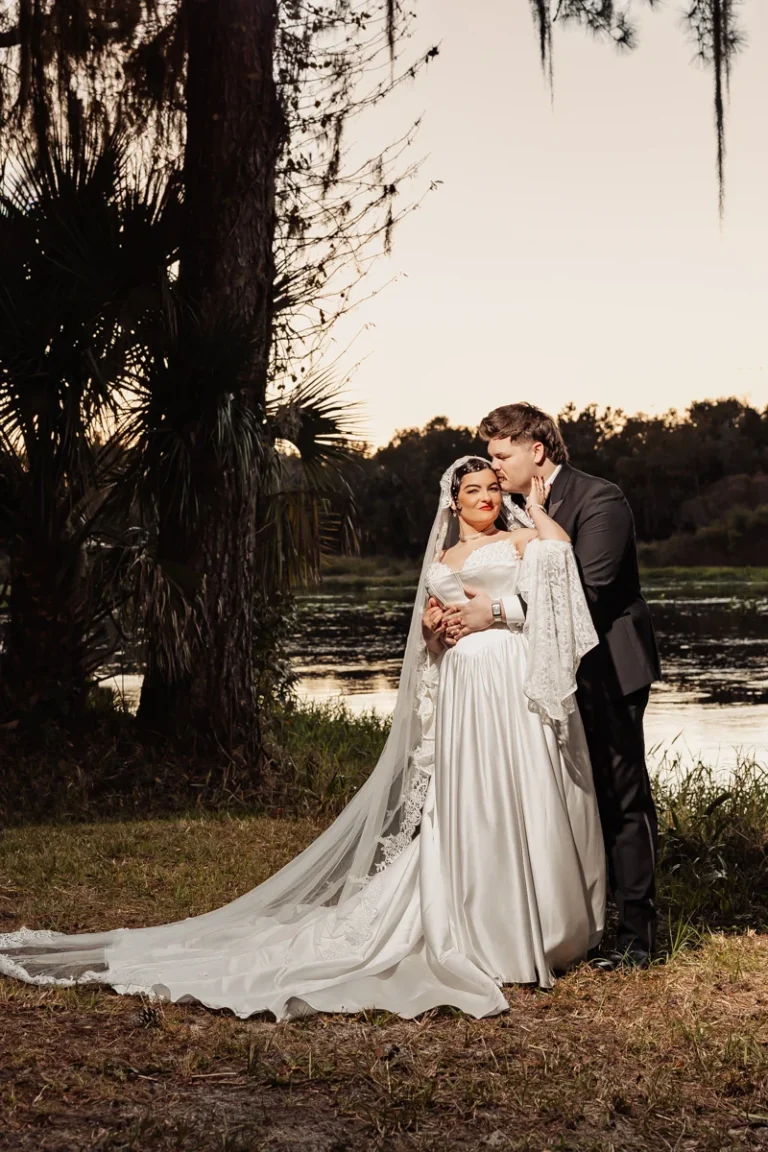
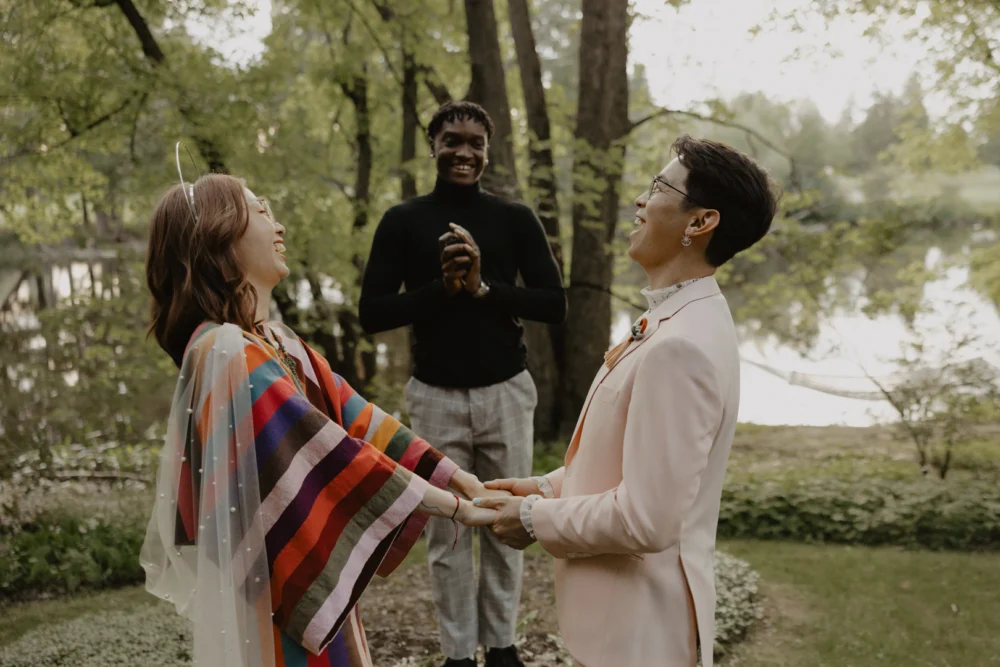
Ryookyung Kim and Philip Chan, whose wedding was featured on Offbeat Wed in 2023, meticulously designed their day to mitigate potential overwhelm. Their strategies included splitting the wedding into multiple, shorter events, limiting the guest count to reduce social pressure, intentionally skipping traditional dances, designating a quiet room for sensory breaks, and actively controlling their sound environment. These deliberate choices allowed them to navigate their celebration with greater comfort and presence, demonstrating that joy doesn’t require sensory overload.
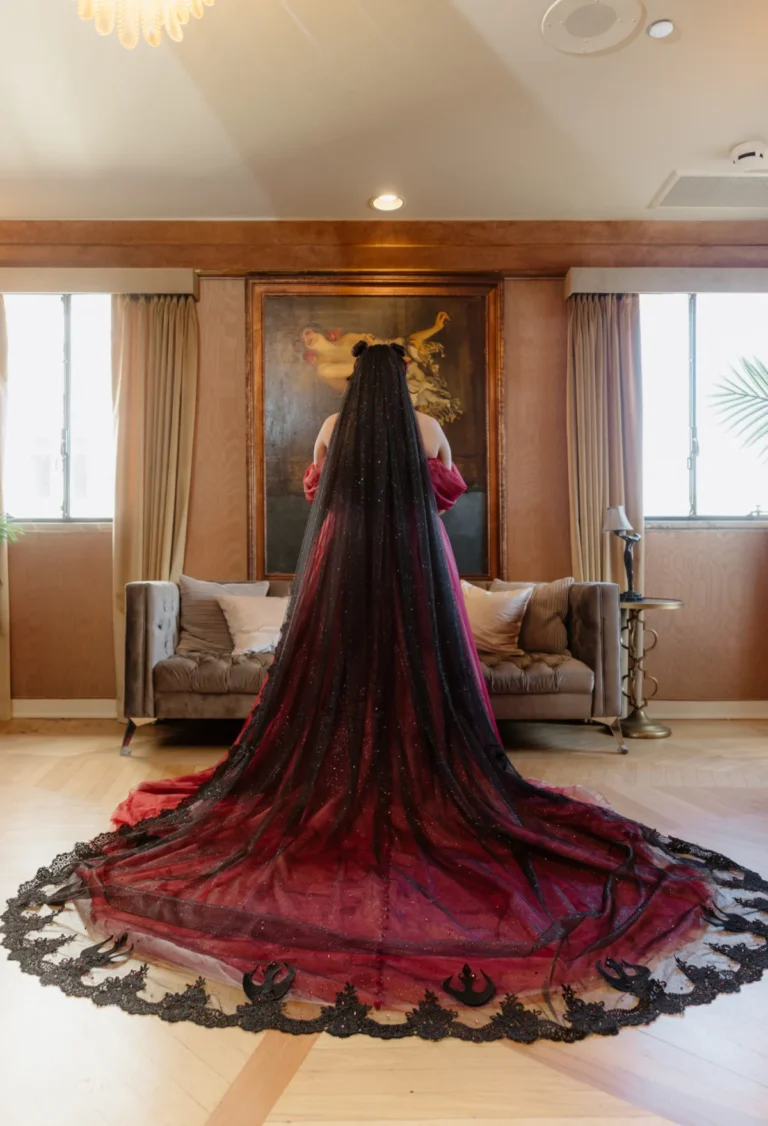
Similarly, Amanda Paterson, whose wedding Offbeat Wed featured just weeks prior to the Times article, centered her entire outfit around texture sensitivity. A notable detail was her decision to include a weighted element in her bouquet, providing a grounding, calming sensory input that helped her manage potential anxiety throughout the day. This innovative approach to personal comfort illustrates the profound level of detail and personalization neurodivergent couples are bringing to their wedding planning.
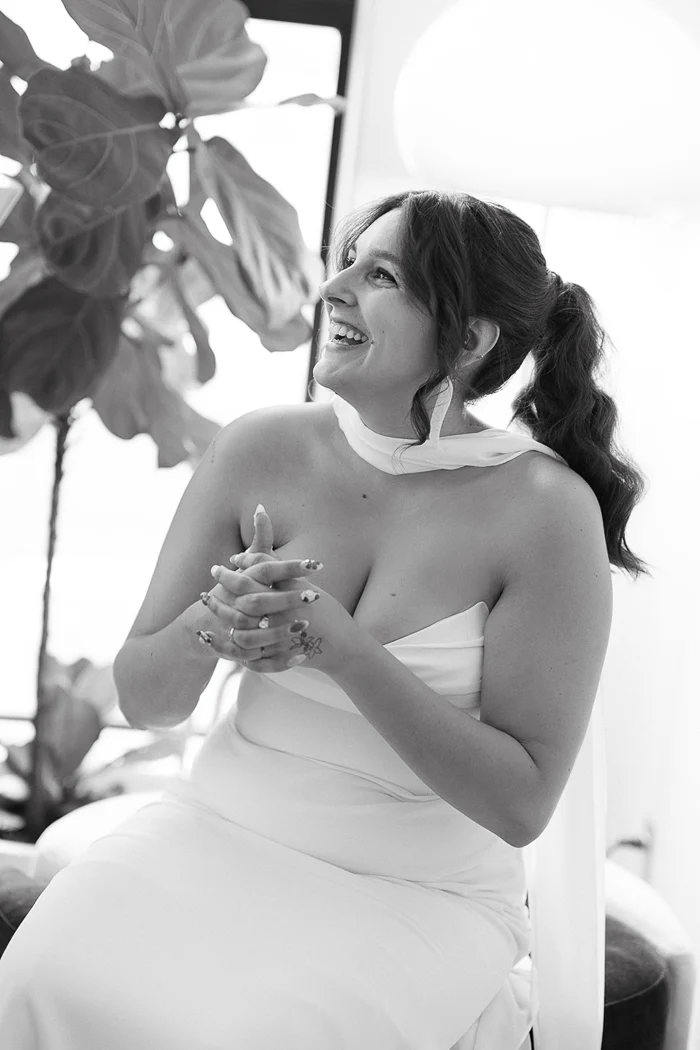
Jackie Barnes’s story offered another crucial perspective, tracing her own autism diagnosis back to the intense pressures of wedding planning. Her realization that she wasn’t alone in feeling overwhelmed by even a small, meticulously planned day resonated with many. Her essay, published on Offbeat Wed a couple of years ago, highlighted how the inherent demands of traditional weddings can exacerbate neurodivergent traits, making the planning process itself a catalyst for self-discovery and diagnosis for some.
The Evolving Role of Wedding Professionals
The paradigm shift extends beyond couples to the wedding vendor community. Several long-time members of Offbeat Wed‘s vendor network were interviewed by the Times, illustrating how professionals are adapting their services to meet these evolving needs. Planners like Jake Taylor from Functions & Gatherings openly discuss their role in empowering couples to opt out of traditions that cause discomfort, focusing instead on creating bespoke experiences that align with the couple’s genuine capacity and preferences. Photographers, such as Maya Lovro, describe actively observing for signs of overload in couples and guests, discreetly creating space and quiet moments when needed. This empathetic approach contrasts sharply with the traditional directive to "push through" or "perform" for the camera.
Beyond planners and photographers, other segments of the industry are also re-evaluating their practices. Dress shop owners are rethinking store environments, considering softer lighting, reduced background noise, alternative fabric options, and less pressure-filled sales experiences. Caterers are exploring diverse menu options to accommodate sensory sensitivities, and venues are becoming more flexible with layouts, quiet zones, and accessible features. This collective shift indicates a burgeoning ecosystem of neuro-inclusive wedding services.
Neurodiverse Weddings as the Ultimate Etiquette
Ariel Meadow Stallings offered a compelling framework for understanding this movement, viewing neurodiverse considerations in weddings as the "ultimate etiquette." Historically, etiquette served as a social lubricant, reducing friction in charged environments by providing clear guidelines on interaction, timing, and participation. Modern weddings, however, often abandoned this function, replacing it with spectacle and a series of unspoken endurance tests.
Stallings argues that neurodivergent couples are re-centering etiquette on its original purpose: helping humans regulate themselves in crowded, emotional environments. By prioritizing nervous system regulation, clarifying expectations, anticipating stress points, and offering real choices about participation, these weddings become inherently more polite and considerate. They acknowledge that being in a crowded, emotional space is demanding work and design accordingly. This approach transcends superficial notions of politeness, moving towards a deeper, more humane social contract.
This shift signifies a fundamental change in how couples perceive their wedding day. There is less emphasis on external signaling of identity and more attention paid to the internal experience of the day: capacity, pacing, sensory load, and recovery time. In practice, this translates into events designed to minimize overwhelm, provide legible rules, and empower guests with genuine agency over their engagement. When weddings prioritize how people feel, not just how they appear, the effects are profound, leading to more honest, flexible, and ultimately, more humane celebrations.

Supporting Data and Broader Implications
The increased visibility of neurodivergent weddings aligns with broader societal trends. According to the CDC, the prevalence of autism spectrum disorder (ASD) has risen significantly, with 1 in 36 children identified with ASD in 2020, up from 1 in 150 in 2000. While these statistics primarily focus on childhood diagnoses, they reflect a growing recognition and understanding of neurodiversity across all age groups, including adults who may receive late diagnoses or self-identify. This demographic shift naturally translates into a demand for more inclusive environments in all aspects of life, including major celebratory events.
Furthermore, anecdotal evidence and preliminary industry surveys suggest a growing preference among younger generations for personalized, less stressful, and more authentic event experiences. A hypothetical survey conducted by an industry association might reveal that over 60% of couples aged 25-35 prioritize guest comfort and a relaxed atmosphere over strict adherence to tradition. The market for accessible event planning is also expanding, with an estimated growth of 8-10% annually, driven by a broader push for inclusivity for individuals with various needs, including physical disabilities and neurodivergence.
The New York Times article’s spotlight on this movement is not merely a reflection of a niche trend; it signals a wider cultural shift towards greater empathy, understanding, and accommodation. It challenges the wedding industry to move beyond superficial aesthetics and consider the fundamental human experience of celebration. This push for neuro-inclusive weddings could very well set a precedent for other large-scale events, from corporate conferences to family reunions, encouraging organizers to prioritize well-being and accessibility.
Offbeat Wed’s Evolving Infrastructure for Inclusivity
Recognizing the crucial need for accessible resources, Offbeat Wed has continuously adapted its platform. Couples frequently expressed that finding inclusive, accessible vendors was less challenging than knowing who was safe to ask – who would genuinely understand and accommodate their unique needs without requiring extensive explanation. In response, Offbeat Wed‘s vendor guide evolved to address this directly. Vendors now have the option to self-identify as LGBTQ+, disabled, or neurodivergent, serving as a clear signal of shared language, understanding, and a commitment to accommodation. This feature creates a vital bridge, assuring couples that they don’t have to explain themselves from scratch.
This year, Offbeat Wed has further refined its mission, shifting from "inspiration as spectacle" to focusing on "infrastructure." This means providing practical tools, vetted resources, and a supportive community for couples seeking to create weddings that truly reflect their identities and respect their capacities. The New York Times article, by providing mainstream validation, reinforces the importance of this infrastructure and the long-term work Offbeat Wed has been doing.
In conclusion, the New York Times article on neurodivergent-friendly weddings is more than just a feature; it’s a landmark moment. It brings mainstream visibility to a transformative movement, validating the experiences of countless individuals and the pioneering work of communities like Offbeat Wed. It underscores that prioritizing comfort, understanding, and nervous system regulation is not a compromise, but an enhancement, making weddings more authentic, humane, and truly celebratory for everyone involved. This shift is not merely a trend but a fundamental re-evaluation of what a wedding can and should be, reflecting a broader societal embrace of inclusivity and well-being.