


The allure of a dazzling diamond has captivated humanity for centuries, and in recent years, a significant shift has occurred in how these precious gems are sourced and perceived. Lab-grown diamonds, once a niche curiosity, are now a prominent feature in the jewelry market, prompting consumers to carefully consider their origins, value, and implications. This evolving landscape necessitates a thorough understanding of what lab-grown diamonds are, how they are created, and the factors that influence their appeal.
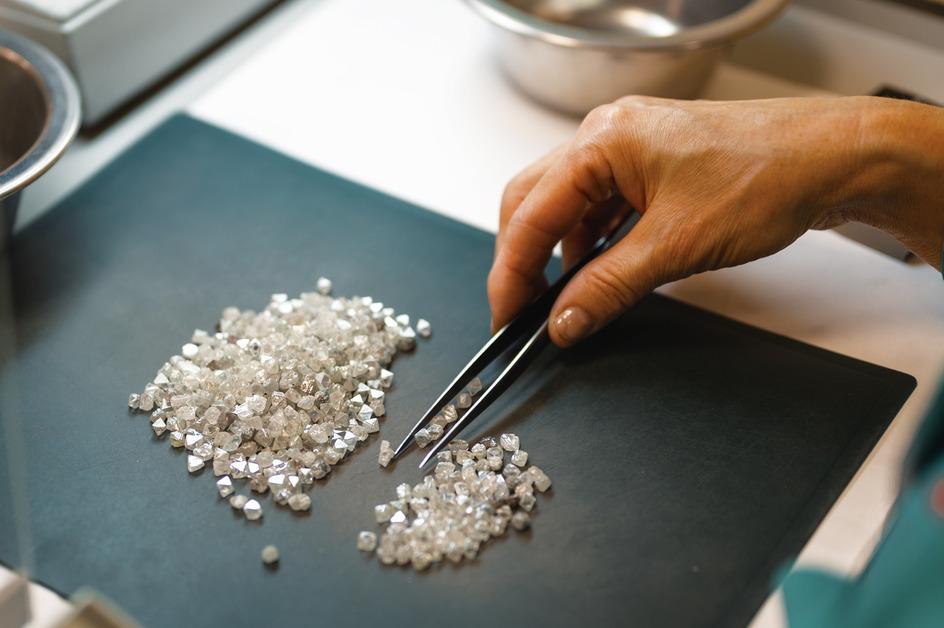
The term "lab-grown diamond" itself signifies a departure from traditional diamond mining. These stones are not imitations or simulants; they are genuine diamonds, possessing the same chemical composition (pure carbon arranged in a crystal lattice), physical properties, and optical characteristics as their naturally occurring counterparts. The fundamental difference lies in their genesis: lab-grown diamonds are cultivated in controlled laboratory environments over weeks or months, rather than being formed by geological processes deep within the Earth over billions of years. This technological advancement allows for consistency, predictability, and a documented origin, offering a compelling alternative for consumers.

The creation of lab-grown diamonds is a testament to scientific innovation, primarily employing two distinct methods: High Pressure, High Temperature (HPHT) and Chemical Vapor Deposition (CVD).
The HPHT method meticulously replicates the extreme conditions found deep within the Earth’s mantle where natural diamonds are formed. In this process, a small diamond seed crystal is placed in a growth cell alongside a pure carbon source, typically graphite, and a metal catalyst such as nickel or iron. Specialized presses then subject this cell to immense pressures, exceeding 870,000 pounds per square inch, and temperatures around 2,700 degrees Fahrenheit. Under these rigorous conditions, the carbon dissolves in the molten catalyst and recrystallizes layer by layer onto the seed crystal over a period of days to weeks. Upon completion, the resulting rough diamond is extracted, cleaned, and prepared for cutting and polishing. While effective in producing diamonds with strong crystal structures, HPHT-grown diamonds may occasionally contain tiny metallic inclusions visible under close examination.
In contrast, the CVD method employs a gas-based growth process within a vacuum chamber. Multiple diamond seed wafers are positioned on a base, and the chamber is filled with a mixture of hydrocarbon gases, such as methane and hydrogen. Energy sources, often microwaves, are used to create a plasma that breaks down these gases at approximately 1,500 degrees Fahrenheit. This process releases free carbon atoms that then settle and form crystal layers onto the diamond seeds in a controlled, directional manner. This typically occurs at a rate of 0.01 to 0.1 millimeters per day, with the growth process spanning several weeks to achieve the desired size. Following growth, the crystal plates are cut into individual diamonds and may undergo treatments like annealing to enhance color if necessary. CVD often yields diamonds with high clarity and uniformity due to the low-contamination environment.
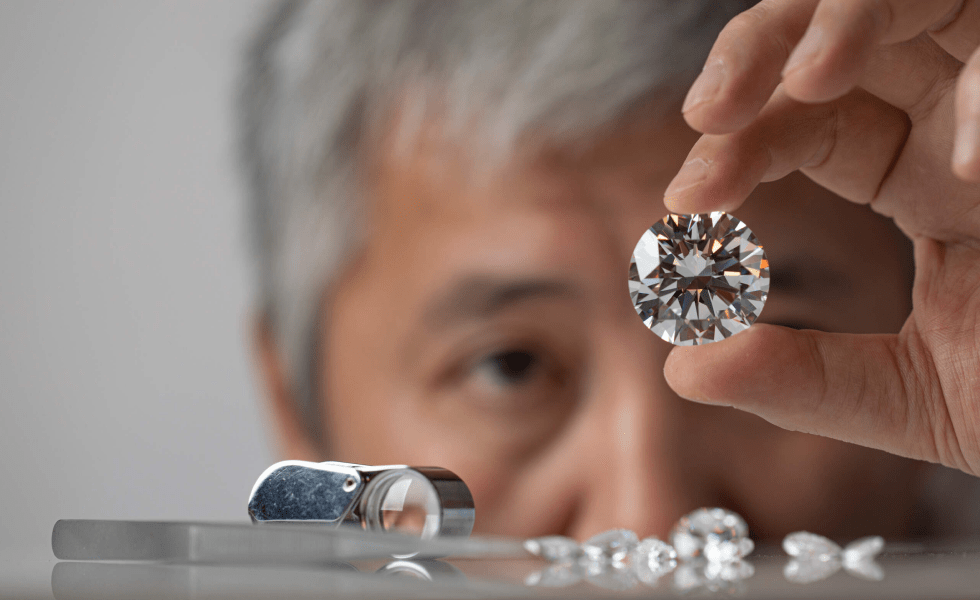
While both HPHT and CVD methods result in real diamonds, their operational differences influence the final product. HPHT’s rapid, high-pressure approach can lead to diamonds with varied growth directions and potential metallic traces. CVD, with its layered, plasma-driven deposition, generally produces diamonds with fewer inclusions and more consistent properties. HPHT is often favored for higher-volume production and specific color requirements due to its shorter turnaround times, whereas CVD excels in producing larger, purer stones over extended growth periods.
The evolution of synthetic diamond production dates back to the mid-20th century. Initial breakthroughs in the 1950s saw the successful creation of small, industrial-grade crystals using high-pressure techniques. Pioneering research in the United States and Sweden laid the groundwork for these early successes. By the 1970s, advancements had led to the production of the first gem-quality diamonds suitable for jewelry. The subsequent decades witnessed significant improvements in scale and purity, particularly from the 1980s onwards, with the rise of CVD methods complementing the established HPHT processes. This technological progression has dramatically reshaped the diamond industry, enabling the widespread availability of consistent, high-quality gems.
Evaluating lab-grown diamonds involves the same rigorous standards applied to natural diamonds. Independent gemological laboratories, such as the Gemological Institute of America (GIA) and the International Gemological Institute (IGI), assess them based on the universally recognized "4 Cs": cut, color, clarity, and carat weight. These evaluations ensure that consumers receive diamonds that meet established quality benchmarks. Furthermore, reputable grading reports typically include laser inscriptions on the girdle, identifying the diamond’s laboratory origin, and may provide spectral or imaging data that highlight unique growth patterns, such as flux remnants in HPHT diamonds or striations in CVD diamonds, thereby ensuring transparency and accurate identification.
The question of whether lab-grown diamonds are "real" diamonds has been a subject of much discussion. However, leading authorities like the GIA and the U.S. Federal Trade Commission (FTC) have affirmed their authenticity. The FTC, in fact, removed the word "natural" from its definition of diamonds, legally classifying lab-grown diamonds as diamonds. This recognition stems from their identical atomic structure and inherent properties. The primary distinction remains their origin: one is a product of natural geological processes, while the other is a result of advanced human technology.
The market for lab-grown diamonds has experienced substantial growth. In 2022, they constituted approximately 25% of all engagement rings sold in the United States, a significant increase from previous years. The number of independent jewelers offering lab-grown options has surged to over 1,200, a stark contrast to fewer than 300 in 2017. This heightened awareness, driven by extensive consumer education campaigns, has positioned the U.S. as the leading single-country market for lab-grown diamonds. Projections indicate continued expansion, with the global lab-grown diamond industry expected to reach approximately USD 33,454 million in 2026 and nearly double to USD 68,791 million by 2035, growing at a compound annual growth rate (CAGR) of 8.34%.
The appeal of lab-grown diamonds is multifaceted, with several key advantages influencing consumer choices.
Optical Properties and Durability:
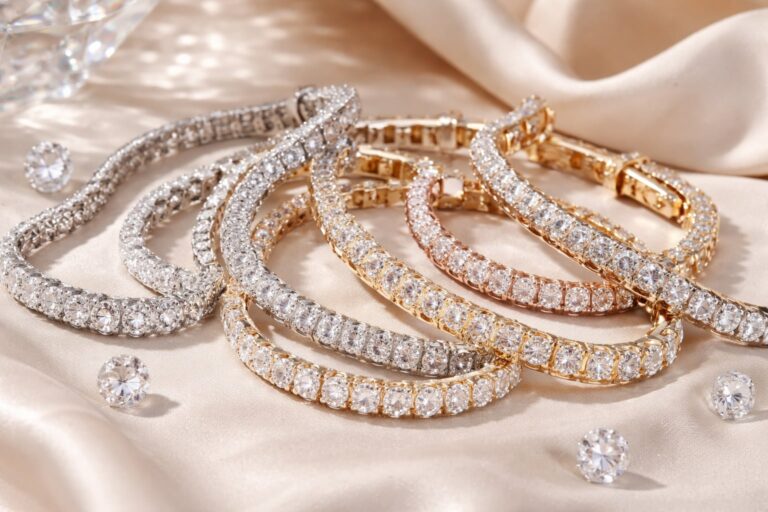
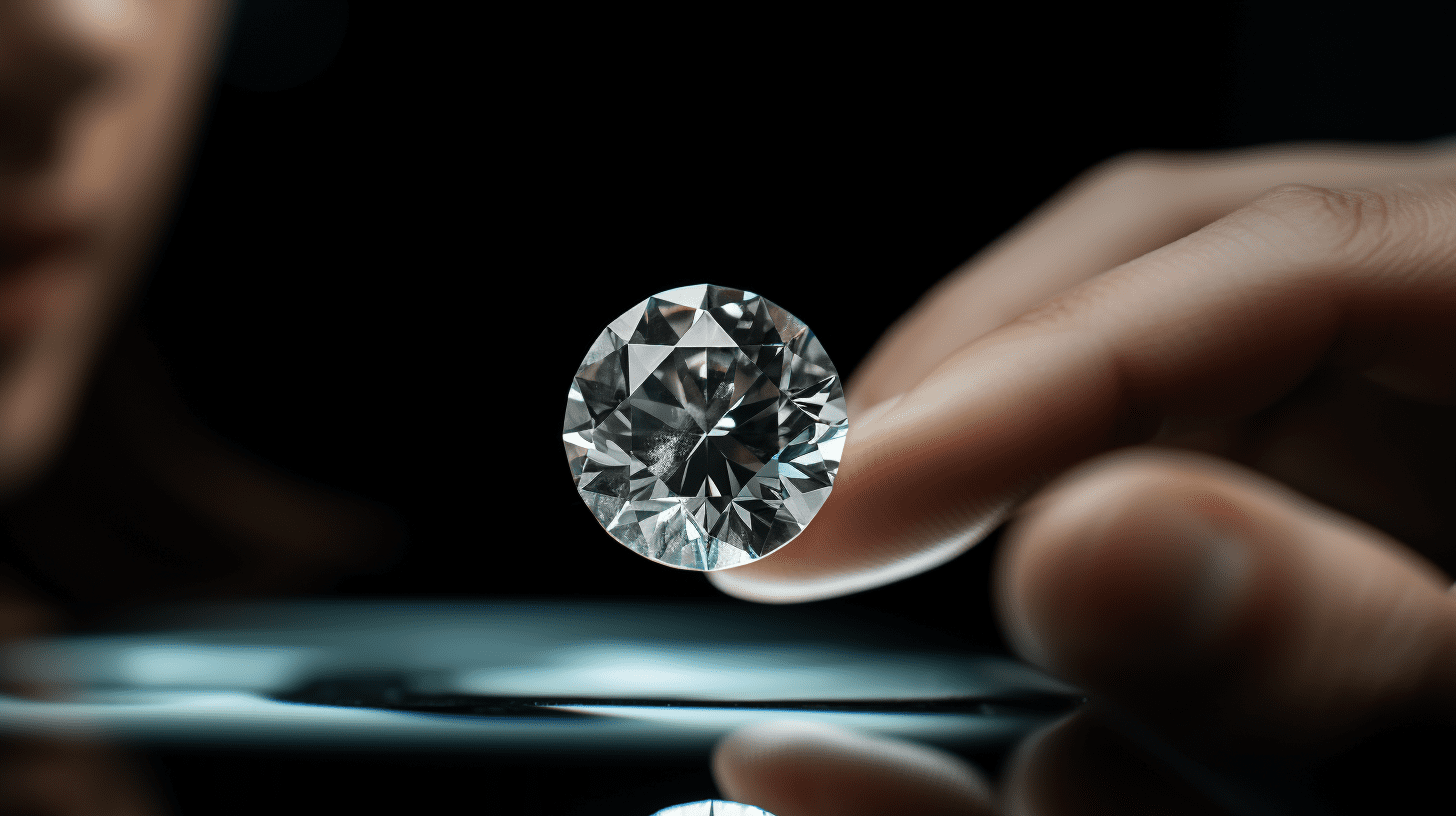
Lab-grown diamonds exhibit the same refractive index, dispersion, and hardness as natural diamonds. This means they possess comparable brilliance, fire, and scintillation, delivering the desired sparkle and visual appeal. Rated a perfect 10 on the Mohs hardness scale, they are exceptionally hard and scratch-resistant, making them ideal for everyday wear in various jewelry pieces, from engagement rings to bracelets. Their robust durability ensures they withstand the rigors of daily life without showing significant signs of wear.
Cost-Effectiveness:
One of the most significant drivers of lab-grown diamond adoption is their considerably lower price point. Typically, lab-grown diamonds cost 70-90% less than natural diamonds of comparable quality. For instance, a 1-carat round diamond with G color, VS2 clarity, and an excellent cut might range from $700 to $1,500 when lab-grown, whereas a natural diamond with identical specifications could cost between $4,000 and $6,000 or more, based on recent market averages. This substantial price difference allows consumers to acquire larger carat weights, higher color and clarity grades, or allocate their budget towards exquisite custom settings.
Scalable Manufacturing and Supply Chain Visibility:
The controlled, technologically driven production of lab-grown diamonds allows for scalable manufacturing and predictable supply. This increased availability and efficiency contribute to their lower cost and provide greater transparency regarding their origin compared to the complex and sometimes opaque mining industry.
Variety and Design Flexibility:
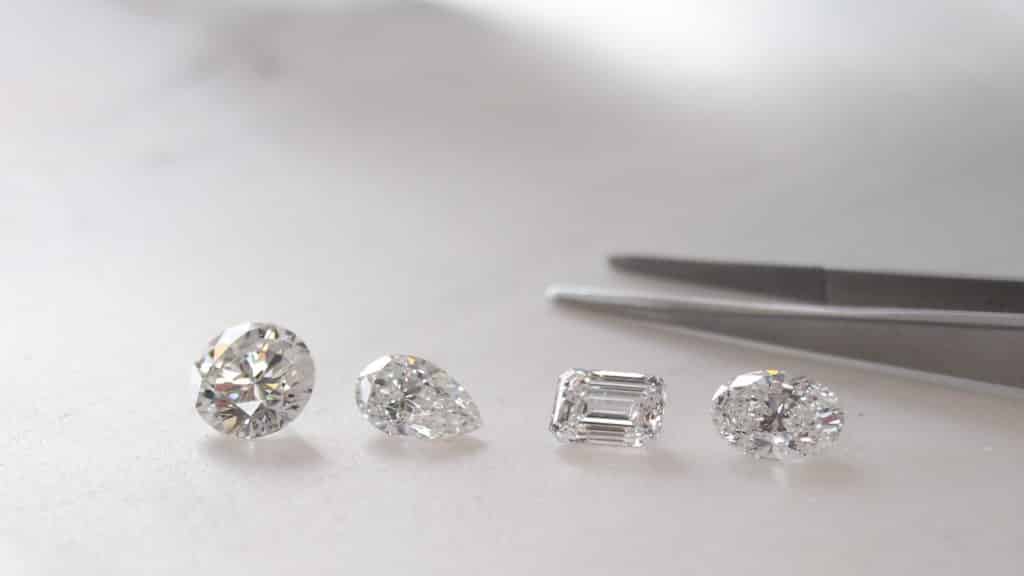
Lab-grown diamonds are available in a wide array of shapes, including round, oval, emerald, cushion, pear, radiant, and marquise. They also come in a broad spectrum of colors and sizes, empowering creative jewelry designs. This diversity enables consumers to find pieces that perfectly align with their personal style, from classic solitaires to intricate contemporary settings.
Production Speed and Availability:
The on-demand nature of lab-grown diamond production ensures consistent stock levels and quick turnaround times. Many retailers can ship items within a few days, a stark contrast to potential wait times associated with sourcing natural stones. Online platforms often feature comprehensive inventories, facilitating easy exploration and personalization of choices.
Despite their numerous advantages, lab-grown diamonds also present certain considerations and potential drawbacks.
Depreciation and Resale Value:
A primary concern for some consumers is the resale value of lab-grown diamonds. Due to ongoing improvements in production technology and increasing supply, lab-grown diamonds tend to depreciate faster than natural diamonds. They may retain only 30-40% of their original retail price in secondary markets, with potential for further declines as wholesale and retail prices continue to evolve. This makes them less suitable for individuals who view diamonds primarily as a store of value or an investment. While natural diamonds also depreciate, their inherent rarity can sometimes lead to more stable percentage-based retention in certain segments. However, the absolute dollar amount lost from their high initial cost can still be significant.
Secondary Market Limitations:
The secondary market for lab-grown diamonds is generally more limited compared to natural diamonds. Resale offers tend to be lower, with the value often leaning more towards the craftsmanship of the jewelry, brand reputation, metal value, and overall condition rather than the diamond itself. Lab-grown diamonds are largely perceived as wearable luxury items rather than assets with strong investment liquidity. While private sales or specialized channels might offer some recovery of value, the broader market is not as robust as that for natural diamonds.
Environmental Impact Considerations:
While often touted as an environmentally friendly alternative, the production of lab-grown diamonds, particularly through the HPHT process, requires significant amounts of electricity. The carbon footprint can vary substantially depending on the energy sources used by the production facility. Facilities relying on non-renewable energy sources, especially coal-based power in certain regions, can contribute to increased carbon emissions. The energy intensity of these processes is a key factor, and assumptions of consistently low environmental impact across the industry should be approached with caution. While some producers are adopting renewable energy sources, the availability of verifiable information, such as facility-specific audits and energy mix reports, is crucial for consumers seeking to make environmentally conscious choices.

Producer Standards and Verification:
The quality and ethical standards of lab-grown diamond producers can vary significantly. Factors such as operational practices, energy sources, and adherence to certifications influence the final product and its environmental impact. Consumers are encouraged to review verifiable reports and certifications to ensure their choices align with their personal priorities and to differentiate between genuine sustainability claims and marketing language. Platforms like PriceScope aim to address this verification challenge by connecting shoppers with vendors who provide clear certifications and by fostering a community where members can share their experiences with specific producers.
When embarking on the purchase of a lab-grown diamond, several key considerations can help ensure a satisfying and informed decision.
Prioritizing Quality Through Grading Reports:
A comprehensive grading report from an independent and reputable laboratory (such as GIA or IGI) is essential. This report details the diamond’s cut quality, color grade, clarity level, and carat weight. It serves as an unbiased assessment of the diamond’s characteristics and confirms its laboratory origin. Such reports prevent surprises and help consumers understand how well the diamond will perform visually, ensuring they receive the quality they expect. PriceScope’s educational resources can further assist buyers in understanding grading reports and comparing options from trusted sellers.

Understanding the Impact of Diamond Shape:
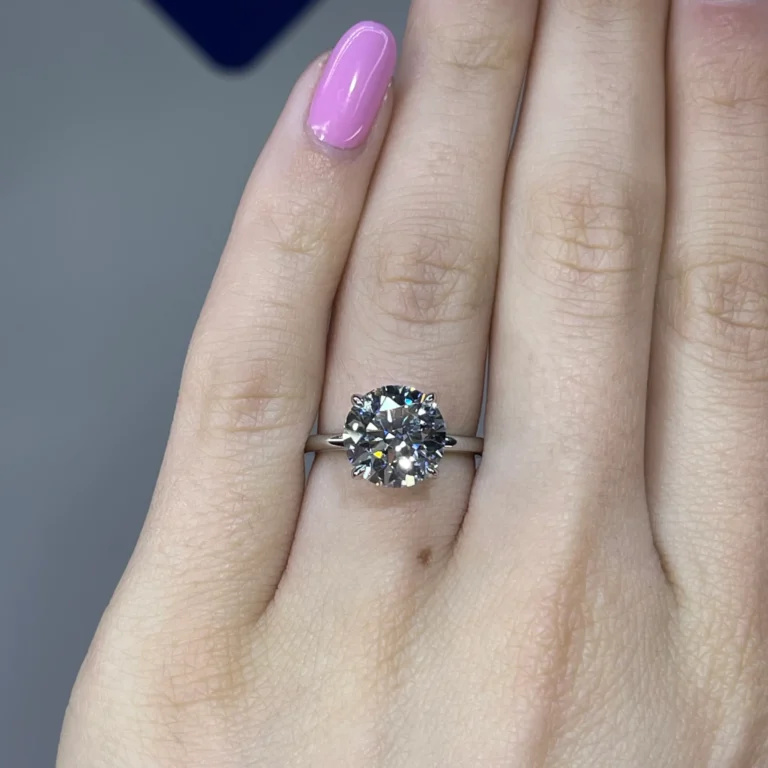
The shape of a diamond significantly influences its perceived size and aesthetic appeal. Round brilliant cuts are renowned for maximizing sparkle due to their superior light reflection. However, shapes like oval and pear can create an illusion of greater length and size, even for diamonds of the same carat weight. Cushion and emerald cuts offer distinct visual characteristics, with the former providing a softer, classic look and the latter a cleaner, more modern appearance, particularly when exhibiting high clarity. Considering one’s hand size, lifestyle, and personal preference is crucial in selecting the most suitable shape.
Choosing Appropriate Setting Styles:
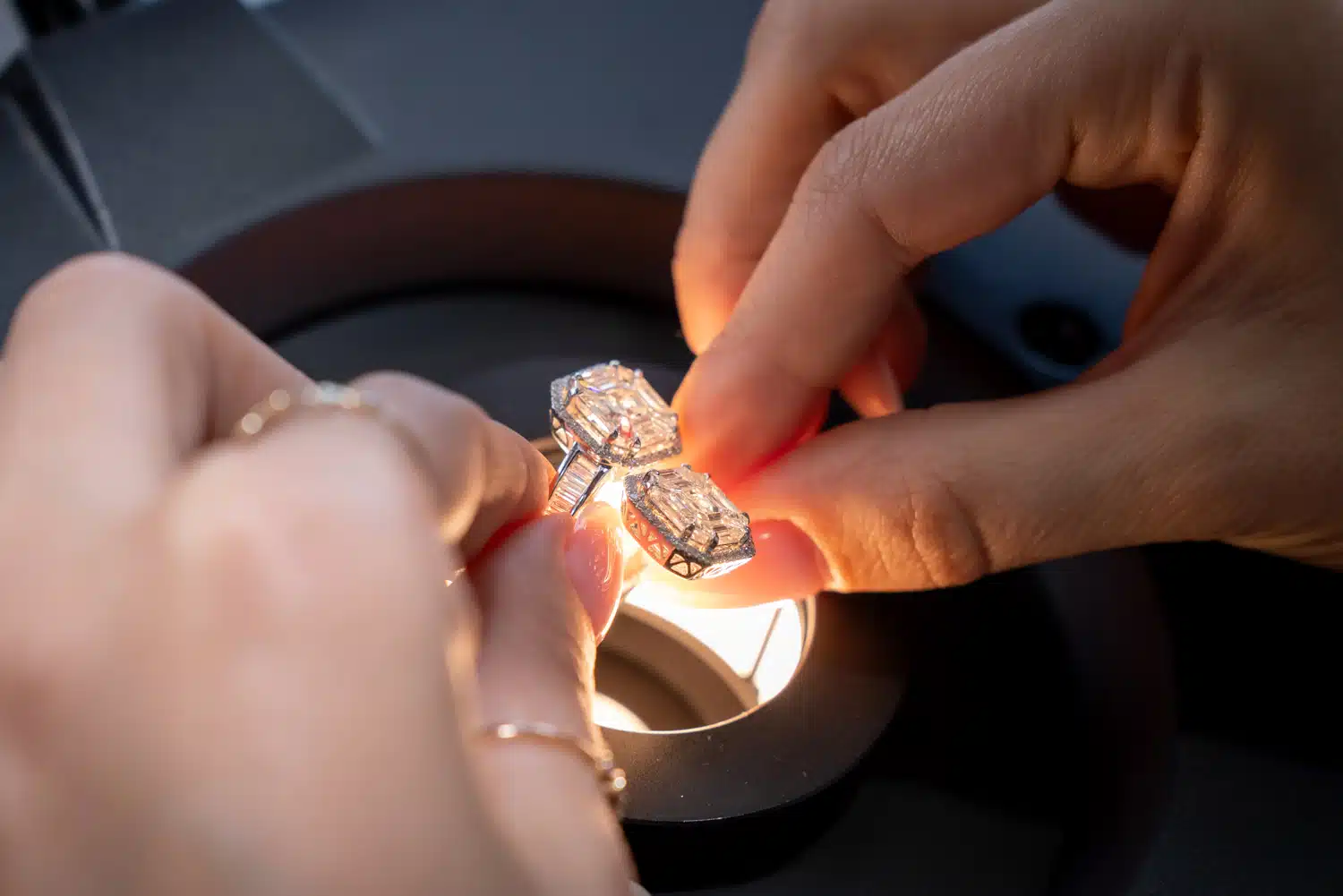
The setting plays a vital role in both protecting the diamond and enhancing its beauty. A classic solitaire setting emphasizes the center stone, while halo settings add extra brilliance with surrounding smaller diamonds. Three-stone settings often carry symbolic meaning. Bezel settings offer enhanced protection, making them suitable for active individuals. The choice of metal—whether warm rose gold or durable platinum—and the overall design should complement the diamond and align with the wearer’s daily life and aesthetic preferences.
Selecting Reputable Sellers:
Purchasing from reputable sellers is paramount. Key indicators of a trustworthy vendor include clear return policies (ideally 30 days or more), free resizing services, and potential lifetime care plans. Examining customer reviews and testimonials can provide insights into their responsiveness and problem-solving capabilities. Established retailers like Whiteflash, James Allen, and Blue Nile are known for their transparent pricing, independent certifications, and commitment to customer satisfaction. Engaging with the PriceScope community can also offer valuable perspectives on seller experiences.

Navigating the Four Cs:
The four Cs—cut, color, clarity, and carat—remain the fundamental pillars of diamond evaluation. For cut, aiming for "excellent" or "ideal" grades is recommended to maximize sparkle. For color, grades around G or H offer a visually white appearance without the premium price of D color. A clarity grade of VS2 is often a good balance, as inclusions are typically minuscule and not visible to the naked eye. Carat weight offers the opportunity for larger diamonds, which are more accessible with lab-grown options. Balancing these factors ensures a diamond that is both visually appealing and represents good value.
Setting a Realistic Budget:
Establishing a clear budget is crucial, encompassing the diamond, setting, taxes, and any additional costs. The lower cost of lab-grown diamonds in 2026 allows for greater flexibility, potentially enabling the acquisition of a higher-grade cut or a larger carat size within a given budget. Many consumers find it advantageous to allocate the majority of their budget to the center diamond while opting for simpler settings. Consulting price charts and understanding market trends can help avoid overspending and ensure a well-informed purchase.
The journey of selecting a diamond, whether natural or lab-grown, is a significant one. Resources such as PriceScope.com offer a wealth of free educational materials, interactive tools like the Holloway Cut Advisor (effective for lab-grown round diamonds), and forums where consumers can connect with experts and fellow buyers. This comprehensive approach empowers individuals to make informed decisions, compare options confidently, and ultimately find a diamond that perfectly suits their needs and desires. The evolving landscape of the diamond industry, with the rise of lab-grown alternatives, signifies a dynamic market that rewards knowledge and careful consideration.