



The landscape of home-based textile and product customization has undergone a significant transformation with the introduction of sublimation-based technologies tailored for the consumer market. Leading this shift is Cricut Infusible Ink, a proprietary system designed to provide professional-grade, permanent graphic transfers that bypass the limitations of traditional heat-transfer vinyl (HTV). Unlike conventional iron-on materials that bond to the surface of a substrate using a heat-activated adhesive, Infusible Ink utilizes a chemical process known as sublimation to integrate pigments directly into the fibers or coating of the base material. This advancement ensures that the resulting designs are resistant to flaking, peeling, cracking, or fading, effectively mirroring the quality of commercially manufactured merchandise.
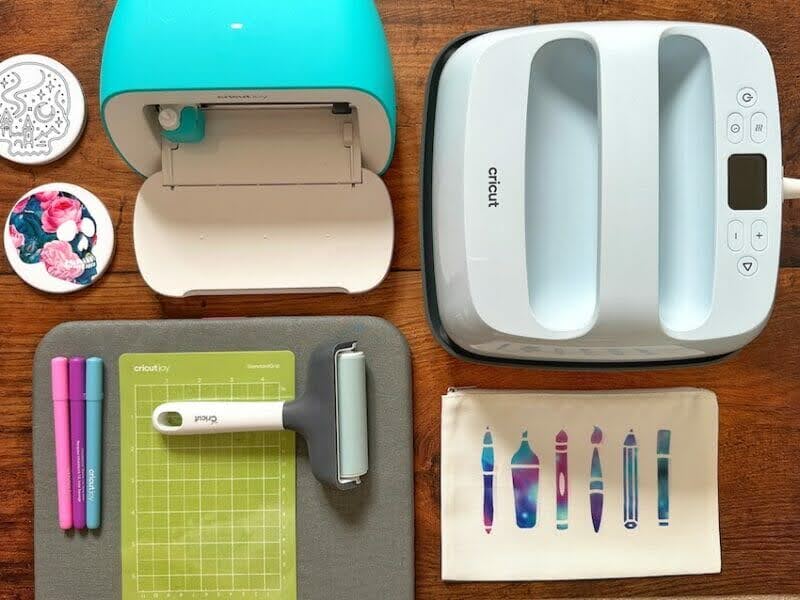
The Technical Mechanism of Sublimation in Home Crafting
To understand the impact of Cricut Infusible Ink, one must analyze the underlying science of the sublimation process. In a controlled thermal environment, the solid ink particles on a transfer sheet or those deposited by specialized pens convert directly into a gaseous state without passing through a liquid phase. When this gas comes into contact with polymer-based materials—specifically polyester or poly-coated ceramics—the pores of the material open under high heat, allowing the gas to permeate the structure. As the heat source is removed and the material cools, the gas reverts to a solid state, becoming an intrinsic part of the substrate’s molecular makeup.
This molecular bond distinguishes the technology from HTV, which remains a distinct layer atop the fabric. Consequently, items customized with Infusible Ink maintain the original texture and breathability of the fabric, a factor that has made the technology particularly popular among creators of athletic wear, home décor, and high-frequency use items such as tote bags and coasters.
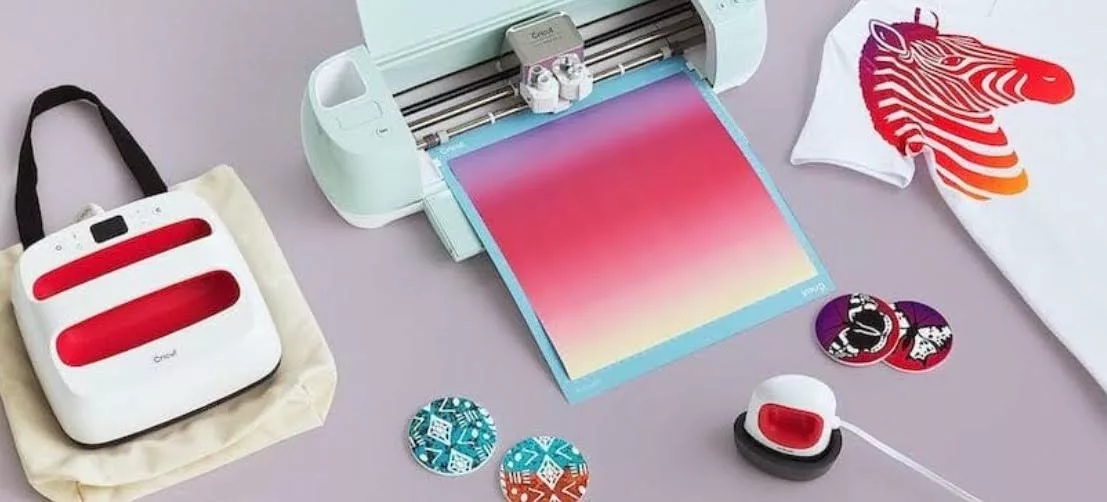
Historical Context and Market Development
The release of Cricut Infusible Ink in mid-2019 marked a pivotal moment in the "maker economy." Prior to its debut, sublimation was largely restricted to industrial settings or required expensive, specialized printers and ink systems that were cost-prohibitive for the average hobbyist. By developing a system that utilizes pre-printed transfer sheets and pens compatible with existing electronic cutting machines, Cricut democratized access to permanent ink transfers.
Market data indicates that the personalized gift industry has seen a compound annual growth rate (CAGR) of approximately 9% over the last five years. The introduction of accessible sublimation tools has contributed to this rise, enabling small-scale entrepreneurs and Etsy sellers to produce "boutique-quality" goods from home studios. This shift has forced a re-evaluation of home manufacturing capabilities, moving the needle from temporary DIY projects to durable, retail-ready products.
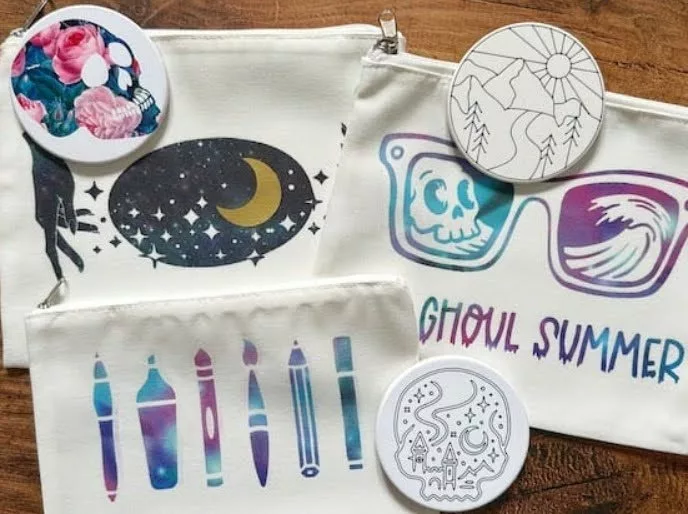
Comparative Analysis: Infusible Ink vs. Traditional Heat Transfer Vinyl
Industry experts often categorize customization methods based on durability and aesthetic finish. Traditional HTV is lauded for its versatility, as it can be applied to a wide range of materials including 100% cotton, leather, and wood. However, because it is an adhesive-based product, it is susceptible to wear over time.
In contrast, Infusible Ink offers superior longevity but requires specific chemical conditions to succeed. The technology is strictly limited to materials with high polyester content (typically 65% or higher) or items specifically manufactured with a polymer coating. On cotton fabrics, the ink has no synthetic fibers to bond with, resulting in a "ghosted" or faded appearance that washes out quickly. This necessity for compatible "blanks" has spawned an entire secondary market of sublimation-ready apparel and hardware.
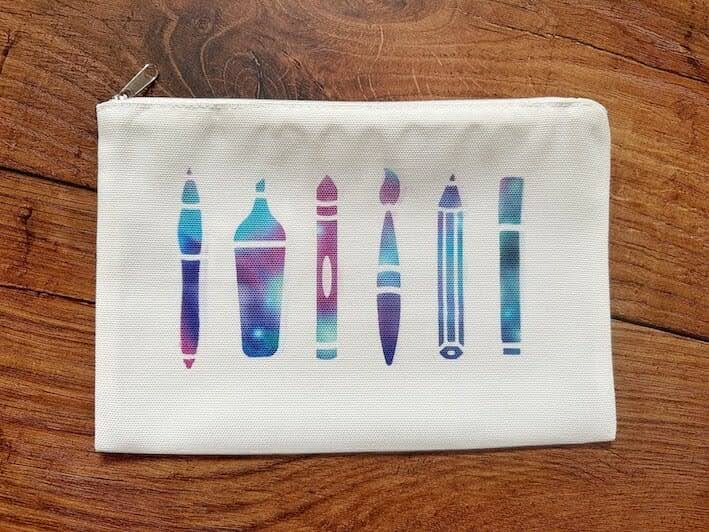
Procedural Methodology for Soft-Surface Application
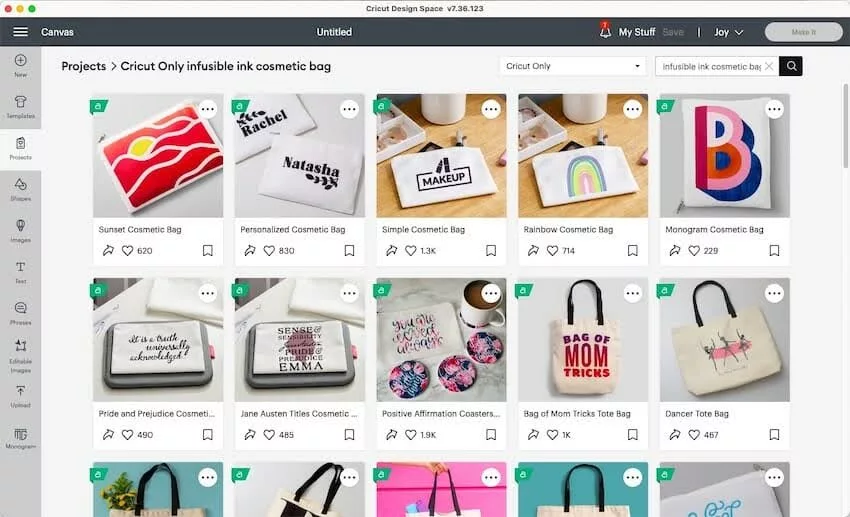
The application of Infusible Ink to fabric substrates, such as cosmetic bags or T-shirts, requires a precise multi-step protocol to ensure graphical integrity. The process begins in a digital design environment, such as Cricut Design Space, where the user must mirror the artwork before cutting. Mirroring is a critical technical requirement because the design is placed face-down on the substrate during the heat transfer process.
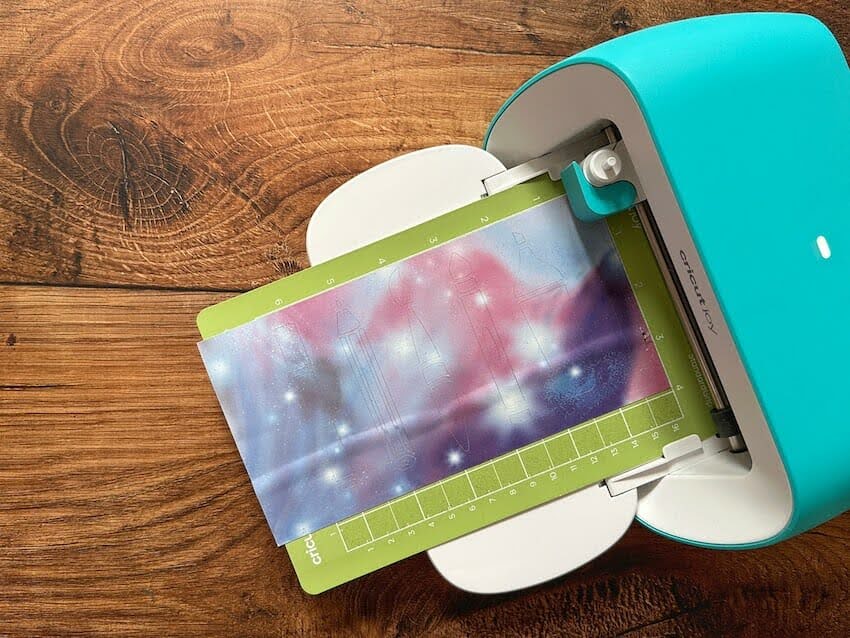
Once the design is cut from an Infusible Ink Transfer Sheet, the "weeding" process—removing excess material—is performed. Unlike HTV, which is often weeded with sharp metal tools, Infusible Ink sheets are typically "cracked" by hand to separate the cut lines, as the material has a paper-like consistency.
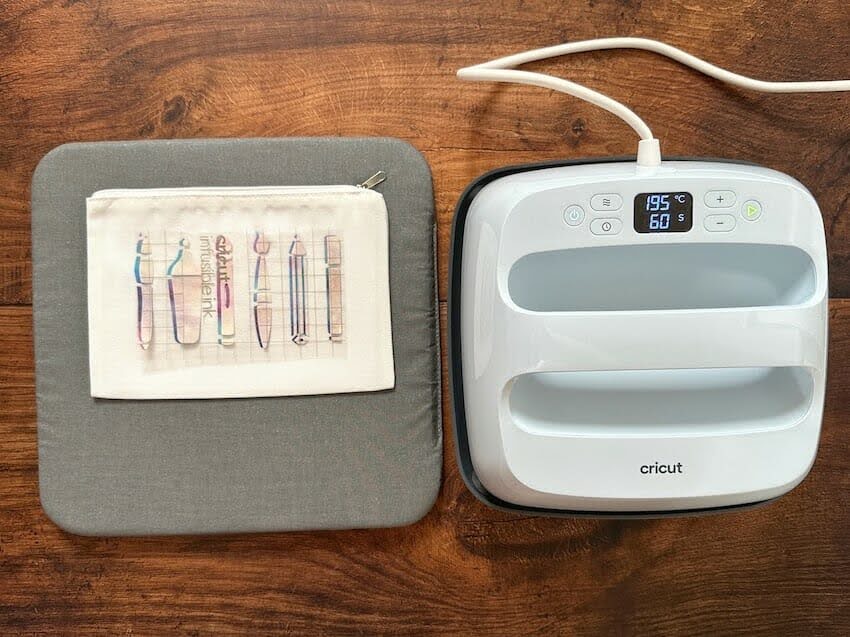
The thermal application involves a high-heat press, such as the Cricut EasyPress, set to temperatures usually ranging between 385°F and 400°F. The substrate is pre-heated to remove moisture and wrinkles, and a piece of cardstock is placed inside the item to prevent "bleed-through" to the other side. The transfer sheet is then secured with heat-resistant tape, covered with butcher paper to protect the heat plate, and pressed with firm, even pressure. The result is a vibrant, high-definition transfer that is flush with the fabric surface.
Procedural Methodology for Hard-Surface Application
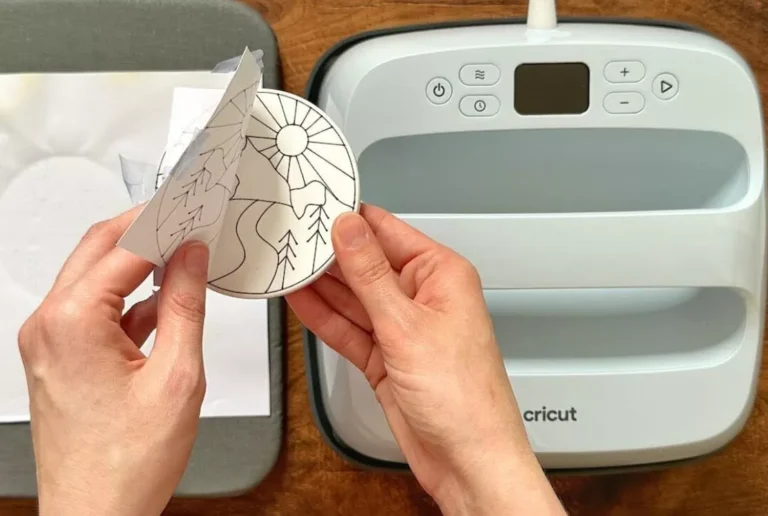
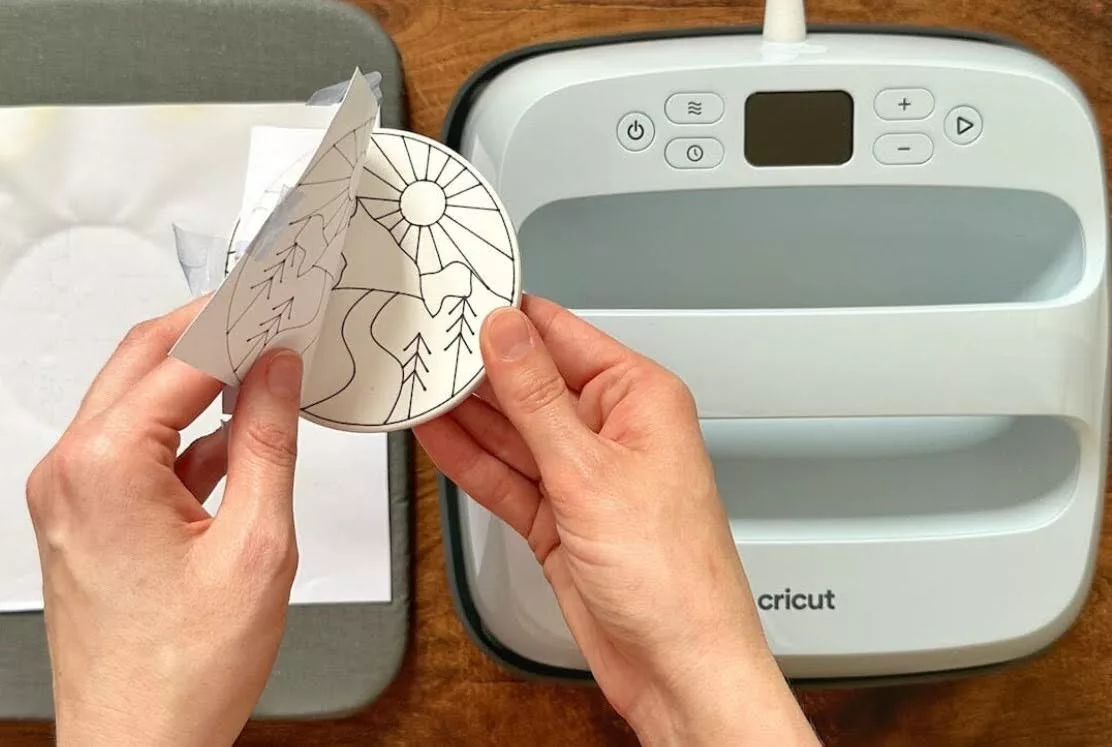
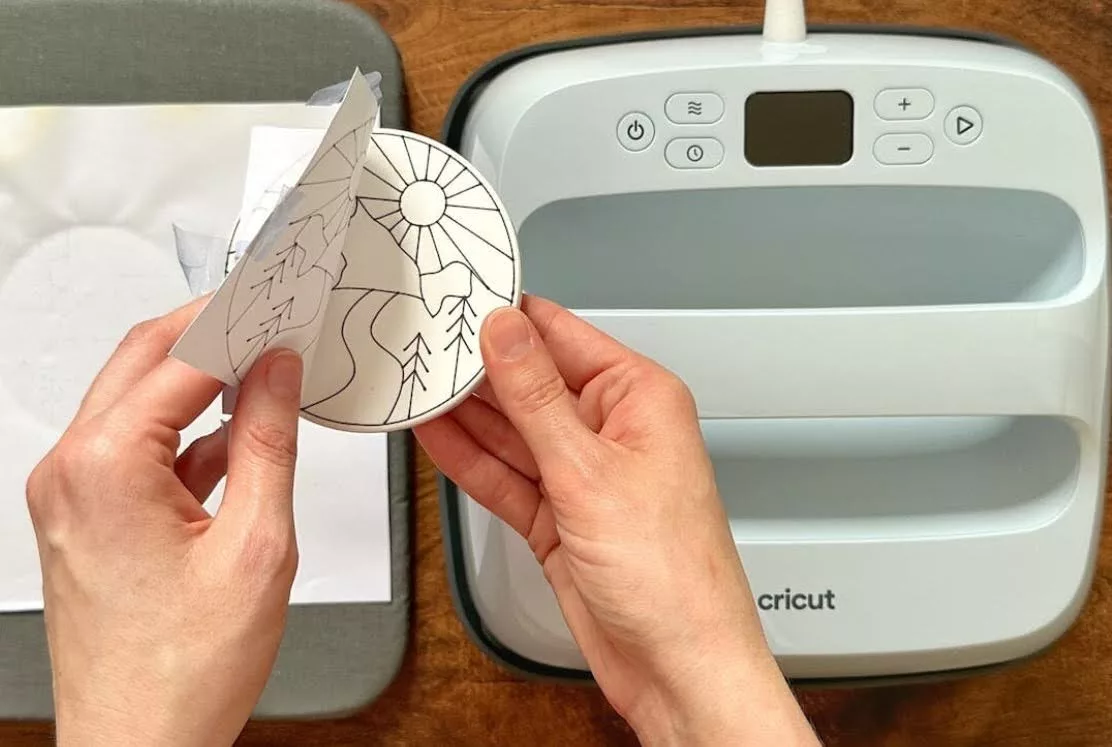
Customizing rigid substrates like ceramic coasters follows a similar chemical logic but involves different handling techniques. For these projects, artisans often utilize Infusible Ink Pens and Markers, which allow for hand-drawn designs or machine-drawn illustrations on standard laser copy paper.
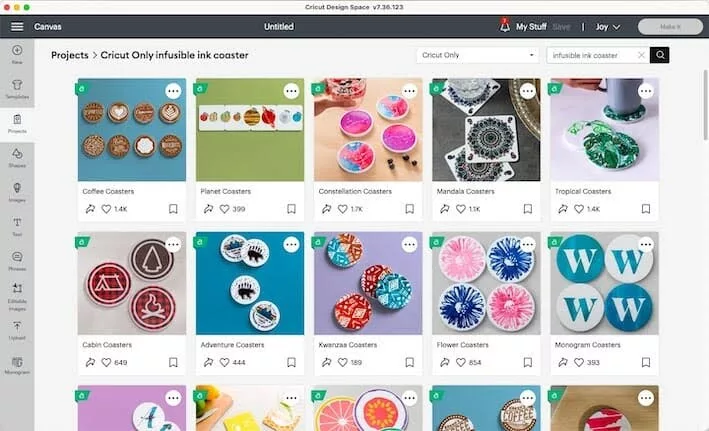
In the case of ceramic coasters, the preparation involves cleaning the surface with a lint-free cloth to remove oils or debris that could interfere with the chemical bond. The design is taped securely to the polished side of the coaster. A unique aspect of hard-surface sublimation is the "stacking" order during the press. For coasters, the item is often flipped upside down so that the heat source makes contact with the ceramic bottom, allowing heat to conduct through the material to the ink. This ensures an even distribution of thermal energy, preventing "hot spots" that could cause blurred edges or uneven coloration.
Industry Response and User Safety Standards
The reception of Infusible Ink by the crafting community has been largely positive, though it has necessitated a higher learning curve regarding material science. Professional craft associations have noted that the primary cause of project failure with this technology is "ghosting"—a blurred shadow effect caused by the transfer sheet shifting while the ink is in a gaseous state.
From a safety perspective, Cricut has emphasized that the sublimation process should be conducted in well-ventilated areas. While the inks are non-toxic once infused, the heating process can release minor fumes from the synthetic fabrics and coatings. Furthermore, the high temperatures required (significantly higher than those for standard iron-on) necessitate the use of heat-resistant mats and specialized safety equipment to prevent thermal injury.
Data-Driven Insights into Longevity and Maintenance
Empirical testing of infused products reveals a significant advantage in wash-fastness. While HTV designs may begin to show signs of degradation after 25 to 50 standard wash cycles, Infusible Ink designs typically last the lifetime of the garment. To maintain optimal vibrancy, the manufacturer recommends machine washing items in cold water with mild detergent and avoiding the use of fabric softeners, which can coat the fibers and dull the appearance of the ink. For hard surfaces like coasters and mugs, hand-washing is advised to prevent the abrasive chemicals in dishwasher detergents from slowly eroding the polymer coating over several years.
Implications for the Future of Personalized Manufacturing
The broader impact of Cricut Infusible Ink extends beyond the hobbyist market. It represents a bridge between amateur crafting and professional manufacturing. By providing a system that produces permanent, factory-quality results, the technology has empowered a new generation of small business owners to compete with larger retailers in the personalized merchandise space.
Furthermore, the environmental impact of this technology is a subject of ongoing discussion. While sublimation reduces the "plastic feel" and potential microplastic shedding associated with some vinyl films, the requirement for high-polyester (synthetic) fabrics remains a point of consideration for eco-conscious consumers. As the industry evolves, there is an expected push toward developing sublimation-compatible coatings for natural fibers like organic cotton and hemp.
In conclusion, Cricut Infusible Ink has redefined the standards of home customization. By leveraging the complex chemistry of sublimation and simplifying it for the general public, the technology offers a durable, professional, and aesthetically superior alternative to traditional methods. As the ecosystem of compatible materials and tools continues to expand, the distinction between "home-made" and "store-bought" continues to blur, signaling a new era of decentralized, high-quality manufacturing.