


The landscape of DIY personalization has undergone a significant transformation with the introduction and widespread adoption of Cricut Infusible Ink, a proprietary sublimation-based technology that allows hobbyists to achieve professional-grade results from a home environment. Unlike traditional heat-transfer vinyl (HTV) or iron-on pigments that adhere to the surface of a substrate, Infusible Ink utilizes a chemical process to bond permanently with the fibers or coating of a base material. This advancement addresses long-standing consumer concerns regarding the durability of customized apparel and home decor, specifically the tendencies of surface-level transfers to crack, peel, or fade over time through repeated use and laundering.
Technical Foundations of Infusible Ink Technology
At the core of the Cricut Infusible Ink system is the scientific principle of sublimation. In this process, specialized solid ink is subjected to high-intensity heat, causing it to bypass the liquid phase and convert directly into a gas. Simultaneously, the heat opens the pores of the compatible substrate—typically a polymer-coated item or a high-polyester-count fabric. The gaseous ink permeates these open pores; as the heat source is removed and the material cools, the pores close, trapping the ink within the molecular structure of the item.
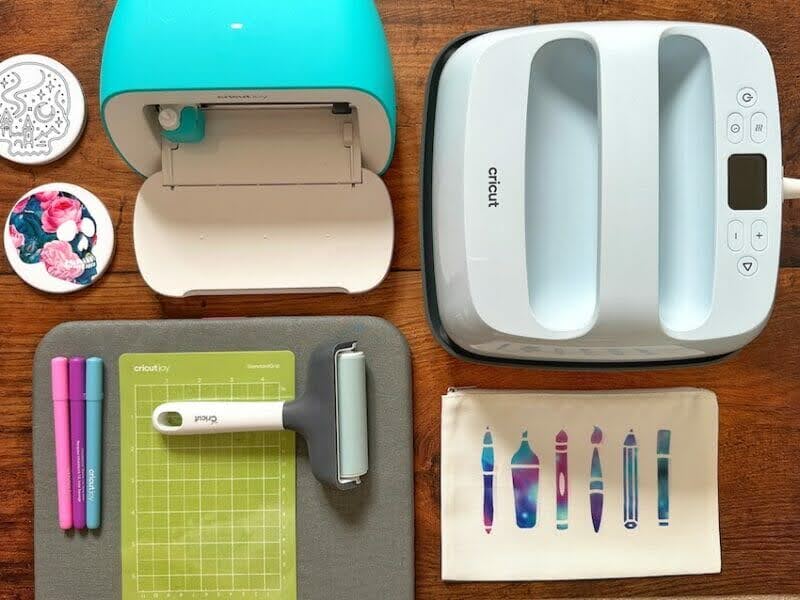
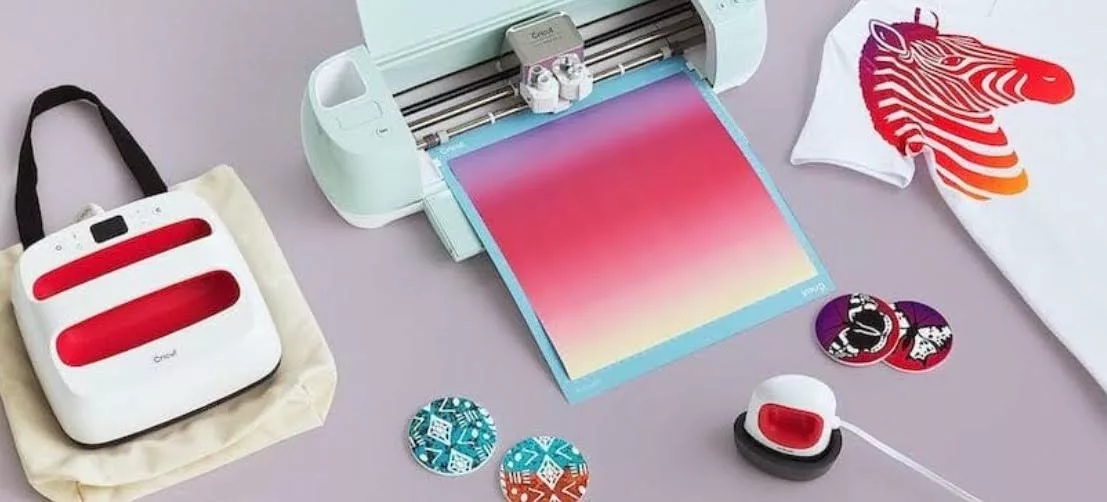
The resulting finish is a permanent, high-definition infusion that is indistinguishable from the original texture of the material. Because the design becomes part of the substrate itself, it possesses a level of washability and resistance to mechanical stress that exceeds traditional adhesive-based methods. This technology, once reserved for industrial-scale manufacturing and specialized print shops requiring expensive machinery, has been streamlined by Cricut into a consumer-friendly ecosystem comprising transfer sheets, pens, markers, and specialized heat presses.
A Chronology of Personalization Innovation
The journey to the current state of at-home sublimation can be traced through several key developmental phases in the crafting industry:
- The Era of Screen Printing and Industrial Sublimation (Pre-2000s): Customization was largely outsourced to professional facilities. While sublimation existed, the equipment was cost-prohibitive for individual users, requiring large-format printers and high-pressure industrial heat presses.
- The Rise of Desktop Die-Cutting (2000s – 2010s): The entry of companies like Cricut and Silhouette allowed users to cut intricate designs from vinyl and cardstock. However, the "iron-on" method remained the standard for fabric, which often resulted in a "hand-feel" or stiff layer on top of the garment.
- The Introduction of Infusible Ink (2019): Cricut officially launched the Infusible Ink line, bridging the gap between professional sublimation and home crafting. This eliminated the need for specialized sublimation printers by providing pre-inked transfer sheets and pens that could be used with existing cutting machines.
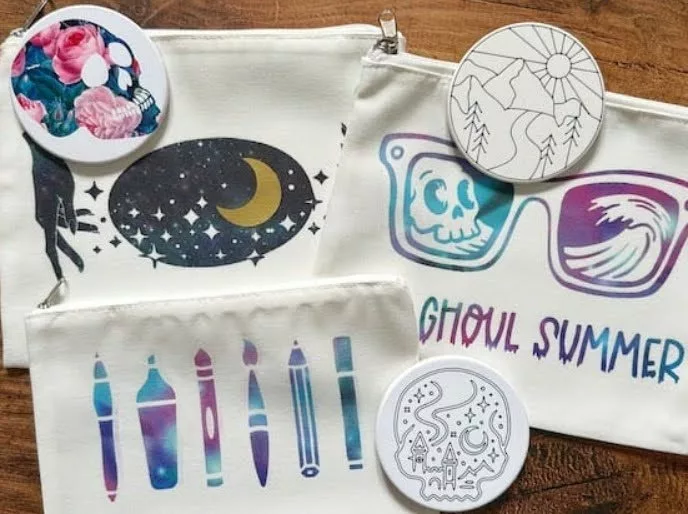
- Market Expansion and Ecosystem Integration (2020 – Present): The product line has expanded to include a wide array of "blanks"—materials specifically engineered to accept the ink—ranging from ceramic coasters and aluminum sheets to wine bags and cosmetic cases.
Procedural Methodology: The Cosmetic Bag Project
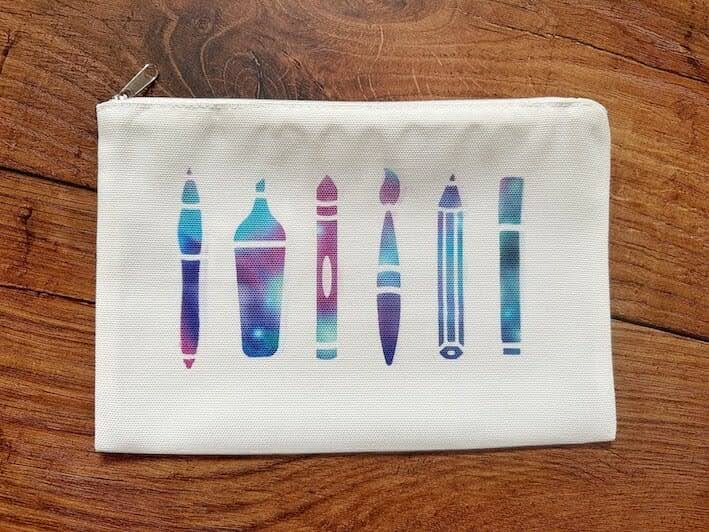
To understand the practical application of this technology, one must examine the workflow required for a fabric-based substrate, such as a polyester cosmetic bag. This process requires a synthesis of digital design and precise thermal application.
Design and Preparation Phase
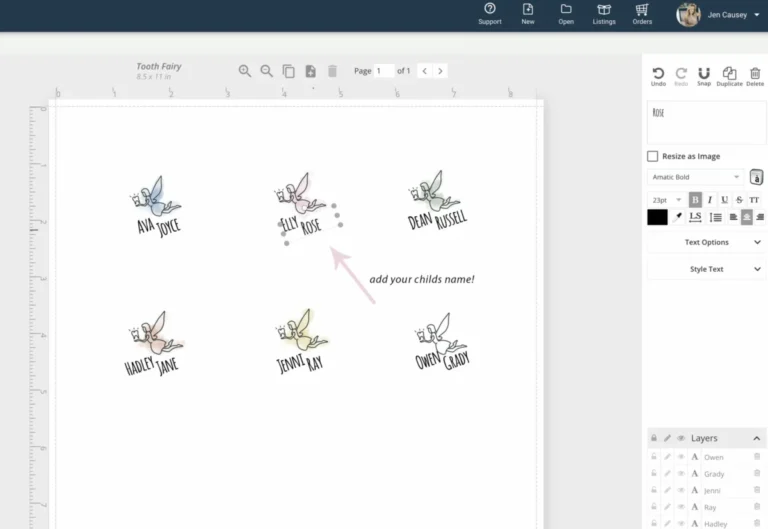
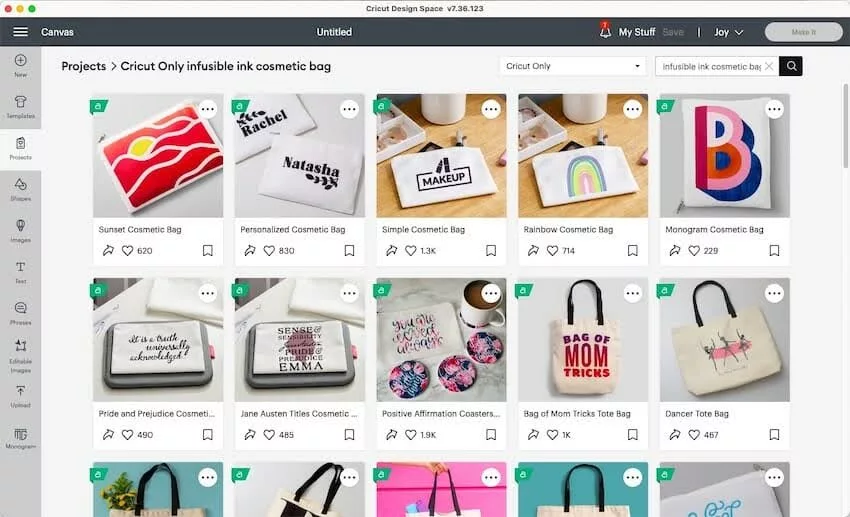
The process begins within the Cricut Design Space software, where a user selects or creates a vector graphic. A critical technical requirement of the Infusible Ink process is the "Mirror" function. Because the design is placed face-down on the substrate during the heat transfer, the image must be flipped horizontally in the software to ensure the final result appears in the correct orientation.
Mechanical Cutting and Weeding
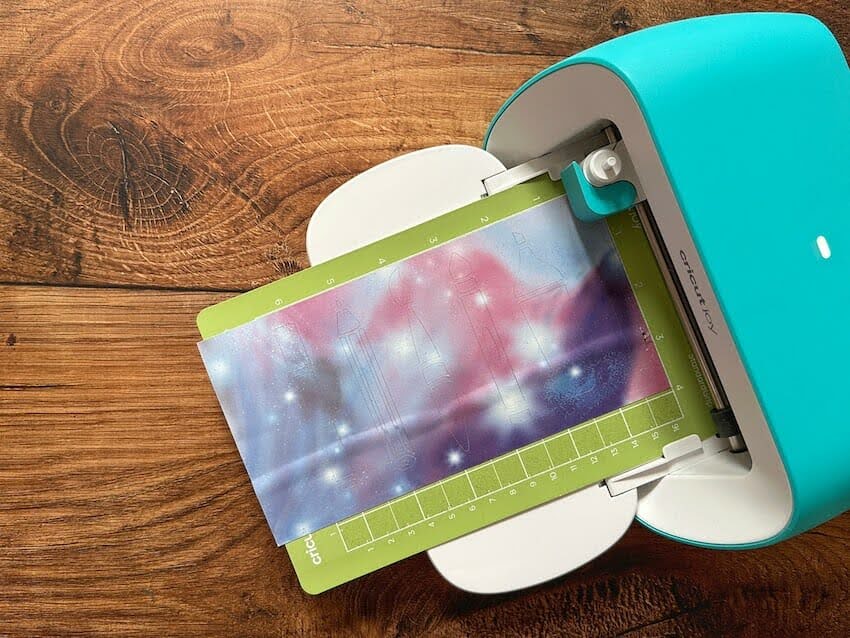
Once the design is finalized, a Cricut Infusible Ink Transfer Sheet is loaded into a cutting machine. Unlike vinyl, which is often cut on its "pretty" side, Infusible Ink sheets are cut with the ink side facing up. Following the cut, the user performs "weeding"—the removal of excess material. Because the transfer sheets have a paper-like consistency, this is typically done by hand or with tweezers, avoiding sharp tools that might pierce the liner.
Thermal Application
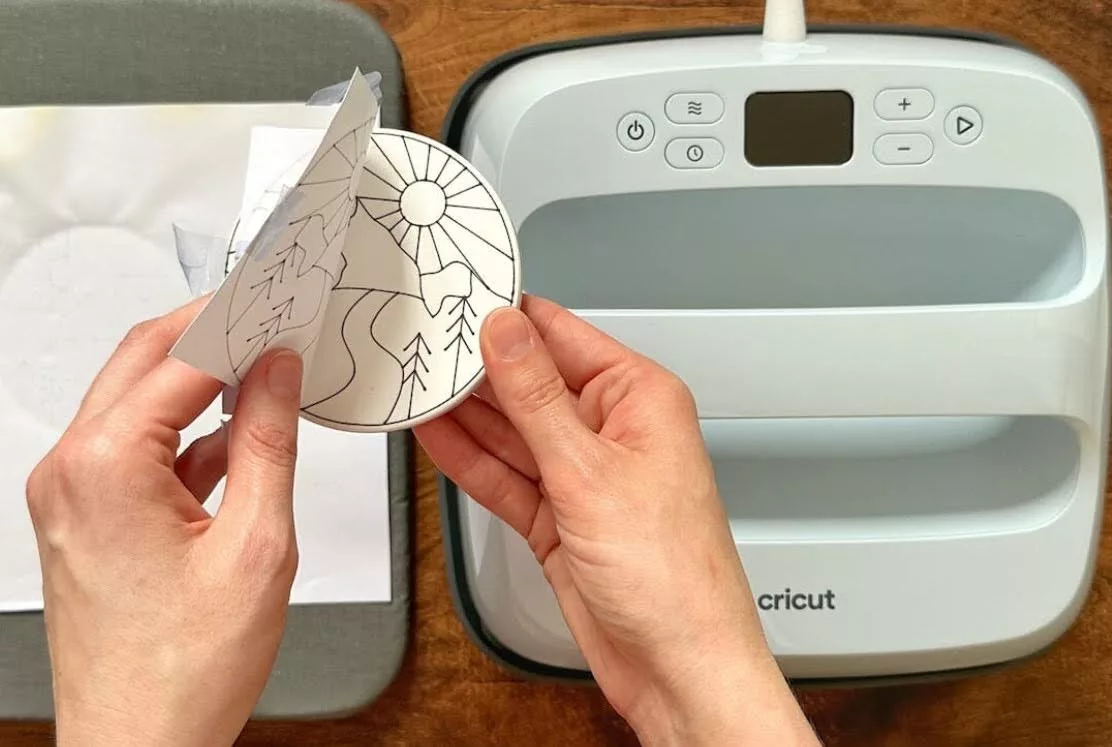
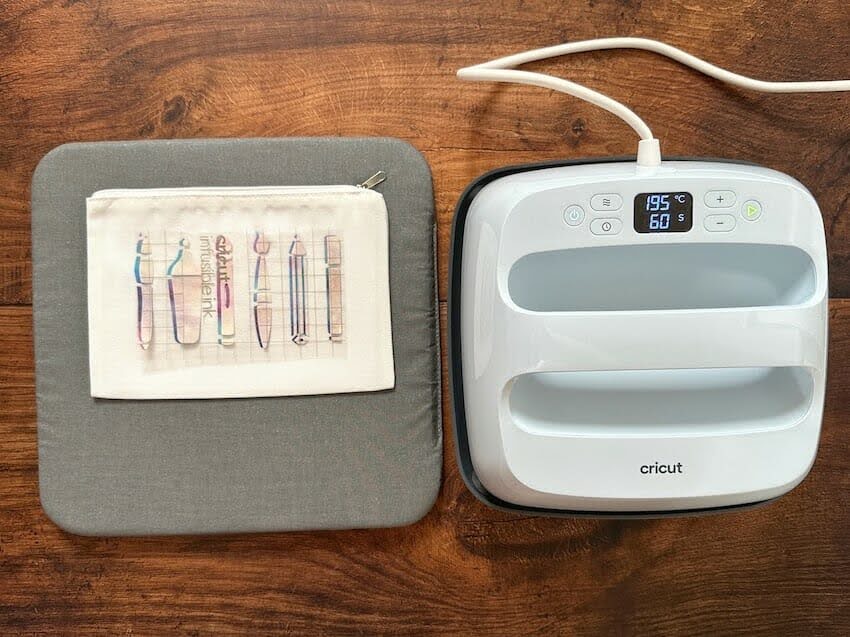
The final stage involves the use of a heat press, such as the Cricut EasyPress. For a polyester bag, the press is typically set to approximately 385°F (195°C). The substrate is pre-heated to remove moisture and wrinkles, and the design is placed face-down. A layer of butcher paper is placed over the transfer to protect the heat plate from ink gas. After a 60-second application of firm pressure, the "cold peel" or "warm peel" method is used—depending on specific material instructions—to reveal the infused design.
Procedural Methodology: The Ceramic Coaster Project
The application of Infusible Ink on hard surfaces, such as ceramic coasters, utilizes the same chemical principles but requires different handling techniques due to the heat-retention properties of the material.
Freehand and Machine Drawing
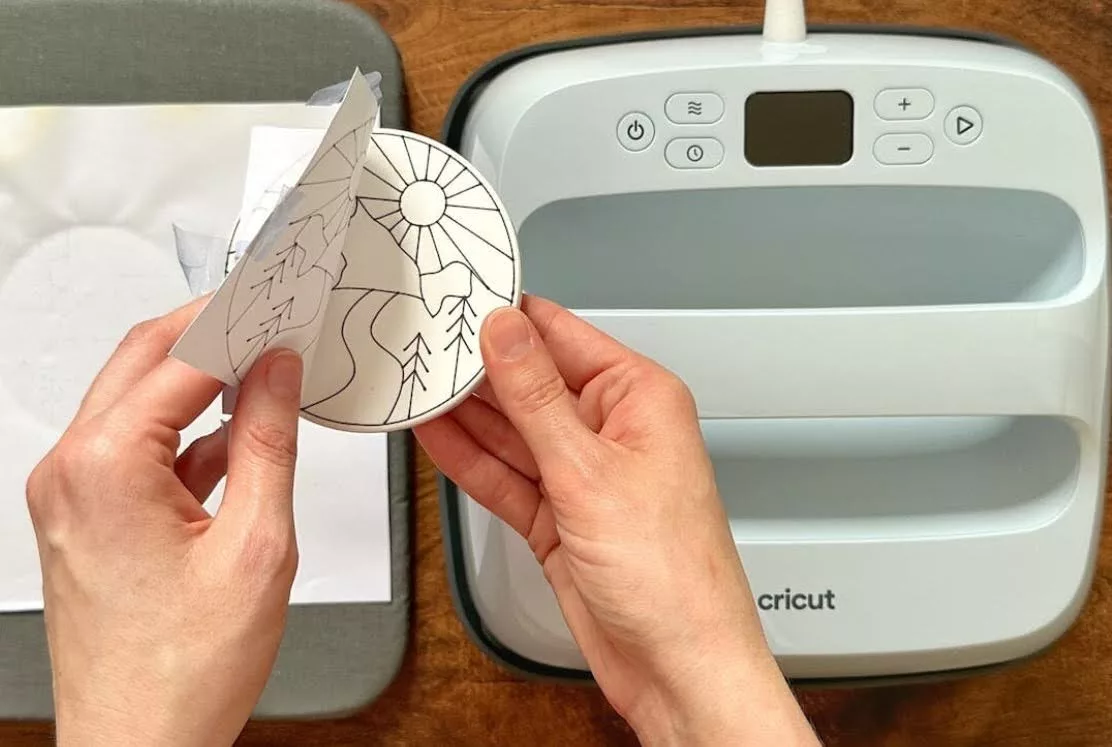
While transfer sheets provide solid colors and patterns, Infusible Ink Pens and Markers allow for illustrative designs. These can be drawn by the Cricut machine itself or by hand onto standard laser copy paper. The use of laser paper is recommended over inkjet paper because it lacks the absorbent coatings that might trap the ink, ensuring a more efficient transfer to the coaster.
Substrate Compatibility
For hard surfaces, the "blank" must have a specialized poly-coating. A standard ceramic tile from a hardware store will not work, as the ink has no pores to enter. The official Cricut ceramic coasters are engineered to withstand the 400°F (205°C) heat required for a 240-second transfer cycle.
Post-Transfer Cooling
Due to the thermal mass of ceramic, the coaster remains dangerously hot for several minutes following the transfer. Professional safety protocols dictate that the item should not be moved until it has cooled completely to avoid "ghosting"—a phenomenon where the design shifts or blurs because the ink is still in a gaseous state while the substrate is moved.
Industry Impact and Market Data
The democratization of sublimation technology has had a measurable impact on the "maker economy." According to market analysis of the global personalized gifts market, the industry is projected to reach a valuation of approximately $43 billion by 2027. Platforms like Etsy and Shopify have seen a surge in small-scale entrepreneurs utilizing Infusible Ink to produce high-quality, "boutique-style" merchandise without the overhead of industrial equipment.
Furthermore, the longevity of these products offers a sustainable alternative to "fast fashion" customization. Since the designs do not degrade at the same rate as traditional screen prints or HTV, the lifecycle of the customized garment or item is significantly extended, reducing consumer waste.
Official Guidelines and Quality Assurance
To ensure the integrity of the finished product, industry experts and Cricut technical support emphasize several key operational constraints:
- Substrate Composition: For fabric items, a minimum of 65% polyester content is required. Higher polyester percentages result in more vibrant colors, while 100% cotton remains incompatible as it lacks the polymer chains necessary to trap the gas.
- Contamination Control: Oils from human skin can interfere with ink transfer. Users are advised to wash and dry their hands thoroughly before handling transfer sheets or to use lint rollers on fabric blanks to remove microscopic debris.
- Equipment Consistency: Standard household irons are generally deemed insufficient for Infusible Ink projects. They lack the surface area and the ability to maintain a consistent, high temperature across the entire plate, which can lead to uneven "fading" or "blotching" in the design.
Broader Implications for the Creative Economy
The success of Cricut Infusible Ink signifies a broader trend toward "micro-manufacturing." As technology continues to miniaturize and simplify complex chemical and mechanical processes, the boundary between consumer and producer continues to blur. The ability to create fade-proof, factory-quality goods at a kitchen table empowers individuals to compete with established brands in the niche gift and apparel markets.
In conclusion, Cricut Infusible Ink represents more than just a new craft medium; it is a sophisticated application of chemical engineering adapted for the modern home. By mastering the sublimation process, users are able to produce items that are not only aesthetically superior but also functionally durable, ensuring that the art of personalization remains as permanent as the materials it inhabits. Whether for personal use, gift-giving, or commercial enterprise, the technology provides a robust platform for creative expression in the 21st century.