



A diamond tennis bracelet, a symbol of refined elegance and remarkable versatility, has cemented its status as a quintessential piece in fine jewelry. Its design, characterized by a continuous, flexible line of precisely matched diamonds, offers a sophisticated sparkle that enhances any ensemble. This classic accessory, more than a fleeting trend, seamlessly blends timeless design with practical wearability, making it suitable for everyday adornment or special occasions. The enduring popularity of the diamond tennis bracelet is rooted in a confluence of historical significance, exceptional craftsmanship, and the universal appeal of diamonds. For those seeking deeper insights into the world of diamond jewelry, exploring comprehensive resources such as the largest diamond and jewelry forum can be invaluable.
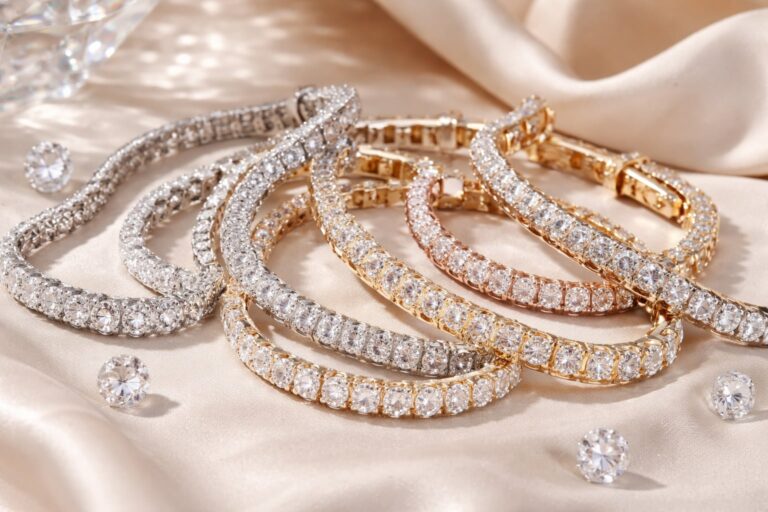
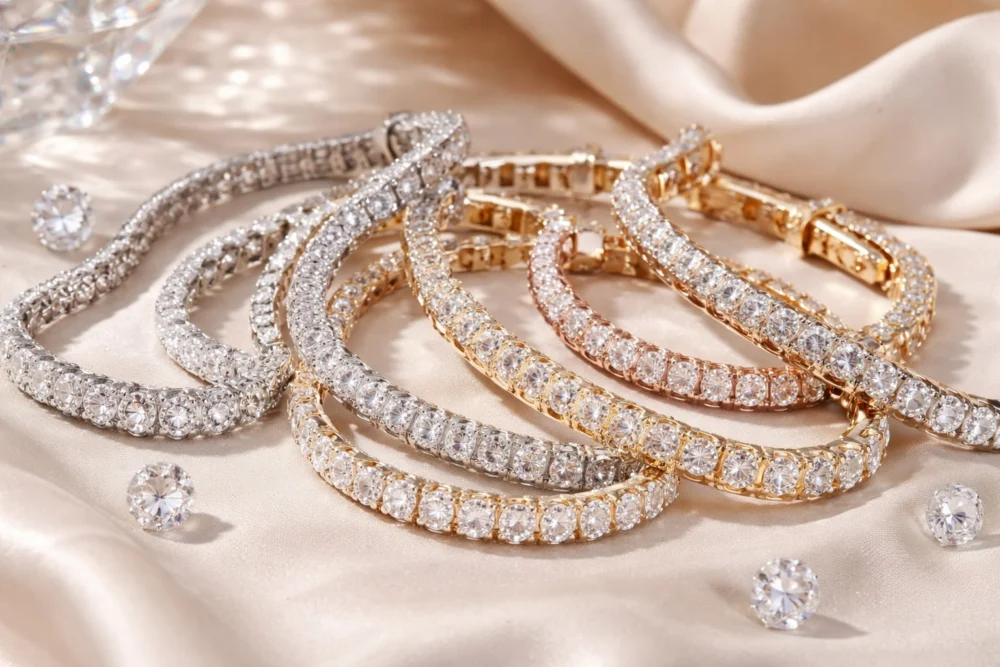
At its core, a diamond tennis bracelet is defined by diamonds of uniform size and quality, meticulously set in a single, unbroken row. These precious stones are typically secured by prong or channel settings within precious metals like white gold, yellow gold, rose gold, or platinum. This meticulous construction ensures a consistent, brilliant display, with each diamond positioned to maximize light reflection and create a smooth, continuous shimmer that moves gracefully with the wearer.
Differentiating the Diamond Tennis Bracelet from Other Styles
The inherent flexibility of the diamond tennis bracelet’s chain construction allows it to drape comfortably and conform naturally to the wrist’s contours, setting it apart from more rigid jewelry pieces such as bangles. While most designs favor the classic round brilliant cut for its superior fire and sparkle, contemporary interpretations also feature variations such as princess and emerald cuts, maintaining a cohesive aesthetic across the entire row.
The very name "tennis bracelet" carries a fascinating historical anecdote. Its popularization is widely attributed to a serendipitous moment during the 1987 U.S. Open. During a high-stakes match, legendary tennis player Chris Evert’s diamond line bracelet became dislodged and fell onto the court. The game was temporarily halted so Evert could retrieve her cherished piece. In subsequent interviews, Evert referred to the item as her "tennis bracelet," a moniker that swiftly gained traction and entered the lexicon of fine jewelry. Prior to this widely publicized event, similar bracelets were commonly known as eternity or line bracelets, often symbolizing enduring affection due to their continuous, unbroken design. The incident not only popularized the term "tennis bracelet" but also underscored the importance of secure clasps, leading to design improvements that enhance the trustworthiness of modern iterations for active lifestyles.
Factors Determining the Quality of a Diamond Tennis Bracelet
The quality of a diamond tennis bracelet is dictated by several key elements, beginning with the setting. Classic designs often employ four-prong or three-prong settings, which allow for maximum light entry to enhance diamond brilliance while maintaining secure stone placement for daily wear. Prong settings, by exposing more of each diamond, amplify their sparkle. Conversely, channel or bezel settings offer enhanced durability and a sleeker, more contemporary look for those prioritizing robustness.

Beyond these foundational elements, variations such as graduated designs, where diamonds subtly increase in size towards the center, add a dynamic dimension. Styles incorporating colored diamonds alongside traditional white diamonds offer a personalized flair. The total carat weight (ctw) of the diamonds is a significant factor, typically ranging from 1 to 10 carats or more, directly influencing both the bracelet’s visual impact and its price. Crucially, precise matching of diamonds in terms of color, clarity, and alignment is paramount to prevent any noticeable discrepancies that could detract from the bracelet’s uniform brilliance.
The Timeless Appeal of the Diamond Tennis Bracelet
The enduring appeal of the diamond tennis bracelet lies in its remarkable adaptability. It effortlessly transitions from casual daytime elegance to sophisticated evening wear, pairing seamlessly with a wide array of outfits. The continuous line of diamonds creates an impression of abundant sparkle without appearing ostentatious, appealing to individuals who favor refined jewelry over overtly flashy pieces.
Beyond its aesthetic merits, the diamond tennis bracelet often carries profound sentimental value, frequently gifted to commemorate significant milestones, express commitment, or celebrate achievements. Its harmonious blend of simplicity, brilliance, and historical charm ensures its enduring presence as a coveted item in jewelry collections worldwide.
Understanding the Investment: Cost and Value of a Diamond Tennis Bracelet
The cost of a diamond tennis bracelet exhibits a wide spectrum, often leaving potential buyers uncertain about establishing a fair price for such a beautiful and durable piece. Entry-level options can be found starting around $1,000, while exceptional, high-end examples can command prices well into the six figures. However, the majority of everyday purchases fall within the range of $2,000 to $15,000, with the final price dictated by individual priorities. Engaging with online diamond and jewelry communities can provide valuable insights and guidance through this complex decision-making process.
This broad price range is influenced by several pivotal factors: the total carat weight of the diamonds, the individual quality grades of each stone, the chosen setting material, and the overall standard of craftsmanship. A thorough understanding of these elements empowers consumers to make an informed choice that strikes a balance between beauty, quality, and value, whether they are seeking subtle everyday sparkle or a striking heirloom piece.
The Impact of Total Carat Weight on Cost
The total carat weight (ctw) is arguably the most significant driver of price for a diamond tennis bracelet. These bracelets are characterized by a continuous line of diamonds that must appear uniform in size and sparkle. Bracelets with lower total carat weights, such as 1 to 2 carats, tend to be more accessible, while higher totals, particularly 4 carats and above, substantially increase the price due to the greater number of diamonds required to achieve a fuller, more dazzling effect.
For context, a 2-carat bracelet might offer a delicate accent suitable for smaller wrists, whereas 5 carats or more deliver a bolder, more pronounced shine. Higher carat totals necessitate meticulous matching of a larger number of diamonds, a process that is both complex and costly. Reputable vendors ensure consistency in sizing and alignment, guaranteeing that the bracelet maintains a smooth flow without noticeable gaps or inconsistencies.
The Role of Diamond Quality and the 4Cs
Diamond quality plays a crucial role in determining the final price. Even minor variations in the fundamental 4Cs—cut, color, clarity, and carat weight—can significantly impact a diamond’s appearance and value. For tennis bracelets, the cut is particularly vital, as superior proportions and polish are essential for maximizing light return and ensuring that the entire row sparkles uniformly. This uniformity is critical when diamonds are placed in close proximity to one another.
Color and clarity also contribute to the overall value of the diamonds. Near-colorless diamonds (graded D-G) and those with higher clarity (VS or better) command higher prices due to their subtle brilliance and the absence of visible inclusions under normal wearing conditions. Conversely, lower grades, such as I-J color or SI clarity diamonds, offer excellent value for everyday pieces while still appearing clean to the naked eye. Since individual diamonds in tennis bracelets are often not certified unless part of a custom creation, selecting vendors with stringent quality control protocols is essential to ensure consistent performance.
Setting Choice and Its Influence on Price
The choice of metal for the setting—typically 14K or 18K gold (white, yellow, or rose) or platinum—significantly impacts both the durability and the price of the bracelet. Platinum, a premium choice, is highly durable and hypoallergenic, but its higher cost reflects its density and rarity. Gold, particularly 14K, offers a balance of durability and affordability.

The setting style also affects pricing. Prong settings, commonly featuring three or four prongs, allow for maximum light reflection, enhancing sparkle, but may require more frequent maintenance. Bezel or channel settings, on the other hand, offer enhanced security and a contemporary aesthetic, sometimes at a slight premium due to the intricate craftsmanship involved. Ultimately, the selection considers aesthetic appeal, wearability, and long-term care requirements.
Natural vs. Lab-Grown Diamonds: A Key Price Differentiator
The distinction between natural and lab-grown diamonds represents one of the most substantial price differences. Natural diamonds, formed over geological timescales deep within the Earth, are inherently rare and command higher prices, especially for stones of exceptional quality. Lab-grown diamonds, possessing the same chemical, physical, and optical properties as their natural counterparts, are typically priced 50-70% lower. This price differential makes higher carat sizes or superior grades more attainable. Many consumers today opt for lab-grown diamonds due to their ethical traceability and verified production standards, without compromising on sparkle. For those prioritizing ethics or sustainability, selecting suppliers who provide clear proof of origin is paramount.
Navigating the Retail Landscape: Online vs. Local Jewelry Stores
The traditional notion that purchasing a fine diamond tennis bracelet necessitates an in-person visit to a brick-and-mortar jewelry store is rapidly evolving in the digital age. Historically, consumers believed that physically handling and trying on these exquisite pieces was essential to verify their authenticity and ensure a proper fit. However, the emergence of sophisticated online platforms demonstrates that high-quality, personalized shopping experiences can be delivered online, often at a more competitive price point.
Industry data underscores this shift. The global online jewelry market was valued at approximately USD 46,129.55 million in 2024 and is projected to grow to USD 129,387.17 million by 2032, exhibiting a compound annual growth rate (CAGR) of 13.8% during this period. This robust growth indicates a rising consumer confidence in e-commerce for luxury items like diamond tennis bracelets. This trust is fostered by enhanced visualization tools, transparent pricing, and global access to premium selections that often surpass the offerings of most local establishments.
The decision of where to purchase a diamond tennis bracelet need not be daunting. By carefully considering the unique advantages of each channel, shoppers can readily identify a bracelet that aligns with their lifestyle, budget, and personal preferences. This thoughtful approach transforms what might seem like a complex choice into an exciting opportunity to acquire a timeless accessory.

Advantages of Online Shopping for Diamond Tennis Bracelets
One of the most significant benefits of online shopping is its unparalleled convenience. Consumers can explore a vast array of diamond tennis bracelets at any time and from any location, eliminating the constraints of travel or adherence to store hours. This flexibility grants access to a far broader selection than typically available in physical stores. Consequently, shoppers can meticulously compare numerous designs, from classic prong settings to more intricate bezel styles, all featuring meticulously matched diamonds for a smooth, radiant flow.
Reputable online retailers are committed to providing detailed diamond information, offering high-definition images, interactive 360-degree views, and videos that showcase the diamonds’ sparkle and movement under various lighting conditions. Given that diamond tennis bracelets often feature numerous small diamonds that are not individually graded by gemological laboratories like the GIA (unless custom-cut), it is crucial to select vendors known for their stringent quality control. Many platforms also offer augmented reality virtual try-on features, enabling customers to visualize how a bracelet would appear on their wrist, thereby aiding in the assessment of scale and fit.
Online customization is streamlined, allowing for adjustments to bracelet length, selection of metal options (such as white gold or platinum), and modification of total diamond carat weight to precisely match the buyer’s vision. Furthermore, lower overhead costs for online sellers often translate into more competitive pricing, frequently accompanied by benefits such as complimentary shipping, generous return periods (typically 30 days or longer), and fully insured deliveries, providing peace of mind alongside the coveted diamond sparkle.
The Local Jewelry Store Experience
Local jewelry stores excel in providing a hands-on, interactive shopping experience. Knowledgeable sales associates can guide customers through the intricacies of diamond selection in real time. The ability to feel the bracelet on one’s arm, assess its weight and comfort, and observe the diamonds’ brilliance in natural light instills immediate confidence, particularly for those less familiar with jewelry terminology.
This personalized approach fosters trust through direct dialogue about diamond matching. Staff can highlight subtle details, such as color consistency and clarity, that contribute to the bracelet’s even sparkle. Established local jewelers often emphasize ongoing customer support, offering same-day purchases, on-the-spot adjustments, and future services like professional cleaning or repairs, cultivating a sense of community and reliability that can be challenging to replicate online.

For consumers prioritizing ethical considerations, in-person visits facilitate direct discussions about sourcing practices. It is advisable to request verifiable traceability information rather than relying on generalized statements. Ultimately, the tangible, personal experience offered by a local store can transform the purchase of a diamond tennis bracelet into a memorable occasion.
Challenges and Considerations in Purchasing
While online channels offer extensive choices, some consumers may miss the immediate tactile inspection of items. This can raise questions about authenticity or fit upon arrival. However, leading online retailers mitigate these concerns with detailed diamond descriptions, secure transactions, and return policies that allow for returns if the product does not meet expectations. Shipping times can vary, but tracked and insured packages from reputable brands help minimize risks.
Local stores, conversely, may present a more limited selection due to space constraints, potentially leading to compromises on desired diamond qualities or styles. Higher operational costs, including rent, inventory, and staffing, often result in higher prices for comparable diamond quality compared to online offerings. Time limitations, such as shopping during business hours or encountering persuasive sales tactics, can also influence the decision-making process.
Making an Informed Purchase Decision
Ultimately, online shopping often presents superior value, characterized by a broad range of options, competitive pricing, and advanced tools for evaluating diamonds, all supported by robust consumer protections. If the tangible experience of handling a product is paramount, a local store might be the preferred choice. However, a hybrid approach, involving online research prior to visiting a physical store, can yield the most favorable outcomes.
The choice hinges on individual priorities: the expansive selection and value offered by online retailers, or the immediate gratification and personal interaction available at local shops. For many buyers who prioritize value and quality, resources like PriceScope offer comparison tools and community insights that highlight leading online sellers, facilitating the selection of bracelets that offer verified quality at transparent prices with strong buyer protections. Thorough research is essential to ensure that one’s investment is well-placed.

The Premier Destinations for Acquiring Diamond Tennis Bracelets
When seeking a diamond tennis bracelet, several retailers stand out for their commitment to quality, selection, and customer service. These vendors offer diverse options, encompassing both natural and lab-created diamonds, with a focus on superior cuts for maximum brilliance, accurate color matching for a uniform glow, robust settings, and transparent grading details. Whether one seeks a refined piece for daily wear, a valuable heirloom, or an eco-conscious choice, these providers offer high-quality diamonds that emphasize light performance, purity, and lasting charm. Identifying specific needs—whether it’s achieving supreme radiance through perfect cuts, opting for cost-effective lab-grown alternatives, or desiring tailored artistry—will guide the selection of the ideal retailer.
1. Whiteflash
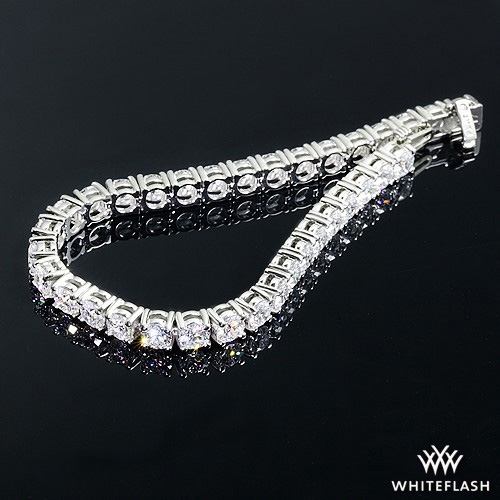
Whiteflash distinguishes itself in the realm of diamond tennis bracelets by offering a smooth, captivating luster through carefully aligned diamonds in elegantly simple designs. Their focus on diamonds optimized for superior light reflection makes their pieces ideal for both everyday wear and special occasions demanding intense sparkle and dynamic light play. Whiteflash is the premier choice for those who demand exceptional diamond quality in their tennis bracelets. Their A CUT ABOVE® diamonds feature ultra-precise cuts that deliver unmatched brilliance and balance, supported by thorough grading and expert craftsmanship. This dedication ensures outstanding value in high-end diamond accessories without inflated costs, attracting buyers who appreciate comprehensive transparency and enduring radiance.
2. James Allen
James Allen presents a robust selection of tennis bracelets featuring premium diamonds in classic channel or prong settings, available in both natural and lab-created options. Their bracelets consistently deliver a steady luster, making them perfect for individuals seeking reliable sparkle in stylish, modern pieces. James Allen is a strong choice for customers who value an intuitive online platform with superb diamond clarity and responsible sourcing. Their advanced 360-degree inspection tools allow for close examination of each diamond’s features. Furthermore, competitive pricing on verified diamonds and strong after-sales support make them a compelling option for tennis bracelets that seamlessly blend luxury with everyday wearability.
3. Blue Nile
Blue Nile boasts a wide range of tennis bracelets, from simple single-line designs to more elaborate styles. They offer a choice between naturally sourced and lab-created diamonds, with a selection that prioritizes quality and personalization, ensuring diamonds are arranged to enhance visual appeal in various settings. Blue Nile appeals to buyers seeking good value, careful diamond evaluation, and customer-friendly policies. Their offerings include competitive pricing, detailed grading summaries, and customization options. It stands as a trusted source for tennis bracelets that combine elegance, durability, and peace of mind, backed by strong guarantees and support.
4. Angara
Angara highlights a curated collection of tennis bracelets, with a particular emphasis on lab-grown diamonds in timeless round brilliant shapes, meticulously set in prong arrangements. These pieces create a vibrant, reliable sparkle, suitable for both casual luxury and more formal events. Angara attracts buyers seeking responsible, budget-friendly tennis bracelets that are well-designed and offer direct savings. By focusing on lab-grown diamonds, they provide brilliant, high-quality shine at prices lower than mined diamonds. This approach offers customization and reliable service, ensuring a satisfying shopping experience that prioritizes savings and ethical sourcing.

5. 47 Jewelry
47 Jewelry offers a distinctive approach to tennis bracelets, combining expertise in vintage and rare diamonds with modern, sustainable options, including lab-grown varieties. Their commitment to superior sourcing delivers pieces with impressive features and reliable quality. This retailer appeals to discerning buyers who value origin stories, expert knowledge, and thoughtful diamond selections for their tennis bracelets. With transparent provenance, GIA verifications, and personalized advice, 47 Jewelry provides principled creations that stand out for those who prefer authenticity and careful selection over mass uniformity.
6. Enhoerning Jewelry
Enhoerning Jewelry operates as a high-end custom jeweler dedicated to crafting bespoke tennis bracelets featuring exceptional diamonds through expert handcrafting. Their process often involves utilizing high-quality or specialized diamonds set into personalized designs using time-honored techniques, resulting in pieces with a unique, heirloom-like quality. Enhoerning is ideal for buyers seeking a truly distinctive tennis bracelet, with a strong emphasis on artistic finishing and meticulous diamond selection. Through detailed consultations and access to quality diamond supply, they create made-to-order pieces that highlight flawless coordination, excellent cut standards, and documented origins, making them a premier choice for those seeking refined, artisanal sparkle.
7. Diamonds By Lauren
Diamonds By Lauren focuses on contemporary, ready-to-wear tennis bracelets featuring superior lab-grown diamonds in popular shapes, such as round brilliant. Their collection showcases impressive color, clarity, and key carat sizes, offering stunning, responsible sparkle at accessible price points. This provider is a smart choice for anyone seeking lab-grown tennis bracelets with high-quality diamond details and clear pricing. By concentrating on newly crafted items with outstanding brilliance, clarity, and shine, they offer traceable options that emulate premium mined diamonds while maintaining approachable costs and simplicity.
The Crucial Role of Retailer Reputation and Diamond Grading
Selecting the ideal venue for purchasing a superior diamond tennis bracelet involves more than simply perusing options; it requires finding a retailer that meets specific needs for trustworthiness, quality assurance, and overall satisfaction. In a market with numerous choices, from online platforms to physical stores, prioritizing factors that guarantee the bracelet’s lasting sparkle and longevity is essential. Focusing on reputable sources helps buyers avoid common pitfalls and secure a bracelet that offers both aesthetic appeal and enduring value.
Defining a Strong Reputation in Jewelry Retailers
A strong reputation is a cornerstone of any quality purchase. Esteemed retailers demonstrate their excellence through years of dedicated service and consistently positive customer feedback. When evaluating jewelers, prioritize those with a specialization in diamonds and a proven track record of accurate product representation. These retailers typically provide detailed documentation and high-quality imagery to showcase their offerings. This expertise is particularly vital for tennis bracelets, where uniform diamond matching and precise assembly significantly influence both the overall appearance and wearability. Trusted vendors often share transparent information regarding their sourcing and grading practices, a transparency often validated by independent certifications, thereby building consumer confidence. Reviewing verified testimonials from sources such as forums or retailer websites offers invaluable insights into real-world durability, guiding consumers towards jewelers with a history of minimal issues, such as loose settings or mismatched diamonds.

The Importance of Independent Diamond Grading
High-quality diamonds are fundamental to a tennis bracelet’s brilliance, making independent grading essential for informed purchasing. Opt for sellers who provide diamonds evaluated by recognized laboratories such as the GIA. These institutions rigorously assess key attributes like cut, color, clarity, and carat weight, ensuring each diamond contributes harmoniously to a beautiful, luminous effect. This is especially critical in tennis bracelet designs, where numerous small diamonds must exhibit uniform sparkle under light without discernible flaws.
Craftsmanship and Bracelet Durability
The setting and materials employed directly influence a tennis bracelet’s robustness. It is imperative to select retailers known for superior craftsmanship, focusing on secure prong or channel settings that firmly hold the diamonds. Prong settings maximize light entry for enhanced sparkle but require careful design to prevent snags or diamond loss. Conversely, bezel settings offer superior protection, making them ideal for active lifestyles and reducing maintenance needs. The choice of materials is also critical; platinum offers exceptional strength and hypoallergenic properties, while various gold alloys provide stylistic variety and affordability. Reputable retailers should offer durable alloys that withstand regular wear. Reviewing close-up imagery or videos from retailers to assess clasp integrity and solder points is a prudent step, ensuring the design can endure daily use without compromising comfort or durability.
Pricing Transparency and Value Assessment
Pricing transparency is key to identifying true value. Costs are influenced by total carat weight, diamond type, and design complexity, with options ranging from budget-friendly selections to premium investments. Retailers should provide clear breakdowns to facilitate informed comparisons between similar items, helping to prevent overpayment for equivalent quality, particularly when balancing larger carat totals against higher grades for enhanced sparkle. The choice between natural and lab-grown diamonds represents a significant value decision. Lab-created diamonds offer comparable aesthetics at reduced prices, appealing to those who value ethical traceability through clear production records. It is important to select vendors who clearly articulate these differences without exaggeration, enabling consumers to align their budgets with their preferences for rarity or sustainability based on reliable information.
The Enhancing Role of Customer Service
Exceptional customer service distinguishes top-tier retailers by offering valuable benefits such as extended return periods, comprehensive warranties, and complimentary adjustments. These added perks significantly elevate the buying experience. For tennis bracelets, post-purchase support, including resizing or periodic inspections, is crucial for maintaining proper fit and security. This support is particularly vital for pieces with numerous connection points, contributing to their longevity and comfort over years of wear. Policies governing shipping, insurance, and repairs should be consumer-friendly, with clear terms to mitigate risks such as transit damage. Opting for retailers that provide interactive tools for virtual previews or expert consultations is also beneficial, offering personalized assistance for fit and customization, ultimately fostering trust and satisfaction in the selection process.
Leveraging Communities for Informed Decisions
Engaging with online diamond enthusiast communities provides unbiased perspectives on retailers. These platforms refine choices by sharing real-world experiences. Discussions often cover vendor performance, diamond matching accuracy, and user-submitted photographs, offering insights into quality that extend beyond marketing claims. Platforms like PriceScope aggregate these experiences through community forums. Members share details of their actual purchases, including delivery times, the precision of diamond matching, and long-term durability. Threads frequently compare specifications across vendors, explaining price variations attributed to factors such as metal weight differences or cut quality upgrades. This process transforms ambiguous retail claims into verifiable records, identifying sellers who consistently meet their promises and those requiring closer scrutiny.

Final Considerations for a Confident Purchase
Identifying the right retailer is merely the initial stride toward assuredness in a significant purchase. The true value lies in posing specific questions relevant to one’s circumstances and receiving tailored guidance from those who have navigated similar decisions. This informed approach ensures that the acquisition of a diamond tennis bracelet is not just a transaction, but a wise investment in enduring elegance.