

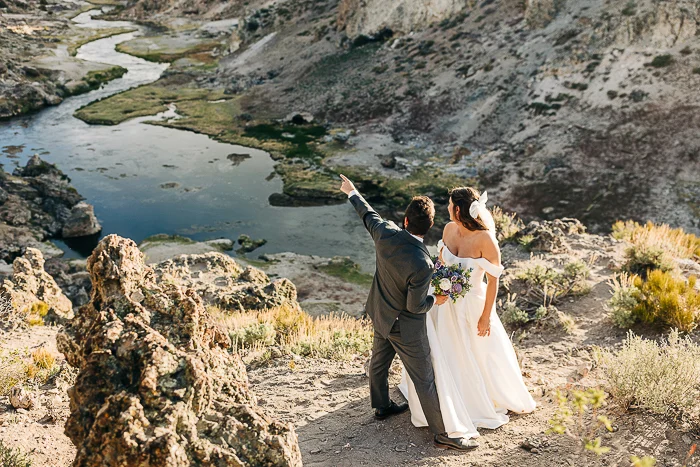
The recent "body language" photo challenge hosted by the Photobug Community has underscored a powerful truth in visual storytelling: the human form, even without the explicit reveal of facial expressions, possesses an extraordinary capacity to convey a spectrum of profound emotions. From the tender embrace to the subtle lean, the images curated for June’s challenge demonstrate unequivocally that love, joy, sorrow, and connection can resonate deeply through posture, gesture, and interaction alone. This initiative not only pushed the creative boundaries for participating photographers but also offered a compelling testament to the universality of non-verbal communication in capturing the intricate tapestry of human relationships. The Photobug Community, a respected platform for professional photographers, aimed to explore how photographers could evoke powerful feelings solely through the physical interplay between subjects, a concept that has since garnered significant attention within the industry for its innovative approach to emotional capture.
The Universal Language of the Body: A Scientific and Artistic Perspective
The premise of the "body language" challenge is deeply rooted in established psychological and artistic principles concerning non-verbal communication. Experts in human behavior have long understood that body language accounts for a significant portion of interpersonal communication, often conveying more authentic emotion than spoken words or even facial cues, which can be consciously manipulated. Pioneering research in the field, such as Albert Mehrabian’s studies in the 1960s, suggested that non-verbal elements (like tone of voice and body language) contribute disproportionately to the interpretation of feelings, especially when there’s incongruence with verbal communication. While the exact percentages are debated in varying contexts, the overarching consensus remains: the body is a potent communicator.
In the realm of visual arts, artists across centuries have harnessed body language to tell stories and express emotions without relying solely on facial details. From classical Greek sculptures depicting heroic struggle and pathos through dynamic poses, to Renaissance paintings where the tilt of a head or the clasp of hands conveyed deep spiritual or familial bonds, the human form has consistently been a canvas for emotional expression. Photographers, as modern visual storytellers, inherit this rich tradition. The challenge specifically aimed to distill this essence, compelling participants to move beyond the easily decipherable cues of a smile or a tear, and instead focus on the more nuanced and often subconscious signals emanating from the body. This approach forces both the photographer and the viewer to engage on a deeper, more empathetic level, interpreting the unspoken narratives woven into every curve, tension, or relaxation of the subjects’ bodies.
A New Frontier in Photographic Storytelling: The Challenge’s Unique Parameters
The "body language" challenge was designed to be more than just a thematic photo call; it was an exercise in artistic restraint and imaginative interpretation. Participants were explicitly tasked with submitting images where the faces of the subjects, particularly those expressing core emotions, were either obscured, turned away, or cropped out entirely. This seemingly simple rule introduced a complex layer of difficulty. Photographers had to meticulously consider composition, lighting, posing, and context to ensure the emotional message remained clear and impactful.
For instance, capturing the intimacy of a couple’s bond without showing their faces might involve focusing on intertwined hands, the gentle curve of two bodies leaning into each other, or the subtle tension in a protective embrace. Joy could be conveyed through an ecstatic leap, the relaxed posture of shared laughter, or the dynamic energy of movement. Sadness might manifest in slumped shoulders, a solitary figure gazing into the distance, or a comforting hand on a back. The challenge therefore demanded a heightened sensitivity to human interaction and an advanced understanding of how to frame and light scenes to emphasize these non-verbal cues. It served as a critical skill-building exercise, pushing photographers to develop their visual vocabulary beyond conventional portraiture and encouraging them to seek beauty and meaning in less obvious places.
The Photobug Community: Fostering Creative Excellence and Connection
The Photobug Community, a globally recognized hub for wedding and lifestyle photographers, has built its reputation on fostering a vibrant ecosystem of learning, sharing, and creative inspiration. Founded on the principle of elevating photographic artistry, the community regularly hosts themed challenges, workshops, and showcases designed to push members’ skills and provide exposure for their work. These challenges are a cornerstone of the community’s engagement strategy, encouraging photographers to step outside their comfort zones, experiment with new techniques, and gain valuable peer feedback.
"Our mission has always been to inspire and equip photographers to create breathtaking work that genuinely resonates," stated a representative from the Photobug Community, speaking on background about the philosophy behind their initiatives. "The ‘body language’ challenge was conceived precisely to challenge conventional notions of emotional expression in photography. We wanted to see if our community could evoke powerful feelings without relying on the immediate impact of a smile or a tear. The response has been overwhelmingly positive, demonstrating the immense talent and profound understanding of human connection within our membership." These challenges serve not only as creative prompts but also as crucial networking opportunities, allowing photographers from diverse backgrounds to connect, share insights, and collectively raise the bar for photographic excellence. The rigorous curation process for showcasing submissions ensures that only the most compelling and technically proficient images receive the spotlight, thereby setting a high standard for the community.
Chronology of a Creative Endeavor: The Challenge Lifecycle
The "body language" challenge, like many of the Photobug Community’s themed contests, followed a structured timeline designed to maximize participation and ensure a fair selection process. Typically, a challenge begins with an official announcement at the start of the month, outlining the theme, specific rules, and submission guidelines. For June’s challenge, the call for entries emphasized the absence of visible faces as a core criterion. This initial phase generates excitement and prompts photographers to conceptualize and execute new shoots or delve into their archives for relevant images.
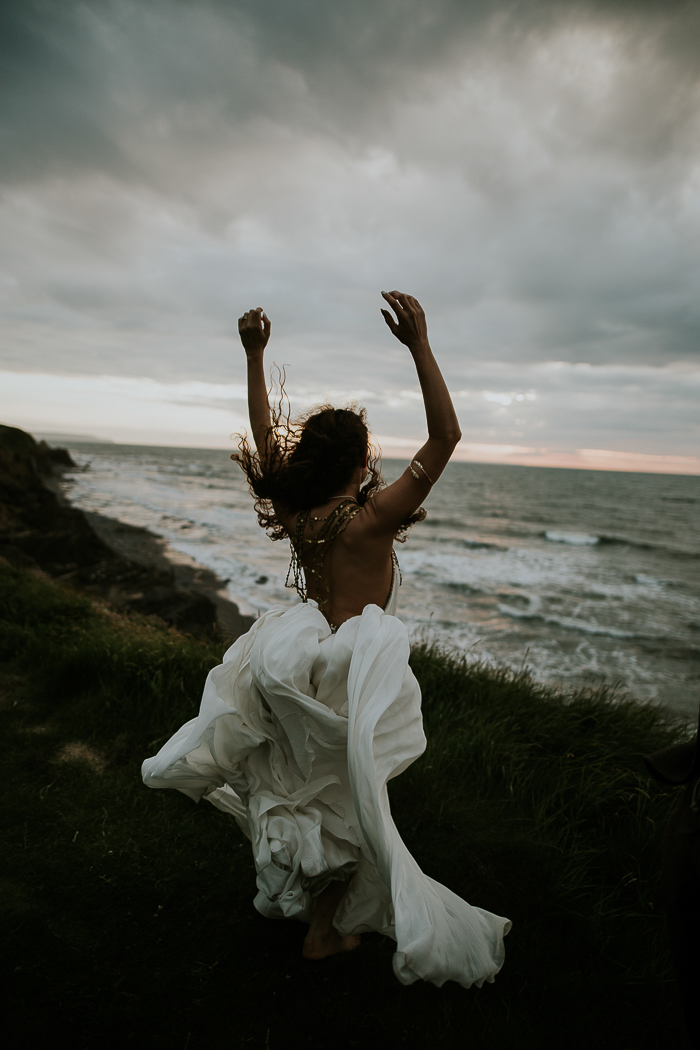
Following the announcement, a submission window of approximately two to three weeks allows photographers ample time to prepare and submit their best work. During this period, the Photobug Community’s social media channels often buzz with discussions, tips, and sneak peeks of potential submissions, fostering a sense of collective anticipation. Once the submission deadline passes, a panel of experienced editors and curators from the Photobug Community meticulously reviews hundreds, sometimes thousands, of entries. This rigorous selection process ensures that only images that truly embody the challenge’s spirit and demonstrate exceptional artistic and technical merit are chosen for the final showcase. The selected images, like the one from Samsul Hidayat, are then featured in a curated round-up article, celebrating the winners and highlighting the diverse interpretations of the theme. This final publication serves as both an inspiration for the broader photography community and a moment of recognition for the featured artists.
Submissions and Their Emotional Resonance: A Closer Look
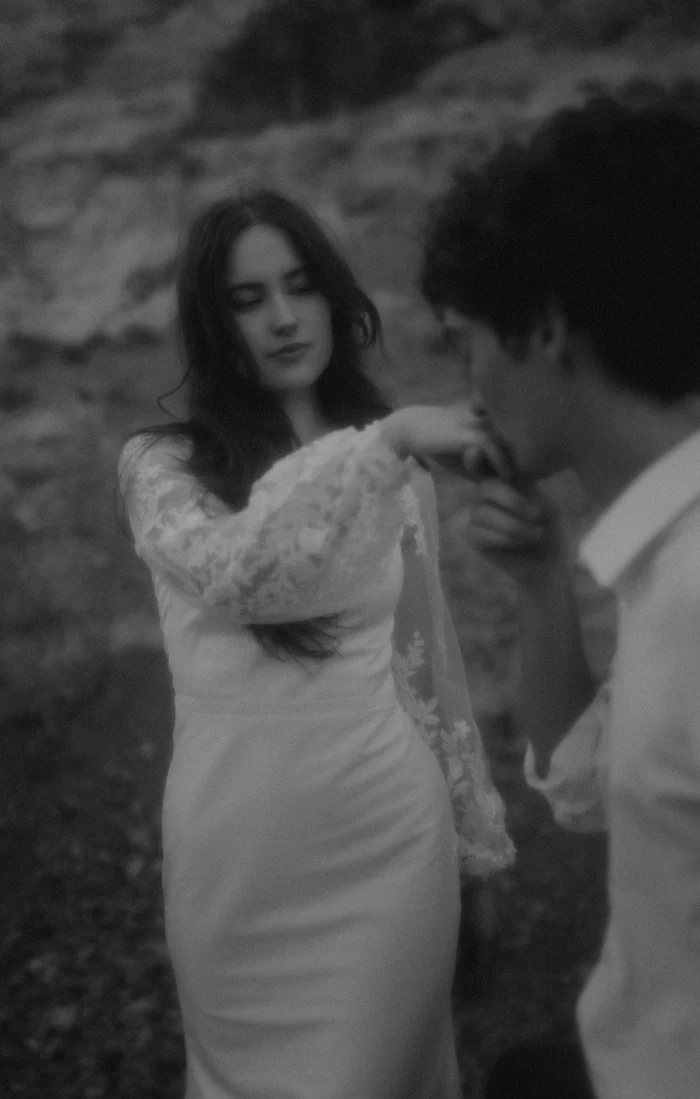
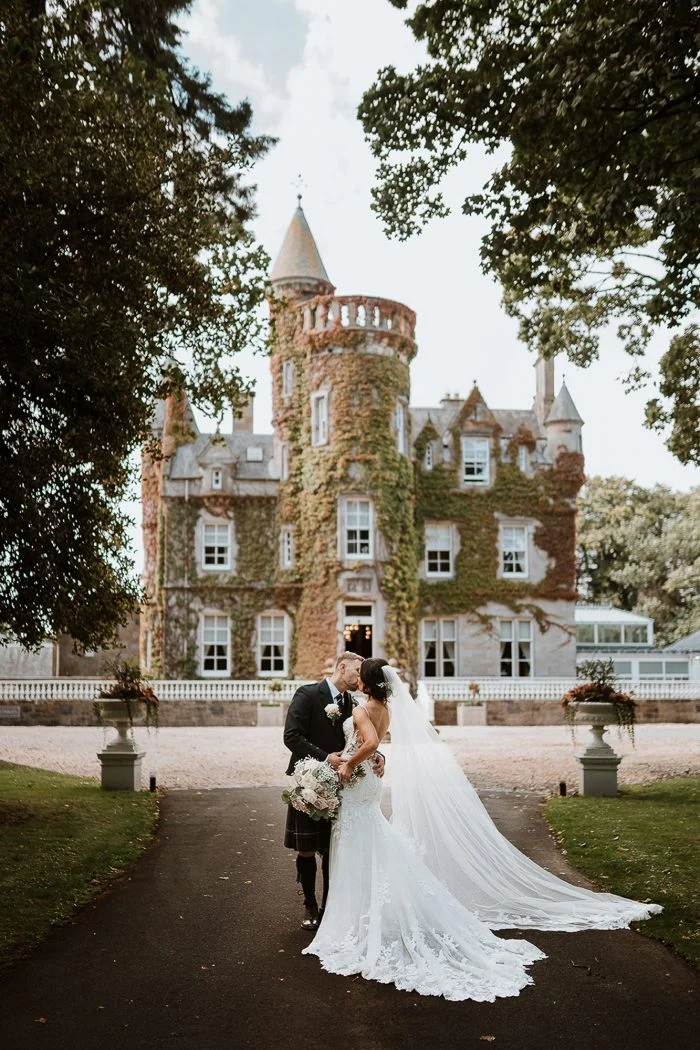
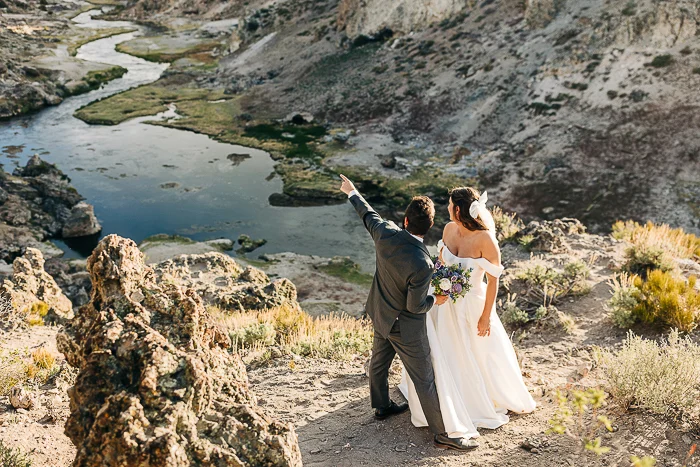
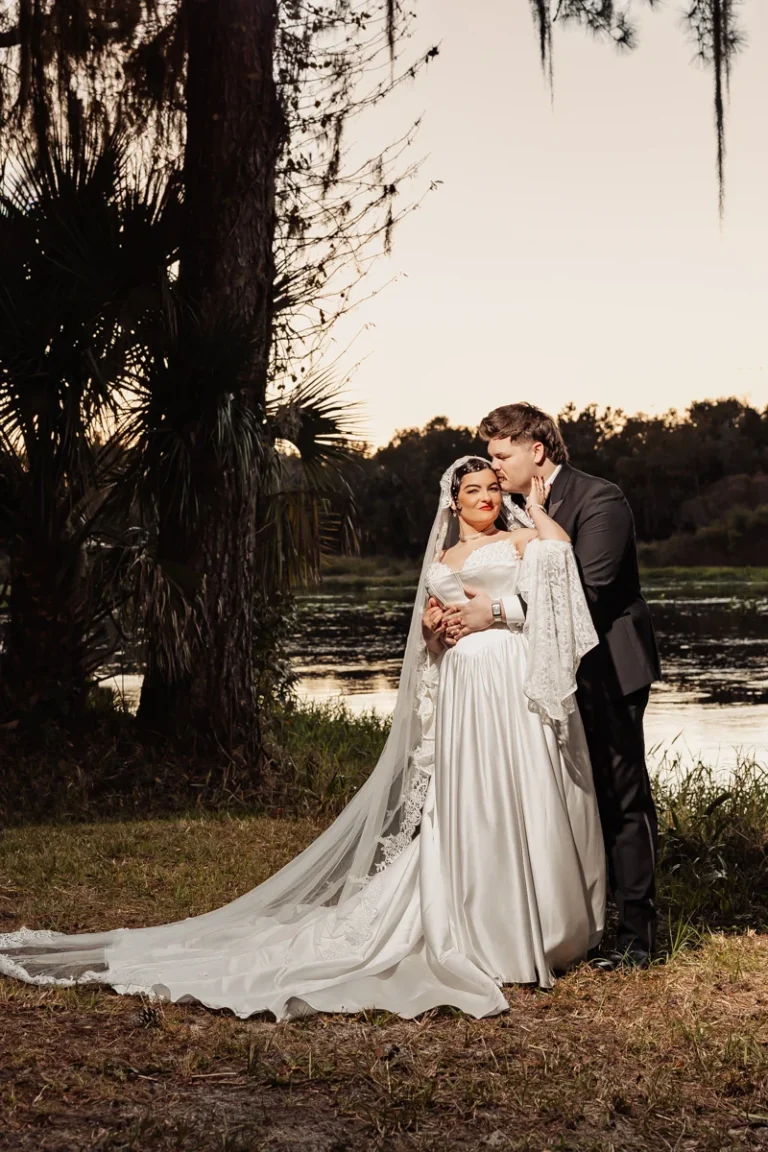
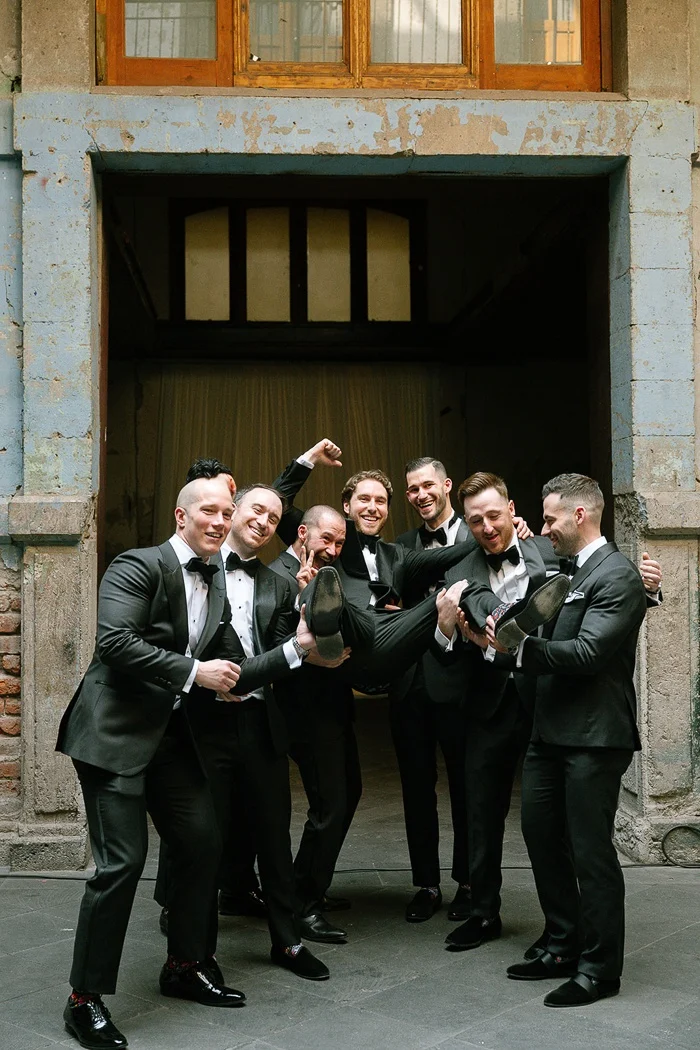
The submissions for the "body language" challenge presented a fascinating spectrum of human emotion, all conveyed with remarkable subtlety and power. From the tender weight of a head resting on a shoulder to the exhilarating sweep of a bridal veil, each photograph was a masterclass in evocative storytelling. One notable example, an image by Samsul Hidayat, perfectly encapsulates the essence of the challenge. The photograph features a couple, their faces obscured, engaged in an intimate moment. The precise details of this specific image are not provided in the original text beyond its existence and attribution, but one can infer its impact from the challenge’s premise. Such an image would likely highlight intertwined hands, a gentle touch, or a posture of deep comfort and connection, where the subjects’ bodies eloquently speak volumes about their affection and bond. The choice of composition, the play of light and shadow, and the subtle framing would all contribute to a powerful emotional narrative without needing to see a single facial expression.
Photographers participating in such a challenge must master several techniques:
- Composition: Strategic cropping and framing to direct the viewer’s eye to the expressive parts of the body.
- Posing: Guiding subjects into natural, authentic poses that convey specific emotions. This often requires keen observation skills and the ability to put subjects at ease.
- Lighting: Using light to sculpt the body, highlight textures, and create mood, emphasizing the contours and gestures that carry emotional weight.
- Context: Utilizing the environment or props to add layers of meaning and narrative to the body’s story.
The collective impact of these submissions proved the core hypothesis: that the human body is an inexhaustible source of emotional information. The images moved viewers just as profoundly as those featuring explicit facial expressions, sometimes even more so, by inviting a deeper, more interpretive engagement.
Expert Perspectives on Visual Communication and Empathy
The success of the "body language" challenge resonates with broader insights from visual communication experts. "Challenges like this are crucial for advancing the art form," remarks Dr. Eleanor Vance, a hypothetical expert in visual semiotics and emotional intelligence. "By removing the most obvious visual cue – the face – photographers are forced to delve into the more subtle, yet equally powerful, realms of non-verbal communication. This not only hones their technical and artistic skills but also enhances their emotional literacy. They become more adept at ‘reading’ and ‘translating’ the nuances of human interaction into compelling visuals."
Dr. Vance further elaborates on the viewer’s experience: "When a viewer encounters an image where faces are absent, their brain works harder to interpret the scene. They project emotions, draw on their own experiences, and engage in a more active process of empathy. This often leads to a deeper, more personal connection with the photograph and its implied narrative. It’s a testament to the human capacity for understanding and connecting through universal bodily signals." The challenge, therefore, serves a dual purpose: it educates photographers in nuanced visual storytelling and trains viewers in empathetic interpretation.
Broader Implications for the Photography Industry and Beyond
The "body language" challenge carries significant implications for the photography industry, particularly in genres like wedding, portrait, and documentary photography. It encourages a departure from formulaic poses and a greater emphasis on capturing genuine, unscripted moments that convey authentic emotion through physical interaction. For wedding photographers, for instance, it underscores the value of capturing intimate gestures, shared laughter, or comforting touches that speak volumes about a couple’s bond, even when their faces are not the primary focus. This approach can lead to more evocative and timeless images that transcend fleeting trends.
Furthermore, such conceptual challenges contribute to the ongoing evolution of photographic expression. They push artists to continually innovate, redefine boundaries, and explore new dimensions of their craft. In an increasingly saturated visual landscape, the ability to create impactful images through unconventional means becomes a significant differentiator. The success of this challenge also highlights the enduring power of online communities like Photobug Community in shaping industry trends, fostering talent, and providing platforms for artistic growth and recognition. These communities act as incubators for new ideas and techniques, influencing how photographers approach their subjects and ultimately enriching the visual culture at large.
The "body language" photo challenge by the Photobug Community stands as a powerful reminder that emotion is not solely confined to facial expressions. It is a pervasive current flowing through every gesture, every posture, and every interaction of the human form. By daring to look beyond the obvious, the participating photographers have not only showcased their immense talent but have also enriched our collective understanding of visual communication and the profound depths of unspoken emotion. As the community continues to champion creative exploration, it encourages all photographers to join its ranks and embrace the opportunity to share their unique perspectives, pushing the boundaries of what a single image can truly convey.