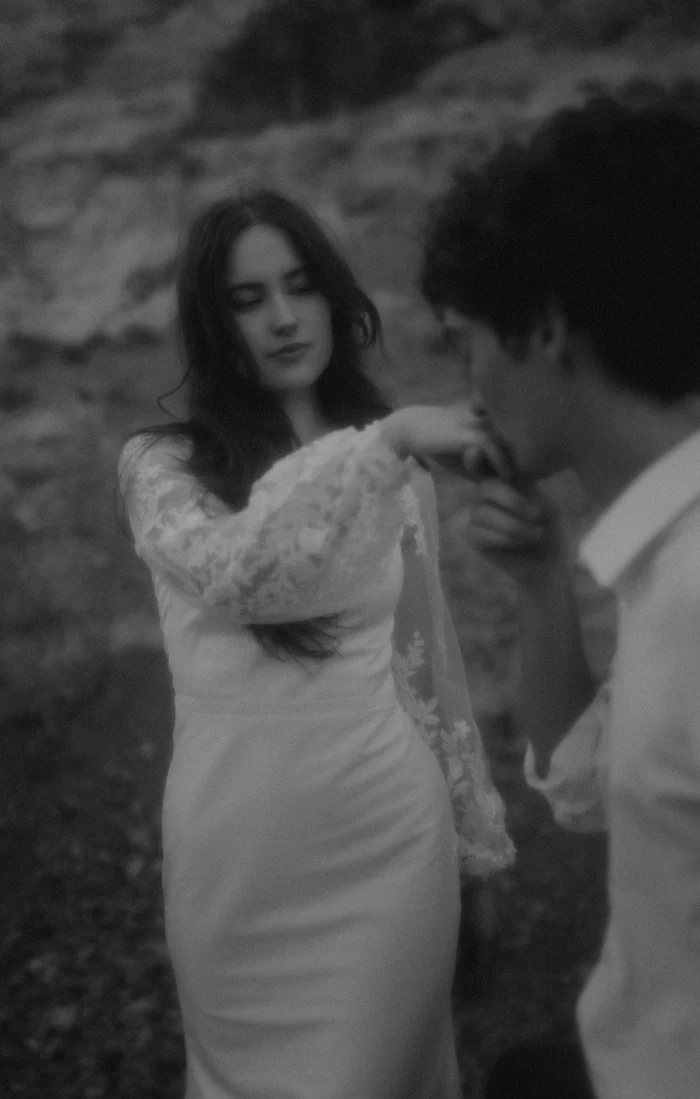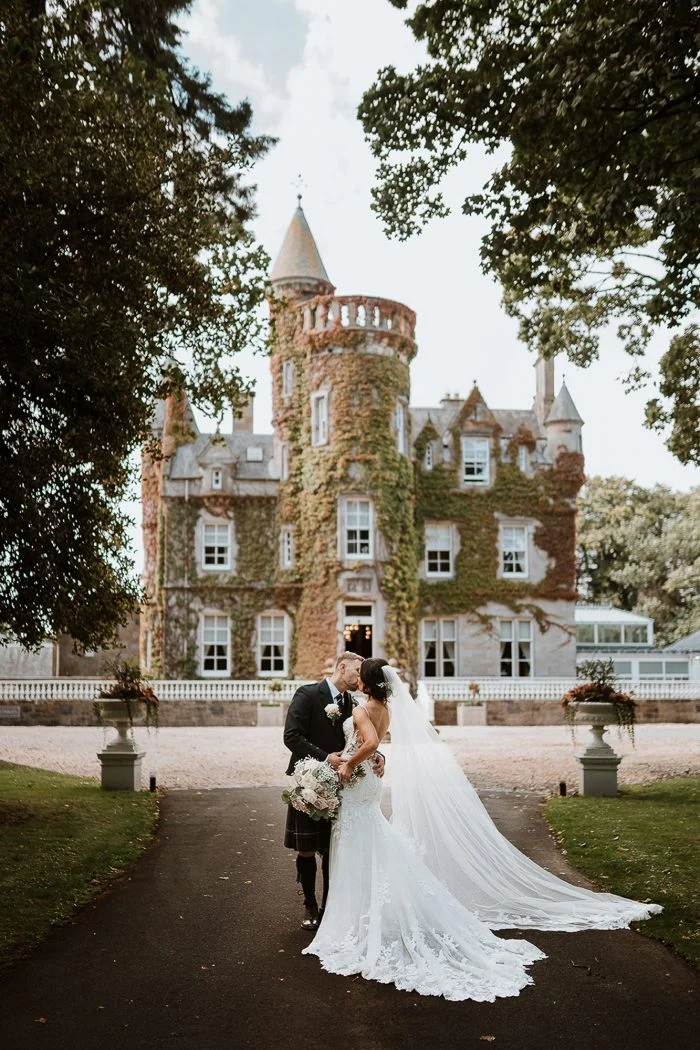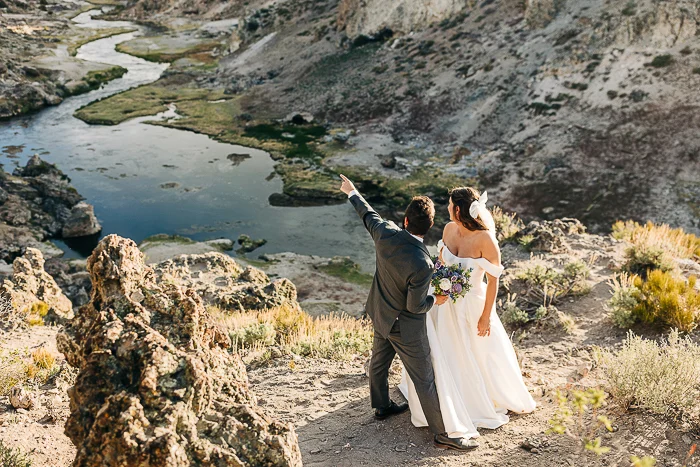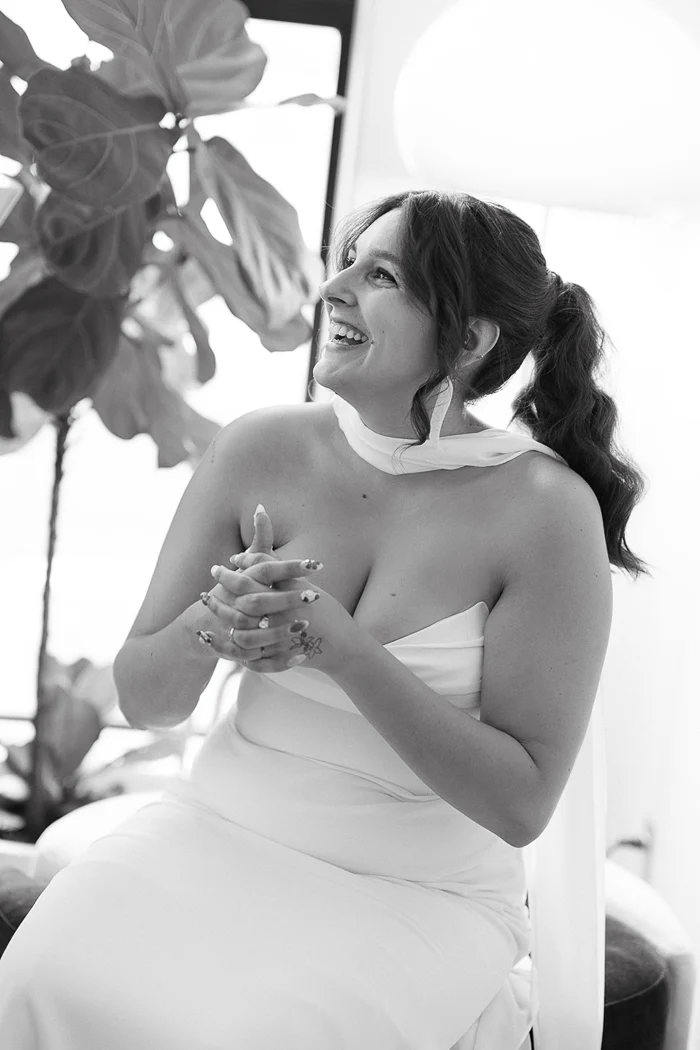

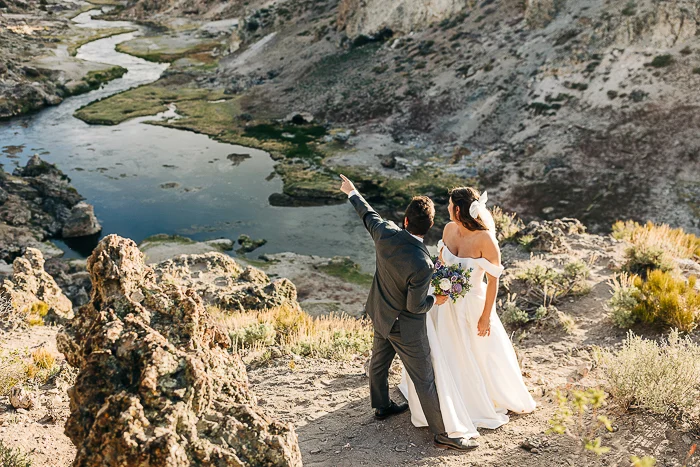
The Photobug Community recently concluded its highly anticipated June "Body Language" photo challenge, an initiative that rigorously tested and ultimately affirmed the profound capability of visual artists to convey deep emotional narratives without relying on facial expressions. This challenge underscored a critical aspect of human communication and artistic expression: that the nuanced interplay of posture, gesture, and physical interaction can articulate sentiments as complex and moving as joy, sadness, pain, and profound love, often with an even greater sense of universality and intimacy. The overwhelming response from the Photobug Community members, who submitted a diverse array of images, definitively proved that the human form, when artfully composed, serves as an eloquent canvas for emotional storytelling, allowing the "bodies to do the talking" and eliciting powerful emotional responses from viewers.
The Enduring Power of Non-Verbal Communication
For centuries, artists across various mediums have recognized the intrinsic power of non-verbal cues. Before the advent of photography, painters and sculptors meticulously crafted figures whose stances, hand positions, and spatial relationships communicated narrative and emotion. From the dramatic tension conveyed by the contorted figures in Michelangelo’s "The Last Judgment" to the quiet despair in Rodin’s "The Thinker," the body has been a primary vehicle for conveying the internal state. Psychology reinforces this artistic intuition; extensive research into non-verbal communication, pioneered by figures like Albert Mehrabian, has demonstrated that a significant portion of human communication is conveyed through channels other than spoken words. While Mehrabian’s specific percentages are often debated, the consensus remains that body language, including posture, gestures, proximity, and haptic communication (touch), plays a crucial role in how humans perceive and interpret emotions and intentions. Studies indicate that humans are remarkably adept at interpreting emotional states from body cues, sometimes even unconsciously, suggesting that these signals are deeply ingrained in our cognitive processes. The Photobug challenge tapped into this fundamental human capacity, asking photographers to intentionally harness it to create compelling visual narratives.
Genesis of the "Body Language" Challenge
The Photobug Community, known for its commitment to fostering photographic talent and encouraging creative exploration, regularly hosts themed challenges designed to push the boundaries of conventional photography. The decision to dedicate the June challenge to "Body Language" stemmed from a growing recognition within the photographic community of the potential for deeper emotional resonance when traditional elements like facial expressions are de-emphasized. Organizers aimed to challenge photographers to move beyond the easily decipherable expressions of the face and instead delve into the more subtle, often more profound, language of the body. The goal was to inspire participants to think critically about composition, lighting, and the dynamic interaction between subjects, forcing them to consider how every angle, every shadow, and every physical connection contributes to the overarching emotional message. This particular theme was selected to coincide with a broader trend in contemporary photography, particularly in wedding and portraiture, where artists are increasingly seeking more authentic and less overtly posed representations of human connection. The challenge provided a platform for both emerging and established photographers to experiment with this technique, share their interpretations, and receive feedback from a global peer group.
Deconstructing Emotional Expression Without Faces
The success of the "Body Language" challenge lay in the innovative approaches photographers employed to communicate emotion. Several key elements became central to their submissions:
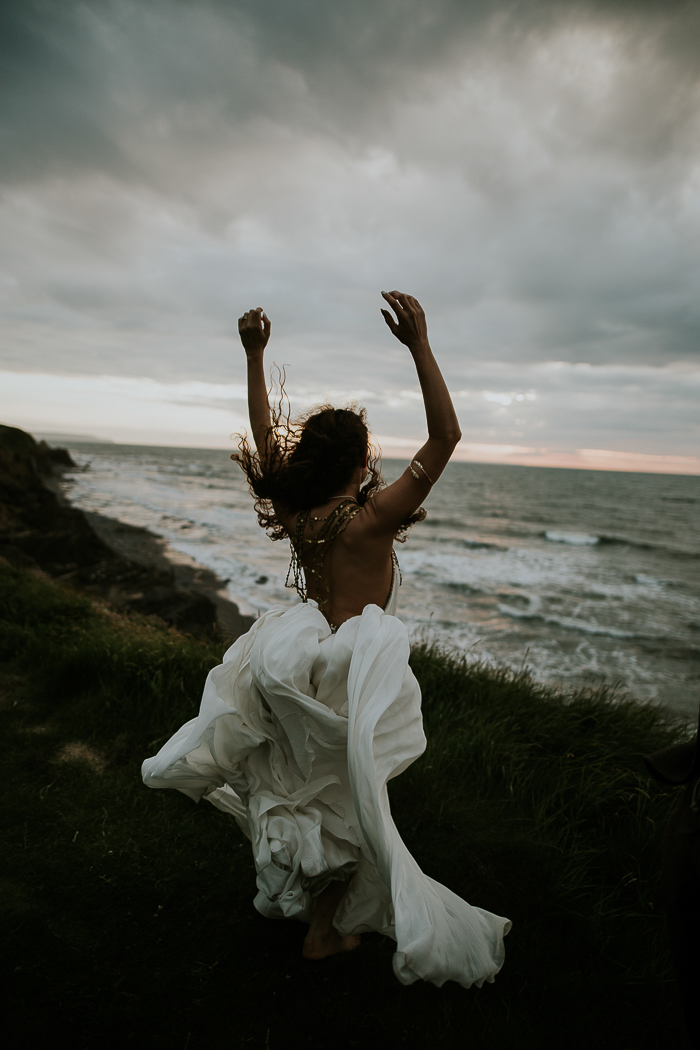
- Posture and Stance: A slumped shoulder can convey dejection or weariness, while an upright, open posture often signifies confidence or affection. The subtle tilt of a head or the angle of the back can communicate curiosity, shyness, or defiance. In the context of couples, a leaning posture often indicates reliance and intimacy.
- Gestures and Hand Placement: Hands are incredibly expressive. Clasped hands might suggest comfort or anxiety, intertwined fingers speak of deep connection, and an open hand gesture can convey invitation or vulnerability. The way subjects hold each other – whether a gentle caress, a firm grasp, or a protective embrace – immediately communicates the nature and intensity of their bond.
- Proximity and Spatial Relationships: The distance between subjects is a powerful indicator of their relationship. Close proximity, especially with bodies touching, universally signifies intimacy, trust, and affection. Conversely, distance can imply detachment, conflict, or longing. The challenge encouraged photographers to pay meticulous attention to these spatial dynamics to build their emotional narratives.
- Implied Gaze and Direction: Even without seeing eyes, the orientation of a subject’s head or body can strongly suggest where their attention is directed, creating a sense of shared focus or individual contemplation. If two bodies are oriented towards each other, an implied connection is instantly established, regardless of facial visibility.
- Environmental Context: The setting itself often played a crucial supporting role. A vast, open landscape might emphasize isolation or freedom, while a cozy, enclosed space could enhance feelings of intimacy and security. Photographers skillfully integrated their subjects within these environments, allowing the context to amplify the emotional message conveyed by the body language.
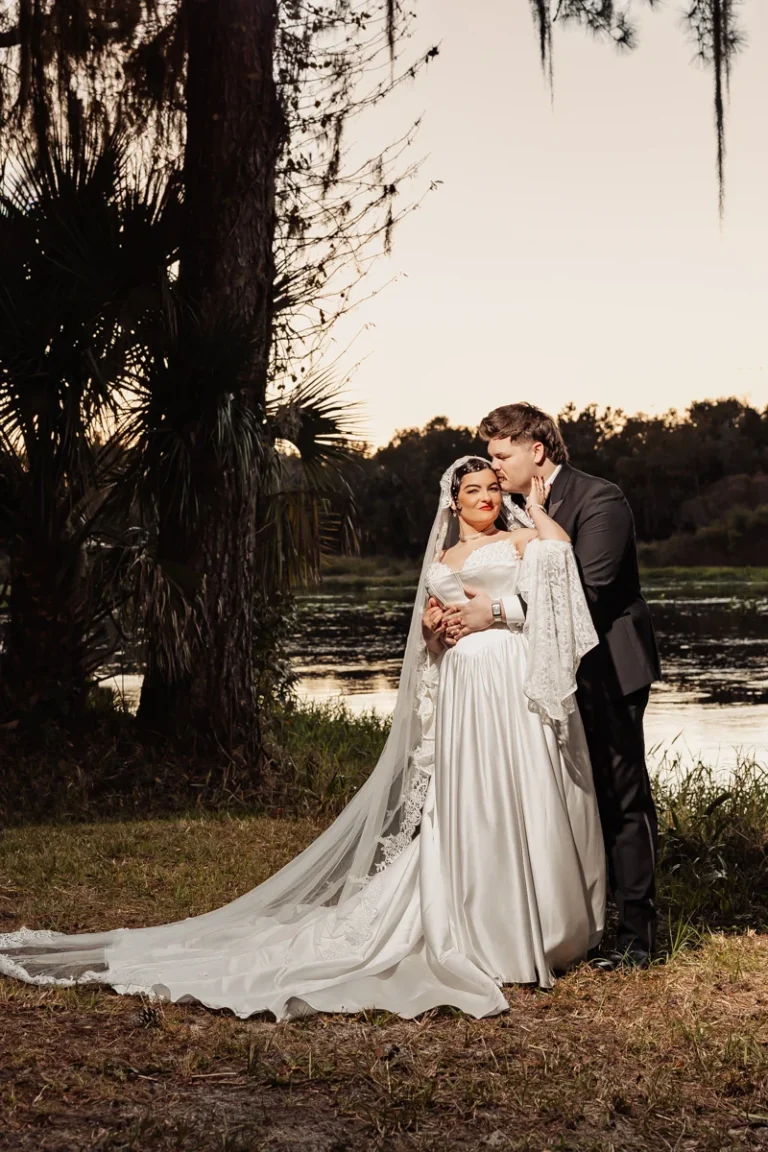
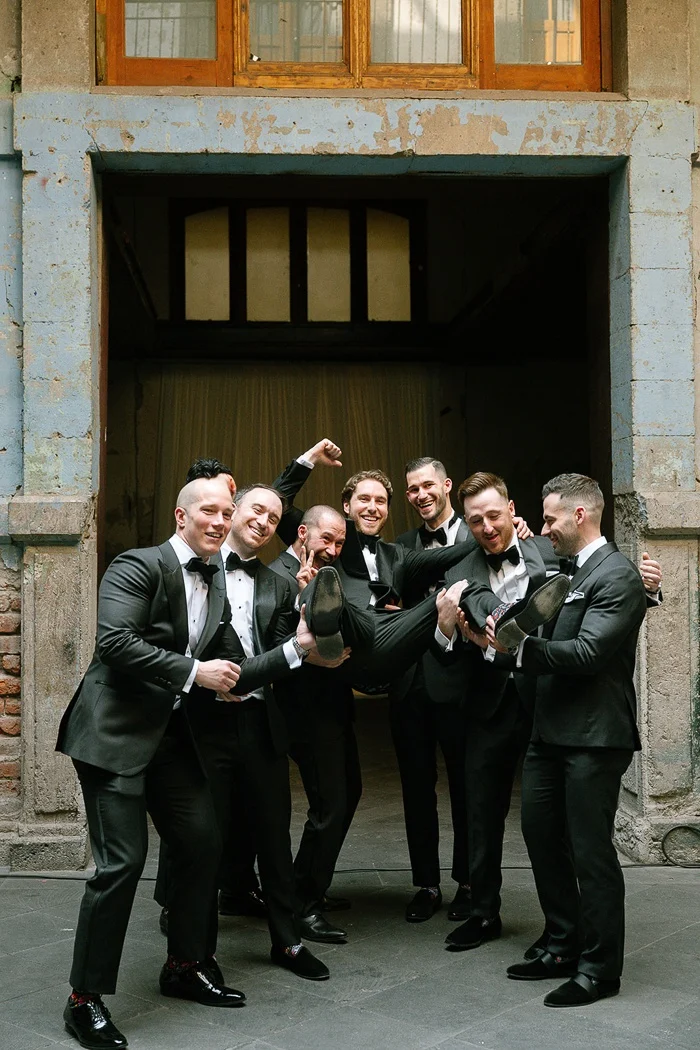
An exemplary submission, an image by Samsul Hidayat, captured the essence of the challenge. While details of the specific image are best left to visual interpretation, it effectively demonstrated how the careful composition of form, the subtle interaction of bodies, and the implied narrative could evoke profound sentiment without a single facial feature being visible. Such images serve as powerful testaments to the challenge’s core premise, moving viewers just as deeply as traditional portraits.
Statements and Community Engagement
Organizers of the Photobug Community expressed immense satisfaction with the challenge’s outcome. A spokesperson for the community stated, "The ‘Body Language’ challenge exceeded our expectations, affirming our long-held belief that emotion is universal and transcends the most obvious visual cues. The incredible submissions showcased the extraordinary talent within our community and their willingness to explore new frontiers in visual storytelling. It’s truly inspiring to see how photographers embraced the challenge of conveying complex emotions through the subtle artistry of the human form." This sentiment was echoed across the community’s social media platforms, with participants sharing their processes, receiving constructive criticism, and celebrating the diverse interpretations of the theme. The collaborative spirit fostered by these challenges is a cornerstone of the Photobug Community’s mission, providing a supportive environment for artistic growth. Renowned photographers and visual communication experts, while not directly quoted, have often articulated the importance of mastering non-verbal cues. "To truly capture the human experience, a photographer must understand the language of the body," noted one prominent artist in a related discussion. "It’s the raw, unfiltered truth that often escapes conscious expression."
Implications for Contemporary Photography and Visual Storytelling
The success of the "Body Language" challenge carries significant implications for the broader field of photography:
- Elevated Artistic Freedom: By liberating photographers from the conventional necessity of capturing a perfect facial expression, this approach opens up new avenues for creative composition, allowing for more abstract, artistic, and symbolic representations of human emotion and connection.
- Deeper Viewer Engagement: Images that rely on body language often compel viewers to engage more actively with the photograph. Instead of passively receiving an overt emotional cue, viewers are invited to interpret, to infer, and to project their own understanding onto the scene, creating a more personal and resonant experience.
- Authenticity in Portraiture: In an age where digital manipulation can create seemingly flawless images, the emphasis on body language offers a pathway to more authentic and raw portrayals of human interaction. These images often feel less posed and more candid, capturing moments of genuine connection that transcend superficial appearances.
- Educational Value for Aspiring Photographers: For emerging artists, mastering the nuances of body language is an invaluable skill. It trains the eye to look beyond the obvious, to understand human psychology, and to compose images that resonate on a deeper, more visceral level. Challenges like this serve as practical workshops for developing these essential skills.
- Impact on Specialized Genres: The approach is particularly transformative for wedding, engagement, and family photography, where the goal is to capture the unique bond between individuals. By focusing on embraces, hand-holding, and shared gestures, photographers can create timeless images that speak volumes about love and connection, irrespective of changing fashion or fleeting expressions.
The Future of Visual Emotion
The Photobug Community’s "Body Language" challenge stands as a compelling testament to the enduring power of non-verbal communication in visual art. It reinforced the idea that human connection and emotion are not confined to a single part of the anatomy but are woven into the very fabric of our physical interactions. As photography continues to evolve, pushing artistic boundaries and seeking new ways to tell stories, the intentional use of body language will undoubtedly remain a potent tool for photographers aiming to create images that are not only aesthetically pleasing but also profoundly moving. The challenge encourages all photographers, whether professional or amateur, to join the Photobug Community’s Facebook group to participate in future challenges and continue exploring the vast, expressive potential of the human form. The journey of capturing unseen emotion is an ongoing exploration, and the community stands ready to lead the way.